Sheraton Grand Incheon Hotel
Sheraton Grand Incheon Hotel belongs to Incheon’s business-hotel grammar: large-format international hospitality, formal public spaces, and a setting shaped by the city’s role as Korea’s airport-facing gateway. With for pricing, awards, room count, or booking channels, it is best read through context rather than claims: a corporate, city-facing hotel in a market split between airport resort spectacle, design-led stays, and practical international brands.

Pearl is the En Primeur Club membership app — saves, bookings, and concierge access live there. Same editors, same standards.
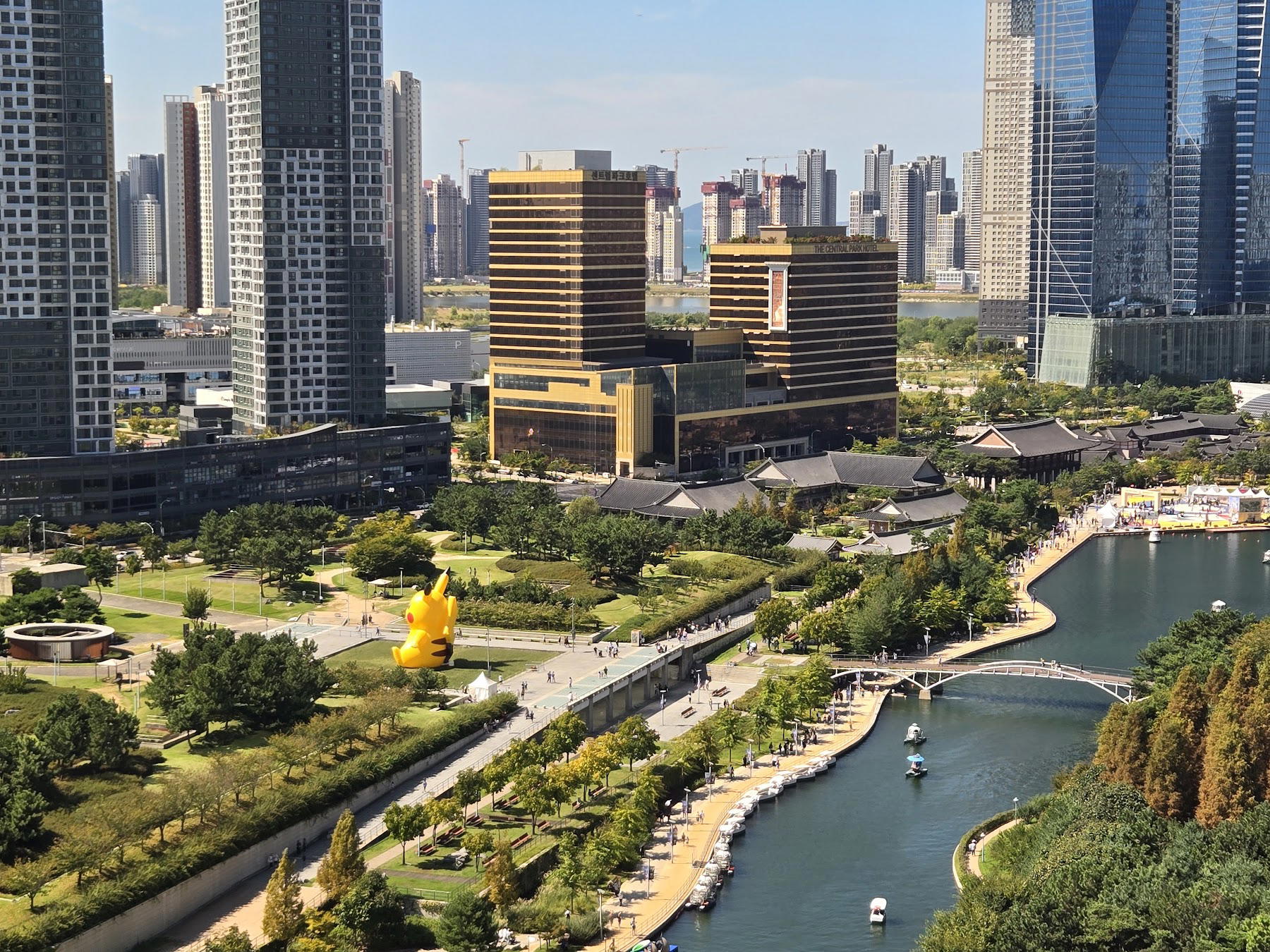
Glass, scale, and the Incheon hotel question
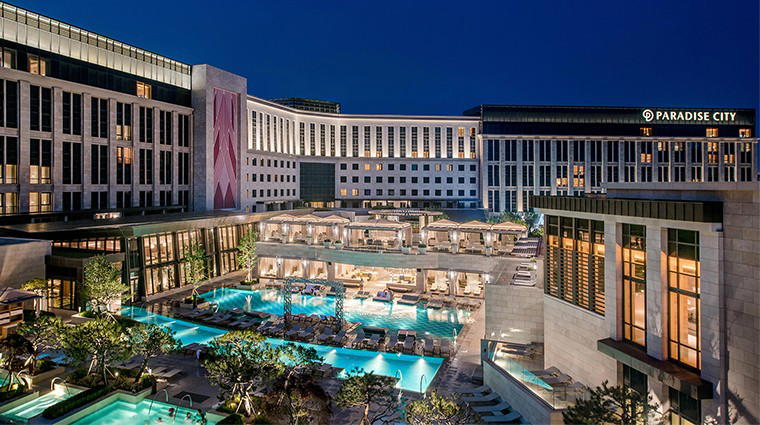
Approaching a large international hotel in Incheon is rarely about surprise. The city’s hospitality character is shaped by infrastructure first: airport corridors, convention traffic, new-city planning, and the measured polish of hotels built to process business travellers, families in transit, and weekend guests moving between Seoul, the coast, and the airport. Sheraton Grand Incheon Hotel fits that grammar. The useful way to read it is not as a boutique design statement, but as part of Incheon’s bigger hotel split: resort-led properties around Paradise City, sea-facing design stays near Yeongjong, and formal business hotels that depend on scale, predictability, and city access.
That distinction matters because Incheon does not behave like Seoul. Seoul’s luxury hotel scene is dense, status-conscious, and neighbourhood-specific, with Gangnam, Jongno, Itaewon, and Yeouido each producing a different hospitality rhythm. Incheon is more spatially stretched. A hotel here is judged by the relationship between building, transport, and purpose. The lobby, meeting rooms, restaurant outlets, and guest circulation often carry as much weight as the bedroom. In that context, Sheraton Grand Incheon Hotel sits in the corporate-luxury lane: international-brand familiarity, a larger physical presence than design inns, and a tone that reads more formal than beach-house casual.
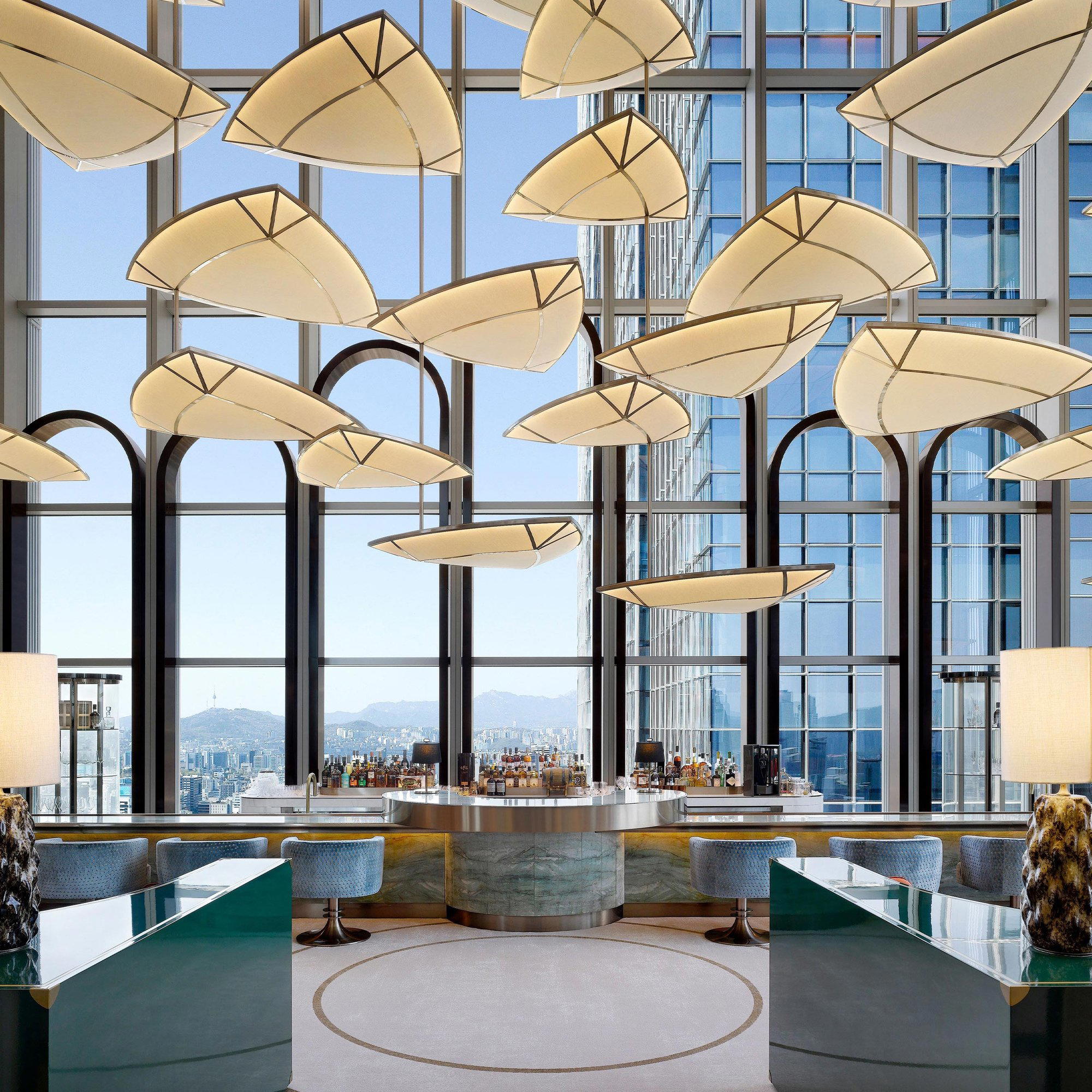
The design angle is therefore one of function and scale rather than auteur architecture. Incheon’s newer districts favour broad roads, glass elevations, and planned civic space; hotels in that setting tend to express order. For travellers who like character through patina, this can feel controlled. For those using Incheon as an operating base, that control is the point. The building type speaks to a city where a hotel must absorb conferences, airport-linked arrivals, and local dining traffic without turning every stay into a resort performance.
How Incheon's hotel scene divides
Incheon’s premium hotel map is easier to understand once it is separated into three peer sets. The first is the airport-and-entertainment resort category, led in EP Club’s Incheon archive by Paradise City and Paradise City Incheon, where the draw is breadth: gaming-adjacent entertainment, art, dining, and a resort campus logic. Nearby, Art Paradiso Hotel and Art Paradiso, Paradise City represent a more design-conscious subcategory within that same orbit, using smaller-scale identity against the surrounding resort machine.
The second category is coastal and airport-adjacent design hospitality. Nest Hotel and Nest Hotel Incheon sit closer to that mood: less about boardroom polish, more about views, architecture, and the softer tempo of a short stay by the water. The stay is chosen for atmosphere, a slower morning, or a last night in Korea that does not feel like an airport layover.
The third category is the urban international hotel, where Sheraton Grand Incheon Hotel belongs. This is the practical tier for travellers who value brand recognition, city infrastructure, and a more formal service environment. The hotel’s name, city, and brand architecture point to a full-service international format; the missing data means no editorial claim should be made about exact facilities, pricing, ranking, or recognition.
Architecture as travel logic
Architecture in Incheon often carries a logistical message. The city’s planned districts and airport economy have encouraged hotels with large footprints, clean sightlines, and public spaces that can manage volume. That is different from a hanok stay, a ryokan-style retreat, or a small design lodge where intimacy is the selling point. In a property such as Sheraton Grand Incheon Hotel, the likely appeal lies in composure: a hotel that can function for meetings, family travel, and airport-facing itineraries without making the guest decode a concept.
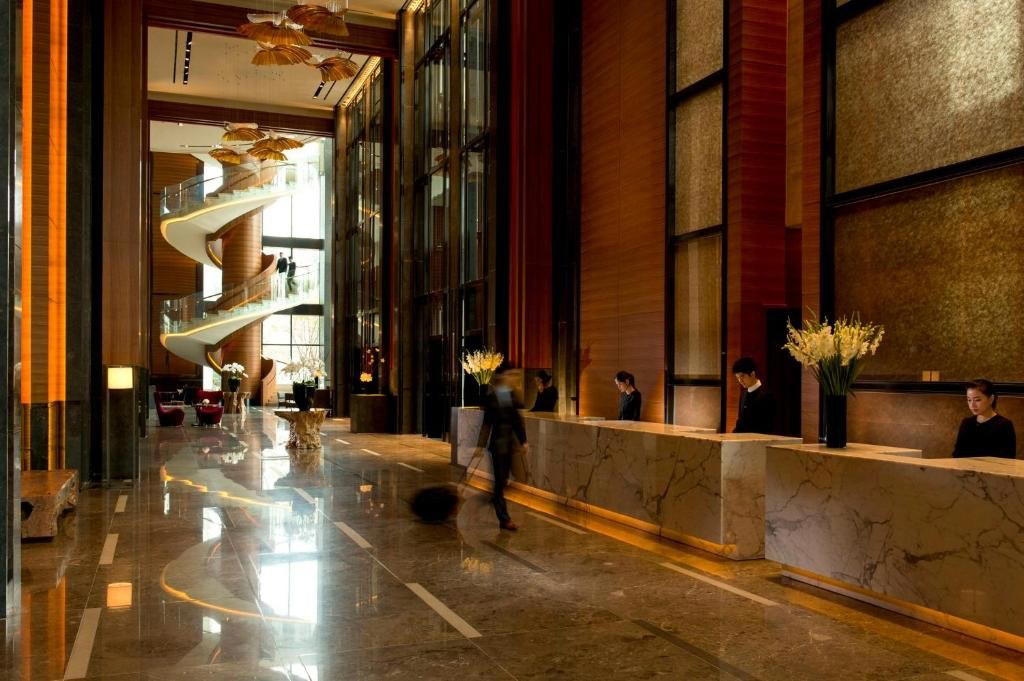
That is not a minor point. In premium travel, design is often discussed as spectacle, but many city hotels succeed through legibility. A lobby that orients arrivals quickly, lifts that do not turn movement into a puzzle, and public areas that support both business and leisure use are design choices, even when they are not dramatic. Incheon rewards that kind of order because visitors are frequently connecting several geographies: Seoul, Songdo, Yeongjong Island, the airport, ferry terminals, and the wider Gyeonggi region. A hotel’s physical clarity can be as valuable as decorative ambition.
The contrast with Korea’s more expressive hotels is useful. KOSMOS ULLEUNGDO in Ulleung-gun belongs to a landscape-driven architectural conversation tied to island isolation and sculptural form. Soi Hanok Stay (소이 한옥스테이) in 경주시 works through vernacular memory and domestic scale. Lotte Resort Jeju Art Villas in Seogwipo-si places architecture within resort privacy and villa living. Sheraton Grand Incheon Hotel sits at the other end of the spectrum: less retreat, more urban apparatus.
The dining question: hotel infrastructure, not chef theatre
That absence matters. What can be said is broader: full-service international hotels in Korean gateway cities often act as dining infrastructure for guests who need convenience, meeting-friendly venues, breakfast service, and neutral spaces for business meals.
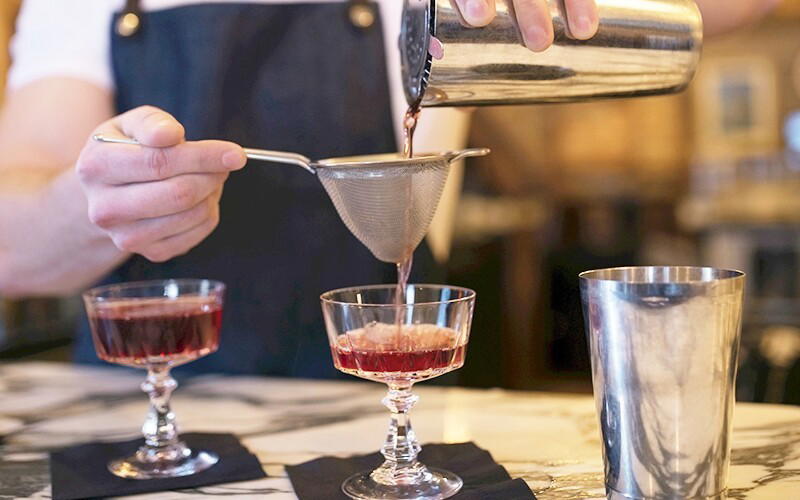
Incheon’s dining identity outside hotels is more varied than the airport image suggests. Chinatown, seafood markets, coastal restaurants, new-town dining precincts, and airport-area hotel restaurants all serve different audiences. For travellers planning meals with editorial intent, a hotel restaurant should be weighed against the city’s neighbourhood cooking rather than treated as a default. EP Club’s Our full Incheon restaurants guide is the better starting point for understanding where local dining has stronger character, while Our full Incheon bars guide helps separate hotel-lounge convenience from dedicated drinking rooms.
This is where the corporate-hotel format shows both strength and limitation. It is usually strongest when the guest needs control: early departures, family coordination, meetings, weather-proof dining, and predictable service. It is weaker when the traveller wants a meal that explains Incheon through ingredients, neighbourhood culture, or a named chef’s body of work. With no database evidence for awards or cuisine at Sheraton Grand Incheon Hotel, the editorial stance is simple: use the hotel for convenience unless a specific in-house restaurant record gives a stronger reason to stay on property.
Formality, service tone, and who this suits
The tone here should be read as more formal than casual. That does not mean stiff. It means the hotel belongs to a category where guests arrive with luggage, meeting schedules, airport timing, and expectations shaped by international full-service brands. Incheon’s resort hotels can turn a stay into entertainment; smaller design hotels can trade on mood; business hotels are judged by friction. The fewer obstacles between arrival, room, meeting, meal, and onward movement, the better the format works.
That makes Sheraton Grand Incheon Hotel a logical fit for travellers who want Incheon as a base rather than a fantasy. Business travellers, conference guests, families who prefer full-service scale, and visitors with plans split between Seoul and the airport are the natural audience. Travellers seeking a property defined by coastal quiet may compare it with Nest Hotel. Those wanting a resort campus should compare it with Paradise City. Those using Incheon as a springboard for a wider Korea itinerary may want to benchmark it against city and resort hotels elsewhere in the country, including JW Marriott Hotel Seoul in Seoul, Park Hyatt Busan in Busan, Grand Hyatt Jeju in Jeju, and JW Marriott Jeju Resort & Spa in Seogwipo.
The broader Korean hotel field is useful because it shows how sharply purpose defines property choice. Hotel Onoma Daejeon, Autograph Collection in Daejeon speaks to a science-and-culture city with different weekday demand. Hyatt Place Gwangju in Gwangju belongs to a more functional regional-city model. The Ananti Namhae in Namhae Gun is tied to resort seclusion and southern-coast leisure. U Retreat in Hongcheon Gun points toward rural privacy. Sheraton Grand Incheon Hotel should not be judged by the same emotional criteria as those retreats. Its value is operational.
Planning the stay without overclaiming the details
That limits practical guidance, but it also clarifies the planning approach. Travellers should verify location, current rates, room category, cancellation rules, dining hours, and transport timing through a current booking channel before committing. In Incheon, this step is not administrative trivia; the city’s spread means that a hotel may be excellent for one itinerary and awkward for another depending on whether the day is built around the airport, Songdo, Seoul, the waterfront, or meetings.
For timing, Incheon stays often fall into three patterns: a first-night landing buffer, a final-night airport strategy, or a business base. The first and second patterns require particular attention to airport transfer time and breakfast hours. The business-base pattern requires attention to meeting locations and traffic at commute periods. The smarter move is to map the hotel against the actual appointments and flights, then compare it with EP Club’s Our full Incheon hotels guide.
Travellers building a broader editorial itinerary can also use the city category pages as filters rather than afterthoughts. Our full Incheon experiences guide is useful for understanding what to do beyond check-in, while Our full Incheon wineries guide should be read with realistic expectations, since Incheon is not one of Korea’s defining wine-production regions. The value of these pages is comparative: they prevent the hotel from becoming the whole trip.
How it compares beyond Korea
International comparison helps sharpen the reading. Grand hotels in old resort cities often carry history as their main asset. Hôtel de Paris Monte-Carlo in Monte Carlo is inseparable from casino-era European glamour, while Badrutt's Palace Hotel in St. Moritz belongs to Alpine social history. Newer urban luxury can lean into residential design and restaurant culture, as with The Fifth Avenue Hotel in New York City. Incheon’s corporate hotels operate differently. They are not built primarily to mythologise place; they are built to make a complex travel node easier to use.
That can sound prosaic, but it is a serious hospitality role. Airport cities punish romantic assumptions. A hotel that is too far from the relevant meeting, too resort-heavy for a short business stay, or too small for a multi-room family movement can make the trip feel inefficient. Sheraton Grand Incheon Hotel belongs on the shortlist when the brief calls for international full-service order in Incheon rather than a resort narrative or a design retreat. The editorial caveat is equally clear: without awards, pricing, restaurant specifics, or verified amenity data in the record, the property should be selected for category fit, then confirmed against current facts.
Reputation & Price
Comparable venues nearby, for context on price, style, and recognition.
| Venue | Price | Awards | Notes |
|---|---|---|---|
| Sheraton Grand Incheon HotelThis venue — the venue you are viewing | $100–200 | Not listed | Not listed |
| Art Paradiso Hotel | $500–750 | Forbes 4-Star · Small Luxury Hotels of the World Member | Jung-gu, Paradise City, Contemporary luxury boutique hotel blending sleek South Korean design elements with old-world European grandeur, positioned as an ultra-modern art gallery experience. |
| Nest Hotel Incheon | Not listed | Michelin Selected · Design Hotels Member | Jung-gu, Modernist stacked cubist structure as a traveler's hideaway blending nature and industrial elements. |
| Paradise City | Not listed | 1 Michelin Key · La Liste Top Hotels | Jung-gu, Luxury integrated resort with entertainment and hospitality. |
| Paradise City Incheon | Not listed | Michelin Selected | Jung-gu, Contemporary luxury resort with artistic mood and integrated entertainment. |
| Nest Hotel | Not listed | Michelin Selected · Design Hotels Member | near Marsian Beach, Modern design refuge with nature-inspired elements |
Continue exploring
More in Incheon
Hotels in Incheon
All hotels in Incheon →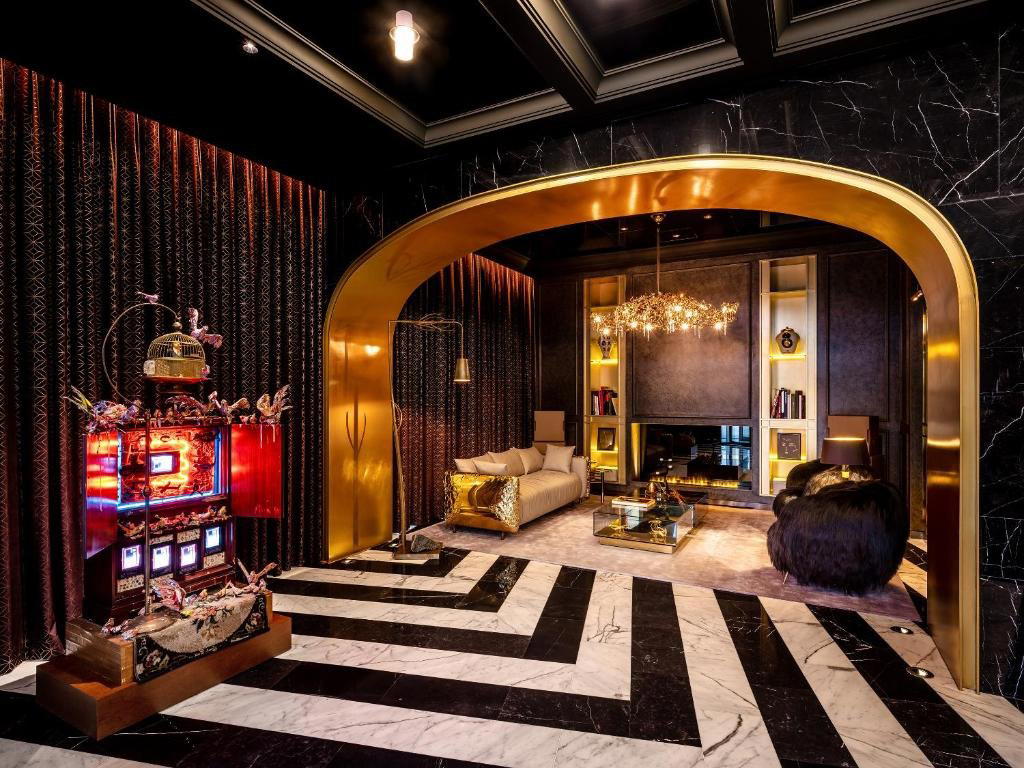
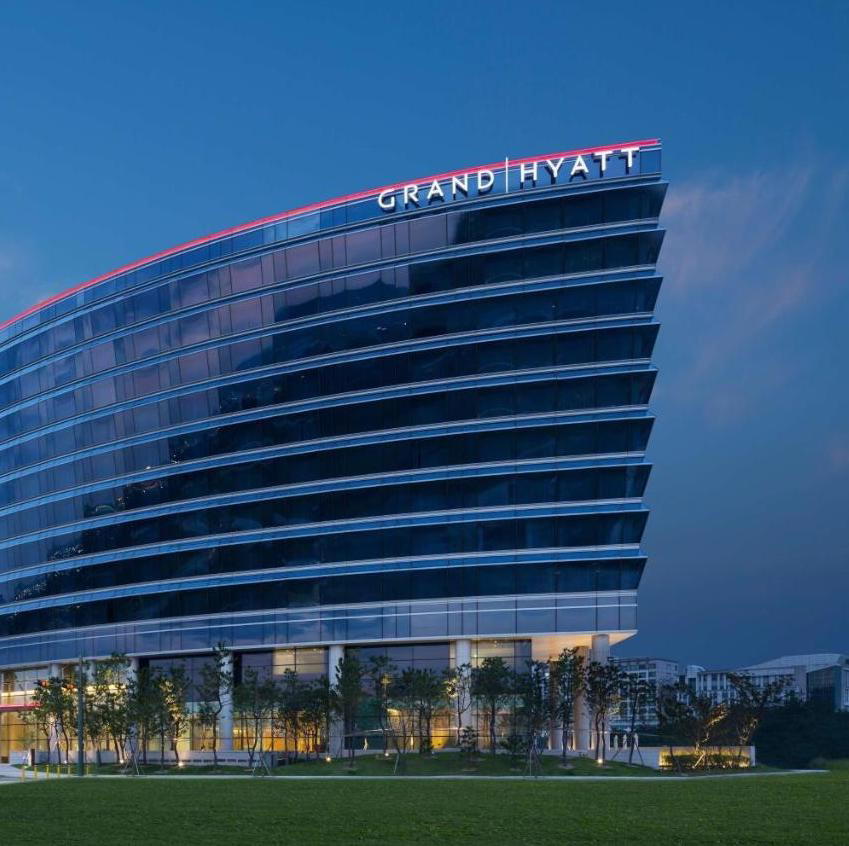
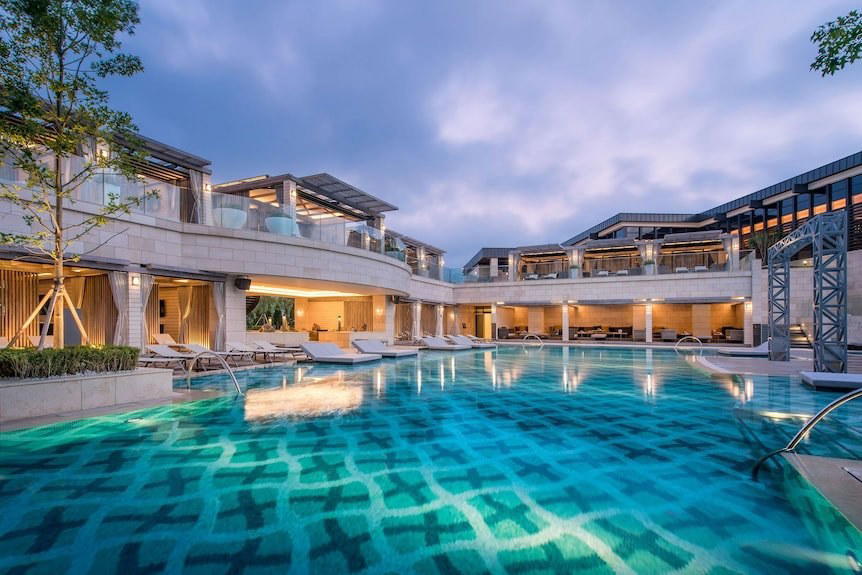
Bars in Incheon
All bars in Incheon →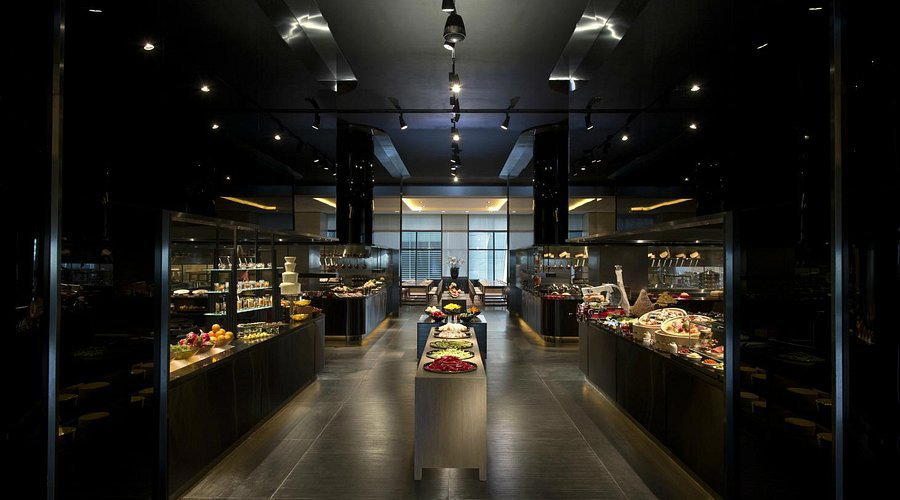
Details
- Modern
- Elegant
- Sophisticated
- Scenic
- Business Trip
- Family Vacation
- Weekend Escape
- Group Retreat
- Wellness Retreat
- Destination Wedding
- Waterfront
- Garden
- Panoramic View
- Destination Spa
- Terrace
- Wi Fi
- Pool
- Spa
- Fitness Center
- Room Service
- Concierge
- Business Center
- Valet Parking
- EV Charging
- Kids Club
- Golf Course
- Waterfront
- Garden
- Skyline
- Wheelchair Accessible
- Elevator
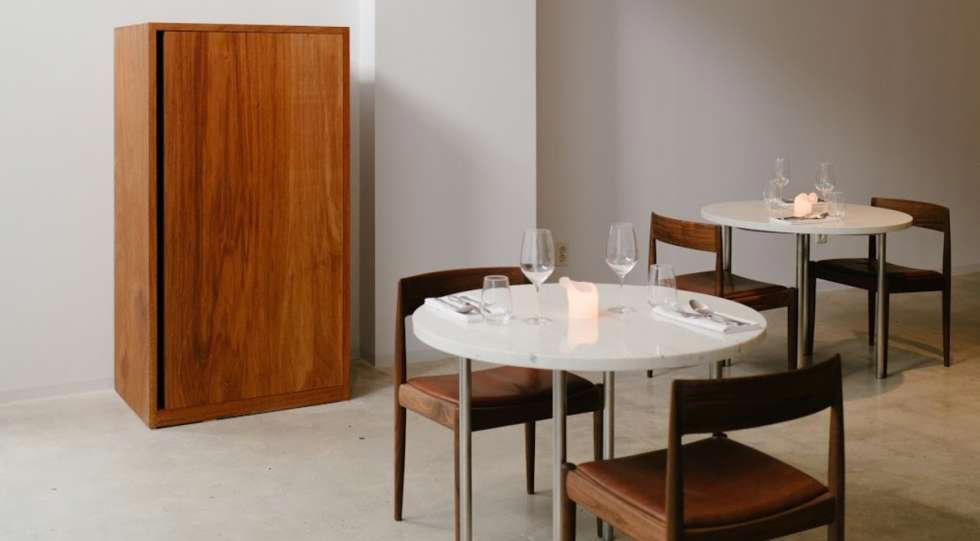
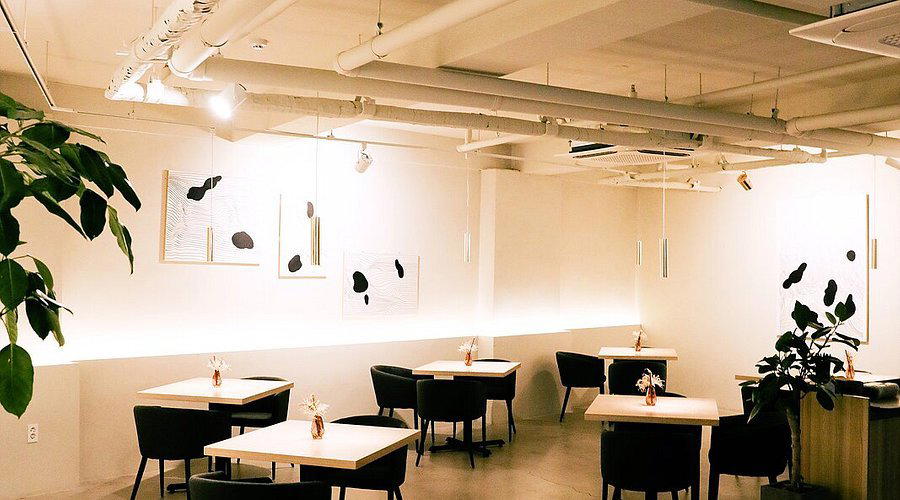
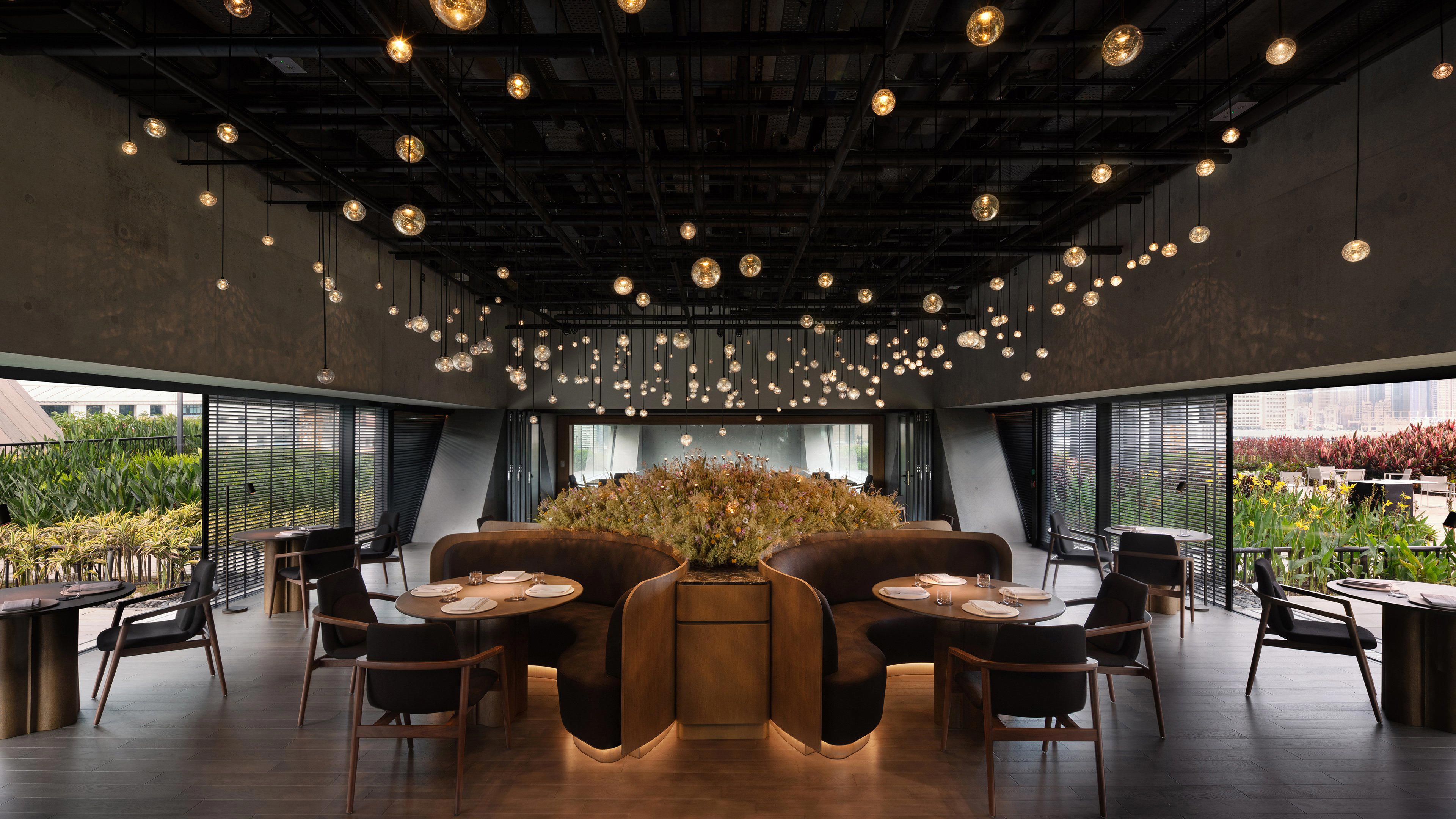
Upscale and business-oriented with modern, minimalist lines, polished finishes, and a calm, professional atmosphere that feels refined rather than flashy, especially in public spaces and executive areas.