Paradise City Incheon

Michelin Selected
Paradise City Incheon is a Michelin Selected resort complex located minutes from Incheon International Airport, combining large-scale art installations with a multi-venue dining and entertainment programme across a single integrated site. The property occupies a distinct position in the Incheon market: part art destination, part hospitality compound, with a scale and cultural ambition that separates it from the city's airport-adjacent hotel corridor.

Pearl is the En Primeur Club membership app — saves, bookings, and concierge access live there. Same editors, same standards.
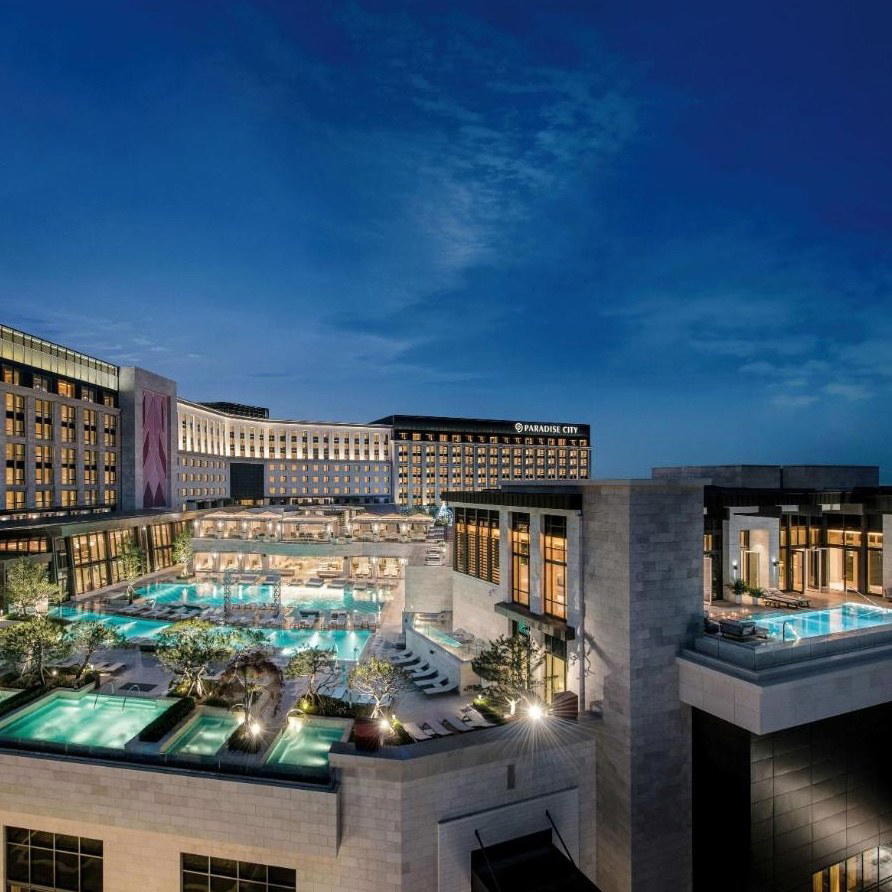
Where the Airport Corridor Gives Way to Something Larger
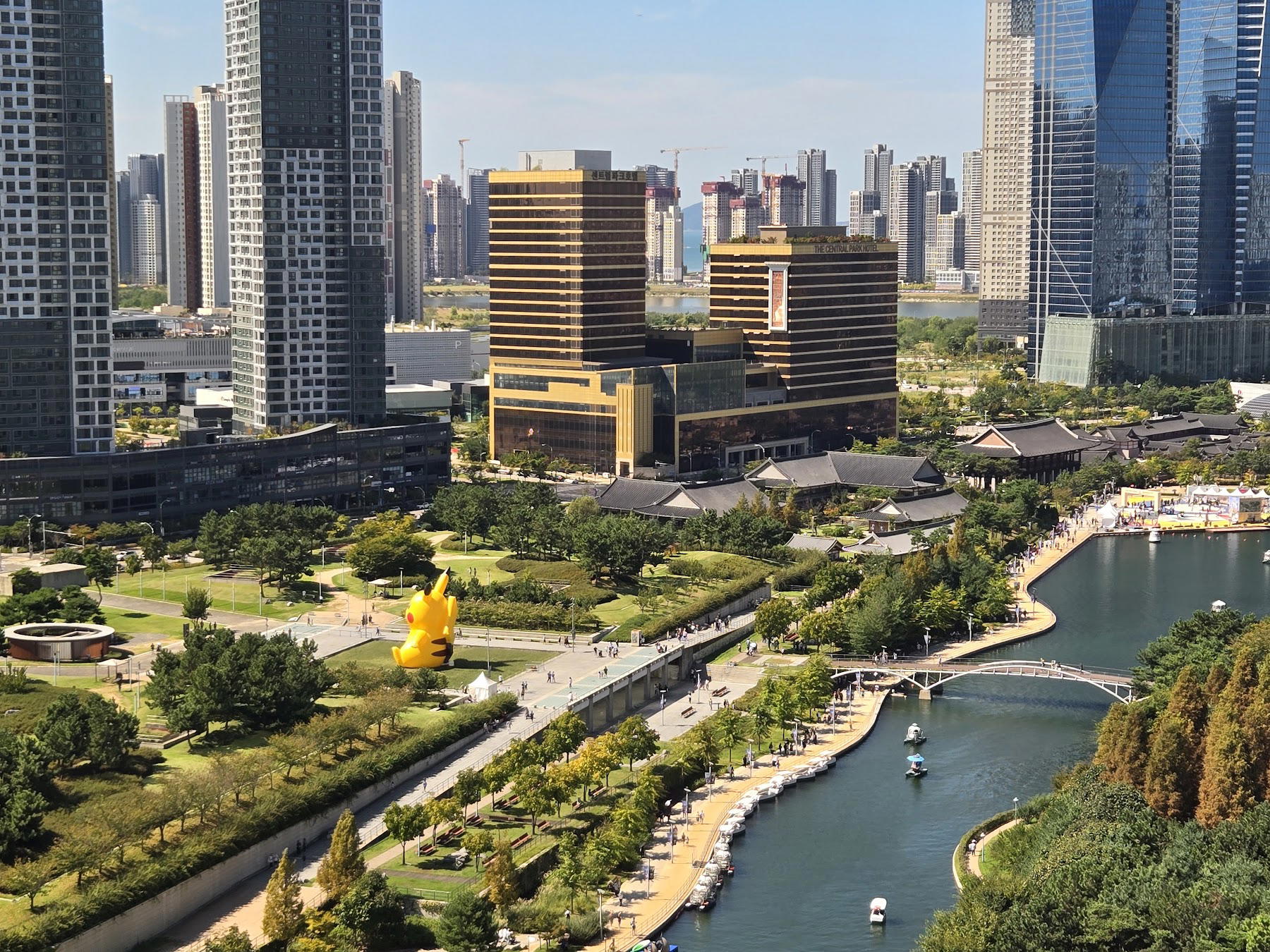
The approach to Paradise City tells you immediately that this is not a standard airport transit property. The complex sits along Yeongjonghaeannam-ro on Yeongjong Island, the same landmass that holds Incheon International Airport, but the architectural vocabulary here reads closer to a cultural campus than a hotel block. Large-format sculpture, curated public art, and a design language that borrows from contemporary museum architecture set the tone before you reach the lobby. For travellers arriving into Incheon with time to spend, or departing with a night to spare, this kind of environment changes the calculus of where to stay significantly.
Incheon's hotel market has long been shaped by its function as a layover destination. Most properties in the airport zone calibrate their offering around convenience, transit efficiency, and predictable international-brand comfort. Paradise City operates on a different premise: that a significant subset of guests want a reason to be somewhere, not just a place to sleep before a flight. The Michelin Selected recognition the property holds in the 2025 guide reflects that the hospitality programme has been assessed against broader quality criteria, not merely its proximity to a runway.
A Multi-Venue Food and Beverage Programme at Resort Scale
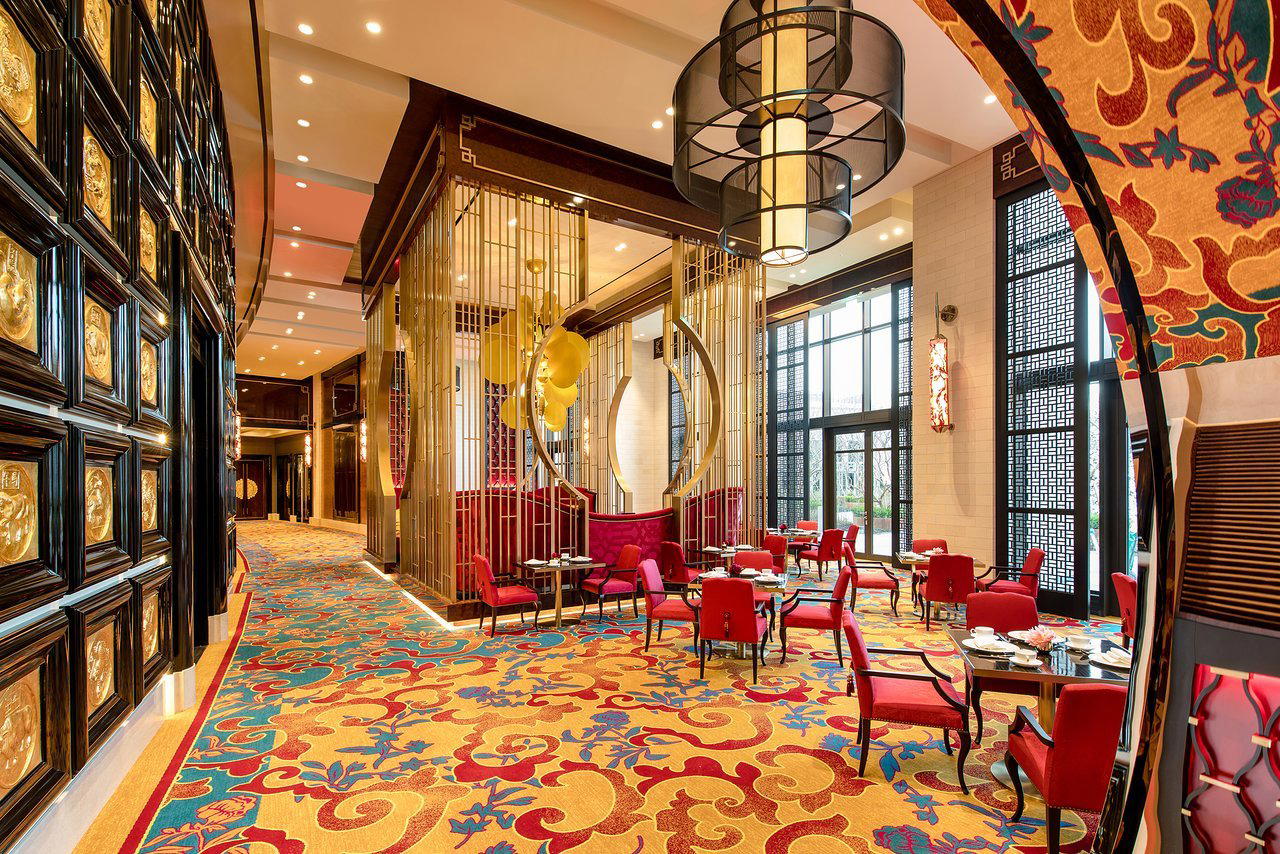
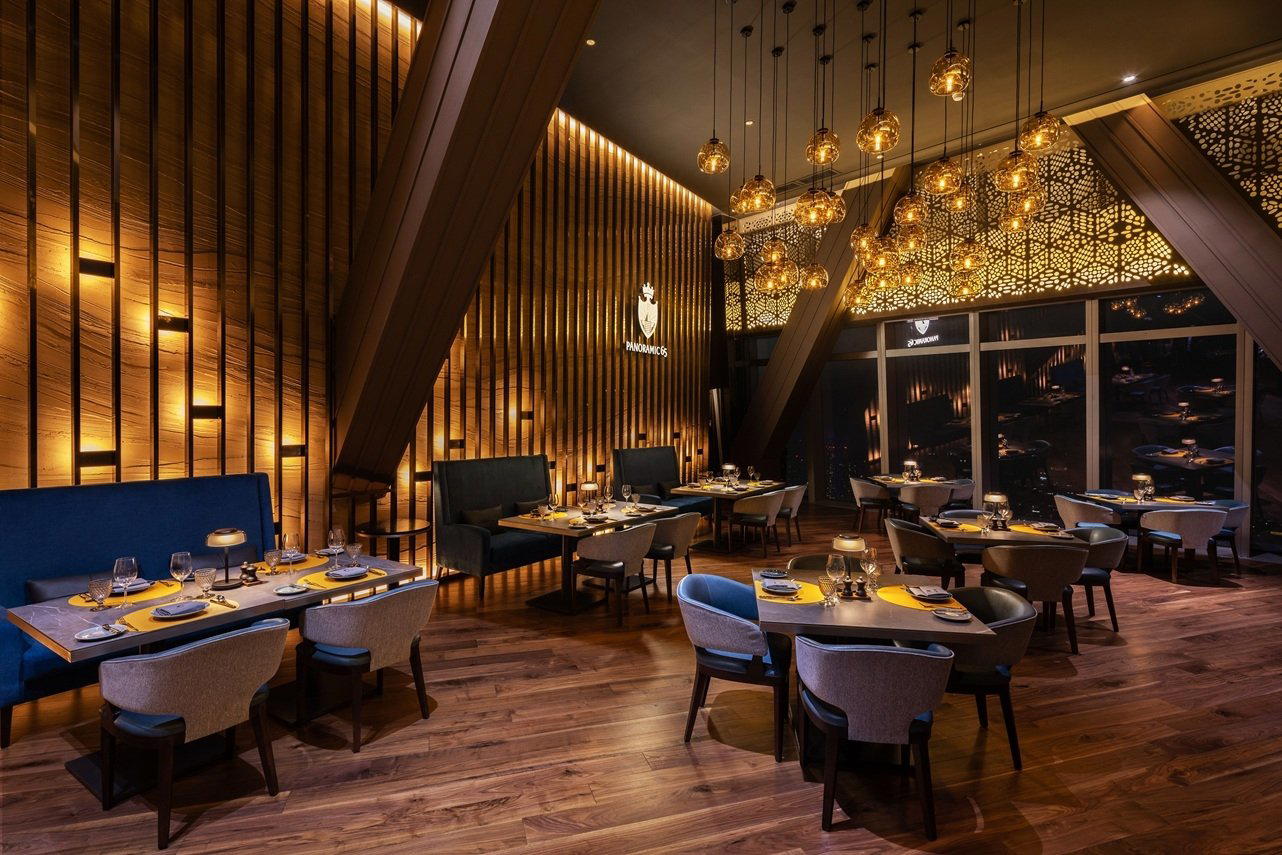
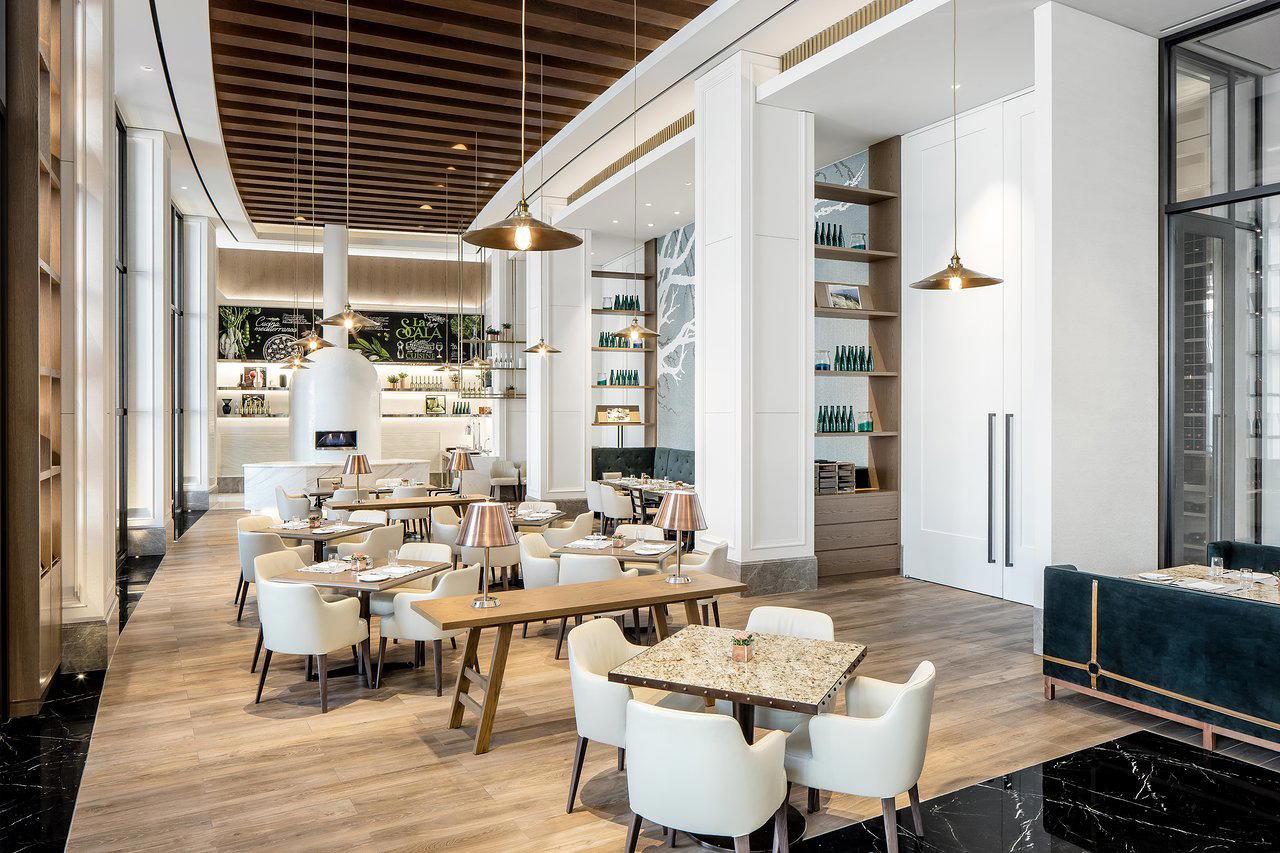
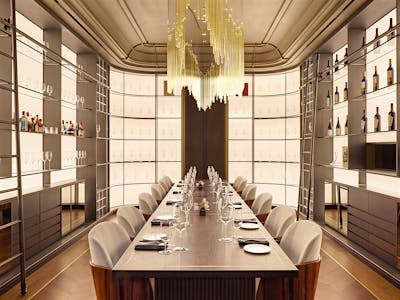
The editorial angle at Paradise City that deserves the most attention is not the rooms or the art, but the sheer breadth and ambition of the dining and entertainment infrastructure. Korean resort hospitality at this scale typically organises its food and beverage programme around one signature restaurant, a buffet, a bar, and a pool-adjacent casual option. Paradise City operates with considerably more complexity than that formula, with multiple concepts across different cuisines and formats housed within the compound.
The internal logic here reflects a broader shift in how large Korean resort operators have repositioned dining from amenity to attraction. Properties like Grand Hyatt Jeju in Jeju and JW Marriott Jeju Resort & Spa in Seogwipo have made similar moves, positioning their F&B programmes as reasons to choose the property rather than incidental to the room booking. At Paradise City, that intent is particularly pronounced given the site's proximity to Seoul, where the competition for dining attention is intense. Guests travelling from the capital or connecting internationally need a reason to eat on-site rather than making the 60-minute journey into Seoul's restaurant ecosystem.
Compound format also allows for a night-time economy that freestanding hotels cannot replicate. Club and entertainment venues operate within the complex, which means the property can capture guest spend across a longer evening arc than conventional resort formats allow. This is a deliberate commercial strategy, and one that has found a template in Macau and Singapore's integrated resort models, adapted here for a Korean context and a Korean audience that drives a significant portion of demand.
Art as Infrastructure, Not Decoration
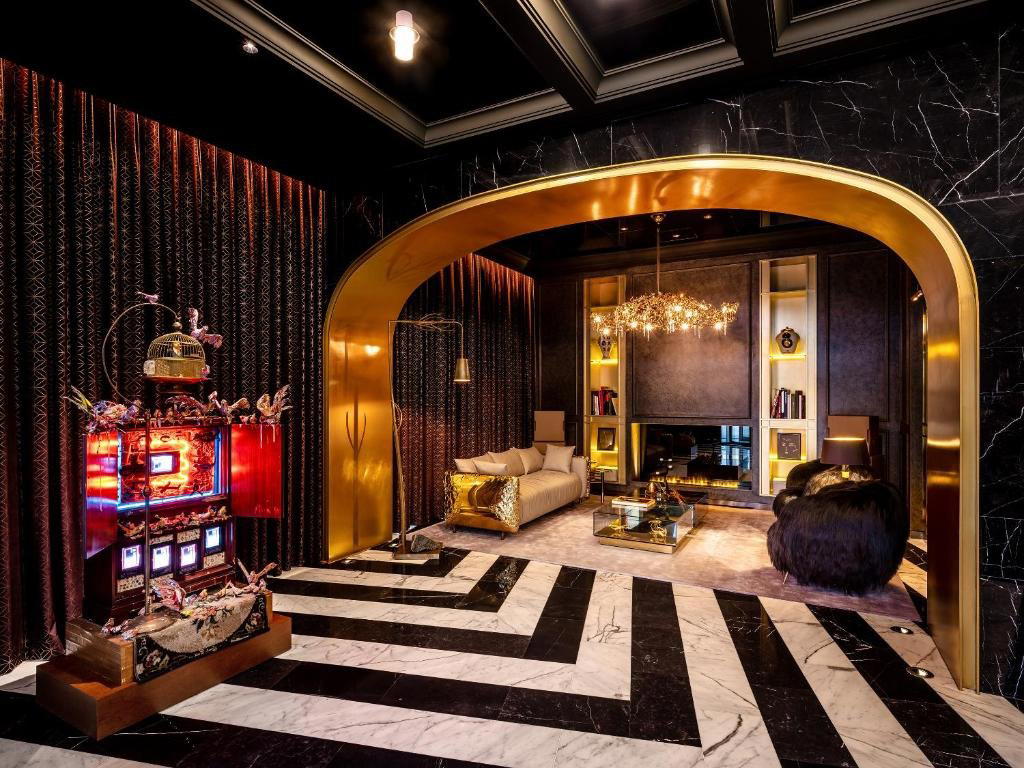
One of the defining structural decisions at Paradise City was to position art collection and display as load-bearing elements of the guest experience rather than lobby ornamentation. The property holds a substantial collection of contemporary works, with pieces integrated throughout public and circulation spaces. This approach aligns Paradise City with a small number of Asian properties, including Art Paradiso Hotel and the related Art Paradiso, Paradise City, that treat art programming as core to the hospitality proposition rather than supplementary.
For guests whose primary interest is Korean contemporary art, the concentration of works at a single site has genuine value. For guests whose primary interest is comfort and F&B, the art functions as wayfinding of a kind, giving a visual and spatial character to what would otherwise be the undifferentiated corridors of a large resort. Either way, the decision to invest at this level in cultural programming signals where the property positions itself: above the airport-transit tier and into territory occupied by destination resorts with a cultural identity to maintain.
How Paradise City Sits Within the Incheon and Korea Markets
Within Incheon specifically, Paradise City operates at the upper end of what the market currently sustains. The Nest Hotel and Nest Hotel Incheon represent a more conventional airport-adjacent proposition, while Paradise City as a broader complex has established its own competitive reference point. The Michelin Selected status positions it within a curated tier of Korean hotels that includes urban properties like JW Marriott Hotel Seoul in Seoul and design-forward options like Park Hyatt Busan in Busan or Hotel Onoma Daejeon, Autograph Collection in Daejeon.
GRAVITY Seoul Pangyo, Autograph Collection in Seongnam and Lotte Resort Jeju Art Villas in Seogwipo-si occupy adjacent spaces in the Korean market, each making a version of the argument that resort hospitality should have a cultural or design identity worth travelling to.
For travellers exploring the wider Korean coast and island circuit, properties like The Ananti Namhae in Namhae Gun, South Cape Owners Club in Namhae, and SEAMARQ Hotel in Gangwon Do each offer a different resolution to the same design-led resort question. Paradise City answers it with density and cultural programming; those properties answer it with landscape and smaller-scale intimacy.
Planning a Stay
The address at 186, Yeongjonghaeannam-ro 321beon-gil, Jung-gu, Incheon places the property on Yeongjong Island, reachable via the Incheon Airport Expressway. Transit time from the airport terminals is short enough that the property functions equally as a pre-departure destination, a layover base, or a standalone resort visit. Given the scale of the compound and the number of dining and entertainment venues within it, a single night limits what you can actually access across the F&B programme; two nights or more is the rational minimum if the dining infrastructure is the primary draw. For the full picture of what to eat and drink in the broader Incheon area, the our full Incheon restaurants guide covers the range of options outside the resort perimeter.
Budget and Context
Comparable venues nearby, for context on price, style, and recognition.
| Venue | Price | Awards | Notes |
|---|---|---|---|
| Paradise City IncheonThis venue — the venue you are viewing | Not listed | Michelin Selected | Not listed |
| Nest Hotel Incheon | Not listed | Michelin Selected · Design Hotels Member | Jung-gu, Modernist stacked cubist structure as a traveler's hideaway blending nature and industrial elements. |
| Paradise City | Not listed | 1 Michelin Key · La Liste Top Hotels | Jung-gu, Luxury integrated resort with entertainment and hospitality. |
| Sheraton Grand Incheon Hotel | $100–200 | Not listed | Songdo, Yeonsu-gu, Large, international 5-star convention hotel serving as a flagship in Songdo’s business district. |
| Art Paradiso Hotel | $500–750 | Forbes 4-Star · Small Luxury Hotels of the World Member | Jung-gu, Paradise City, Contemporary luxury boutique hotel blending sleek South Korean design elements with old-world European grandeur, positioned as an ultra-modern art gallery experience. |
| Nest Hotel | Not listed | Michelin Selected · Design Hotels Member | near Marsian Beach, Modern design refuge with nature-inspired elements |
Recognition history
Dated appearances from independent guides and award organizations, with the underlying list record or original source where available.
Michelin Selected
Michelin
Continue exploring
More in Incheon
Hotels in Incheon
All hotels in Incheon →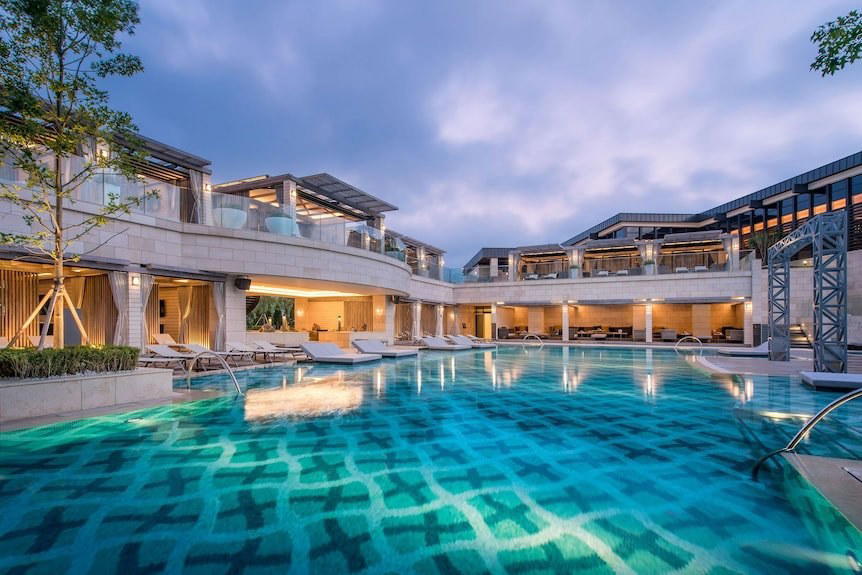
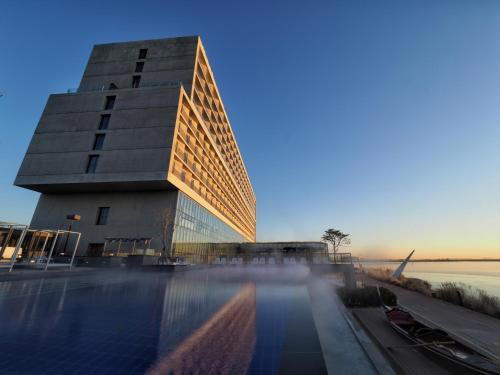
Bars in Incheon
All bars in Incheon →
Details
- Modern
- Elegant
- Ornate
- Sophisticated
- Family Vacation
- Business Trip
- Weekend Escape
- Infinity Pool
- Rooftop Pool
- Destination Spa
- Pool
- Spa
- Fitness Center
- Room Service
- Concierge
- Kids Club
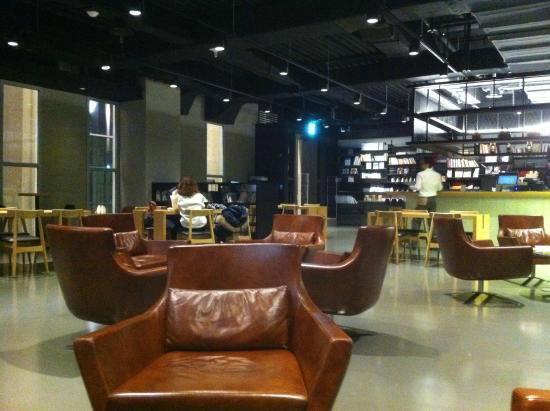
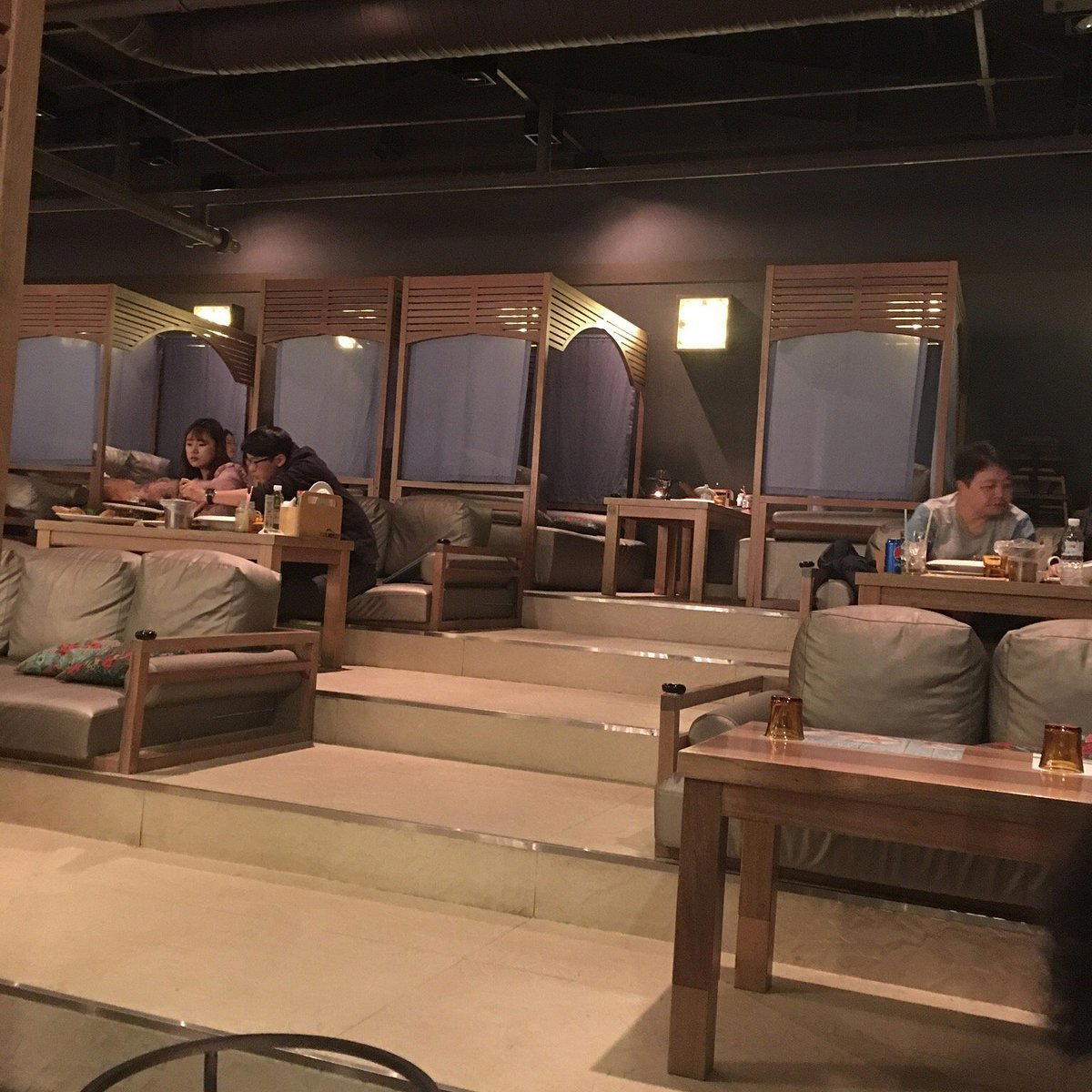
Artistic and relaxed with high ceilings, lofty public spaces, and a harmonious blend of arts and entertainment that feels uncrowded even when busy.