A boutique property on Via Properzio in Rome's Prati neighbourhood, San Pietro Boutiquerooms positions itself in the small-property tier that has reshaped how travellers approach the city's accommodation market. Sitting within walking distance of the Vatican and Castel Sant'Angelo, it offers an alternative to the grand-hotel format that dominates Rome's historic centre, trading scale for proximity and a more residential pace.

Pearl is the En Primeur Club membership app, where members save venues, book tables and use the concierge.

Prati and the Case for Staying Outside the Historic Centre
Rome's hotel market has long been anchored around the Spanish Steps, the Tridente, and the streets radiating from Piazza Navona. That concentration makes sense historically, but it has also produced a tiered problem: the central addresses command prices and noise levels that don't always match the experience on the ground. The drift toward Prati, the grid-planned district on the west bank of the Tiber, reflects a shift in how a segment of travellers now think about Roman logistics. A neighbourhood with good coffee, working bakeries, and a metro stop is often more useful than a postcard view from a window you'll rarely sit beside.
San Pietro Boutiquerooms, addressed at Via Properzio 32 in the 00193 postal district, sits in that Prati tier. The address alone signals a particular trade-off: you're trading the symbolic weight of a Veneto or Via Condotti address for a neighbourhood that functions like Rome does for Romans. The Vatican is within walking distance. Castel Sant'Angelo is closer still. The Tiber embankment, one of the city's more underused evening walks, is effectively on the doorstep.
What the Boutique Format Means in Practice
Across Italy's premium accommodation sector, the boutique category has split into two distinct operating philosophies. One group uses the label to signal design ambition and higher price-per-key ratios, often within restored historic structures. Properties like Hotel Vilòn and Portrait Roma occupy this end: fewer rooms, considered interiors, and a pricing logic that positions them against full-service five-star neighbours rather than against the midmarket. The other group applies the boutique label to mean smaller, more personal, and more residential in feel, without necessarily competing on the same price axis as Bulgari Hotel Roma or Hotel Eden.
What the name and format signal is a property built around the logic of hospitality at scale: fewer guests means more consistent attention, and a Prati address means lower overhead than a palazzetto on the Corso. For travellers who have already covered the Rome grand-hotel circuit, that calculation is worth taking seriously.
The Booking Experience: What to Know Before You Go
Booking a boutique property in Rome requires a different approach than reserving at a large hotel. Properties with limited room counts sell out during peak Roman season, which effectively runs from April through October, with a secondary spike around Christmas and New Year. The shoulder windows, specifically late February to late March and November, offer the most flexible booking conditions and the leading chance of securing preferred room types without extended lead times.
Direct contact, where possible, often unlocks flexibility on check-in timing and room allocation that online platforms cannot replicate. For any boutique property in this part of Rome, it is worth confirming room-specific details, including floor level and street or courtyard orientation, before committing, since in a small property those variables matter more than at a larger hotel where room categories are more standardised.
Travellers comparing options in this neighbourhood should also look at Maalot Roma and Hotel Locarno, both of which operate in the smaller-property tier and offer useful reference points for what the boutique format delivers at different price levels in Rome. For anyone extending their Italian itinerary, the same logic that makes Prati work, proximity without the premium, applies to properties like Corte della Maestà in Civita di Bagnoregio or Casa Maria Luigia in Modena, where the departure from the conventional luxury address is precisely the point.
Prati as a Base: The Practical Arithmetic
The neighbourhood's geometry works in favour of guests staying near Via Properzio. The Vatican Museums, one of the city's most logistically demanding visits due to queue management and crowd flow, are reachable on foot in under fifteen minutes. Castel Sant'Angelo, which functions as both a historic site and one of the better vantage points over the Tiber bend, is closer still. Piazza del Popolo and the Villa Borghese gardens are accessible via the Lungotevere without requiring a taxi or the metro.
Prati's commercial spine, Via Cola di Rienzo, runs roughly parallel to Via Properzio and carries the kind of neighbourhood infrastructure that makes extended stays easier: alimentari, wine bars that open at noon, and bakeries that function on Roman rather than tourist schedules. For travellers arriving from other Italian cities, this distinction is more useful than it sounds. Staying in a neighbourhood that operates on a local rhythm changes how you use a city, particularly on a three or four-night stay where the logistics of daily life start to matter.
For those building a wider Italian circuit, the same premium boutique logic plays out differently at the coast and in Tuscany. Il San Pietro di Positano and Borgo Santandrea on the Amalfi Coast represent the format's southern iteration, while Rosewood Castiglion Del Bosco in Montalcino and Castello di Reschio in Lisciano Niccone apply the limited-key model to Tuscany and Umbria respectively. Passalacqua in Moltrasio does the same on Lake Como. In each case, the trade-off between address prestige and neighbourhood depth is the same calculation that Prati presents in Rome.
For a broader orientation on where San Pietro Boutiquerooms sits within Rome's full accommodation range, see our full Rome restaurants and hotels guide, which covers properties from the Tridente to Trastevere and maps the city's key neighbourhoods against accommodation type and price tier.
Planning Notes
Via Properzio 32 places the property on a quiet residential street in northern Prati, a few blocks east of the Vatican walls. No current public records list a direct booking phone number or dedicated website, so third-party platforms remain the most accessible reservation route. Travellers planning visits during high season should treat April through October as a period requiring advance commitment for boutique properties of this size. Those with flexibility in timing will find late autumn and late winter offer both availability and a version of Rome that operates at a more manageable pace. Comparable boutique addresses in the city's accommodation tier include JK Place Roma and Hassler Roma at the upper end, and Hotel Locarno in a closer price range.
Reputation Context
| Venue | Awards |
|---|---|
| San Pietro BoutiqueroomsThis venue (the venue you are viewing) | Not listed |
| Bulgari Hotel Roma | 3 Michelin Keys · World's 50 Best #32 |
| Rocco Forte Hotel De La Ville | 2 Michelin Keys · Forbes 5-Star |
| Rocco Forte Hotel de Russie | 2 Michelin Keys · La Liste Top Hotels |
| Singer Palace Hotel | 1 Michelin Key · Virtuoso Luxury Hotel Partner |
| Six Senses Rome | 1 Michelin Key · Virtuoso Luxury Hotel Partner |
Continue exploring
More in Rome
Hotels in Rome
All hotels in Rome →
Bars in Rome
All bars in Rome →
Restaurants in Rome
All restaurants in Rome →

Details
- Romantic
- Elegant
- Sophisticated
- Modern
- Intimate
- Romantic Getaway
- Weekend Escape
- Historic Building
- Wi Fi
- Air Conditioning
- Elevator
- Luggage Storage
- Elevator
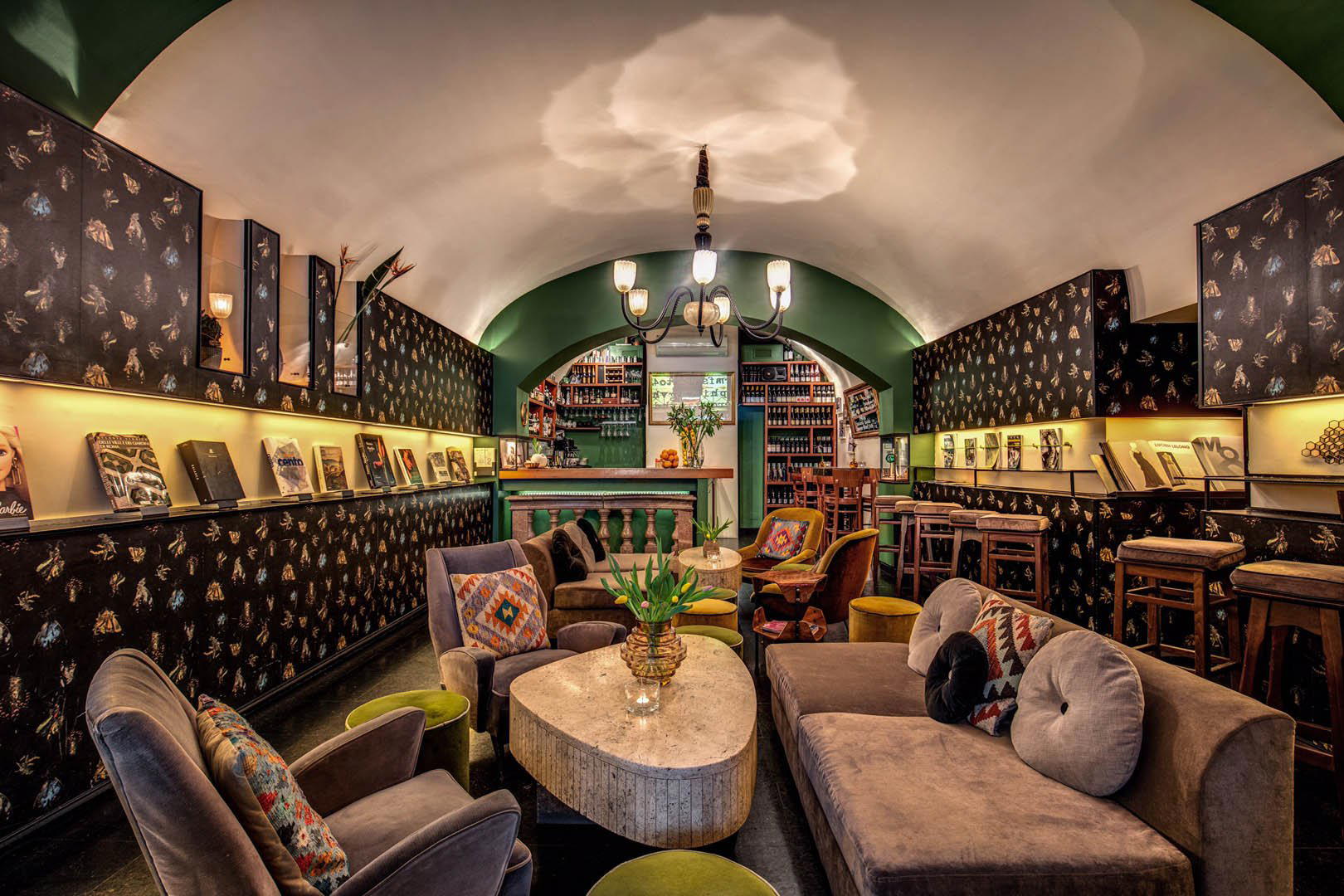
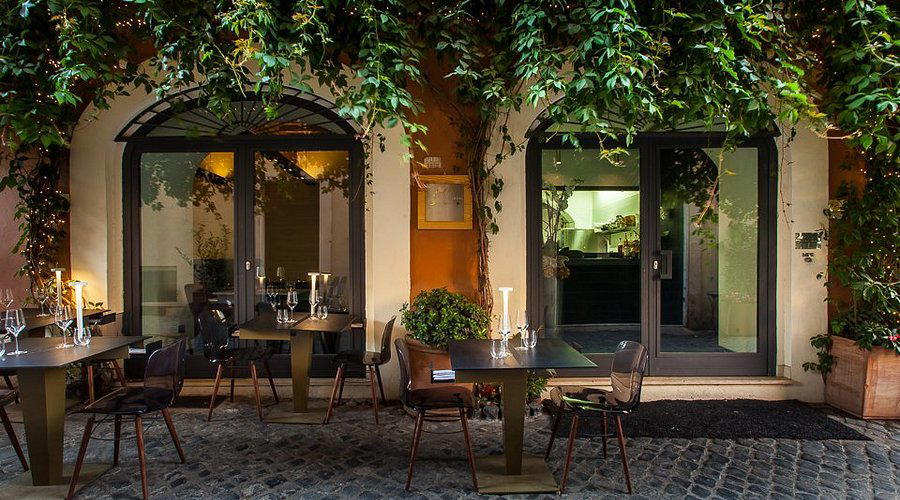
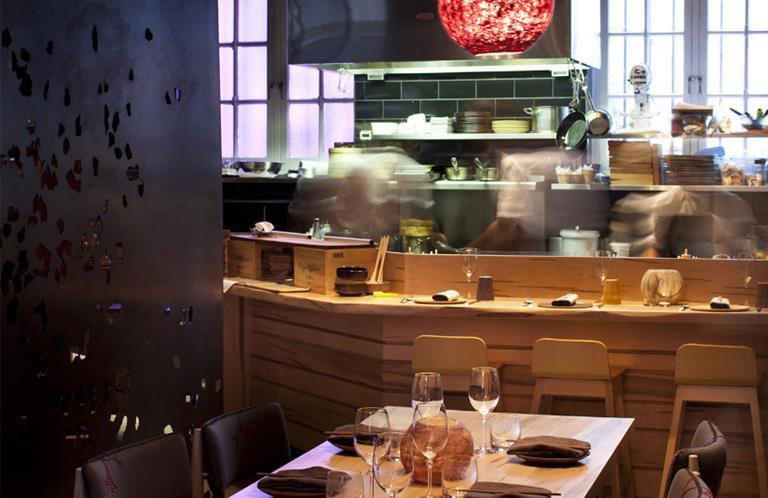
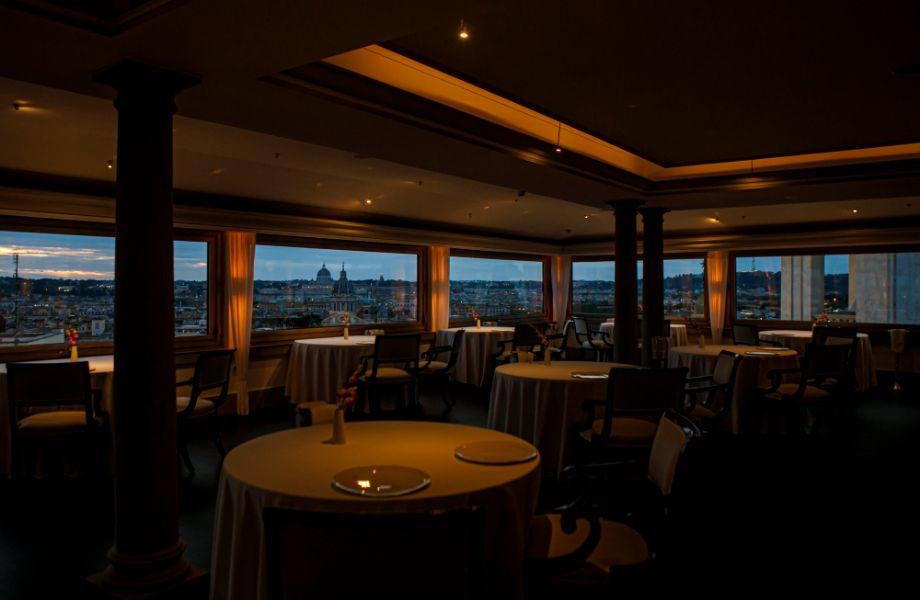
Sophisticated and elegant with modern design featuring bright colors, neutral tones, wood, metal, and leather accents, creating a romantic and vintage-inspired atmosphere.