Roswyn sits in Mumbai, a hotel market where service has to work harder than décor because the city’s pace exposes weak hospitality fast. With no public record here for awards, room count, pricing, address, phone, website, chef, cuisine, or signature room category, the useful reading is comparative: treat Roswyn as a name to verify directly, then measure it against Mumbai’s established luxury and boutique hotel set.

Pearl is the En Primeur Club membership app — saves, bookings, and concierge access live there. Same editors, same standards.
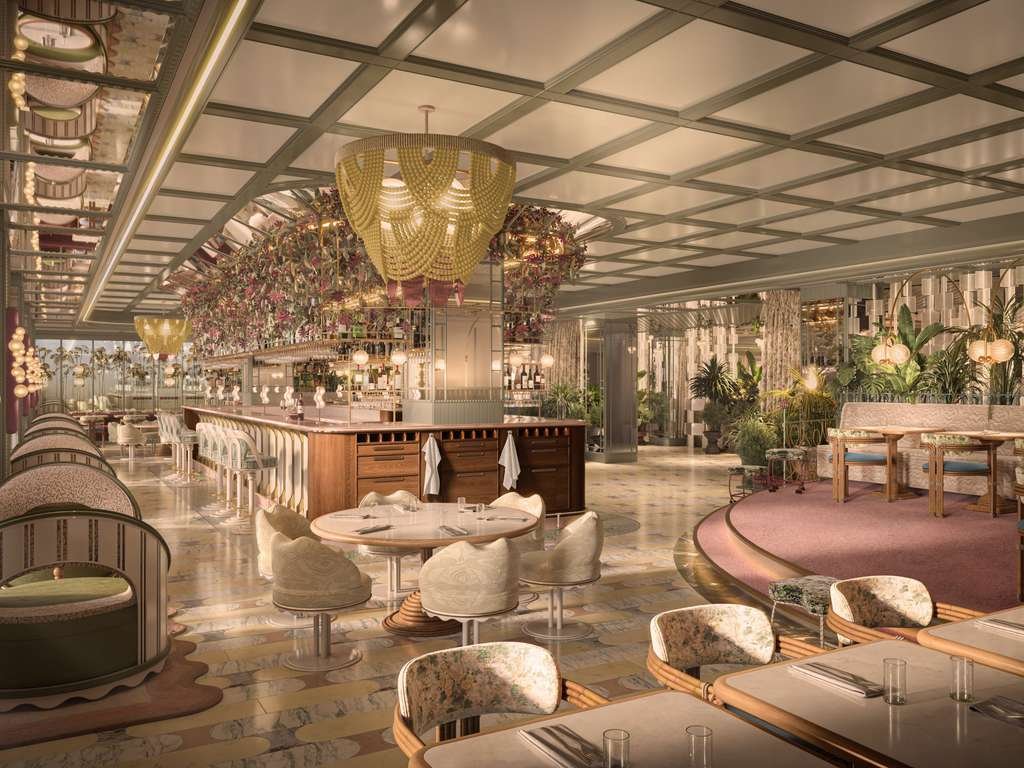
First impressions in a city that tests hotel service
Mumbai does not let a hotel coast on ceremony. The approach to any serious property in the city usually begins with compression: traffic at the curb, porters reading luggage before a guest speaks, security that needs to be efficient rather than theatrical, and a lobby expected to calm the shift from street tempo to private routine. That threshold is where Roswyn has to be judged. Roswyn is a 5-star hotel in Mumbai with 109 rooms and a nightly rate of about US$409. In a market as competitive as Mumbai, that absence matters. It does not make the hotel lesser; it means the reader should evaluate it through service fundamentals rather than promotional language.
Mumbai’s stronger hotels tend to reveal themselves in small operational choices: how quickly bags are identified, whether front-desk staff manage arrival friction without overexplaining, how breakfast timing absorbs business travellers, and whether concierge advice understands the difference between South Mumbai appointments, Bandra evenings, Lower Parel dining, and airport logistics. Roswyn enters that service conversation without the public signals that usually anchor a premium hotel page. There are no awards listed, and no brand affiliation in the record. That leaves the practical question of what kind of guest experience should be expected.
Where Roswyn fits in Mumbai's hotel hierarchy
Mumbai’s hotel scene is not one market. It is several markets layered over each other. South Mumbai holds heritage prestige and sea-facing formality; Bandra and Juhu bring social dining and residential glamour; Lower Parel and Worli lean corporate and nightlife-adjacent; the airport belt is built around movement, meetings, and late arrivals. That lack of location detail is not a minor gap for this city. A hotel near Colaba behaves differently from one near Chhatrapati Shivaji Maharaj International Airport, and a guest’s daily experience changes accordingly.
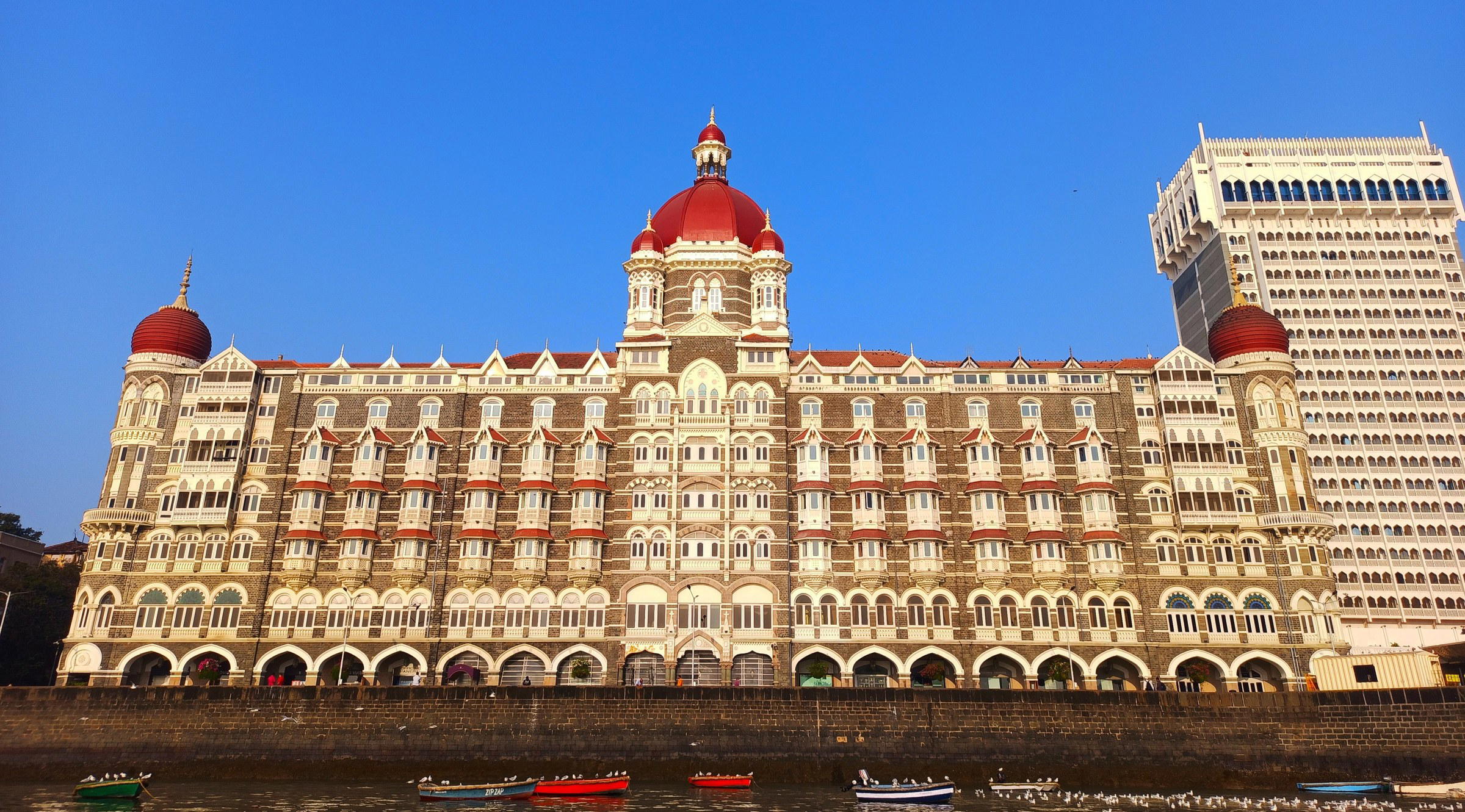
The comparison set clarifies the stakes. The Taj Mahal Palace, Mumbai occupies the heritage end of the city’s luxury spectrum, where legacy, service choreography, and location carry the stay. Abode Bombay speaks to a smaller, design-conscious South Mumbai audience, closer to boutique hospitality than palace-scale grandeur. Airport-led stays such as Aurika Mumbai International Airport are judged by transfer ease, room functionality, and the ability to absorb flight disruption. Business and lifestyle properties including Four Seasons Hotel Mumbai, Grand Hyatt Mumbai, InterContinental Marine Drive-Mumbai, and ITC Grand Central, A Luxury Collection Hotel, Mumbai belong to different submarkets again, each defined by location, scale, food and beverage depth, and meeting infrastructure.
Roswyn’s current record does not place it inside any of those peer groups with precision. In Mumbai, a hotel without visible awards, rating, address, price band, or booking channel needs direct verification before it can be compared cleanly with the city’s established luxury and boutique names.
Service philosophy as the real test
Hotels in Mumbai serve guests whose schedules often change by the hour. Meetings shift because of traffic. Dinner plans move from Colaba to Bandra with little warning. Flights can turn an intended leisurely checkout into a luggage-storage problem. In that environment, service philosophy is not a soft virtue; it is the operating system of the stay. Roswyn’s database entry does not provide staff ratios, brand standards, service awards, guest-recognition policies, or concierge credentials, so the meaningful assessment has to focus on what a premium traveller should ask before arrival.
The first test is communication. The second test is location intelligence. A hotel team in Mumbai should be able to translate neighbourhood geography into practical advice: when to leave for the airport, which dining districts are realistic on a weekday night, and whether a cross-city appointment is sensible during peak traffic. The third test is consistency. The strongest hotels do not merely welcome well; they keep service rhythm through housekeeping, breakfast, car coordination, late-night requests, and departure.
Rooms, public spaces, and what cannot be claimed
Many hotel pages lean on room language because it is easy: high-thread-count linens, panoramic views, marble bathrooms, curated art. There is no confirmed room category, no signature suite, no design style, no star rating, and no total key count. For a premium reader, that is useful in a different way. It separates confirmed editorial information from hotel-copy assumption.
What can be said is broader and more durable. Mumbai rooms succeed when they manage sound, climate, storage, and workability. A beautiful room that fails at blackout, desk comfort, or bathroom flow will disappoint the business traveller as quickly as the leisure guest. Public spaces matter for the same reason. A lobby lounge in this city is often a meeting room, waiting room, and decompression chamber at once. If Roswyn is being considered for a stay, request room-category details, view descriptions, cancellation terms, and bedding configuration from a verified booking source before treating it as equivalent to properties with public specifications.
Food, drink, and the hotel-as-city-interface
The record does not list cuisine type, chef, restaurant concept, bar programme, breakfast format, or signature dishes for Roswyn. That means no specific claim should be made about its dining. In Mumbai, however, hotel food and beverage often does more than feed in-house guests. It acts as an interface between traveller and city: a place for business breakfasts, family celebrations, late dinners after long commutes, and controlled introductions to regional cooking for visitors with limited time.
For context, Fairmont Mumbai (Various (Indo-French patisserie, Sichuan lounge, food hall)) signals a multi-venue approach, where breadth itself becomes part of the guest proposition. Other city hotels lean on rooftop bars, old-guard restaurants, club lounges, or all-day dining rooms designed for business flow. Roswyn’s dining position is undocumented here, so it should not be framed as a culinary address without confirmation.
Mumbai location strategy matters more than star language
Star ratings can be useful, but in Mumbai they never replace location strategy. A hotel can be polished and still wrong for the trip if every appointment requires a long car ride. South Mumbai remains compelling for heritage, galleries, the harbour, and business around Nariman Point and Fort. Bandra and Juhu make more sense for travellers focused on restaurants, nightlife, and the western suburbs. Lower Parel, Worli, and nearby districts work for corporate calendars and social dining. The airport area is rational for short stays, early flights, and multi-city India itineraries.
Roswyn’s address is not provided in the record, so the first planning move is simple: establish the exact location before comparing rates. That one detail will determine whether the property competes with sea-facing city hotels, airport hotels, suburban social hotels, or smaller independent stays. For broader orientation,
How Roswyn compares with Indian luxury beyond Mumbai
India’s premium hotel culture is unusually broad. Palace hotels, urban business towers, wilderness lodges, Himalayan retreats, and design-led lake stays all compete for the same traveller at different moments. Roswyn’s sparse public data makes a direct national comparison difficult, but it can be placed against the questions those properties make unavoidable. Does the hotel have a documented service model? Does the setting carry the stay? Is the dining a reason to remain on property? Is the price justified by access, privacy, design, or operations?
Palace and resort properties such as The Leela Palace Jaipur in Jaipur, The Oberoi Amarvilas in Agra, Suján Jawai in Pali, and Amanbagh in Ajabgarh trade on setting as much as service. Urban hotels such as The Leela Palace New Delhi in New Delhi and Park Hyatt Hyderabad in Hyderabad are judged by metropolitan fluency: arrival handling, business facilities, dining depth, and privacy. Retreat properties including Shakti Prana in Kasar Devi, Woods at Sasan in Sasan Gir, and Anantya By The Lake in Kaliyal ask a different question: whether the stay is shaped by place rather than urban convenience. Roswyn, until further specifics are verified, belongs in the Mumbai decision set rather than the national destination-hotel category.
The global comparison: service memory over spectacle
Internationally, luxury hotels have split between maximal design statements and service-led houses where memory, discretion, and repeat-guest intelligence carry the experience. The Fifth Avenue Hotel in New York City belongs to the design-forward urban conversation. Hôtel de Paris Monte-Carlo in Monte Carlo works through old European resort codes, casino adjacency, and institutional glamour. Badrutt's Palace Hotel in St. Moritz is tied to alpine seasonality and long social memory. Mumbai’s hotels cannot copy those models cleanly because the city demands different competence: heat, traffic, security, business urgency, and late-night dining shape the guest experience.
Roswyn’s service case therefore rests on evidence that has not been supplied: staff culture, arrival management, room maintenance, concierge accuracy, and problem resolution. A hotel does not need a palace history or global brand to perform well, but premium travellers need verifiable markers before assigning it to a serious comparable set.
Planning a stay at Roswyn
Confirm the exact location first, then map it against daily commitments in Mumbai. Confirm the booking channel through a trusted source, ask for the room category in writing, and request the cancellation policy before payment. If airport transfers, early check-in, late checkout, breakfast timing, or car arrangements matter, treat those as pre-arrival questions rather than on-property requests.
Price comparison also needs care. A lower nightly rate can lose its advantage if the location adds time and transport friction. A higher rate can be rational if the hotel sits near the relevant office, hospital, embassy, event venue, or dining district. Without a published price band in the provided data, Roswyn should be evaluated against the full cost of the trip rather than the room rate alone.
Editorial verdict
That makes restraint the correct editorial stance. The city rewards hotels that anticipate guest needs before they become complaints, and service philosophy matters here more than decorative language. Until address, pricing, room categories, booking details, awards, and food and beverage information are confirmed, Roswyn should be approached as a property to verify directly, not as a fully benchmarked luxury hotel.
For travellers who value service above spectacle, the right question is not whether Roswyn can be described grandly. The right question is whether its team can handle Mumbai with accuracy: arrival, traffic, timing, room readiness, and local guidance. Those are the measures that separate useful hospitality from attractive copy in this city.
In Context
Comparable venues nearby, for context on price, style, and recognition.
| Venue | Price | Awards | Notes |
|---|---|---|---|
| RoswynThis venue — the venue you are viewing | $$$$ | 5-Star | Not listed |
| Four Seasons Hotel Mumbai | $$$$ | 5-Star | Lower Parel, Contemporary luxury tower inspired by Vastu architecture with landscaped gardens. |
| The St. Regis Mumbai | $$$$ | 5-Star | Lower Parel, Luxury urban hotel with butler service and city views |
| The Leela Mumbai | $$$$ | 5-Star | Marol, Luxurious urban oasis with landscaped tropical gardens and palatial Indian elegance. |
| Roswyn, A Morgans Originals Hotel | $$$$ | 5-Star | Chhatrapati Shivaji Maharaj International Airport T2, Lifestyle, all‑suite design hotel positioned as a modern cultural address near Mumbai Airport. |
| Sofitel Mumbai BKC | $$$$ | 5-Star | Kolekalyan, Contemporary luxury business hotel with Indian influences |
At a Glance
- Modern
- Sophisticated
- Cozy
- Elegant
- Quiet
- Business Trip
- Wellness Retreat
- Weekend Escape
- Family Vacation
- Infinity Pool
- Destination Spa
- Design Destination
- Wi Fi
- Pool
- Spa
- Fitness Center
- Restaurant
- Bar
- Airport Shuttle
- Parking
- Room Service
- Concierge
- Business Center
- Wi Fi
- Pool
- Spa
- Fitness Center
- Restaurant
- Bar
- Airport Shuttle
- Parking
- Room Service
- Concierge
- Business Center
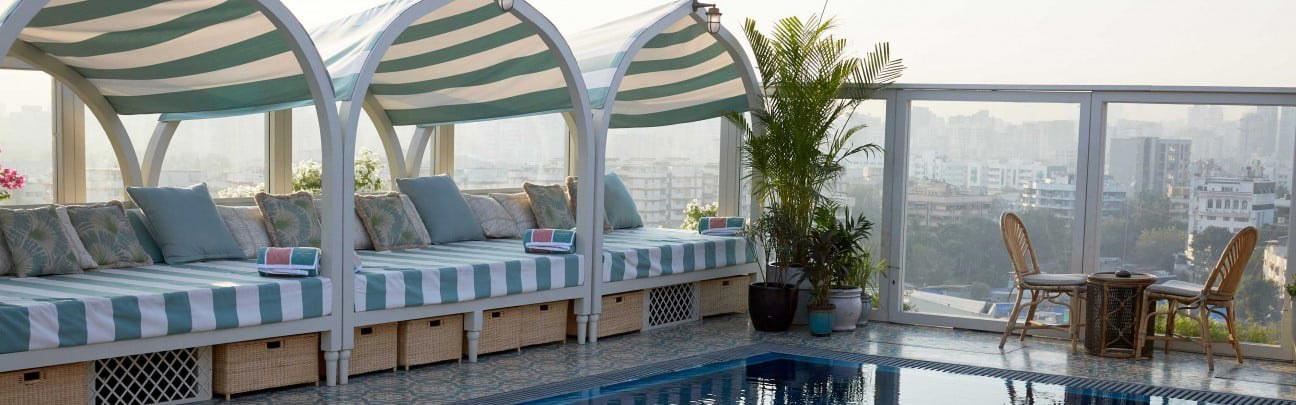
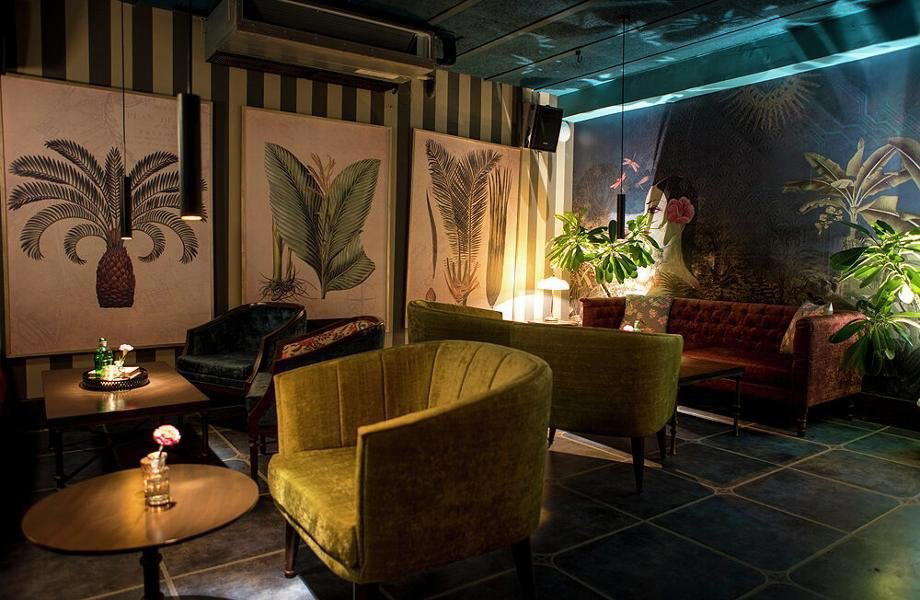
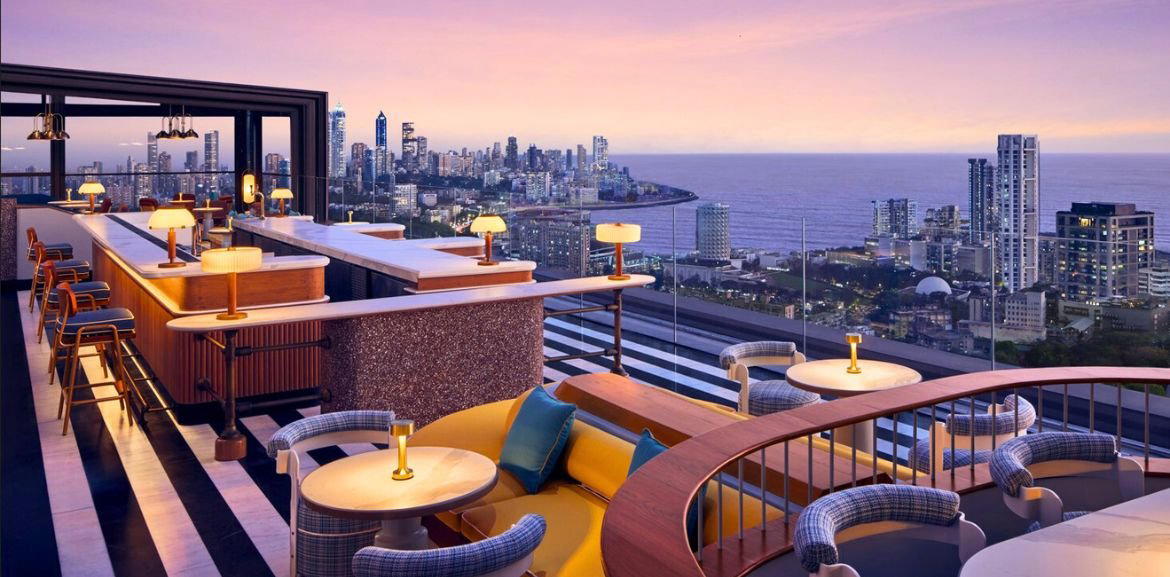
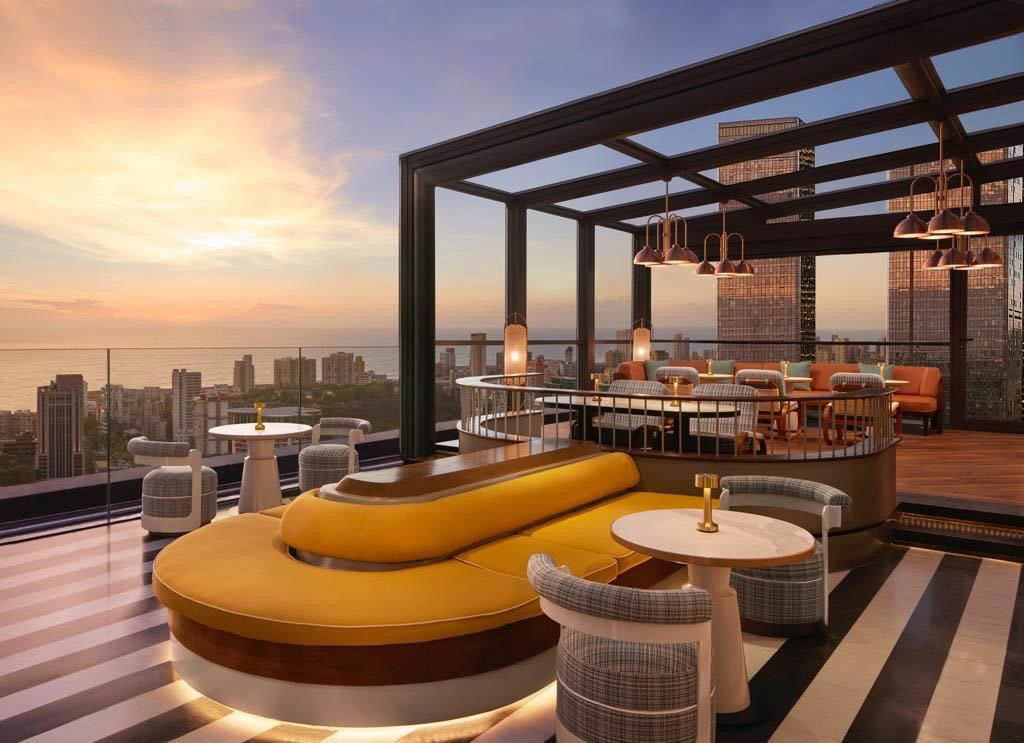
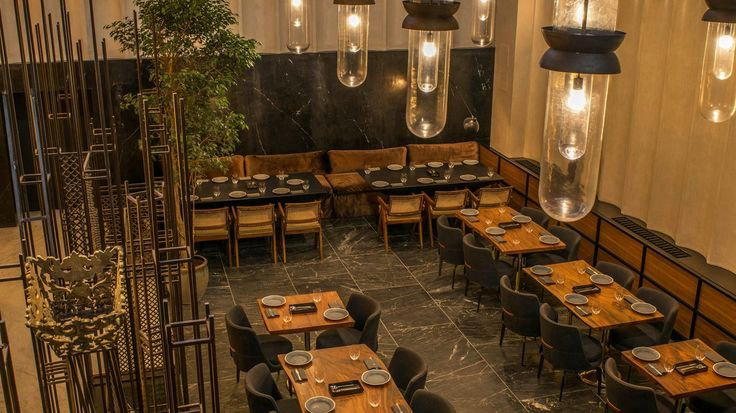
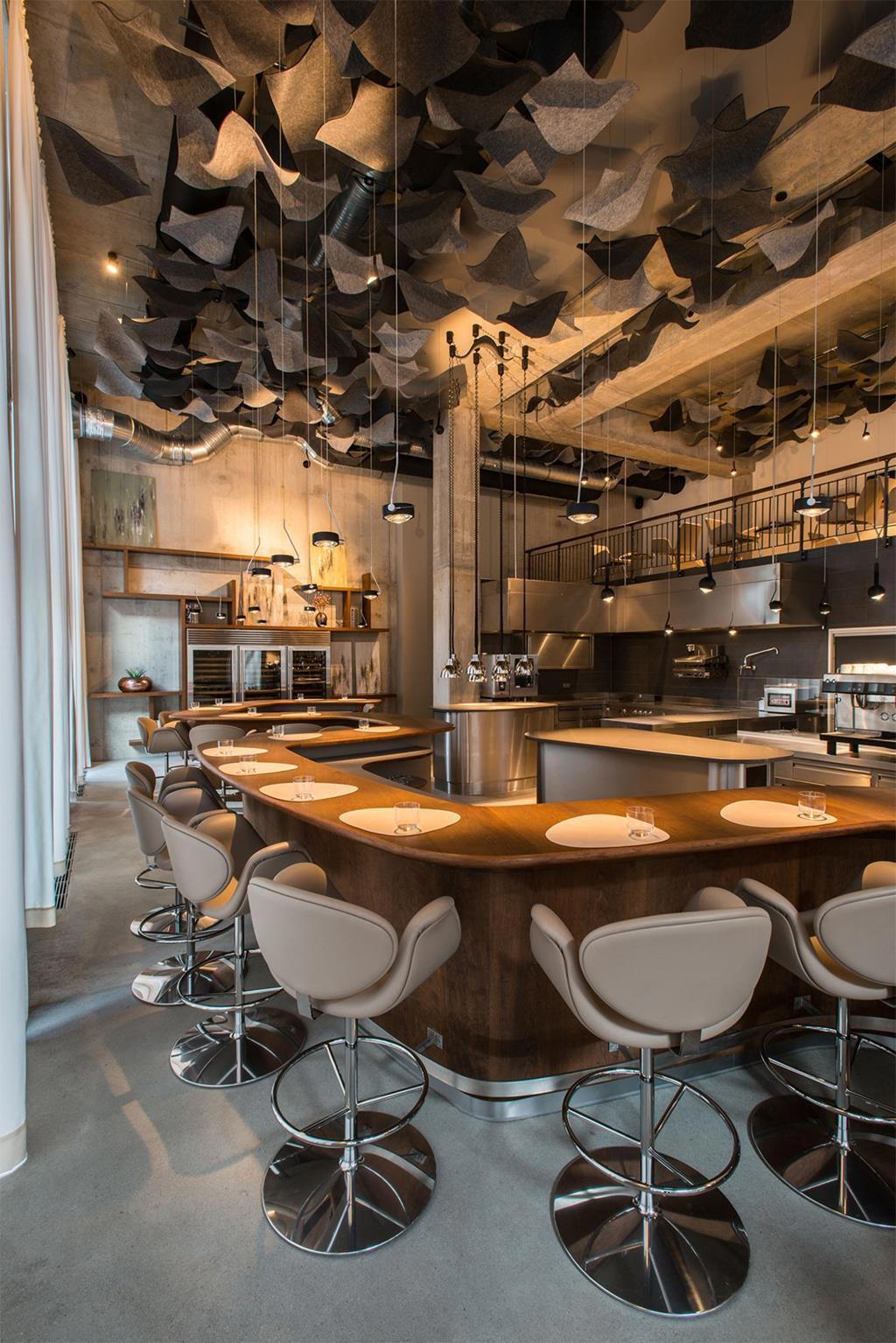
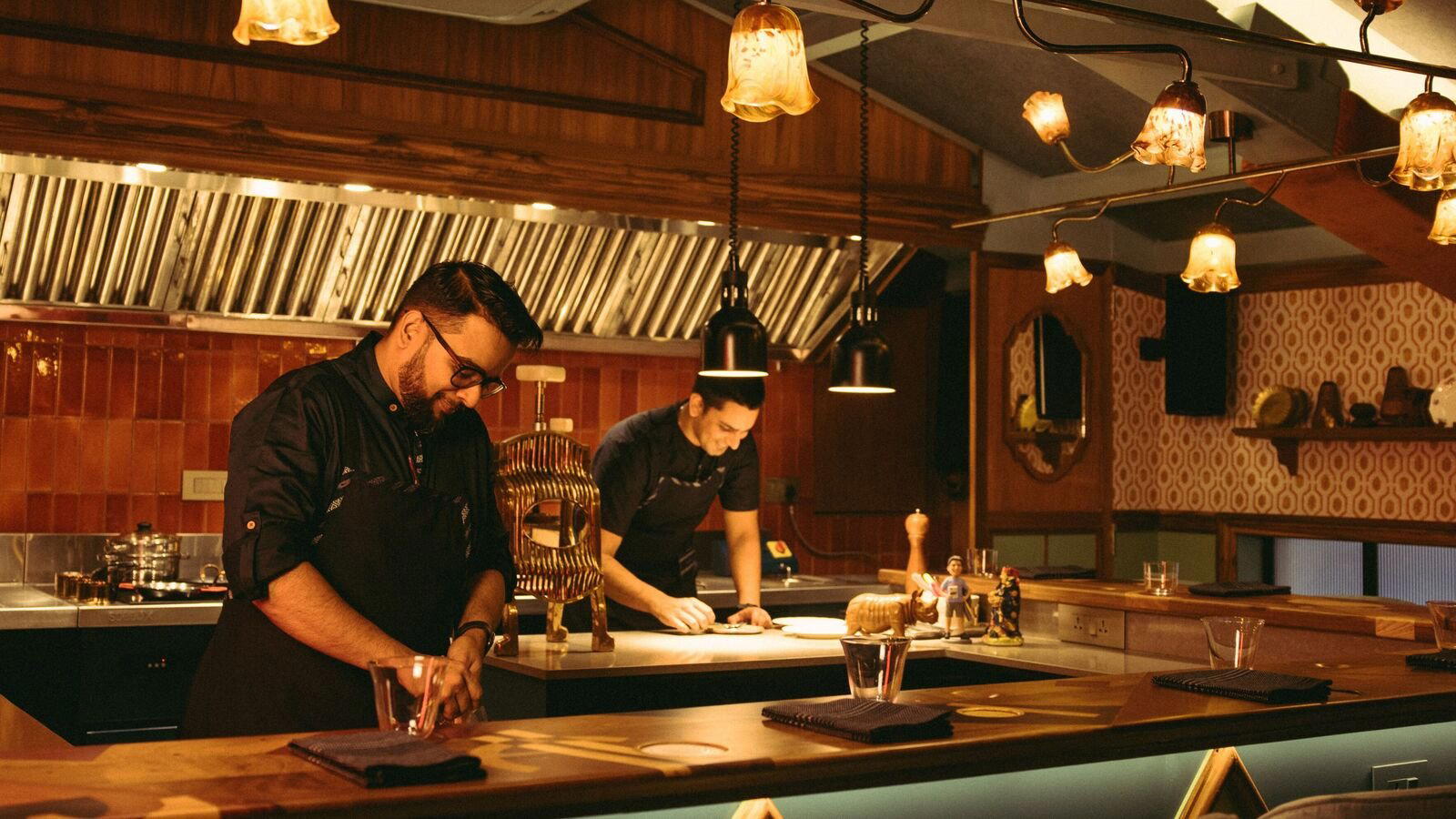
Layered, warm, and design-forward, with a lived-in residential feel that pairs Mumbai’s cultural energy with a calm, soulful atmosphere.