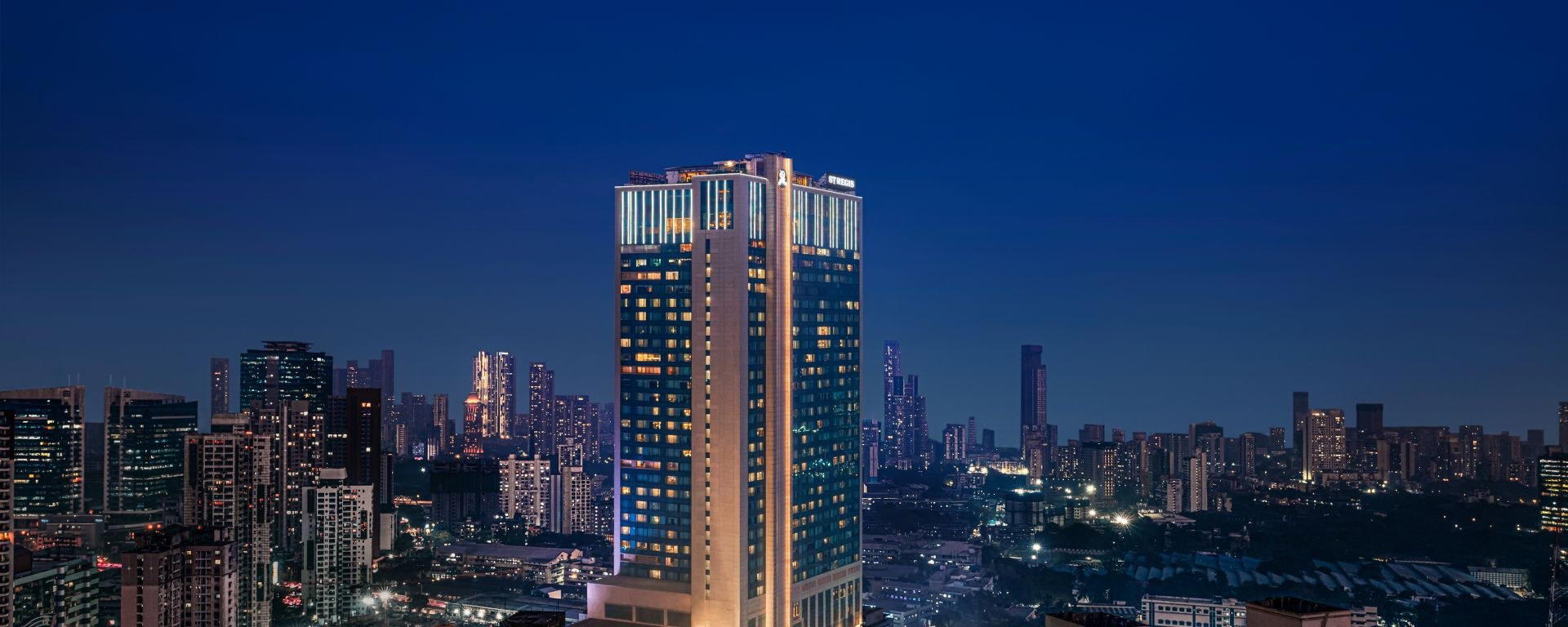
Roswyn, A Morgans Originals Hotel enters a Mumbai hotel market where dining, bar culture and neighbourhood access matter as much as room count. Publicly available venue data for awards, pricing, suites, restaurants, chef leadership and booking contacts is not listed here, so the useful reading is comparative: place it against Mumbai’s established palace, business and airport hotels before judging fit.

Pearl is the En Primeur Club membership app — saves, bookings, and concierge access live there. Same editors, same standards.
- Address
- C06 At, Chhatrapati Shivaji Maharaj International Airport Mumbai, Terminal 2, C T S No 1405 (Part, Navpada, Maharaj, Vile Parle, Mumbai, Maharashtra 400099, India
- Website
- all.accor.com
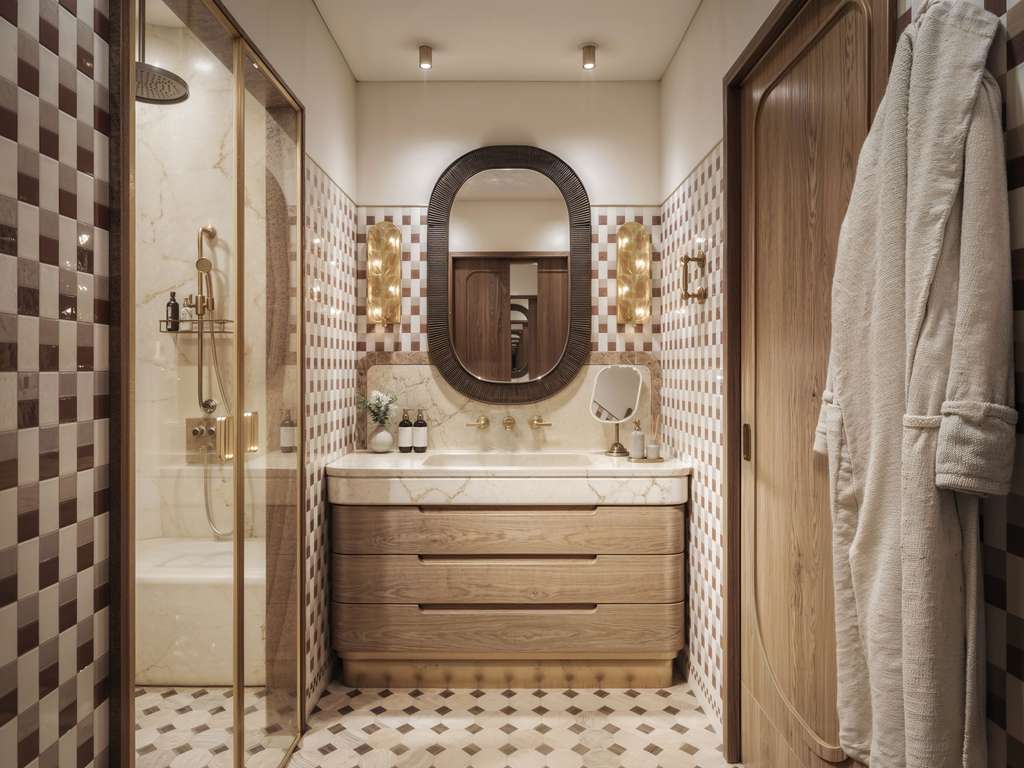
First impressions: Mumbai hotel dining has become the real lobby
Arriving at a serious Mumbai hotel is rarely only about the room. The city’s better properties work as social infrastructure: breakfast meetings before the traffic thickens, late dinners after flights from Delhi or Dubai, bar stools used as neutral ground between South Mumbai regulars and Bandra agency people, and pastry counters that pull in non-residents with the same force as a well-located restaurant. In that context, Roswyn, A Morgans Originals Hotel has to be read less as an isolated address and more as part of a citywide shift in which hotel dining programmes carry the first impression.
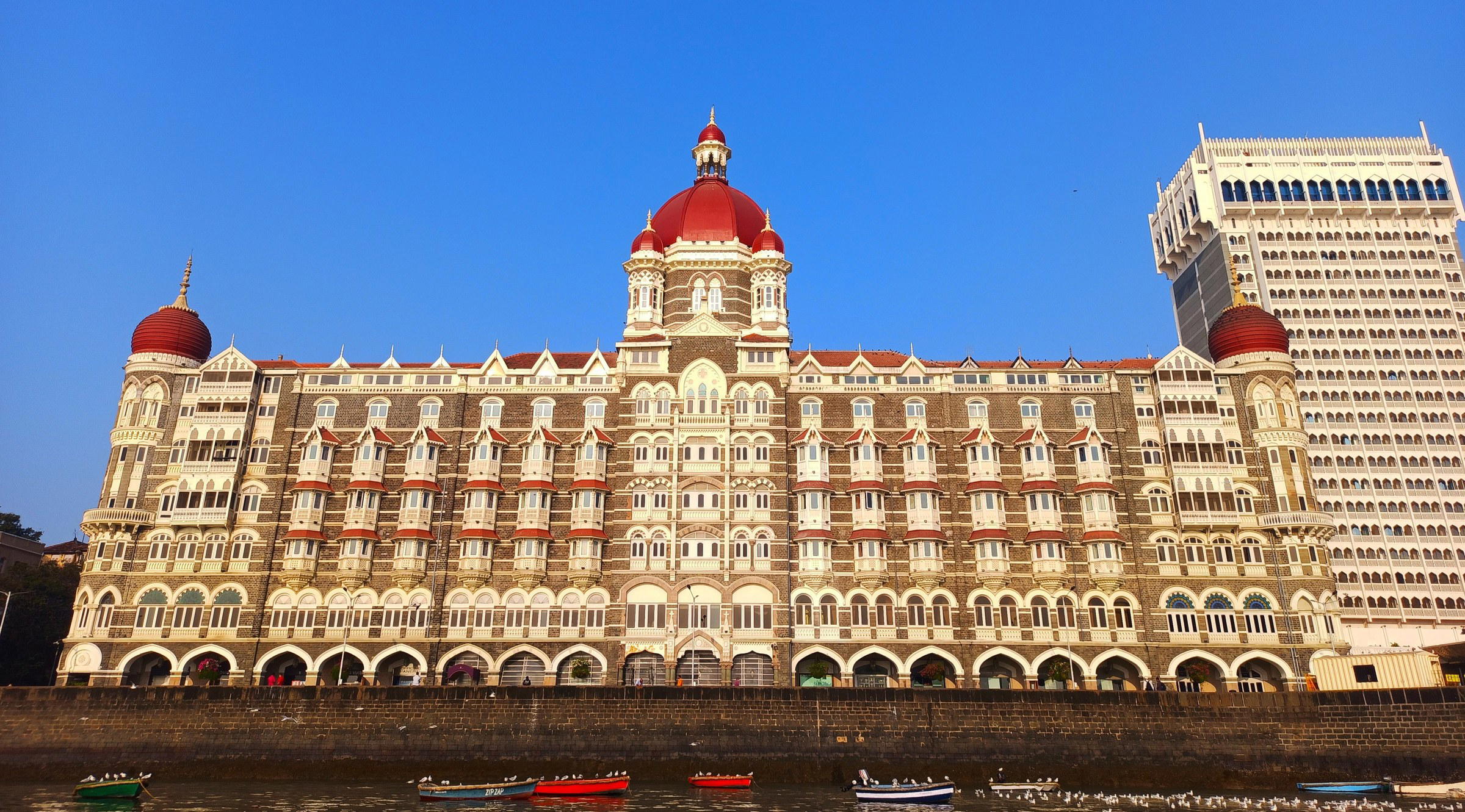
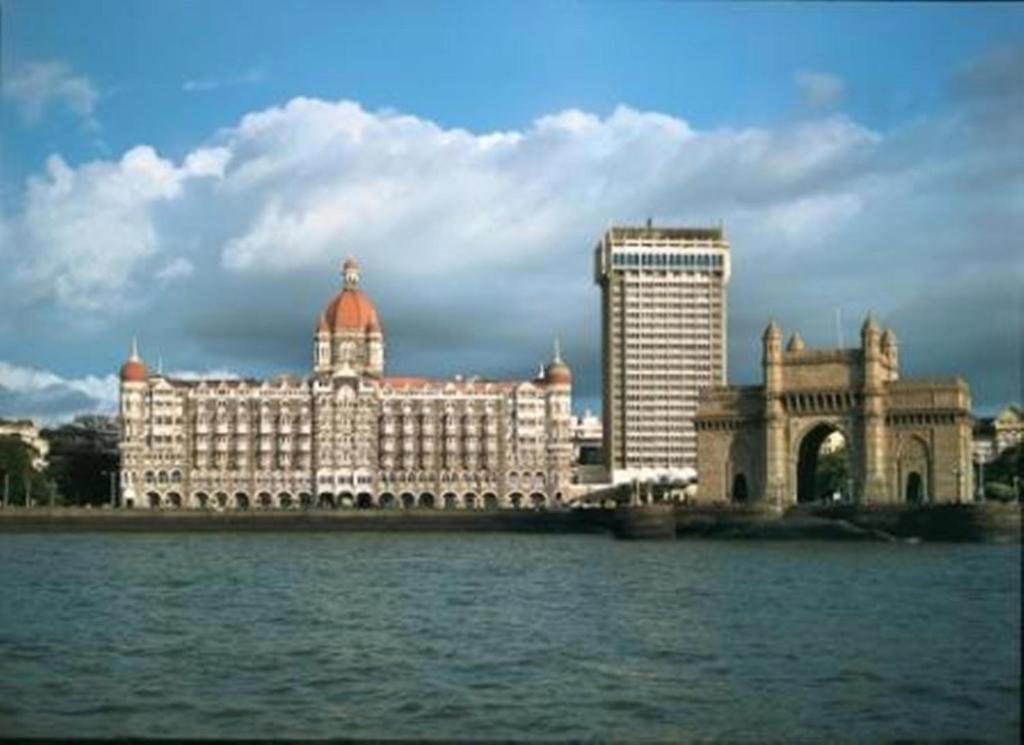
Mumbai has long understood hotels as public rooms. The grand colonial-era model is represented by The Taj Mahal Palace, Mumbai, where the building’s ceremonial weight is inseparable from its restaurants and bars. The smaller, design-led end of Colaba has a different rhythm at Abode Bombay, where scale, locality and street-level texture matter more than banquet ambition. Airport-side hotels such as Aurika Mumbai International Airport answer another brief: transit efficiency, early checkouts, business meals and the value of getting fed well without crossing half the city.
The dining question, then, is not cosmetic. In Mumbai, a hotel without a coherent food and drink identity risks feeling interchangeable, especially when business travellers, visiting families and local diners all use the same buildings for different reasons. The available record for Roswyn does not list named restaurants, bars, chef leadership, cuisine type, awards, room count, price range or suite categories. That absence should shape expectations. The hotel may develop a clearer public identity through its culinary programme, but a reader planning now should compare it by location needs, brand positioning and the maturity of its hospitality signals rather than by undocumented claims.
The competitive set: palace hotels, business towers and airport dining
Mumbai’s hotel scene is unusually segmented. South Mumbai properties often trade on heritage, sea-facing addresses, clubby dining rooms and proximity to galleries, legal chambers and old-money residential districts. Central and Lower Parel hotels tend to work for corporate itineraries and restaurants attached to office, media and finance patterns. Airport hotels focus on timing, check-in reliability and the ability to turn a layover into a competent dinner. Any new or less-documented hotel has to declare which of these jobs it performs.
The city’s established comparison points make that clear. Four Seasons Hotel Mumbai sits in the modern luxury-business category, where bar culture and skyline dining have historically mattered to non-resident guests. Grand Hyatt Mumbai belongs to the larger campus model, useful for conferences, corporate stays and multi-outlet dining. ITC Grand Central, A Luxury Collection Hotel, Mumbai speaks to the heritage-inflected business hotel tradition, where Indian culinary identity can be a core part of the stay rather than an add-on.
That range matters because Morgans Originals as a label, signalled in the hotel name, implies a lifestyle-hotel vocabulary rather than a purely conventional business property. Lifestyle hotels are judged by public space: lighting, pacing, lobby acoustics, restaurant confidence, bar intelligence and whether locals have a reason to cross the threshold. In Mumbai, that test is harder than it sounds. The city already has strong independent restaurants, members’ clubs, hotel bars and neighbourhood cafés. A hotel dining programme has to be more than convenient; it needs a clear role in a crowded city.
Food and drink as the decision point
The assigned lens is the dining programme, and that is the right lens for Mumbai. Rooms can be difficult to evaluate before rate, category and design data are available, but the success of a Mumbai hotel often appears first in how it feeds people. Breakfast has to handle jet-lagged international guests and local business meetings. Lunch must work for speed without feeling transactional. Dinner needs enough point of view to draw residents who have other options. The bar, if present, needs more than dim lighting and a hotel-standard cocktail list.
That means no responsible editorial copy should invent a menu, describe a dish or assign a chef-driven philosophy. The safer assessment is structural. If the hotel leans into Mumbai’s strongest dining patterns, it will need to acknowledge the city’s appetite for regional Indian cooking, modern café formats, coastal seafood traditions, polished patisserie and late-evening drinking rooms. If it instead follows a generic international-hotel template, it will face sharper comparison with properties that already have name recognition and established local use.
For readers mapping a stay around eating, the wider city guide is essential context. Our full Mumbai restaurants guide gives the restaurant baseline beyond hotel walls, while Our full Mumbai bars guide helps separate a hotel with a serious drinks programme from one that is simply near a lobby. Mumbai’s restaurant culture is not shy; a hotel has to earn attention by either saving time, improving comfort, or offering a room with a point of view that independents cannot easily replicate.
What the absence of listed awards and prices tells the reader
It also does not list a price range. Those gaps are not minor. In a luxury hotel decision, awards and published rates help place a property against peers. Without them, the reader should treat Roswyn, A Morgans Originals Hotel as an evaluation case rather than a settled recommendation.
This is especially true in India, where hotel categories can be blurred by brand language. A property may use lifestyle cues while operating at a business-hotel price point, or it may present as boutique while charging against full-service luxury competitors. That does not make it weak; it means the decision should be made through practical evidence: location, room category, current rate, food and drink access, transport pattern and whether the stay requires a full-service hotel or simply a well-placed base.
Readers who want a broader city scan should use Our full Mumbai hotels guide before narrowing the search. Mumbai’s traffic can turn a cheaper rate into a poor decision if meetings, restaurants or flights sit across the city. A hotel’s value is often measured in saved crossings rather than thread count.
Where it may fit in a Mumbai itinerary
Mumbai is a city where location changes the whole stay. Colaba and Fort suit heritage walks, galleries, old restaurants and South Mumbai appointments. Marine Drive and Churchgate work for sea-facing routines and quick access to Nariman Point. Lower Parel, Worli and BKC better serve corporate schedules, newer restaurants and shorter cross-town hops if the day is planned carefully. The airport belt is practical for early departures, late arrivals and short business trips.
That is why a reader should confirm the exact address before comparing Roswyn with InterContinental Marine Drive-Mumbai, Fairmont Mumbai (Various (Indo-French patisserie, Sichuan lounge, food hall)) or the airport and business-hotel set. A hotel can read well on brand but fail the itinerary if it adds an hour to every meal or meeting. Conversely, a less famous property can become the right choice if it sits near the actual reason for the trip.
For travellers building a wider India route, Mumbai often functions as the urban hinge between palace hotels, wildlife lodges and Himalayan retreats. The comparison is useful. The Leela Palace Jaipur in Jaipur and The Oberoi Amarvilas in Agra answer destination-hotel expectations, while Suján Jawai in Pali, Amanbagh in Ajabgarh and Shakti Prana in Kasar Devi sit closer to retreat logic. Mumbai hotels have a different job: they have to compress the city’s appetite, speed and business demands into an address that works under pressure.
How the dining programme should be judged
A hotel dining programme in Mumbai should be judged on four things. First, does it attract local diners, not only residents? Second, does it offer a clear culinary identity rather than a soft international spread? Third, does the bar understand the city’s after-work and late-dinner habits? Fourth, does the operation make sense for guests who are tired, jet-lagged or moving between appointments?
Because the supplied data does not list outlets or chefs, no claim can be made here about execution. But the criteria matter. Mumbai’s hotel restaurants compete with serious independent dining rooms, legacy clubs, coastal kitchens, modern Indian restaurants and high-end bakery culture. A hotel connected to a lifestyle brand has an opportunity to use atmosphere and curation, but that opportunity only counts if the food and drink operation carries enough detail to hold local attention.
Travellers interested in beverage-led itineraries can also check Our full Mumbai wineries guide, though Mumbai is more useful as a consumption and retail city than a wine-production destination. For culture and hosted formats beyond hotels, Our full Mumbai experiences guide helps place dining within the city’s broader calendar of art, design, markets and neighbourhood movement.
Planning notes before committing
That makes direct verification essential before arrival. Confirm the current address, room category, rate inclusions, restaurant opening times, bar access for non-residents, breakfast policy, cancellation terms and any event closures. In Mumbai, hotel outlets can be affected by private functions, corporate buyouts and holiday demand, so assumptions made from brand positioning are not enough.
For a short stay, the practical sequence is simple: locate the hotel on a map, compare travel time to meetings or dinners, check restaurant availability, then judge the room rate against the time saved. If the main purpose is dining, compare the hotel’s outlets with the restaurants already on the itinerary. If the purpose is a quiet base, ask whether the property’s public-space energy helps or hinders the stay. If the trip is built around flights, compare it with airport-forward options before choosing a lifestyle address for aesthetic reasons alone.
Comparable city and international hotels show how different briefs produce different value. The Leela Palace New Delhi in New Delhi fits capital-city palace luxury; Park Hyatt Hyderabad in Hyderabad belongs to a polished urban-business category; Woods at Sasan in Sasan Gir and Anantya By The Lake in Kaliyal are more place-led. Further afield, The Fifth Avenue Hotel in New York City, Hôtel de Paris Monte-Carlo in Monte Carlo and Badrutt's Palace Hotel in St. Moritz demonstrate how hotels become dining and social addresses when the public rooms are as carefully defined as the suites.
Editorial verdict
Roswyn is a name to watch through the lens that matters in Mumbai: whether its restaurants and bars become useful to the city, not only comfortable for guests. The smarter stance is conditional. If the hotel can turn its Morgans Originals positioning into a disciplined food and drink identity, it will belong in the lifestyle-hotel conversation. If the dining programme remains generic, Mumbai has stronger established alternatives across palace, business, airport and boutique categories.
Comparable venues nearby, for context on price, style, and recognition.
| Venue | Cuisine | Price | Awards | Notes |
|---|---|---|---|---|
| Roswyn, A Morgans Originals HotelThis venue — the venue you are viewing | Lifestyle, all‑suite design hotel positioned as a modern cultural address near Mumbai Airport. | $300–500 | Not listed | Not listed |
| InterContinental Marine Drive-Mumbai | Oceanfront luxury boutique | Not listed | Forbes Recommended | Churchgate |
| Sofitel Mumbai BKC | Contemporary luxury business hotel with Indian influences | Not listed | Michelin Selected · World Luxury Hotel Awards WLHA Country Winner | Kolekalyan |
| Taj Santacruz Mumbai | Art Deco-inspired luxury with spacious rooms | Not listed | Michelin Selected | Santacruz East |
| Fairmont Mumbai | Timeless Art Deco luxury with Neoclassical architecture and nostalgic 1920s grandeur. | Not listed | 1 Michelin Key · Michelin Guide New Hotels New Hotel | Marol |
| The Leela Mumbai | Luxurious urban oasis with landscaped tropical gardens and palatial Indian elegance. | $100–200 | Forbes Recommended · Preferred Hotels L.V.X. Collection | Marol |
Details
- Modern
- Elegant
- Sophisticated
- Trendy
- Energetic
- Business Trip
- Weekend Escape
- Wellness Retreat
- Family Vacation
- Romantic Getaway
- Group Retreat
- Infinity Pool
- Destination Spa
- Design Destination
- Terrace
- Wi Fi
- Pool
- Spa
- Fitness Center
- Room Service
- Concierge
- Business Center
- Valet Parking
- Kids Club
- Skyline
- Wheelchair Accessible
- Elevator
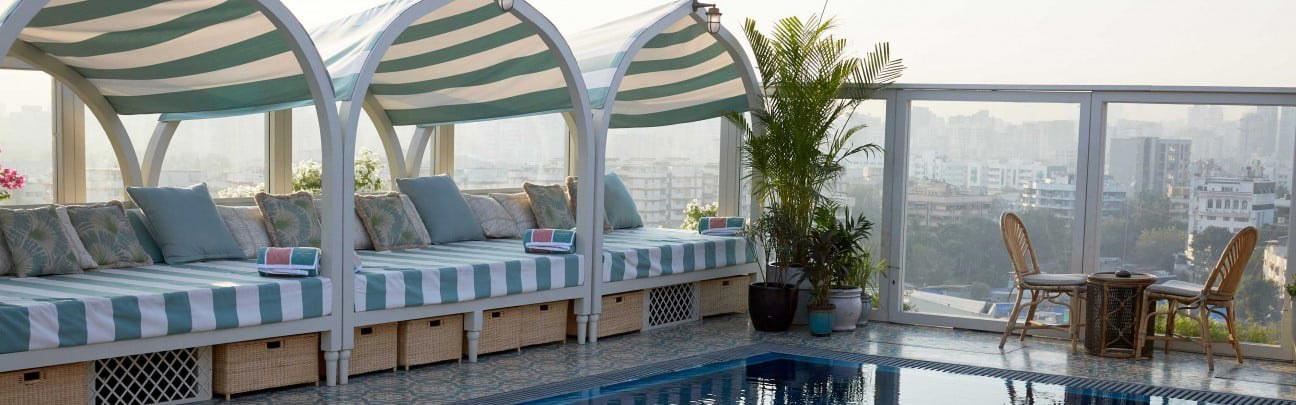
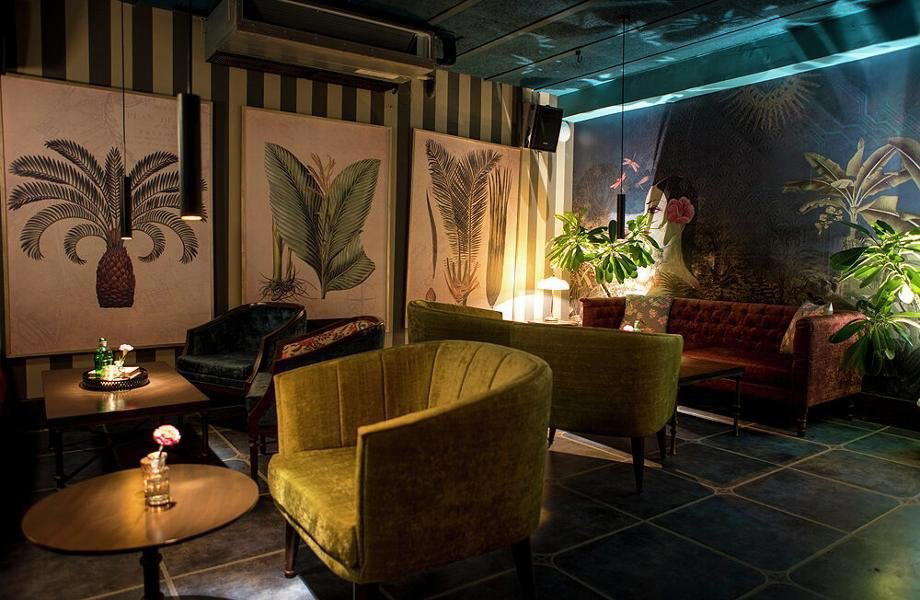
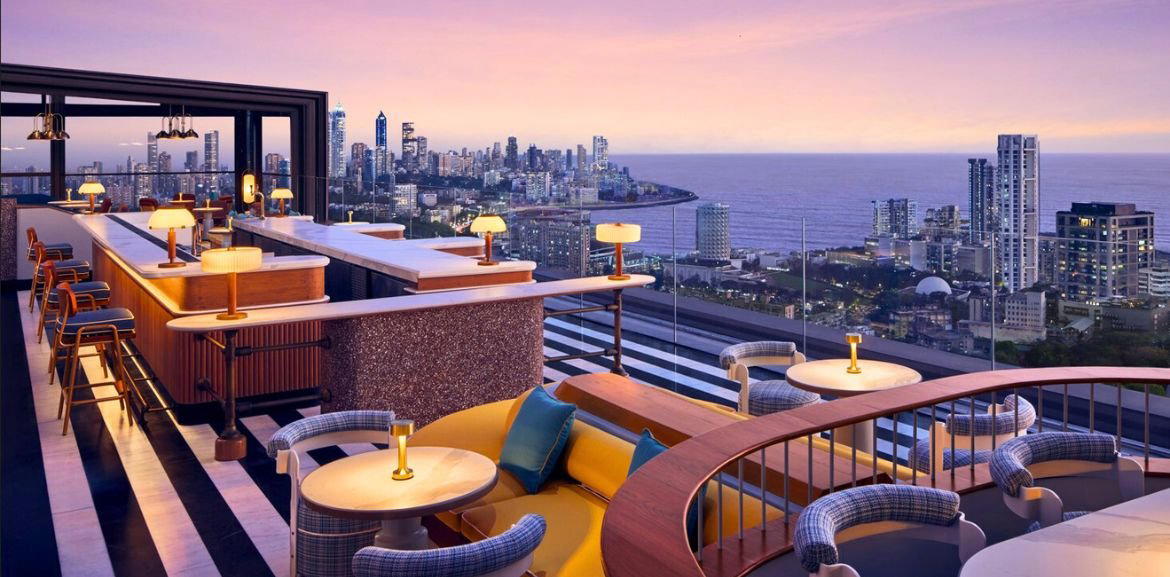
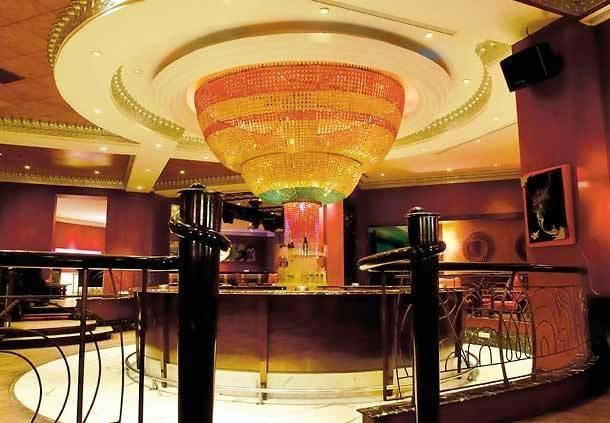
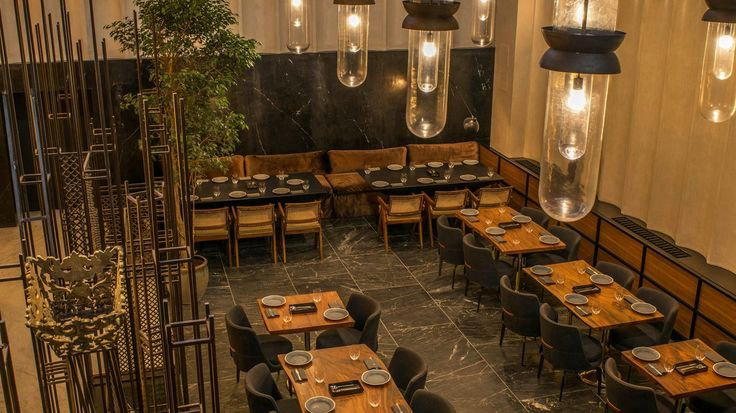
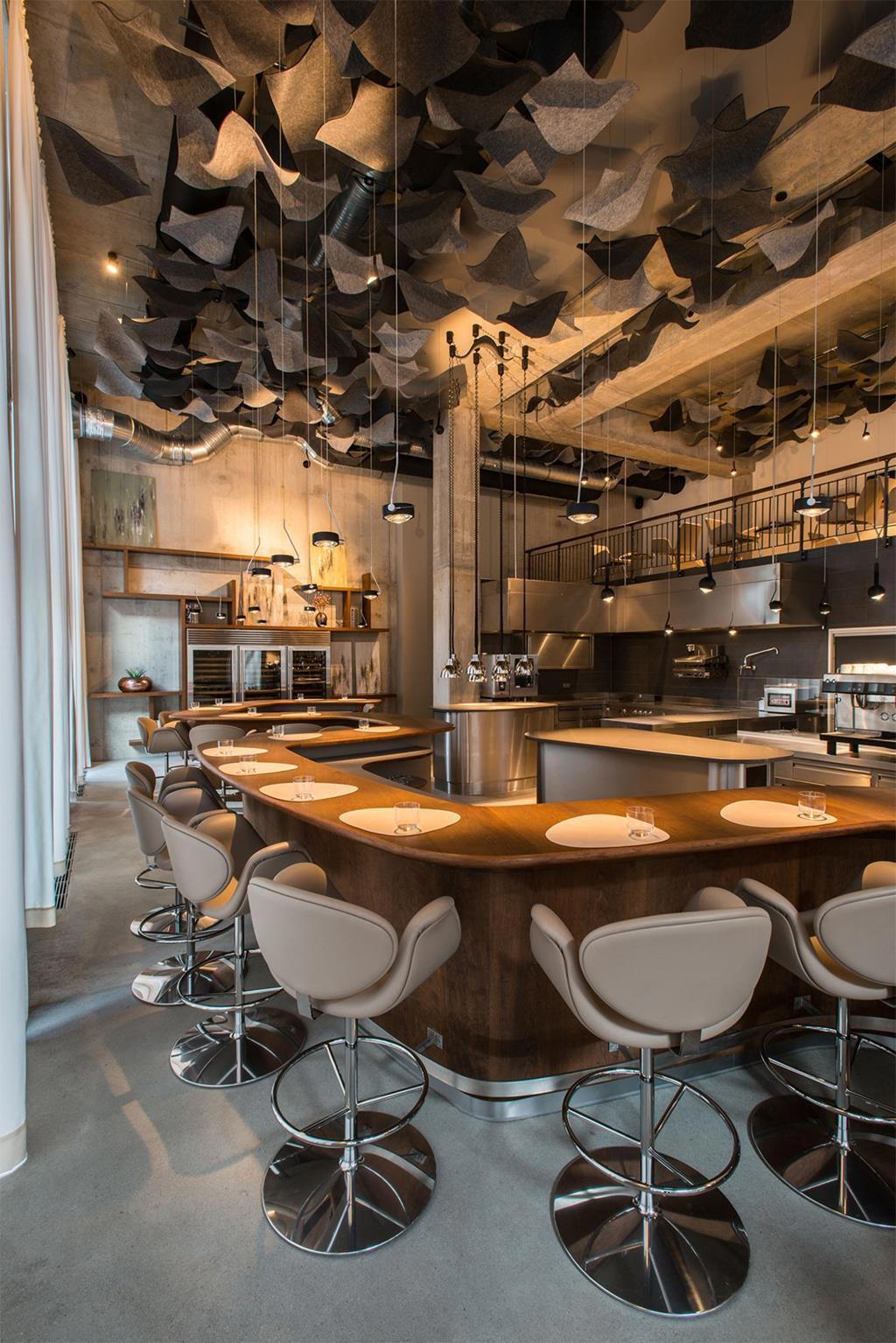
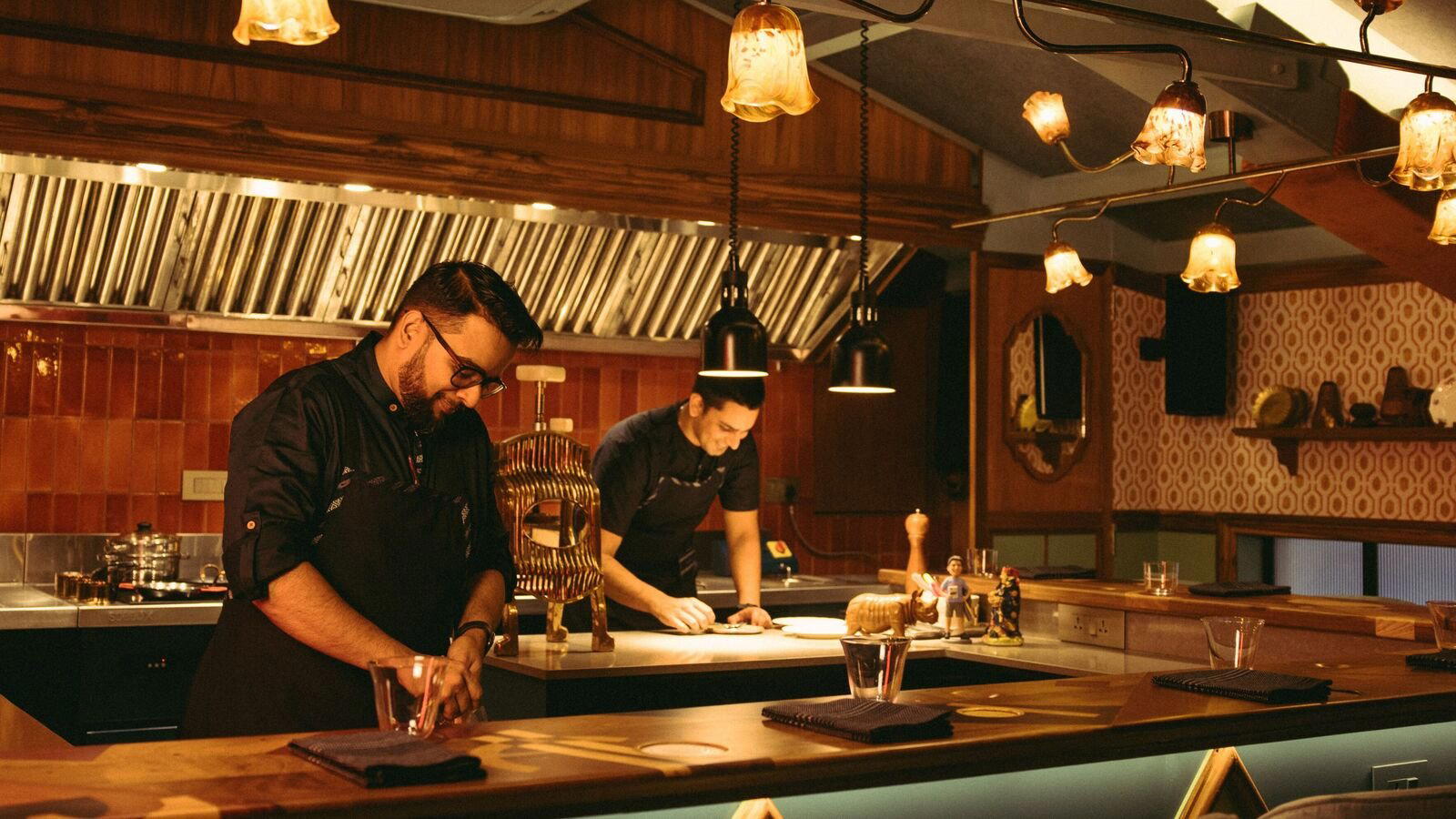
Layered, residential and design-forward with warm, lived-in luxury; interiors draw on Bombay’s character through curated art and details, while social spaces shift from relaxed and conversational by day to more animated and atmospheric in the evening.