Shakti Prana





Conde Nast Hot List Hotels · AFAR Best New Hotels · Town & Country Hotel Awards
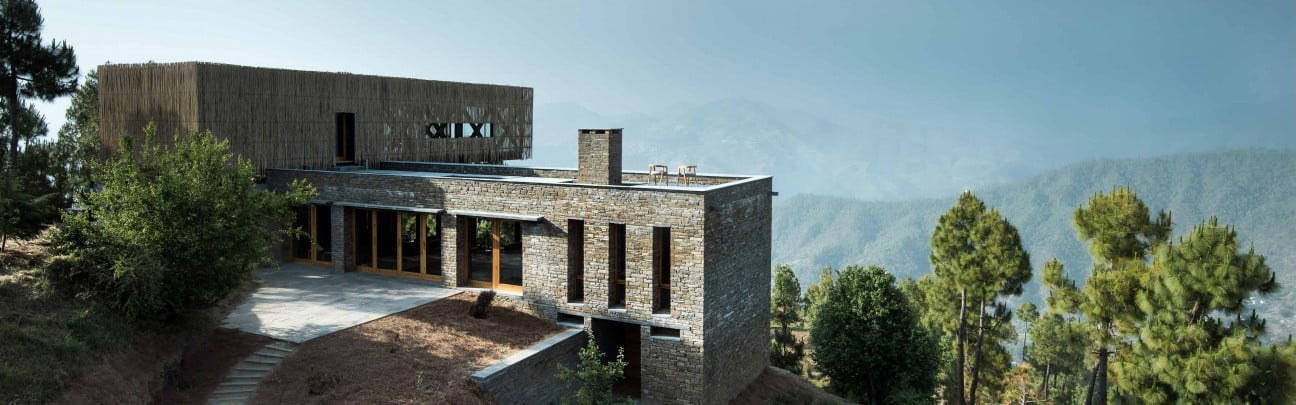
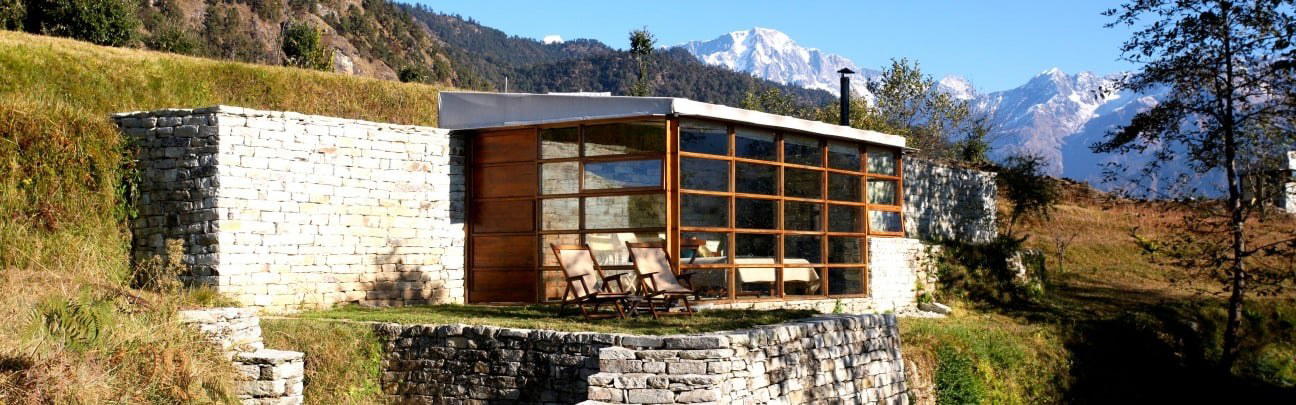
Shakti Prana brings the Himalayan lodge into a sharper architectural register: seven glass-fronted wood-and-stone pavilions on a 6,300-foot summit in Kasar Devi. The draw is not conventional resort excess, but a high-altitude rhythm of ridge walks, rhododendron forest, fireside interiors, yoga, sauna time, and chef-led meals within the Shakti Himalaya walking tradition.

Pearl is the En Primeur Club membership app — saves, bookings, and concierge access live there. Same editors, same standards.
- Address
- Shakti Kumaon, Kasar Devi, Uttarakhand 263601, India
- Website
- shaktihimalaya.com
- Directions
- Get directions
The approach to Kasar Devi is a change in scale before it is a change in altitude. Roads tighten, ridgelines replace city horizons, and the architecture that works here has to answer to mountain weather, long views, and a village pattern that predates resort logic. Shakti Prana enters that setting with seven glass-fronted pavilions in wood and stone, set on a 6,300-foot summit, which places design at the centre of the experience rather than treating it as décor.
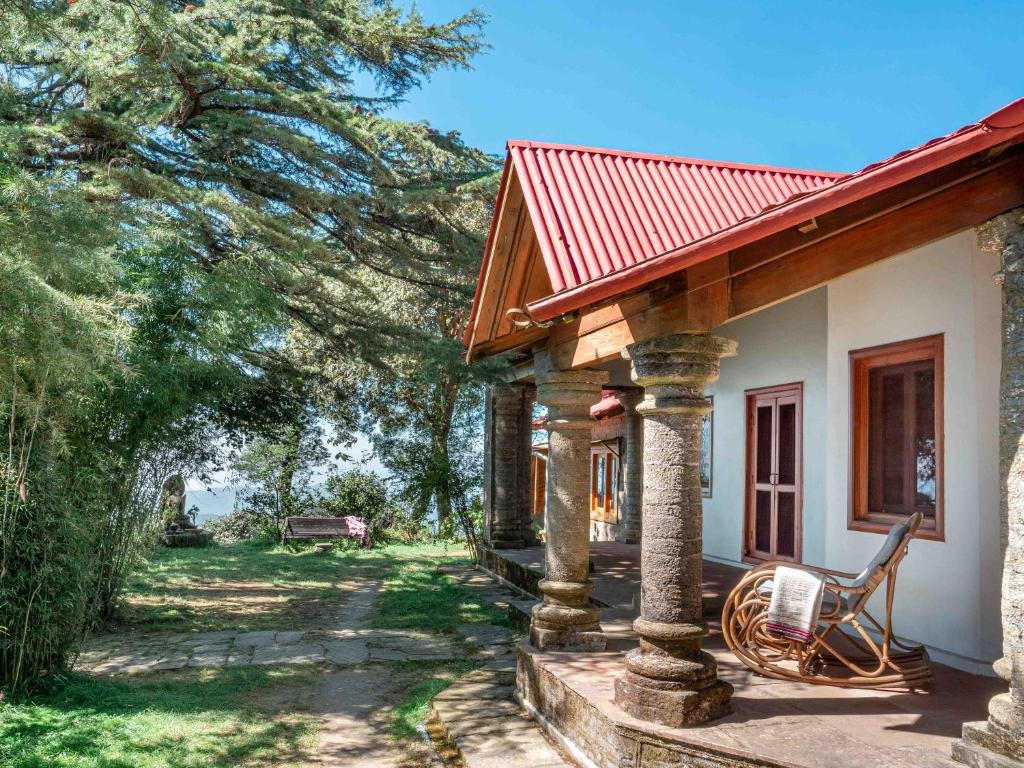
Himalayan hospitality at this tier has split into two broad camps: retreat properties built around wellness programming, and walking-led stays that use the landscape as the main structure of the day. Shakti Prana belongs to the latter lineage. Jamshyd Sethna’s Shakti Himalaya began two decades ago with guided walks through remote Himalayan areas and nights in converted village houses; this newer address keeps the walking culture but gives it a more architectural frame.
Glass, stone, and altitude shape the stay
The important design move is restraint. Glass fronts pull the Kumaon light into the rooms, while wood and stone keep the pavilions tied to local building language. In a region where mountain hotels can lean into either colonial nostalgia or wellness-resort polish, this format reads as more disciplined: modernist in outline, vernacular in material, and small enough for the setting to remain the dominant feature.
The seven-pavilion scale matters. It keeps the property closer to a high-altitude house party than a full-service resort, and it makes the architecture work as a sequence of private lookouts rather than a single grand hotel block. That is the difference between visiting the Himalayas as scenery and staying in a structure that has been composed around ridges, weather, and the daily return from a walk.
Within India’s design-hotel circuit, useful comparisons sit outside the usual city-palace axis. 28 Kothi in Jaipur and Abode Bombay in Mumbai work through urban scale and adaptive atmosphere; Alila Fort Bishangarh in Manoharpur and Amanbagh in Ajabgarh use Rajasthan’s fort and garden vocabulary. Shakti Prana’s reference point is different: not monumentality, but exposure, silence, and the measured geometry of pavilions placed against mountains.
The Himalayan day is built around movement, heat, and recovery
The house rhythm is clear: hike the ridges and rhododendron forests, then return to fires, pashmina throws, silk bathrobes, yoga, sauna time, and meals by celebrity chefs. That sequence is not incidental; it is the operating logic of serious mountain hospitality. The value is in the alternation between physical effort and controlled comfort, with food and heat used as recovery rather than spectacle.
Kasar Devi also carries a particular cultural charge within Uttarakhand. It is associated with long-stay seekers, artists, walkers, and travellers who prefer altitude and quiet to the programmed density of major hill stations. For a broader read on the area’s hospitality and dining context, EP Club’s city pages map the surrounding scene across Kasar Devi hotels, Kasar Devi restaurants, Kasar Devi bars, Kasar Devi wineries, and Kasar Devi experiences.
Against nearby mountain peers, the distinction is format. The Kumaon, Mary Budden Estate, Shakti 360° Leti, Brij Atmanya Bhowali, and Saraca Corbett all speak to travellers looking beyond India’s metropolitan hotel circuit, but they do not all ask the same thing of the day. Shakti Prana is strongest for guests who want architecture and walking to be inseparable, rather than treating hikes as optional add-ons to a spa itinerary.
Where it sits in India's new design-hotel map
India’s high-end hotel conversation has widened beyond palace hotels, beach resorts, and wildlife camps. The more interesting movement is toward smaller properties with a sharper sense of place: Amaya in Solan for Himalayan design restraint, Ananda in the Himalayas in Narendra Nagar for structured wellness, Brij Atmanya Bhowali in Nainital for Kumaon access, and Avantika by the Ganges in Varanasi for riverine heritage.
The wider Indian circuit shows how specific the Kasar Devi proposition is. Alila Diwa Goa in Goa, Baale Resort Goa in North Goa, and Brij Paraiso Goa in Saligao deal in coastal leisure; Aman-i-Khas in Ranthambore frames the safari camp; Brij Lakshman Sagar in Pali works through rural Rajasthan; Anantya By The Lake in Kaliyal turns on waterside quiet. In the city bracket, Ambassador, New Delhi - IHCL SeleQtions in Delhi, Andaz Delhi - A Concept by Hyatt in Aerocity, and Aurika Udaipur - Luxury by Lemon Tree Hotels in Udaipur answer a different travel need entirely.
That contrast clarifies the editorial call. Shakti Prana is for travellers who read a hotel through site planning, not amenity count. The evidence is concrete: seven pavilions, a 6,300-foot summit, guided walking heritage, rhododendron forest access, fireside interiors, yoga, sauna, and chef-led meals. It belongs to the small group of Indian stays where the building, the day’s movement, and the mountain setting are one argument.
For readers comparing far-flung lodge formats, the same logic extends beyond India:! Xaus Lodge in Dawid Kruiper. Here Baa Atoll Maldives in Baa Atoll, and "Róże i Zen" Apartamenty. Pokoje Gościnne in Torun show how scale, setting, and intent can matter more than conventional hotel category. In Kasar Devi, that principle is written in glass, stone, altitude, and the walk back to the fire.
Fast Comparison
Comparable venues by cuisine and price in the same metro.
| Venue | Cuisine | Price | Awards | Notes |
|---|---|---|---|---|
| Shakti PranaThis venue — the venue you are viewing | Remote, all-inclusive Himalayan mountain retreat combining guided walking journeys with village stays and a small luxury lodge as the centerpiece. | $2,500+ | Conde Nast Hot List Hotels · AFAR Best New Hotels | Not listed |
| Shakti Prana | remote eco-luxury mountain retreat | $2,500+ | Conde Nast Hot List Hotels · AFAR Best New Hotels | Kasar Devi |
| Sariska Lodge | Eco-friendly safari resort with old-school charm | Not listed | Travel + Leisure It List Hotels | Amra Ka Bas |
| Hyatt House Bengaluru Devanahalli | modern serviced apartments for extended stays | Not listed | Not listed | Devanahalli |
| Rawla Bisalpur | Heritage Indo-European villa guest house beside 18th-century palace ruins | $300–500 | Michelin Selected | Jawai Bandh |
| Gateway Dehradun | Contemporary comfort reflecting local heritage | $1–100 | Not listed | Niranjanpur |
Recognition history
Dated appearances from independent guides and award organizations, with the underlying list record or original source where available.
AFAR Best New Hotels
AFAR · AFAR 40 Best New Hotels 2026
Conde Nast Hot List Hotels
Conde Nast
Robb Report The 50 Greatest Luxury Hotels on Earth #5 · No. 5
Robb Report · 2026 Robb Report The 50 Greatest Luxury Hotels on Earth
Town & Country Hotel Awards
Town & Country
Travel + Leisure It List Hotels
Travel + Leisure
Continue exploring
More in Kasar Devi
Details
- Scenic
- Quiet
- Minimalist
- Elegant
- Intimate
- Honeymoon
- Romantic Getaway
- Wellness Retreat
- Anniversary
- Weekend Escape
- Group Retreat
- Panoramic View
- Design Destination
- Private Dining
- Terrace
- Historic Building
- Wi Fi
- Spa
- Mountain
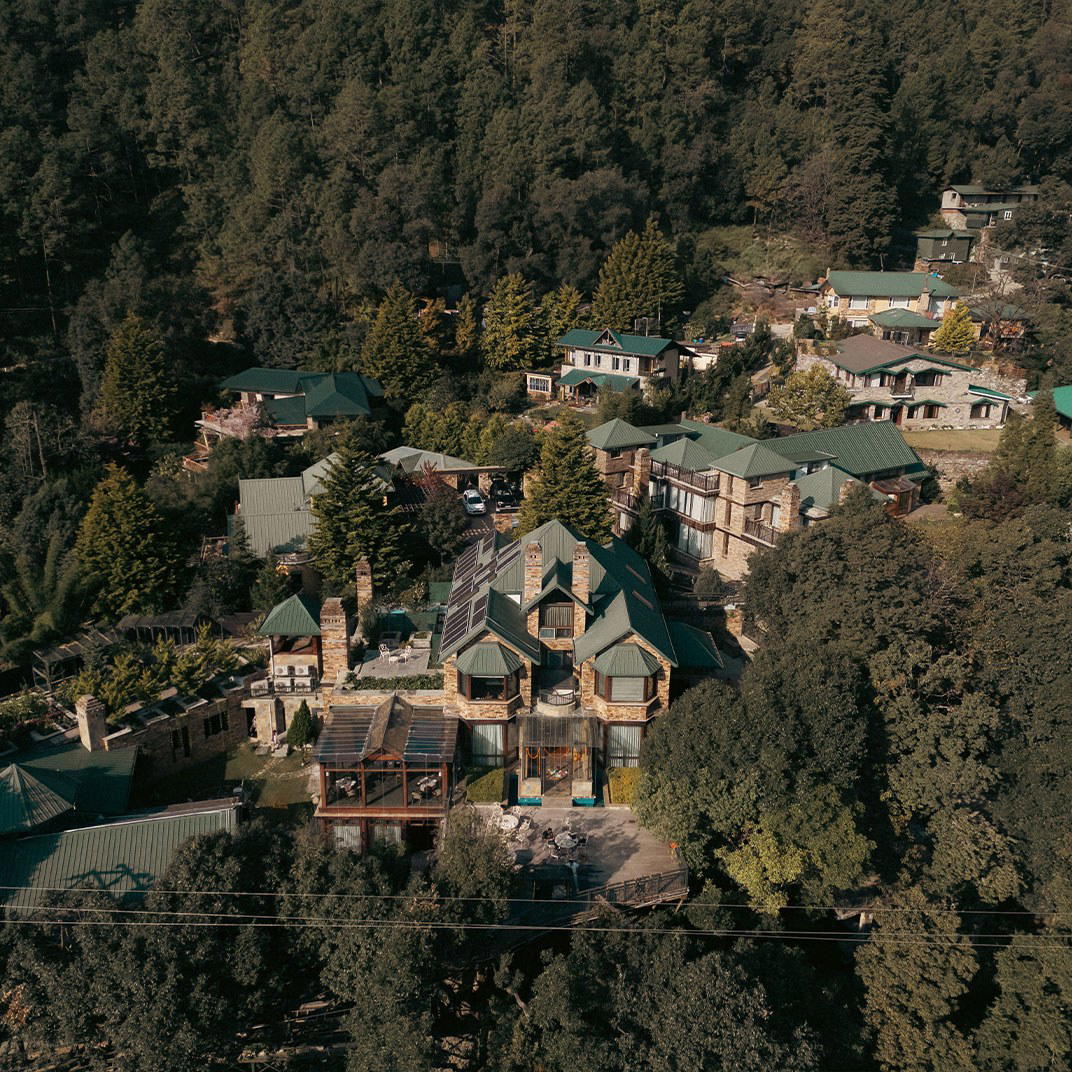
Serene and meditative, with minimalist stone-and-wood pavilions, open hearths, and soft lighting that frame vast Himalayan panoramas for a contemplative retreat-like atmosphere.