Roseate House London

World Luxury Hotel Awards WLHA Regional Winner
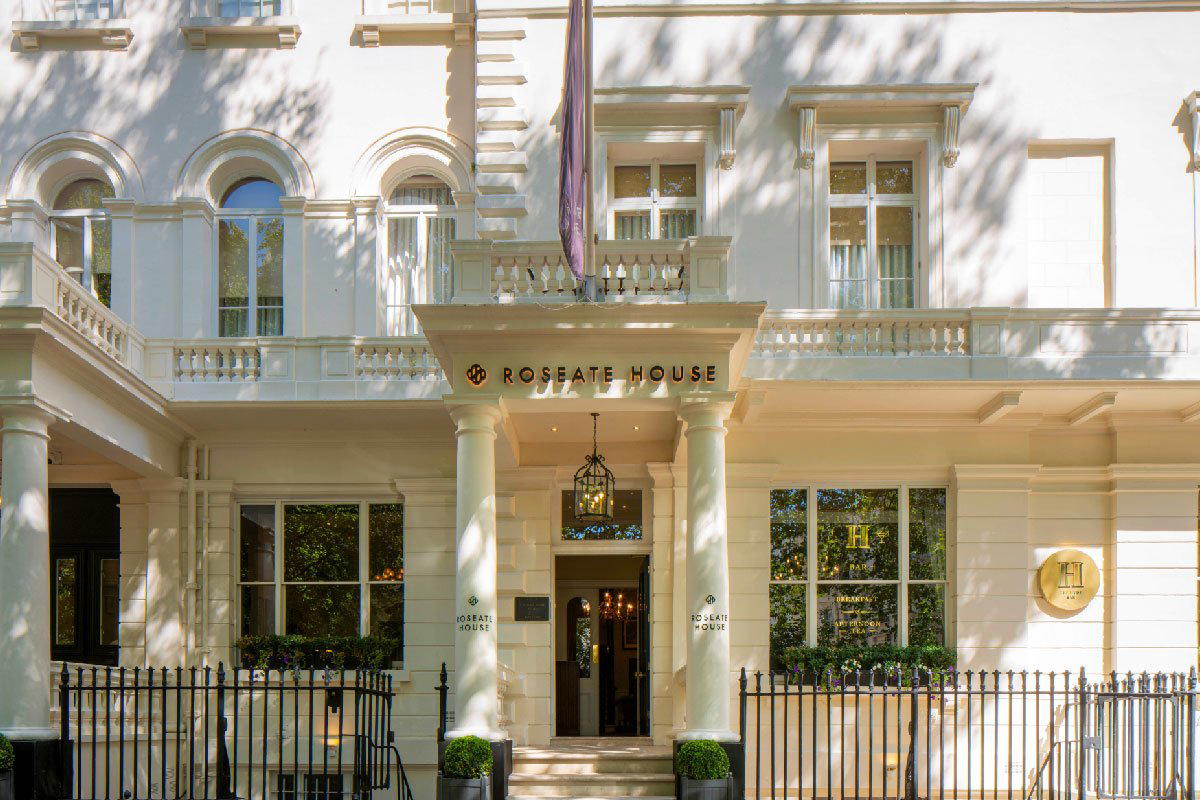
Three Grade II listed Victorian townhouses on Westbourne Terrace form the shell of Roseate House London, a 47-room boutique hotel at the Hyde Park edge that won regional and national recognition in the 2025 World Luxury Hotel Awards across three categories. Hand-selected antiques, original artwork, and individually designed rooms sit a short walk from Lancaster Gate, placing the hotel inside London's quieter, residential-luxury tier rather than its grand-hotel corridor.

Pearl is the En Primeur Club membership app, where members save venues, book tables and use the concierge.
Victorian Bones, Contemporary Edit: How Roseate House Fits London's Boutique Tier
London's luxury hotel market has long divided between two poles: the grand institutions of Mayfair and the Strand, places like Claridge's, The Savoy, and The Connaught, which operate on scale and ceremony, and a smaller cohort of townhouse-format properties that trade volume for intimacy. Roseate House London belongs firmly to the second group. Positioned on Westbourne Terrace at the northern fringe of Hyde Park, it occupies three Grade II listed Victorian townhouses whose protected status means the architecture is not a stylistic choice so much as a structural contract. The bones are original. The edit layered over them is deliberate.
That layering matters in a city where Grade II listing is common but the quality of what sits inside varies enormously. At 47 rooms across three interconnected houses, it occupies a scale that the hotel industry now recognises as a distinct category. The 2025 World Luxury Hotel Awards named Roseate House London in three separate categories, Luxury Boutique Hotel, Luxury Romantic Hotel, and Luxury Small Hotel, at both regional and national level, a breadth of recognition that signals the property is tracking well across multiple audience types, not just one narrow segment.
The Architecture as Argument
Victorian townhouse conversions present a specific design challenge that distinguishes them from purpose-built hotels: the original floor plates were laid out for residential life, not hospitality flow. Staircases are narrower, ceiling heights shift between floors, and the proportions of rooms reflect domestic rather than hotel logic. When this is handled well, as it is in the better examples of the Tyburnia and Bayswater neighbourhood, it produces spaces that feel genuinely inhabited rather than assembled. The Hyde Park Gardens setting reinforces that residential quality. Westbourne Terrace sits inside the Tyburnia conservation area, a grid of mid-Victorian stucco terraces developed in the 1840s and 1850s that has retained its residential character more completely than comparable streets closer to the park's eastern edge.
The effect on a guest arriving at Roseate House is one of stepping sideways from London's main hotel corridors rather than stepping down in quality. The neighbourhood does not generate the footfall of Mayfair or Knightsbridge, which is partly why properties here can still operate at genuine boutique scale. The tradeoff is proximity to shopping and restaurant density; the gain is a quieter address with direct access to Hyde Park and a streetscape that has changed little since the houses were built.
The Hyde Restaurant and Bar: Dining in Context
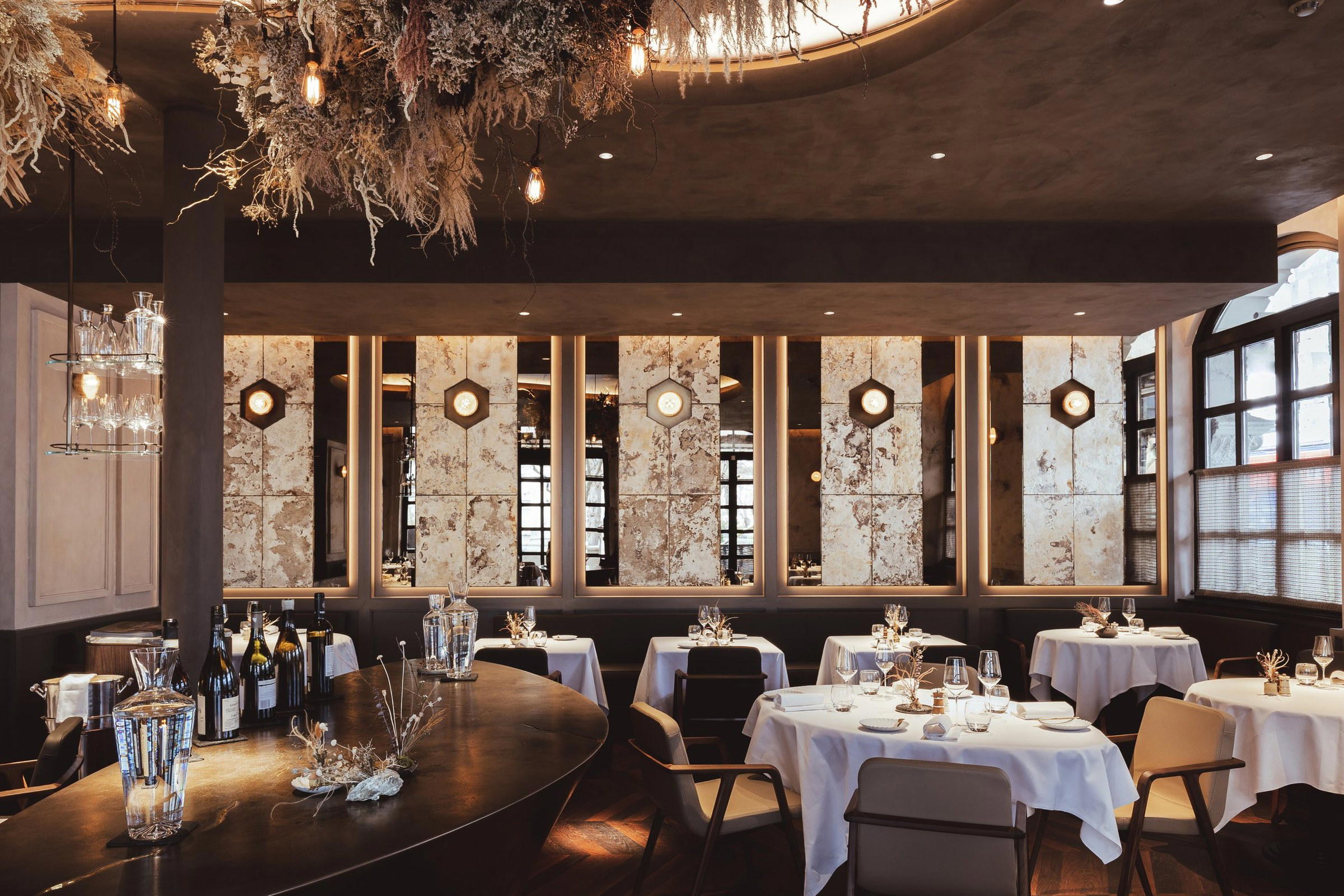
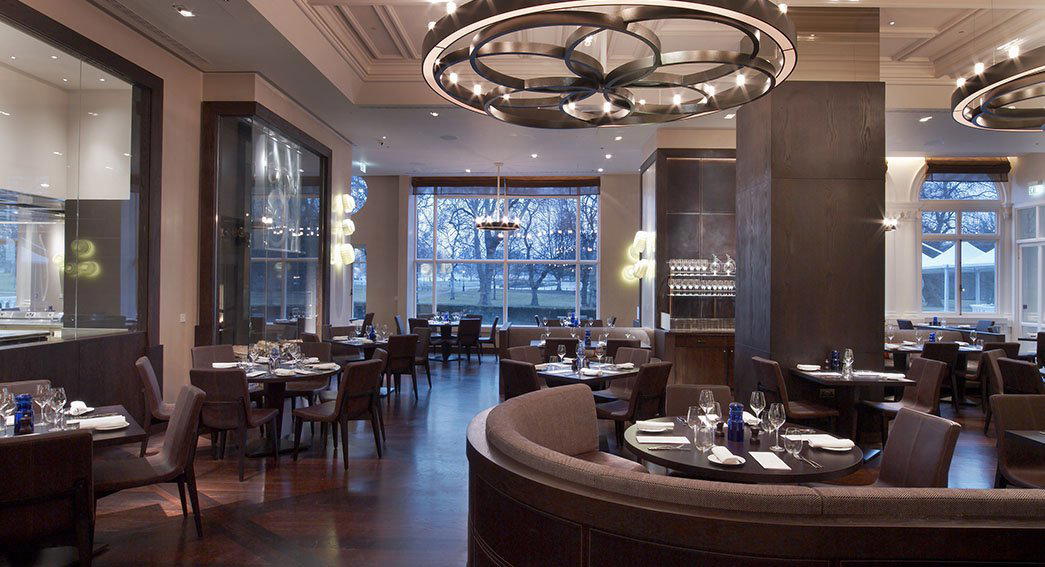
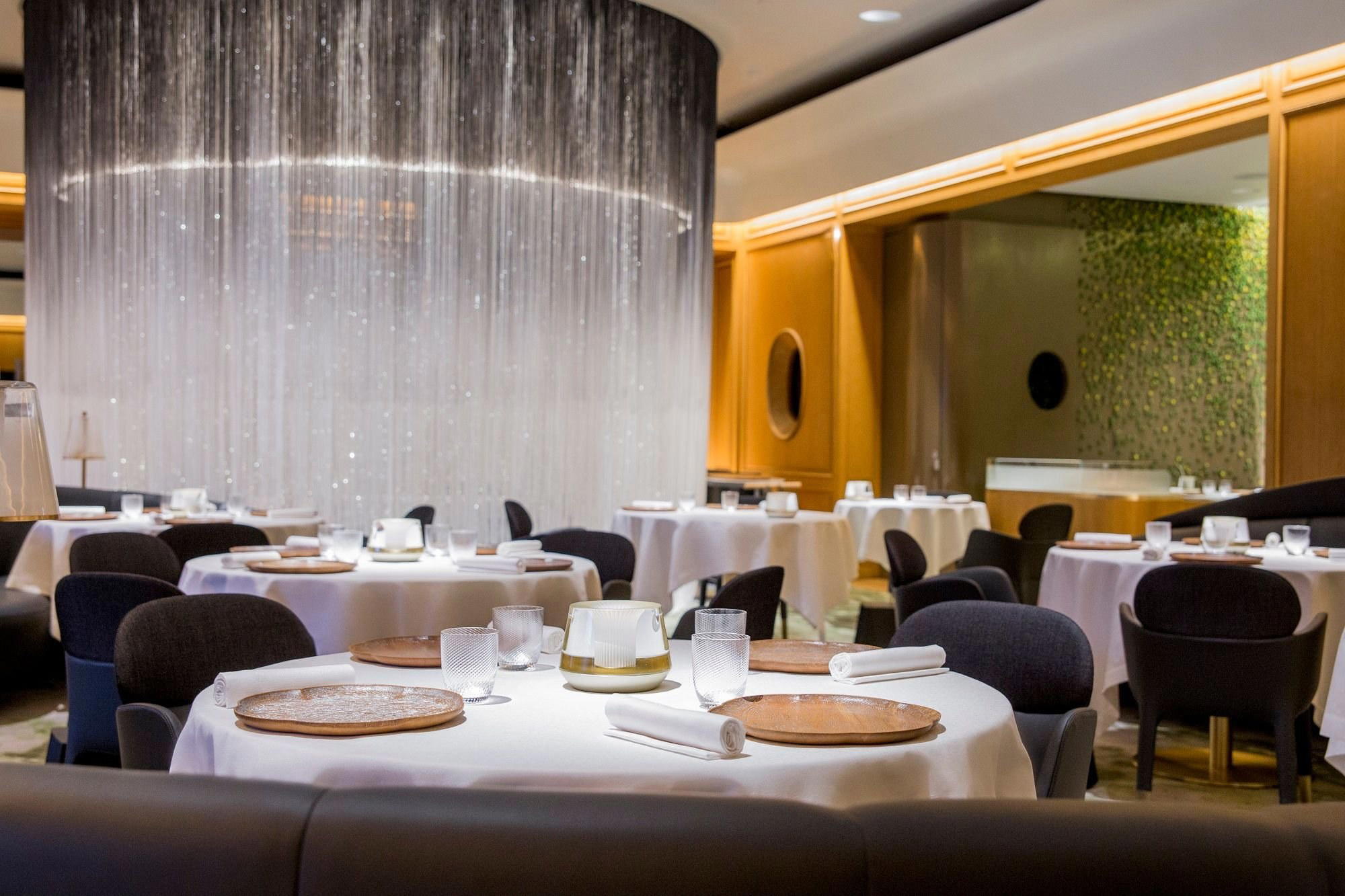
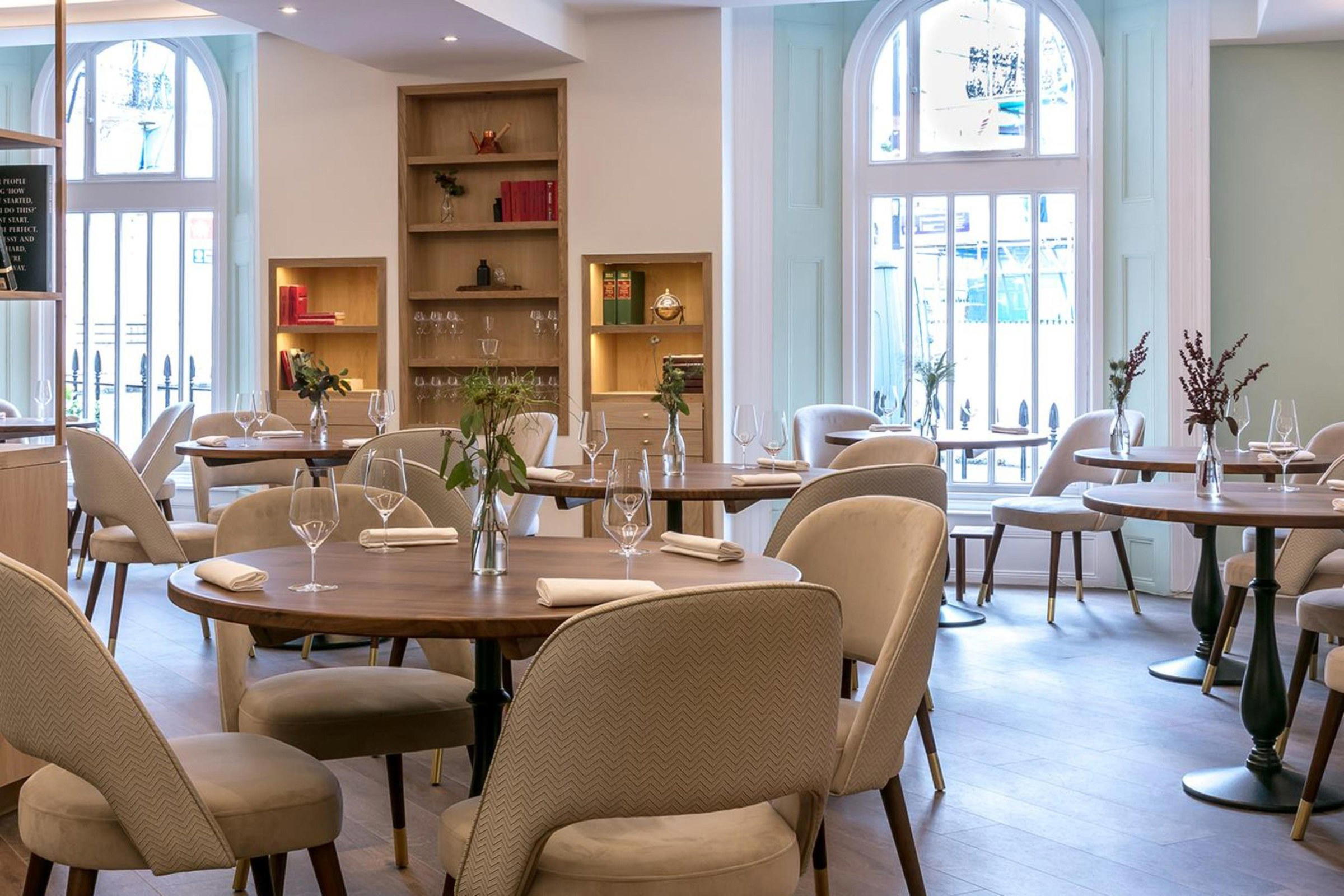
Within London's hotel dining scene, in-house restaurants at small luxury properties occupy a specific position. They are rarely the destination in their own right that a Michelin-tracked room at a major flag-carrier might be, but they serve a different function: they extend the residential quality of the stay rather than competing with the city's wider dining circuit. The Hyde Restaurant and Bar at Roseate House fits this model. It operates as an integrated part of the hotel's offer rather than a separate commercial enterprise, which is the appropriate format for a 47-room property in a residential postcode. For guests oriented toward London's wider dining options, our full London restaurants guide covers the broader field across neighbourhoods and cuisines.
Where Roseate House Sits in the London Boutique Market
Properties like Raffles London at The OWO or The Emory operate at a different scale and price register, with amenity programmes and public spaces designed for visibility as much as function. The boutique townhouse tier, by contrast, competes on texture: the quality of individual room furnishing, the granularity of service in a small property, and the character of the building itself. 1 Hotel Mayfair represents a different strand of the same boutique logic, with its sustainability-led design identity marking it as a distinct sub-category.
Roseate House's three-category recognition at the 2025 World Luxury Hotel Awards suggests it is performing across the dimensions that matter to its audience: the Luxury Boutique and Luxury Small Hotel categories address the product itself, while the Luxury Romantic Hotel designation indicates it is drawing couples and celebratory travellers, which tends to correlate with a higher-touch service style and attention to room presentation. For travellers comparing properties in the UK more broadly, the Roseate group's approach to townhouse-format boutique hotels finds echoes in properties like Lime Wood in Lyndhurst or Estelle Manor in North Leigh, both of which operate in the premium-small segment with a strong sense of place as a design anchor.
The Neighbourhood Case for Staying West of Centre
Hyde Park's northern edge, specifically the Lancaster Gate and Tyburnia pocket, is one of the more genuinely residential corners of central London. It sits between the concentrated tourist density of Bayswater to the north and the managed grandeur of Kensington to the south, close enough to both without being subsumed by either. For visitors who prioritise walking access to the park over proximity to the West End, the location makes clear geographical sense. Lancaster Gate Underground station is within walking distance, placing the hotel on the Central line and connecting it efficiently to the City, Soho, and Notting Hill without requiring a change.
This western positioning also separates Roseate House from the cluster of comparison properties that concentrate in Mayfair and Belgravia. It is not a compromise location; it is a different address with different adjacencies, and for the traveller whose London itinerary includes Kensington museums, Hyde Park, and the better dining of Notting Hill, the geography works in its favour rather than against it.
British Boutique Hotels in the Same Register
For travellers building a wider UK itinerary, the small luxury townhouse format that Roseate House represents in London has counterparts across the country. King Street Townhouse Hotel in Manchester and Hope Street Hotel in Liverpool apply similar principles, heritage buildings, individually considered interiors, small room counts, to northern English cities. In Scotland, Glasgow Grosvenor Hotel occupies a comparable architectural register, while Gleneagles in Auchterarder represents the country-house tier that sits adjacent to but distinct from the city boutique format. Further afield, Burts Hotel in Melrose, Dun Aluinn in Aberfeldy, Langass Lodge in the Outer Hebrides, and Glen Mhor Hotel and Apartments in the Highlands extend the small, character-led format into more remote Scottish settings. For those extending beyond the UK, The Fifth Avenue Hotel in New York City and Aman New York represent the metropolitan boutique-luxury format in a different market, while Aman Venice applies the same principle of exceptional heritage buildings to European context. Muir, A Luxury Collection Hotel in Halifax and The Newt in Somerset round out a UK picture in which heritage-led, small-scale luxury has become a distinct and increasingly well-recognised category, one that Roseate House London sits squarely within. Lifeboat Inn in St Ives adds a Cornish coastal note to that same tradition.
Know Before You Go
- Address: 3 Westbourne Terrace, Hyde Park Gardens, Tyburnia, London W2 3UL
- Rooms: 47 individually designed rooms and suites across three Victorian townhouses
- Architecture: Grade II listed Victorian townhouses, Tyburnia conservation area
- Dining: The Hyde Restaurant and Bar (in-house)
- Nearest Underground: Lancaster Gate (Central line)
- Awards: 2025 World Luxury Hotel Awards, Luxury Boutique Hotel, Luxury Romantic Hotel, Luxury Small Hotel (Regional and Country level)
- Website: roseatehotels.com/london/roseatehouse
- Booking: Reservations recommended; contact via the Roseate Hotels website
Comparable Venues
Comparable venues nearby, for context on price, style, and recognition.
| Venue | Cuisine | Price | Awards | Notes |
|---|---|---|---|---|
| Roseate House LondonThis venue (the venue you are viewing) | Victorian townhouses restored with modern luxury | Not listed | World Luxury Hotel Awards WLHA Regional Winner | Not listed |
| London Marriott Hotel County Hall | Historic luxury hotel in former government building | $750–1,000 | Forbes Recommended | South Bank |
| The Mayfair Townhouse | Elegantly practical stylish lifestyle hotel in a historic Georgian townhouse. | Not listed | Michelin Selected · Mr & Mrs Smith Seal of Approval | Mayfair |
| The Ampersand Hotel | Contemporary luxury boutique hotel blending Victorian heritage architecture with 21st-century design and whimsical theming. | $300–500 | Michelin Selected · Mr & Mrs Smith Seal of Approval | South Kensington |
| The Ned | Historic Grade-I listed building blending 1920s grandeur with modern luxury | Not listed | Michelin Selected · Forbes 4-Star | Cheapside |
| The May Fair, A Radisson Collection Hotel | Well-known luxury heritage hotel with contemporary interiors and English elegance | Not listed | Michelin Selected | Mayfair |
Recognition history
Dated appearances from independent guides and award organizations, with the underlying list record or original source where available.
World Luxury Hotel Awards WLHA Regional Winner
World Luxury Hotel Awards
Full recognition history (2 entries)
World Luxury Hotel Awards WLHA Country Winner
World Luxury Hotel Awards
Roseate House London
Featured Guides
Continue exploring
More in London
Hotels in London
All hotels in London →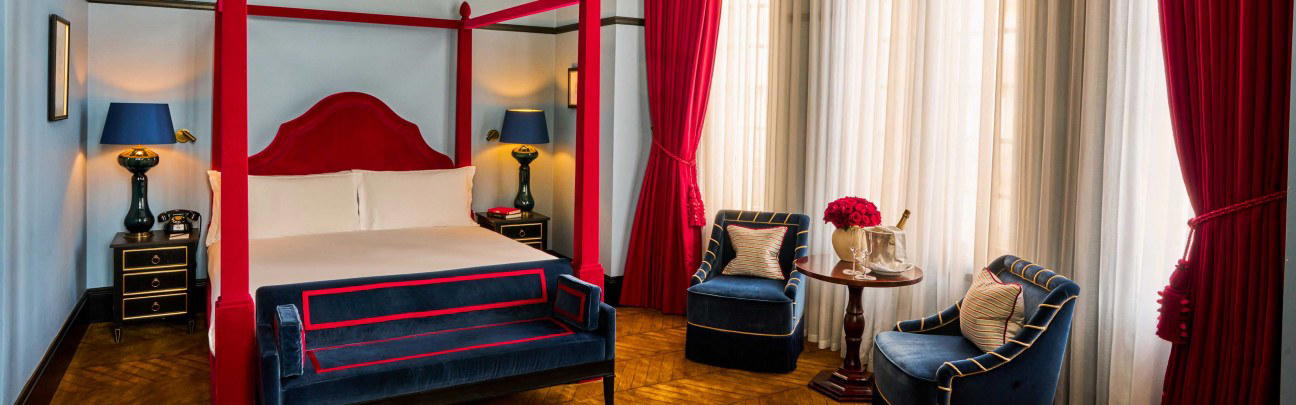
Bars in London
All bars in London →
Restaurants in London
All restaurants in London →



Details
- Elegant
- Sophisticated
- Classic
- Intimate
- Quiet
- Romantic Getaway
- Anniversary
- Business Trip
- Weekend Escape
- Historic Building
- Garden
- Terrace
- Private Dining
- Wi Fi
- Room Service
- Concierge
- Restaurant
- Bar
- Garden
- Street Scene
- Elevator
- Step Free Entrance
Tranquil and refined with antiques, oil paintings, velvet furnishings, fireplaces, and elegant chandelier lighting evoking a genteel drawing room.