The Mayfair Townhouse




Michelin Selected · Mr & Mrs Smith Seal of Approval · Fodor's Most Incredible Hotels in the World
On Half Moon Street in Mayfair, The Mayfair Townhouse occupies a row of Georgian townhouses in one of London's most concentrated pockets of luxury hospitality. For visitors who want Mayfair without the scale of a grand hotel, the townhouse format is a considered alternative.

Pearl is the En Primeur Club membership app — saves, bookings, and concierge access live there. Same editors, same standards.
- Address
- 27-41 Half Moon St, London W1J 7BG
- Phone
- +44 20 8138 3400
- Website
- themayfairtownhouse.com
- Directions
- Get directions
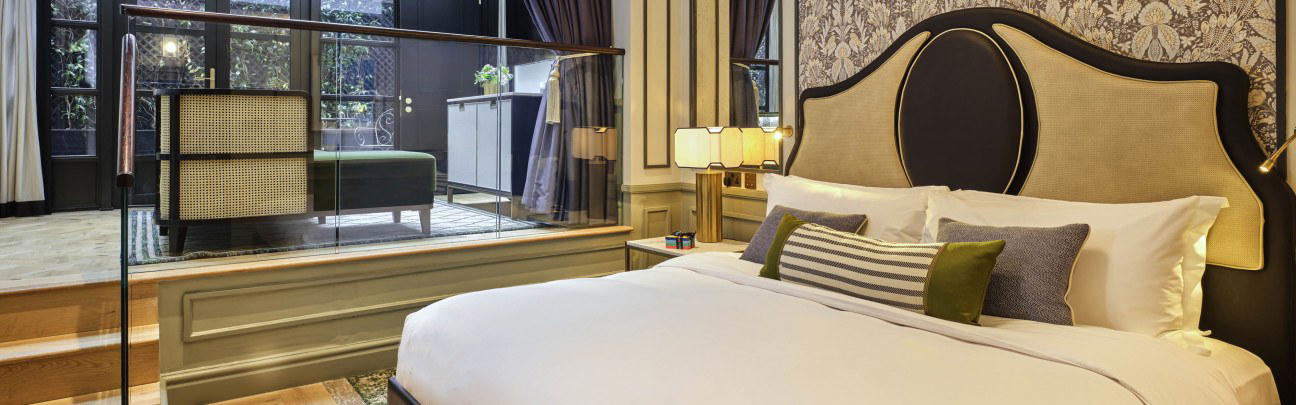
Half Moon Street and the Mayfair Hotel Question
Arriving on Half Moon Street, you feel the particular compression that defines this part of London. The street runs quietly between Piccadilly and Curzon Street, lined with Georgian and Victorian terraces that have housed everyone from diplomats to novelists. The Mayfair Townhouse occupies a stretch of that terrace row at 27-41 Half Moon Street, and the address alone positions it within one of the most competitive hospitality corridors in Europe. Mayfair's hotel density is high, its guest expectations are higher, and the format a property chooses — whether grand hotel, private members' club, or intimate townhouse — tells you almost everything about who it is competing against.
The townhouse format itself carries specific meaning in London. Where Claridge's and The Connaught operate as grand, recognisable institutions with ballrooms and long-standing dining reputations, the townhouse model trades scale for a different kind of discretion. Fewer keys, residential architecture, and a quieter street presence are the signatures of this category. Guests who book into townhouse-format properties in Mayfair are generally choosing against the lobby-as-theatre experience, not because they cannot afford it, but because they prefer a different register of luxury.
Where the Mayfair Townhouse Sits in the Neighbourhood's Hotel Hierarchy
Mayfair's premium hotel market has fragmented considerably over the past decade. The neighbourhood now holds properties across at least four distinct tiers: the legacy five-star institutions, the internationally branded design-led arrivals (such as 1 Hotel Mayfair), the boutique independents, and the townhouse conversions that prioritise residential character over hotel infrastructure. The Mayfair Townhouse sits in the latter category, competing on atmosphere and address rather than restaurant empire or spa scale.
That positioning has real implications for what the property can and cannot offer. A townhouse in Mayfair will not have the kind of dining programme that Raffles London at The OWO has built across its multiple restaurant and bar spaces, nor the bar pedigree that The Connaught has cultivated over many decades. What it can offer is proximity to some of the most serious independent restaurants in the city, and a base from which Mayfair's dining infrastructure is entirely walkable. Scott's on Mount Street, Gymkhana on Half Moon Street itself, and the Shepherd Market cluster are all within a few minutes on foot.
The Dining Programme and What the Format Allows
For hotels operating at this scale, the dining and bar programme is typically the clearest signal of editorial ambition. Larger Mayfair properties use restaurant partnerships and celebrity chef affiliations to justify their rates and attract guests who are not staying overnight. A townhouse-format property operates differently: the drinking and eating spaces tend to be smaller, more characterful, and aimed primarily at residents rather than destination diners from across the city.
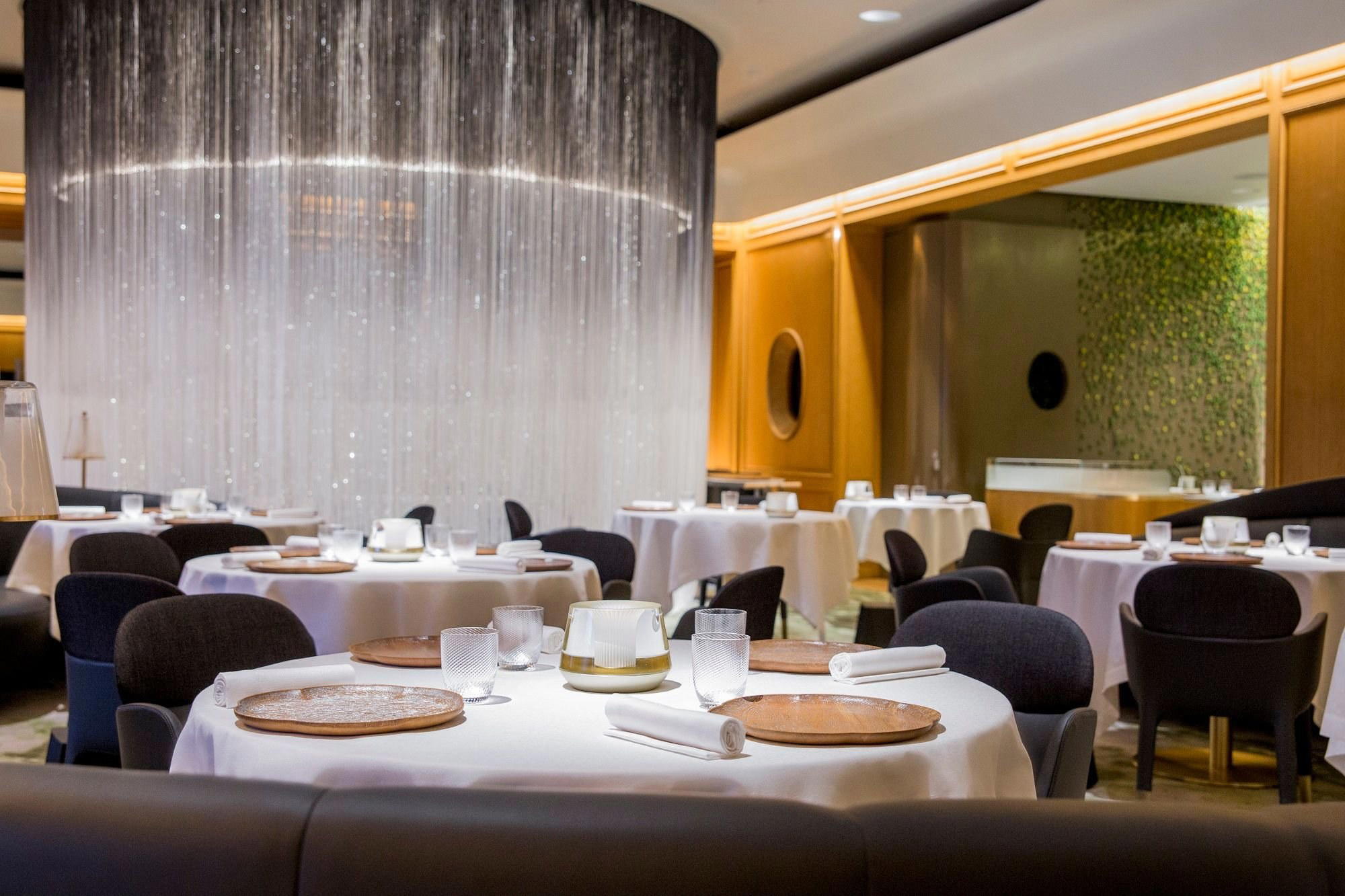
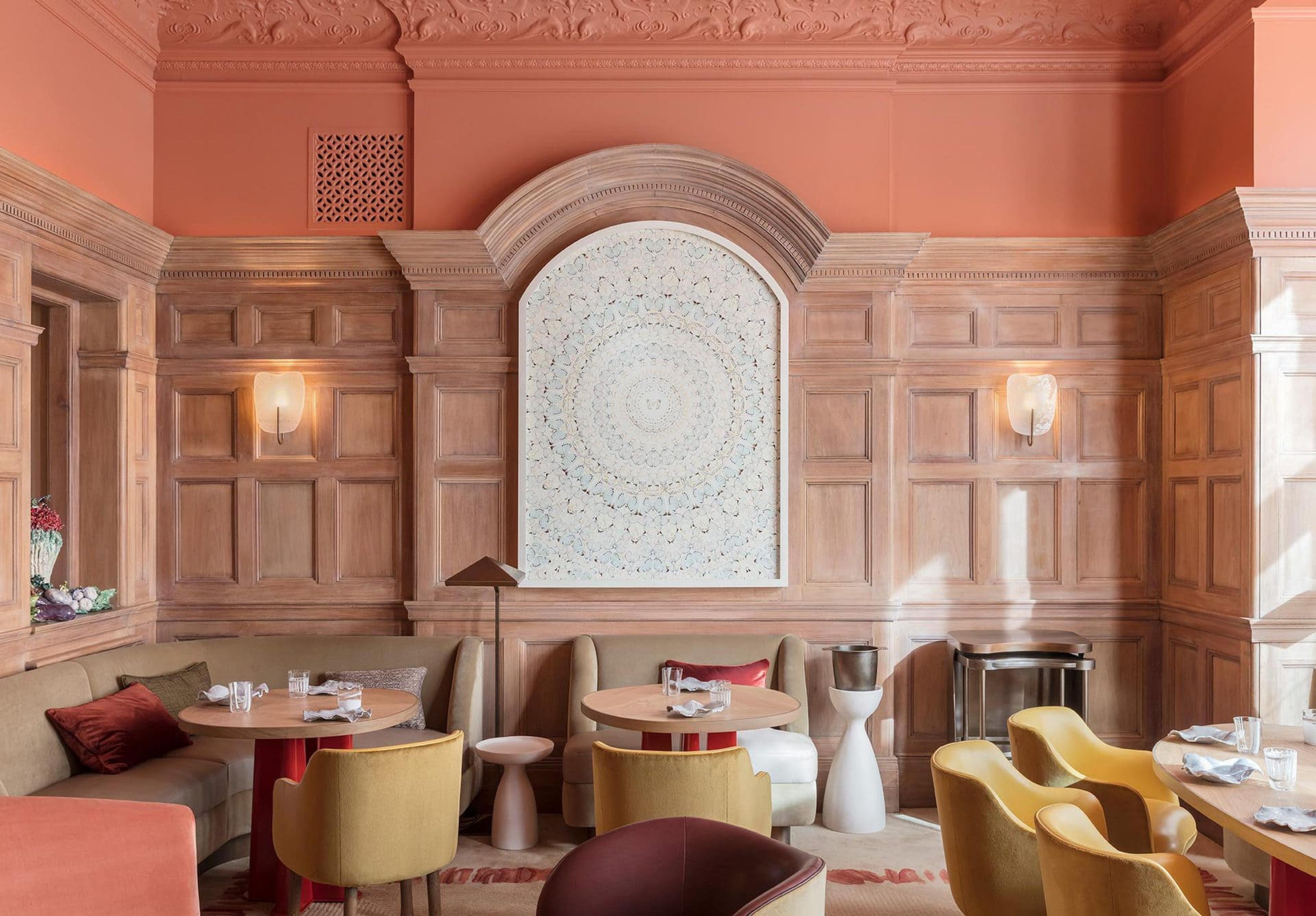
The broader Mayfair context here is worth understanding. London's hotel bar scene has matured significantly, and the bars attached to properties of this type, intimate, period-decorated, often serving classic cocktails in a sitting-room-style environment, occupy a specific niche between the grand hotel bar (Claridge's bar, The Connaught Bar) and the independent cocktail venue. For guests arriving at a Georgian townhouse in W1, that format tends to fit the register of the room: lower ceilings, warmer lighting, a sense of the private rather than the performative.
For the broader London dining picture beyond what a townhouse bar can offer, our full London restaurants guide maps the city's most relevant tables by neighbourhood and occasion.
Mayfair's Townhouse Tradition and How It Compares
London has a long history of converting Georgian and Victorian townhouse rows into hotel accommodation, and Mayfair has several examples. 11 Cadogan Gardens in Chelsea operates on a similar residential model, offering a deliberately unhurried alternative to the branded luxury hotel experience. The difference between these properties and the grand hotels is not simply one of size, it is a question of what kind of hospitality story each property is telling. Townhouse hotels in this price bracket are arguing that authenticity of setting and restraint of scale are themselves a form of luxury.
Elsewhere in the UK, properties such as Estelle Manor in North Leigh, The Newt in Somerset, and Lime Wood in Lyndhurst make a similar argument in countryside formats, where the emphasis falls on considered design and a sense of place over five-star infrastructure. The urban townhouse, of which The Mayfair Townhouse is one example, is that same instinct applied to a London postcode where land costs and guest expectations are correspondingly steeper.
For those travelling beyond London, the townhouse-style hospitality model appears in a number of regional UK addresses worth knowing: King Street Townhouse Hotel in Manchester, Hope Street Hotel in Liverpool, and Burts Hotel in Melrose each offer variations on the character-led, smaller-scale approach in very different settings.
The Half Moon Street Address as an Asset
Location in Mayfair is never incidental. Half Moon Street's specific position, one street east of Green Park, within easy reach of both Piccadilly and the quieter southern end of Park Lane, gives the property a logistical advantage that larger hotels on noisier thoroughfares do not have. Green Park station is under five minutes on foot, providing direct access to the Jubilee, Victoria, and Piccadilly lines. That accessibility matters for guests using the hotel as a base for a London stay rather than a destination in itself.
The immediate neighbourhood character also rewards the format. Half Moon Street is genuinely quiet by Mayfair standards, with little through traffic and an established residential character that the townhouse architecture reinforces. Guests checking in here are not arriving into a lobby designed to impress passersby, they are arriving into something that reads, architecturally at least, as a place to stay rather than a place to be seen.
Know Before You Go
Address: 27-41 Half Moon Street, London W1J 7BG
Getting There: Green Park station (Jubilee, Victoria, Piccadilly lines) is approximately a 4-minute walk.
Neighbourhood: Mayfair, W1, one of London's most concentrated luxury hospitality zones, with significant restaurant density within walking distance.
Format: Townhouse-conversion hotel; Georgian architecture across a terrace row; residential scale and character.
Booking: Check availability and rates directly via the property's official channels; no third-party booking link is confirmed at time of publication.
Comparable Venues
Comparable venues nearby, for context on price, style, and recognition.
| Venue | Cuisine | Price | Awards | Notes |
|---|---|---|---|---|
| The Mayfair TownhouseThis venue — the venue you are viewing | Elegantly practical stylish lifestyle hotel in a historic Georgian townhouse. | Not listed | Michelin Selected · Mr & Mrs Smith Seal of Approval | Not listed |
| Sun Street Hotel Shoreditch | Georgian townhouses with modern extension | Not listed | Michelin Selected | Shoreditch |
| The Athenaeum Hotel & Residences | Art Deco heritage hotel blending historic architecture with contemporary luxury in London's prestigious Mayfair district. | $300–500 | La Liste Top Hotels | Mayfair |
| 60 Hyde Park Gate Hotel | Ornate Victorian mansion blending traditional architecture with contemporary luxury and Italian-inspired design. | Not listed | Michelin Selected | Kensington and Chelsea |
| The BoTree | Contemporary luxury boutique hotel blending the relaxed charm of Marylebone with the sophistication of Mayfair and the creative energy of Soho through bold design and personalized service. | Not listed | Michelin Selected · Star Wine List | Marylebone |
| The Newman | Contemporary Art Deco with bohemian influences, blending Fitzrovia's cultural heritage with modern luxury design. | $300–500 | 1 Michelin Key · Mr & Mrs Smith Seal of Approval | Fitzrovia |
Recognition history
Dated appearances from independent guides and award organizations, with the underlying list record or original source where available.
Michelin Selected
Michelin
Fodor's Most Incredible Hotels in the World
Fodor's
House & Garden 2026 House & Garden Best Hotels in London
House & Garden
Mr & Mrs Smith Seal of Approval
Mr & Mrs Smith
Continue exploring
More in London
Hotels in London
Browse all →
Bars in London
Browse all →
Restaurants in London
Browse all →


Details
- Elegant
- Sophisticated
- Classic
- Intimate
- Romantic Getaway
- Business Trip
- Weekend Escape
- Garden
- Historic Building
- Wi Fi
- Fitness Center
- Room Service
- Concierge
- Garden
- Street Scene
- Garden
- Wheelchair Accessible
- Elevator
- Step Free Entrance
Inviting and elegant with a relaxed, friendly vibe, featuring comfortable lighting and stylish, well-appointed spaces praised for cleanliness and comfort.