Riad Star occupies a restored townhouse at 31 Derb Ailich in Marrakech's medina, placing guests inside the city's most layered residential quarter rather than at its tourist periphery. The property belongs to a category of intimate riad conversions that have reshaped how discerning travelers engage with the old city, trading hotel-scale amenities for architectural immersion and neighbourhood proximity.
Pearl is the En Primeur Club membership app — saves, bookings, and concierge access live there. Same editors, same standards.
- Address
- 31 derb ailich, Marrakesh 40000, Morocco
- Phone
- +44 20 7193 7357
- Website
- marrakech-riad.co.uk
- Directions
- Get directions
 Saves & bookings on Pearl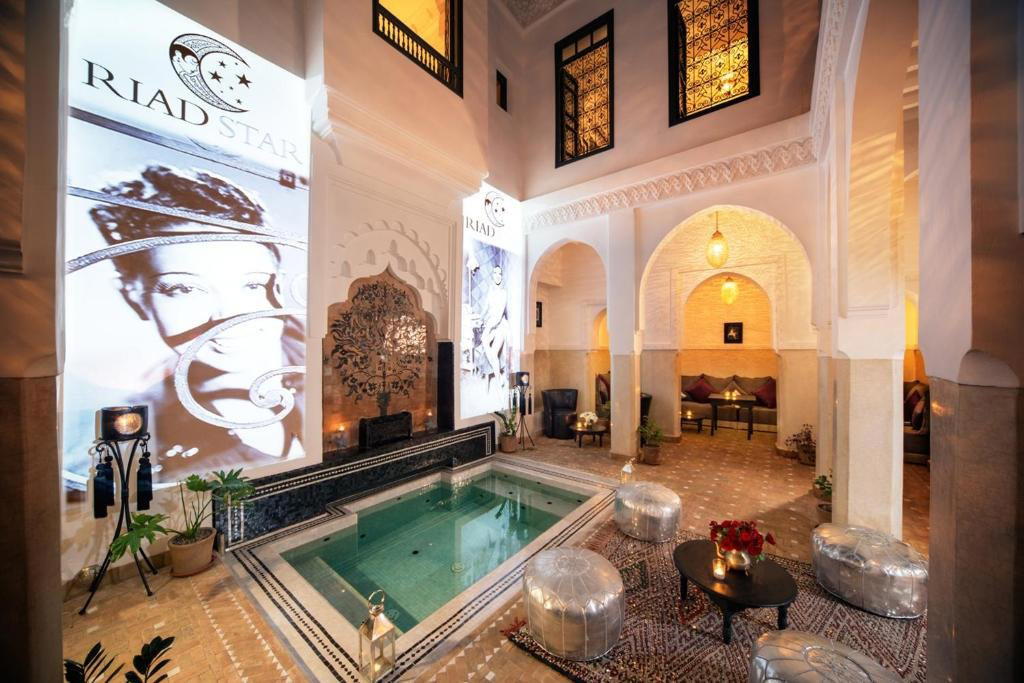
A Medina Address That Rewards Attention
The approach to Riad Star follows a pattern familiar to anyone who has spent serious time in Marrakech's medina: a sequence of narrowing derbs, whitewashed walls unmarked by signage, and the abrupt transition from the noise of the souks into the contained quiet of a private courtyard. The address at 31 Derb Ailich places the property inside one of the old city's residential arteries, away from the principal tourist corridors of Jemaa el-Fna and the major souk entrances. That positioning is not incidental. It reflects a broader shift in how the medina's better riad properties have defined their appeal over the past two decades, choosing neighbourhood depth over ease of access.
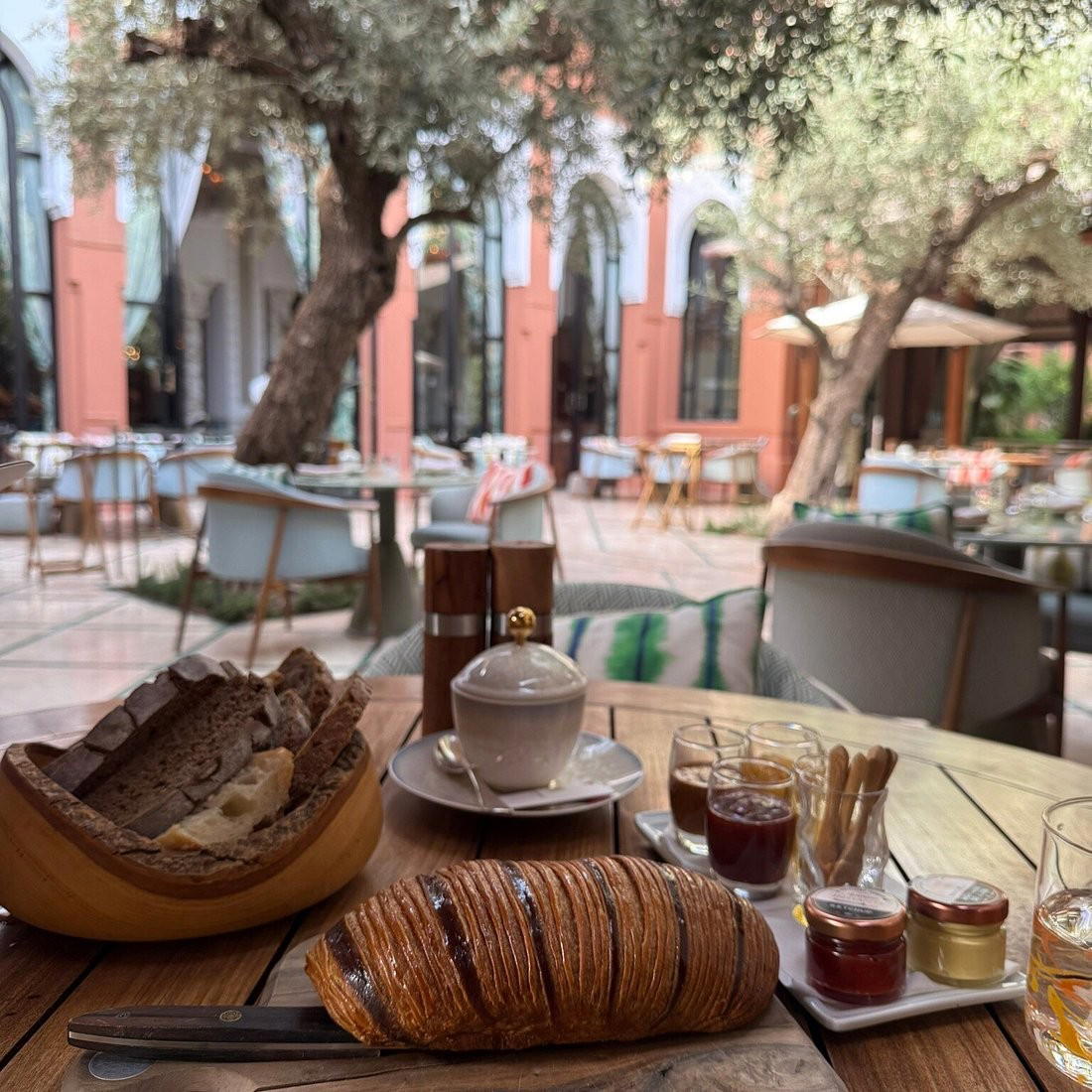
Marrakech's riad conversion story began in earnest in the 1990s, when European buyers and local entrepreneurs recognised that the medina's crumbling private houses offered something no new-build hotel could replicate: a building tradition refined over centuries, with thick pisé walls that hold the heat out in summer and the warmth in during cool desert nights, central courtyards designed to circulate air, and zellij tilework that functions as both decoration and thermal mass. Riad Star belongs to the generation of properties that followed that first wave, when the model had been tested and the question shifted from whether riad hotels could work commercially to what level of finish and hospitality they could sustain.
The Riad Form and Its Evolution
To understand where Riad Star sits in Marrakech's accommodation picture, it helps to trace how the riad category has split. At the leading sits a small tier of heavily restored, design-forward properties with international press coverage and rates that rival boutique hotels in Paris or Rome. AnaYela and Dar Rhizlane operate at that level. Below them sits a much larger middle category: converted riads with genuine architectural character, competent hospitality, and rates calibrated to travellers who want medina immersion without the premium-tier price. Then there are the budget conversions, which retain the courtyard format but little else. Riad Star's Derb Ailich address and its positioning within the medina's residential core suggest it targets the middle category, where the quality of the restoration and the attentiveness of the hosting matter more than brand recognition.
The riad form itself has evolved as a hospitality product. Early conversions often prioritised visual drama over comfort, producing photogenic courtyards attached to poorly insulated bedrooms and unreliable plumbing. The better properties that followed learned from those failures. Thermal comfort, reliable hot water, and sound management between rooms became baseline expectations. Properties that could meet those expectations while preserving the architectural integrity of the original structure moved into a more credible tier. Dar Les Cigognes and Dar Housnia represent that more disciplined approach to the format in Marrakech, and they provide a useful peer reference for what the evolved riad product looks like when the conversion has been handled with care.
What the Medina Quarter Contributes
The Derb Ailich location puts Riad Star within walking distance of the medina's core, but embedded far enough into the residential fabric to function on a different register from properties that sit adjacent to the main squares. Morning in this part of the medina runs on a different rhythm: bread sellers, school children, the occasional motorbike navigating a derb barely wide enough to accommodate it. For travellers who have come to Marrakech specifically to engage with the city rather than observe it from a safe distance, that kind of address carries genuine value. It also creates a logistical reality worth acknowledging: arriving with luggage requires navigation, and departure timing needs accounting for. First-time visitors to the medina should plan at least thirty minutes of buffer on either side of a transfer to or from the airport or train station.
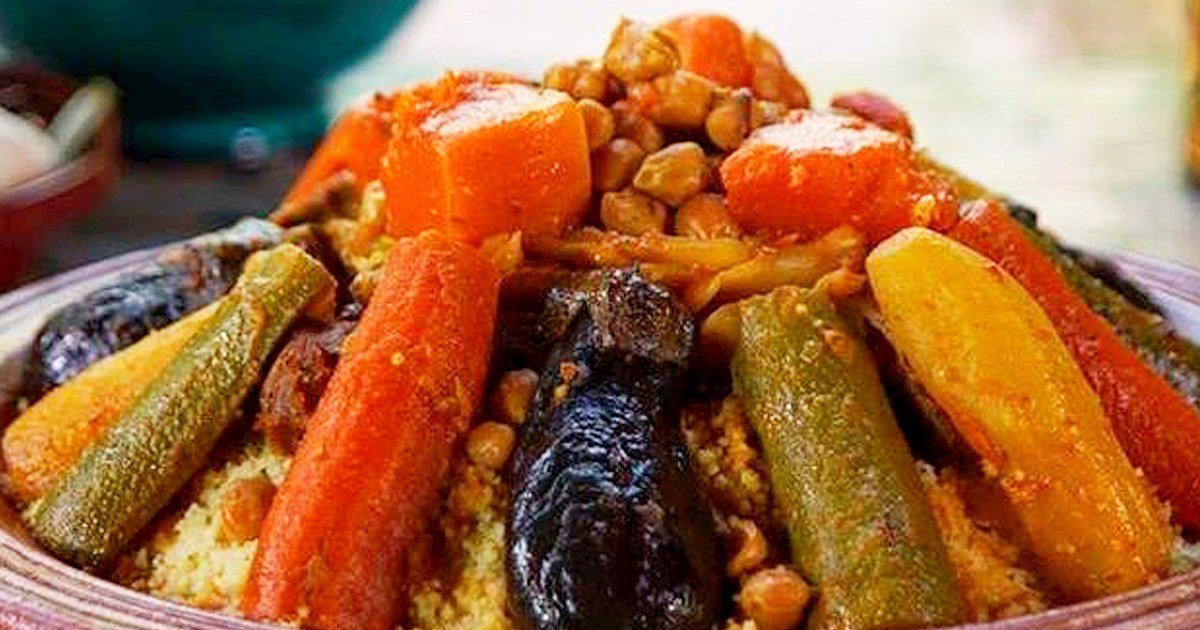
Wider medina context also determines what guests are likely to eat and drink during a stay. Marrakech's riad district supports a dense concentration of restaurants running from Moroccan tasting menus at properties like Hotel La Maison Arabe to neighbourhood tajine spots that have no online presence whatsoever. The city's food culture rewards patience and local navigation more than it rewards advance booking, with the notable exception of the more formal dining rooms attached to larger properties like La Mamounia or Es Saadi Palace, where reservation discipline applies. For everything else, the ability to ask your riad host for a current recommendation matters more than any fixed list. Our full Marrakech restaurants guide covers the city's dining in more detail.
Planning a Stay: Practical Notes
Marrakech's medina operates on seasonal rhythms that affect both comfort and price. October through early December and February through April offer the most manageable temperatures and the clearest skies. July and August push daytime temperatures into territory that makes outdoor movement genuinely taxing between midday and late afternoon. Riad architecture handles summer heat better than most building types, but the thermal advantage has limits. Winter nights in Marrakech are colder than most first-time visitors expect, and properties without reliable heating become uncomfortable. Whichever season applies, arriving with a confirmed booking and the host's specific arrival instructions is non-negotiable in the medina, where GPS coordinates rarely align with physical entrances and the derb numbering system follows its own internal logic.
For travellers building a wider Morocco itinerary around a Marrakech base, the country's range is considerable. The Atlas mountains are within two hours by road. Properties like Dar Ahlam in Ouarzazate or Dar al Hossoun in Taroudant extend the medina-scale hospitality logic into different landscapes. Further afield, Dar Maya in Essaouira applies the same riad format to a coastal Atlantic town with a markedly different atmosphere, while Hotel Sahrai in Fes offers a counterpoint in Morocco's other great medina city. Those planning a longer circuit might also consider Fairmont Tazi Palace in Tangier or Banyan Tree Tamouda Bay on the northern coast, where the hospitality format shifts entirely. Hilton Taghazout Bay covers the surf-adjacent Atlantic south. For urban hotel alternatives in Morocco's commercial capital, Hyatt Regency Casablanca and the Fairmont La Marina in Rabat represent the international-brand tier. Morocco's wine country, accessible via Château Roslane, adds another register entirely for travellers interested in the country's emerging viniculture. For something with a different scale and pace entirely, INARA Camp and Beldi Country Club offer garden-and-landscape escapes within reach of the city. Also worth considering for a palais-scale contrast is Fes Marriott Jnan Palace.
How It Stacks Up
| Venue | Cuisine |
|---|---|
| Riad StarThis venue — the venue you are viewing | This venue |
Continue exploring
More in Marrakech
Hotels in Marrakech
Browse all →
Bars in Marrakech
Browse all →
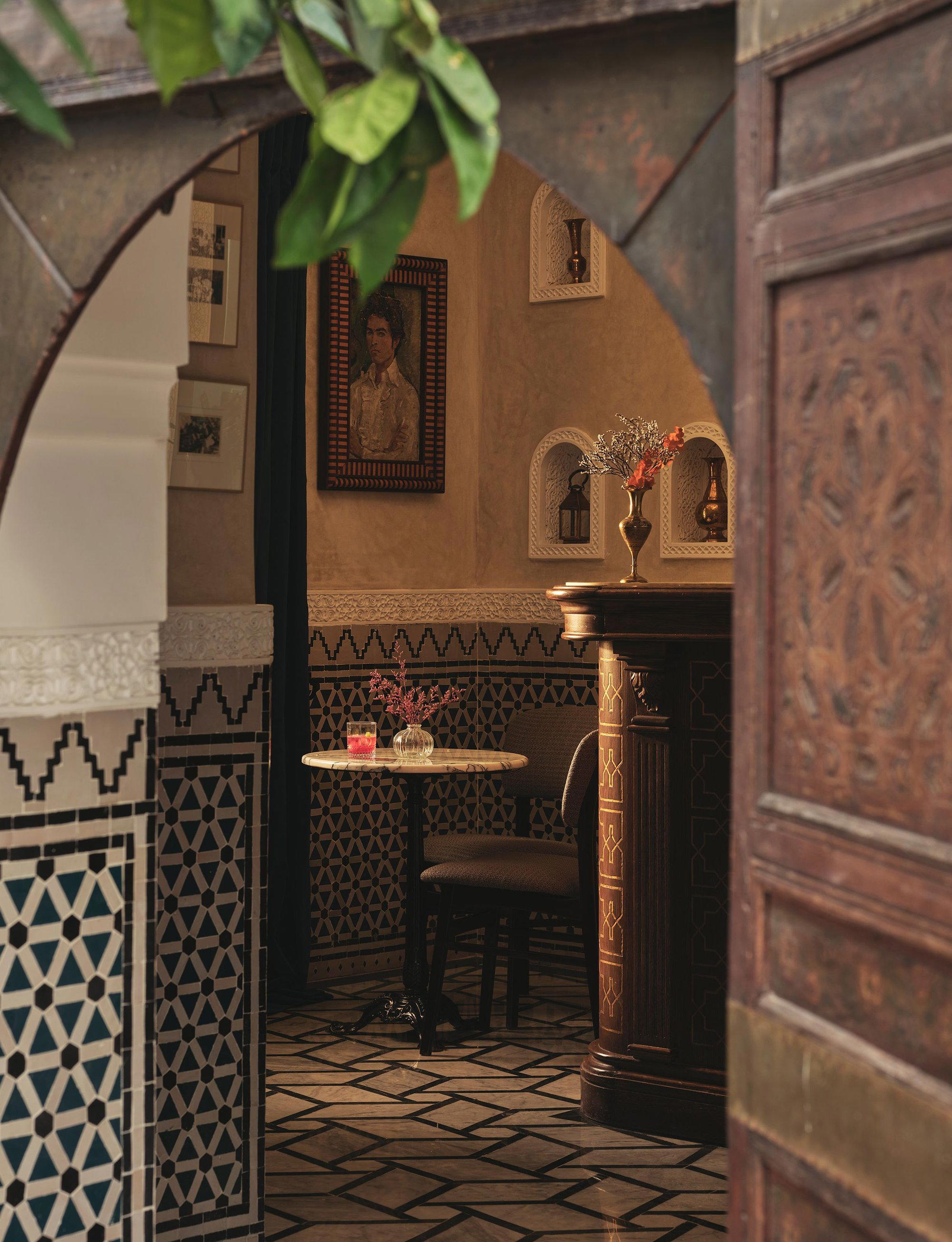
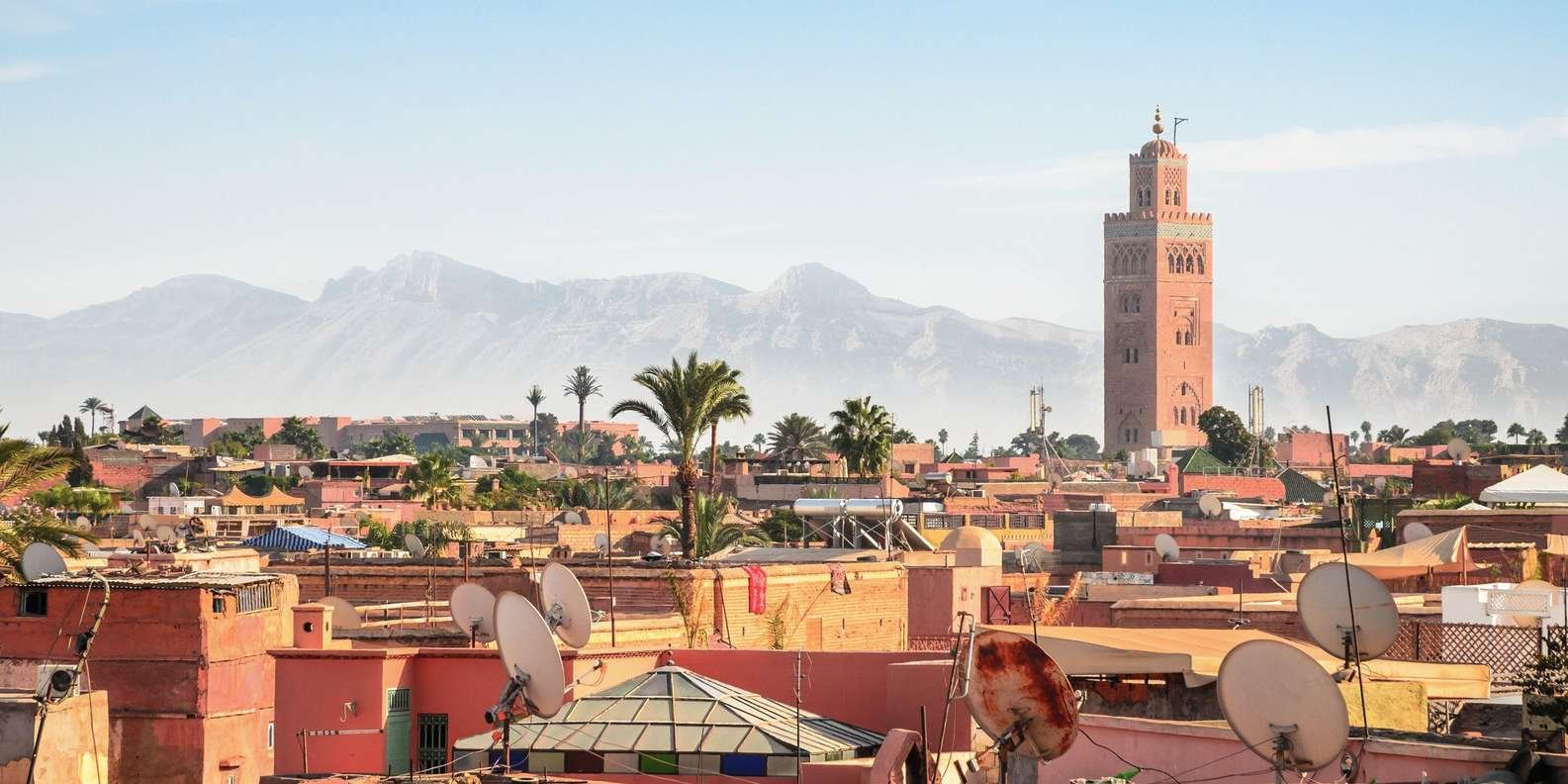
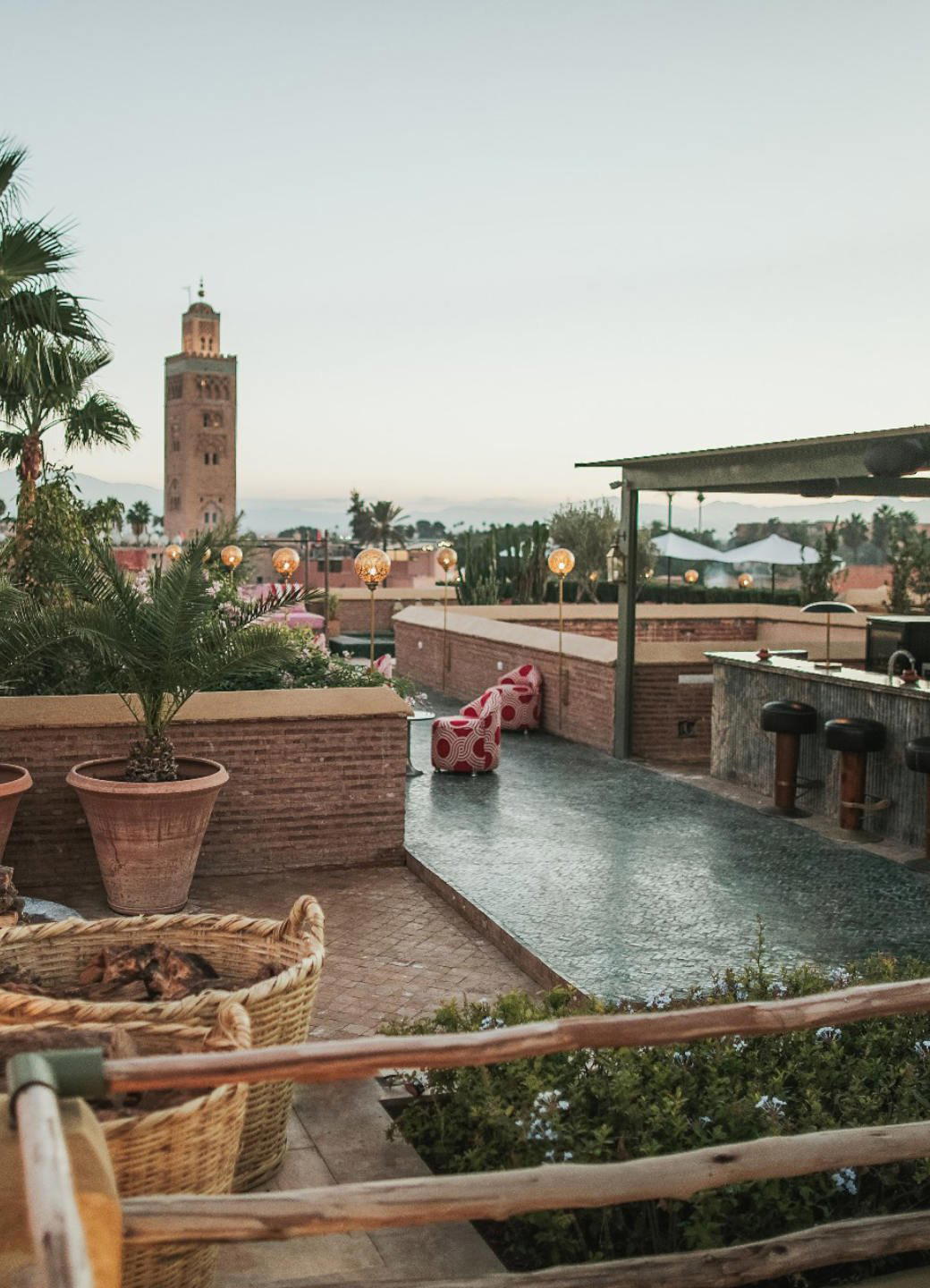
Restaurants in Marrakech
Browse all →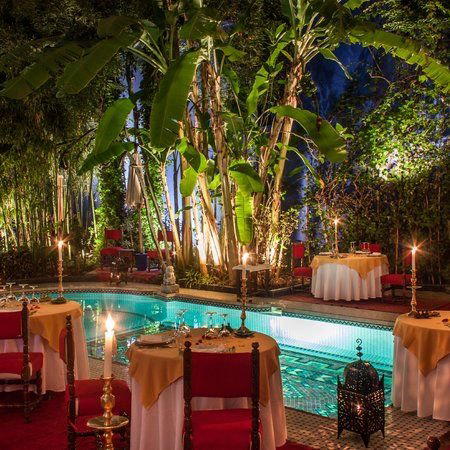
Wineries in Marrakech
Browse all →
At a Glance
- Elegant
- Intimate
- Romantic
- Sophisticated
- Cozy
- Romantic Getaway
- Honeymoon
- Anniversary
- Historic Building
- Terrace
- Wi Fi
- Spa
- Massage
- Room Service
- Concierge
- Garden
- Wi Fi
- Spa
- Massage
- Room Service
- Concierge
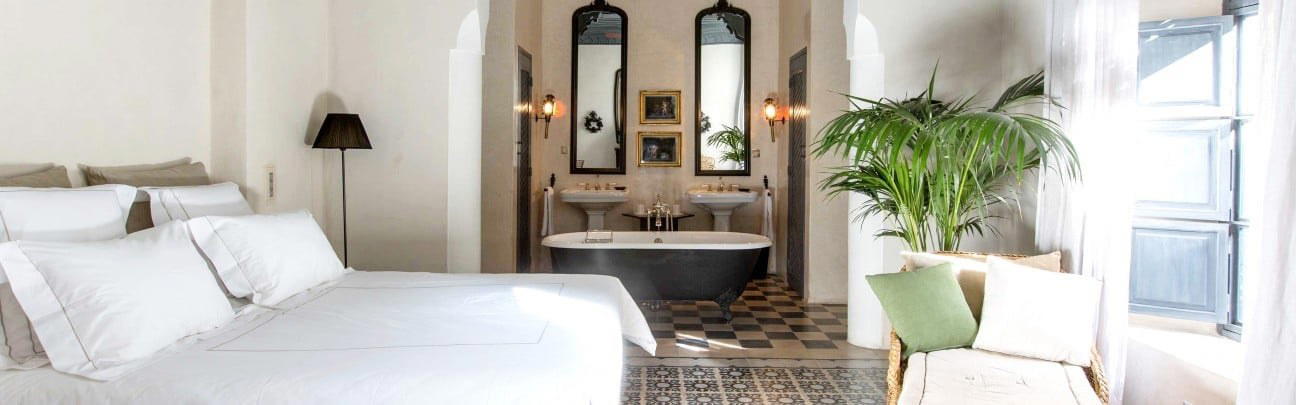
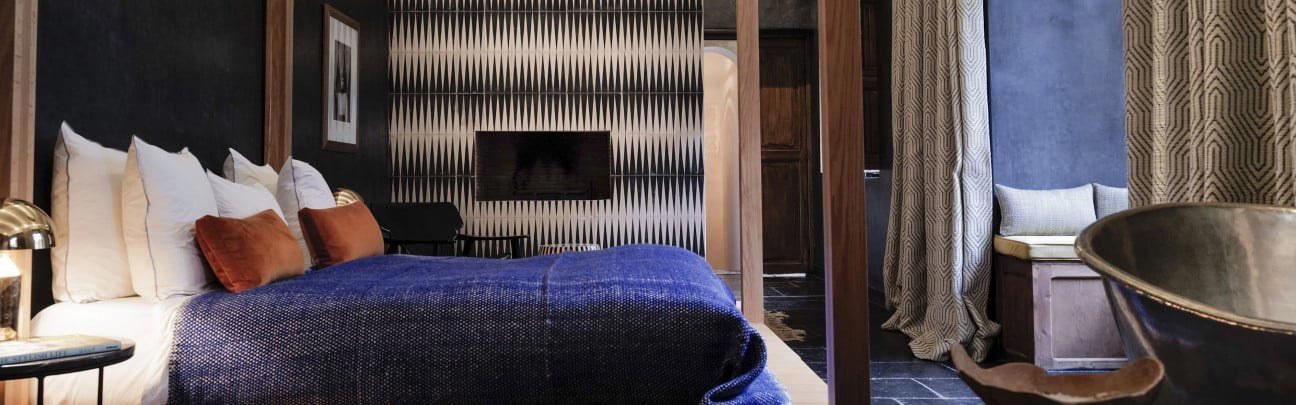
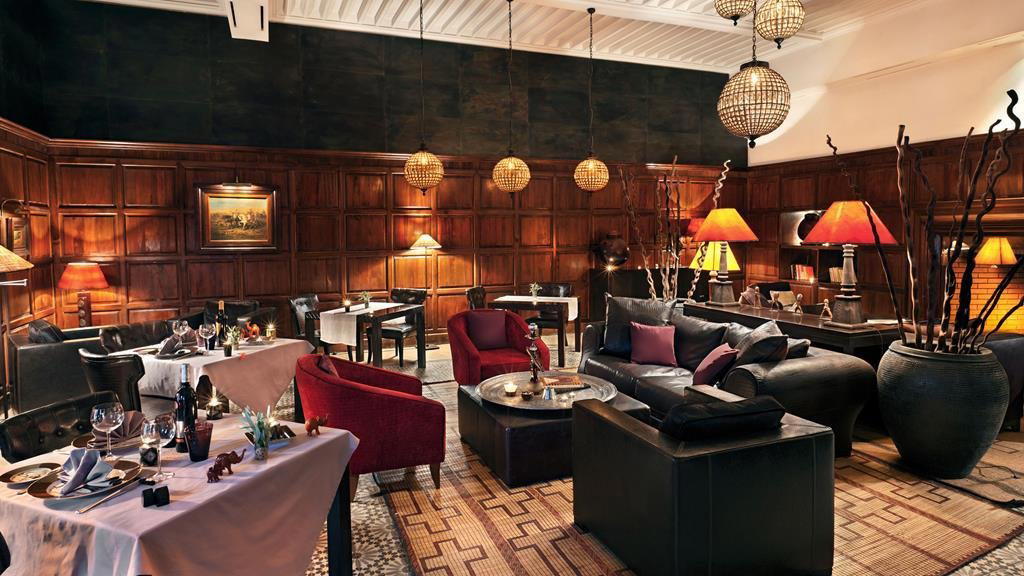
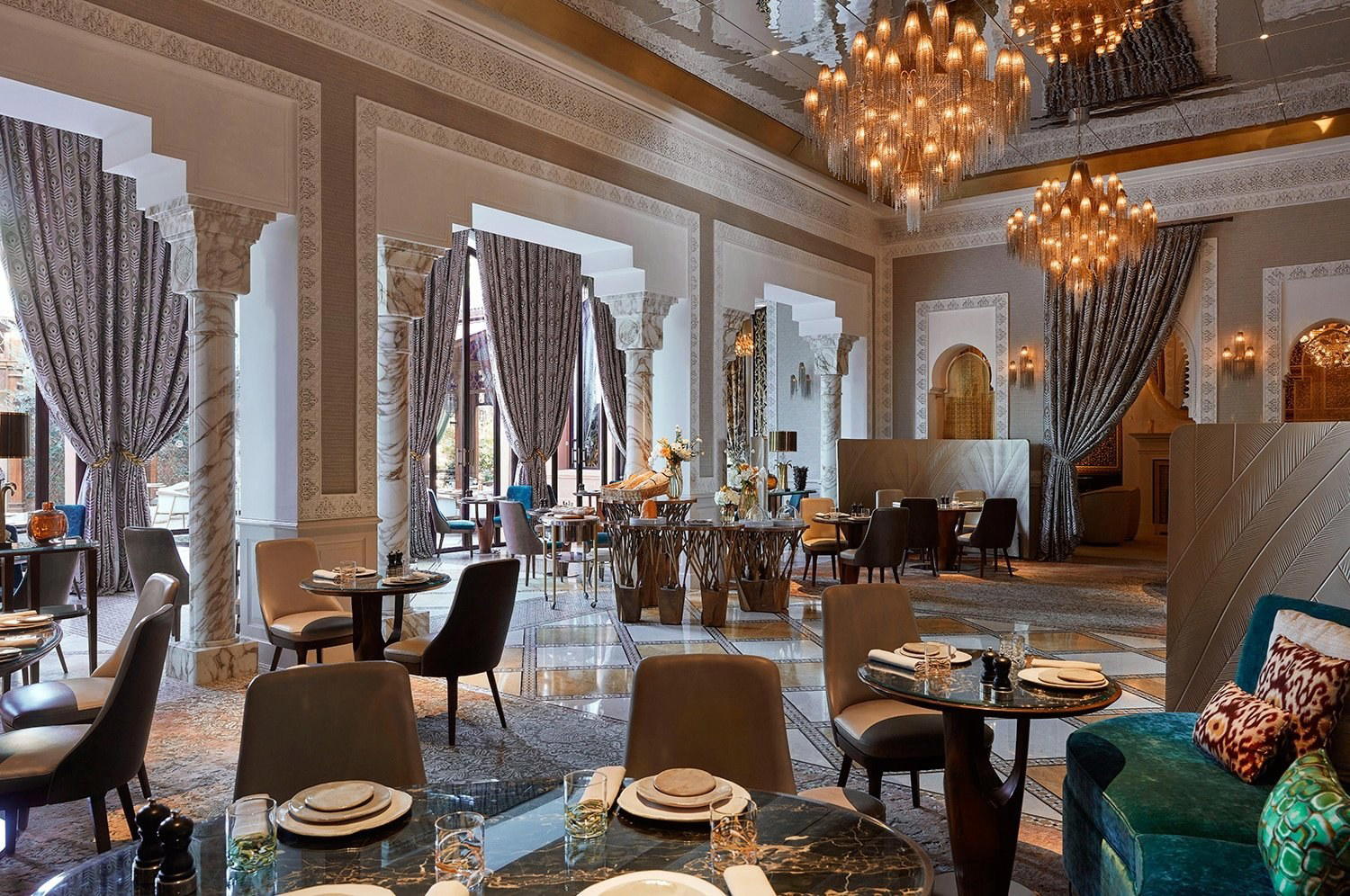
Warm and tranquil with intricate Moroccan plasterwork, Art Deco styling, colorful accents, and peaceful courtyard lighting.
Know Before You Go
- Getting there
- 31 derb ailich, Marrakesh 40000, Morocco