Hotel La Maison Arabe sits inside the Marrakech medina on Derb Assehbi, placing guests within the old city's residential fabric rather than at its tourist periphery. The address is a structural advantage: the Djemaa el-Fna, the souks, and the major riads are all walkable, while the property itself operates at a scale and register distinct from the palatial hotels of the Hivernage district. For travellers who want medina immersion without the compromise of a stripped-back riad, it occupies a coherent middle ground.
Pearl is the En Primeur Club membership app — saves, bookings, and concierge access live there. Same editors, same standards.
- Address
- Derb Assehbi, Marrakesh 40000, Morocco
- Phone
- +212 5243 87010
- Website
- lamaisonarabe.com
- Directions
- Get directions
 Saves & bookings on Pearl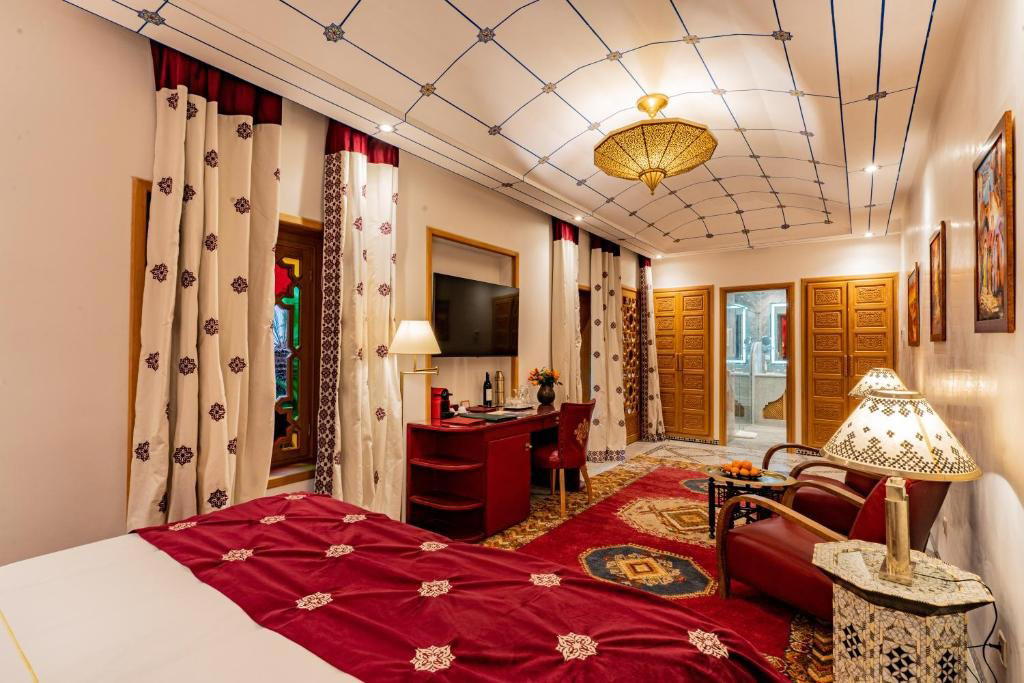
Inside the Medina's Residential Core
Marrakech's accommodation offer has always divided along a clear geographic fault line. The Hivernage district and the Palmeraie hold the large palatial hotels — places like La Mamounia in Marrakesh and Es Saadi Palace, with their gardens, ballrooms, and international-standard amenities designed partly to insulate guests from the medina rather than deposit them inside it. The medina itself, meanwhile, is populated by riads that range from the considered and characterful to the formulaic and cramped. Hotel La Maison Arabe, on Derb Assehbi, sits in neither category cleanly. It is a medina property that operates at hotel scale and with hotel-grade services, which puts it in a small peer group inside the old city.
The address does specific work here. Derb Assehbi is a derb — a traditional residential lane, within the northern medina, which means the surrounding streets carry the texture of a neighbourhood that Marrakchis actually live in rather than one that exists primarily for visitor consumption. The approach to the property involves navigating the kind of alleyways that a satellite-view map renders badly and that a confident stride through at dusk renders rather well. That arrival experience is not incidental to the stay; it is, for most guests, a considerable part of it.
What the Address Provides
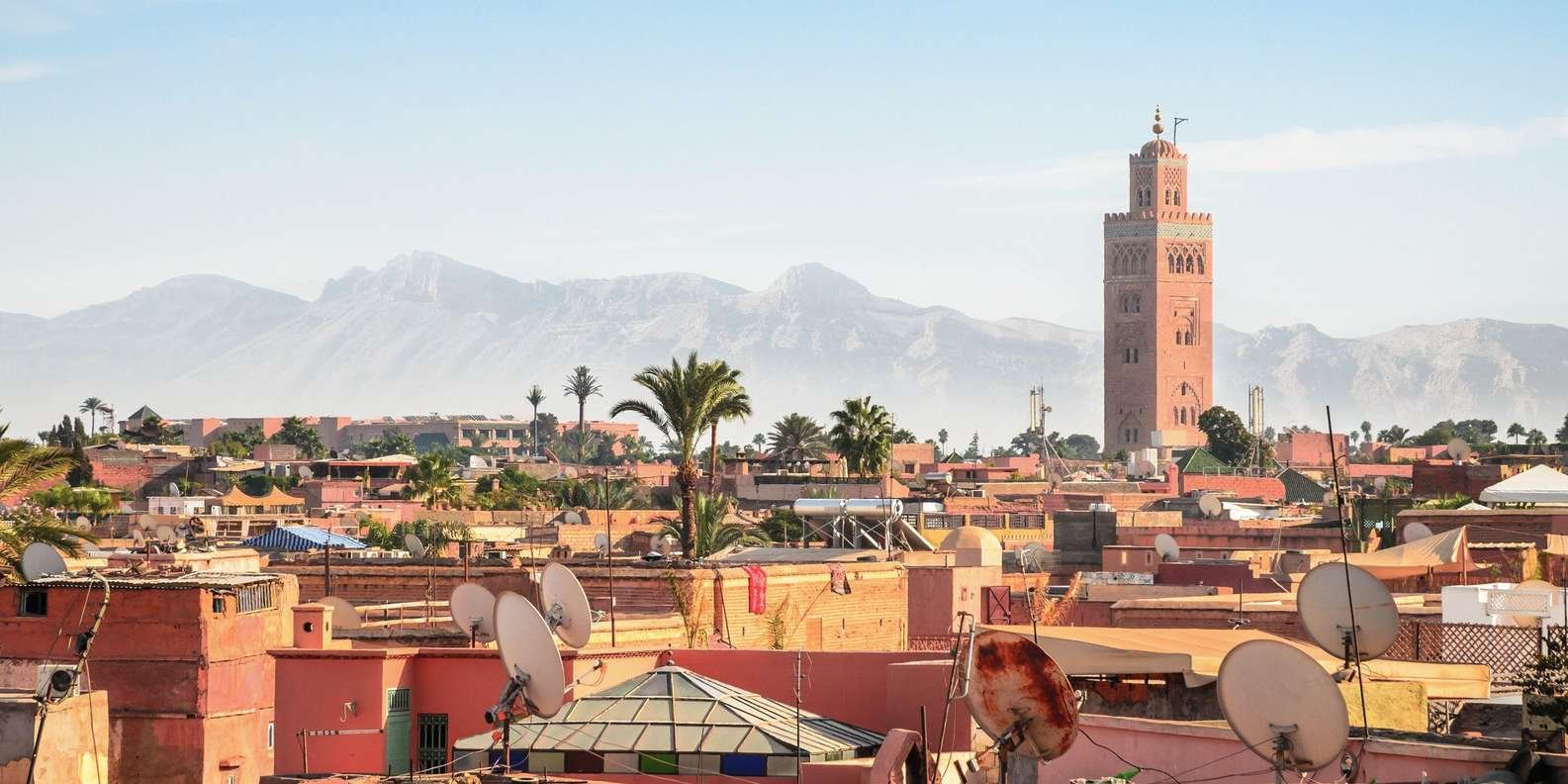
The locational logic of a medina hotel is different from that of a resort. A resort sells self-containment. A medina property sells proximity, and the value of that proximity depends entirely on how close the address actually sits to the things worth being close to. The Djemaa el-Fna, the organisational heart of the medina and one of the most persistently alive public squares in the Arab world, is reachable on foot without the need for a taxi or a map app running constantly in hand. The souks of Rahba Kedima and the Mellah are similarly walkable. The Ben Youssef Medersa, the 14th-century Quranic school that remains one of the medina's architectural reference points, sits in the same general northern quarter.
This matters because the alternative, staying outside the medina and commuting in, adds friction to every movement. The medina's street pattern does not yield to vehicles beyond a certain depth, so every excursion from a Hivernage hotel eventually becomes a walk anyway, but from a less interesting starting point and at greater distance. For guests whose primary interest is Marrakech's old city rather than its pool-and-spa infrastructure, the Derb Assehbi address is a structural advantage rather than a romantic gesture.
Marrakech's riad category includes smaller boutique properties like AnaYela, Dar Housnia, Dar Les Cigognes, and Dar Rhizlane, each operating within the traditional courtyard riad format at limited key counts. La Maison Arabe occupies a register that shares the riad's medina location and Moroccan architectural vocabulary while operating with a service model closer to a small hotel than to a privately run guesthouse. That distinction matters if you are choosing based on what a stay actually feels like day to day.
The Cooking School Dimension
La Maison Arabe has a long association with Moroccan culinary instruction, a programme that predates the current wave of hotel cooking classes by some distance. That track record places the property within a specific tradition: the serious engagement with Moroccan cuisine as a subject of study rather than as a hotel amenity. Morocco's food culture, tagines built on preserved lemons and smen, bastilla's combination of pigeon and almond under powdered sugar and cinnamon, the architecture of a properly constructed couscous, is technically demanding enough that a structured learning context produces meaningfully different results than watching a demonstration over cocktails. For guests whose interest in Marrakech extends to its food culture in a hands-on direction, the cooking school component is a practical differentiator within the medina accommodation set.
For broader context on where to eat around the medina and the new city, our full Marrakech restaurants guide covers the current dining scene across price points and neighbourhoods.
Planning a Stay
Marrakech's medina properties operate leading when guests arrive without the expectation that a car will take them directly to the door. The derb street layout means luggage arrives by trolley or porter from the nearest accessible point, which is a five-to-ten-minute walk from most drop-off locations. This is standard for the medina tier and worth factoring into arrival logistics, particularly with heavy bags or late-night arrivals. The city's peak travel periods run from March through May and from October through November, when temperatures are moderate and the crowds are international in composition. Summer brings heat that compresses the useful sightseeing window to mornings and evenings, while the Christmas and New Year window is popular enough to require advance planning regardless of property tier.
Travellers comparing Marrakech to Morocco's other cities will find a different register in Fes, where properties like Hotel Sahrai and the Fes Marriott Jnan Palace serve a medina that is larger, less tourist-polished, and in some respects more historically layered. Further afield, coastal options like Dar Maya in Essaouira or Banyan Tree Tamouda Bay serve an entirely different kind of Morocco trip. Those planning to move between cities rather than base in one place should note that Marrakech and Fes are connected by a rail link, and Essaouira sits roughly two and a half hours west of Marrakech by road.
For guests interested in Morocco's more remote desert south, Dar Ahlam in Ouarzazate and INARA CAMP operate in the desert-adjacent tier, while Jnane Tamsna offers a Palmeraie alternative for those who want Marrakech's cultural access without full medina immersion. The BELDI COUNTRY CLUB operates on a garden-estate model on the city's edge, serving a different guest profile again.
Continue exploring
More in Marrakech
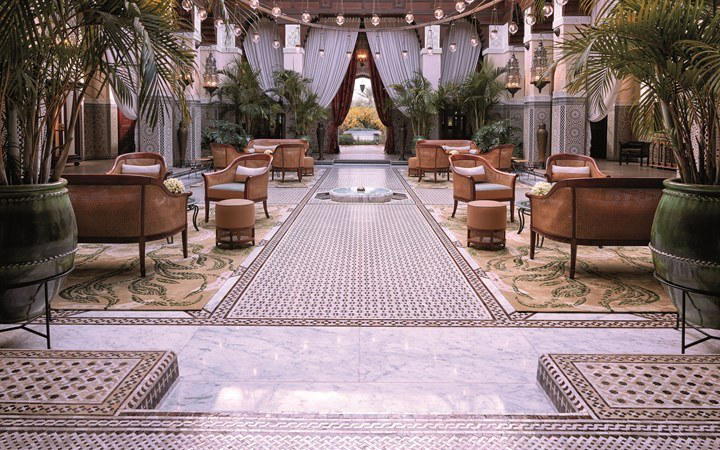
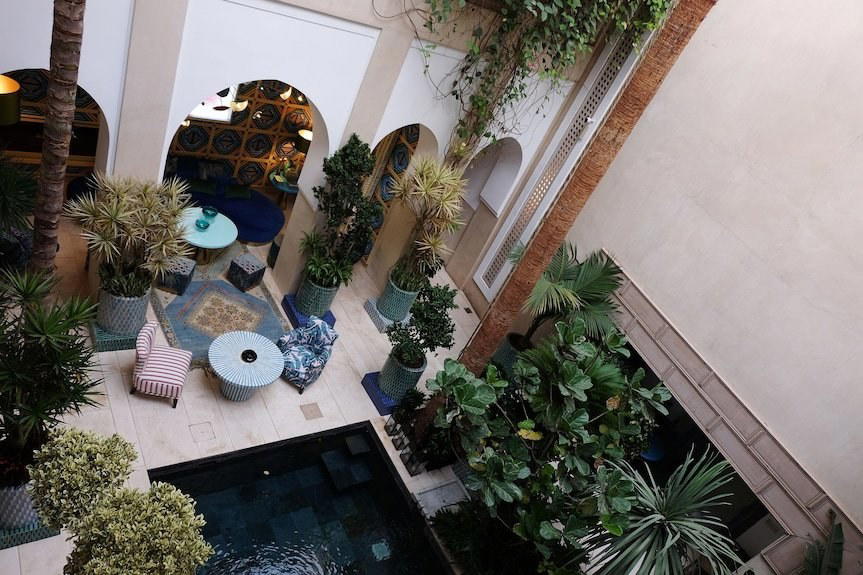
Hotels in Marrakech
Browse all →
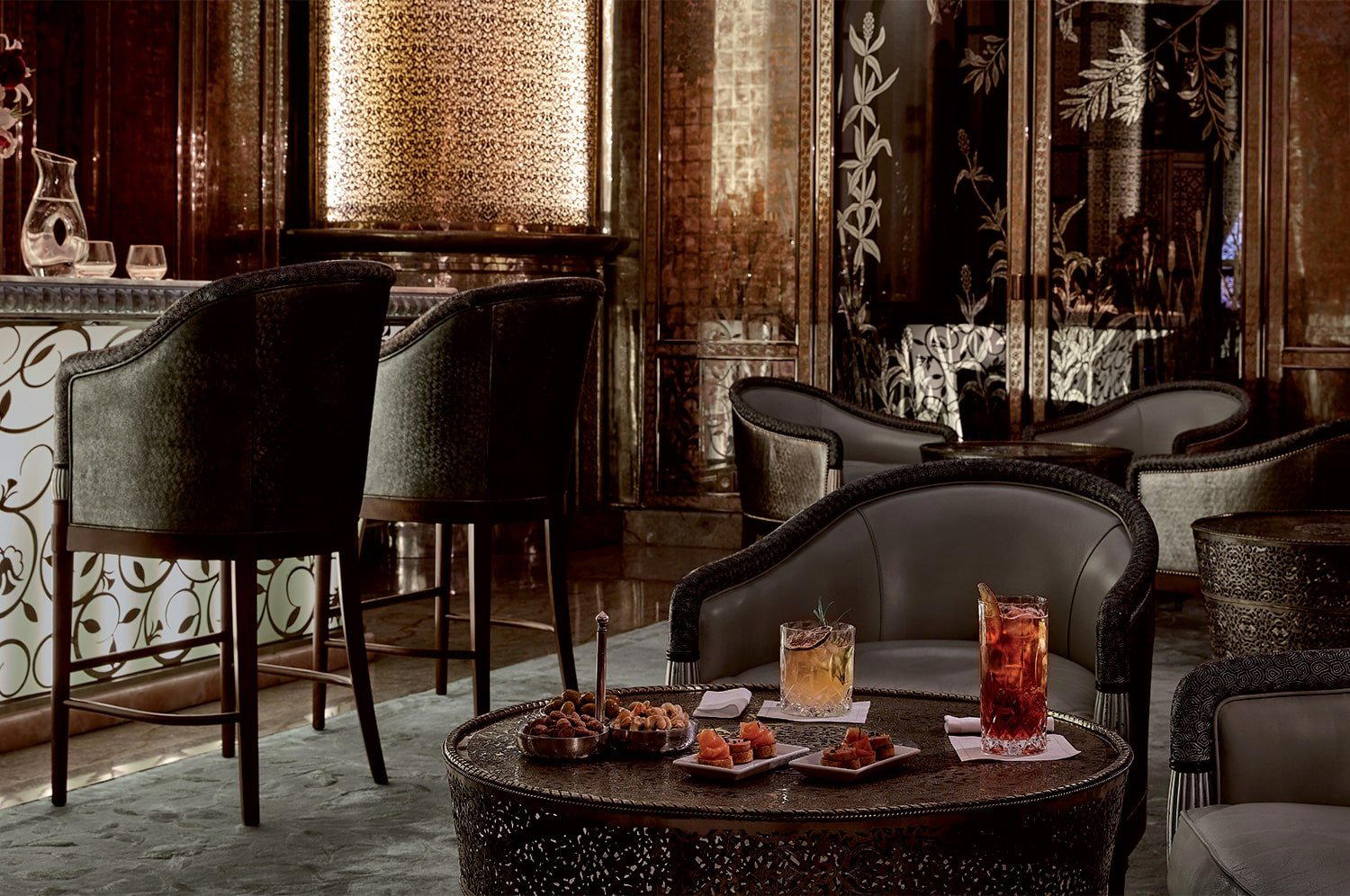
Bars in Marrakech
Browse all →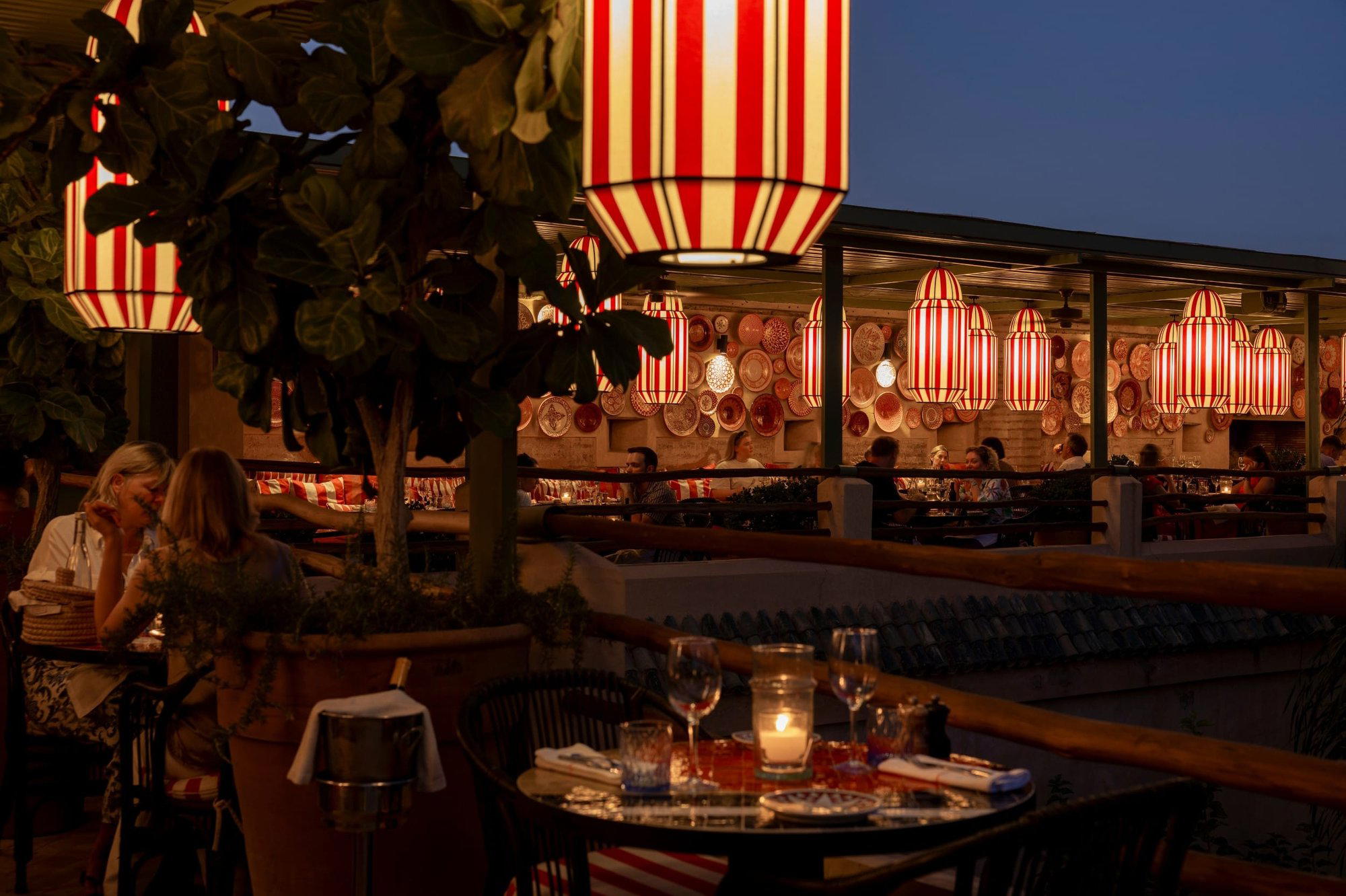

Restaurants in Marrakech
Browse all →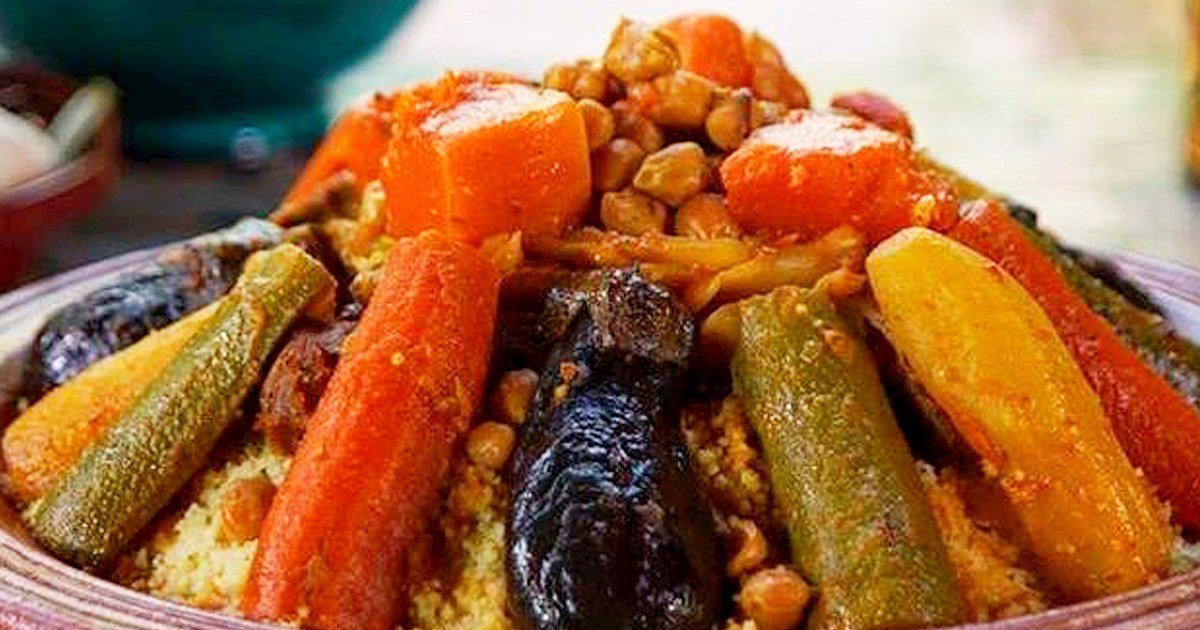
Wineries in Marrakech
Browse all →
At a Glance
- Elegant
- Ornate
- Intimate
- Sophisticated
- Romantic
- Honeymoon
- Romantic Getaway
- Anniversary
- Wellness Retreat
- Infinity Pool
- Destination Spa
- Terrace
- Historic Building
- Pool
- Spa
- Wi Fi
- Room Service
- Concierge
- Fitness Center
- Garden
- Pool
- Spa
- Wi Fi
- Room Service
- Concierge
- Fitness Center
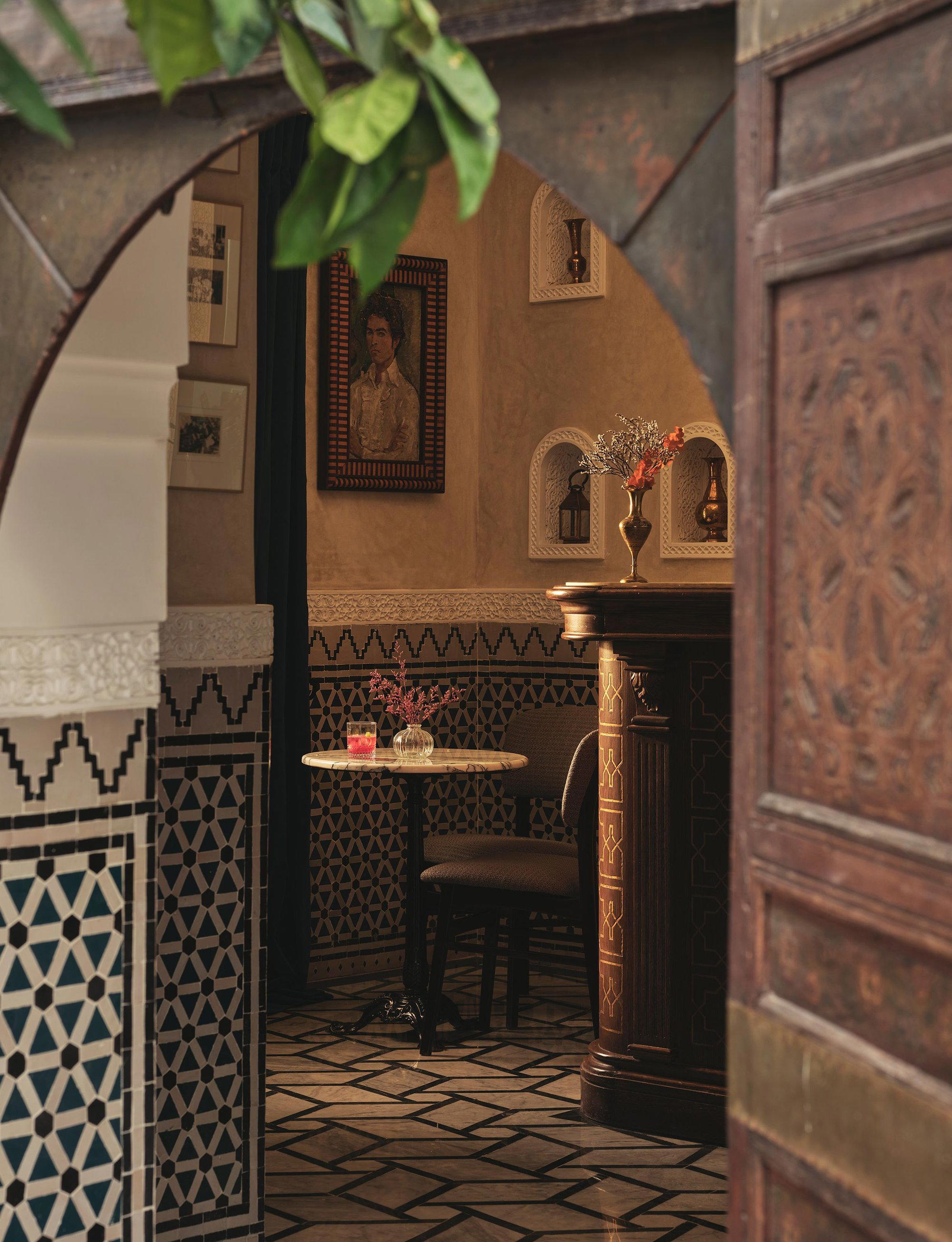
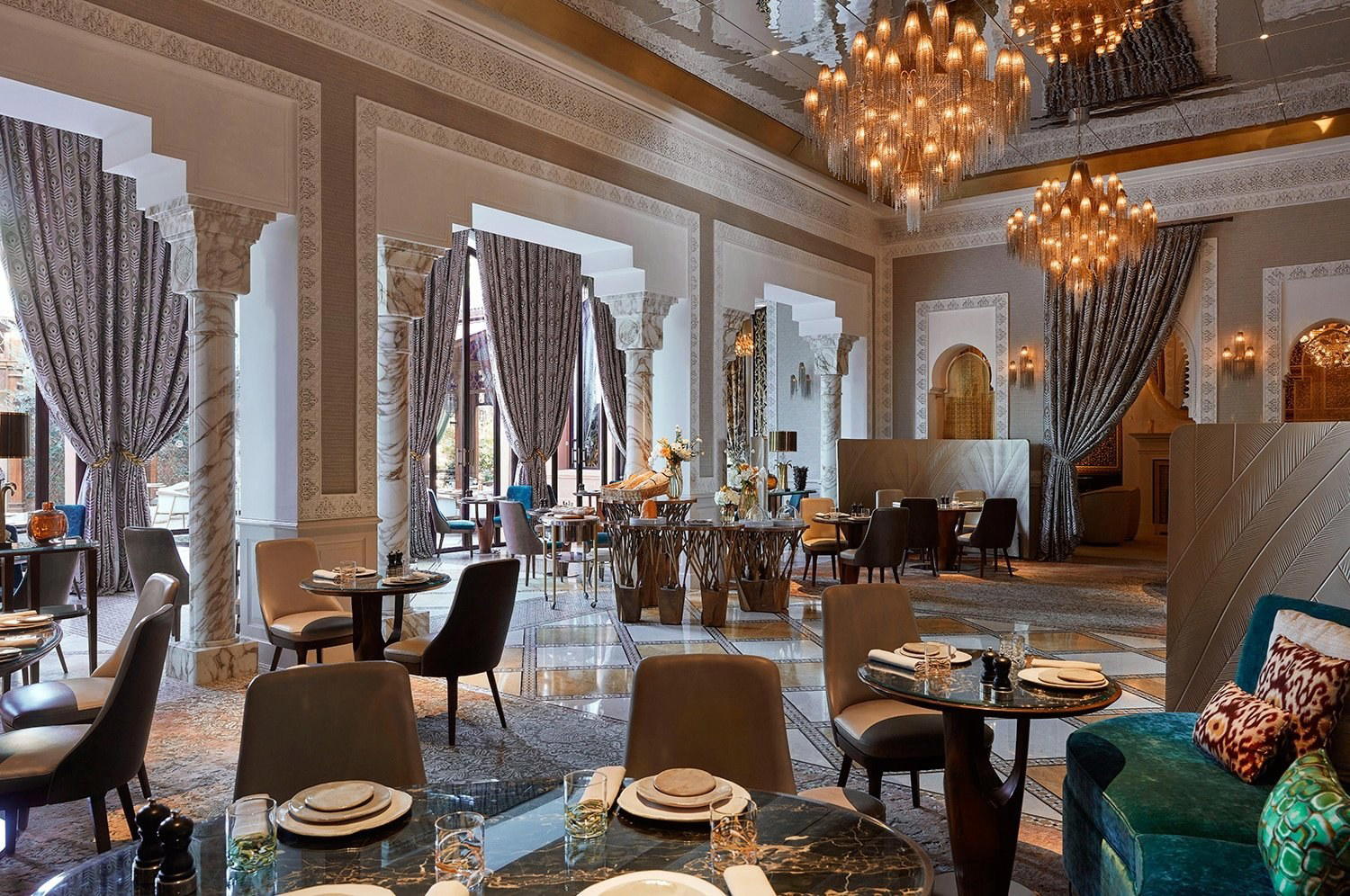
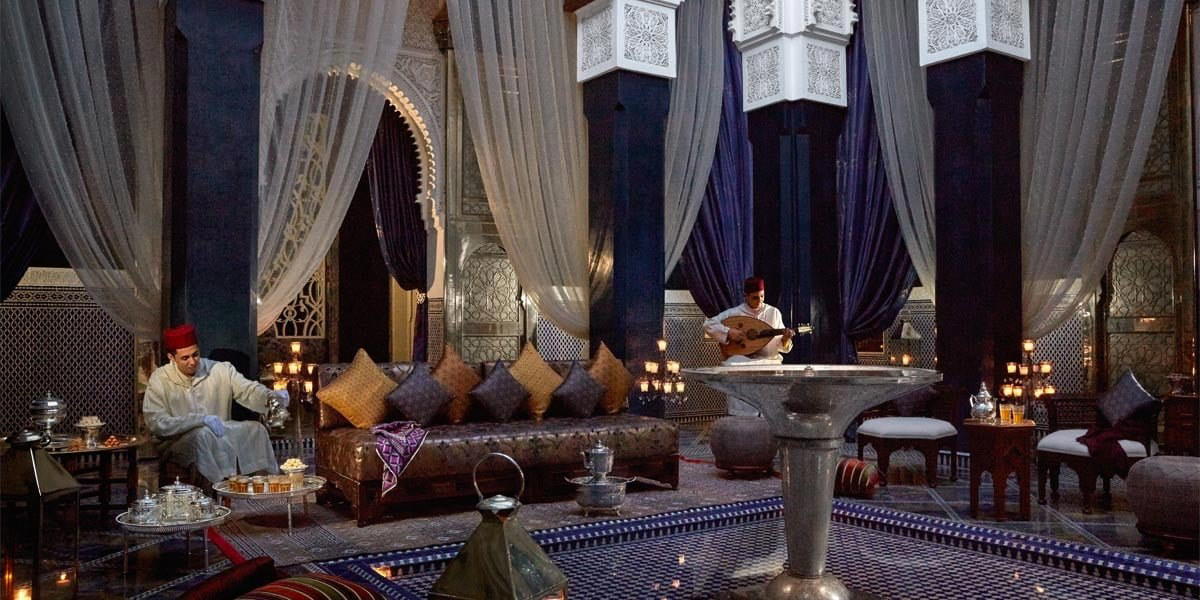
Enchanting blend of traditional Moroccan opulence with warm rich colors, intricate tilework, and serene lighting creating an intimate, luxurious retreat.
Know Before You Go
- Getting there
- Derb Assehbi, Marrakesh 40000, Morocco