Ravenala Boutique Resort
A boutique resort on Phan Thiet's Nguyen Dinh Chieu strip, Ravenala sits within a coastal corridor that has attracted independent design-led properties as alternatives to the large-scale resort compounds further south. The address places guests close to the beach restaurants and kite-surfing schools that define Mui Ne's character, positioning this as a smaller, locally embedded option in a market that increasingly runs between budget guesthouses and full-service international resorts.
Pearl is the En Primeur Club membership app — saves, bookings, and concierge access live there. Same editors, same standards.
- Address
- 146 Nguyễn Đình Chiểu, Phường Hàm Tiến, Thành phố Phan Thiết, Bình Thuận 800000, Vietnam
- Phone
- +84 252 3743 335
- Website
- ravenala-muineresort.com
- Directions
- Get directions
 Saves & bookings on Pearl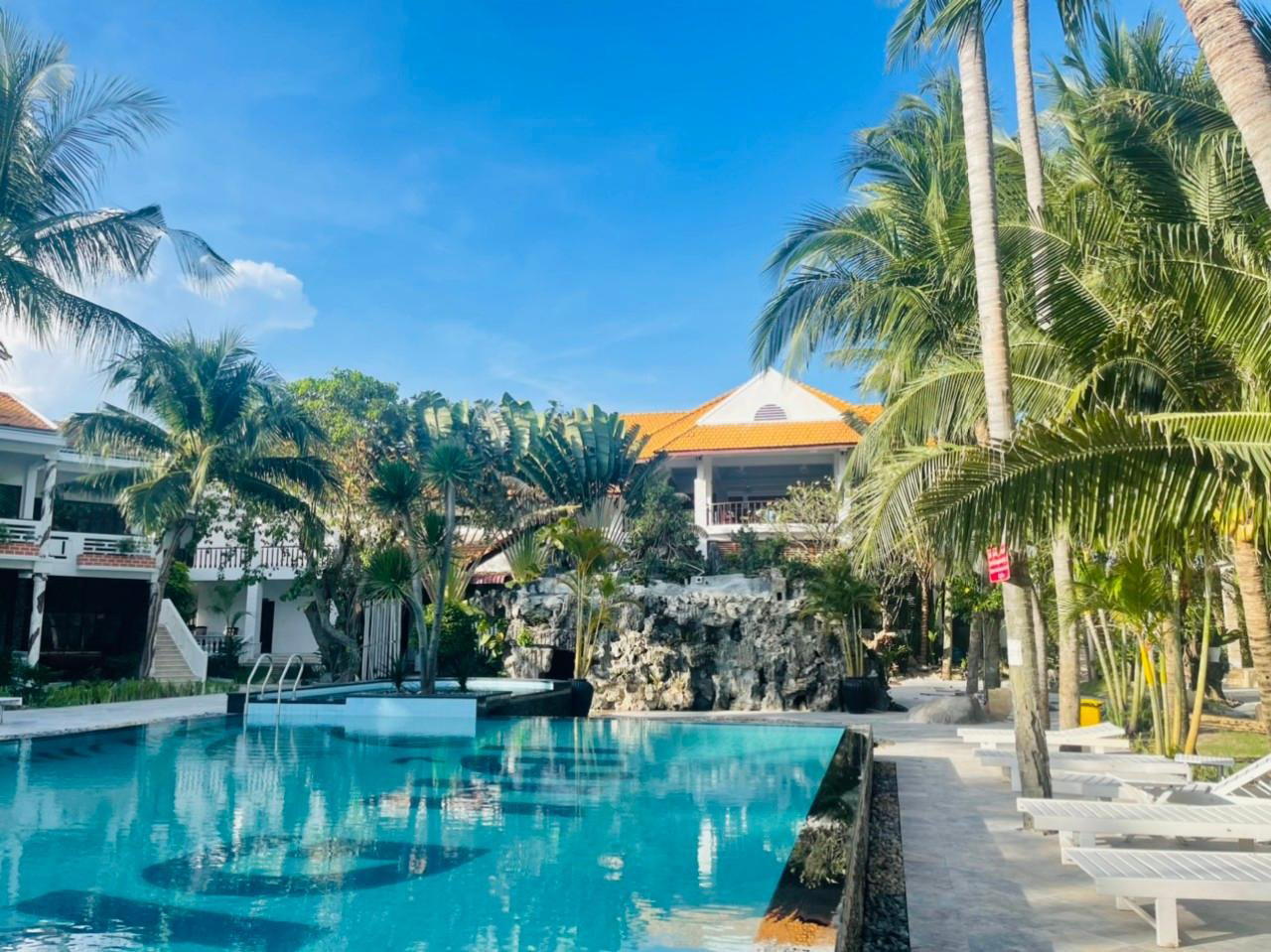
Mui Ne's Boutique Tier and Where Ravenala Fits
Phan Thiet's accommodation market has developed along a clear axis over the past decade. At one end, large-footprint resort compounds, some affiliated with international flags, occupy the southern cape near the sand dunes. At the other, a strip of smaller, independently operated properties runs along Nguyen Dinh Chieu in the Ham Tien ward, close to the water and to the informal beach restaurants that remain the area's most honest dining. Ravenala Boutique Resort, at number 146 on that street, sits in the latter category: a compact, locally positioned property in a zone where proximity to the beach road and access to neighbourhood life tend to matter more than scale or branded amenity.
That boutique corridor has attracted a particular kind of traveller — one who is less interested in an enclosed resort campus and more focused on the texture of a specific Vietnamese coastal town. Compared to the large international resort formats reviewed elsewhere on this site, including Amanoi in Vinh Hy or Anantara Quy Nhon Villas in Quy Nhon, a boutique address in Phan Thiet offers a different trade-off: less infrastructure, more neighbourhood access, and a price positioning that typically reflects the absence of extensive F&B programming and spa facilities.
The Dining Context in Phan Thiet
The editorial angle for any hotel in this corridor turns quickly to food, because the street itself is where Mui Ne's dining culture concentrates. Nguyen Dinh Chieu runs parallel to the water and is lined with open-air seafood restaurants, Vietnamese breakfast spots, and a handful of international cafes that serve the resident expat and long-stay traveller community. The cooking tradition here is centred on South Central Coast seafood: grilled squid, clay-pot fish, and fresh spring rolls are the staples, prepared simply and eaten on plastic chairs a few metres from where the fishing boats come in.
For properties along this strip, the question is not whether to compete with the neighbourhood's food culture but how to relate to it. Large resort formats in Vietnam — the Four Seasons Resort The Nam Hai, Hoi An in Dien Duong or the InterContinental Phu Quoc Long Beach Resort, invest heavily in on-site F&B to keep guests within the property perimeter. A boutique address at this price tier on Nguyen Dinh Chieu typically does not attempt that model; the better question is whether the property guides guests toward the street's leading options or leaves them to discover it independently.
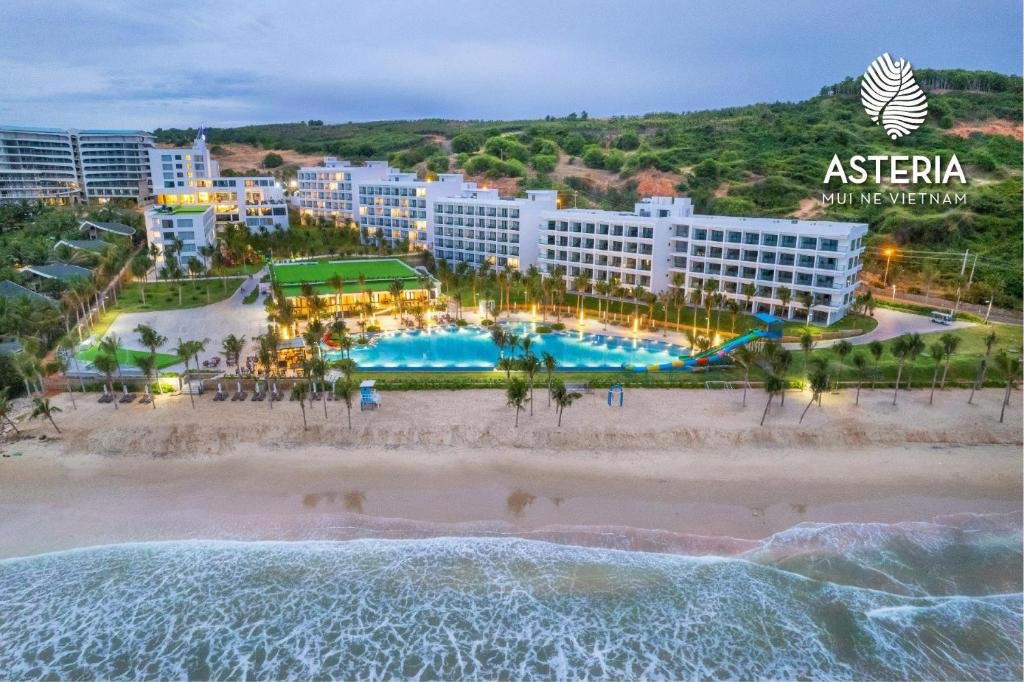
Vietnam's coastal resort corridor has diversified considerably since the early 2000s, when Mui Ne was almost exclusively a kite-surfing destination with basic guesthouse accommodation. Properties ranging from the design-led to the deeply affordable now compete for a mix of domestic Vietnamese weekenders, European long-stay travellers, and short-break visitors from Ho Chi Minh City, roughly four hours south by road. That evolution is visible across the region: compare the boutique-scale positioning of Asteria Mui Ne Resort nearby to the larger branded formats that have since entered the market. The boutique tier has held its ground not through amenity competition but through pricing, location, and the particular appeal of a less managed experience.
Reaching Phan Thiet and Planning the Stay
Phan Thiet is accessible from Ho Chi Minh City by road in approximately three to four hours depending on traffic, with private transfers and open-tour buses both running the route regularly. A rail connection to Muong Man station, roughly 12 kilometres from the beach strip, is also an option, though the road transfer from the station adds time. The address at 146 Nguyen Dinh Chieu places Ravenala Boutique Resort within walking distance of the main cluster of restaurants and beach access points on the Ham Tien strip, which reduces dependence on in-house transport for day-to-day movement.
Timing matters along this coast. The dry season runs from November through April, when the northeast monsoon keeps the South China Sea relatively calm and the winds reliably strong enough for kite-surfing. May through October brings increased rainfall and rougher conditions. Travellers visiting primarily for beach access and outdoor dining should plan within the dry window. The shoulder months of October and early November, when rates at properties across the strip typically ease and the crowds thin, represent a reasonable compromise for those with flexibility. For broader context on what the destination offers, our full Phan Thiet restaurants guide maps the neighbourhood's dining and hospitality options in detail.
The Boutique Resort Model in Vietnamese Coastal Travel
Across Vietnam's coastline, the boutique segment occupies a specific position in the hierarchy. Properties like Almanity Hoi An Wellness Resort in Hoi An and Azerai La Residence, Hue demonstrate that boutique-scale hotels can command premium positioning when they have a strong design identity, a well-developed F&B offer, or a historically significant building at their core. Without those anchors, the smaller property competes primarily on price and location rather than experience differentiation.
Phan Thiet's Nguyen Dinh Chieu strip is a specific case: the neighbourhood is doing much of the experience work, and properties here are, in a sense, selling access to it. The comparison set for a boutique resort at this address is not the large branded resorts of Phu Quoc or Da Nang but the other independent properties on the same street. Travellers choosing between options on this strip would do well to compare what each property offers beyond the room itself: beach access arrangements, breakfast quality, and the degree to which staff can move through the local dining scene on a guest's behalf tend to differentiate the better options from the merely adequate.
For reference against the wider Vietnamese resort market, the range is considerable. At the leading end, properties like Amiana Resort Nha Trang and Banyan Tree Lang Co represent the full-facility luxury format. Mid-market branded options, from Novotel Danang Premier Han River to Four Points by Sheraton Danang, occupy the branded midscale tier. Boutique independents on a strip like Mui Ne sit below both in price and amenity scope, which is precisely their appeal to the traveller who wants to be in the neighbourhood rather than insulated from it.
Planning Notes
Ravenala Boutique Resort is located at 146 Nguyen Dinh Chieu in the Ham Tien ward of Phan Thiet, within the stretch of independent properties that defines the Mui Ne beach strip. Booking details, current rates, and room availability are best confirmed directly, as the property's contact and reservation information is not held in EP Club's verified database at time of publication. Travellers arriving from Ho Chi Minh City should plan for road or rail transfer; the property's street location makes it walkable to the main cluster of beach restaurants and water-sports operators once on site.
Budget and Context
| Venue | Price |
|---|---|
| Ravenala Boutique ResortThis venue — the venue you are viewing | This venue |
Continue exploring
More in Phan Thiet
Hotels in Phan Thiet
Browse all →

At a Glance
- Quiet
- Cozy
- Rustic
- Family Vacation
- Weekend Escape
- Romantic Getaway
- Beachfront
- Garden
- Terrace
- Pool
- Restaurant
- Room Service
- Wi Fi
- Air Conditioning
- Waterfront
- Garden
- Pool
- Restaurant
- Room Service
- Wi Fi
- Air Conditioning
Relaxed and serene atmosphere with simple, delicate design emphasizing tranquility and natural beauty without distractions or noise.
Know Before You Go
- Getting there
- 146 Nguyễn Đình Chiểu, Phường Hàm Tiến, Thành phố Phan Thiết, Bình Thuận 800000, Vietnam