Cơm Niêu Panda
Our verdict
Cơm Niêu Panda sits on Hùng Vương in Phan Thiết's Phú Thuỷ district, serving the clay-pot rice tradition that defines central-southern Vietnamese home cooking. The format places it squarely in the neighbourhood dining tier that feeds locals rather than resort corridors. For visitors moving through Bình Thuận province, it offers direct access to a cooking style increasingly rare in coastal tourist zones.

Pearl is the En Primeur Club membership app — saves, bookings, and concierge access live there. Same editors, same standards.
- Address
- H14 Hùng Vương, Phú Thuỷ, Thành phố Phan Thiết, Bình Thuận 80000, Vietnam
- Phone
- +84947749111
- Hours
- Mon–Sat 10 AM–10 PMSun 9 AM–10 PM
- Website
- pandafood.com.vn
- Directions
- Get directions
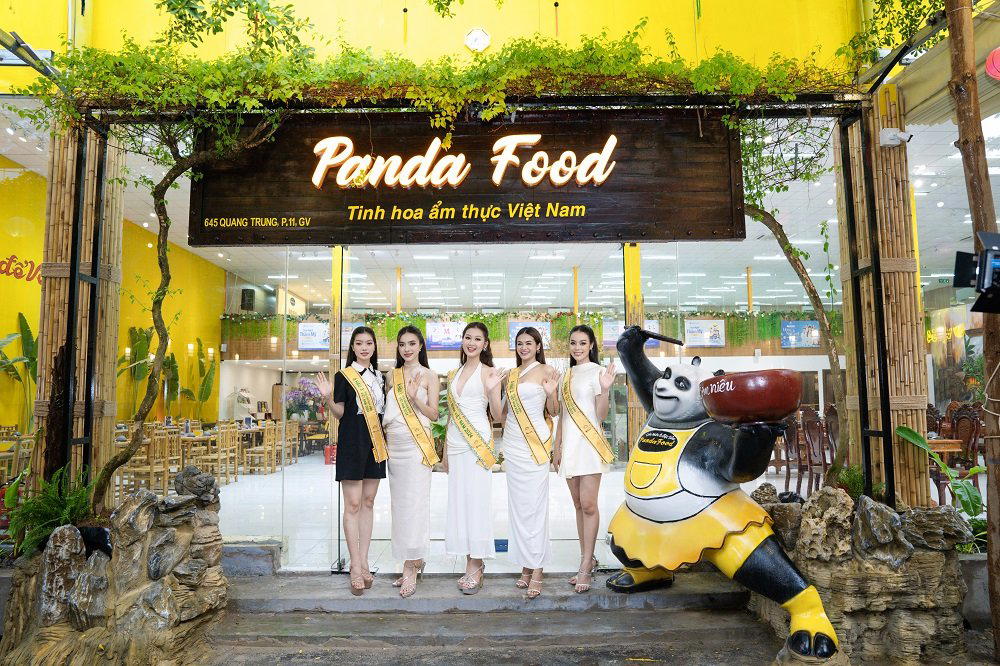
The menu
What to order
- Cơm Niêu (clay pot rice)
- Bánh Canh Hải Sản (seafood tapioca cake)
- Lẩu Mắm Miền Tây (Western hotpot)
Clay-Pot Rice in a Coastal Province Built on Sand and Seafood
Phan Thiết is better known internationally for its kite-surfing beaches and the red-dune resorts of Mũi Né than for its restaurant streets. That reputation means the city's inland dining strips, particularly along Hùng Vương in the Phú Thuỷ district, receive far less attention than the resort corridors to the northeast. Cơm Niêu Panda occupies that quieter register, positioned in a neighbourhood where the cooking format is determined by how residents actually eat rather than by what international guests expect to find.
The name itself signals the kitchen's orientation. Cơm niêu translates literally as clay-pot rice, a preparation method with deep roots across central and southern Vietnam that predates the gas burner and the electric rice cooker by several centuries. The earthenware pot, sealed and set over an open flame, produces rice with a characteristic crust at the base and a steam-cooked interior with a texture quite different from conventionally cooked rice. That crust, called cơm cháy, is not incidental; in many households and restaurants built around this tradition, it is the most sought-after part of the dish, scraped from the pot and often served separately with broth or dipping sauces.
What the Clay-Pot Tradition Represents in Vietnamese Cooking
Across Vietnam, the gap between home-cooking methods and restaurant formats has narrowed considerably over the past two decades. In cities like Hanoi and Ho Chi Minh City, this has produced a tier of restaurants that self-consciously reference domestic technique as a point of distinction. Places like Gia in Hanoi operate in that mode, framing traditional preparation as a considered editorial position. The dynamic in a provincial city like Phan Thiết is different: the clay-pot format at neighbourhood establishments here tends to be structural rather than programmatic, meaning it reflects what the kitchen has always done rather than a deliberate return to roots.
That distinction matters for understanding where Cơm Niêu Panda sits relative to Vietnam's broader dining tiers. It is not functioning in the fine-dining register occupied by La Maison 1888 in Da Nang or the urban bistro tier represented by Akuna in Ho Chi Minh City. It operates in a category that Vietnamese dining culture has long sustained: the neighbourhood rice house, where the cooking method carries cultural weight without requiring explanation, and where the clientele is local by default.
The central-southern coastal provinces have their own inflection on Vietnamese rice cooking. Bình Thuận province sits at the point where the culinary traditions of the south-central coast, shaped by Cham cultural history and fishing community practice, begin to merge with the plainer, starch-forward cooking of the Mekong Delta approaches. Clay-pot rice in this context tends to appear alongside braised fish, fermented shrimp paste condiments, and simply prepared vegetable sides, a combination that reflects the practical logic of a fishing port rather than the complexity of a highland or imperial kitchen like the one that defines Saffron in Hue City.
Phan Thiết's Dining Tiers and Where This Fits
The restaurant options in Phan Thiết split fairly cleanly between the resort-facing venues along the coast road and the local-facing establishments on the city's older commercial streets. Hùng Vương is among the latter, running through Phú Thuỷ as one of the district's main arteries. The eating-out culture here tracks provincial Vietnamese norms: midday rice meals, early evening dining, and formats calibrated to tables of families or work colleagues rather than couples on holiday itineraries.
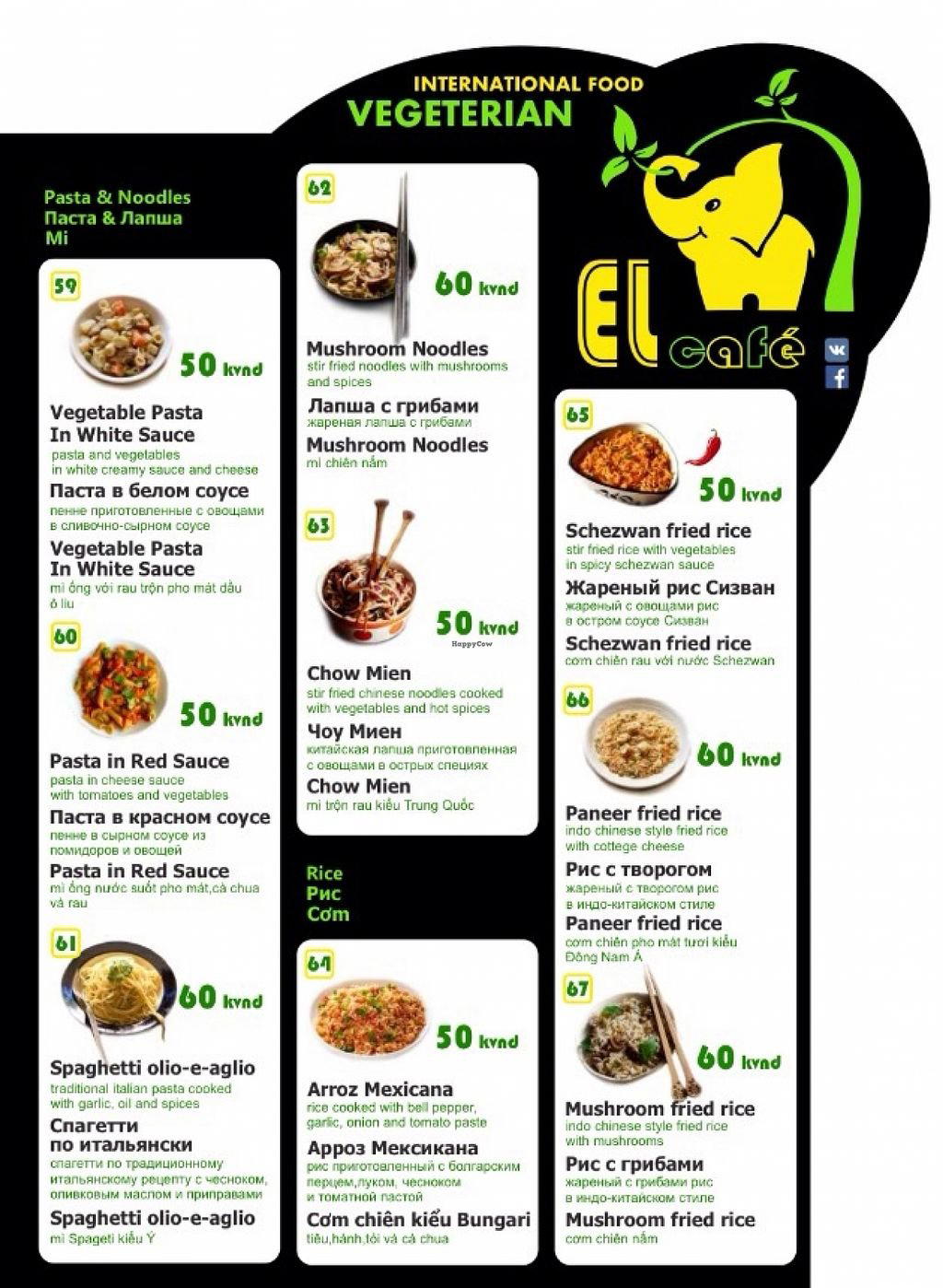
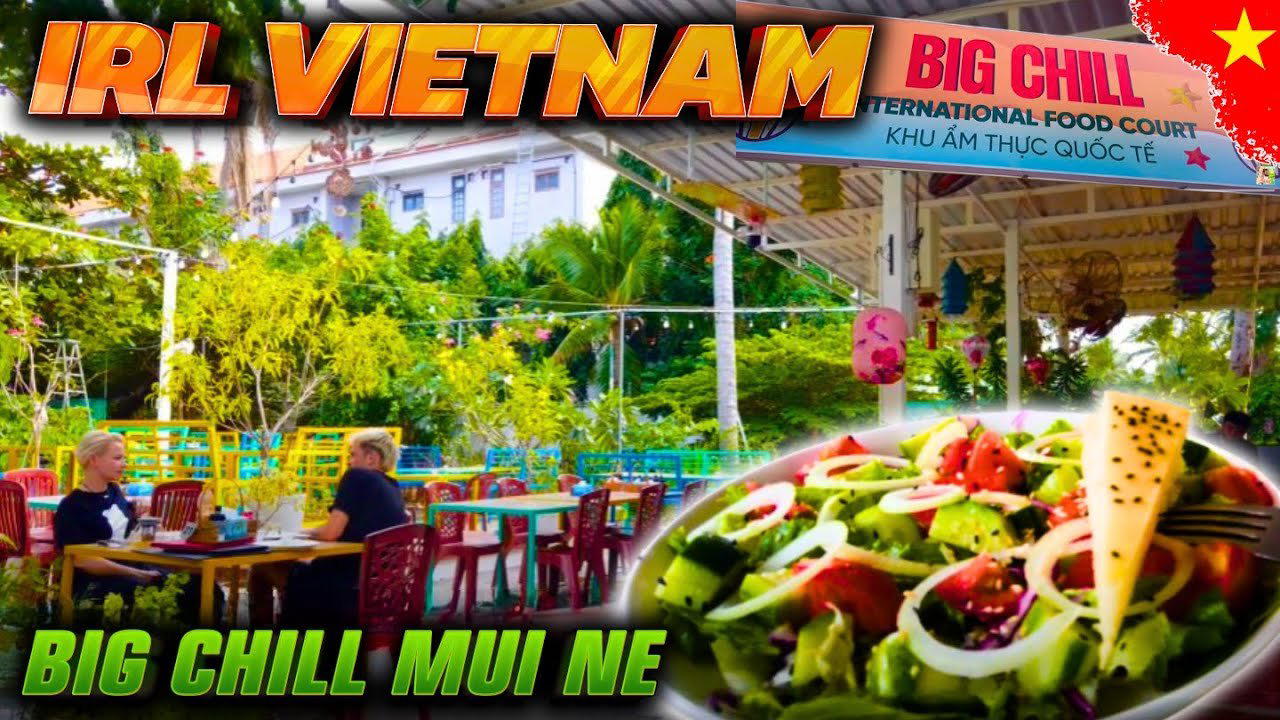
Within that local-facing tier, there is meaningful variation. The BIG CHILL INTERNATIONAL FOOD COURT at Mũi Né operates on a multi-vendor, internationally oriented model aimed at the beach resort population. EI Cafe International serves a plant-based menu that targets a different demographic again. Pardis Restaurant sits in yet another register. Cơm Niêu Panda's clay-pot rice format places it apart from all three, in a narrower category of kitchens where Vietnamese staple cooking is the entire point.
For context on how this format compares across coastal Vietnam, the rice-focused neighbourhood restaurant has parallels in fishing towns from the north down to the delta. The version in Cat Hai on the island near Haiphong, where Phuong Nhung Restaurant operates, or the community-oriented format at Duyên Anh Restaurant in Phu Vang, reflect the same underlying logic: a local clientele, a specific regional preparation, and a price-to-portion ratio calibrated to daily use rather than occasional celebration.
Planning a Visit
Cơm Niêu Panda is located at H14 Hùng Vương in the Phú Thuỷ district of Phan Thiết city, Bình Thuận province. The address places it in a residential-commercial neighbourhood accessible from the city centre rather than from the coastal resort strip. Visitors staying in the Mũi Né area will need to travel into the city, which is a standard route for anyone spending more than a day in the province.
Arriving during peak meal times, particularly around noon and in the early evening, is the most reliable approach.
For a broader orientation to eating in Phan Thiết and the surrounding area, the full Phan Thiết restaurants guide covers the city's dining options across categories and price tiers. Readers tracking Vietnamese provincial cooking across the country may also find useful reference points in the coverage of Mi Quang Ba Vi in Thanh Khe, Bau Troi Do in Son Tra, Le Pont Club in Hai Phong, Nhà hàng Madame Lân in Hai Chau, Phước Hòa 5 in Cam Le, and Cargo Club Cafe and Restaurant in Hoi An, each of which reflects a distinct regional cooking tradition within the broader Vietnamese provincial context. For those curious about how the clay-pot rice format compares to tasting-menu commitments at international reference points, Le Bernardin in New York City and Lazy Bear in San Francisco represent the opposite end of the formality and price spectrum, which clarifies just how wide the global dining tier range actually runs.
Frequently asked questions
Where do I go for Cơm Niêu Panda?
Cơm Niêu Panda is located at H14 Hùng Vương, Phú Thuỷ, Thành phố Phan Thiết, Bình Thuận 80000, Vietnam, Phan Thiao T.
Where exactly is Cơm Niêu Panda located in Phan Thiết, and is it near the beach resorts?
Cơm Niêu Panda sits at H14 Hùng Vương in the Phú Thuỷ district of Phan Thiết city, Bình Thuận province — a residential-commercial address rather than a beachfront or resort-corridor location. That separation from the Mũi Né resort strip is relevant: the venue is oriented toward local diners rather than the international tourist trade, which typically means a different price register and a menu built around Vietnamese domestic preferences rather than adapted international tastes.
What dish is Cơm Niêu Panda famous for?
The name says it directly: cơm niêu, rice cooked and served in a sealed clay pot, is the defining format here. In Vietnamese cooking, the clay-pot method produces a slightly crisped bottom layer — the cơm cháy — that is considered the most prized part of the serving. The restaurant's address on Hùng Vương in the Phú Thuỷ district puts it squarely in the local, non-resort side of Phan Thiết, where this cooking style has a domestic rather than tourist-facing context.
Do I need a reservation for Cơm Niêu Panda?
No phone number or website is publicly listed for Cơm Niêu Panda, which makes advance booking by conventional means difficult. Local clay-pot rice spots in residential Phan Thiết districts like Phú Thuỷ typically operate on a walk-in basis, with peak pressure at standard Vietnamese meal hours — around noon and 6 p.m. Arriving slightly before those windows is the practical way to secure a seat without a formal reservation system.
Price and Recognition
| Venue | Cuisine | Price |
|---|---|---|
| Cơm Niêu PandaThis venue — the venue you are viewing | Traditional Vietnamese Clay Pot Rice (Cơm Niêu) | $1–10 |
| BIG CHILL INTERNATIONAL FOOD COURT - Khu ẩm thực Mũi Né | International Food Court | $1–10 |
| EI Cafe International Vegan/Vegetarian | International Vegan/Vegetarian | Not listed |
| Pardis Restaurant | Vietnamese | Not listed |
Continue exploring
More in Phan Thiao T
Restaurants in Phan Thiao T
Browse all →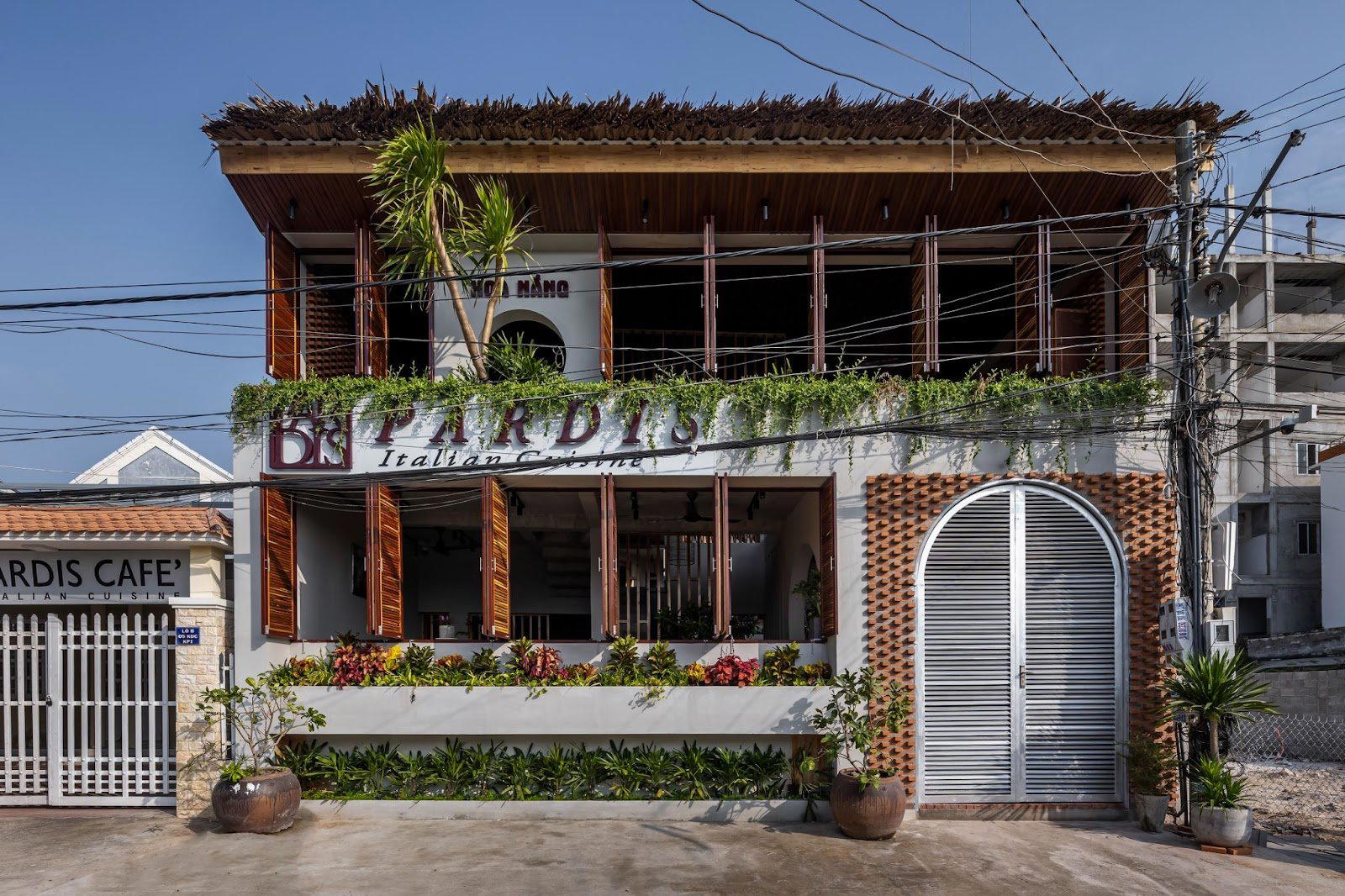

Details
- Casual
- Cozy
- Rustic
- Group Dining
- Family
- Casual Hangout
- Garden
- A La Carte
- Family Style
- Iced Tea
- Vegetarian Friendly
Current opening hours
- Monday
- 10 AM–10 PM
- Tuesday
- 10 AM–10 PM
- Wednesday
- 10 AM–10 PM
- Thursday
- 10 AM–10 PM
- Friday
- 10 AM–10 PM
- Saturday
- 10 AM–10 PM
- Sunday
- 9 AM–10 PM
Hours can change for holidays and private events. Last verified .
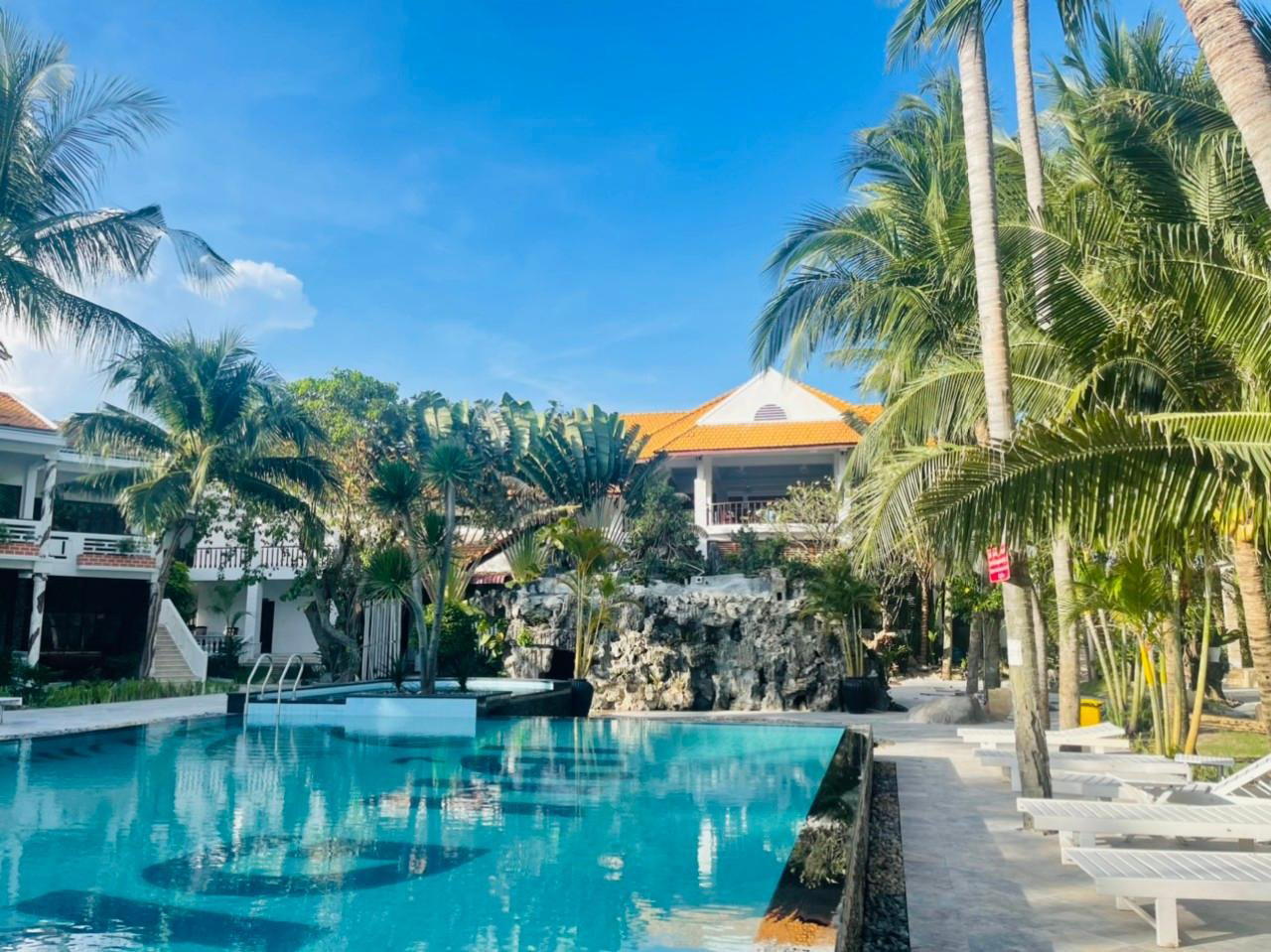
Spacious, airy garden-courtyard design with cooling mist sprayers; bright, casual, and family-friendly atmosphere popular during lunch hours.