Radisson Collection Hotel, Grand Place Brussels
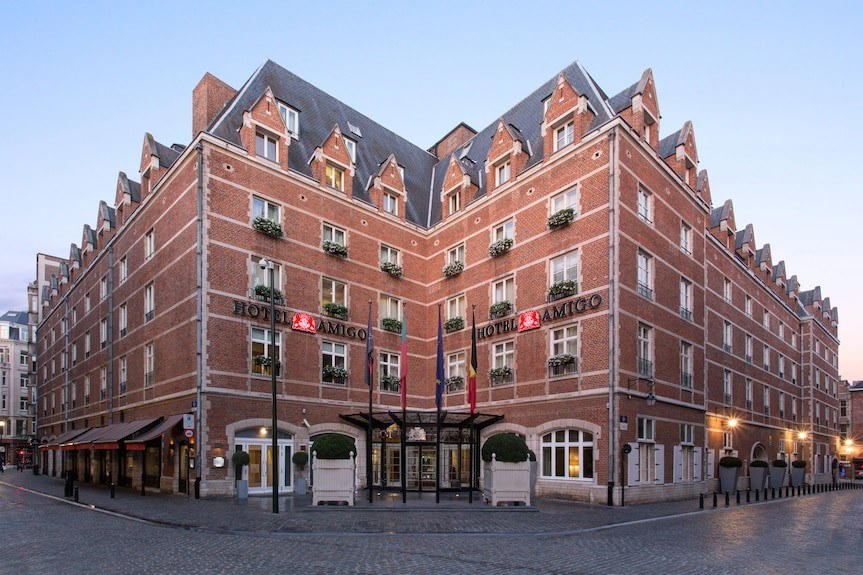
Positioned on Rue du Fossé aux Loups, a short walk from the Grand Place, the Radisson Collection Hotel occupies a building that has anchored Brussels city-centre hospitality for decades. Within a broader Brussels hotel market that splits between grand palace properties and sharper design-led newcomers, this address sits firmly in the upper-mid tier: recognisable brand infrastructure, a central position, and service expectations calibrated to an international business and leisure mix.
 Discover on Pearl
Pearl is the En Primeur Club membership app — saves, bookings, and concierge access live there. Same editors, same standards.
- Address
- Rue du Fossé aux Loups 47, 1000 Bruxelles, Belgium
- Phone
- +32 2 219 28 28
- Website
- radissonhotels.com
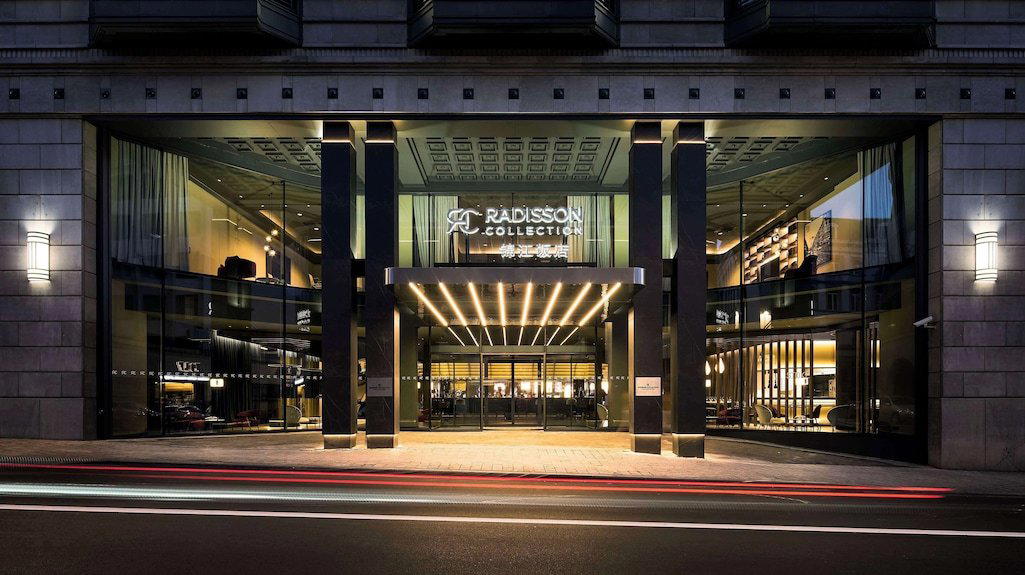
Where Brussels Places Its Weight
The stretch of central Brussels between De Brouckère and the Grand Place has long functioned as the city's hospitality spine. Grand hotels have occupied these blocks since the nineteenth century, and the neighbourhood's character, broad pavements, the hum of the metro beneath, the persistent foot traffic between the Bourse and the Galeries Saint-Hubert, shapes how any hotel here must operate. The Radisson Collection Hotel on Rue du Fossé aux Loups sits at number 47, inside that corridor, and its address does a significant amount of the work before a guest even crosses the threshold.
The Collection tier within Radisson's portfolio occupies a distinct position: above the standard Radisson brand, signalling a design-led, locally inflected product rather than the purely transactional business hotel format. Across Europe, this tier competes with independent boutique hotels and the softer-brand extensions of major groups, properties where the physical environment and guest experience are expected to carry editorial weight, not just functional adequacy. In Brussels specifically, that comparable set includes properties like the Hotel des Galeries and the Hotel Agora Brussels Grand Place, both of which operate within walking distance and compete for a similar traveller: someone who wants proximity to the historic centre without the formality of a full palace hotel.
The Physical Experience of Arrival
Belgian city-centre hotels built to international brand standards face a structural challenge: the buildings themselves often predate the brand by a century or more, and the tension between original architecture and contemporary hospitality fitout determines whether the result reads as character or compromise. In Brussels, where the Flemish baroque of the Grand Place sets an architectural reference that few buildings can match, the hotels that perform leading in experiential terms are those that let original fabric, stone, height, proportion, do the atmospheric work, rather than overlaying it with generic brand elements.
The Rue du Fossé aux Loups address gives this hotel a position that rewards guests who arrive on foot from the Galeries Saint-Hubert or from the Grand Place itself, roughly five minutes' walk south. That pedestrian approach, past covered arcade shopping and café terraces, calibrates expectations toward a Brussels that still functions as a European capital with genuine street culture rather than a purely administrative city.
Service as the Differentiator in a Crowded Tier
In the upper-mid bracket of European city-centre hotels, physical product differences between properties narrow considerably. Room dimensions, linen quality, breakfast spread, these tend to converge. What separates properties at this level is almost always service culture: whether the team operates reactively or anticipates, whether check-in functions as a transaction or a calibration of the guest's actual needs for the stay.
The Collection positioning implies a service philosophy oriented toward the latter. Across the Collection tier globally, the brand has positioned staff interaction as a differentiating element: local knowledge, genuine responsiveness rather than scripted hospitality, and a degree of personalisation that aligns with what independent boutique hotels in Europe have long done better than international chains. Whether this holds consistently at the Brussels property is a function of individual team culture, something that varies property to property, but the brand infrastructure sets a clear expectation. For travellers comparing this against nearby options, the Corinthia Grand Hotel Astoria Brussels operates at a higher price point with more pronounced palace-hotel formality, while the Pantone Hotel Brussels takes a design-first approach from a different neighbourhood base in Sint-Gillis.
For travellers visiting Brussels from further afield who are building a wider Belgium itinerary, the Radisson Collection works as a city anchor before continuing to properties like the Hotel Julien in Antwerp, the B&B The Verhaegen in Ghent, or the Boutiquehotel 't Fraeyhuis in Bruges. Each of those represents the boutique-independent model at its sharpest in their respective cities, which is useful calibration for what the Collection tier is and is not attempting to replicate.
For stays oriented toward Belgian countryside or château properties, Domaine du Château de Modave in the Ardennes and Chateau de Vignée in Rochefort offer a different register entirely, rural, estate-scale, and structured around a pace the city properties cannot replicate.
Planning the Stay
Brussels operates on a two-speed calendar. The city fills during EU summit periods and the major trade fair seasons, when business travellers dominate and rates across central hotels reflect compressed availability. The summer months and the Christmas market season (typically late November through December) bring a heavier leisure mix, and the Grand Place area in particular sees significant tourist density during both windows. Booking this hotel well ahead of either peak period is standard practice for the neighbourhood; last-minute availability at reasonable rates is more realistic in the quieter January-to-March window.
Travellers arriving by Eurostar will find Brussels-Midi approximately four kilometres southwest of the hotel. The metro connection makes this manageable without a taxi. Those flying into Brussels Airport (Zaventem) have a direct train service into Brussels-Central, also within walking distance of the hotel. Both connections reduce the friction that often inflates the cost and effort of city-centre arrivals in European capitals.
Properties like Le Louise Hotel Brussels in Elsene show how a different Brussels neighbourhood handles the upper-mid positioning with a more residential character, away from the tourist-heavy Grand Place orbit.
The decision to stay here versus a nearby alternative comes down to what the Brussels trip requires.
Continue exploring
More in Pl De Brouckere
Hotels in Pl De Brouckere
Browse all →
Bars in Pl De Brouckere
Browse all →
At a Glance
- Elegant
- Modern
- Sophisticated
- Iconic
- Business Trip
- Weekend Escape
- Historic Building
- Terrace
- Wifi
- Fitness Center
- Room Service
- Concierge
- Business Center
- Street Scene
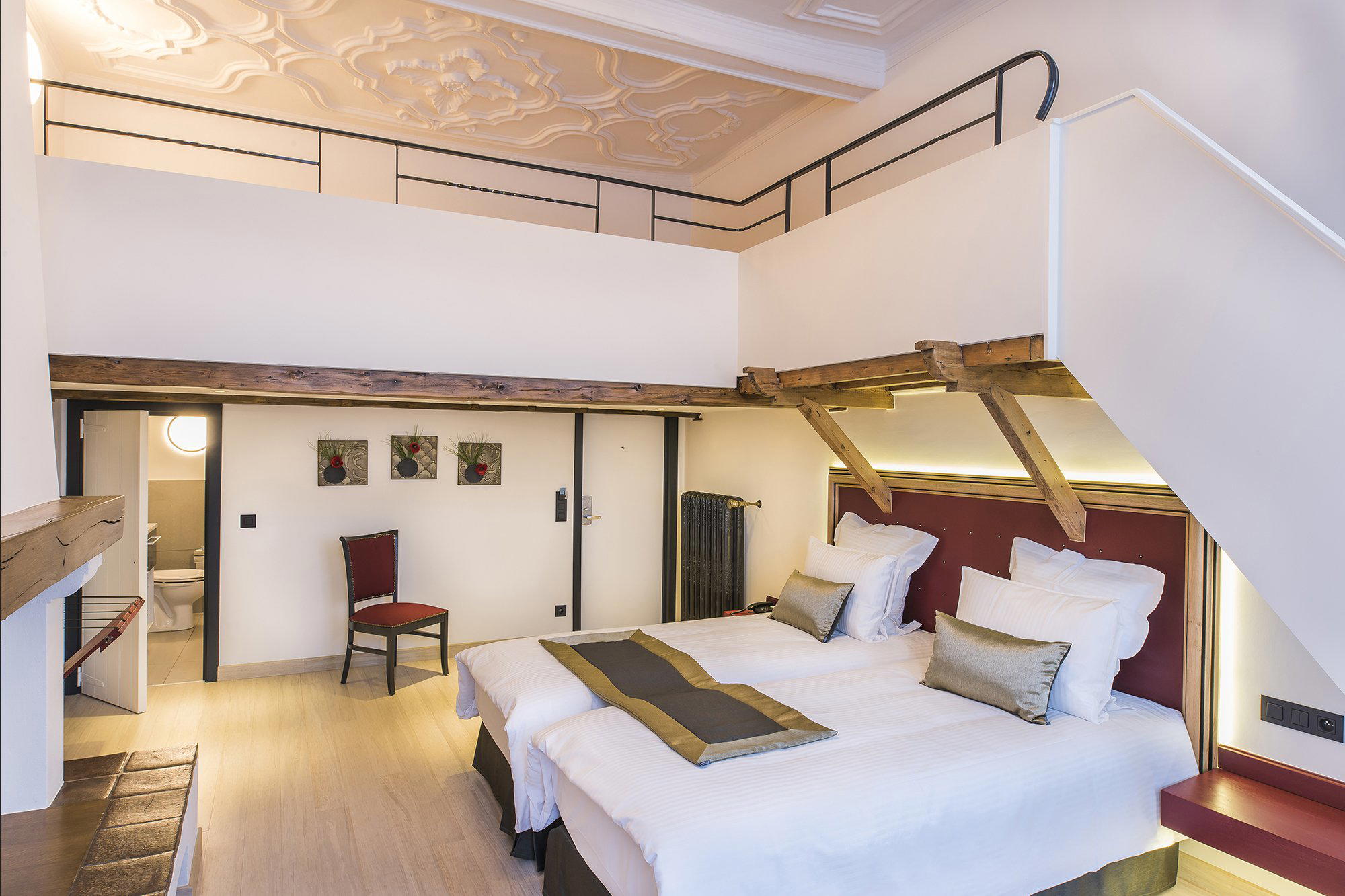
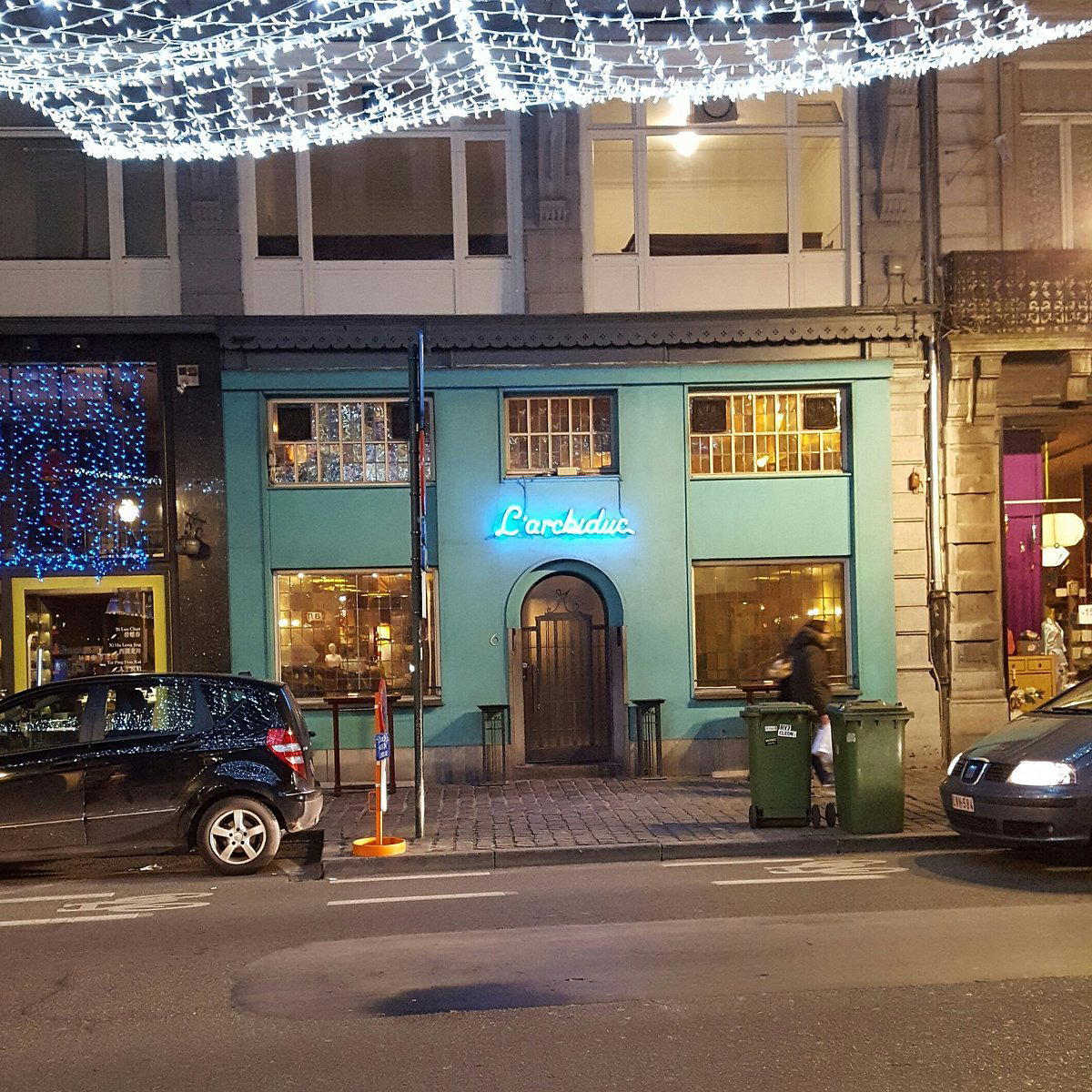
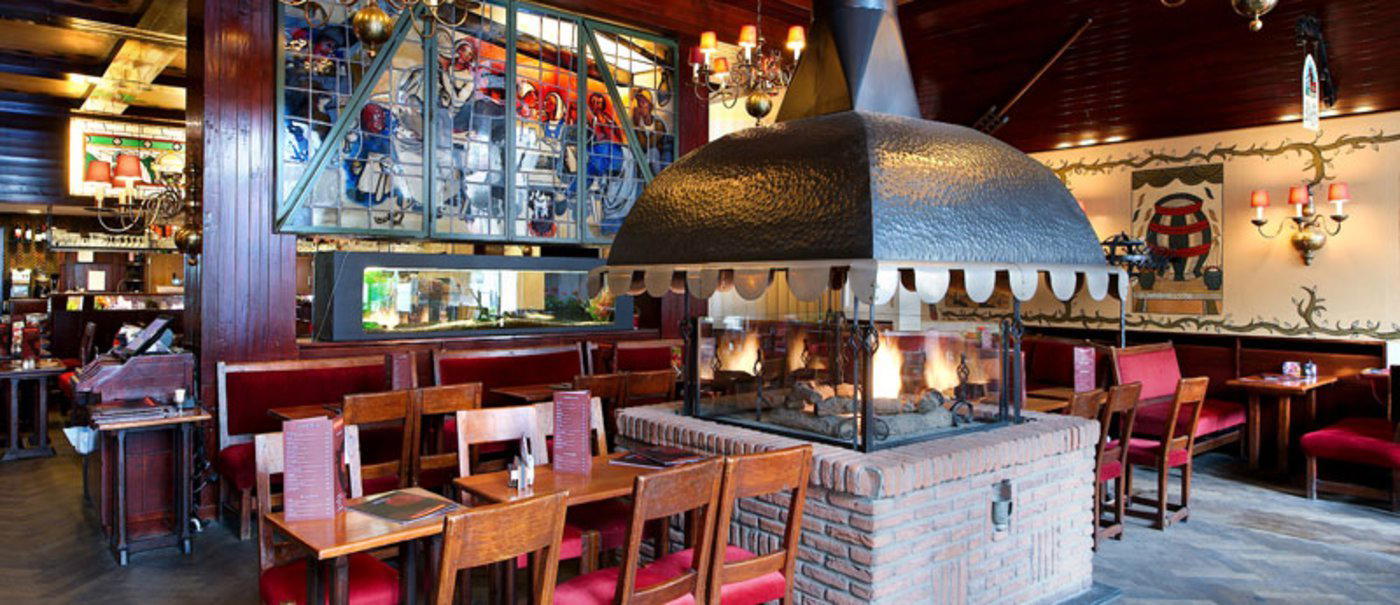
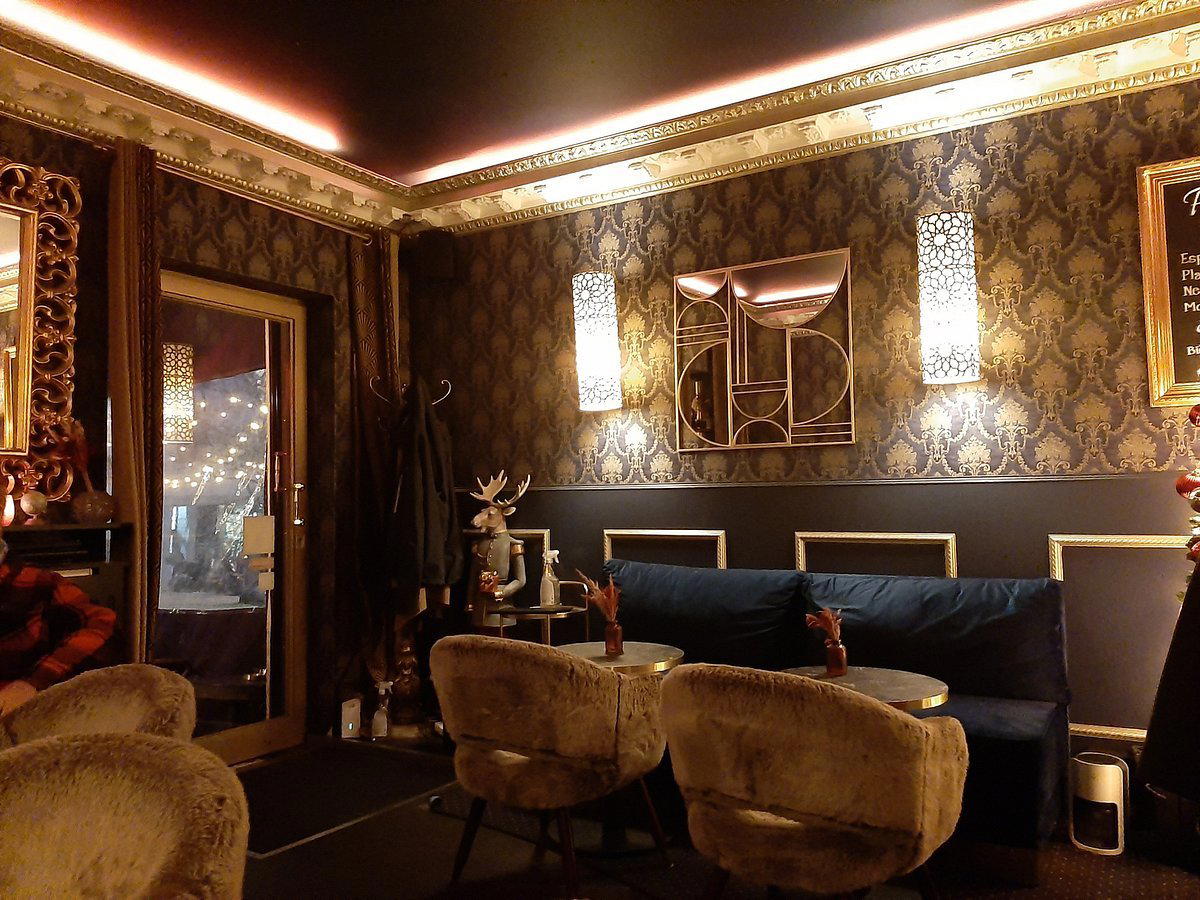
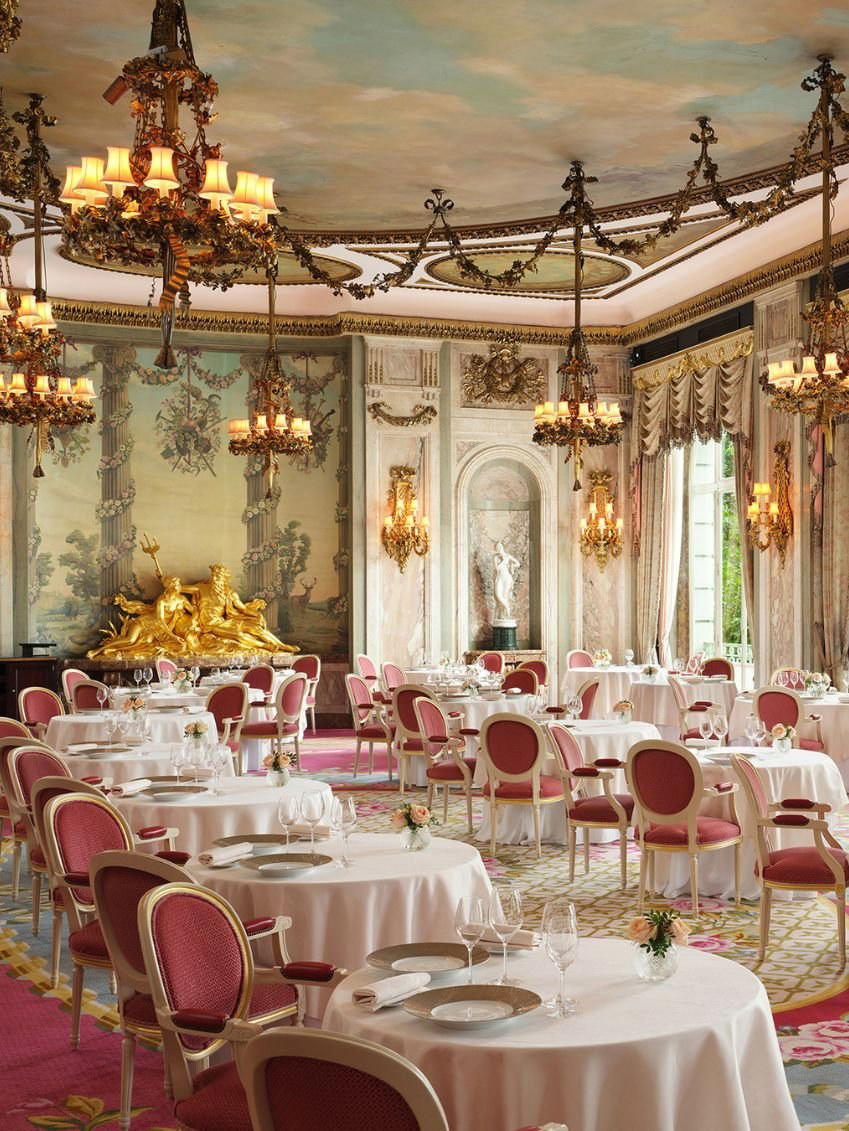
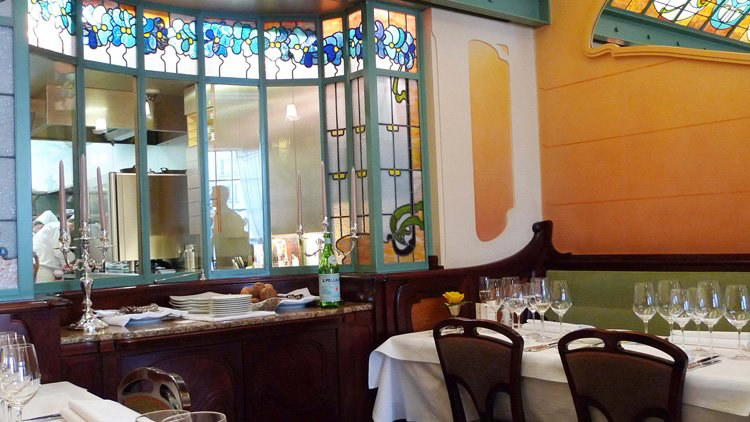
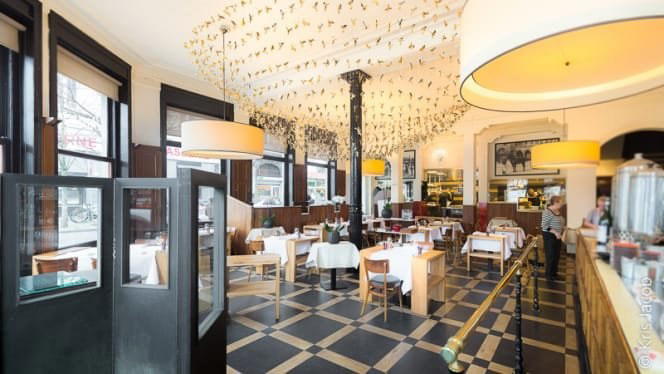
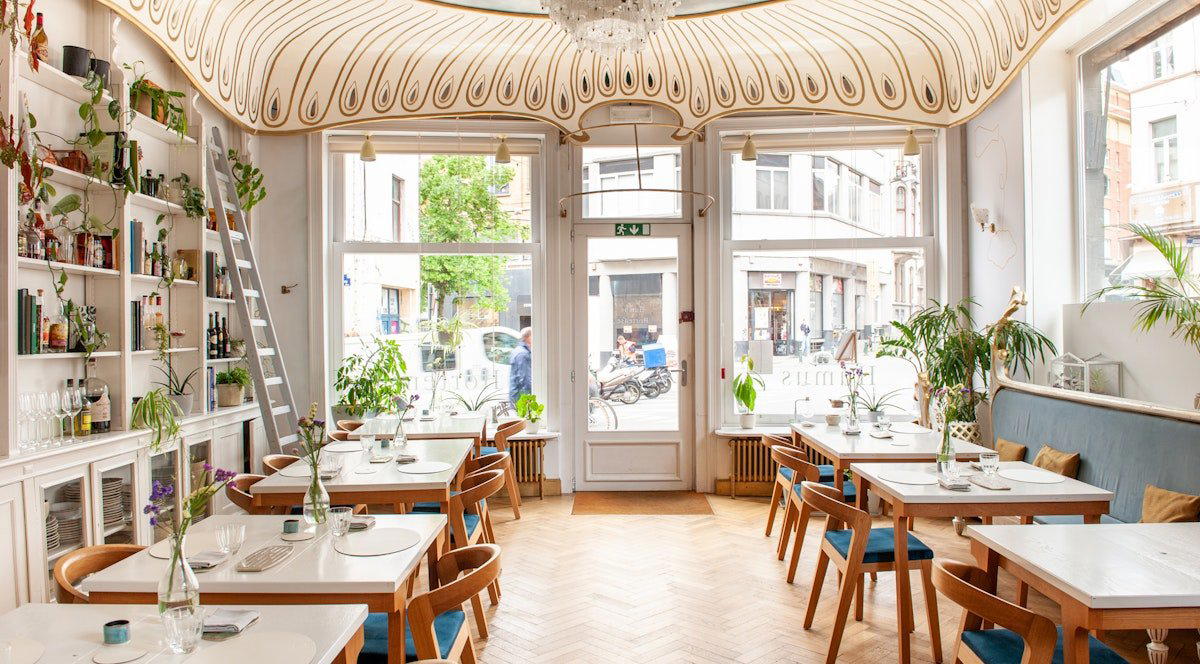
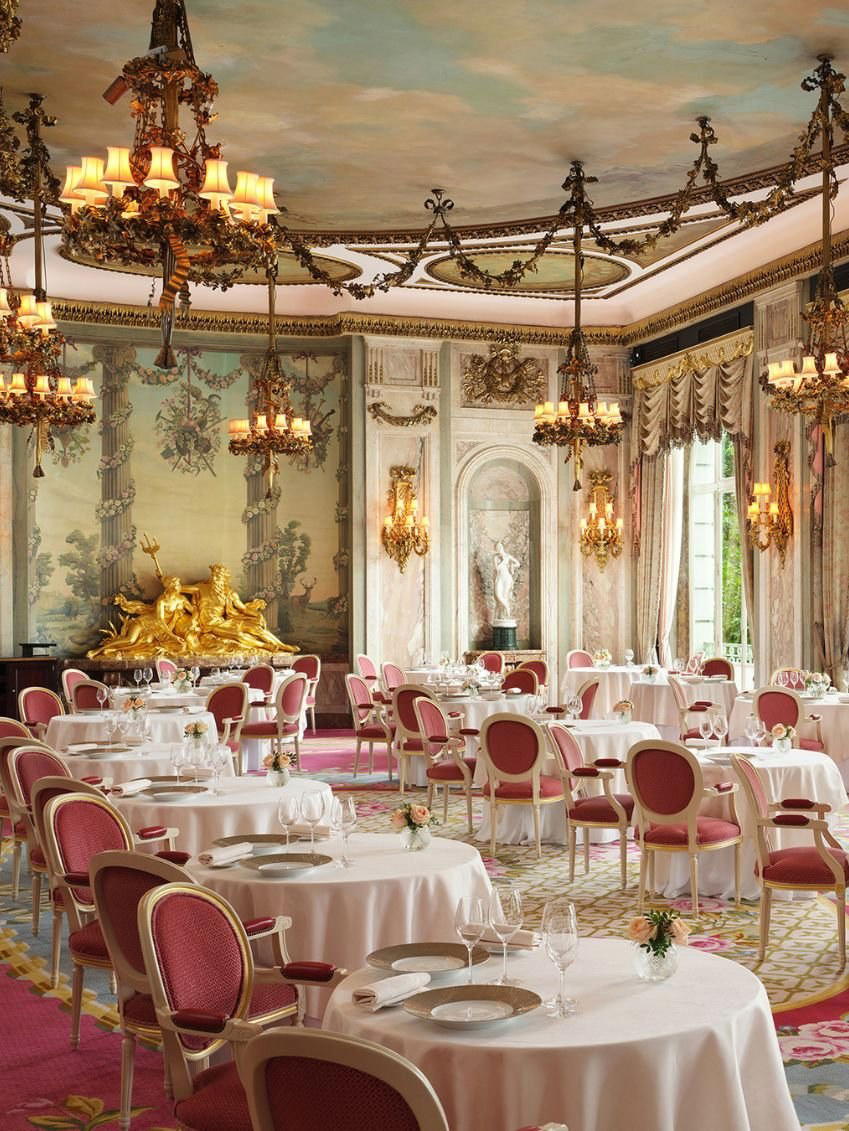
Elegant atmosphere with sleek contemporary decor, natural light from the impressive glass atrium, and refined interiors blending modern luxury with Brussels' cosmopolitan spirit.