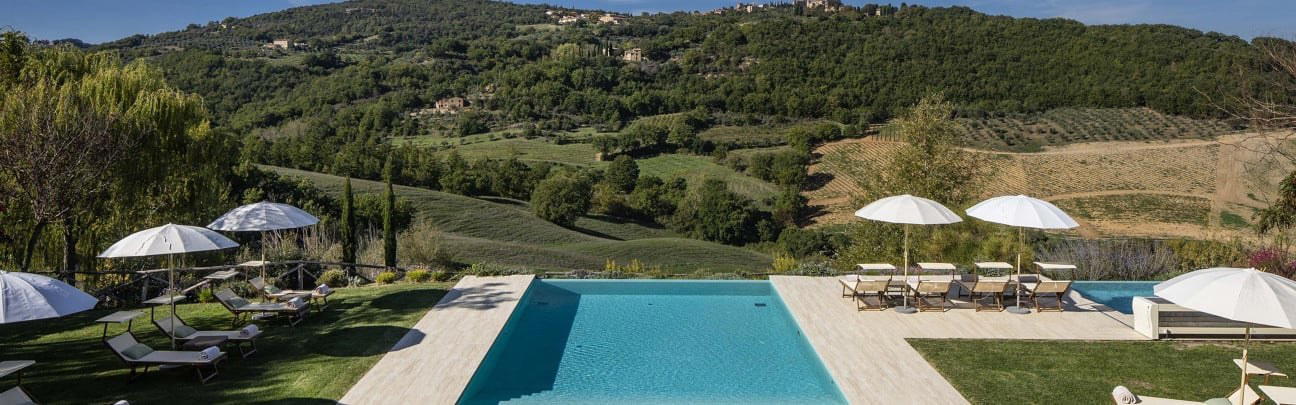
Podere Zingoni sits in Sarteano, a quietly placed hill town in the southern Sienese countryside where the Val d'Orcia meets the Chiana valley. The property belongs to a category of Tuscan agricultural estates that have been converted into intimate retreats, where stone architecture, working land, and minimal intervention define the character as much as any service standard. For travellers moving between Montepulciano, Pienza, and the thermal baths at Bagno Vignoni, it occupies a useful and considered position.

Pearl is the En Primeur Club membership app, where members save venues, book tables and use the concierge.
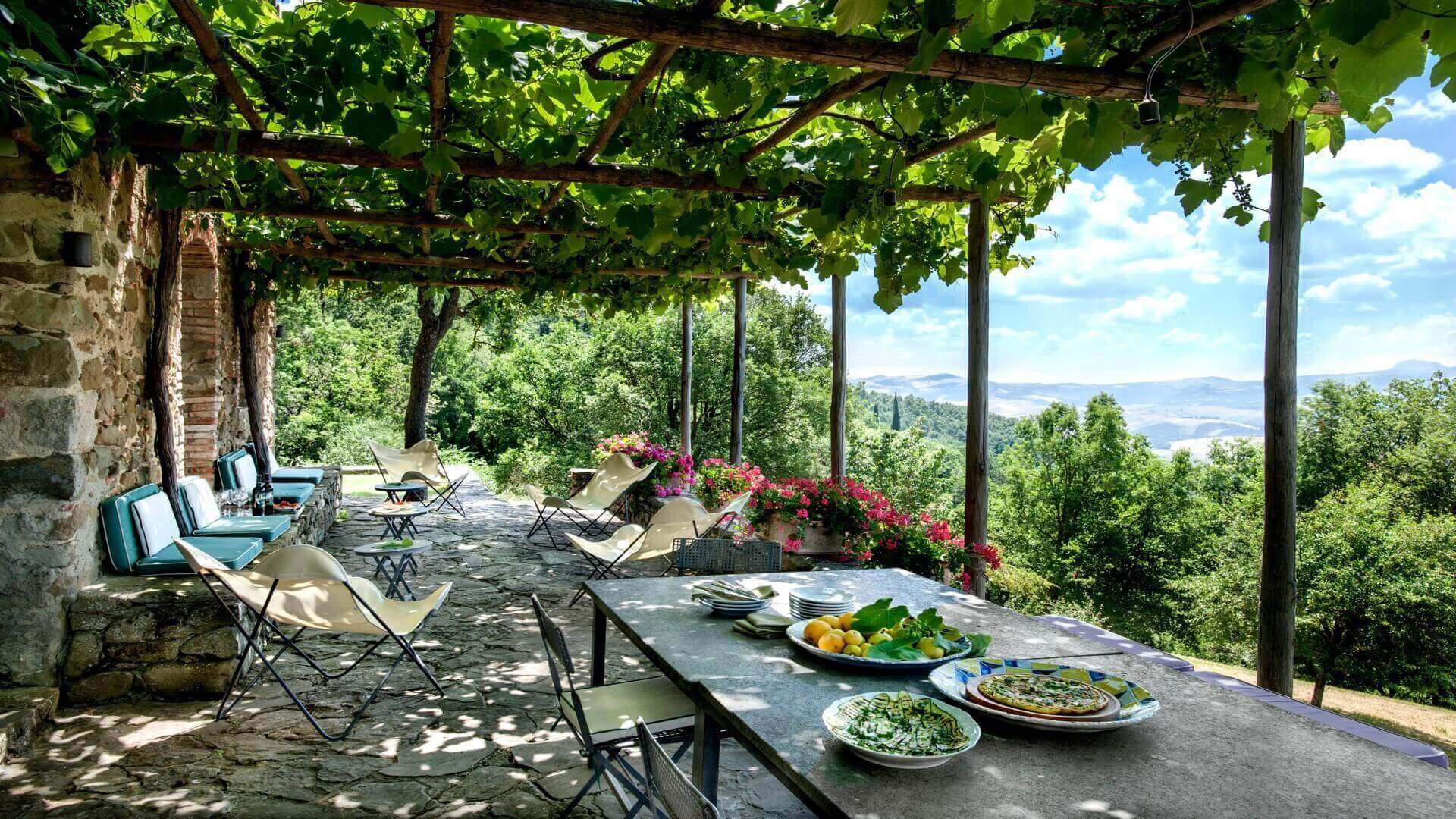
Stone, Land, and the Architecture of the Southern Sienese Hills
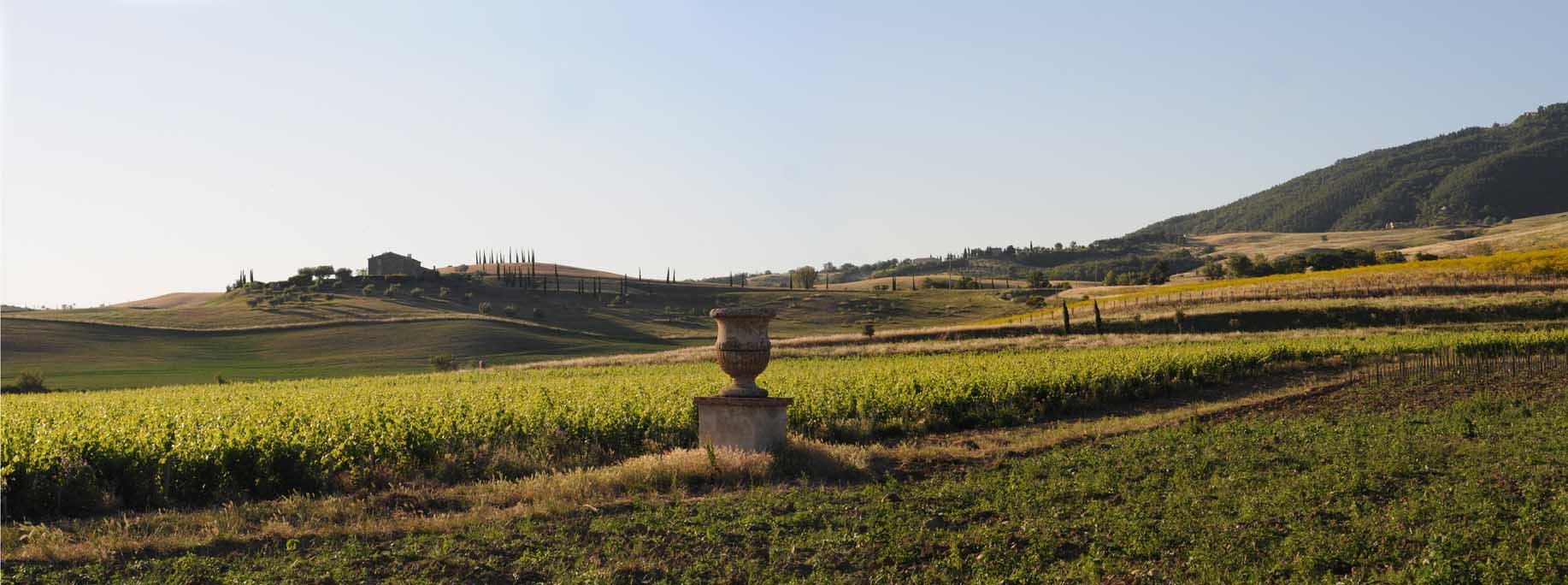
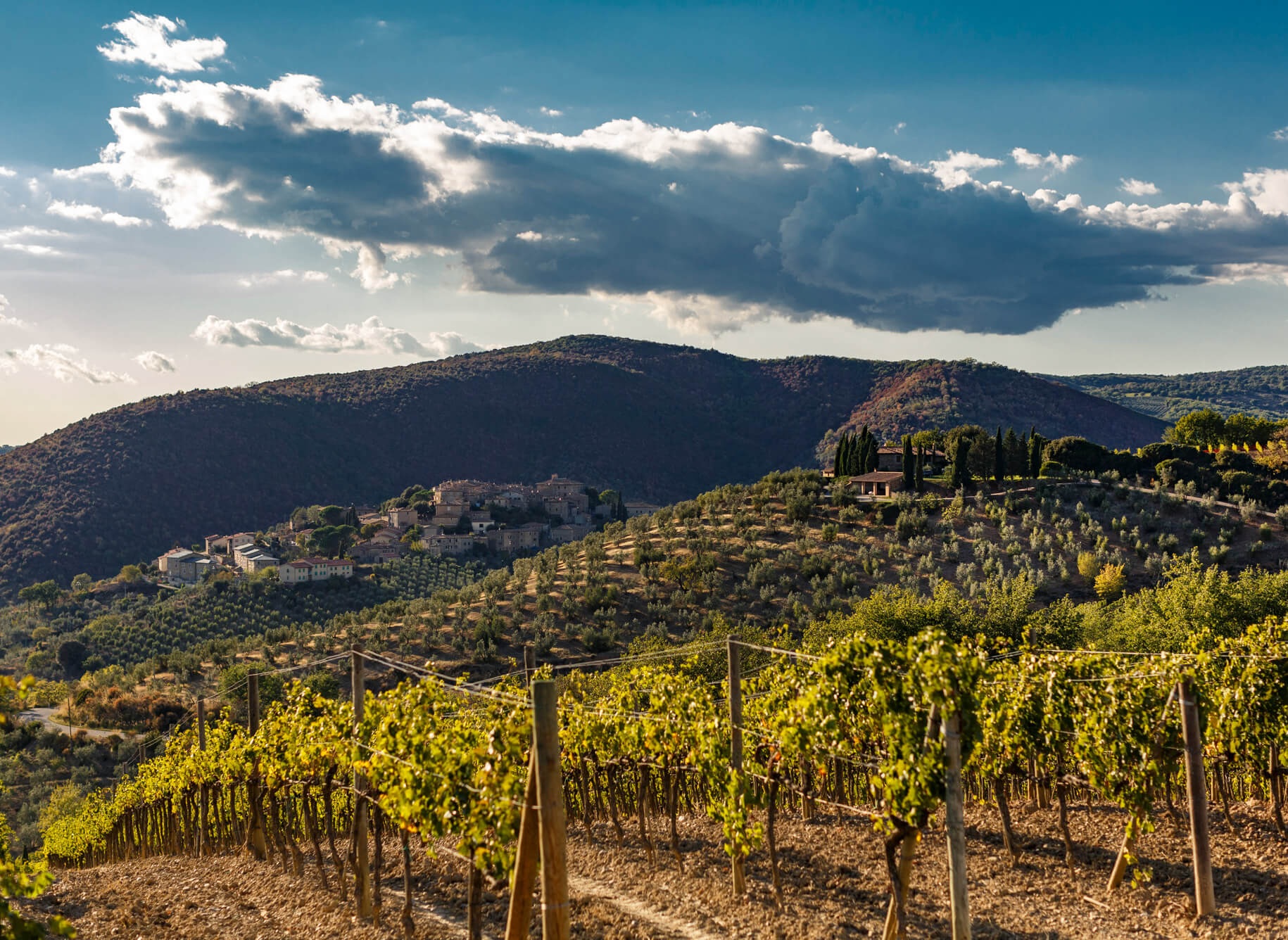
The southern edge of the Province of Siena operates at a different register from the better-trafficked Chianti corridor to the north. Here, between the volcanic ridge of Monte Amiata and the wide agricultural floor of the Val di Chiana, hill towns like Sarteano sit in a landscape shaped by Etruscan settlement, medieval fortification, and centuries of continuous farming. The architecture that emerges from this terrain is not decorative; it is structural in the deepest sense, built from local travertine and pietra serena, oriented to catch winter light and deflect summer heat, organised around working courtyards that predate tourism by several hundred years.
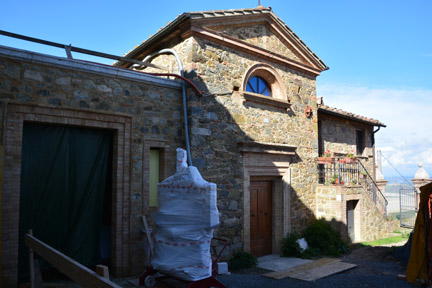
Podere Zingoni belongs to this tradition. The address, 53047 Sarteano, Province of Siena, places it within a municipality whose historic centre stands at roughly 570 metres above sea level, with views that extend south toward Lazio and east toward Umbria on clear days. The word podere is itself an architectural and agrarian category: a self-contained farming unit, typically organised around a principal farmhouse, outbuildings, and cultivated land, functioning as both habitation and productive estate. Across Tuscany, hundreds of such properties have been converted over the past three decades, but the quality of that conversion varies enormously. The ones that read as coherent rather than merely renovated tend to be those where the physical logic of the original structure has been respected rather than overwritten.
Sarteano in Its Regional Context
Sarteano sits in the southern quadrant of Siena province, a position that gives it proximity to a concentration of significant sites. Chiusi, with its Etruscan museum and labyrinthine tombs, lies a short drive south. Cetona, one of the more architecturally intact medieval borghi in southern Tuscany, is close to the west. The thermal springs at San Casciano dei Bagni have recently attracted international attention following archaeological discoveries of exceptional Bronze Age and Roman-era bronze votive statues, making the wider area a focus of serious cultural interest beyond the standard agriturismo circuit.
For properties like Podere Zingoni, this geography functions as a practical asset. Travellers based here can reach Pienza in under thirty minutes, Montepulciano in roughly the same time, and the Orcia valley floor, protected as a UNESCO World Heritage landscape since 2004, without committing to the longer transfers required from Florentine or coastal bases. The relative quietness of Sarteano itself, compared to the more heavily visited towns on the Crete Senesi circuit, is a structural advantage for guests who want proximity to the region's draws without the midday congestion those towns attract through summer.
This positions the property alongside a set of comparable southern Sienese retreats, including Rosewood Castiglion Del Bosco in Montalcino, which anchors the northern end of the same wine and landscape corridor, and Borgo San Felice Resort in Castelnuovo Berardenga, which operates further north in the Chianti Classico zone. Both represent larger-scale estate conversions with more extensive programming and international brand affiliation. Podere Zingoni, as a podere rather than a borgo, implies a smaller footprint and a correspondingly more contained experience.
The Design Logic of Converted Agricultural Architecture
Across Italian agriturismo and boutique estate accommodation, the most coherent properties share a particular discipline: they treat the agricultural past not as aesthetic material to be staged, but as a functional inheritance to be maintained. This means keeping exposed ceiling beams at their original height rather than dropping them for visual effect, retaining original floor plans even where they complicate contemporary circulation, and using stone and plaster finishes that weather in ways consistent with the building's age rather than resisting it.
The podere typology reinforces this discipline by its nature. These are working or formerly working farms, and their spatial grammar, thick external walls, deep-set windows, shaded loggie facing the productive land, reflects agricultural logic rather than hospitality convention. When that logic is left intact, the result is an atmosphere that no amount of designed-in rusticity can replicate: the silence of walls built for insulation rather than impression, the quality of light filtered through small apertures cut for ventilation, the proportional relationship between interior space and exterior land that makes a building feel like it belongs where it stands.
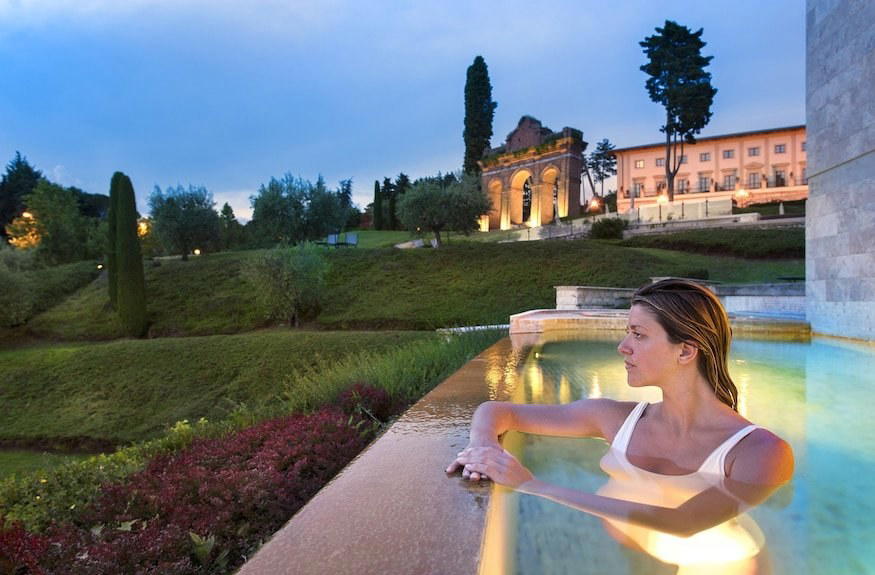
For travellers who have moved through the larger Italian luxury properties, from the palatial scale of Four Seasons Hotel Firenze in Florence to the architectural drama of Aman Venice, a property operating in the podere register offers a deliberately different proposition. The comparison is not competitive; it is categorical. Where those properties deploy grand architecture as part of the experience, a Sienese farmstead in good hands offers compression: fewer keys, a direct relationship between guest and land, and a physical environment whose character comes from use over time rather than construction for effect.
Other Italian properties occupying adjacent positions in this spectrum include Corte della Maestà in Civita di Bagnoregio, which operates within a similarly ancient and contained built environment, and Castelfalfi in Montaione, which represents a larger-scale Tuscan estate conversion. The range between these models illustrates how varied the converted-estate category has become across central Italy. See also Casa Maria Luigia in Modena and Borgo Egnazia in Savelletri di Fasano for how analogous conversions read in Emilia-Romagna and Puglia respectively, where climate, materials, and agricultural tradition produce very different atmospheres from the same basic model.
Planning a Stay
Sarteano is accessible by car from both Rome and Florence, with the A1 autostrada providing the most direct approach; the nearest interchange is at Chiusi-Chianciano Terme, after which the road climbs into the hills toward Sarteano itself. The town is not well-served by rail for a final-leg arrival, so a rental car is the practical standard for this part of southern Tuscany. Spring and early autumn represent the most considered visiting periods: the Val d'Orcia cypress alignments photograph at their leading under softer light, harvest activity in the Montepulciano and Montalcino zones adds dimension to the region in September and October, and temperatures allow for unhurried walking in a way that July and August do not. For those building a broader Italian itinerary, this area pairs naturally with the Amalfi Coast properties further south, among them Borgo Santandrea and Il San Pietro di Positano, or with lake-district properties to the north such as Passalacqua in Moltrasio and Grand Hotel Tremezzo.
For a full picture of what Sarteano and its surroundings offer in terms of dining and lodging, see our full Sarteano restaurants guide.
Comparison Snapshot
| Venue | Price | Awards |
|---|---|---|
| Podere ZingoniThis venue (the venue you are viewing) | $1,000–1,500 | Not listed |
| Aman Venice | $1,000–1,500 | 3 Michelin Keys · World's 50 Best #79 |
| Cipriani, A Belmond Hotel, Venice | $750–1,000 | 3 Michelin Keys · World's 50 Best #72 |
| Four Seasons Hotel Firenze | $750–1,000 | 3 Michelin Keys · World's 50 Best #12 |
| Rosewood Castiglion Del Bosco | $1,000–1,500 | 3 Michelin Keys · World's 50 Best #62 |
| Bulgari Hotel Roma | Not listed | 3 Michelin Keys · World's 50 Best #32 |
Continue exploring
More in Sarteano
Hotels in Sarteano
All hotels in Sarteano →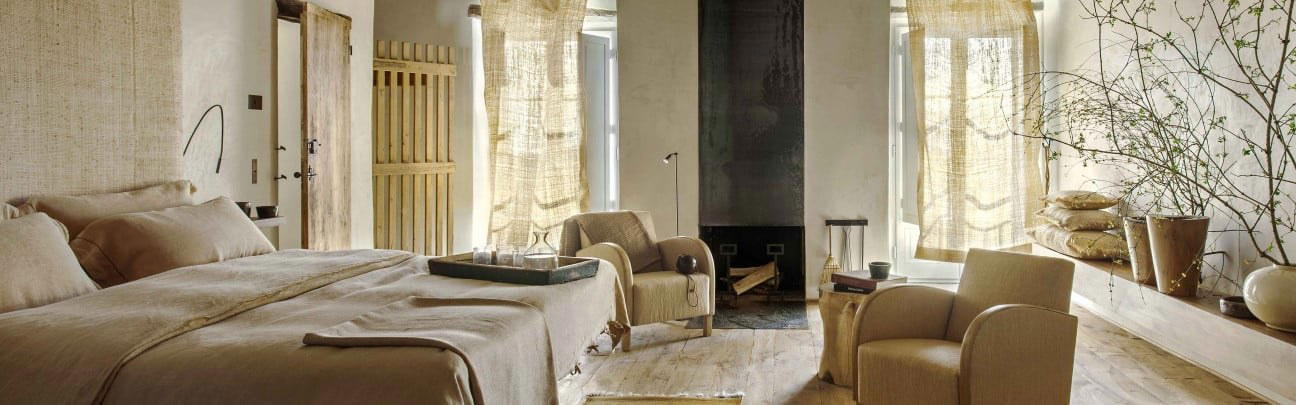
Bars in Sarteano
Browse all →
Details
- Romantic
- Scenic
- Rustic
- Elegant
- Romantic Getaway
- Family Vacation
- Group Retreat
- Weekend Escape
- Private Villa
- Infinity Pool
- Garden
- Panoramic View
- Terrace
- Wi Fi
- Pool
- Laundry Service
- Garden
- Pet Friendly
- Garden
- Vineyard
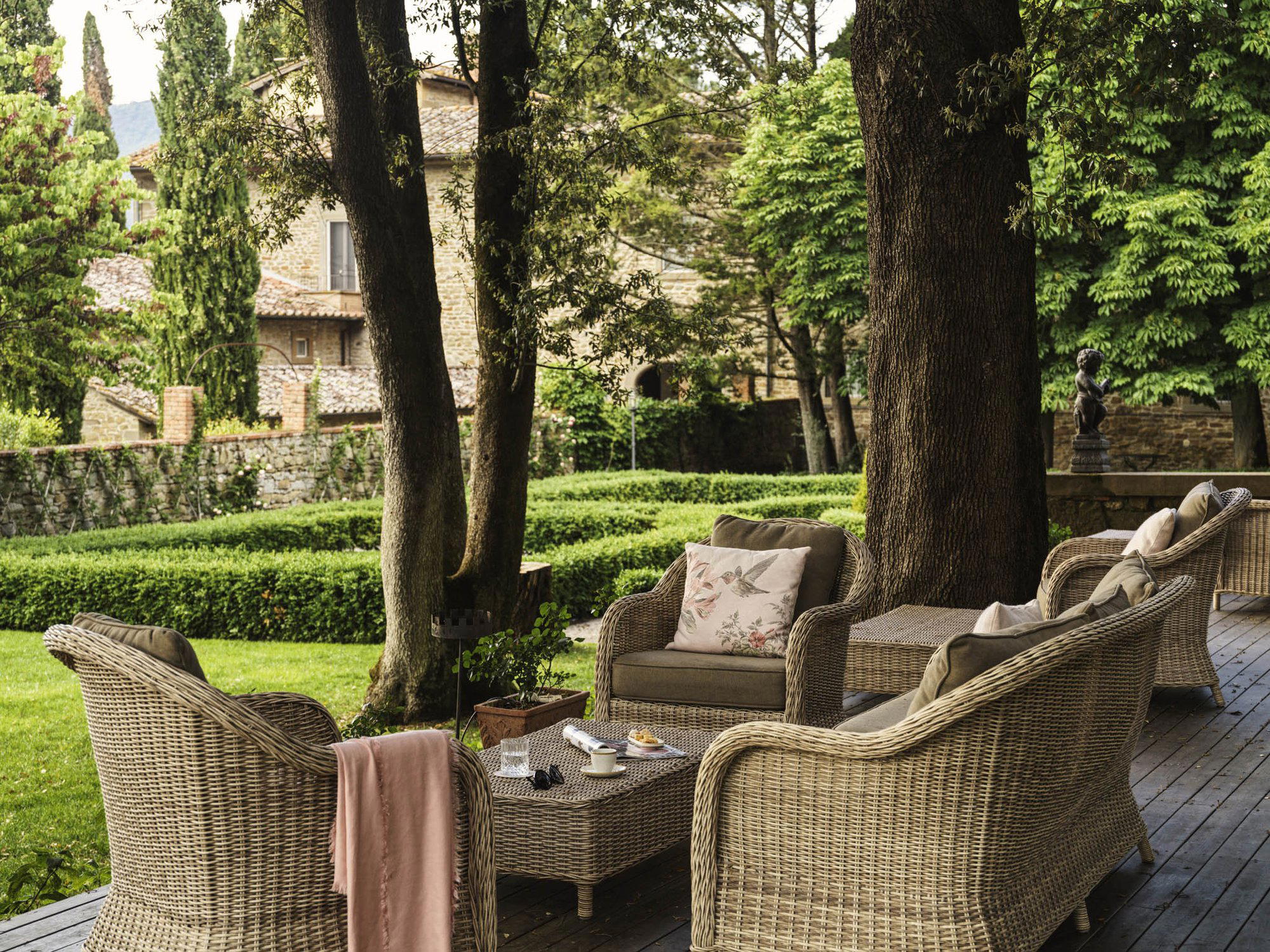
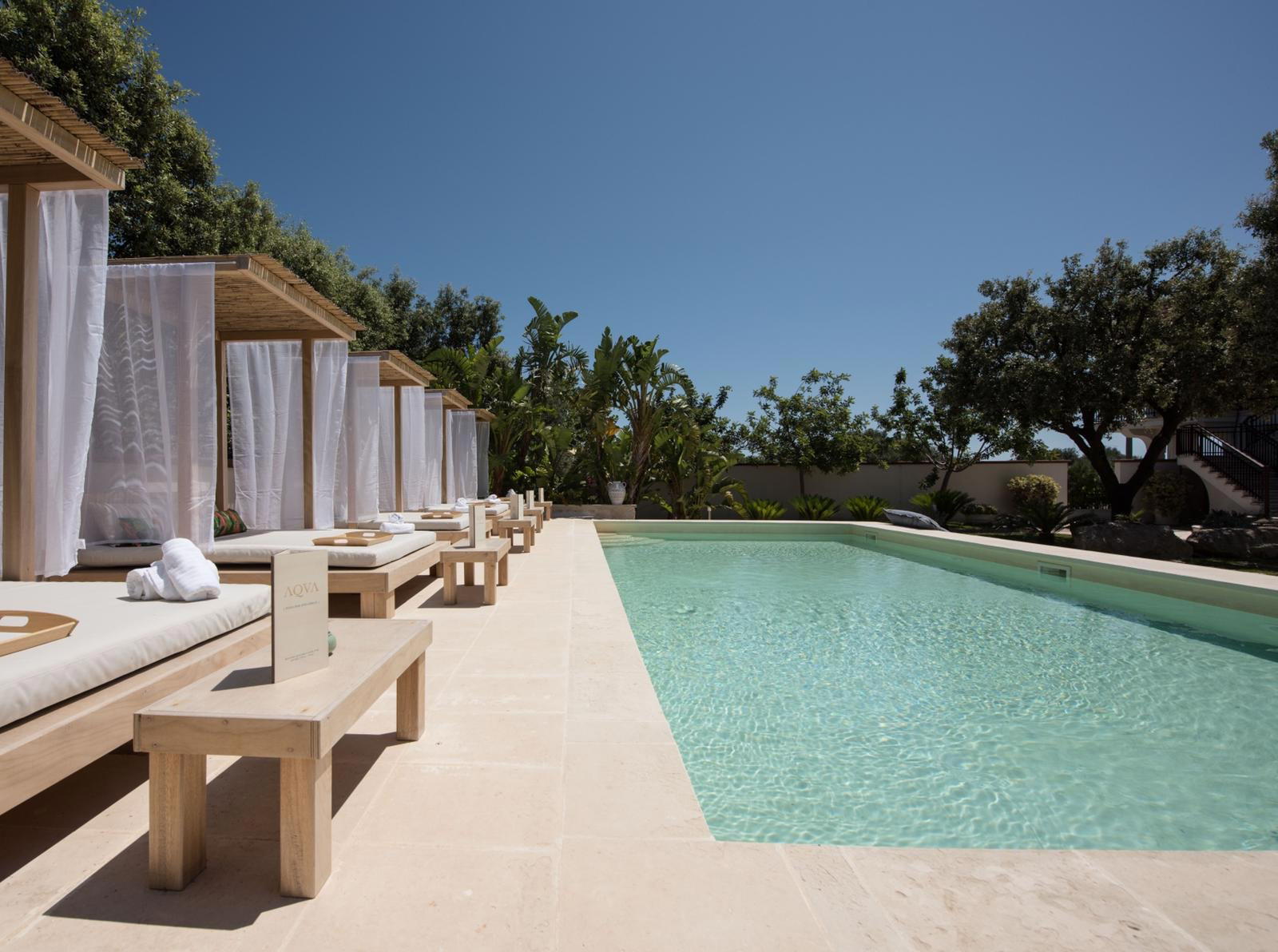
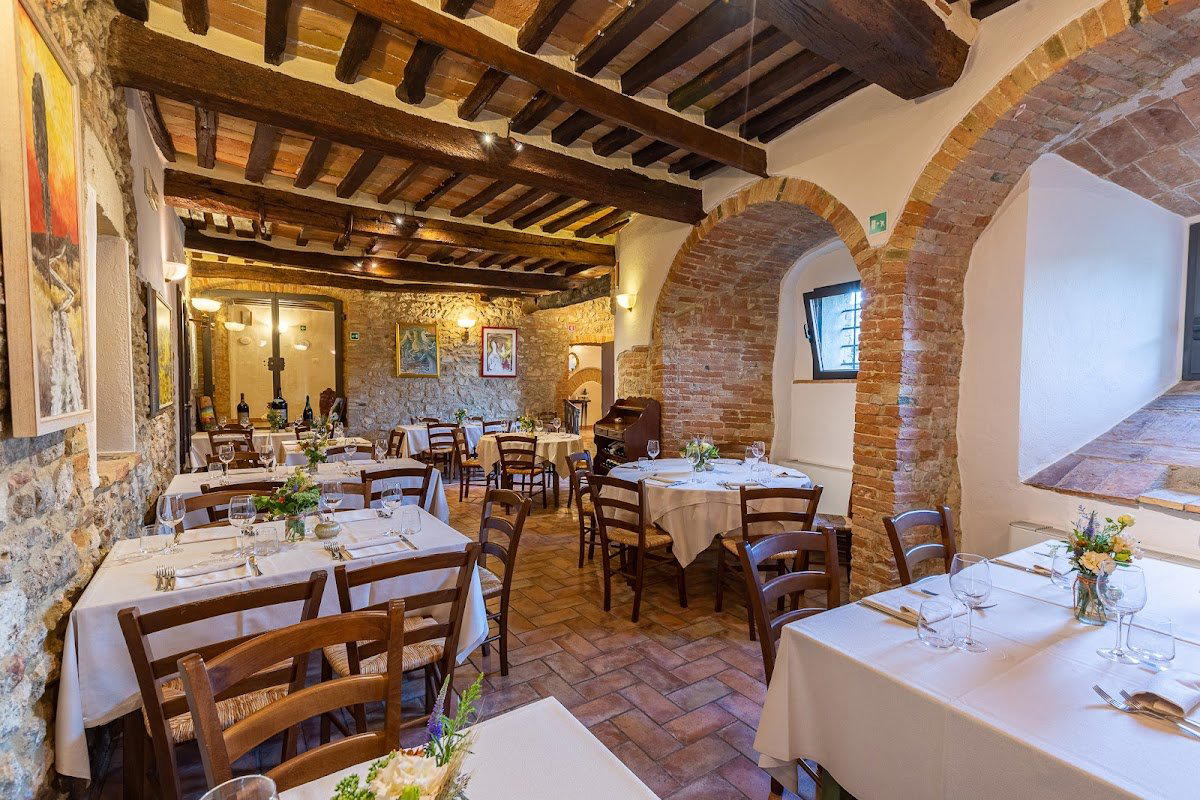
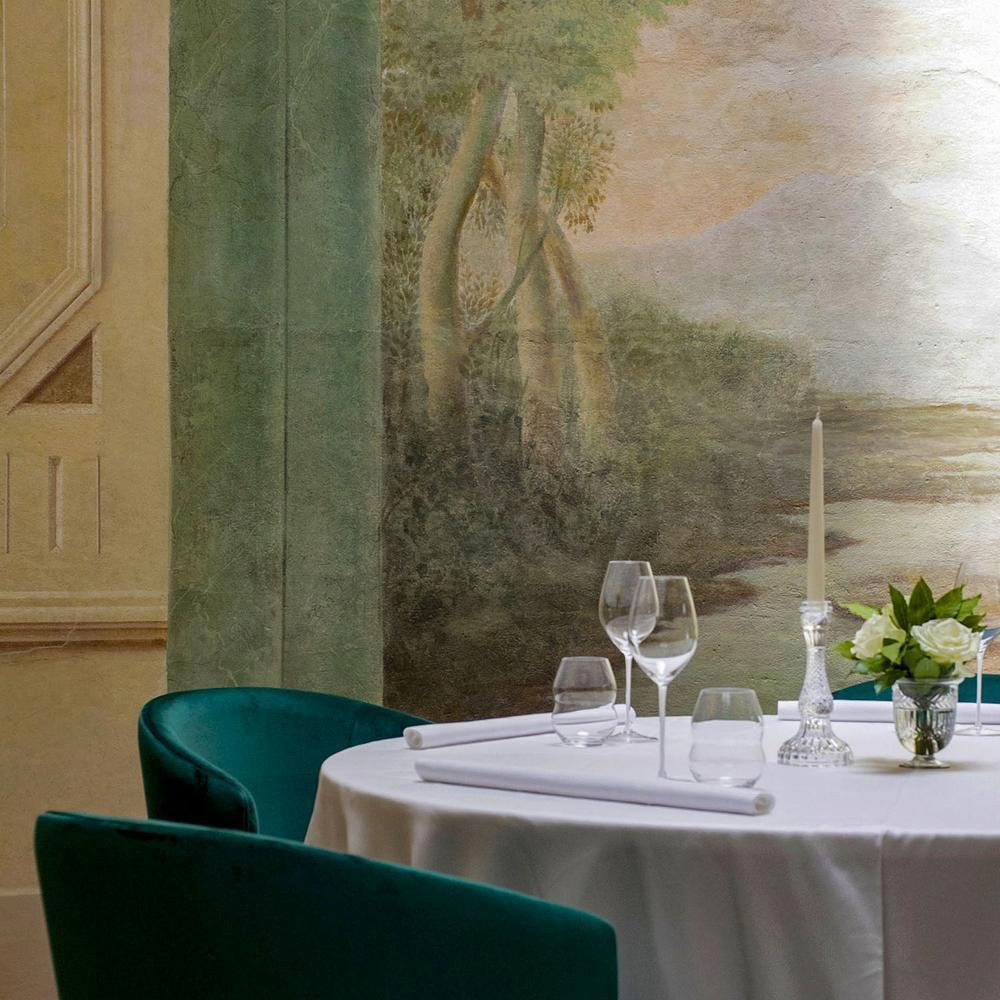
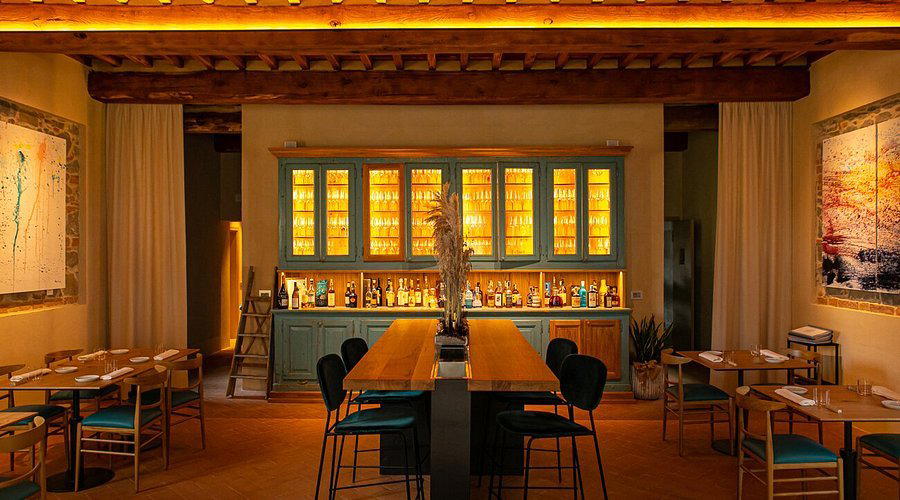
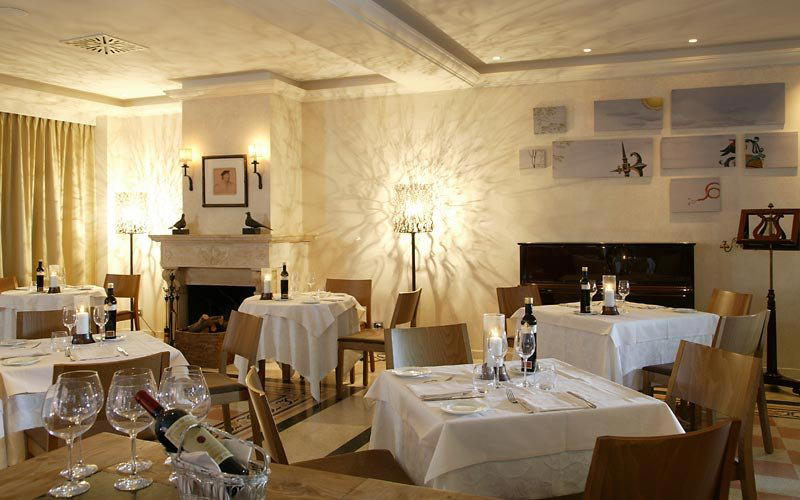
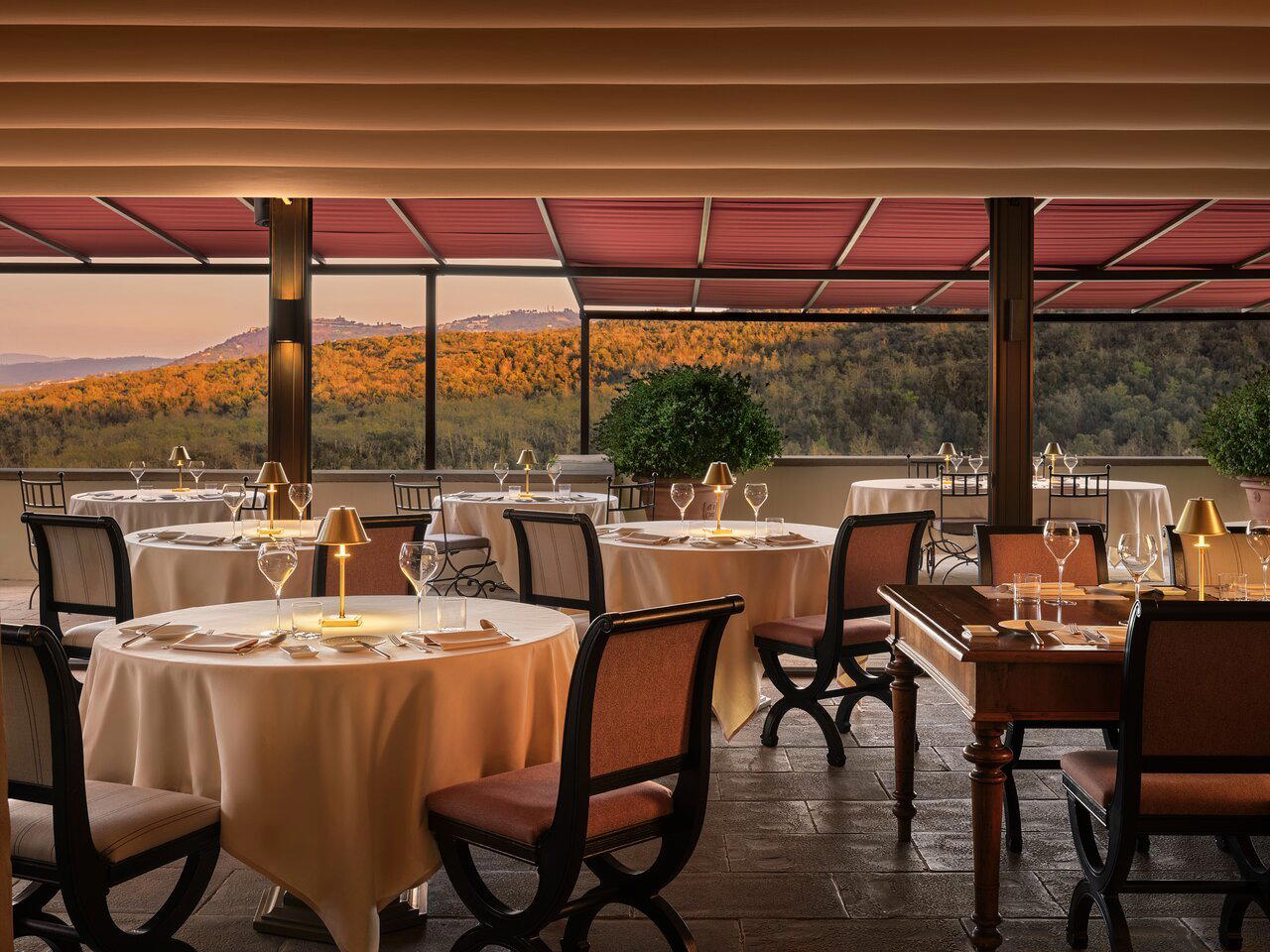
Warm and inviting with terracotta accents, rustic furnishings, natural light from expansive windows, and shaded terraces offering panoramic views of the Tuscan countryside.