Perle Oban Hotel

Michelin Selected
Selected by the Michelin Guide Hotels 2025, Perle Oban Hotel occupies a position on Station Road that places it within walking distance of Oban's ferry terminal and waterfront. The property sits in a town that functions as the principal gateway to the Inner Hebrides, making location as much a design feature as the building itself. For travellers routing through Argyll, it represents the considered middle ground between functional transit stops and the more remote lodge properties of the western coast.

Pearl is the En Primeur Club membership app — saves, bookings, and concierge access live there. Same editors, same standards.
- Address
- Station Square, Station Rd, Oban PA34 5RT, United Kingdom
- Phone
- +44 1631 700301
- Website
- perlehotels.com
- Directions
- Get directions
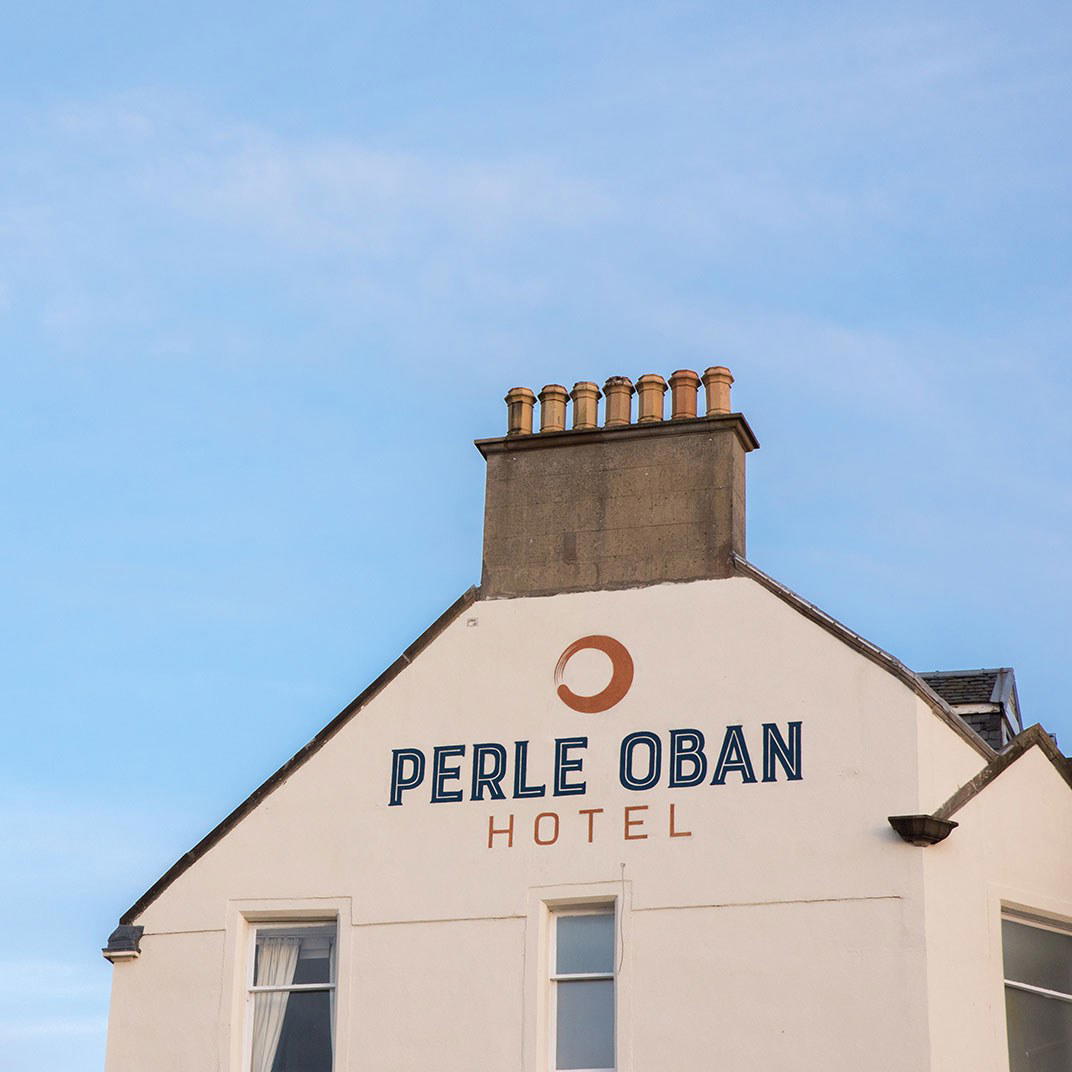
Arriving at the Water's Edge of Argyll
Oban is the kind of town that earns its keep through geography rather than grandeur. Positioned at the mouth of a sea loch, with ferries departing daily for Mull, Islay, Colonsay, and the outer island chains, it functions as the principal western gateway to Scotland's island networks. Accommodation here has historically split between practical overnight lodging for ferry passengers and the occasional property that takes the setting seriously enough to frame it. Perle Oban Hotel, on Station Road, sits at the more considered end of that divide, close enough to the CalMac terminal to be genuinely practical and designed in a way that acknowledges its coastal position rather than ignoring it.
The hotel's selection for the Michelin Guide Hotels 2025 places it in a specific tier within the Scottish west coast accommodation market. Michelin's hotel selection process, separate from its restaurant star system, evaluates character, comfort, and setting rather than scale. Properties like Gleneagles in Auchterarder or Isle of Eriska Hotel and Spa, also in the Oban region, sit in that same guide, and the common thread is an approach to hospitality that takes its environment as a starting point rather than an afterthought.
Design in a Working Port Town
The architectural context of Oban is not one of pristine heritage conservation. It is a working harbour with Victorian stone buildings, a functioning railway terminus, a distillery, and the operationally odd McCaig's Tower looming over everything on a hillside above the bay. Design-led hospitality in this setting faces a different set of constraints than it would in, say, a rural estate context. The challenge is not to conjure isolation but to mediate between an active townscape and the water that gives the place its character.
Properties that handle this well in Scottish coastal towns tend to do so through considered material choices, framing of water views, and interiors that reference the palette of the surrounding landscape without tipping into predictable tartan-and-tweed shorthand. The west coast of Scotland has developed a small cohort of properties that operate on this principle, running from lodge-scale retreats like Kilchoan Estate in Inverie through to smaller town-based hotels. Perle Oban Hotel belongs to the town-based category, where design has to work harder because the setting is not automatically curated.
Its Station Road address puts it at the intersection of practical and atmospheric. The railway station is the terminus of the Caledonian Sleeper route from London Euston, which means arriving guests can step off a sleeper train and be at the hotel within minutes, a logistical detail that meaningfully changes the calculus for travellers coming from southern England. For those arriving by road from Glasgow, the A85 route through Loch Lomond and Argyll is roughly two hours under normal conditions.
Where Perle Sits in the Scottish West Coast Hotel Market
Scotland's premium hotel sector has diversified considerably over the past decade. The traditional model, anchored by large sporting estates and grand Victorian railway hotels, now sits alongside a newer tier of smaller, more design-conscious properties that prioritise atmosphere and food quality over acreage. In the Highlands and west coast specifically, that newer tier includes places like Langass Lodge in the Western Isles and the Isle Of Eriska, each of which operates with a distinct sense of place embedded in the property's identity.
Perle Oban Hotel occupies a different position within that landscape. Rather than remote isolation, it offers access: to ferries, to the town itself, to the distillery, to the seafood that moves through Oban's pier daily. The Michelin selection confirms that this access-oriented positioning has been executed with enough care to warrant the guide's attention, which is a meaningful signal in a category where many properties settle for serviceable rather than considered.
For travellers who use Oban primarily as a staging point for the islands, the quality of accommodation in the town itself has historically been a secondary concern. That assumption has been quietly challenged by properties that treat the town as a destination in its own right rather than a transit node. Our full Oban restaurants guide covers the broader dining and hospitality picture in the town, which has seen notable improvement in line with Scotland's wider food scene trajectory.
Planning and Practical Orientation
Oban operates on a distinct seasonal rhythm. The ferry season to more remote islands peaks from late spring through early autumn, and accommodation demand in the town tracks that pattern closely. Travellers planning to use Perle Oban Hotel as a base for island routing should book well ahead of the summer months, particularly for weekend stays that align with CalMac schedules. The hotel's Michelin recognition is recent, dating to the 2025 guide, which means its profile among travellers who follow that selection process is still building, but it will not remain under the radar for long.
For context on comparable Michelin-selected properties in other UK regions, the standard set by hotels like Lime Wood in Lyndhurst, The Newt in Somerset, or Longueville Manor in Jersey gives a sense of the tier Michelin is placing Perle within. These are not necessarily large or flashy properties; they are properties where the relationship between building, setting, and hospitality has been thought through rather than assembled from a hospitality template. Within Scotland itself, peers like Crossbasket Castle in High Blantyre or The Rutland in Edinburgh give further reference points for the guide's Scottish selection criteria.
Pricing and room-specific information is best confirmed directly with the property, as rates at west coast Scottish hotels shift materially between season and availability windows. The same applies to dining; Oban's food scene is closely tied to what arrives off the boats, and menus in the better establishments follow that supply rather than a fixed programme.
Side-by-Side Snapshot
Comparable venues nearby, for context on price, style, and recognition.
| Venue | Cuisine | Price | Awards | Notes |
|---|---|---|---|---|
| Perle Oban HotelThis venue — the venue you are viewing | Luxury boutique in historic Victorian building with modern renovations | $100–200 | Michelin Selected | Not listed |
| Isle Of Eriska | Scottish baronial country house on private island | Not listed | Michelin Selected · Virtuoso Luxury Hotel Partner | Benderloch |
| Isle of Eriska Hotel and Spa | Scottish baronial mansion on a private island | Not listed | Michelin Selected · Virtuoso Luxury Hotel Partner | Benderloch |
| The Crown Amersham | Modern coaching inn | Not listed | Michelin Selected · Mr & Mrs Smith Seal of Approval | Old Amersham |
| Thornton Hall Hotel & Spa | luxury country house hotel | $100–200 | Michelin Selected | Thornton Hough |
| Dorsett Alpha Square, Canary Wharf | Contemporary high-rise hotel integrated into the Consort Place mixed-use development, positioned as a modern, sustainability-focused hub for Canary Wharf’s financial and media clientele. | $200–300 | Not listed | Canary Wharf |
Recognition history
Dated appearances from independent guides and award organizations, with the underlying list record or original source where available.
Michelin Selected
Michelin
Continue exploring
More in Oban
Hotels in Oban
Browse all →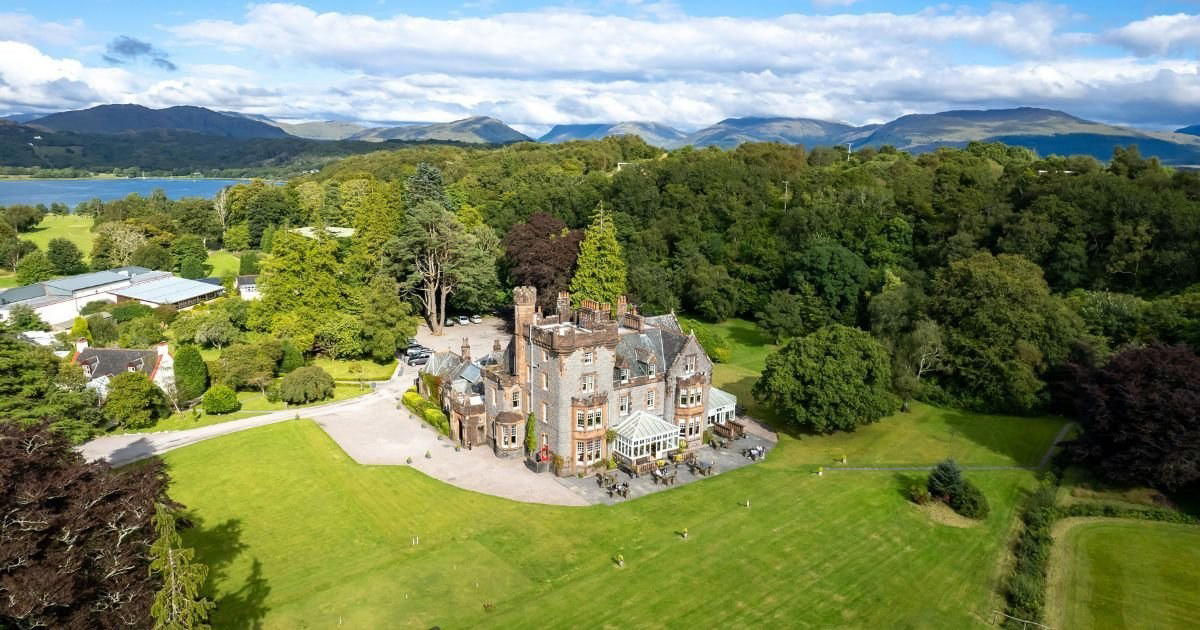
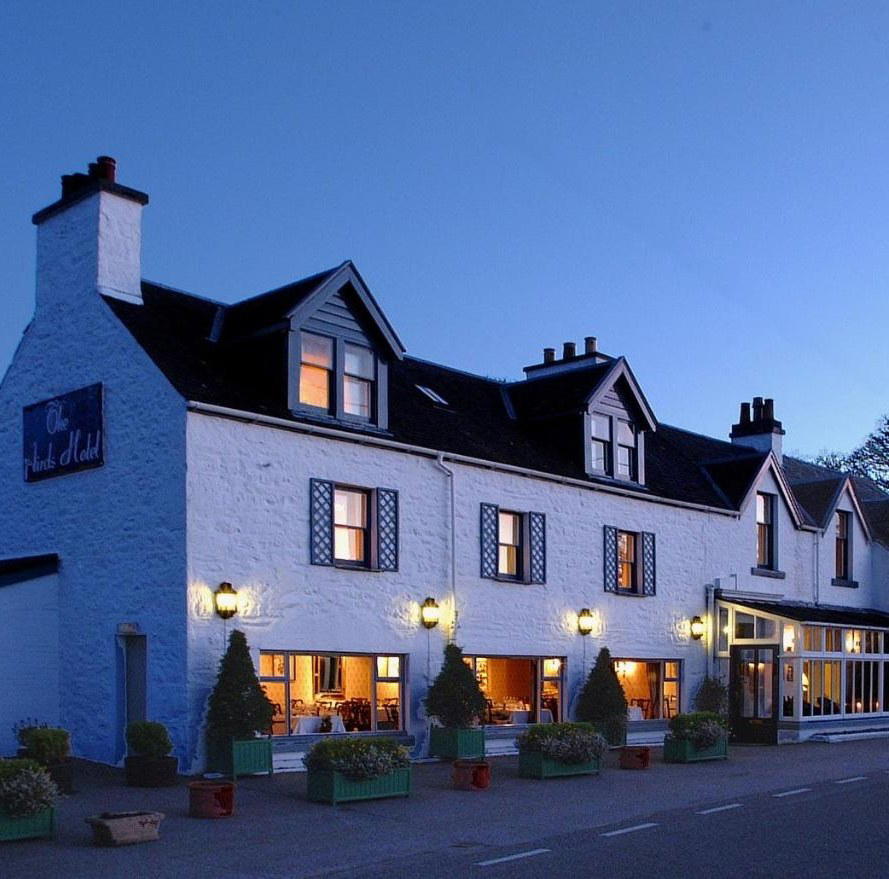
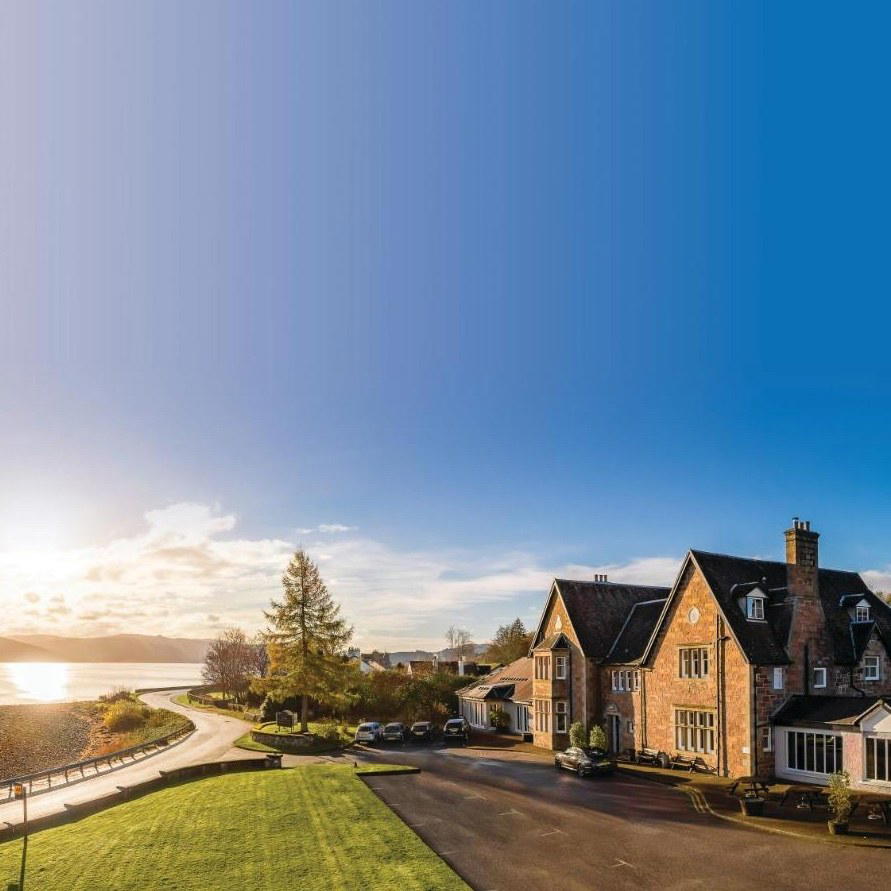

Details
- Scenic
- Elegant
- Cozy
- Sophisticated
- Romantic Getaway
- Weekend Escape
- Waterfront
- Historic Building
- Panoramic View
- Spa
- Wi Fi
- Restaurant
- Bar
- Room Service
- Concierge
- Waterfront
- Elevator
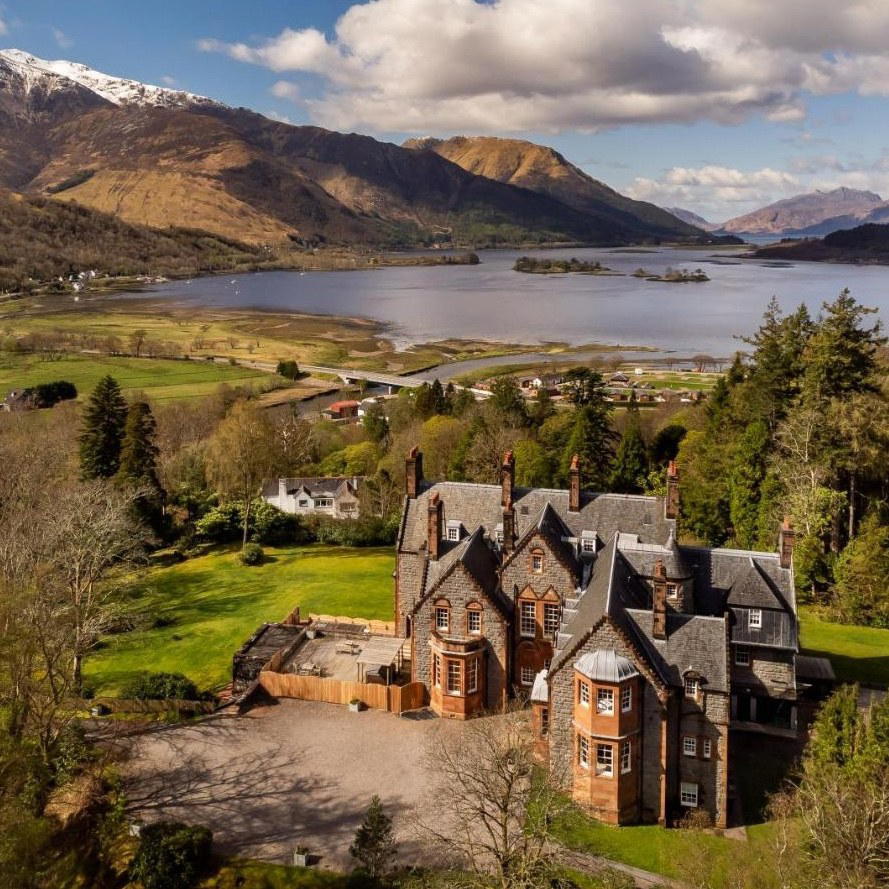
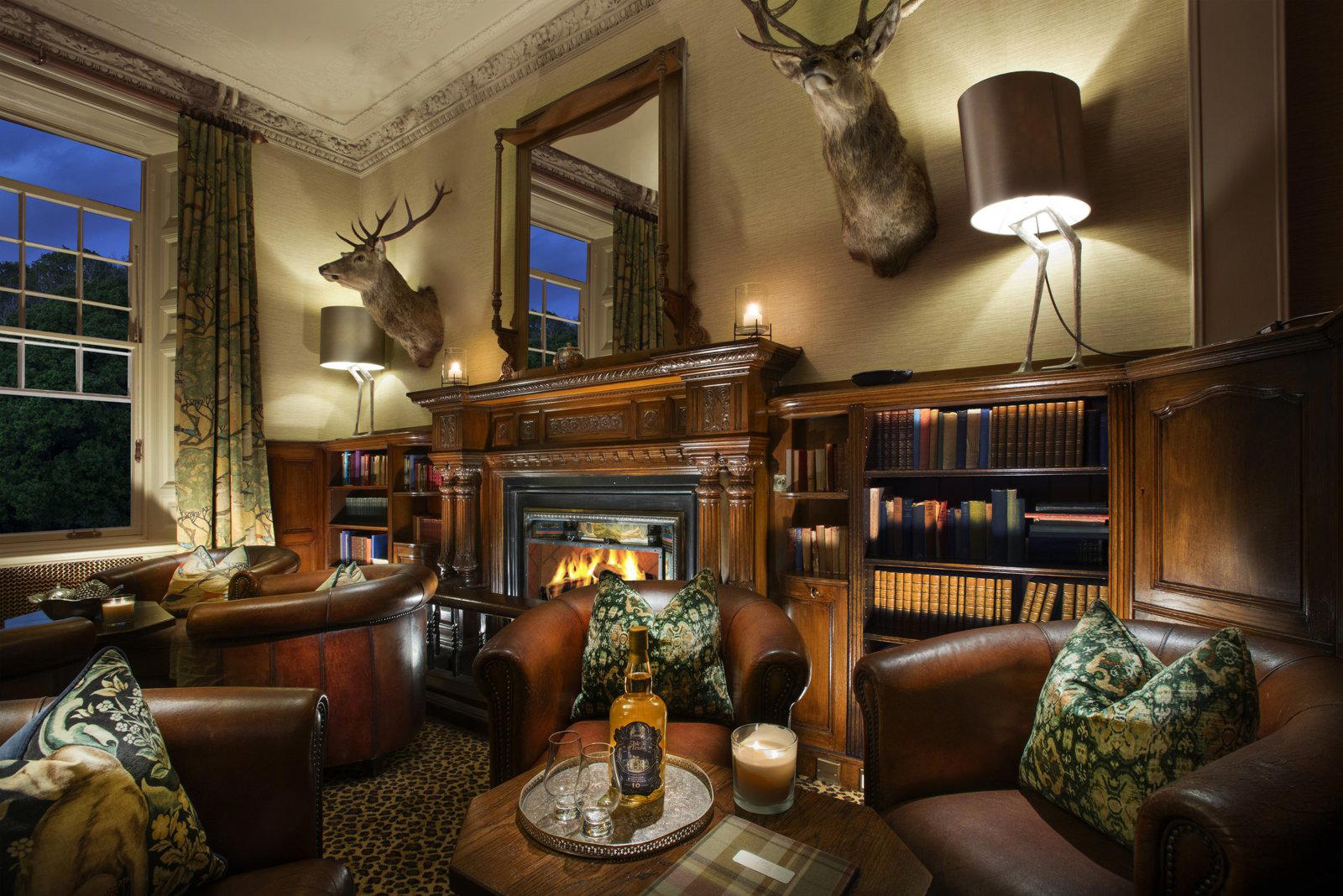
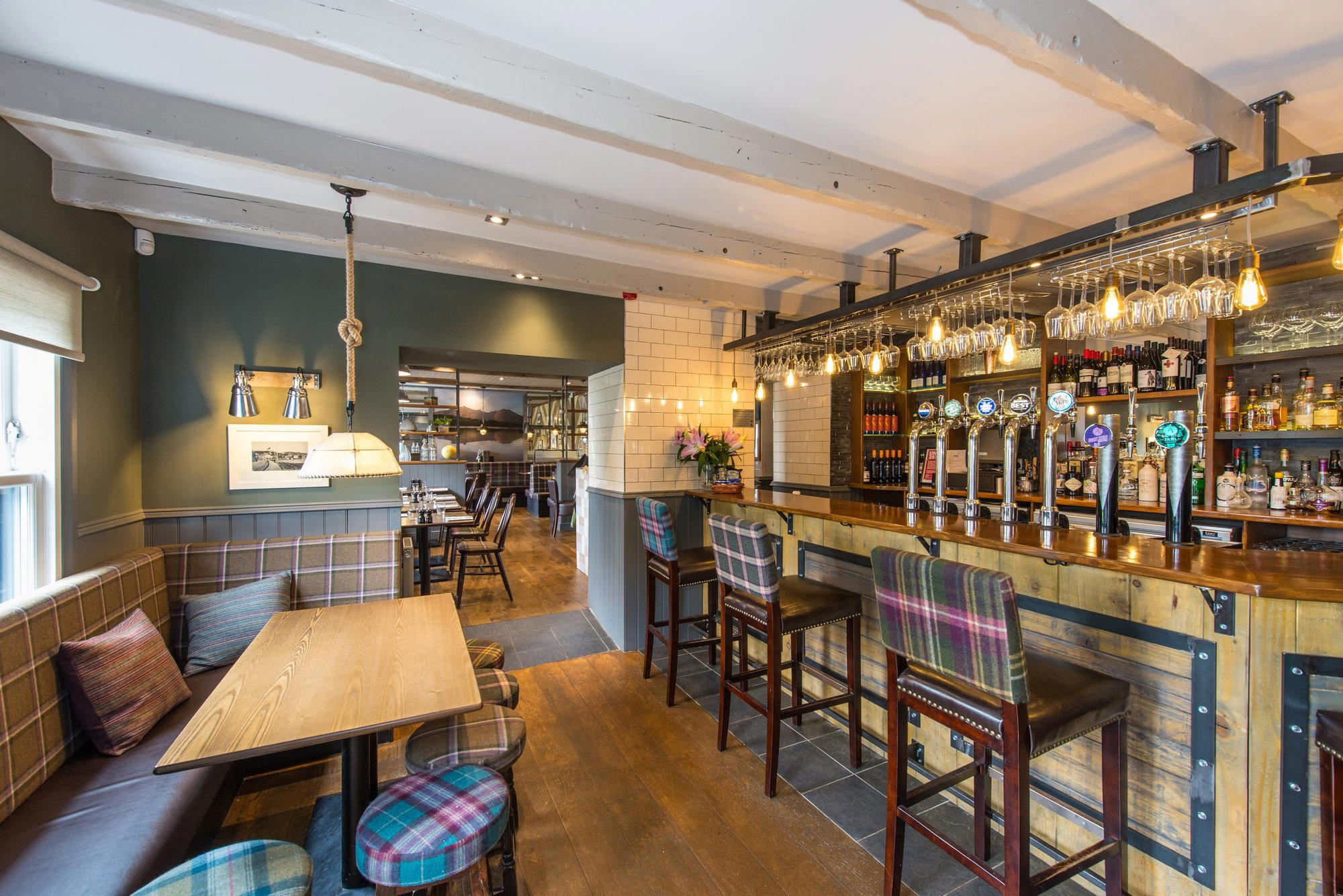
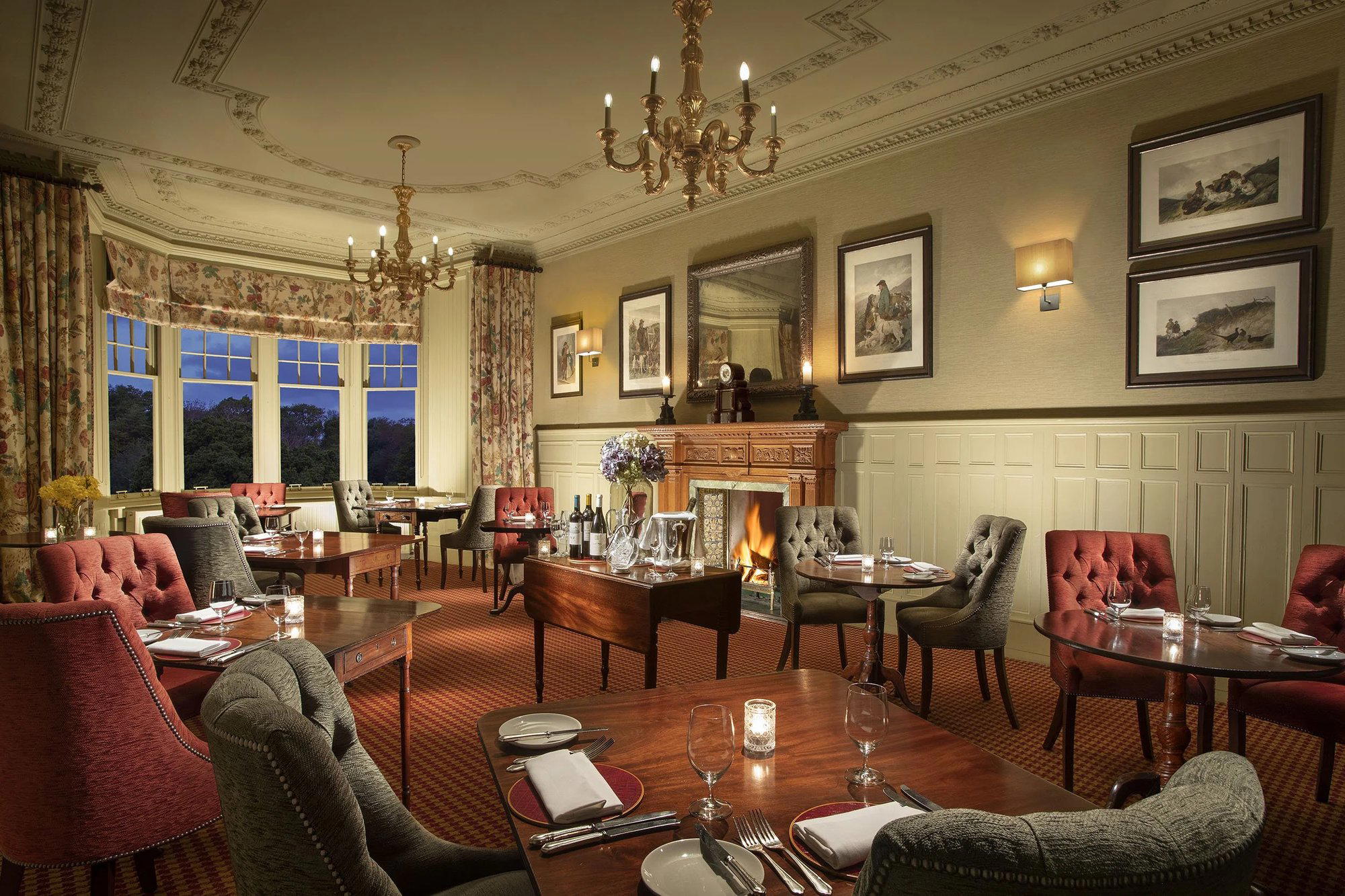
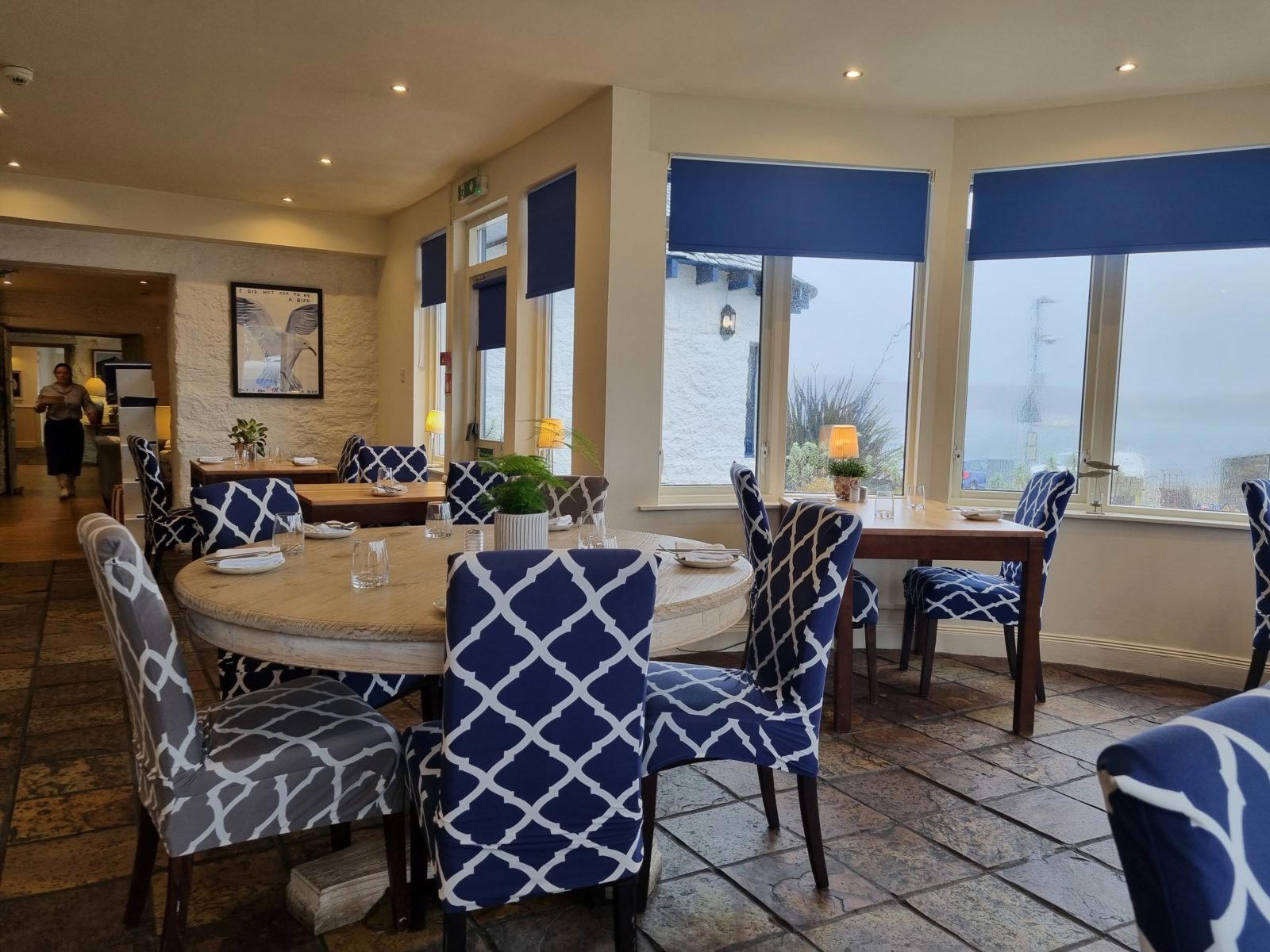
Elegant maritime-inspired interiors with blues and greens evoking sea views, combining Victorian charm with modern luxury.