One Devonshire Gardens by Hotel du Vin
One Devonshire Gardens by Hotel du Vin occupies a row of restored Victorian townhouses in Glasgow's West End, placing it in the city's small tier of hotels where architecture and atmosphere do as much work as the kitchen. The property's association with the Hotel du Vin group positions it within a British dining tradition that treats wine, ritual, and room as inseparable parts of the same experience.
 Discover on Pearl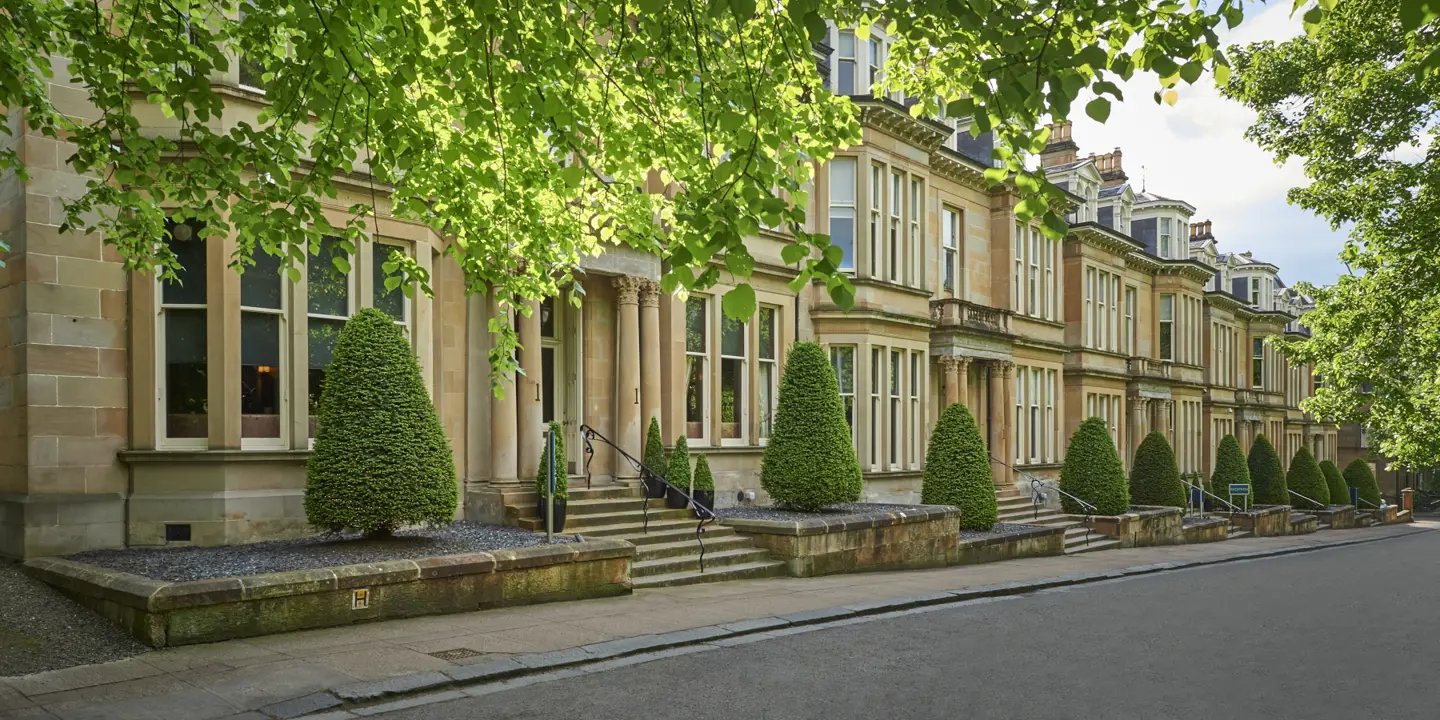
Glasgow's West End and the Art of the Unhurried Meal
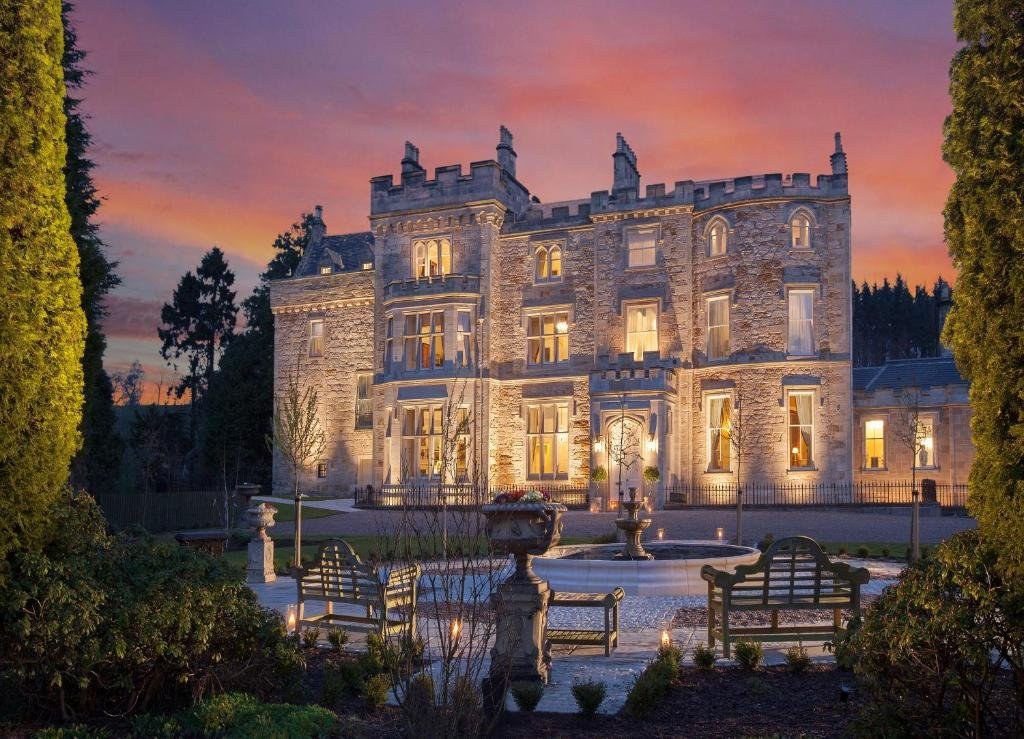
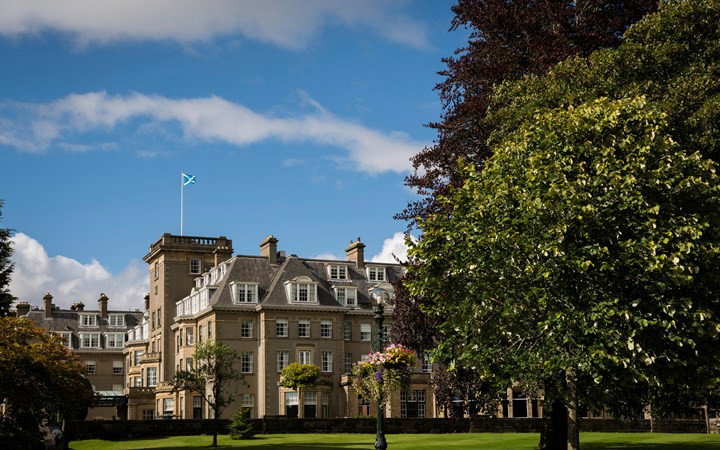
There is a particular kind of hotel dining that Glasgow does quietly well: the sort where the building itself sets the pace before anyone has looked at a menu. One Devonshire Gardens by Hotel du Vin sits at the quieter, residential end of Great Western Road, occupying a terrace of late Victorian townhouses in the G12 postcode that the city's West End has long claimed as its most composed neighbourhood. Approaching along tree-lined streets, past the kinds of sandstone facades that Glasgow's grid throws up with regularity, the property reads less like a hotel entrance and more like a private address that happens to have a lit candle in every window after dark. That quality of containment is deliberate, and it shapes everything that follows inside.
The Hotel du Vin Dining Tradition
The Hotel du Vin group has operated across British cities long enough to develop a recognisable philosophy around wine and the table. Where many boutique hotel groups treat the restaurant as an amenity, Hotel du Vin properties position the wine list and dining room as the point of the stay. That tradition arrived in Glasgow with One Devonshire Gardens, and it places the property in a specific peer set: not the large-footprint city-centre hotel with a brasserie on the ground floor, but the smaller, room-count-limited operation where the dining ritual is expected to take up an evening rather than fill an hour between arrivals and meetings. Comparable formats elsewhere in the UK, including the Merchant Hotel in Belfast, show how well this model translates in cities where Victorian civic ambition left behind the kind of architecture that rewards slow occupation.
In Glasgow's current dining scene, this positioning is relatively distinct. The West End has its own established venues, from the long-running institution at Gamba to the sprawling cultural complex at Òran Mór, but One Devonshire Gardens operates at a remove from the high-street dining rhythm. It draws on a different set of expectations, closer to what the Ubiquitous Chip has maintained for decades on Ashton Lane: the idea that a meal in this part of the city should take time, and that the room is part of what you are paying for.
Ritual Over Speed: How a Meal Here Tends to Move
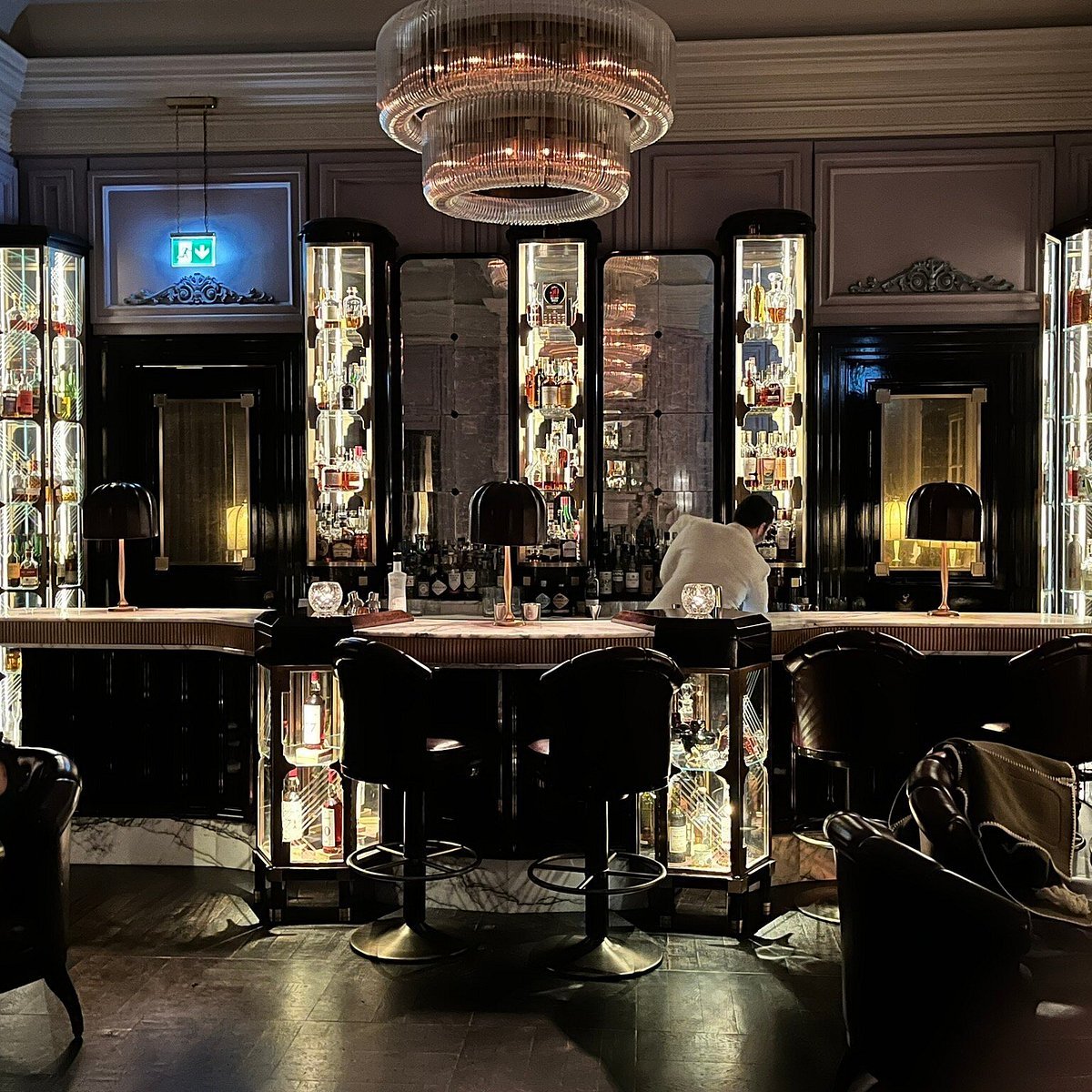
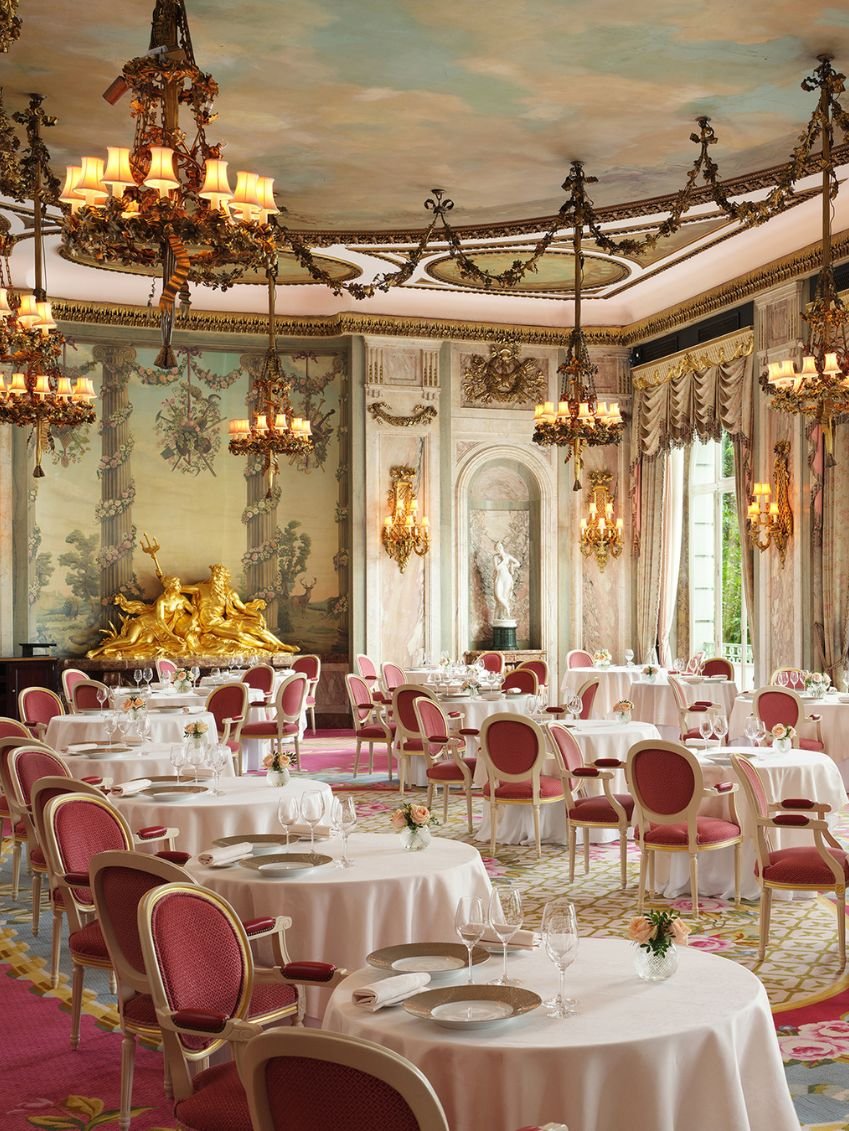
The editorial angle that matters most for One Devonshire Gardens is pacing. Hotel du Vin properties across their British portfolio have historically structured the dining experience around the wine list rather than the kitchen's turning speed, and the townhouse format at this Glasgow address supports that instinct. Multiple interconnected reception rooms, the kind of layout that Victorian domestic architecture produced naturally, allow a meal to move from drinks to table to drinks again without the compressed efficiency of a purpose-built restaurant. You are, in effect, occupying a series of rooms in a large private house, and the social choreography adjusts accordingly.
This kind of format favours repeat visitors who know how to use it. First-time guests sometimes arrive with a restaurant mindset and find that the property rewards a slower calibration. The West End's bar scene, with venues like 182 Queen Margaret Dr and 39 Ashton Ln nearby, means that an evening can extend well beyond the dining room without losing its coherence as a neighbourhood night out.
Placing One Devonshire Gardens in Glasgow's Wider Scene
Glasgow's hotel dining tier has grown more competitive in recent years. The city-centre end of that market is anchored by properties like the Carlton George Hotel, which operates within the volume-and-view logic of urban hotel dining. One Devonshire Gardens occupies a different position: residential, quieter, more deliberately atmospheric. That distinction is worth making because it affects how a visitor should calibrate their expectations. This is not a place to eat quickly and move on; it is a place structured around the assumption that the evening is the destination.
Across the UK, the hotel dining format that most closely parallels what One Devonshire Gardens attempts is found in properties where the building's history does active work in the room. The approach shares something with how Schofield's in Manchester handles the intersection of heritage space and contemporary hospitality, or the way Bramble in Edinburgh uses its subterranean room to shape the experience before a drink is poured. Physical context, in each case, is doing editorial work.
For readers tracking how the British boutique hotel and dining scene is developing, One Devonshire Gardens represents a model that has become less common rather than more: the mid-scale property in a non-London city that treats the dining room with the same seriousness as the rooms upstairs. The trend in British hospitality has been toward either larger branded operations or very small owner-operated inns; the Hotel du Vin tier sits between those poles, which is part of what makes this Glasgow address worth the attention of anyone building a serious itinerary of UK dining. For reference points further afield, the precision-led bar programs at venues like 69 Colebrooke Row in London and the cocktail-forward Bar Leather Apron in Honolulu illustrate how hospitality operations at this level increasingly treat every element of the guest experience, from the first drink to the last course, as part of a coherent whole.
Planning a Visit
One Devonshire Gardens sits in Glasgow's G12 postcode, a short journey by taxi or on foot from Hillhead underground station, which connects directly to the city centre. The West End's compact geography means that the hotel is walkable from the university quarter and from the main stretch of Byres Road's restaurants and bars. For anyone structuring a wider Glasgow visit, our full Glasgow restaurants guide maps the neighbourhood options in more detail. The property's townhouse format and the group's wine-led dining tradition make weekend stays more productive than midweek overnights, when the dining room tends to operate at fuller pace and the neighbourhood is correspondingly more active. Booking ahead for dinner is advisable, particularly if you are travelling as a larger group and want to secure one of the more atmospheric internal rooms rather than a later-addition seating area. Comparable planning logic applies at Mojo Leeds in Leeds and L'Atelier Du Vin Wine and Cocktail Bar in Brighton And Hove, both of which draw on similar wine-and-room traditions and share the characteristic of rewarding guests who arrive with a plan rather than a hope.
Cuisine and Recognition
A short peer table to compare basics side-by-side.
| Venue | Cuisine | Awards | Notes |
|---|---|---|---|
| One Devonshire Gardens by Hotel du Vin | This venue | ||
| The Absent Ear | |||
| The Loveable Rogue West End | |||
| Horseshoe Bar Glasgow | |||
| Ubiquitous Chip | |||
| Òran Mór |
Continue exploring