Monachyle Mhor Hotel
Set against the Loch Voil shoreline in the Balquhidder glen, Monachyle Mhor occupies a position where Scottish remoteness and considered hospitality meet without compromise. The hotel sits well outside the central Stirling orbit, drawing guests willing to trade urban convenience for a setting where the bar and kitchen operate on their own terms. For those tracking rural Scottish properties that take their drinks programme seriously, this is a property worth the detour.
 Discover on Pearl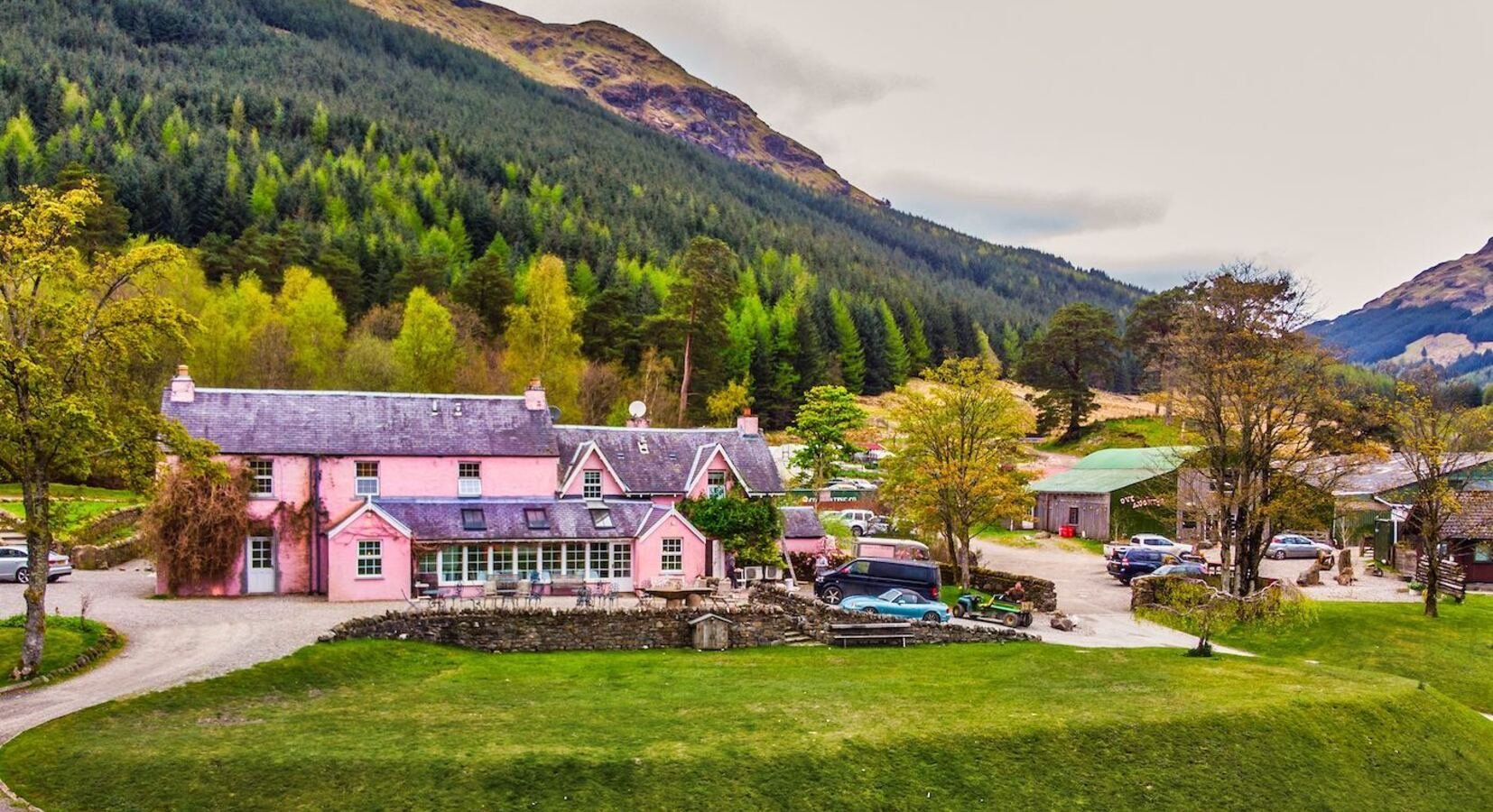
Where the Trossachs Sets the Terms
There is a category of Scottish rural hotel that leans entirely on its scenery, letting the landscape do the work while the hospitality coasts. Monachyle Mhor, positioned along the northern shore of Loch Voil in the Balquhidder glen, is not that. The approach road alone, a single-track lane cutting through hills and open moorland before the loch comes into view, frames the arrival as something earned rather than merely scenic. The property sits at a remove from Stirling's central belt, roughly 25 miles north, and that distance is not incidental. It is the point. What gets built in places this far from a city's competitive noise tends to be more personal and less calculated than what opens on a main street with foot traffic to rely on.
The broader Scottish rural hospitality scene has, over the past decade, split into two recognisable camps: large estate hotels managing volume and conferencing alongside leisure stays, and smaller independent properties developing specialist programmes in food, drink, and local character. Monachyle Mhor belongs to the second group, and the bar operation reflects that positioning. In a glen where the nearest alternative is a roadside pub, a serious drinks offering is not expected. When one exists, it tends to define the property's reputation among those who pay attention.
The Bar Programme in Context
Rural Scottish hotel bars have historically defaulted to a whisky-forward list with a limited cocktail selection appended as an afterthought. The shift toward considered cocktail programmes in countryside properties has been slower here than in Edinburgh or Glasgow, where venues like Bramble in Edinburgh have spent years building the city's cocktail credibility, or in Manchester and Leeds, where Schofield's in Manchester and Mojo Leeds in Leeds have anchored their respective scenes with programme depth.
The case for taking a rural hotel bar seriously rests on what isolation forces: a bar that cannot rely on a passing trade of cocktail enthusiasts has to earn its return visits from guests who are already staying, which means the programme has to sustain interest across multiple evenings. That constraint, when met seriously, tends to produce more coherent and considered lists than venues chasing novelty for first-time walk-ins. The Scottish Highlands and its fringes have a few properties that have leaned into this logic. Monachyle Mhor sits in that company.
Whisky remains the natural anchor here, given the geography. Perthshire and the surrounding region sit within reach of several distilleries, and a bar in this location that ignored that provenance would be making a category error. But provenance-led whisky lists work leading when they are curated with editorial intent rather than assembled as a regional directory. The distinction between a list that teaches the guest something about Scottish production traditions and one that simply stocks local labels is the difference between a drinks programme and a shelf.
For cocktail comparisons at the higher end of the British spectrum, 69 Colebrooke Row in London and the Merchant Hotel in Belfast set a benchmark for what hotel bar programmes can achieve when they operate with genuine technical ambition. Rural properties operate under different constraints, and the comparison is not direct, but the underlying principle applies: the bar should demonstrate that someone made deliberate choices.
Setting and Atmosphere
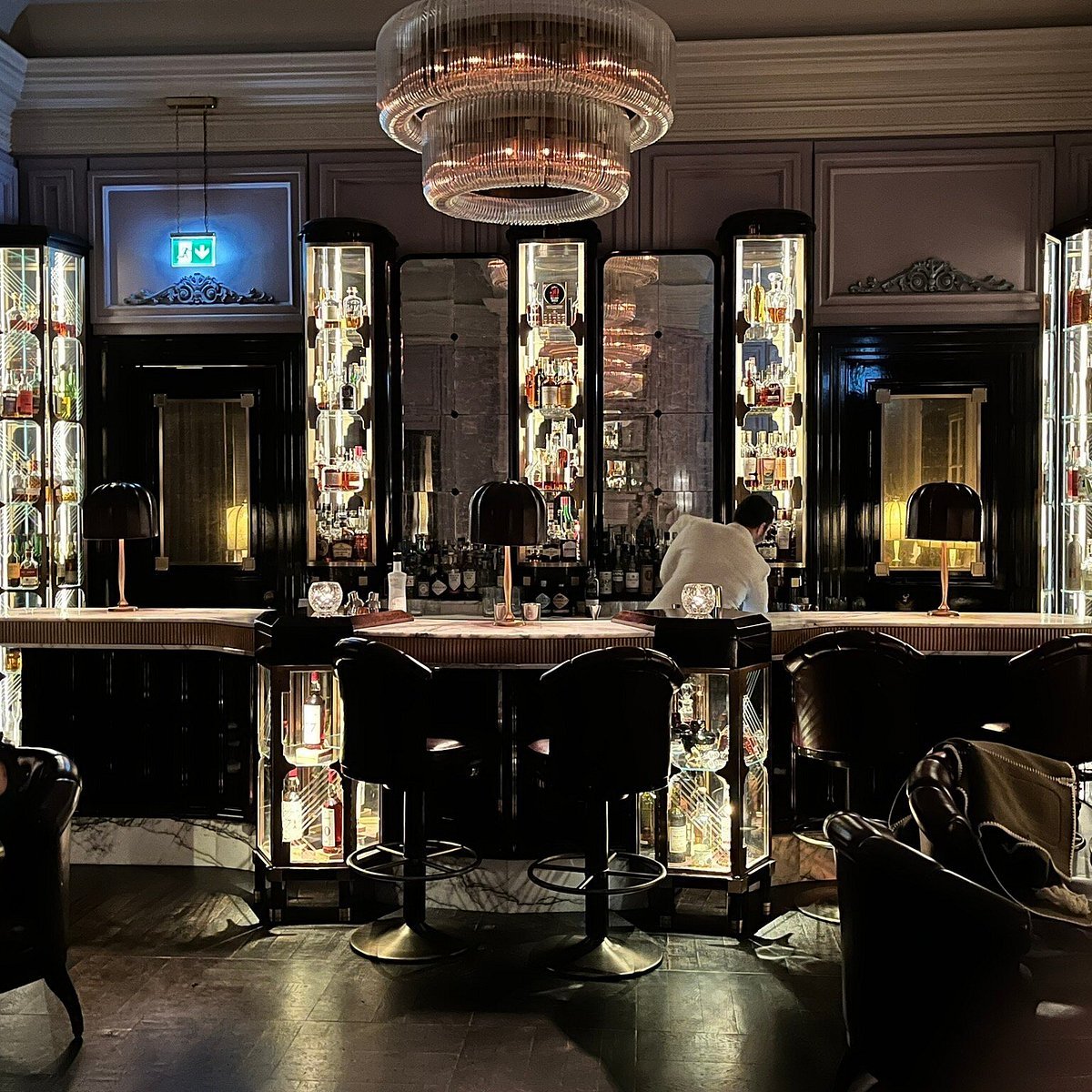
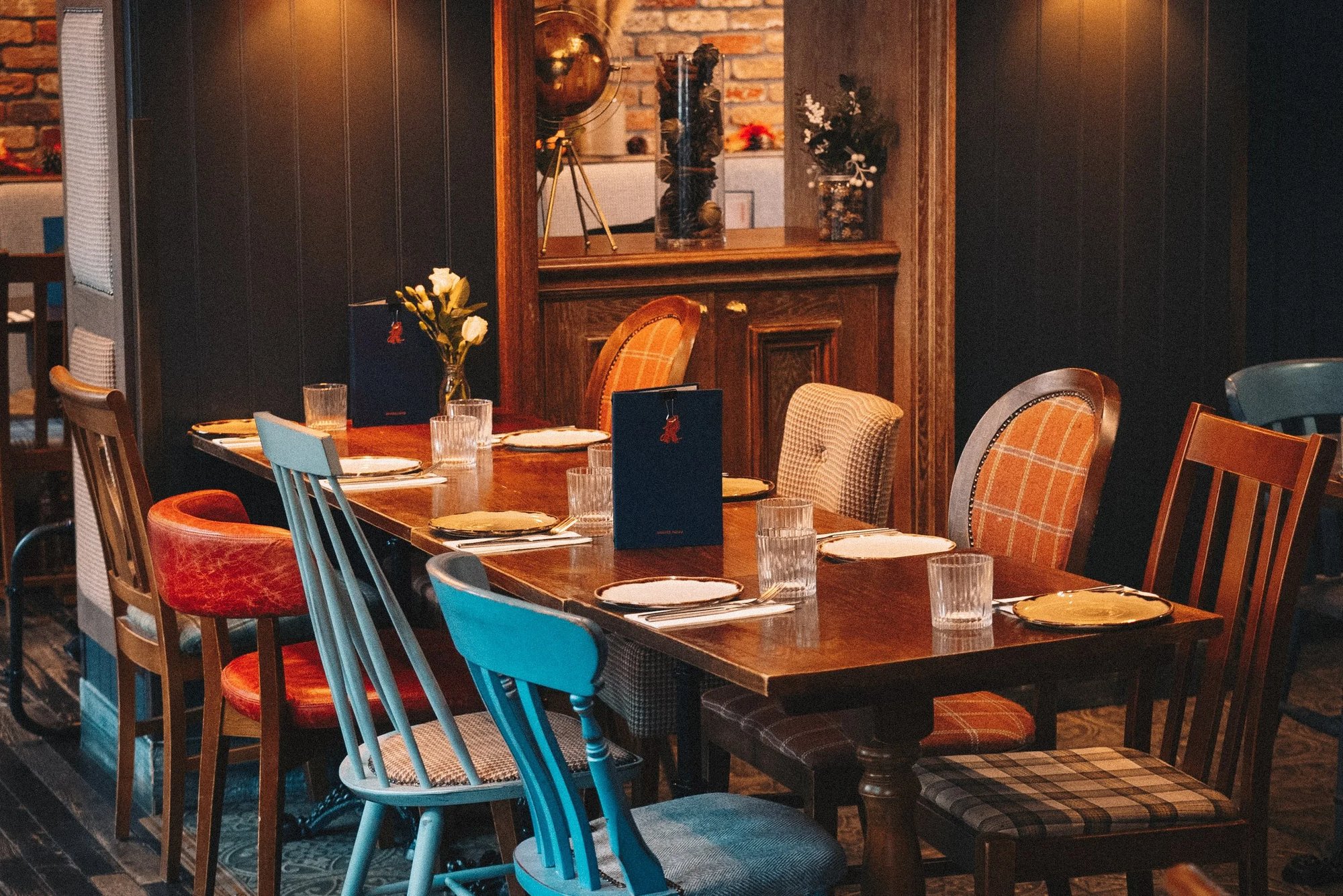
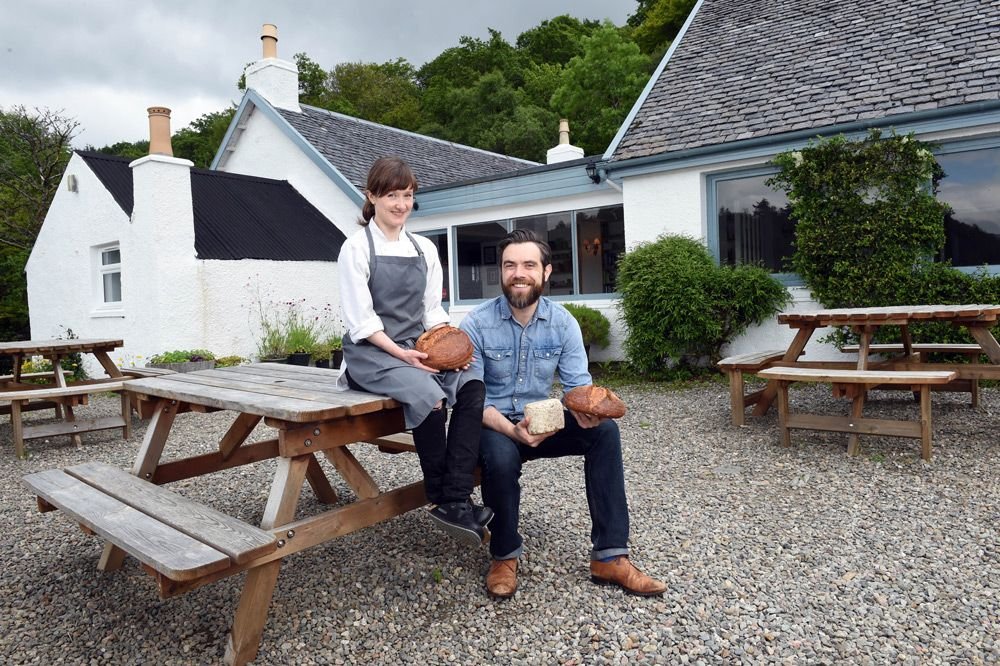
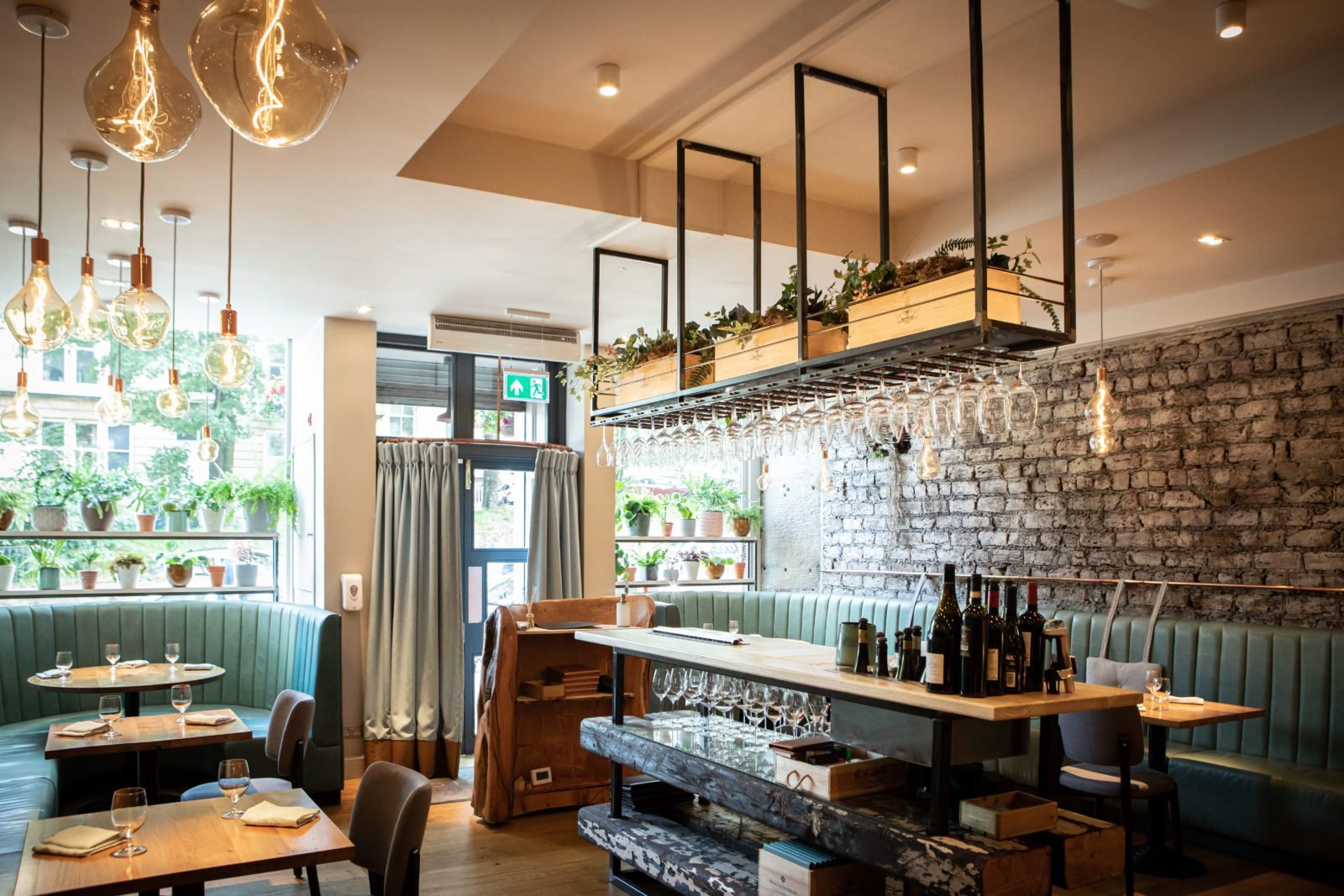
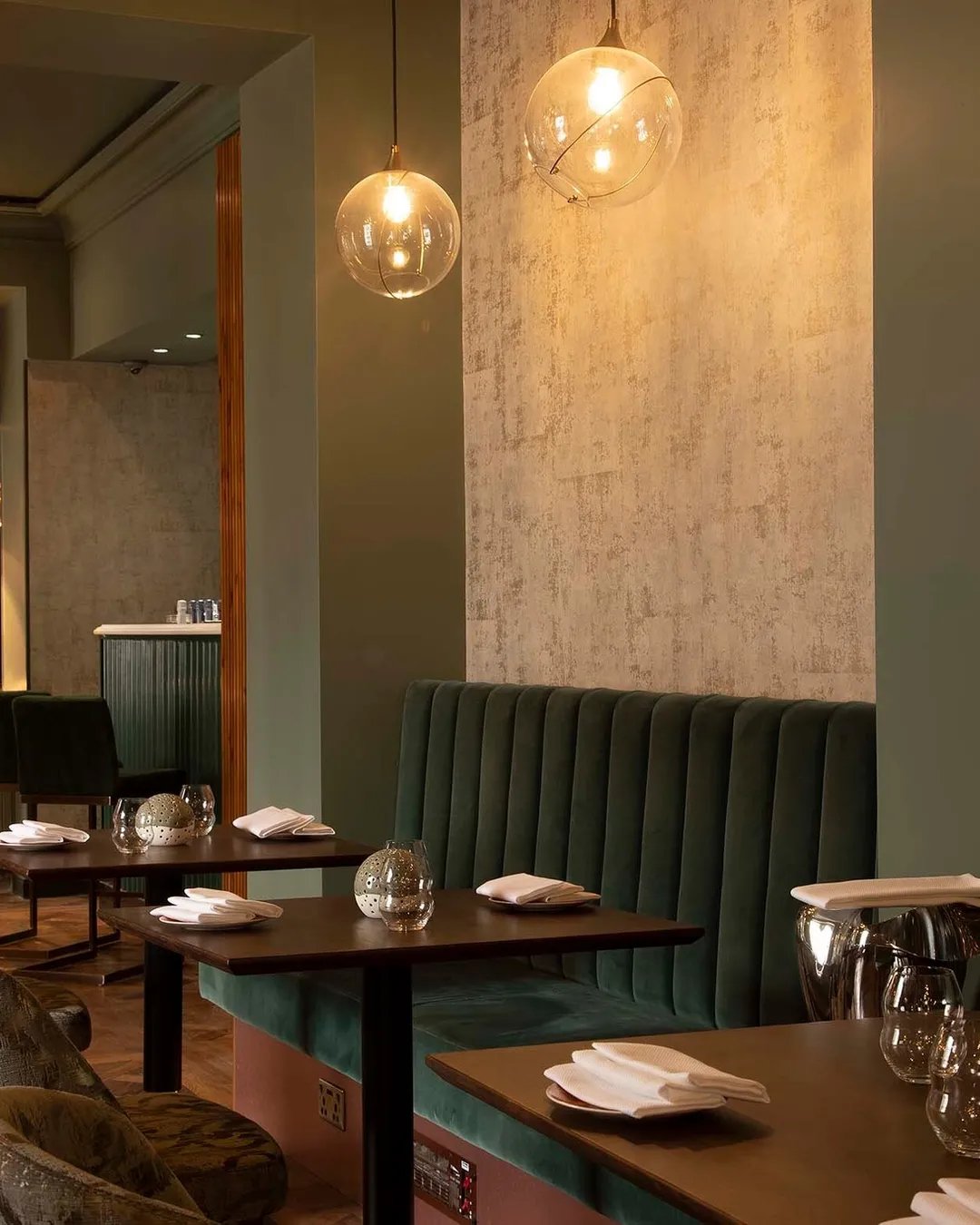
The physical environment at Monachyle Mhor does substantial work. Loch Voil in low light, visible from the property's public rooms, provides a backdrop that no amount of interior design budget can replicate. The hotel has a compact footprint with a limited number of rooms, which means the bar and dining room are not scaled for volume. That size shapes the atmosphere in practical ways: conversations do not compete with ambient noise at scale, and the staff-to-guest ratio tends to be higher than in larger properties. These are not aesthetic choices, they are operational consequences of a small independent property in a remote location, and they read as intimacy without being manufactured as such.
The Trossachs draws seasonal visitors, with late spring through early autumn bringing the highest concentration of leisure travellers. The glens around Balquhidder see a different pattern from the main Loch Lomond and Trossachs tourist circuit, which keeps Monachyle Mhor out of the highest-volume tourism flow while remaining accessible enough to attract guests making deliberate choices about where to stay. Booking ahead is advisable for weekend stays, particularly in summer months.
For comparison within Scotland's further-flung hospitality scene, Digby Chick in Na H-Eileanan an Iar represents a different kind of remote Scottish destination bar, one where the isolation is more extreme and the guest demographic narrower. Monachyle Mhor occupies a middle position: far enough from the central belt to feel genuinely removed, close enough to Edinburgh and Glasgow (approximately 90 minutes from each) to be a practical long-weekend destination.
Placing Monachyle Mhor in the Broader Picture
Across the UK, the premium rural hotel category has developed a recognisable logic. Properties like Avon Gorge by Hotel du Vin in Bristol demonstrate how location assets can anchor a hotel's identity when the setting is distinctive enough to carry the positioning. Monachyle Mhor's loch-side placement does similar work in a Scottish context, but the glen setting is more extreme and the guest journey to arrive more committed.
The Drovers Inn represents the other end of the Stirling-area hospitality spectrum: historic, character-heavy, and oriented toward a very different kind of visitor. The two properties are not in competition, but they define the range of what the region offers those seeking atmosphere with a drink in hand.
For those building an itinerary around Scottish bar culture more broadly, our full Stirling restaurants guide maps the wider regional options, including where the central Stirling scene is developing and which properties are worth combining with a Monachyle Mhor stay. The Horseshoe Bar in Glasgow is a useful urban counterpoint for understanding how Glasgow's historic pub culture contrasts with the rural hotel register that Monachyle Mhor occupies. International comparisons for technically ambitious bar programmes operating within distinctive settings include Bar Leather Apron in Honolulu and L'Atelier Du Vin in Brighton and Hove, both of which demonstrate how location identity and drinks programme can reinforce each other when the approach is coherent.
Planning Your Visit
Monachyle Mhor sits at Balquhidder, Lochearnhead FK19 8PQ, reachable from Stirling via the A84 and then the single-track road into the glen. The drive from central Stirling takes approximately 45 minutes and the road conditions require attention, particularly in winter. The property's remote position means guests arriving by public transport will need to plan carefully, as the glen has no direct bus connection. Staying multiple nights makes logistical and experiential sense: a single evening is not enough to settle into what the location offers, and the bar programme rewards a second or third visit in a way that one night does not allow.
Comparison Snapshot
A fast peer set for context, pulled from similar venues in our database.
| Venue | Cuisine | Price | Awards | Notes |
|---|---|---|---|---|
| Monachyle Mhor Hotel | This venue | |||
| Bar Termini | World's 50 Best | |||
| Callooh Callay | World's 50 Best | |||
| Happiness Forgets | World's 50 Best | |||
| Mojo Leeds | World's 50 Best | |||
| Nightjar | World's 50 Best |
Continue exploring