guesthouse by good neighbor

On Falls Road in Baltimore's Hampden neighborhood, Guesthouse by Good Neighbor occupies a restored property built out by local artisans using materials sourced from the region. The property positions itself at the intersection of preservation and contemporary comfort, with a character shaped by Baltimore's craft and maker culture. For travelers who find chain hotels interchangeable, it offers a distinctly neighborhood-grounded alternative.
Pearl is the En Primeur Club membership app — saves, bookings, and concierge access live there. Same editors, same standards.
- Address
- 3827 Falls Road, Baltimore MD 21211, USA
- Website
- marriott.com
- Directions
- Get directions
 Saves & bookings on Pearl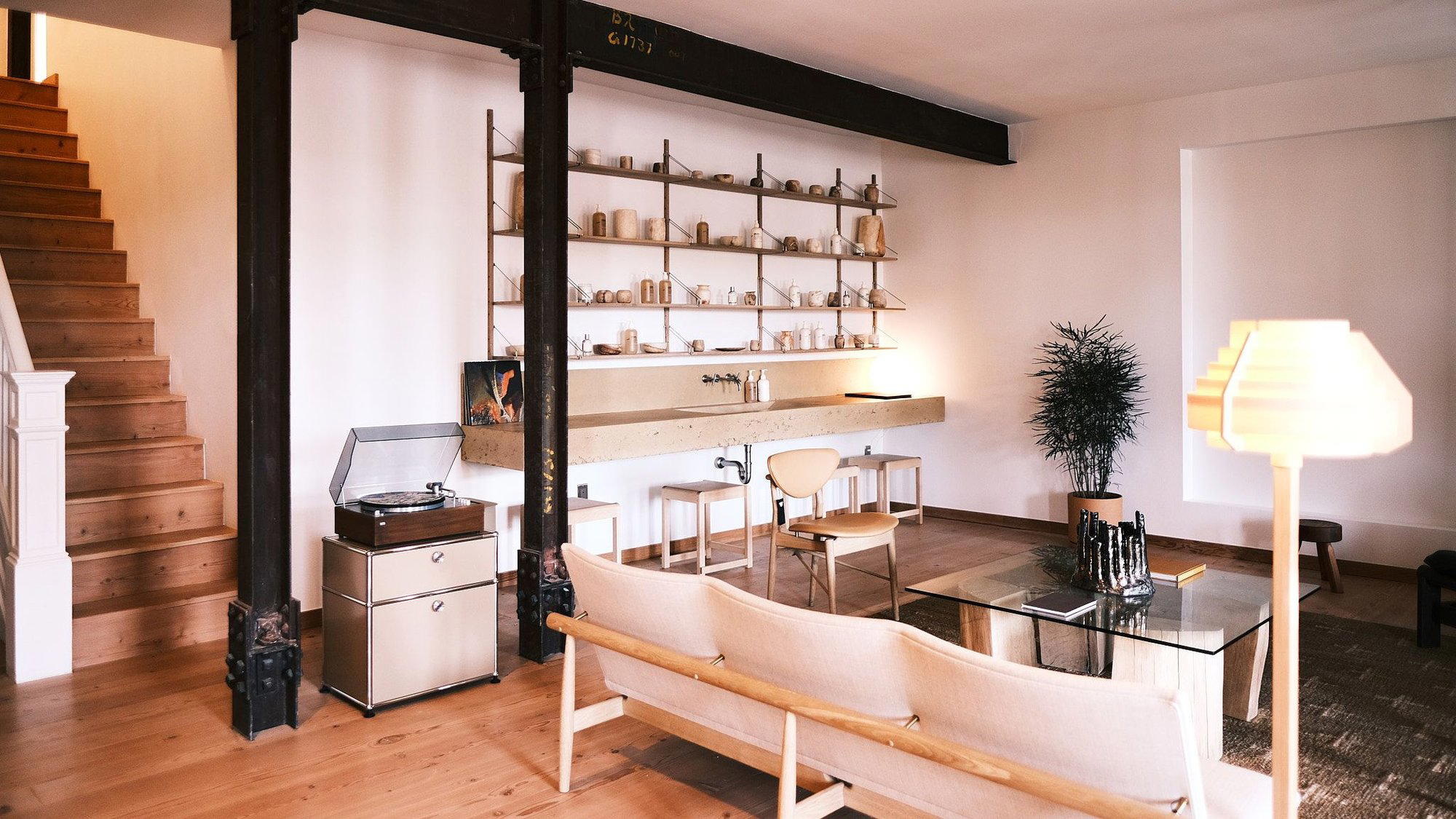
Where Hampden's Craft Culture Checks In
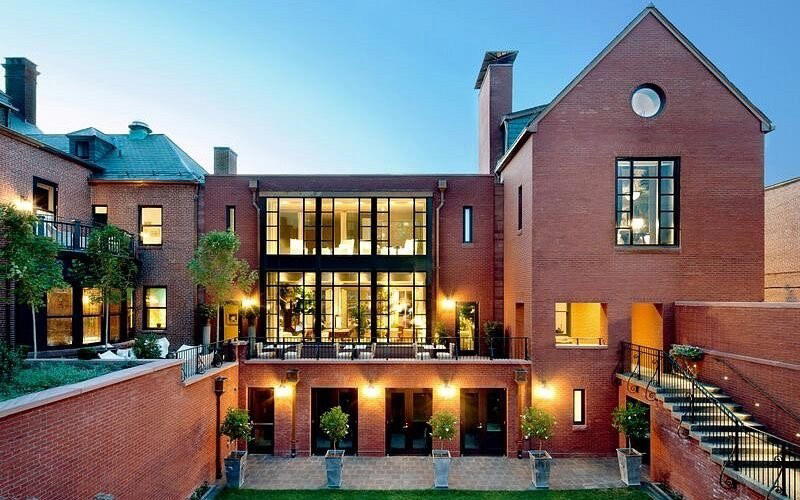
Baltimore's independent hospitality scene has quietly matured over the past decade, splitting between downtown flagships — the Sagamore Pendry Baltimore, the Four Seasons Hotel Baltimore, the Pendry Baltimore — and a smaller tier of neighborhood-rooted properties that draw their identity from the blocks around them rather than from a global brand playbook. Guesthouse by Good Neighbor, at 3827 Falls Road in Hampden, sits squarely in that second category. Hampden is one of Baltimore's more characterful residential districts: a strip of independent shops, local restaurants, and working-class rowhouse architecture that has become a reference point for the city's creative and maker communities. Arriving on Falls Road, the surrounding context does most of the storytelling before you step inside.
Material Honesty and the Artisan Standard
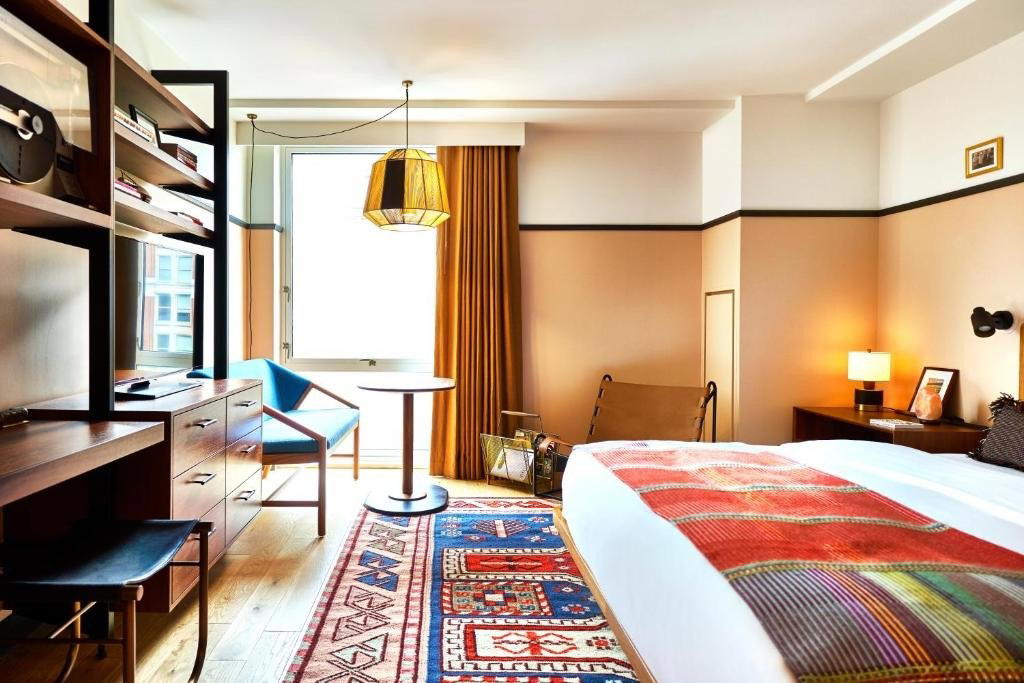
Across American boutique hospitality, the most credible design claims are made not through imported furniture or brand-name interiors consultants, but through locally sourced materials and regionally rooted craft. Guesthouse by Good Neighbor was realized by Baltimore artisans working with local materials, a distinction that moves the property away from the decorator-driven aesthetic common in the boutique hotel category and toward something closer to an archive of the city's making culture. The result is an interior that reads as a dialogue between eras: evidence of the building's previous life sitting alongside contemporary intervention rather than being plastered over. This approach to preservation-meets-renovation is more demanding to execute than a clean gut-and-fit-out, and it tends to produce spaces with more spatial memory and texture. For context on how this compares to the broader American independent hotel spectrum, properties like Troutbeck in Amenia and SingleThread Farm Inn in Healdsburg have established a similar vocabulary of local-materials integrity at higher price points, Guesthouse by Good Neighbor applies that logic at neighborhood scale in an urban Baltimore context.
The Service Premise: Neighborly by Design
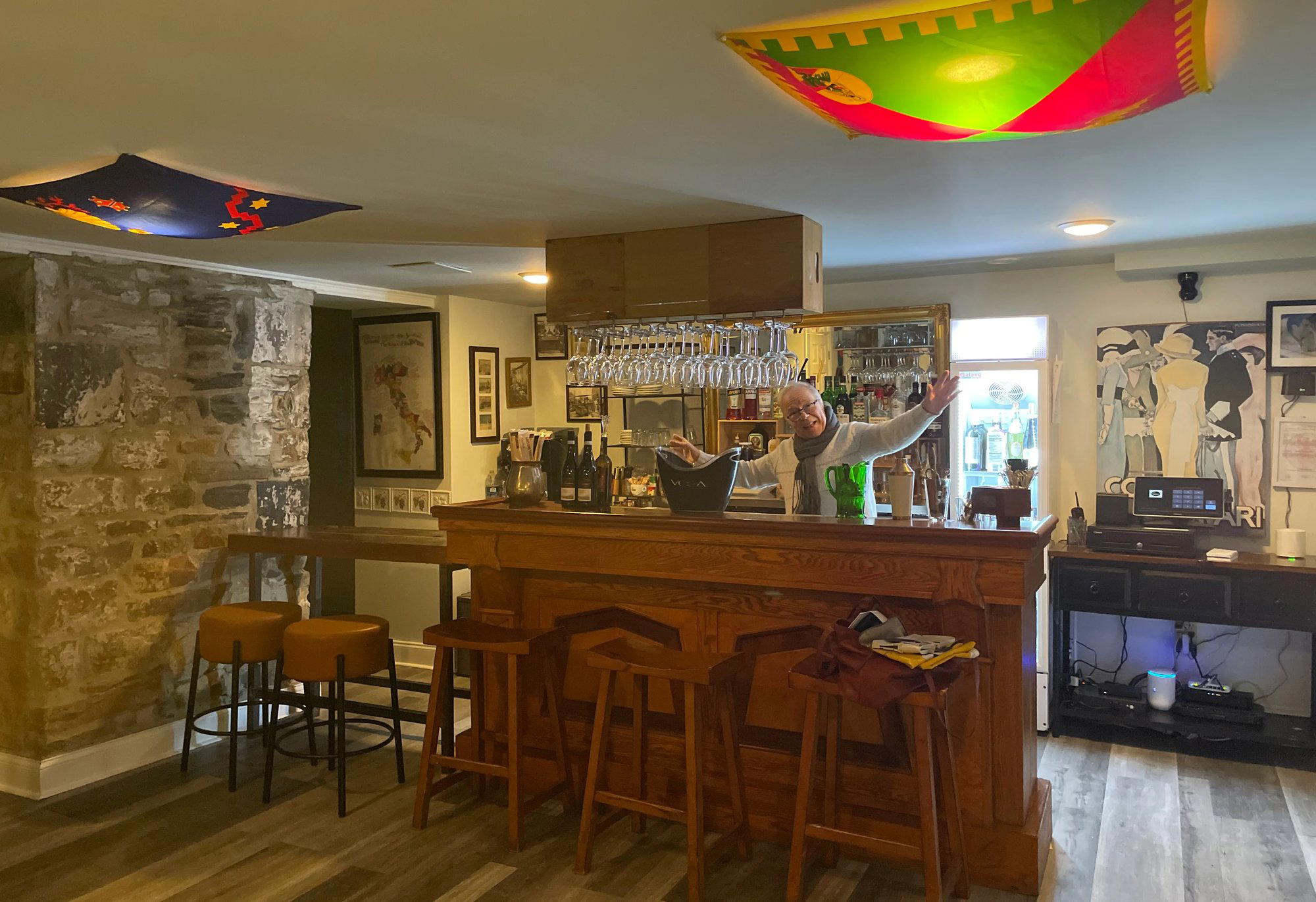
The property's name is not incidental. In hospitality, naming a venue after a social role, neighbor, host, guest, signals an intention about the guest relationship: less transactional, more situated in place. The "Good Neighbor" framing points toward a service culture oriented around local knowledge and genuine engagement with the surrounding neighborhood rather than the scripted professionalism of larger hotel operations. In practice, this tends to mean that the most useful interactions happen informally: recommendations that reflect actual knowledge of Hampden's dining and bar scene, familiarity with how the neighborhood moves at different times of day, and an ease with guests that comes from running a small, tightly managed property rather than a multi-floor operation with shift rotations and departmental silos.
Small-footprint urban guesthouses, and Guesthouse by Good Neighbor sits in that tier, often develop stronger service texture precisely because of their size constraints. The staff-to-guest ratio at properties of this type tends to allow for the kind of attention and familiarity that larger hotels attempt to engineer through CRM systems and preference databases. When it works, it produces a guest experience that feels less like a curated hospitality product and more like staying with someone who knows the city well and is genuinely glad you're there. That register is harder to manufacture than it looks, and harder to maintain consistently, it requires hiring for cultural fit and local knowledge rather than hospitality credentials alone. For travelers who value this kind of embedded local intelligence over the amenity-density of a property like the The Ivy Hotel or Hotel Revival Baltimore, Guesthouse by Good Neighbor presents a meaningfully different proposition.
Hampden as Context
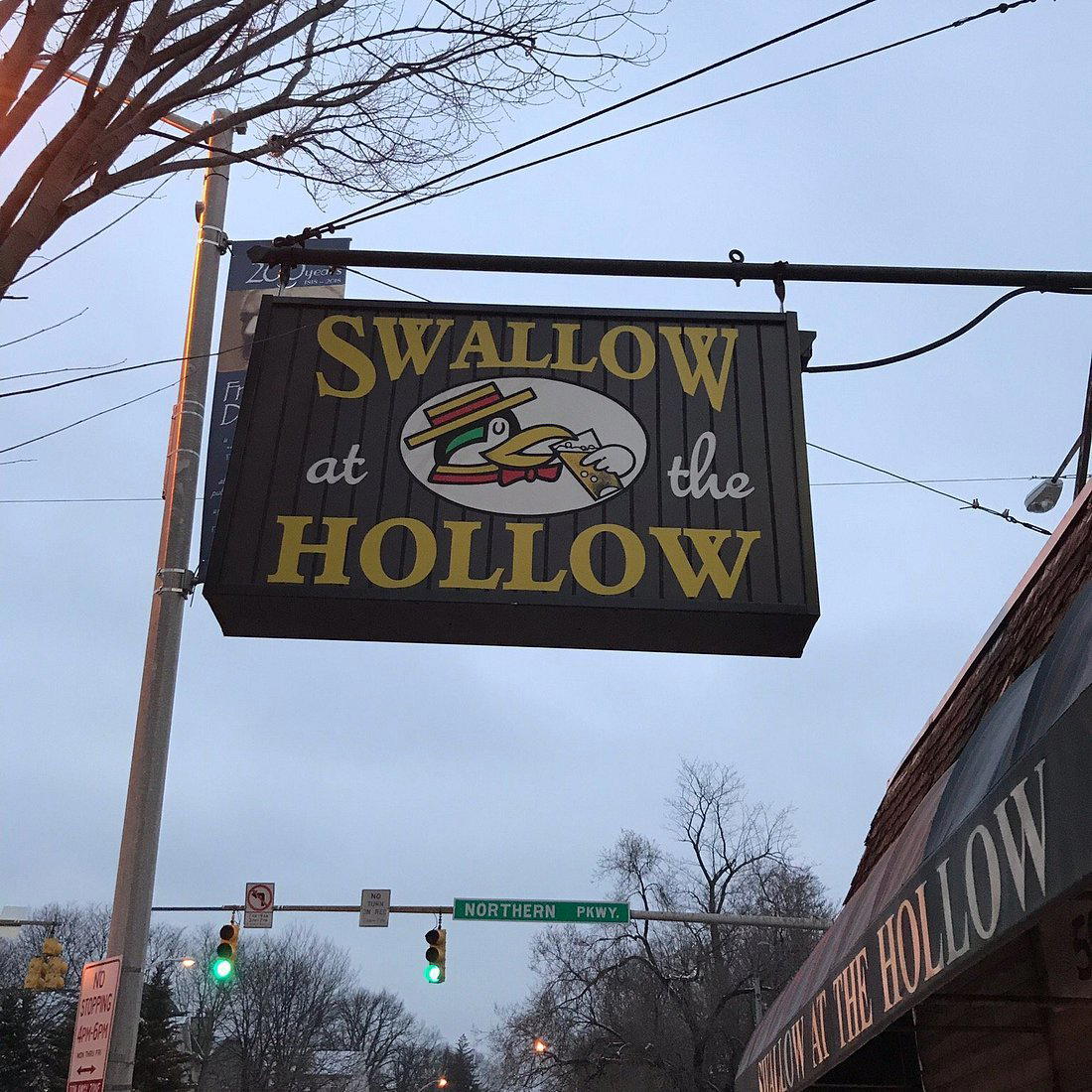
Understanding what Guesthouse by Good Neighbor is requires understanding Hampden's position in Baltimore's geography and culture. The neighborhood runs along Falls Road north of the city center, and it has functioned for years as a counterweight to the Inner Harbor's more tourist-facing identity. The strip known locally as "The Avenue" (36th Street) anchors the commercial life of the area: a concentration of independent retail, coffee, and restaurants that reflects Baltimore's particular strand of working-class bohemianism rather than the polished independent-neighborhood aesthetic common in other East Coast cities. Staying on Falls Road rather than near the waterfront changes the Baltimore you experience. The city's rowhouse fabric, its neighborhood-scale commerce, and its community-oriented social life are all more accessible from Hampden than from downtown, and that proximity is part of what the property offers. For a broader sense of how Baltimore's dining and lodging options map across the city, our full Baltimore restaurants guide provides neighborhood-level context.
How It Positions Against Baltimore's Broader Hotel Market
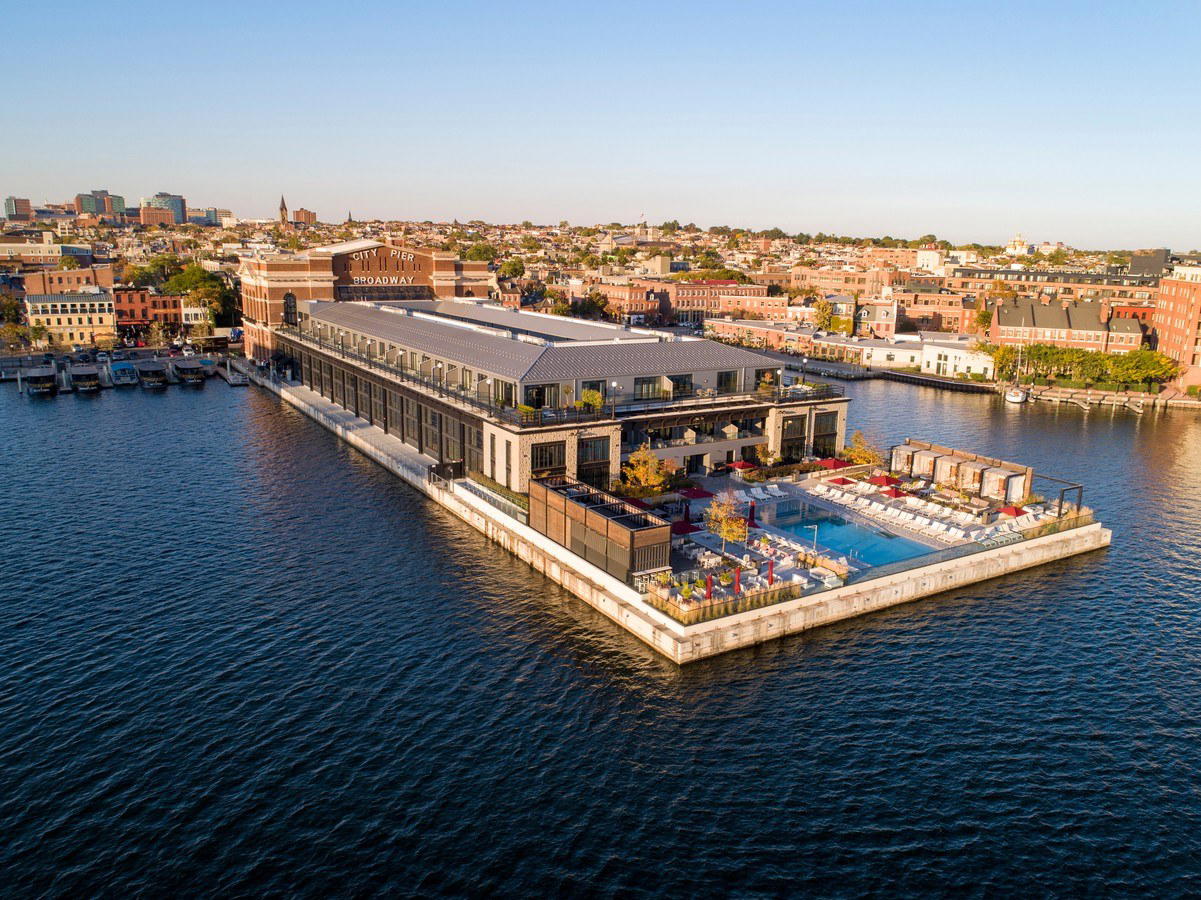
Baltimore's hotel market covers a wider range than its visitor reputation suggests. At the top of the market, properties like the Four Seasons Hotel Baltimore and the Sagamore Pendry Baltimore offer the full-service amenity stack: multiple dining outlets, spa facilities, significant square footage in common areas. At the other end, the city has a growing inventory of design-led independents and boutique properties including Hotel Ulysses that prioritize atmosphere and character over amenity breadth. Guesthouse by Good Neighbor occupies a distinct niche within that second tier: not a design hotel in the aspirational mode, but a place whose identity is grounded in neighborhood belonging and artisan craft rather than design-world credentials. The comparison set, nationally, includes properties like Chicago Athletic Association in Chicago or 1 Hotel San Francisco in San Francisco only in the broadest sense of independent hospitality, the scale and ambition are different. A closer analog might be found in properties like Sage Lodge in Pray, where the local-materials ethos and sense of place do most of the work that brand identity does elsewhere.
Planning Your Stay
The property is located at 3827 Falls Road, Baltimore MD 21211, Falls Road runs through Hampden and is accessible by car or rideshare from Baltimore/Washington International Airport (BWI), which sits roughly 10 miles to the south. Because specific booking details, room pricing, and availability data are not published through a central database at the time of writing, prospective guests should confirm logistics directly with the property before finalizing plans. Given that small-footprint urban guesthouses frequently operate with limited room inventory, advance planning is advisable, particularly around Baltimore's busier travel periods: fall weekends during the college football calendar, the spring arts and festival season, and holiday weekends when Inner Harbor event programming drives citywide demand. Travelers comparing across Baltimore's independent tier, including Hotel Ulysses and Hotel Revival Baltimore, should weigh proximity to Hampden's neighborhood life against proximity to downtown and waterfront dining, depending on what the trip requires. For those whose travel appetite runs to similarly place-rooted properties elsewhere, Post Ranch Inn in Big Sur, Amangiri in Canyon Point, and Little Palm Island Resort & Spa in Little Torch Key represent the upper end of what local-materials and sense-of-place hospitality can achieve at different price tiers and contexts.
Recognition history
Dated appearances from independent guides and award organizations, with the underlying list record or original source where available.
Design Hotels Member
Design Hotels
At a Glance
- Quiet
- Modern
- Cozy
- Intimate
- Sophisticated
- Minimalist
- Weekend Escape
- Romantic Getaway
- Family Vacation
- Design Destination
- Garden
- Terrace
- Wi Fi
- Restaurant
- Garden
- Concierge
- Luggage Storage
- Garden
- Wi Fi
- Restaurant
- Garden
- Concierge
- Luggage Storage
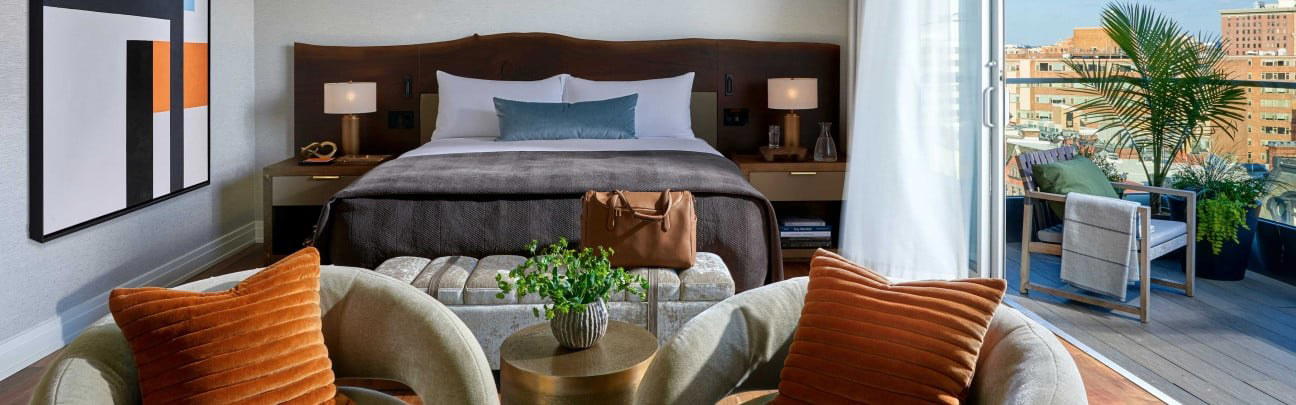
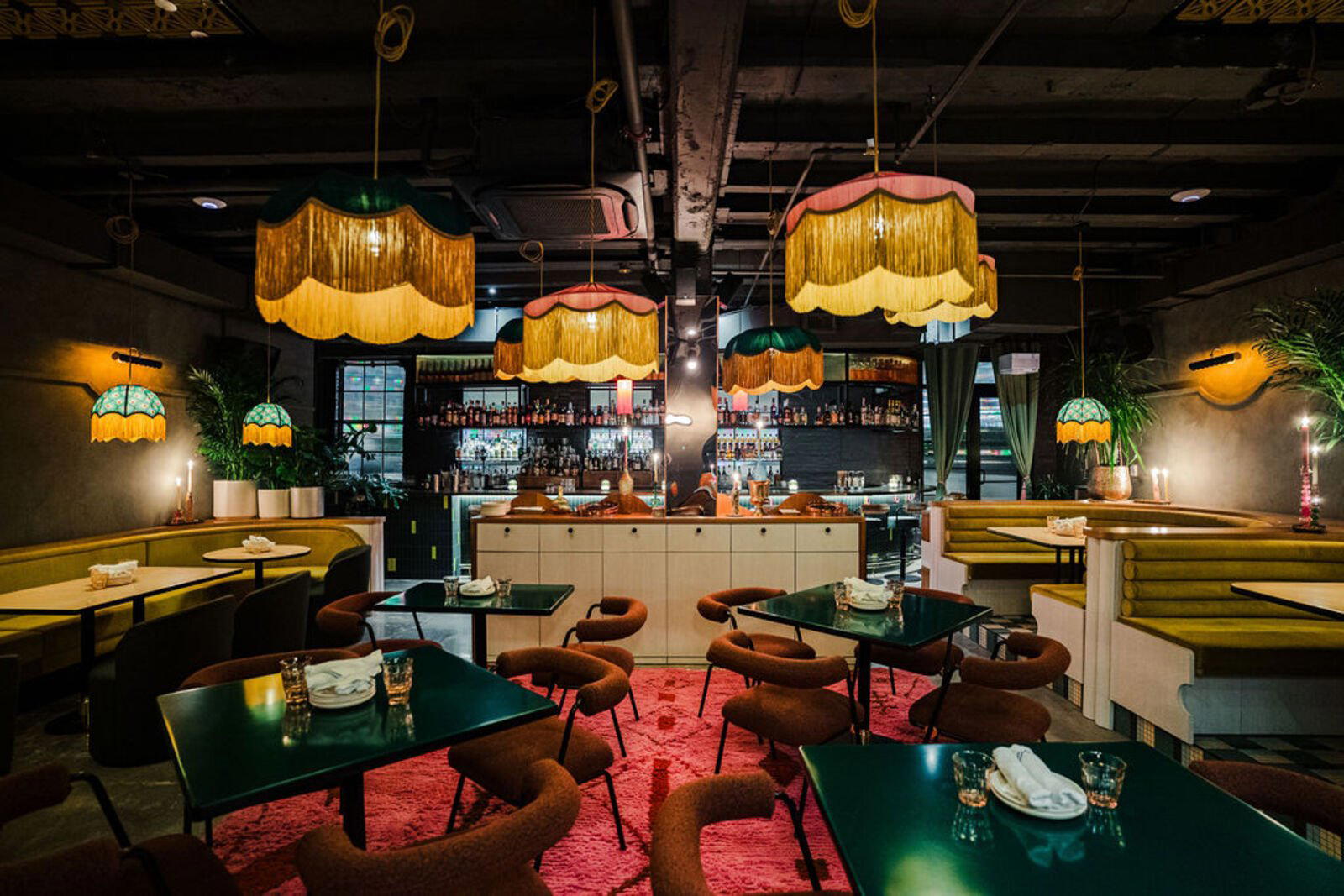
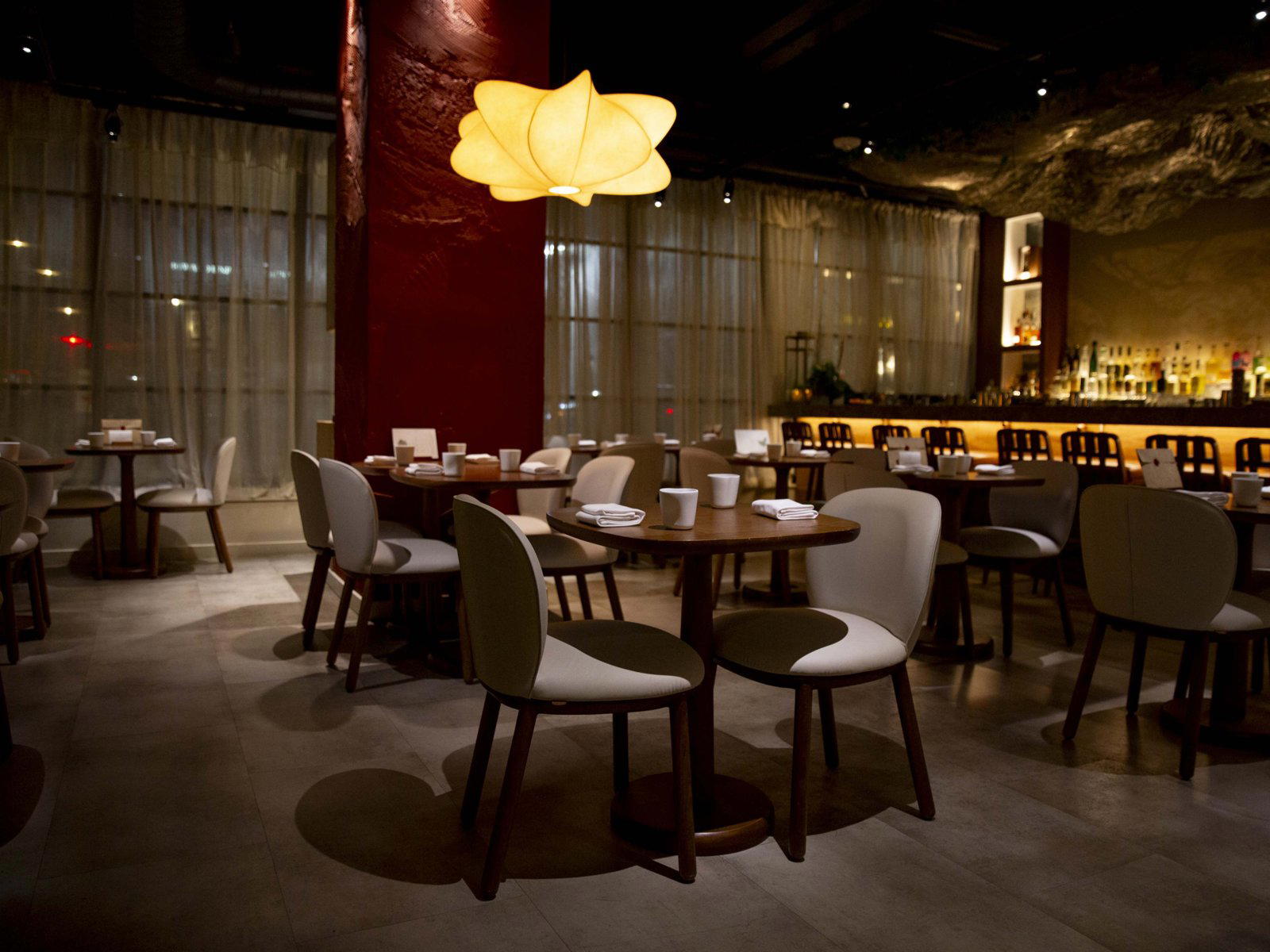
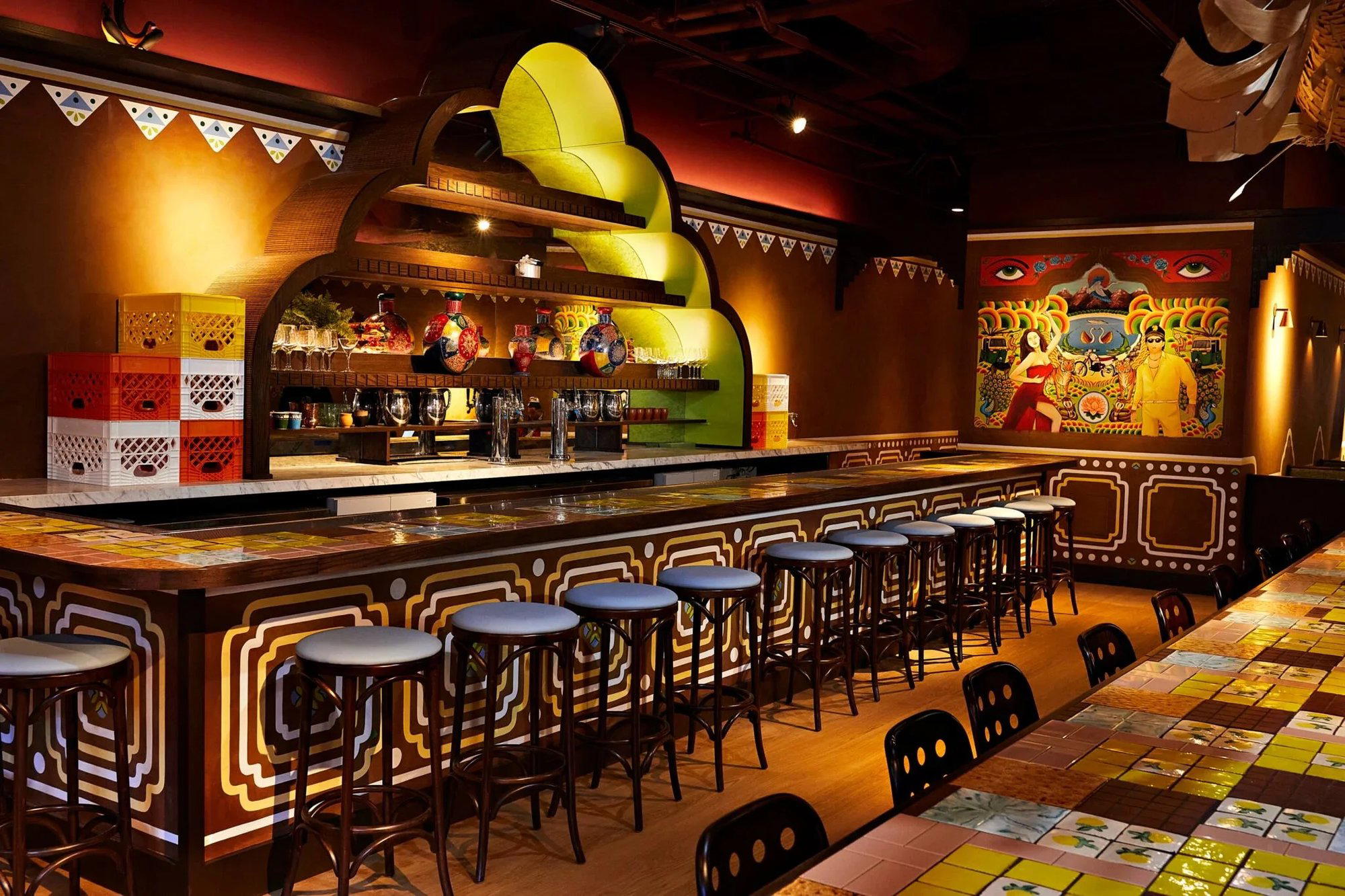
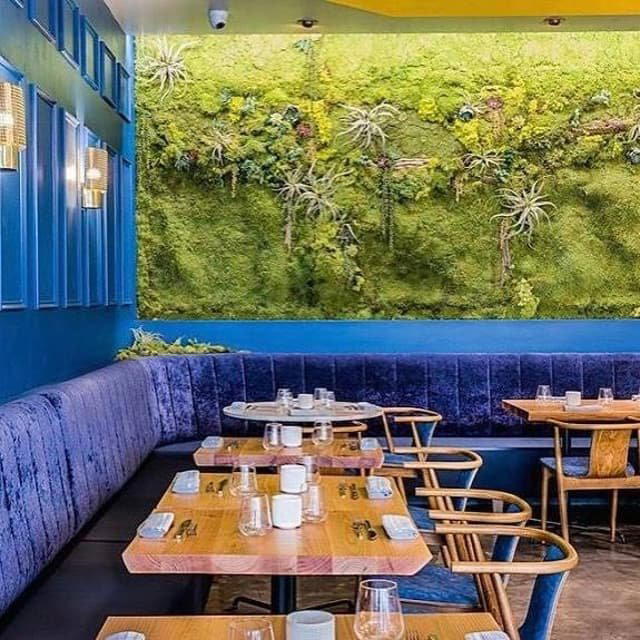
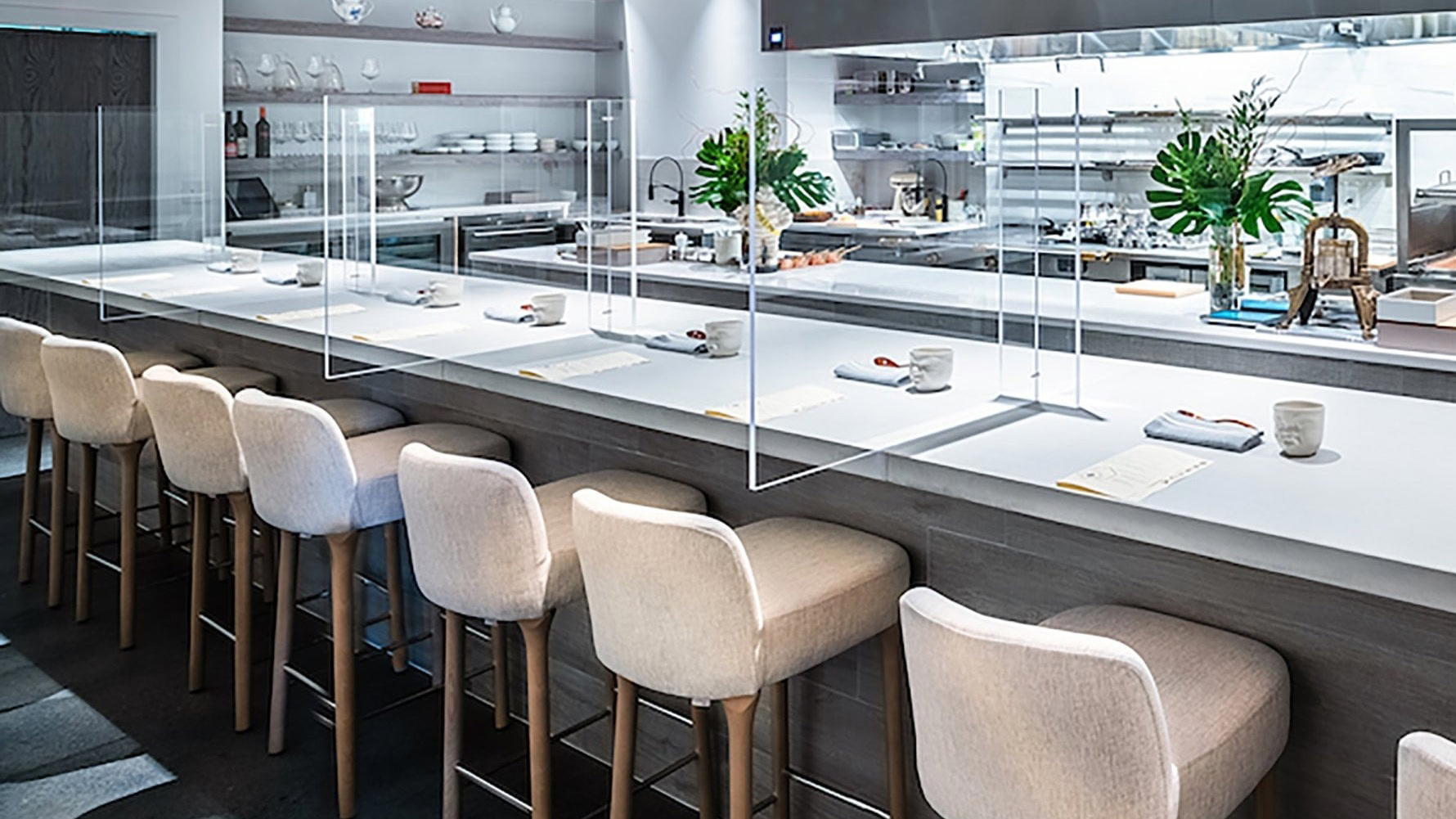
Quiet luxury with a warm, airy, home-like atmosphere; light woods, soft hues, and design details create a contemporary, intimate feel.
Know Before You Go
- Getting there
- 3827 Falls Road, Baltimore MD 21211, USA