Park Hyatt Xi'an sits in a city where luxury hospitality has to answer a difficult brief: contemporary comfort beside one of China’s deepest historical settings. With limited venue data available, the editorial case rests less on amenities and more on category context, design expectations, and how a Park Hyatt flag usually signals a quieter, architecture-led alternative to larger international hotels in Xi’an.

Pearl is the En Primeur Club membership app — saves, bookings, and concierge access live there. Same editors, same standards.
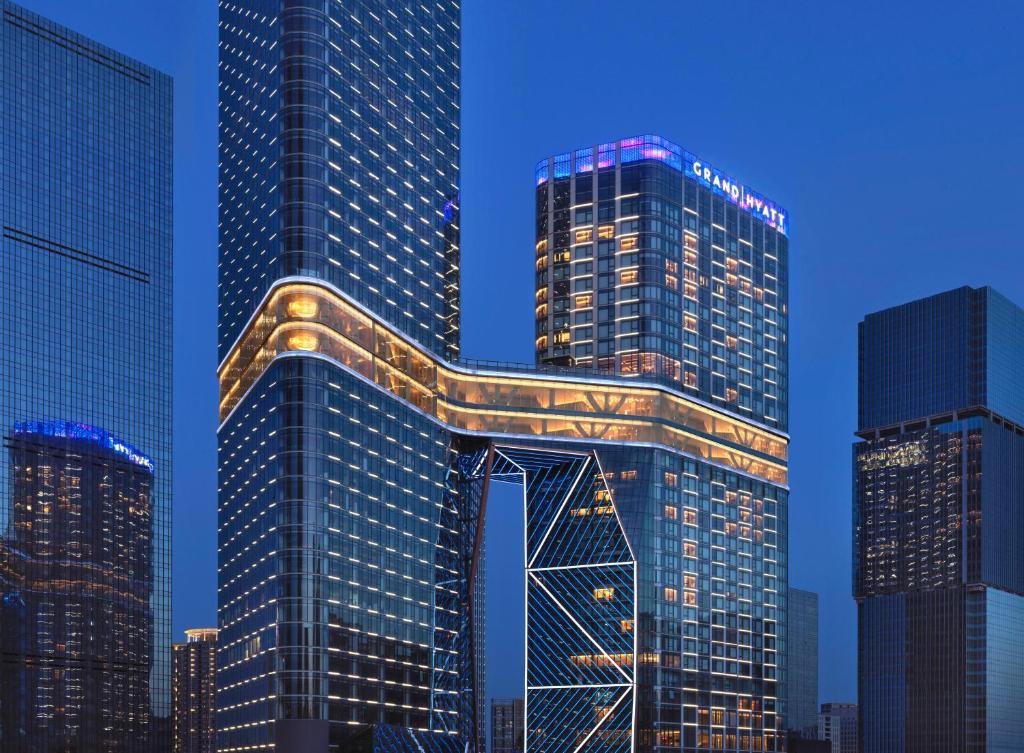
Xi'an luxury, read through architecture rather than spectacle
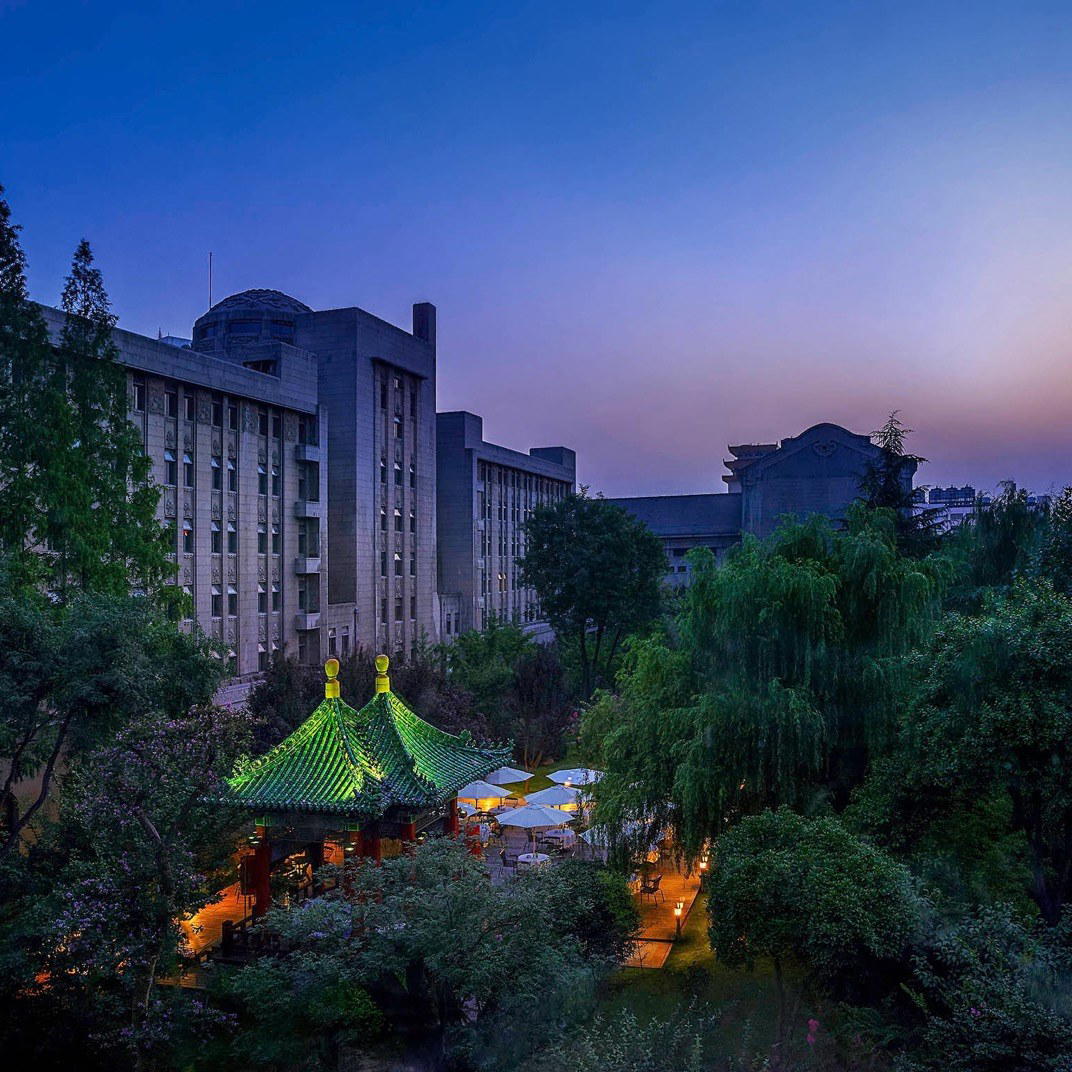
Approaching a serious hotel in Xi’an is never just a question of arrival. The city carries an older sense of scale than China’s coastal business capitals: walls, ceremonial axes, imperial memory, and the constant friction between archaeological depth and present-day development. In that setting, Park Hyatt Xi'an belongs to a hotel category that has to be judged through restraint. The more persuasive luxury address here is not the property that shouts the loudest, but the one that understands proportion, quiet circulation, and the value of space after a day spent in a city built on dynastic weight.
The available record for Park Hyatt Xi'an is notably spare: no published address, room count, star rating, awards, restaurants, chef details, price range, booking method, or design credits are supplied in the EP Club venue database. That absence matters editorially. It prevents any responsible claim about specific suites, dining rooms, opening hours, architects, or service rituals. What can be assessed is the hotel’s position within Xi’an’s premium set, and that position is clear enough: Park Hyatt, as a brand, usually sits in the quieter end of international luxury, where mood, materials, and spatial pacing carry more weight than lobby theatre.
Xi’an is not Shanghai, where the hotel conversation often turns on skyline, height, and brand density. It is not Beijing, where courtyard restorations and embassy-district hotels compete with state-facing formality. Xi’an’s luxury hotels answer a different urban condition. The city’s visitor economy is shaped by heritage travel, business linked to western China, university and technology districts, and domestic leisure.
The design brief in a city of historical mass
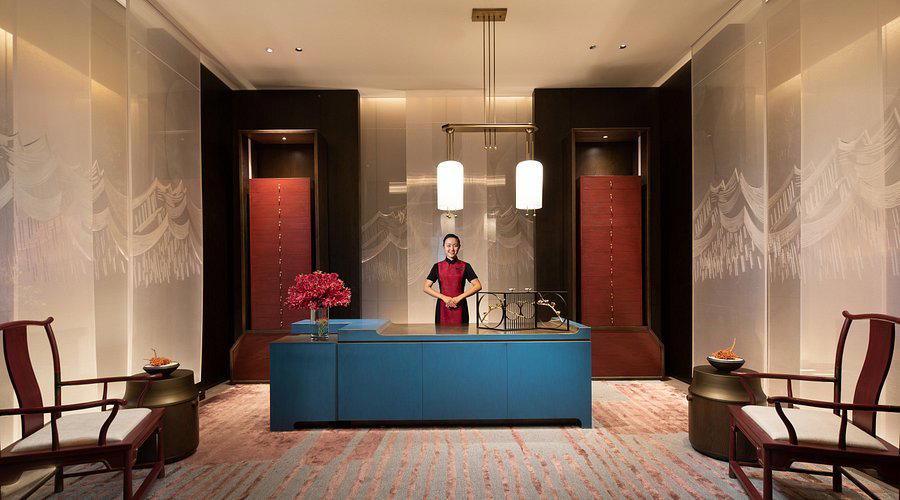
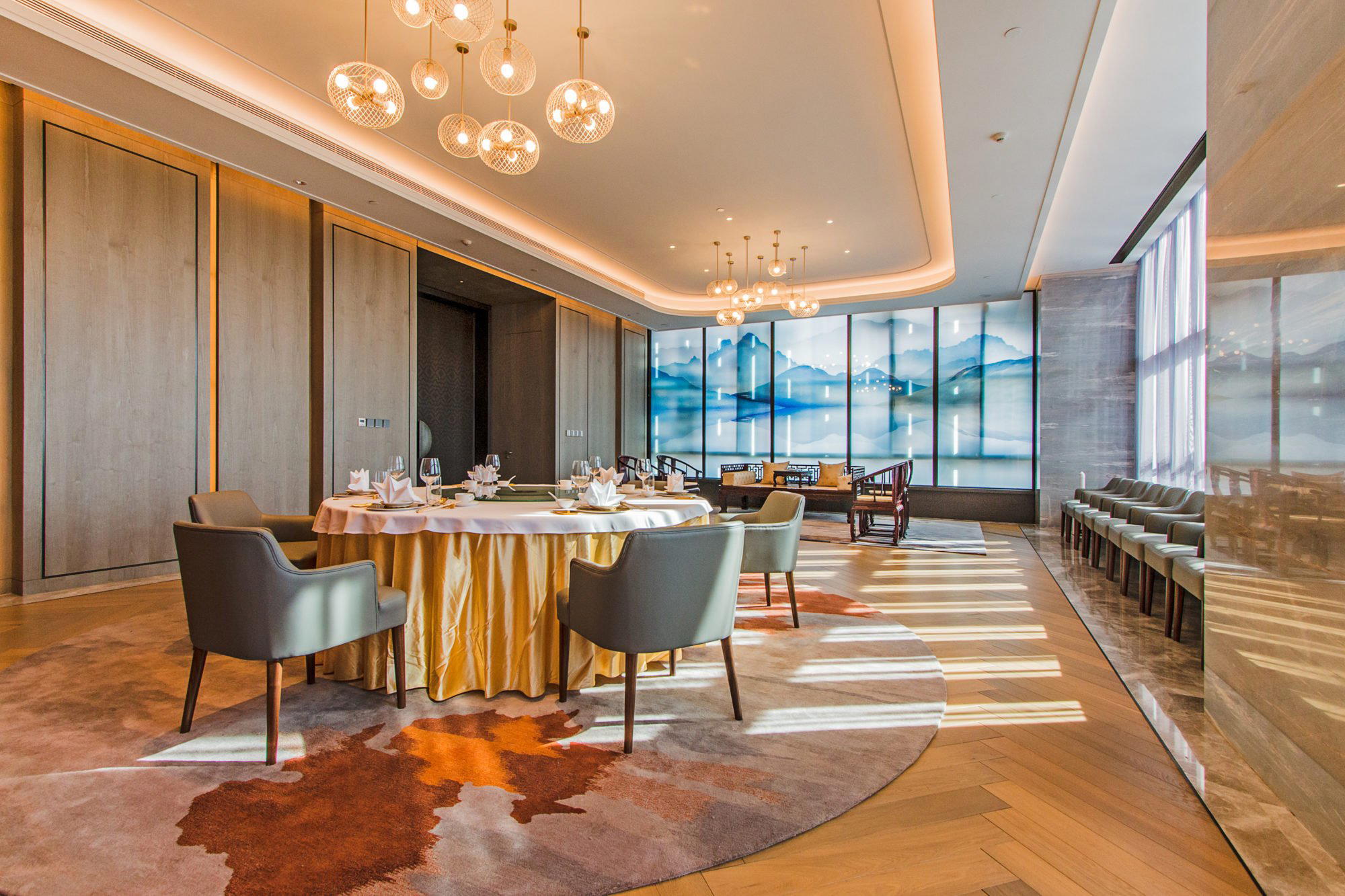
Architecture-led hotels in historic Chinese cities face a narrow path. Too much literal heritage styling can become theme-park ornament; too little reference to place can make the hotel feel transplanted from any global capital. The stronger approach is usually indirect: scale, material temperature, interior rhythm, and framed quiet rather than imitation. For Park Hyatt Xi'an, the editorial interest lies in that category tension.
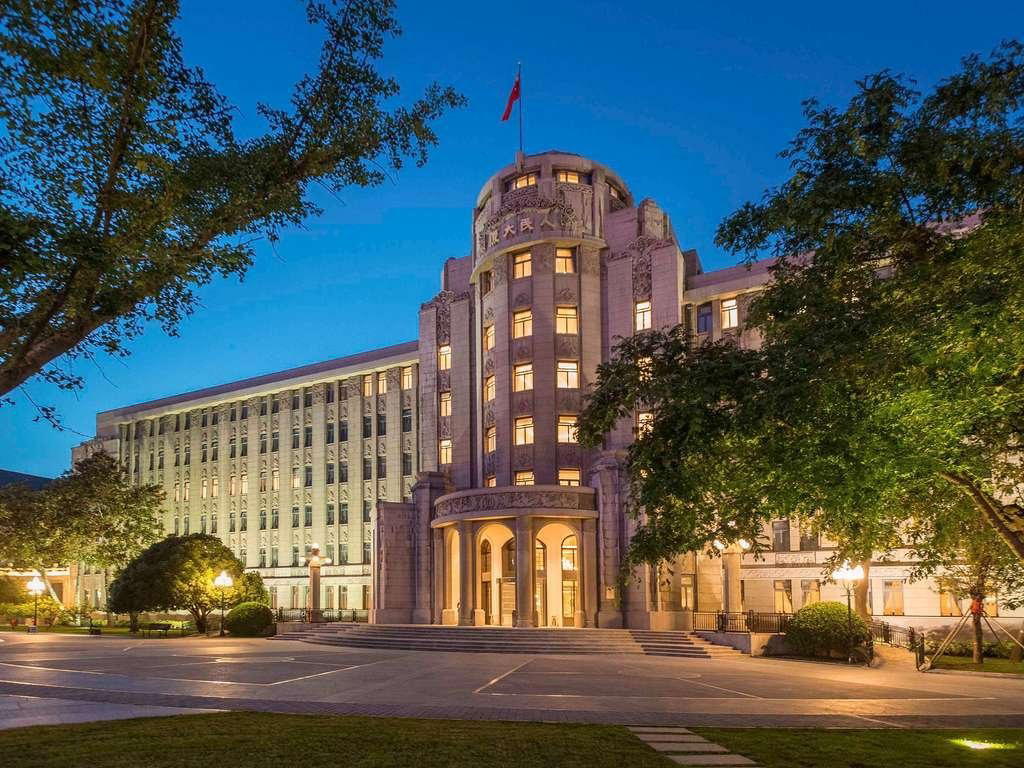
That distinction matters because Xi’an’s hospitality scene is broadening. Travellers comparing luxury stays are not choosing only between price points; they are choosing between different readings of the city. Sofitel Legend Peoples Grand Hotel Xi'an points toward the heritage-hotel end of the spectrum, with Renmin Square carrying civic-era associations. Sofitel on Renmin Square keeps that district in the conversation for travellers who want a formal central base. The Ritz-Carlton, Xi'an belongs to the international luxury set with a stronger brand-language expectation. Grand Hyatt Xi’an sits closer to the larger-format global hotel model. Park Hyatt Xi'an, by contrast, is better understood as the quieter sibling in that comparison, assuming the brand’s usual editorial register applies.
The city also contains less conventional hospitality geographies. Huyi District shifts the conversation away from the standard central luxury circuit and toward area-specific travel. That contrast is useful. Xi’an does not operate as a single hotel zone; its stay choices are tied to how much a traveller wants heritage access, business convenience, urban dining, or a more local district rhythm. The more reliable point is category-based: this is a hotel to compare against Xi’an’s refined international addresses, not against budget heritage inns or resort-style rural retreats.
Why the Park Hyatt signal matters in Xi'an
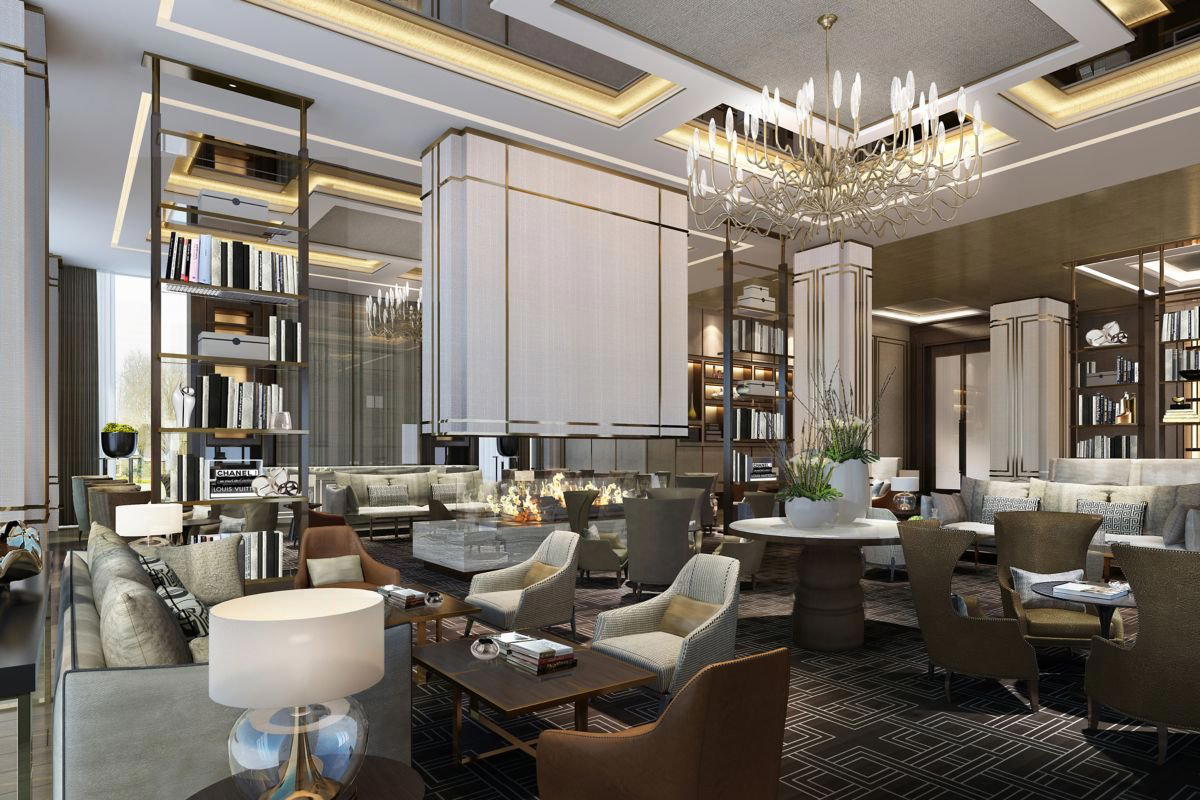
In Asia, the Park Hyatt name has often been associated with a slower kind of luxury: fewer grand gestures, more attention to sequence, lighting, proportion, and the private-public transition from arrival to room. That general brand context should not be mistaken for a venue-specific promise. It does, however, explain why Park Hyatt Xi'an is an interesting listing even when the public-facing data is thin. In a heritage city, a hotel with a quieter design vocabulary can be more convincing than one built around spectacle.
Xi’an can overwhelm first-time visitors because its cultural inventory is heavy. The Terracotta Army, the city wall, Muslim Quarter food culture, temple complexes, museums, and high-speed rail arrivals create days with physical and cognitive load. A luxury hotel in this context has a practical role beyond thread count or dining choice. It must provide decompression. The relevant design question is not whether a lobby photographs well, but whether the building gives guests a clean transition from the city’s density into calm. Park Hyatt Xi'an should be evaluated through that lens once fuller property details are available.
The dining question also needs discipline. That means no claims should be made about menus or culinary credentials. For travellers planning around food, the better approach is to separate hotel choice from restaurant research. Xi’an’s food identity is one of China’s great regional stories, built around wheat, lamb, vinegar, cumin, hand-pulled noodles, breads, and Hui Muslim culinary traditions. A hotel may provide comfort, but the city’s deeper dining education often happens outside the property. For current restaurant planning, use Our full Xi'an restaurants guide, then match meals to the hotel location once confirmed.
How it compares with China's design-led hotel circuit
Park Hyatt Xi'an also belongs to a broader national conversation. China’s premium hotels are no longer defined only by international brand arrival; the sharper distinction is between large mixed-use luxury, adaptive heritage projects, and design-forward properties that use local context without reducing it to decorative shorthand. In Beijing, Mandarin Oriental Qianmen in Beijing sits inside a different heritage equation, where hutong scale and capital-city symbolism shape the stay. In Shanghai, JW Marriott Hotel Shanghai at Tomorrow Square in Shanghai speaks to vertical urbanism and the corporate skyline. In Guangzhou, LN Hotel Five in Guangzhou shows how riverfront history and boutique scale can alter the mood of a city stay.
That national comparison clarifies Xi’an’s particular challenge. Macau properties such as Star Tower at Studio City Macau in Macau are judged within an entertainment and integrated-resort framework. Mountain and village stays such as Tian Ranju Inn in Tian Tou Zhai ask for a different measure: setting, access, and vernacular atmosphere. Western China business hotels such as Conrad Urumqi in Urumqi and coastal high-rise addresses such as Conrad Xiamen in Xiamen belong to other urban patterns. Park Hyatt Xi'an sits in the heritage-metropolis category, where the strongest hotels understand that silence and proportion can be forms of luxury.
Other Chinese addresses sharpen the comparison. InterContinental Chongqing Raffles City in Chongqing is tied to megastructure and river-city drama. The Hanyu Garden Reserve Suzhou in Suzhou and Qiushui Villa in Hangzhou point toward garden culture and literati associations. Hylla Vintage Hotel in Lijiang belongs to a high-altitude, heritage-town mode. The St. Regis Shenzhen Bao'an in Shenzhen reflects a younger, corporate, design-conscious city. Xi’an requires another grammar: ancient capital, inland momentum, and hotels that must respect memory without freezing themselves in costume.
What to plan around, and what remains unverified
The practical reality is simple: confirm directly before committing. That is not a minor footnote; it is the boundary between responsible editorial guidance and invented hotel copy. Travellers should verify current opening status, exact location, access times, deposit policy, cancellation terms, and available room categories through official channels or a trusted travel advisor before building an itinerary around the property.
Seasonality in Xi’an should shape the trip even when hotel specifics are unavailable. Spring and autumn are generally more comfortable for heritage sightseeing than the heat of high summer or the colder winter months. Major Chinese public holidays can alter room availability and city movement across the country. High-speed rail and airport arrivals can also dictate whether a central hotel, a business-district hotel, or a quieter luxury address makes more sense. Park Hyatt Xi'an should be judged against the itinerary: museum-heavy days, city-wall cycling, food-led evenings, or meetings across newer districts will each reward a different base.
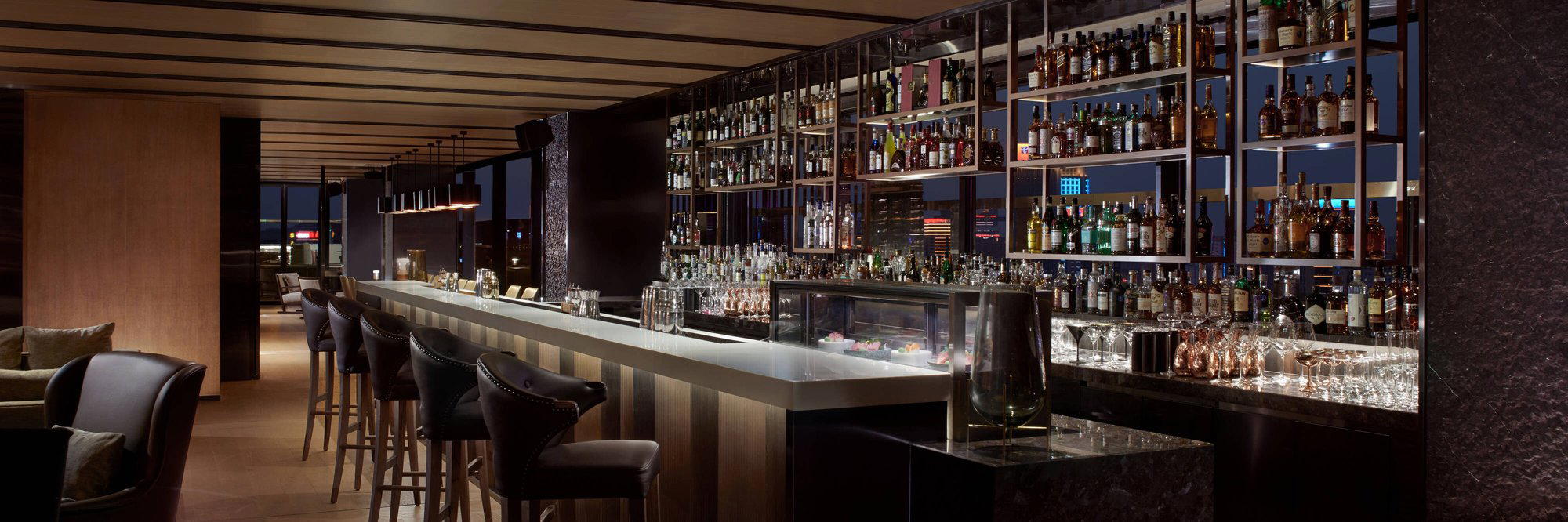
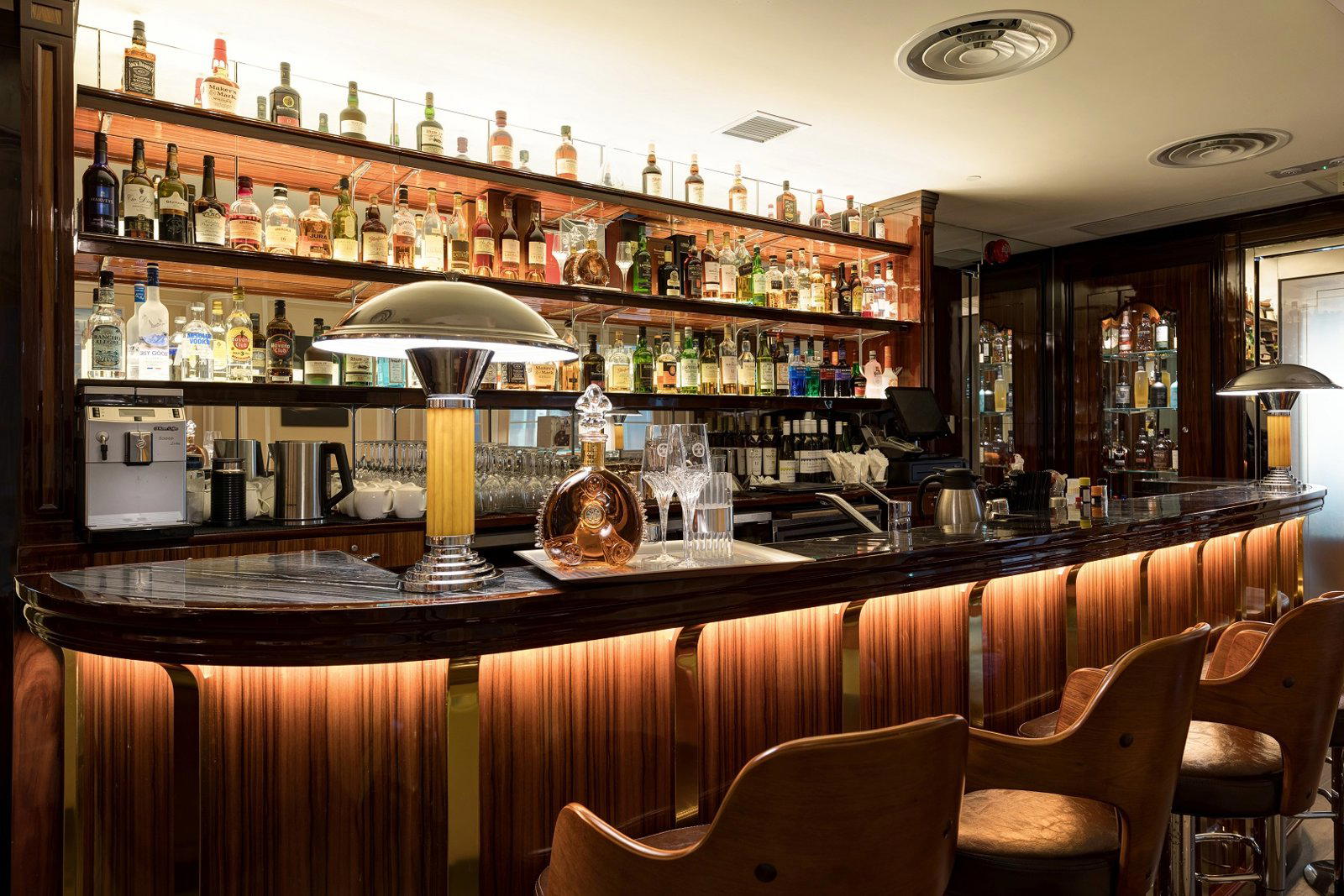
For wider planning, keep the hotel research connected to the rest of the city. Our full Xi'an hotels guide gives the broader accommodation set, while Our full Xi'an bars guide, Our full Xi'an wineries guide, and Our full Xi'an experiences guide help frame evenings, regional drinking culture, and cultural programming. Xi’an rewards travellers who plan by neighbourhood and timing rather than by hotel name alone.
Editorial verdict
Park Hyatt Xi'an is most compelling as a design-category proposition: a potentially restrained luxury address in a city where restraint has real value. Travellers who prefer large-format luxury with clearer published amenities may find stronger immediate comparables in Grand Hyatt or Ritz-Carlton territory. Travellers drawn to quieter architecture-led hotels should keep Park Hyatt Xi'an on the shortlist, then verify the missing facts before choosing it over established Xi’an peers.
The broader point is that Xi’an does not need another hotel performing grandeur for its own sake. The city already supplies scale. A successful luxury stay here should edit the noise, create recovery time, and let the ancient capital remain the main event. If Park Hyatt Xi'an follows the calmer end of the brand’s usual register, that is where its promise lies.
Xi'an alternatives for different hotel moods
- Sofitel Legend Peoples Grand Hotel Xi'an: for travellers who want heritage-hotel associations and a Renmin Square context.
- The Ritz-Carlton, Xi'an: for a more familiar international luxury register.
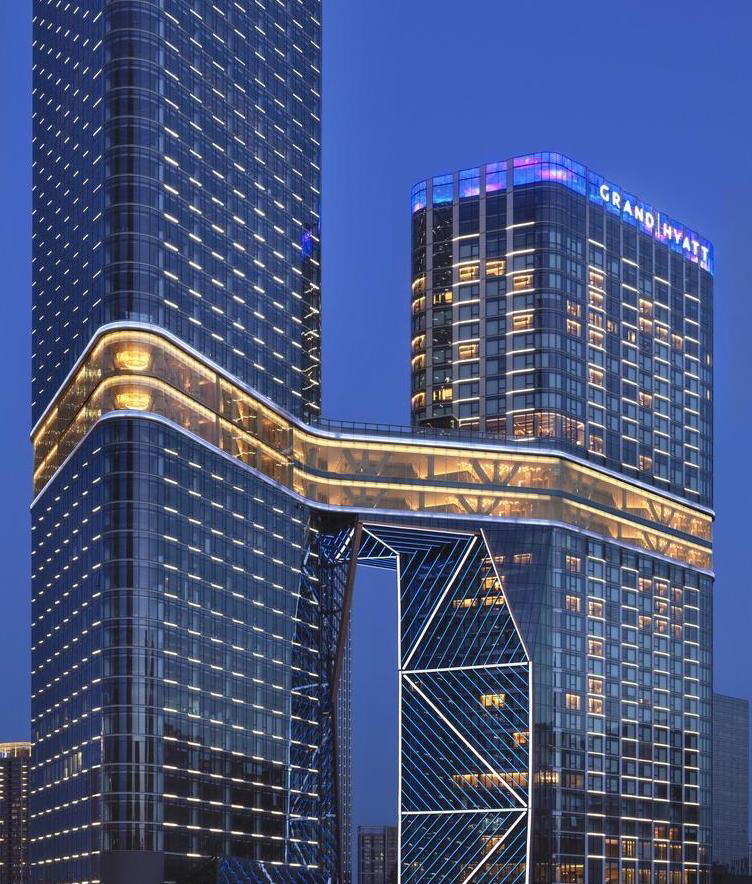
- Grand Hyatt Xi’an: for a larger-format Hyatt comparison within the city.
- Huyi District: for a stay conversation that shifts away from the standard central hotel circuit.
Reputation & Price
Comparable venues nearby, for context on price, style, and recognition.
| Venue | Cuisine | Price | Awards | Notes |
|---|---|---|---|---|
| Park Hyatt Xi'anThis venue — the venue you are viewing | Not listed | $$$$ | 5-Star | Not listed |
| Sofitel on Renmin Square | Not listed | $$$$ | 5-Star | Xi'an City Center, Historic luxury within city walls |
| The Ritz-Carlton, Xi'an | Not listed | $$$$ | 5-Star | central business district, Contemporary luxury merging traditional Chinese elements with modern design |
| Grand Hyatt Xi’an | Not listed | $$$$ | 5-Star | High-tech Zone, Contemporary luxury inspired by Silk Road and Tang Dynasty heritage |
| Huyi District | Huyi District, ecological garden style | $ | Not listed | Not listed |
| Sofitel Legend Peoples Grand Hotel Xi'an | Not listed | $$$$ | Michelin 1 Key | Renmin Square, Historic luxury with modern French-Chinese fusion |
At a Glance
- Sophisticated
- Modern
- Elegant
- Well Known
- Business Trip
- Weekend Escape
- Celebration
- Group Retreat
- Destination Wedding
- Design Destination
- Historic Building
- Panoramic View
- Spa
- Fitness Center
- Business Center
- Wi Fi
- Concierge
- Room Service
- Skyline
- Spa
- Fitness Center
- Business Center
- Wi Fi
- Concierge
- Room Service
Positioned as a refined home-away-from-home with understated luxury, contemporary design, personalized high-end service, and an atmosphere that connects Xi’an’s ancient cultural heritage with a sleek urban mixed-use district setting.