
Black Pearl 1 Diamond
Our verdict
A Black Pearl 1 Diamond recipient for 2025, Ming Jia represents Xi'An's push toward refined Chinese dining without abandoning the city's deep culinary identity. The restaurant signals where the higher tier of Xi'An's restaurant scene is heading: structured, serious, and conscious of how local tradition translates into a contemporary dining format.

Pearl is the En Primeur Club membership app — saves, bookings, and concierge access live there. Same editors, same standards.
- Address
- Xi'an, China
The menu
What to order
- Claypot Baked Crab
- Crispy Snowflake Beef
Xi'An at the Table: Where Ancient Grain Meets Considered Structure
Xi'An does not have the reputation for fine dining that Shanghai or Beijing command. It is known, first and foremost, as a city of street food and historical weight, where the Muslim Quarter's lamb skewers and hand-pulled noodles have defined outside perceptions of the local table for decades. What that reputation obscures is a quieter, more formal dining register that has been building steadily, one that takes the city's pantry seriously and applies a more deliberate structure to it. Ming Jia sits inside that emerging tier, holding a Black Pearl 1 Diamond for 2025, which positions it among a selective group of restaurants across China where the guide's committee has judged quality, technique, and experience to meet a consistent threshold.
The Black Pearl Guide, operated by the Meituan platform, functions as one of China's most closely watched domestic dining benchmarks. A 1 Diamond recognition is its entry point into awarded territory, but it is not a casual one: the guide applies evaluations across hundreds of cities, and recognition in a secondary dining market like Xi'An carries a different kind of weight than the same award in a first-tier metropolis. It suggests the restaurant is performing above local expectation, not simply performing well for the address. Peer-set comparisons across China's awarded Chinese-cuisine houses, such as Xin Rong Ji (Xinyuan South Road) in Beijing or Ru Yuan in Hangzhou, show how that recognition tends to cluster around restaurants that treat menu architecture as a discipline in itself.
How the Menu Functions as an Argument
In the broader category of fine Chinese dining, menu architecture is the clearest signal of intent. A restaurant that sequences courses to build narrative, that controls the pace of the meal, that considers contrast between dish weight, texture, and regional reference, is making a claim about what the dining experience should accomplish. This is the zone where the most serious Chinese restaurant kitchens operate, and it is what separates a well-executed banquet-format meal from something with genuine critical traction.
Restaurants earning Black Pearl recognition in the fine Chinese segment generally share a structural approach: they anchor the menu in a recognisable regional identity, then use technique to push that identity into a formal context. Xi'An's culinary base is particularly strong raw material for this exercise. The Shaanxi province brings wheat-centric cooking, lamb and mutton traditions, aged vinegars, dried chilies, and preserved vegetables, a pantry with depth and internal logic. A kitchen that chooses to treat these as serious ingredients rather than rustic footnotes is working with a genuinely different vocabulary from the Cantonese or Jiangnan fine-dining codes that dominate the higher end of Chinese restaurant culture nationally.
What the award signals, however, is that the kitchen is operating with enough consistency and structure that an external evaluating body found the experience repeatable and credible. Among Xi'An's restaurants, that places Ming Jia in a narrower bracket than the city's familiar street-food register, closer in ambition to the formal Chinese dining approach seen at 102 House in Shanghai or Chef Tam's Seasons in Macau, each of which builds structured tasting formats around a defined regional or seasonal logic.
The Xi'An Fine Dining Context
Xi'An's awarded restaurant tier is thin compared to China's first-tier cities, which makes individual recognitions more legible. A small number of addresses have gathered critical attention in the city, including Cai Feng Lou, CHANG AN CLUB, and DaDong Sea Cucumber Shop at Xi'An SKP, along with newer entrants like Lotus and THE BEIJING KITCHEN. Together these addresses suggest a market at an early but active stage of formalization, where restaurants are beginning to compete on a national quality axis rather than purely local patronage.
That dynamic matters for how to read Ming Jia's positioning. A Black Pearl 1 Diamond in Xi'An is not being issued against the same competitive density as one in Guangzhou or Chengdu, where the fine-dining field is considerably more populated. It reflects a judgment that this restaurant is doing something worth attention in a city that does not yet have a deep bench of peers at the same register. For the traveller arriving from a context of dense fine-dining cities, the experience of eating at this level in Xi'An carries a different quality: the city is not yet saturated with this type of restaurant, which gives the meal a cleaner sense of occasion.
Nationally, the fine Chinese dining movement has been consolidating around a few identifiable approaches. Some restaurants apply Cantonese technique as the dominant formal grammar, as at Imperial Treasure Fine Chinese Cuisine in Guangzhou. Others, like Xin Rong Ji in Chengdu, have moved toward a hybrid model that incorporates regional specificity with broader Chinese fine-dining codes. The most interesting question for Xi'An's formal kitchens is whether Shaanxi flavour will eventually develop its own recognisable formal vocabulary the way Sichuan has, or whether the city's leading restaurants will continue to translate local ingredients into a more generic fine-Chinese framework. Ming Jia's recognition places it at the centre of that open question.
Planning a Visit
Xi'An is accessible by high-speed rail from Beijing (approximately four to five hours), from Shanghai (around six hours), and from Chengdu (under three hours), which makes it a practical addition to a multi-city itinerary focused on China's interior. The city's dining culture tilts toward lunch and early evening, and restaurants at the formal end of the market tend to fill quickly on weekends and during public holidays, particularly around the Golden Week periods in May and October. Given the limited number of restaurants at Ming Jia's awarded tier in the city, booking ahead is advisable rather than optional: the pool of tables competing for the same evening slot is smaller than it might be in a first-tier city, but so is the available inventory. Contact details and reservation information are best confirmed through current local platforms, as these can shift. For broader Xi'An planning, the full Xi'An restaurants guide provides context across price points and formats, while the Xi'An hotels guide, bars guide, wineries guide, and experiences guide cover the rest of the city's premium tier.
For travellers calibrating Xi'An's formal dining against international reference points, the gap between a structured Chinese tasting menu and Western fine dining analogues, such as Le Bernardin in New York City or Atomix in New York City, is not primarily about quality ceiling but about the logic of the meal. Chinese formal dining, even at awarded levels, follows a different internal architecture: course sequencing, serving conventions, and the relationship between individual dishes and shared formats are all operating by a distinct set of rules. Arriving with that understanding makes the experience more legible, and in a city with Xi'An's specific culinary history, considerably more interesting.
Frequently asked questions
Can I bring kids to MING JIA?
MING JIA holds a 2025 Black Pearl 1 Diamond, which typically signals a formal dining environment structured around multi-course progression and considered pacing. That format tends to suit older children or teenagers comfortable with an extended sit-down meal rather than young children expecting a casual setting. check the venue's official channels to confirm any specific policies.
How would you describe the vibe at MING JIA?
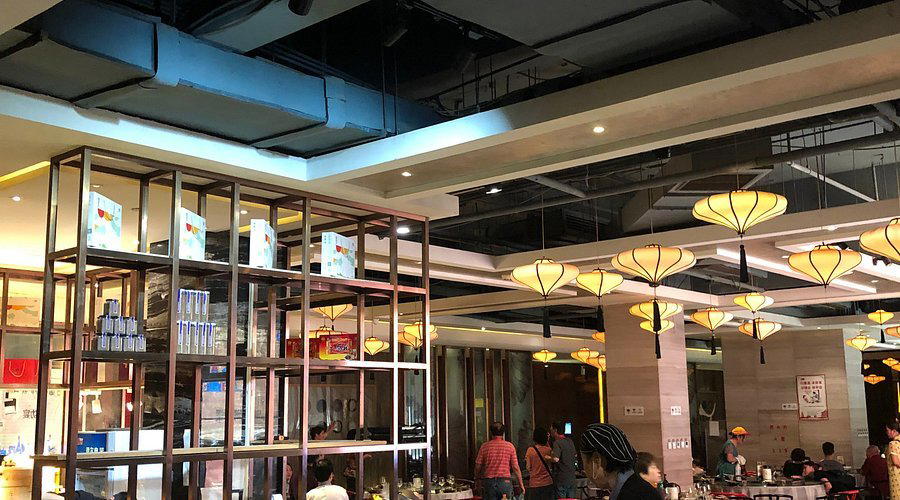
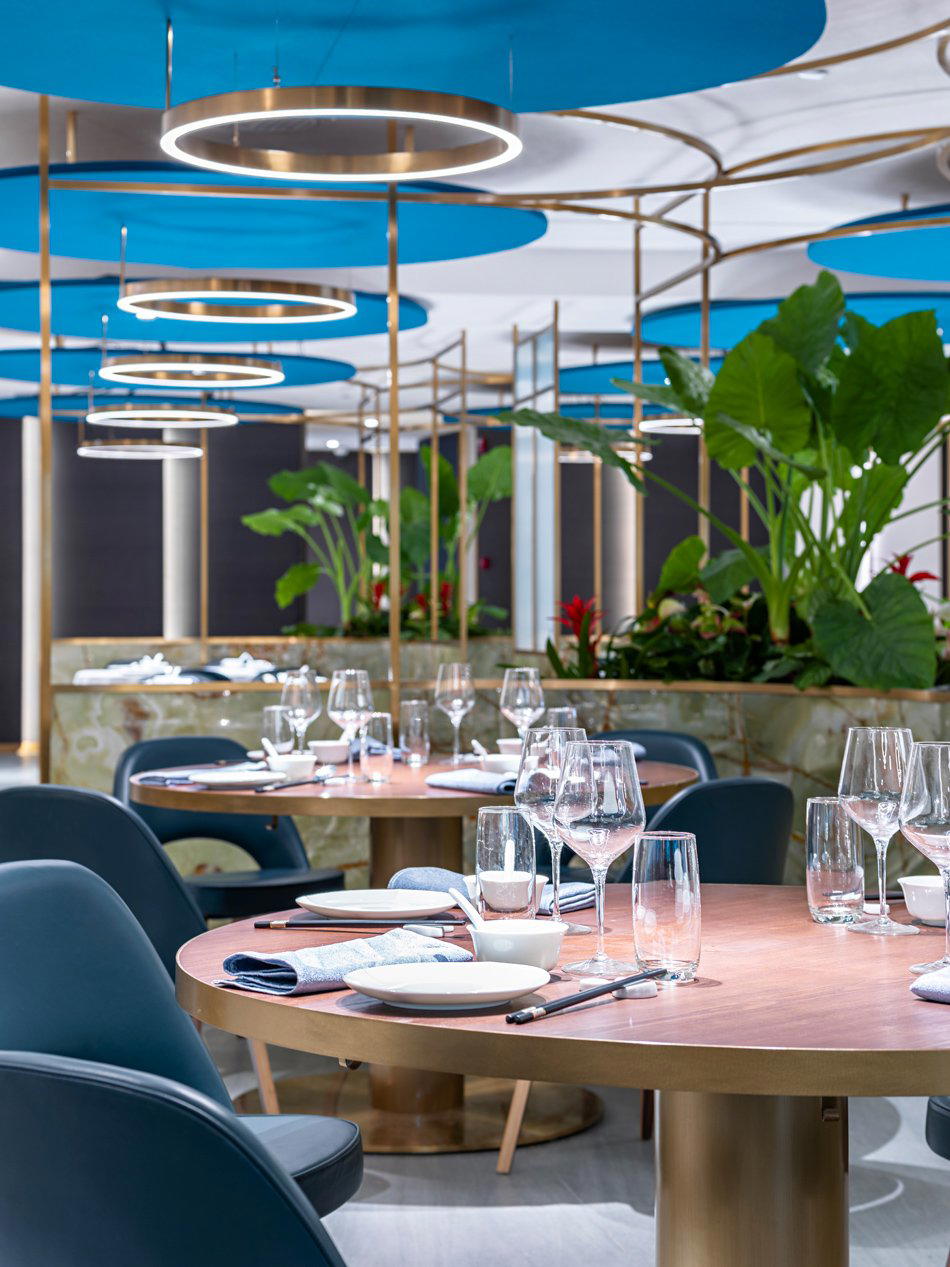
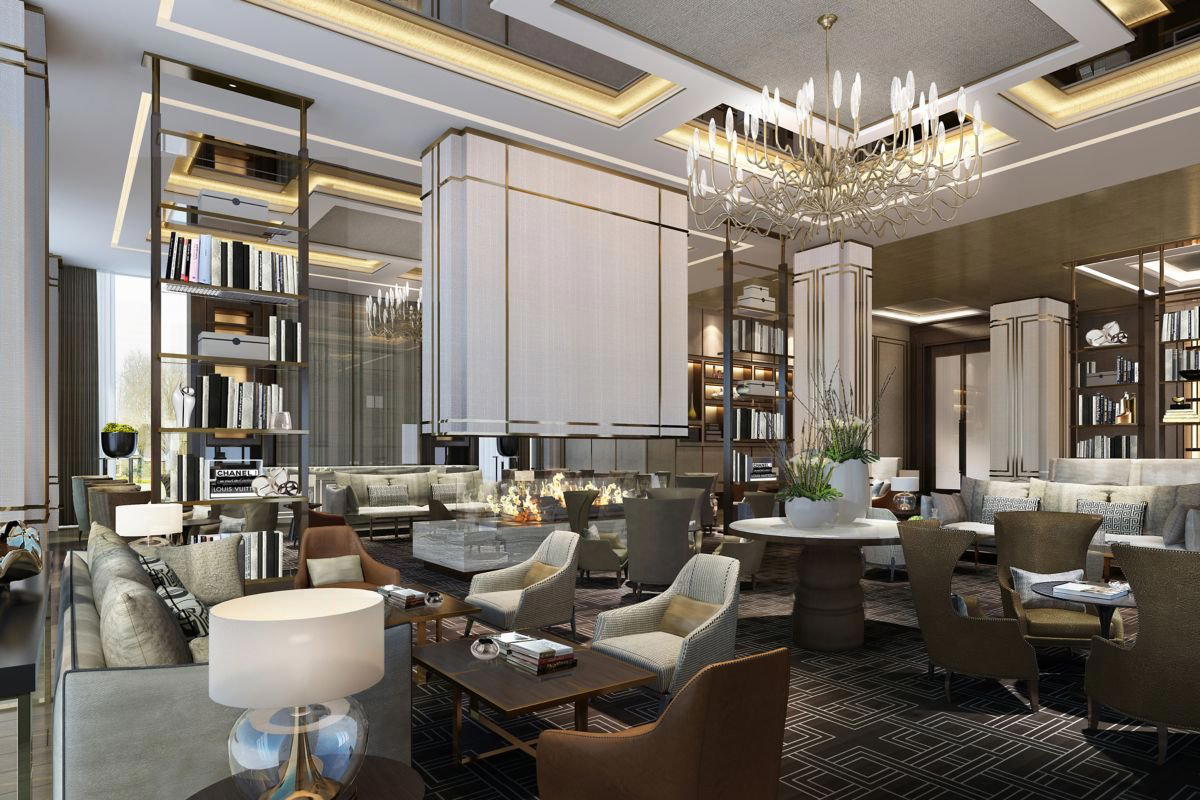
A Black Pearl 1 Diamond recognition in 2025 places MING JIA firmly in Xi'An's thin tier of formally awarded restaurants, a city far better known for street food than structured dining rooms. Expect a composed, deliberate atmosphere more aligned with Beijing or Shanghai's fine dining conventions than with Xi'An's characteristically casual food culture.
What kind of recognition has MING JIA received?
MING JIA has received recognition including: Black Pearl 1 Diamond (2025).
What should I eat at MING JIA?
Xi'An's culinary identity centres on wheat-based traditions, lamb, and ancient-grain staples, and awarded restaurants in the city typically engage with that local vocabulary at a refined register.
Do I need a reservation for MING JIA?
Given MING JIA's 2025 Black Pearl 1 Diamond status and Xi'An's limited pool of formally recognised fine dining venues, booking ahead is the safer approach. Awarded restaurants at this level in second-tier Chinese cities often operate with smaller rooms and less walk-in capacity than their counterparts in Shanghai or Beijing.
Where the Accolades Land
Comparable venues nearby, for context on price, style, and recognition.
| Venue | Cuisine | Price | Awards | Notes |
|---|---|---|---|---|
| MING JIAThis venue — the venue you are viewing | Premium Shandong Seafood | $50–100 | Black Pearl 1 Diamond | Not listed |
| Defachang Dumpling Restaurant (德发长) | Classic Xi'an Dumpling Banquet | $10–20 | Not listed | Lianhu District |
| THE BEIJING KITCHEN | Traditional Cantonese | $50–100 | Black Pearl 1 Diamond | near Yongning Gate |
| Chang'an Xi'an | Authentic Shaanxi Cuisine | Not listed | Not listed | Qujiang New District |
| 老劉家BiangBiang麵 | Traditional Shaanxi Biangbiang Noodles | $1–10 | Not listed | 回民街 |
| Cai Feng Lou | Elegant Cantonese Fine Dining | $50–100 | La Liste Top Restaurants · Black Pearl 1 Diamond | Qu Jiang New District |
Recognition history
Dated appearances from independent guides and award organizations, with the underlying list record or original source where available.
Black Pearl 1 Diamond
Black Pearl
Full recognition history (2 entries)
Black Pearl 1 Diamond
Black Pearl


Details
- Elegant
- Sophisticated
- Special Occasion
- Business Dinner
- Family
- Standalone
- A La Carte
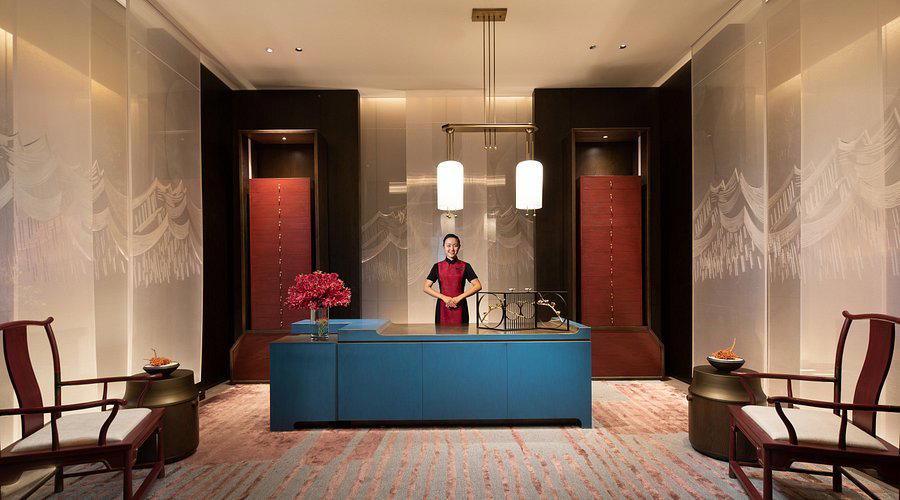
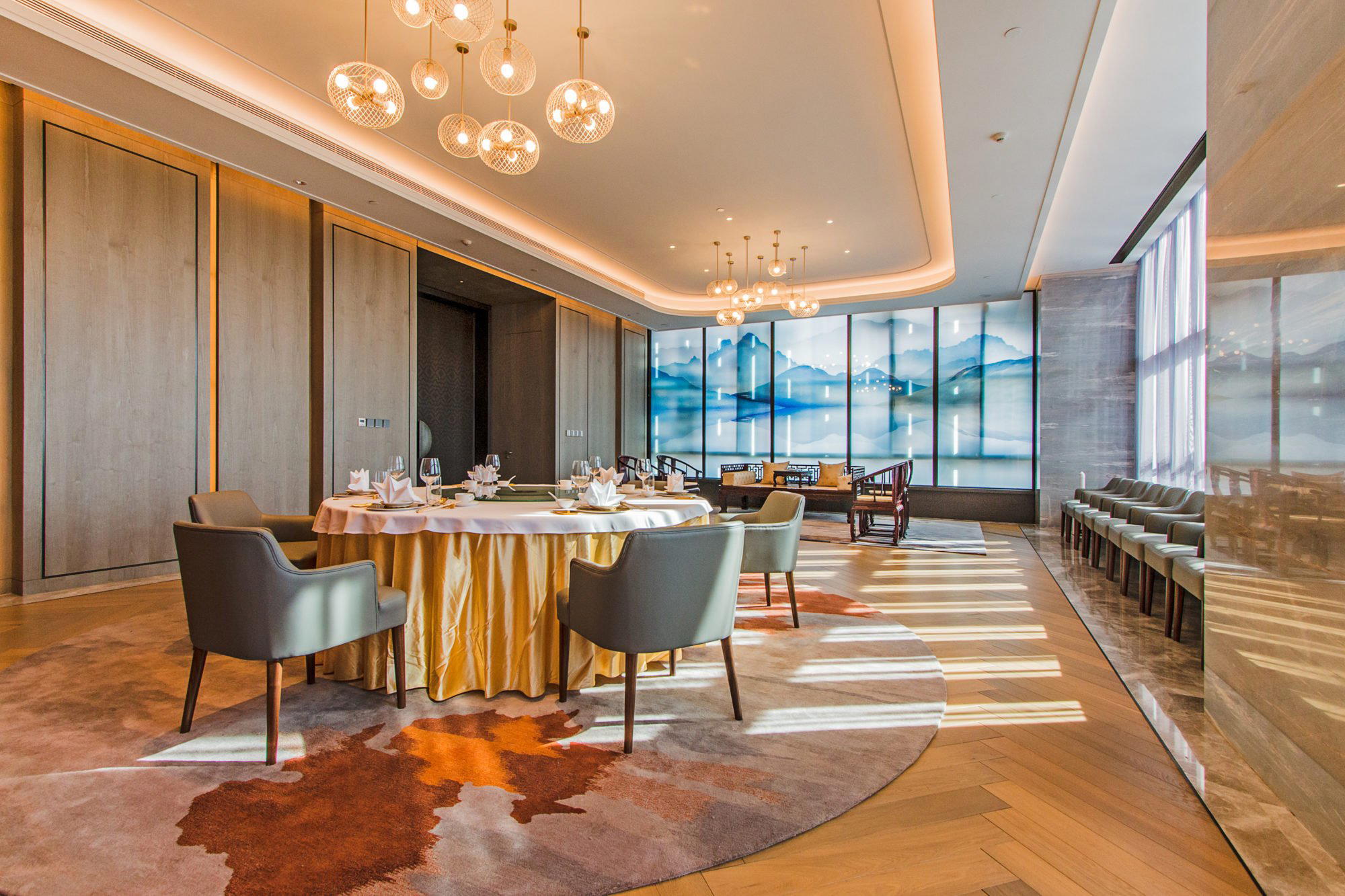
Sophisticated and elegant setting ideal for entertaining.