

Positioned at Km 4.5 on the Tulum coastal road, Papaya Playa Project occupies a stretch of coastline that places it within walking distance of the only Maya ruins overlooking the Caribbean. The property operates at the intersection of sustainability-led design and creative programming, drawing a crowd that treats the beach club, accommodation, and event calendar as a single continuous experience rather than separate offerings.
 Discover on Pearl
Pearl is the En Primeur Club membership app — saves, bookings, and concierge access live there. Same editors, same standards.
- Address
- Carretera Tulum Boca Paila, Km 4.5, Tulum 77780, Mexico
- Phone
- +52 (1) 984 871 1160
- Website
- marriott.com
Where the Coastal Road Meets the Ruins
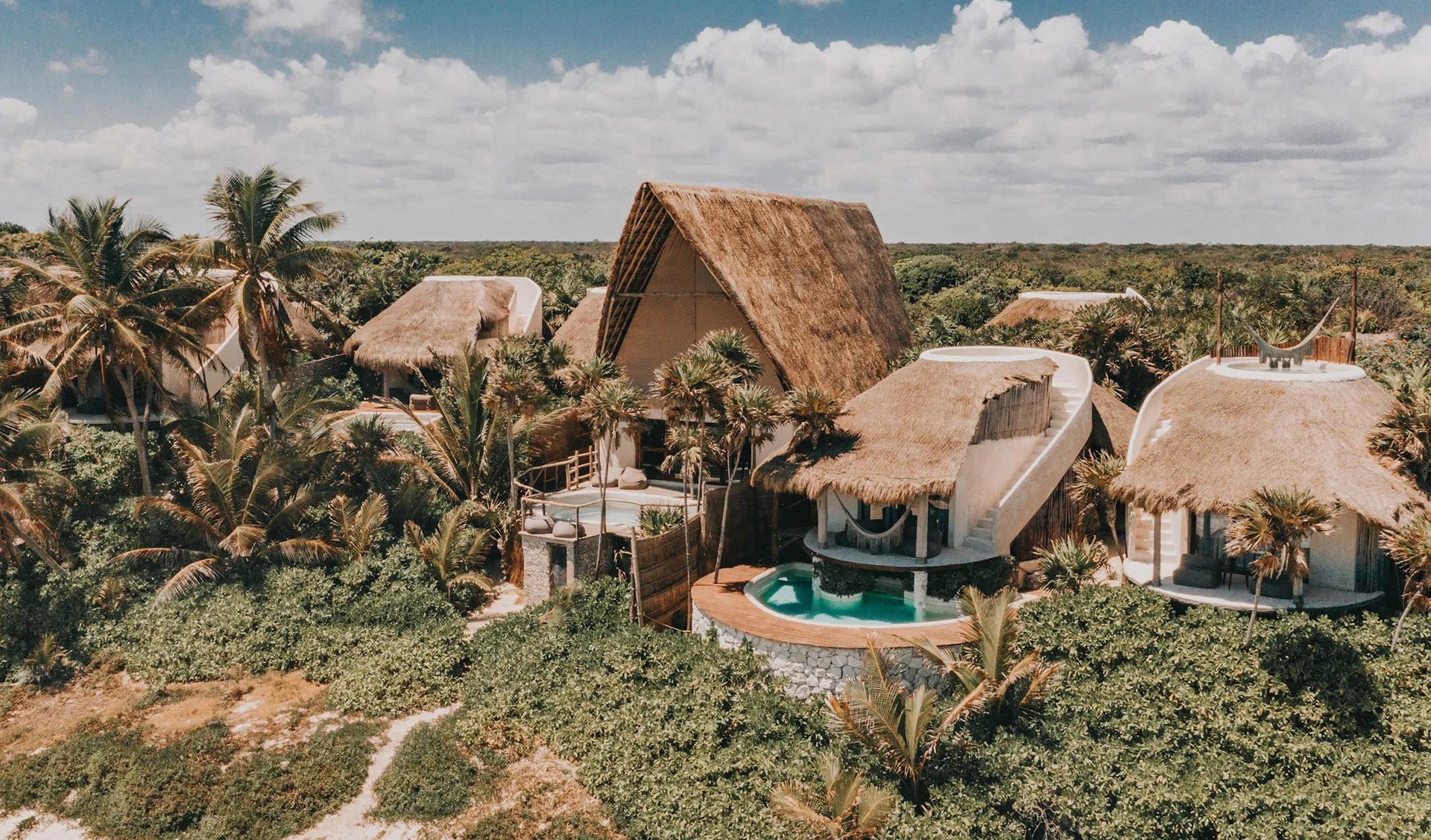
Arriving at Km 4.5 on the Carretera Tulum Boca Paila, you pass through a corridor of low jungle before the Caribbean opens up in front of you. The ruins of Tulum, the only Maya archaeological site positioned directly above the sea, are close enough that their silhouette registers from the beach. That geography is not incidental to Papaya Playa Project; it defines the property's entire proposition. Few addresses in the Riviera Maya can claim this kind of proximity to a site of genuine historical consequence, and the coastline here, relatively undeveloped compared to the hotel zone further north, still carries the sense of deliberate remove that originally made Tulum a different proposition from Playa del Carmen or Cancún.
Tulum's beach strip has split over the past decade into two recognisable tiers: large-footprint, international-brand properties that have moved in as the town's profile rose, and smaller, design-led operations that built their identity before the crowds arrived and have had to work harder to hold their character. Papaya Playa Project belongs to the second group, and that positioning shapes everything from its programming calendar to its sustainability commitments, which are embedded in the operation rather than applied as marketing afterthought.
The Setting as Programme
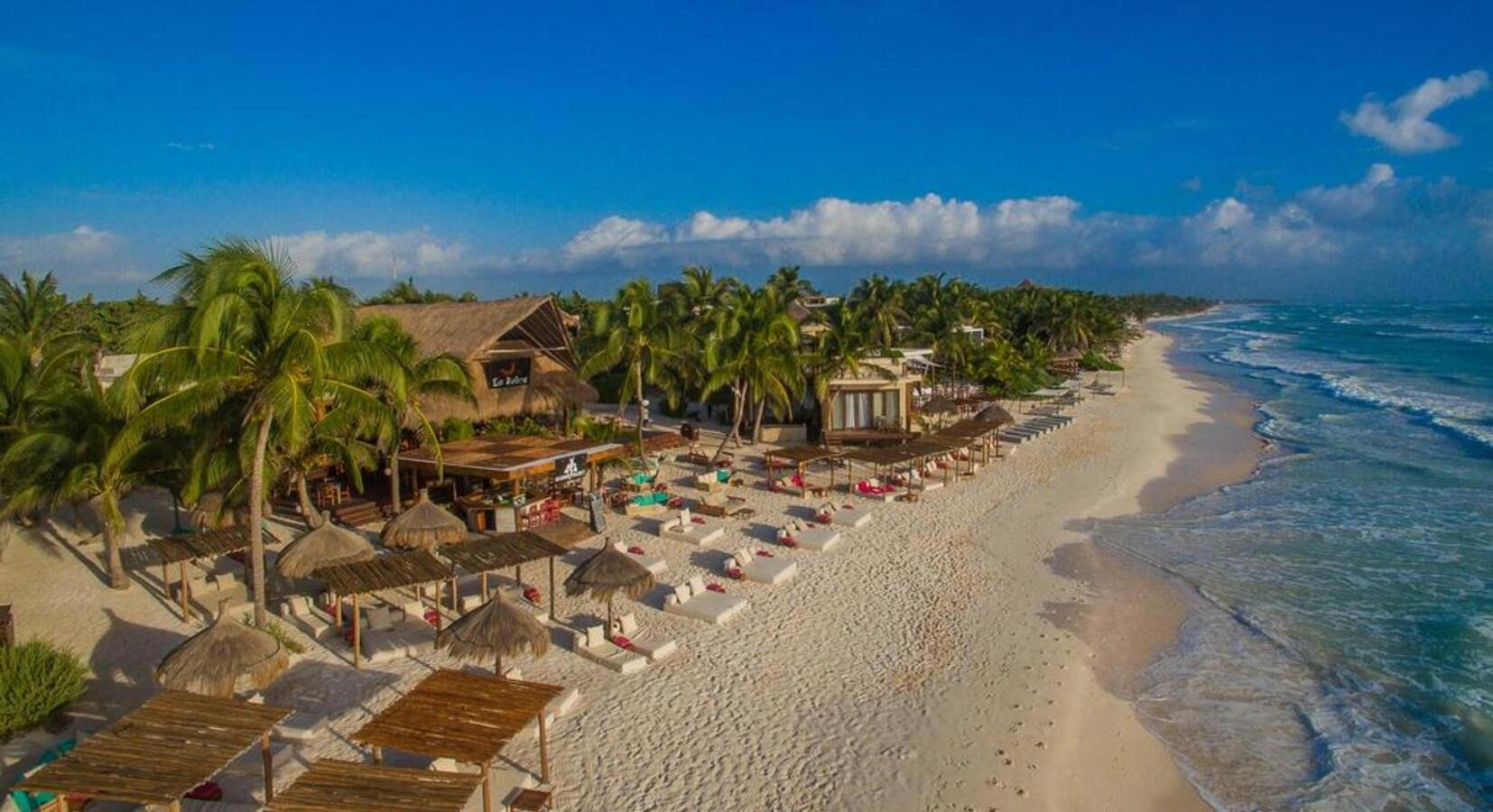
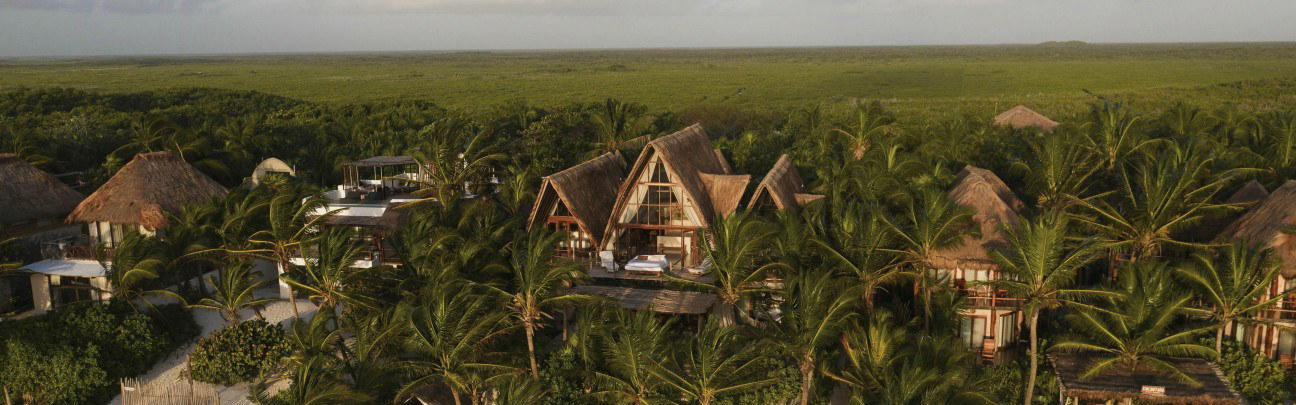
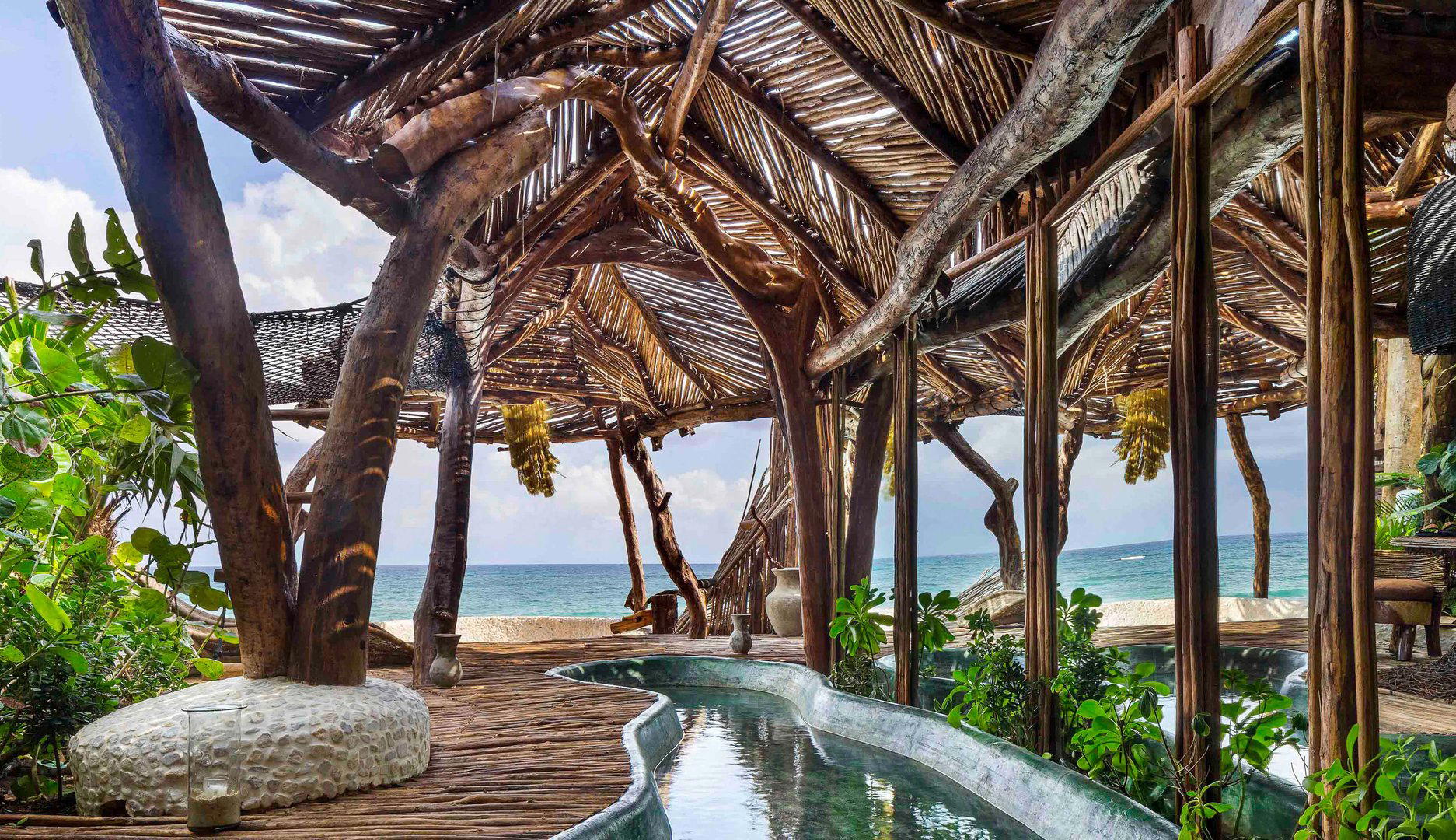
Tulum's beach clubs operate on a different logic from those in Ibiza or Mykonos. The format here is less about bottle service choreography and more about building an environment that holds people across a full day, and often into the following morning. Papaya Playa Project's event calendar reflects that rhythm. The property has established itself as a venue for full-moon parties and extended DJ sets that draw an international crowd, and the physical layout, open to the sea breeze with structures that sit low against the treeline, is suited to that kind of continuous programming.
This matters when comparing it to peers like Azulik, which leans harder into mysticism and design spectacle, or Hotel Esencia, which pitches itself at a more contained, intimate luxury. Papaya Playa Project operates in a space that is deliberately less precious, the architecture is functional and grounded, the energy is communal, and the emphasis falls on atmosphere rather than material finish. That is a genuine editorial choice, not a budget constraint, and the regular repeat traffic from the international creative and music communities suggests it reads that way to the people who matter most to this property's identity.
Sustainability as Infrastructure
Across the Yucatán Peninsula, the premium properties that have built the most durable reputations tend to be those that treat environmental responsibility as an operational discipline rather than a branding exercise. Chablé Yucatán built its wellness identity around the cenote on its land; Maroma in Riviera Maya has long positioned its beach as something to be protected rather than consumed. Papaya Playa Project aligns with that approach, framing its sustainability commitments as rooted in the specifics of this coastline, a stretch of Caribbean shore that faces real pressure from the development pace Tulum has absorbed in recent years.
The property's position near the Maya ruins adds a layer of accountability that is harder to ignore than the generic eco-certifications found elsewhere on the hotel strip. Operating in the shadow of a protected archaeological zone concentrates the mind. Whatever the specific sustainability protocols in place, the location alone applies a discipline that properties set back from culturally significant sites rarely have to observe.
The Team Dynamic and What It Produces
Properties at this end of the beach, creative, event-oriented, sustainability-committed, live or die by the coherence of their operations team. The guest experience at Papaya Playa Project is not carried by any single element: not a named chef with a flagship tasting menu, not a spa programme built around a single treatment philosophy, not a wine list curated to a particular regional focus. Instead, it depends on how well the food and beverage operation, the event production team, and the front-of-house read and respond to a crowd that can shift dramatically between a Tuesday afternoon and a full-moon Saturday.
That kind of cross-functional coordination is harder to sustain than a simpler, more controlled hotel model, and when it works, it produces something that guests describe less as a hotel stay and more as a cultural moment they happened to sleep inside. When it does not work, the absence of formal structure becomes conspicuous. The properties in Tulum that have managed this balance longest, operating as genuinely creative spaces without losing the hospitality fundamentals, tend to be those where the team has been stable long enough to develop institutional memory. Compared to the more formal frameworks at Casa Malca or Bespoke Tulum, Papaya Playa Project is operating in a more improvisational register, and the risk-reward calculation is different.
How It Sits in the Tulum Field
The Tulum beach strip offers a range of approaches to the same basic proposition: a Caribbean-facing room close to jungle, ruins, and cenotes, with food, drink, and programming attached. Amansala Resort anchors the wellness end; Copal Tulum and Encantada Tulum sit in the mid-range design-led tier; Hotel Bardo attracts a creative crowd with a more intimate format. Papaya Playa Project's comparative advantage is scale and programming depth, it can hold a significant event without the physical plant straining, combined with a location that puts you closer to the archaeological zone than most of its peers.
For travellers comparing Mexico's broader coastal premium market, the creative-property model represented here is echoed, in different registers, by One&Only; Mandarina in Riviera Nayarit, Xinalani in Quimixto, and Etéreo, Auberge Resorts Collection, all properties where the environment and programming are as central to the stay as the room itself. See our full Tulum restaurants and hotels guide for how the zone maps across price tiers and styles.
Planning Your Stay
Accolades, Compared
Comparable venues nearby, for context on price, style, and recognition.
| Venue | Cuisine | Price | Awards | Notes |
|---|---|---|---|---|
| Papaya Playa ProjectThis venue — the venue you are viewing | Barefoot luxury eco-conscious resort merging Mayan cultural heritage with contemporary design; positioned as creative haven for wellness-seekers and artistic individuals. | $$$ | 5-Star | |
| Hotel Tiki Tiki Tulum | Small luxury design boutique in jungle setting | $$$ | 5-Star | Tulum |
| IKAL Tulum Hotel | Modern Mayan sanctuary with sustainable bio-architecture | $$$$ | 5-Star | Tulum |
| Mi Amor | Contemporary chic boutique with tropical immersion | $$$$ | 5-Star | Tulum |
| La Zebra | barefoot luxury beachfront boutique | $$$$ | 5-Star | Tulum |
| Delek Tulum | Contemporary classic boutique hotel with eco-conscious design philosophy emphasizing cultural sensitivity and sustainable tourism practices. | $$$ | 4-Star | Tulum |
Continue exploring
More in Tulum
Hotels in Tulum
Browse all →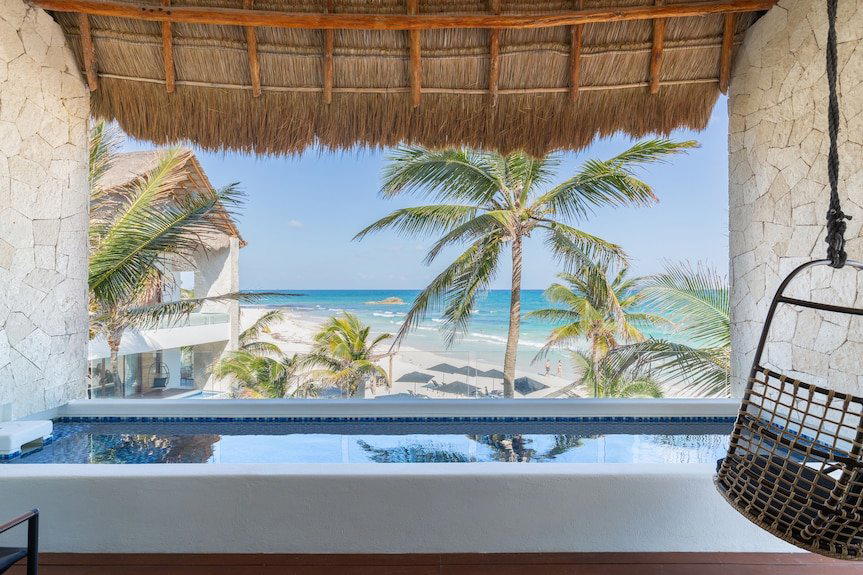
At a Glance
- Bohemian
- Scenic
- Romantic
- Lively
- Trendy
- Romantic Getaway
- Wellness Retreat
- Destination Wedding
- Celebration
- Beachfront
- Private Villa
- Butler Service
- Rooftop Pool
- Destination Spa
- Terrace
- Panoramic View
- Private Dining
- Wifi
- Pool
- Spa
- Room Service
- Concierge
- Beach Access
- Yoga Classes
- Nightclub
- Restaurant
- Bar
- Garden
- Art Installations
- Waterfront
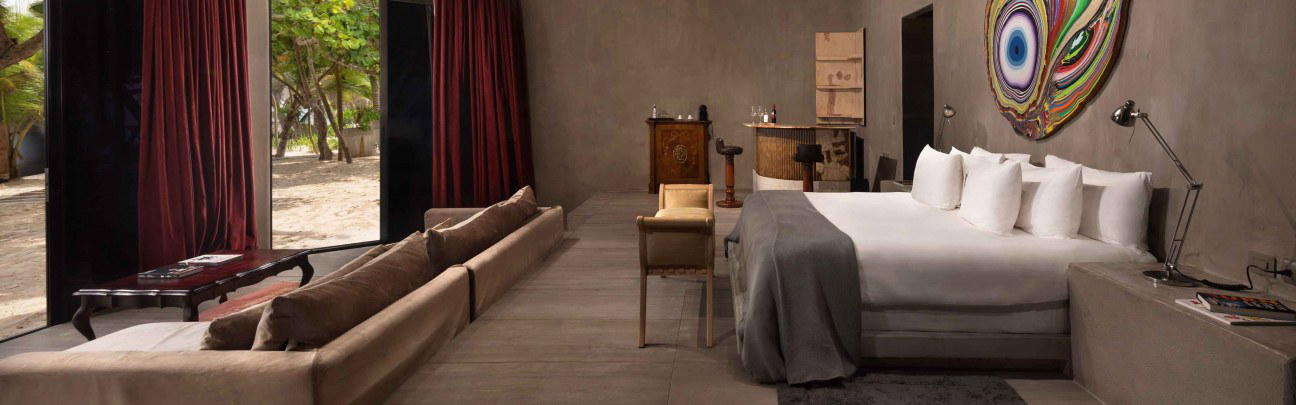
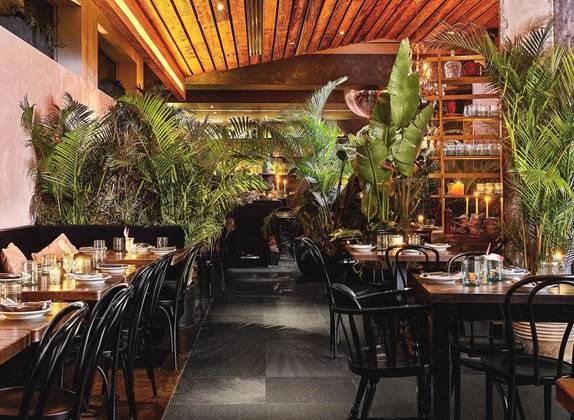
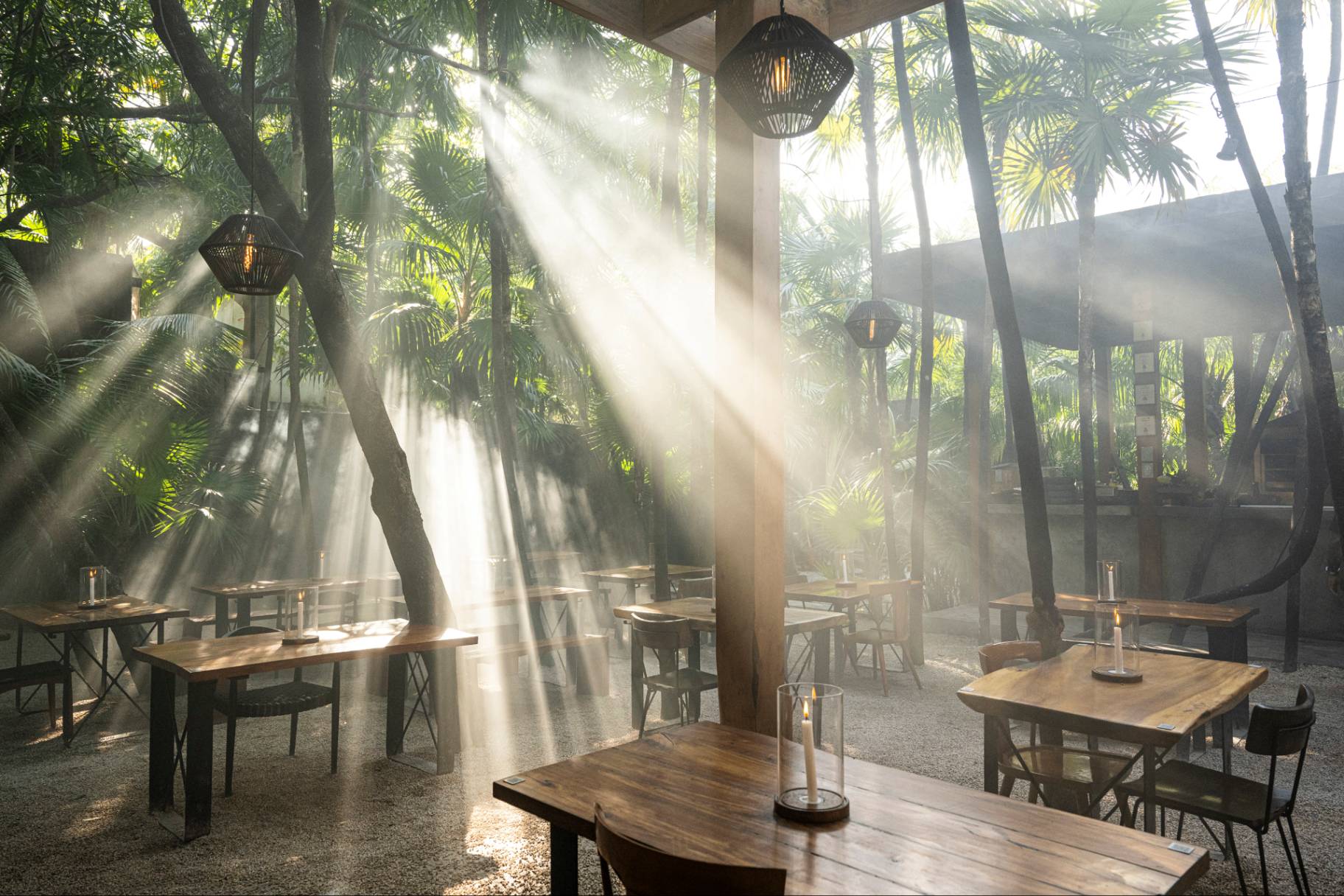
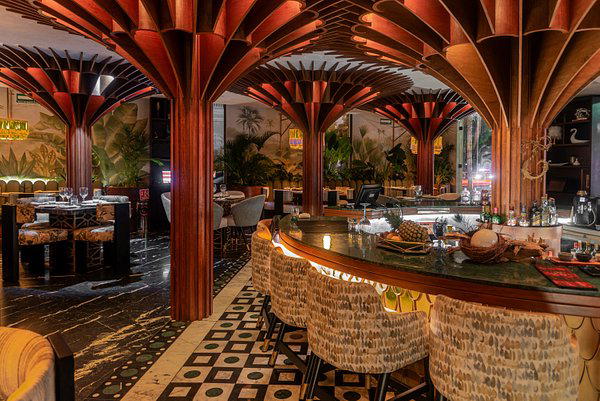
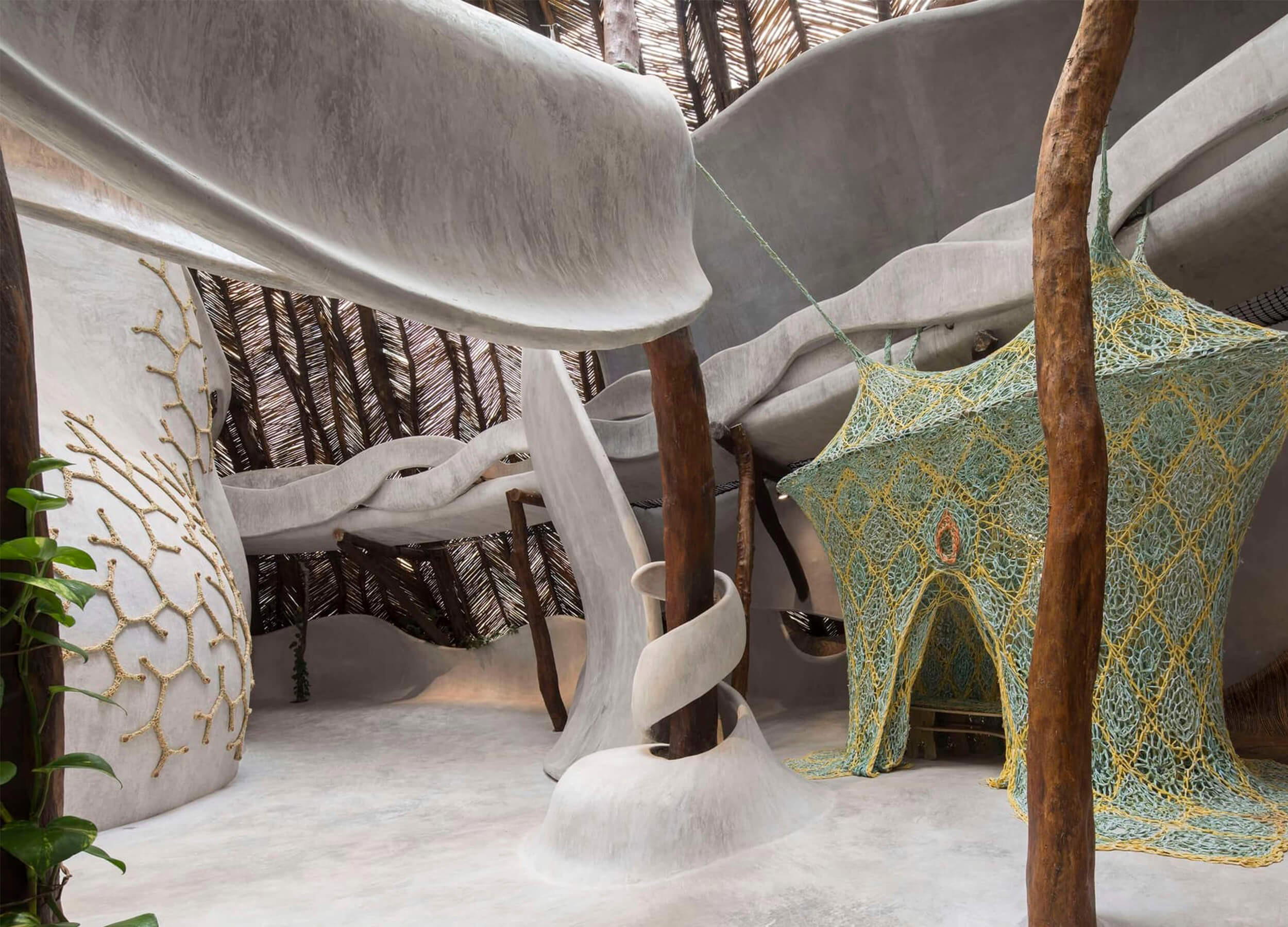
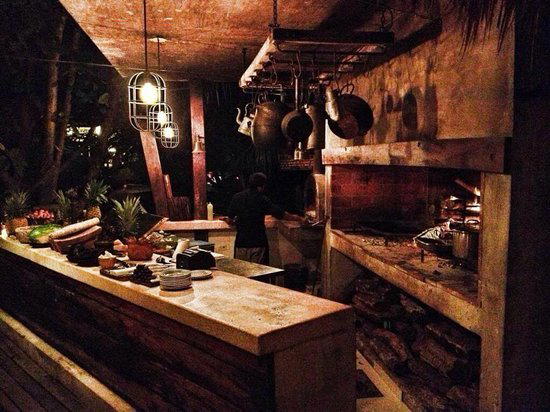
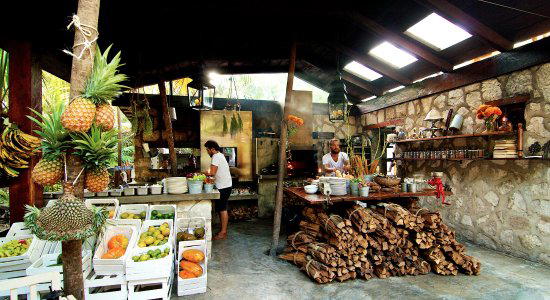
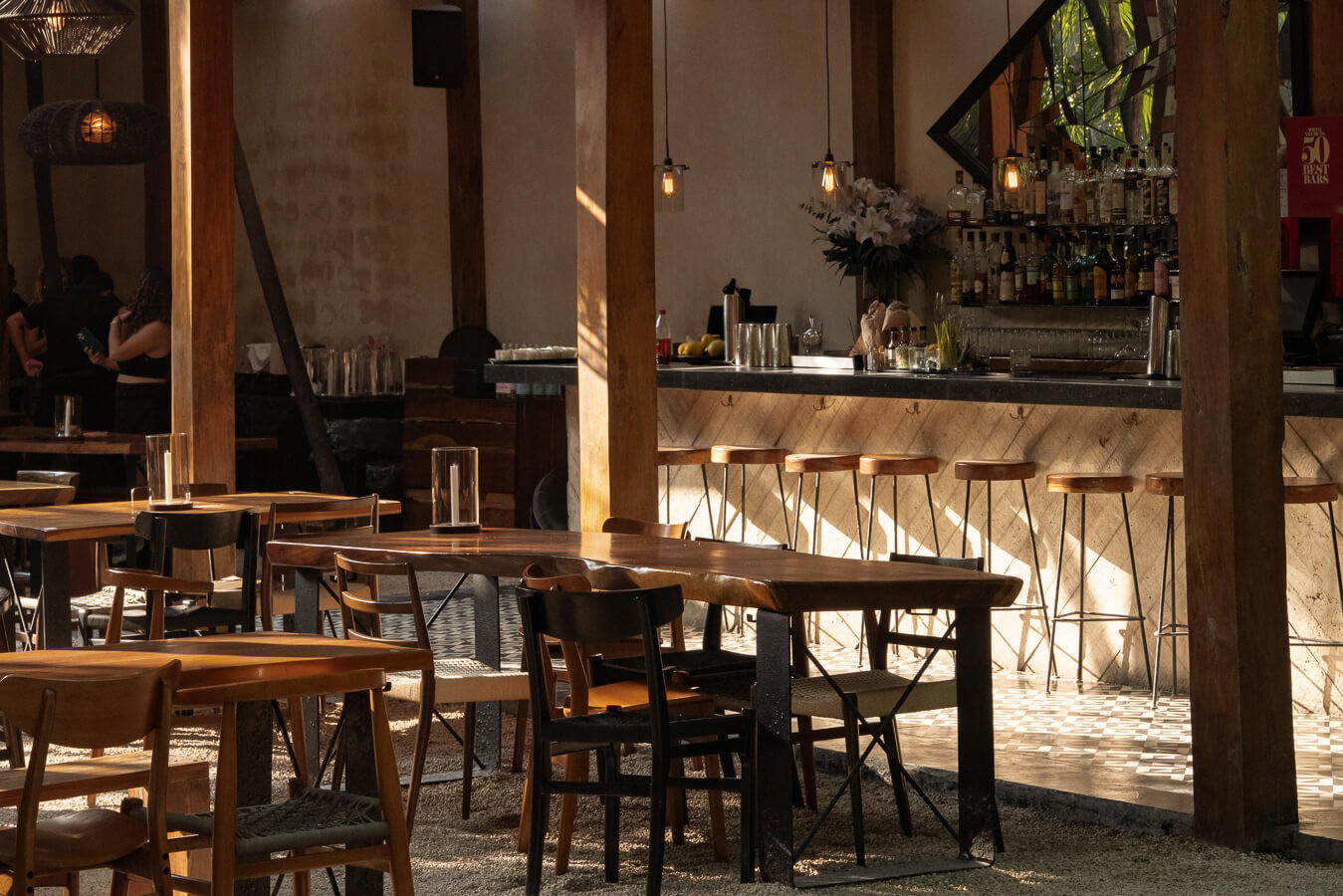
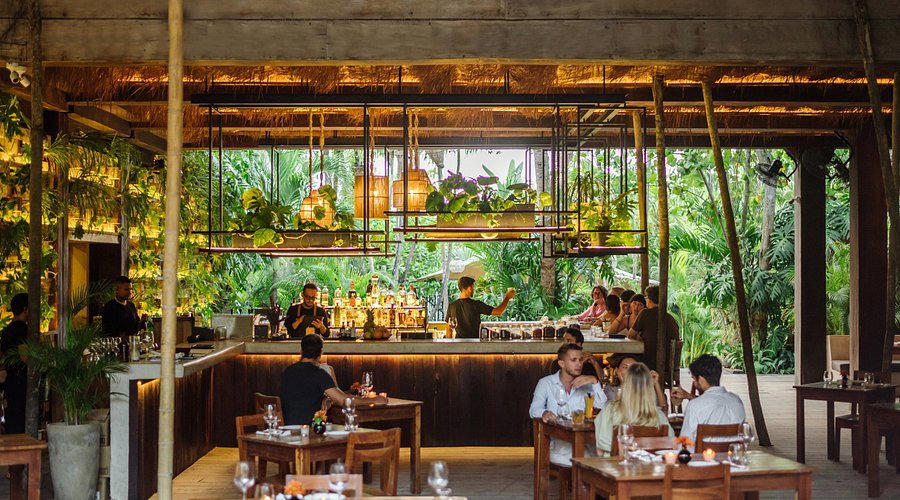
Rustic-luxe tropical setting with natural materials, candlelit beach club atmosphere, and vibrant nightlife; described as clean, manicured, and serene during day with energetic evening entertainment.