
Michelin Selected
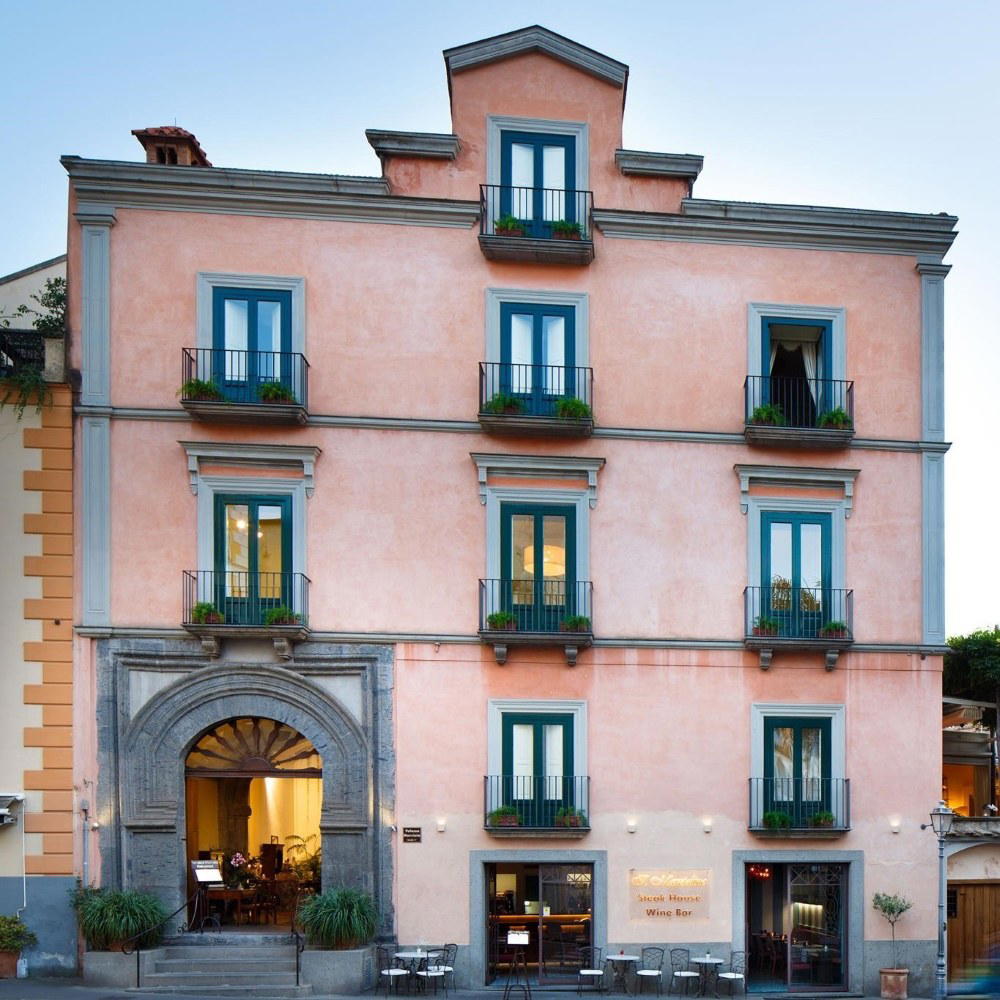
A MICHELIN Selected palazzo in the heart of Sorrento, Palazzo Marziale occupies a historic building steps from Piazza Tasso, positioning it within the compact upper tier of the town's design-conscious accommodation. The property's architecture and interior character set it apart from Sorrento's grander cliff-edge hotels, offering a more intimate relationship with the old town fabric.

Pearl is the En Primeur Club membership app — saves, bookings, and concierge access live there. Same editors, same standards.
- Address
- P. Francesco Saverio Gargiulo, 2, 80067 Sorrento NA, Italy
- Phone
- +39 081 807 4406
- Website
- palazzomarziale.com
- Directions
- Get directions
A Palazzo in the Town, Not Above It
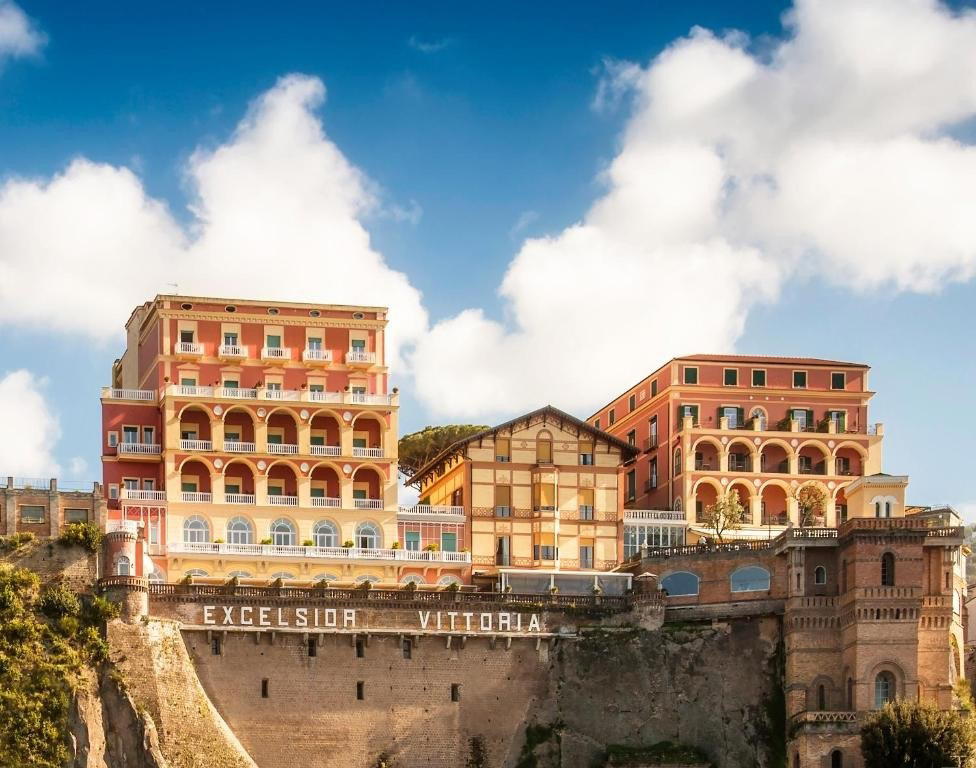
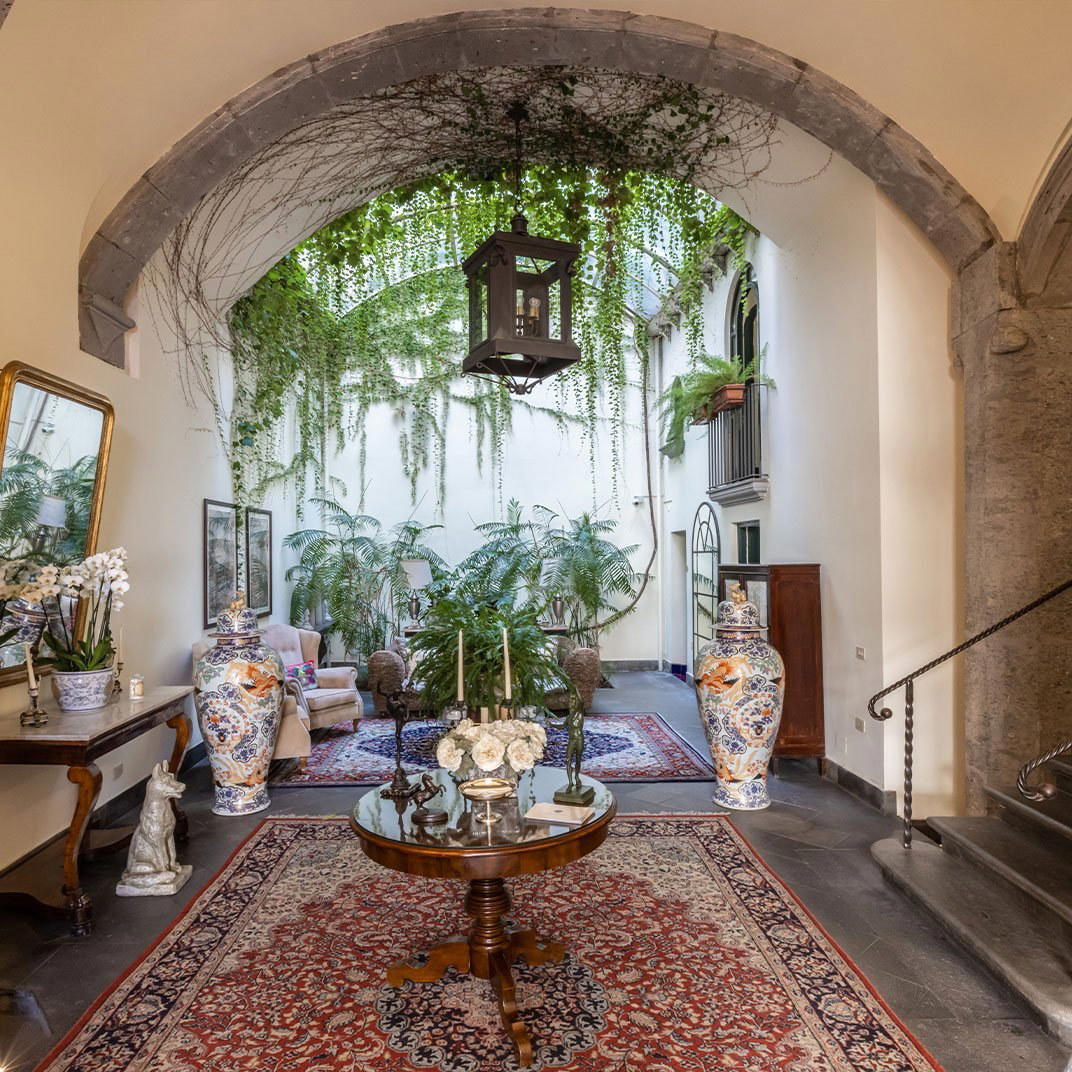
Most of Sorrento's prestige hotels play the same spatial card: cliff edge, sea terrace, vertiginous views across the Bay of Naples toward Vesuvius. It is a formula that works, and properties like Grand Hotel Excelsior Vittoria and Bellevue Syrene 1820 have built enduring identities around it. Palazzo Marziale takes a different position entirely. Set at Piazza Francesco Saverio Gargiulo 2, it sits inside the old town grid rather than cantilevered above the sea, which means arriving on foot through narrow Sorrentine lanes, past ceramic shops and limoncello vendors, before stepping into a courtyard that reads as a sudden and deliberate pause in all that street-level noise. The contrast is the point. Where cliff-edge hotels make the view their architecture, a palazzo in the urban fabric makes the building itself the event.
The Physical Argument for a Historic Interior
Italy's hotel tier that occupies converted aristocratic buildings operates on a logic distinct from purpose-built resort properties. The building comes first; the hospitality program is fitted around it. At Palazzo Marziale, the structure's historic bones — vaulted ceilings, stone detailing, the proportions of rooms designed for a different century — create spatial conditions that no new-build can replicate. This is the same architectural premise that defines Italy's most considered conversions, from Aman Venice to Four Seasons Hotel Firenze, though Palazzo Marziale operates at a markedly different scale and positioning. The argument for staying here is architectural: you are sleeping inside the material history of the town rather than looking at it from a balcony above.
Sorrento's historic centre has a density that makes this kind of immersion particularly legible. The street plan has not changed substantially in centuries, and the palazzo typology, built around a central courtyard, with ground-floor commercial and upper-floor residential logic, remains physically intact in a way that has been erased from many Italian towns. A hotel that occupies this format honestly, without gutting or theming it into abstraction, offers something that the cliff-side resort format cannot: a reading of how the place was actually organised and inhabited.
Where Palazzo Marziale Sits in Sorrento's Accommodation Tier
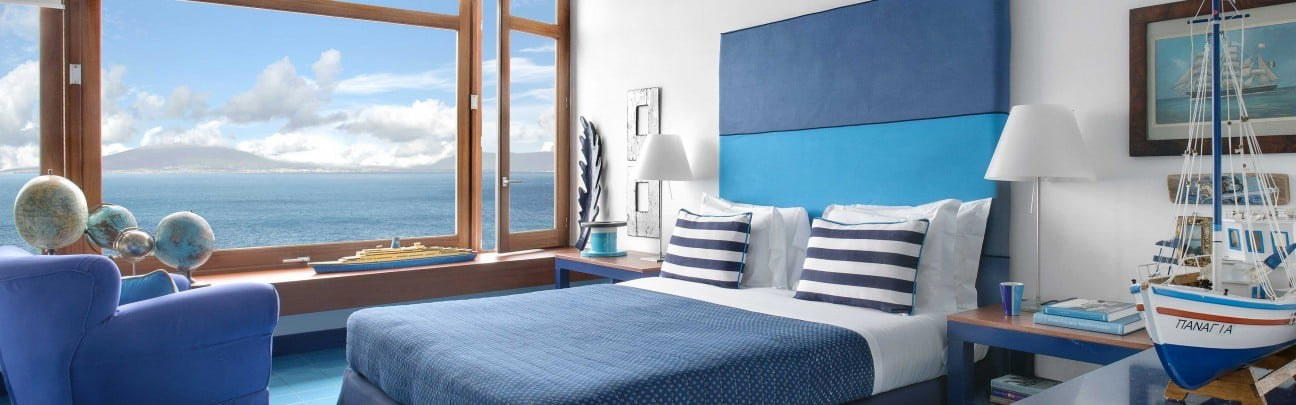
Sorrento's upper accommodation market has several distinct sub-groups. There are the grand historic hotels with long international reputations, typified by Grand Hotel Excelsior Vittoria and Grand Hotel Cocumella. There are the design-forward smaller properties, of which La Minervetta is the clearest example, with its mid-century interiors and sea-facing position. And there are properties like Ara Maris and Hotel Lorelei Londres that occupy the mid-range with varying degrees of sea access and period character. Palazzo Marziale, carrying a MICHELIN Selected distinction from the 2025 guide, sits in the more considered tier: recognised for quality but not playing on scale, panorama, or a celebrity-chef dining program.
The MICHELIN Selected designation, applied to hotels rather than restaurants, signals a threshold of quality and consistency rather than star-rated luxury. It places Palazzo Marziale in the same curated framework as properties assessed across Italy by the guide's editorial team, a credential that operates independently of star ratings or room counts. For comparable MICHELIN-recognised palace conversions across Italy, Passalacqua in Moltrasio and Castello di Reschio represent the upper extreme of what historic conversion can achieve at the right investment level, while Corte della Maestà in Civita di Bagnoregio shows how the format scales down without losing integrity.
The Campania Context
Sorrento sits at the northern edge of the Amalfi Coast's gravitational pull, functioning as a logistical base for day trips to Positano, Ravello, and the islands as much as a destination in its own right. The peninsula's geography concentrates most of its celebrated hotels on the southern coast, where Il San Pietro di Positano and Borgo Santandrea represent the cliff-carved resort format at its most committed. Capri, a 25-minute ferry from Sorrento's port, has its own hotel logic, anchored by properties like JK Place Capri. Within this competitive regional geography, a Sorrento town-centre palazzo offers a different travel proposition: use the infrastructure of a walkable historic town as your base, and access the coast and islands as day excursions rather than committing to the higher prices and logistical complexity of sleeping on the cliff face itself.
Summer in Sorrento runs hot and crowded from July through August, with accommodation prices and booking competition at their peak. The shoulder months of May, June, September, and October offer more moderate conditions and better availability, and the light during those periods is less harsh for appreciating architectural detail and stonework. For a hotel whose primary argument is its building rather than its pool, those months are the stronger choice.
Planning a Stay
Palazzo Marziale's MICHELIN Selected status places it in a recognised tier, and Sorrento's peak season means the better rooms at quality properties fill months in advance. Given the town's compressed summer demand, securing accommodation for July and August realistically requires planning four to six months ahead. The shoulder season offers more flexibility, but the property's recognition means availability is not unlimited even outside high summer. Piazza Francesco Saverio Gargiulo places the hotel within walking distance of Sorrento's main square, Piazza Tasso, and the ferry terminal connections to Capri, Positano, and Naples are accessible on foot or by a short taxi. For context on the wider Sorrento scene and what else the town offers beyond its hotels, our full Sorrento guide covers the dining, neighbourhood character, and how to read the town's different accommodation zones.
Travellers who want to benchmark Palazzo Marziale against the full range of Italian luxury hotel formats might also consider how its architectural argument compares to urban palace conversions further afield: Bulgari Hotel Roma in Rome, Portrait Milano, or Casa Maria Luigia in Modena represent how different cities handle the same basic premise of historic fabric converted for contemporary hospitality. At the further end of the price and scale spectrum, Rosewood Castiglion Del Bosco and Grand Hotel Ambasciatori show where the category goes when investment scale removes the constraints. Palazzo Marziale operates in a more contained register, and that is not a limitation so much as a different set of priorities: the building, the town, and the proximity to one of Italy's most compressed stretches of coastal geography.
A Quick Peer Check
Comparable venues nearby, for context on price, style, and recognition.
| Venue | Cuisine | Price | Awards | Notes |
|---|---|---|---|---|
| Palazzo MarzialeThis venue — the venue you are viewing | Historic family-owned palazzo turned luxury boutique hotel | $300–500 | Michelin Selected | Not listed |
| Hotel Lorelei Londres | Historic boutique villa in classic building with modern furniture | $500–750 | Michelin Selected | Sorrento City Centre |
| Grand Hotel Ambasciatori | Classic luxury cliffside hotel with lush private park | $500–750 | Michelin Selected | Sorrento center |
| Grand Hotel Cocumella | Historic cliffside monastery-turned-luxury retreat | Not listed | Small Luxury Hotels of the World Member | Sant'Agnello |
| Ara Maris | Mediterranean luxury boutique with lush gardens and sea-view terraces | $300–500 | Mr & Mrs Smith Seal of Approval · Virtuoso Luxury Hotel Partner | Sorrento center |
| Grand Hotel Excelsior Vittoria | Well-known family-owned heritage property blending Victorian charm with modern luxury. | $500–750 | 1 Michelin Key · La Liste Top Hotels | Sorrento |
Recognition history
Dated appearances from independent guides and award organizations, with the underlying list record or original source where available.
Michelin Selected
Michelin
Continue exploring
More in Sorrento
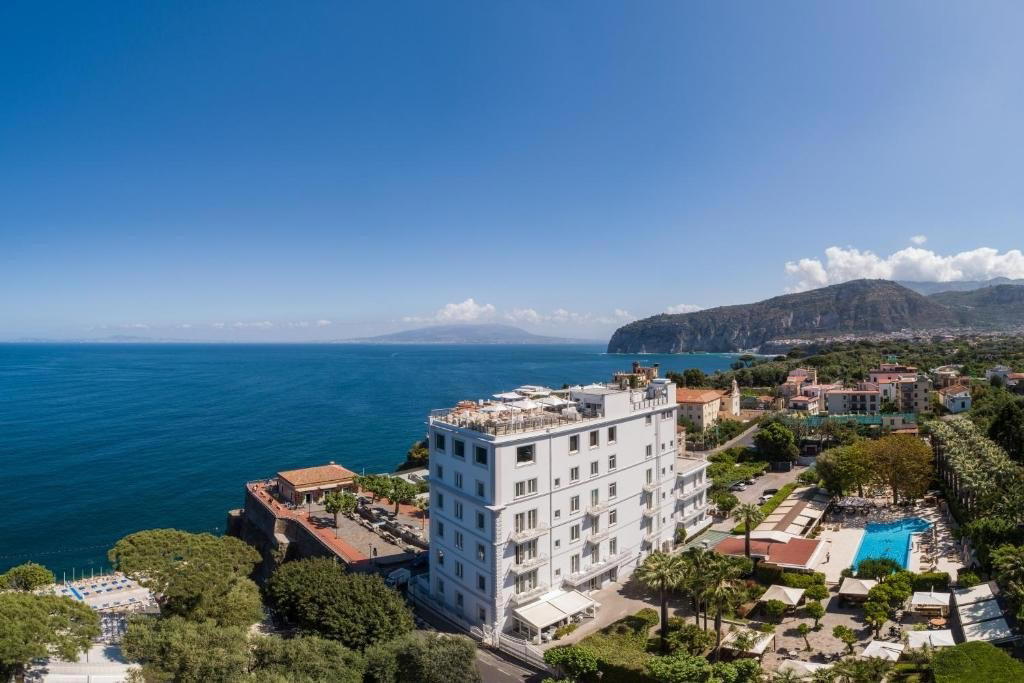
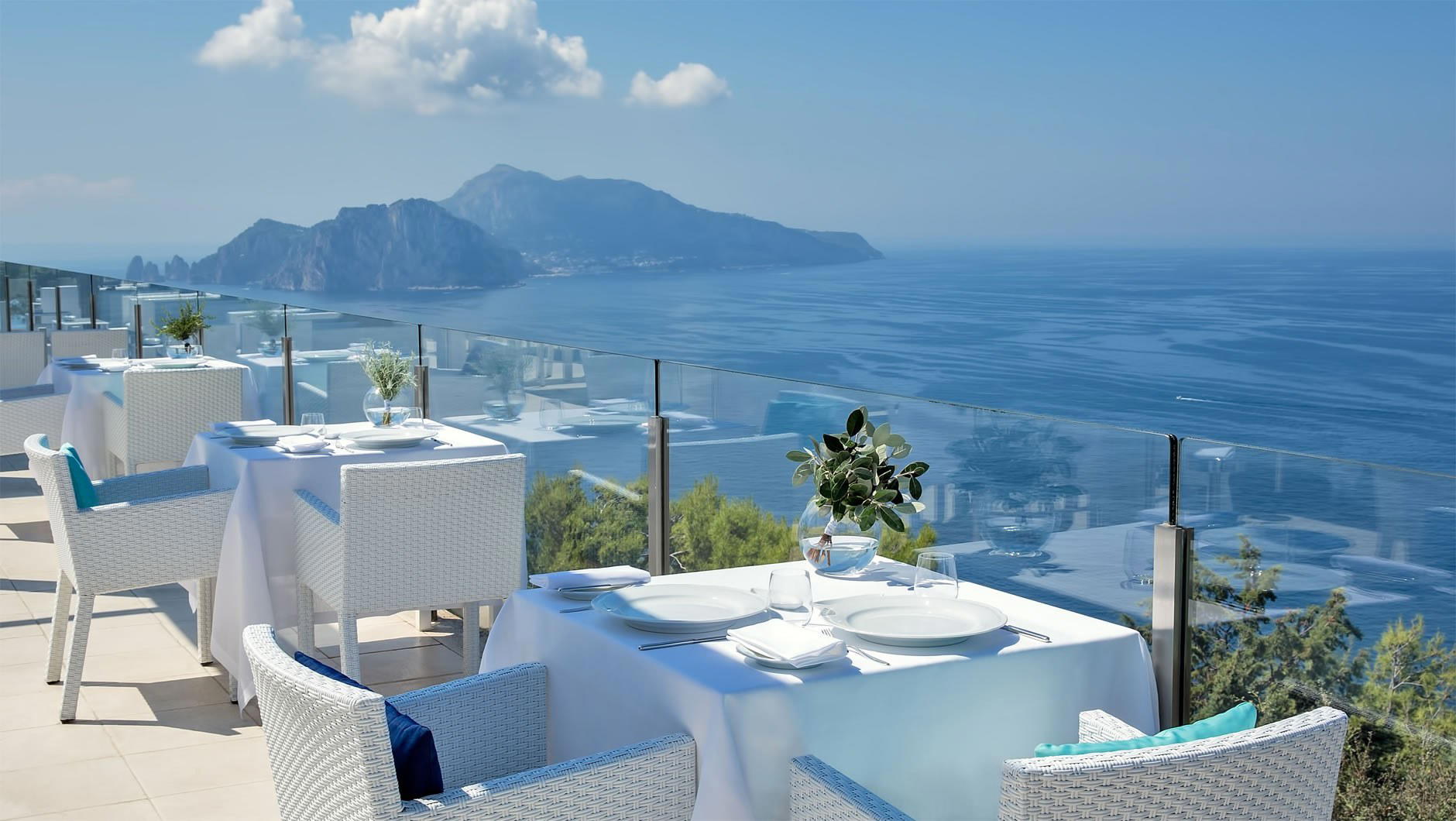
Hotels in Sorrento
Browse all →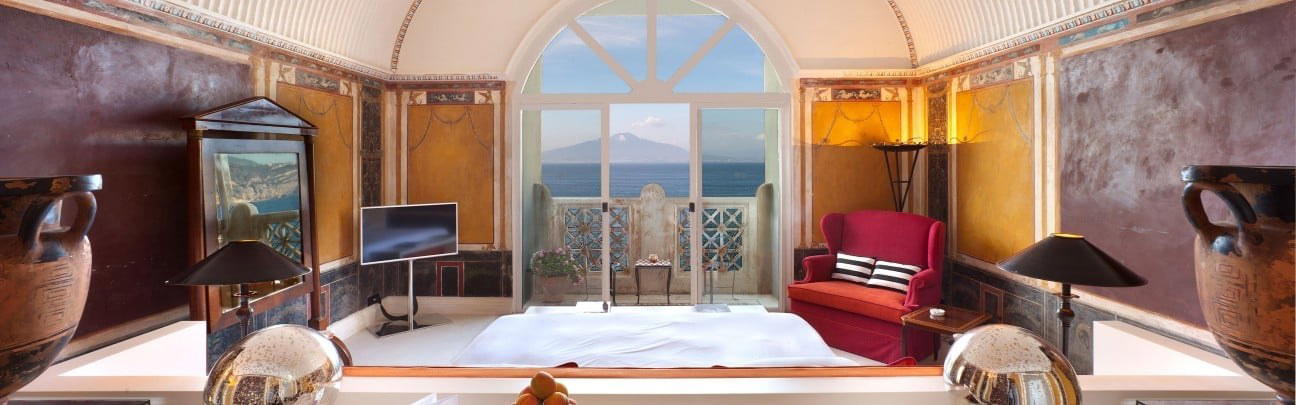
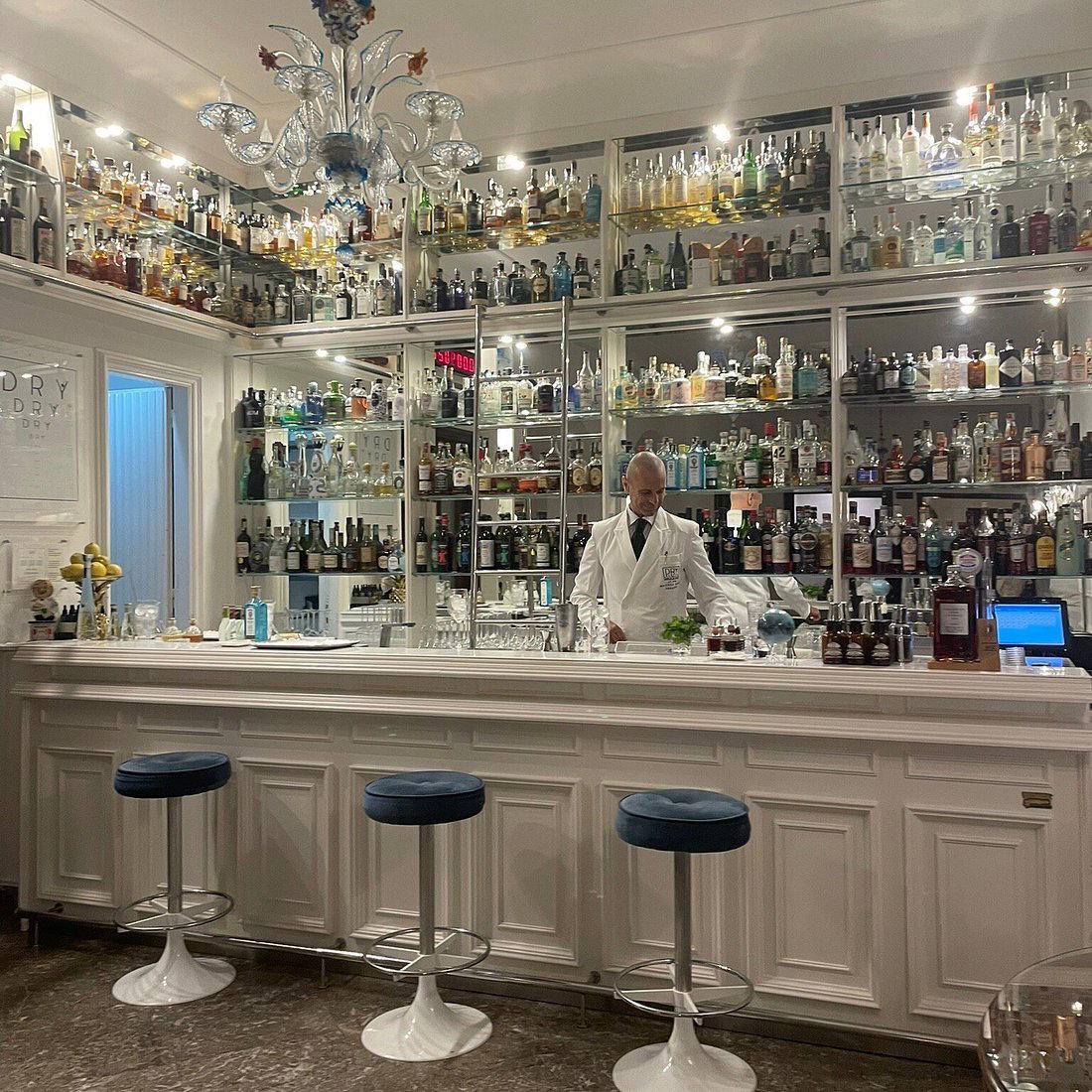
Bars in Sorrento
Browse all →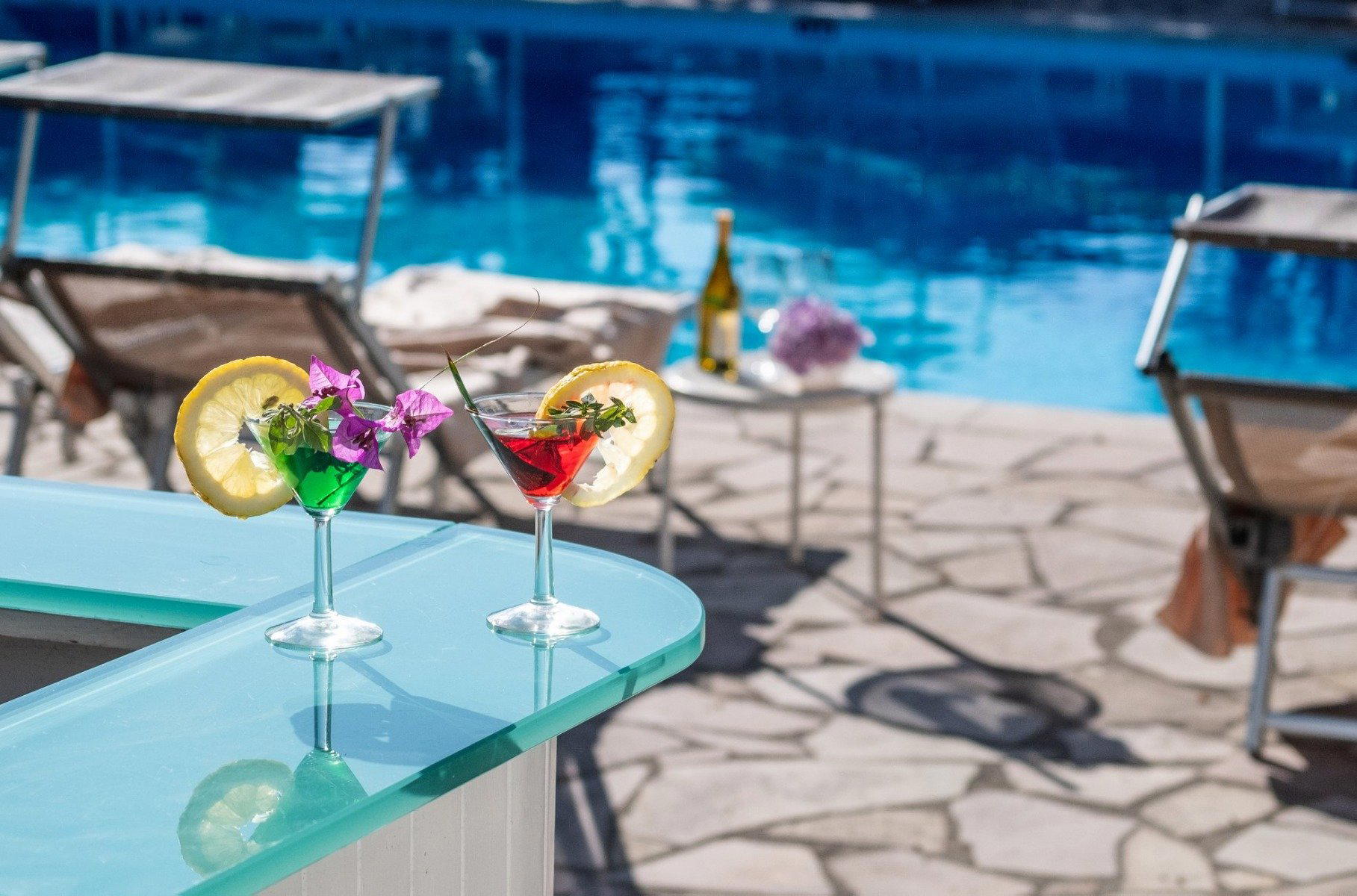
Restaurants in Sorrento
Browse all →

Details
- Quiet
- Classic
- Elegant
- Intimate
- Sophisticated
- Romantic Getaway
- Honeymoon
- Anniversary
- Historic Building
- Terrace
- Wi Fi
- Room Service
- Concierge
- Air Conditioning
- Laundry Service
- Garden
- Street Scene
- Elevator
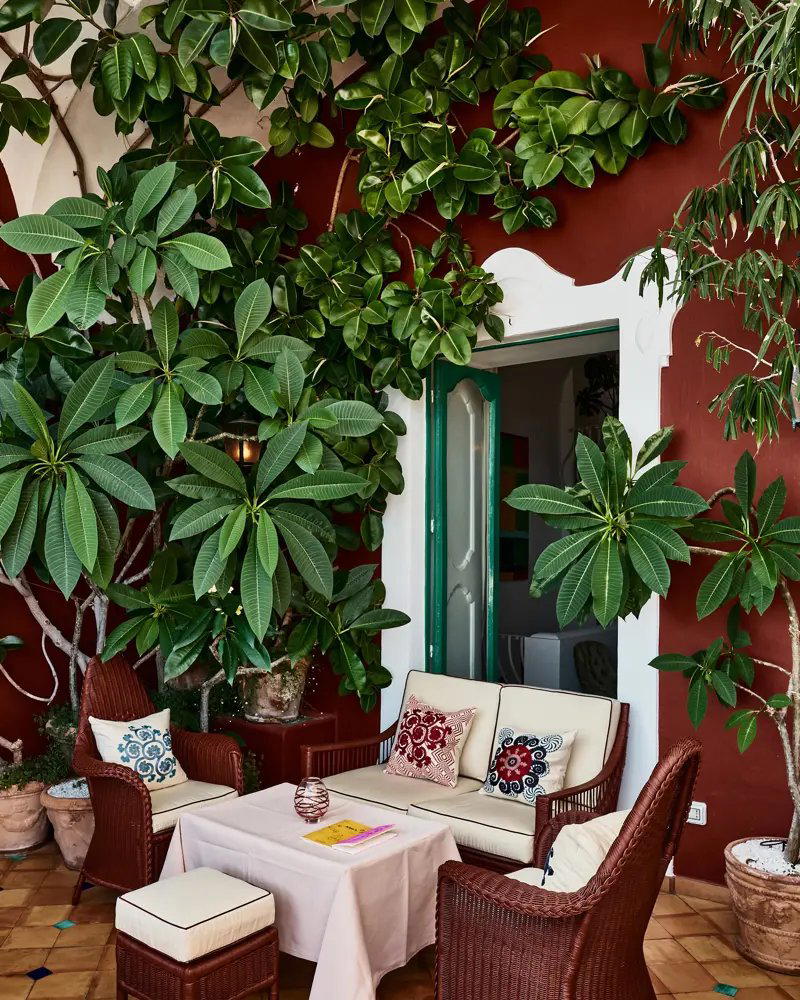
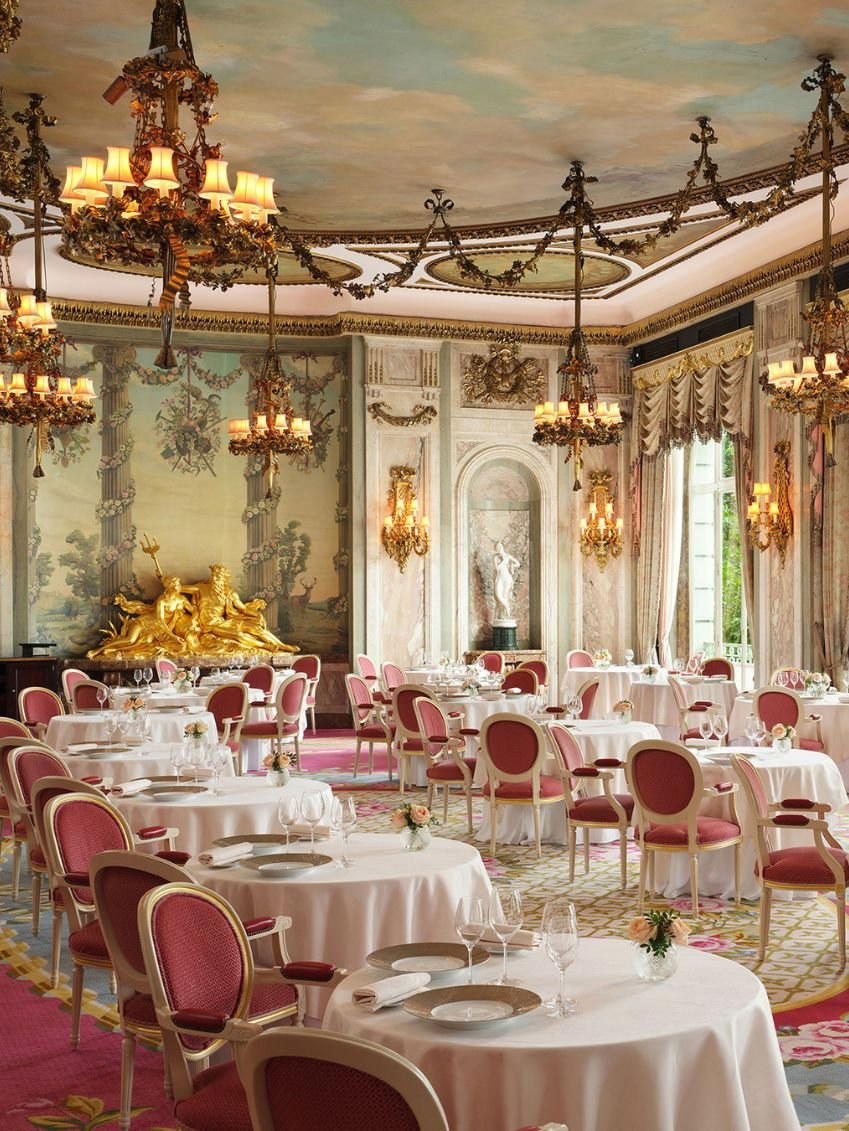
Old-fashioned charm with antique wood furniture, gilded artwork, terracotta floors, leafy courtyard, and a soothingly beautiful space to retreat and recharge.