
Grand Hotel Cocumella in Sorrento offers refined boutique accommodation with personalized concierge service, curated on-site activities, and attentive wellness options. Guests can expect intimate rooms, a sunlit terrace for quiet breakfasts, and easy access to Sant'Agnello and the Amalfi Coast. The property appears on Hilton's official site and is a member of Small Luxury Hotels of the World, delivering consistent, high-touch hospitality. Soft linens, local citrus scents, and sea-salty air frame mornings, while quiet evenings reward guests with calm service and locally inspired small-plate dining options.
Pearl is the En Primeur Club membership app — saves, bookings, and concierge access live there. Same editors, same standards.
- Address
- Via Cocumella, 7, 80065 Sant'Agnello NA
- Phone
- +39 081 878 2933
- Website
- cocumella.com
- Directions
- Get directions
 Saves & bookings on Pearl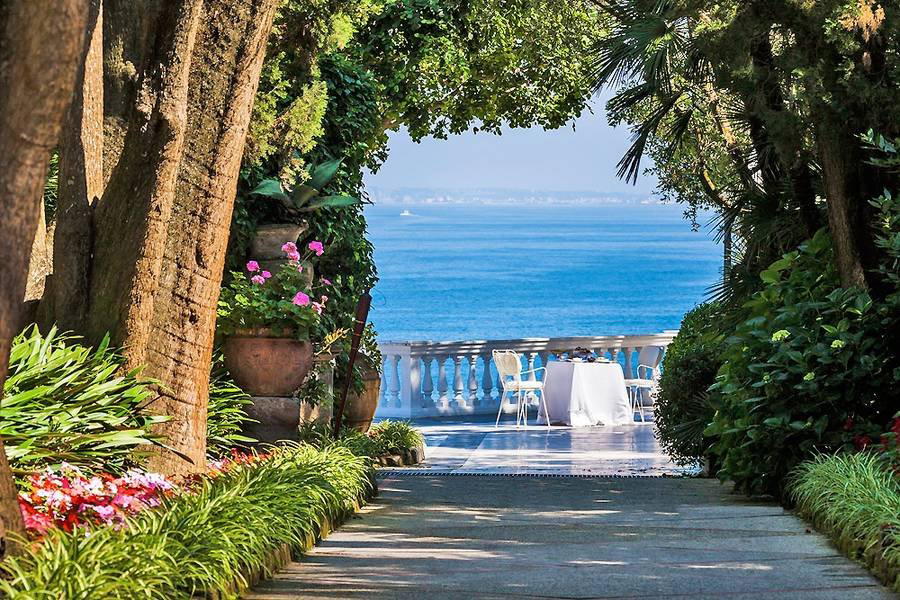
Where the Cliff Edge Meets Five Centuries of Quiet
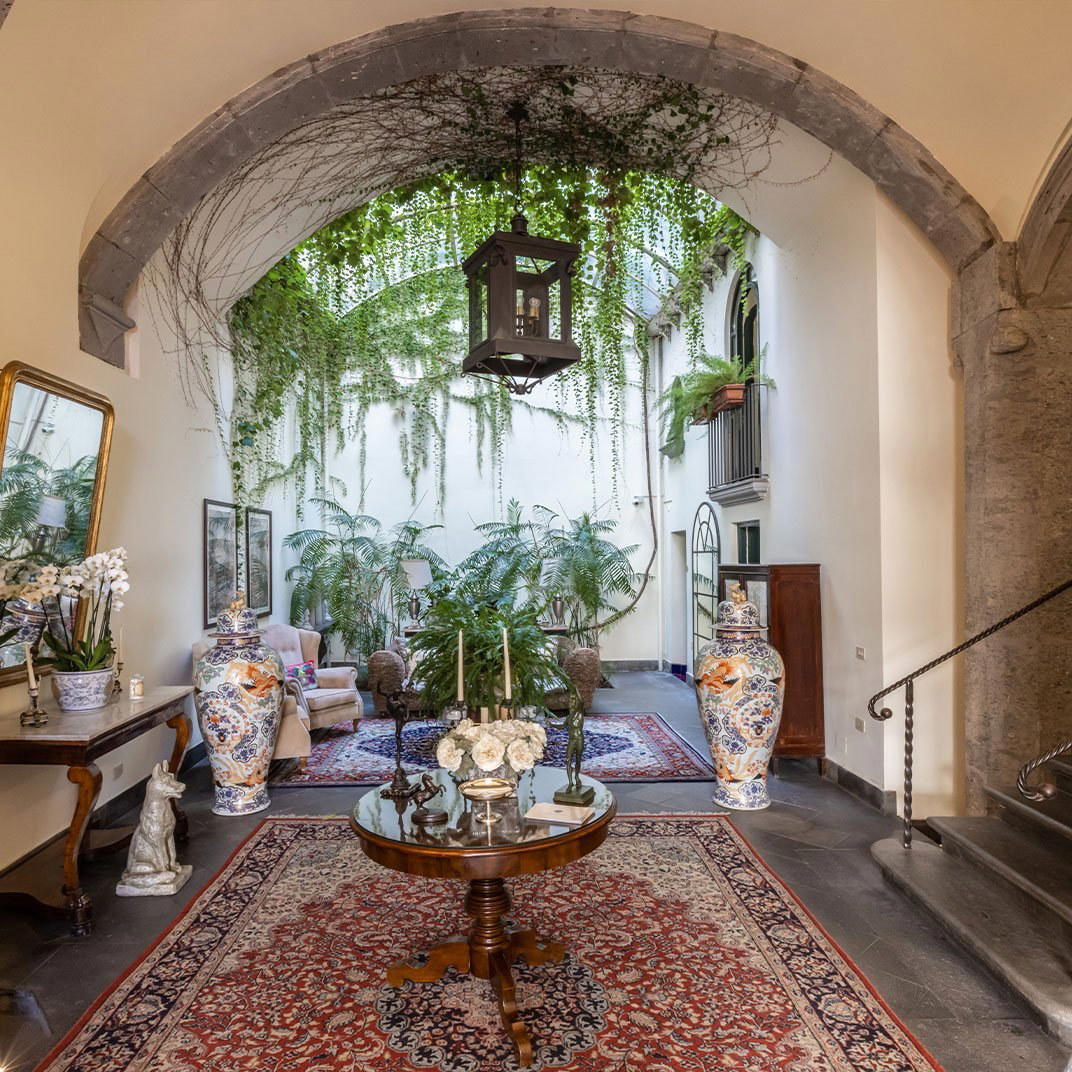
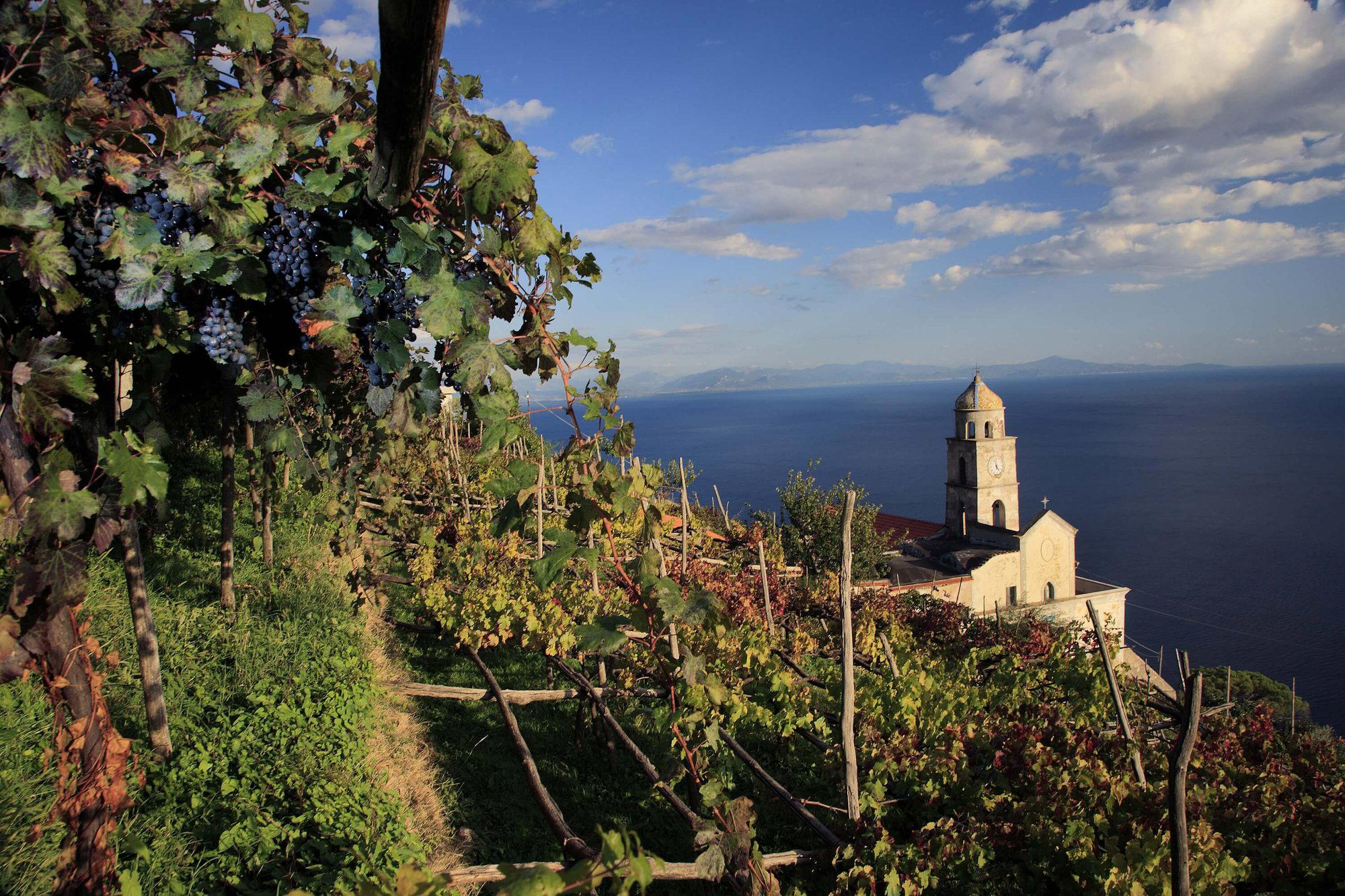
The approach to Sant'Agnello from the Sorrento headland road narrows before it opens. The noise of the coast highway drops away, replaced by the rustle of citrus groves and, eventually, the kind of stillness that thick stone walls and monastic courtyards produce. Grand Hotel Cocumella sits at that edge, literally, on the cliff above the Bay of Naples, on foundations laid by Jesuit monks in the sixteenth century. The architecture does not announce itself. It accumulates: arched loggias, terracotta floors worn smooth by centuries of footfall, gardens planted with the kind of care that requires generations to sustain. Vesuvius sits in the middle distance across the water, unchanged in its silhouette, and the framing of it from the gardens is the kind of thing that stops a conversation mid-sentence.
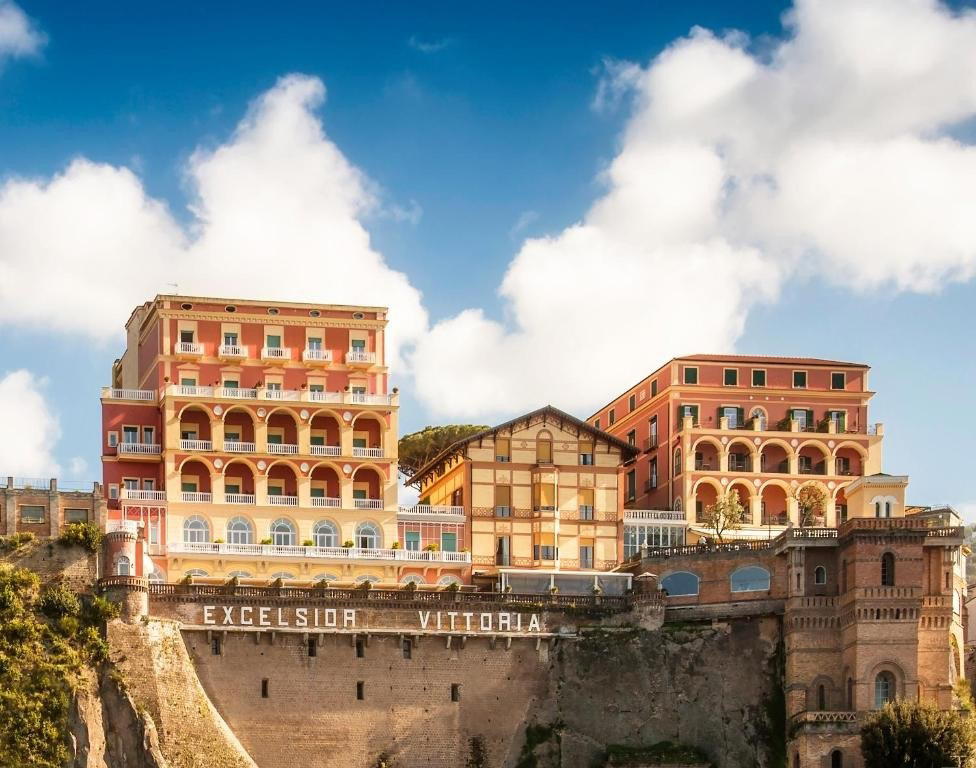
Among Sorrento's cliff-edge hotels, this address occupies a distinct position. Bellevue Syrene 1820 and Grand Hotel Excelsior Vittoria compete on similar terms, historic pedigree, panoramic water views, formal garden settings, but Cocumella's monastic origin gives it a physical character neither can replicate. The cloister courtyard, the proportions of the original building, and the relative seclusion of the Sant'Agnello address push the property toward the quieter end of the Sorrento spectrum, away from the town's ferry-terminal energy. La Minervetta and Ara Maris represent a different school of Sorrento hospitality, smaller, design-forward, less anchored to ceremony, and guests who want theatrical scale alongside the history will find Cocumella a different proposition entirely.
The Guest Experience: Calibrated Restraint
The service culture at historic Italian grand hotels of this type operates on a register that is harder to manufacture than it appears. Staff-to-guest ratios at properties of this age and size tend to be high, but the defining quality is not volume of attention, it is timing. The leading examples in the country anticipate requests before they become requests: the afternoon drink that arrives as a guest settles into a garden chair, the umbrella repositioned between courses without interruption. Ceremony here is structural, not performed.
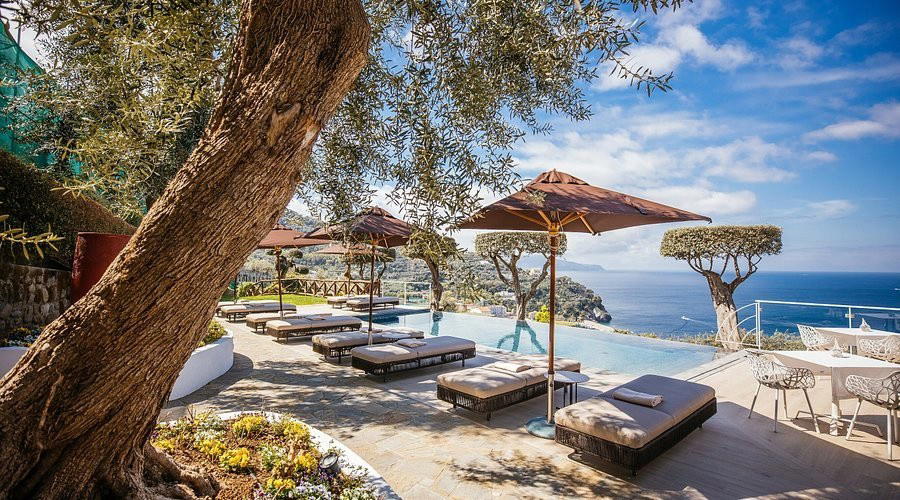
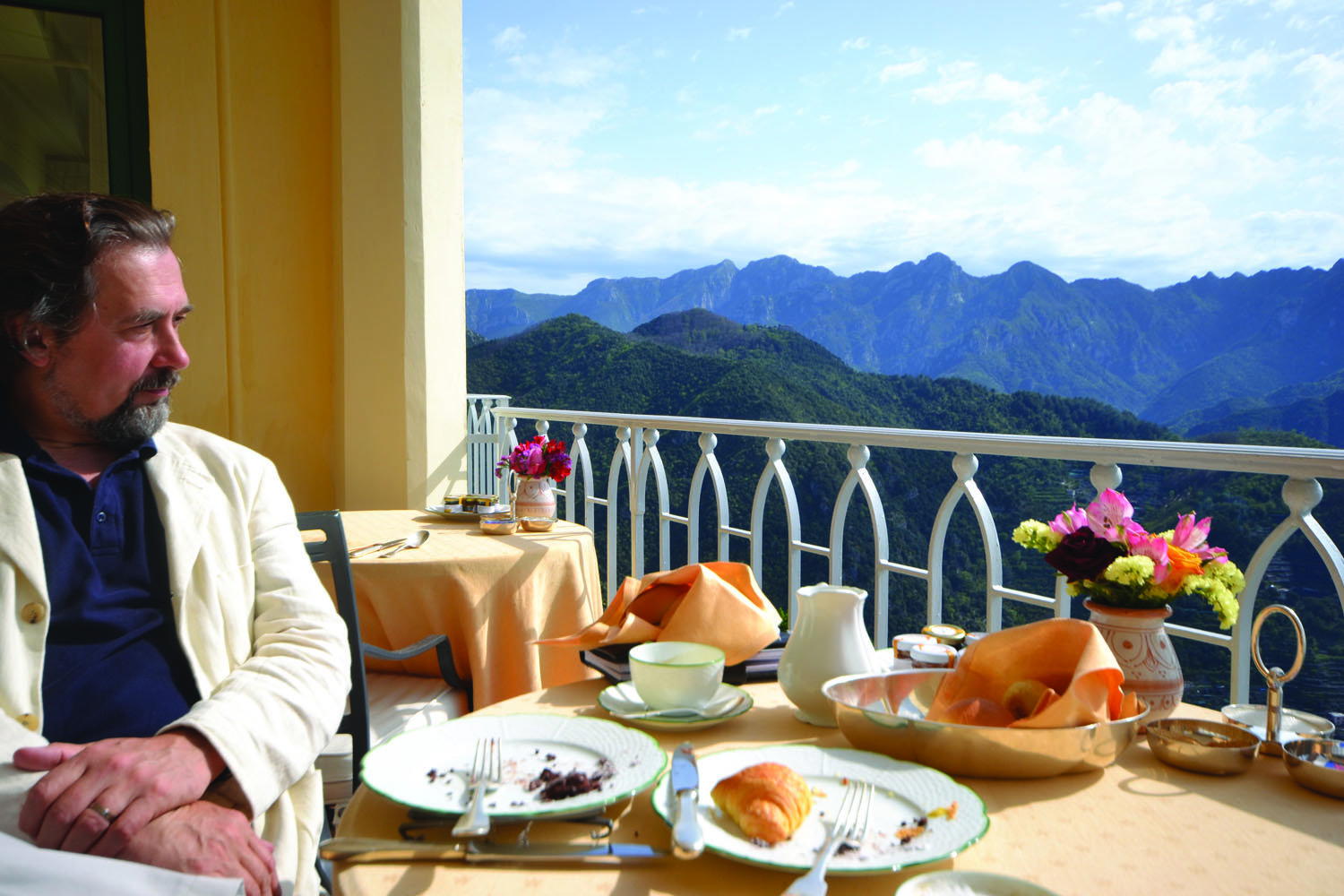
The swimming pool, positioned to capture the bay panorama, is the social centre of the property in the warmer months. Across Italian luxury hotels of this class, the pool deck is where service philosophy becomes most legible: how well towels are managed, how discreetly food and drink arrives, how the transition from sun to shade is accommodated. The garden setting at Cocumella, described as full of flowers, meticulously maintained, extends the logic of attentive stewardship into the landscape itself. That continuity between interior and exterior care is a mark of properties that take the guest's total environment seriously, rather than reserving attention for formal dining rooms alone.
Fine Dining on the Bay
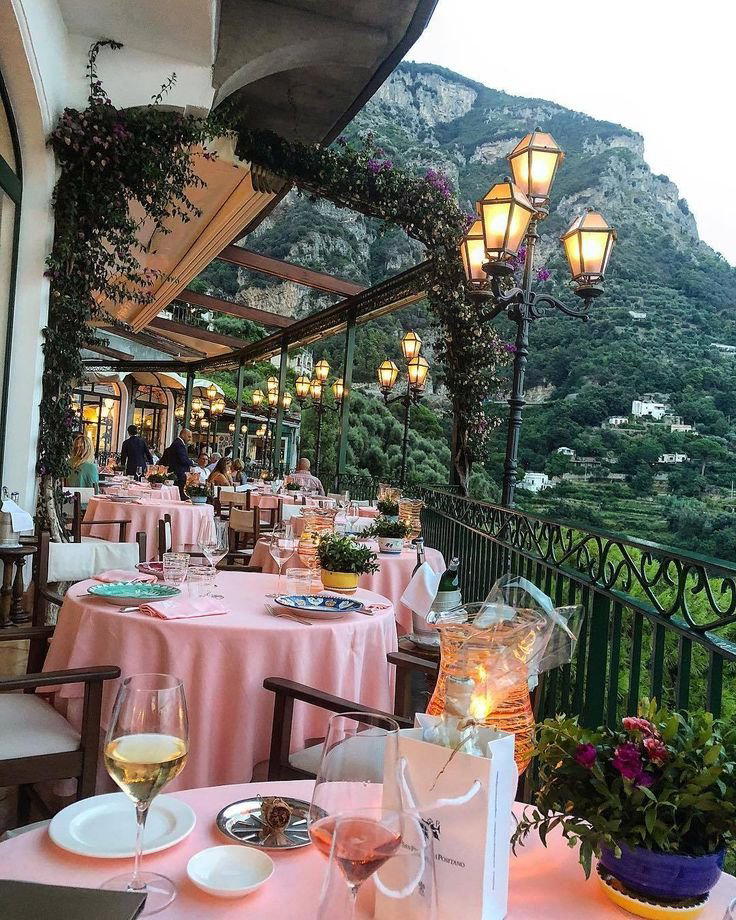
Dining tradition at cliff-facing Campanian hotels draws on one of Italy's most ingredient-rich coastlines. The Gulf of Naples kitchen, built on seafood from the Tyrrhenian, tomatoes from the volcanic plains, lemons from the Sorrento peninsula, and pasta traditions that predate regional tourism by centuries, gives any serious restaurant at this address substantial raw material to work with. Fine dining at Cocumella sits within that frame, and the bay view is part of the meal in the way that only a dining room positioned at this elevation can deliver: Vesuvius in the evening light across the water is a setting that no amount of interior design engineering reproduces.
A Reference Point for Historic Italian Hospitality
The category of former-religious-building-turned-luxury-hotel is well-populated in Italy, and the quality range within it is wide. At the higher end, conversions succeed when the original architecture is preserved without being museumified, when the stone and the silence and the spatial logic of the original building actively shape the guest's experience rather than serving as backdrop for a conventional hotel program. Four Seasons Hotel Firenze operates on that principle in Florence, as does Passalacqua on Lake Como and Aman Venice in its palazzo conversion. Cocumella's Jesuit monastery origin places it in that lineage. The sixteenth-century bones, thick walls, courtyard geometry, the particular quality of light that high-ceilinged monastic rooms produce, are not incidental to the stay. They are the stay.
Across Italy's converted-property sector, the Amalfi and Sorrento coast concentrations are among the densest. Borgo Santandrea on the Amalfi Coast and Il San Pietro di Positano in Positano occupy adjacent territory in the premium coastal bracket. Further inland, Castello di Reschio in Umbria and Rosewood Castiglion Del Bosco in Montalcino show how the category plays out in different landscapes. What distinguishes the Sorrento and Amalfi cluster is the compression of sea, cliff, and agricultural history into a single address, a density of setting that inland Tuscan properties trade against space and wine-country calm instead.
For guests whose Italy itinerary extends beyond the south, Portrait Milano, Bulgari Hotel Roma, Borgo Egnazia in Puglia, and Il Pellicano in Porto Ercole represent the range of premium positioning across the country's hotel sector.
Planning Your Stay
Sant'Agnello sits immediately east of Sorrento town centre, reachable by taxi from Naples Centrale in roughly an hour depending on traffic, or by the Circumvesuviana rail line to Sorrento followed by a short transfer. The coastal road can be slow in high summer; arrivals by ferry from Naples or Capri, terminating at the Sorrento port, provide a more reliable time window. The season here runs from spring through late autumn, with April to June and September to October offering the combination of settled weather and lighter visitor pressure that makes cliff-side gardens and bay-view dining rooms most comfortable. Summer months are fully booked well in advance at properties of this type, and Cocumella's garden and pool make it particularly sought-after in that window.
For international travellers assembling a broader itinerary that includes Cocumella as a southern anchor, the property pairs logically with JK Place Capri across the water, or with Casa Maria Luigia in Modena or Castel Fragsburg in Merano for a contrast in northern Italian register. Those comparing the Italian model with international historic-conversion hotels might also reference Amangiri in Utah, Aman New York, or The Fifth Avenue Hotel, each representing a different national tradition of translating heritage architecture into premium hospitality. Other Italian properties worth cross-referencing include Borgo San Felice Resort in Chianti, Castelfalfi in Montaione, and Corte della Maestà in Civita di Bagnoregio.
Cuisine and Awards Snapshot
Comparable venues nearby, for context on price, style, and recognition.
| Venue | Cuisine | Price | Awards | Notes |
|---|---|---|---|---|
| Grand Hotel CocumellaThis venue — the venue you are viewing | Historic cliffside monastery-turned-luxury retreat | $$$$ | 5-Star | Not listed |
| Ara Maris | Mediterranean luxury boutique with lush gardens and sea-view terraces | $$$$ | 5-Star | Sorrento center |
| Grand Hotel Ambasciatori | Classic luxury cliffside hotel with lush private park | $$$$ | 5-Star | Sorrento center |
| Hotel Lorelei Londres | Historic boutique villa in classic building with modern furniture | $$$$ | 5-Star | Sorrento City Centre |
| Palazzo Marziale | Historic family-owned palazzo turned luxury boutique hotel | $$$$ | 4-Star | Sorrento City Centre |
| La Minervetta | Cliffside boutique with Mediterranean charm and artistic curation | $$$$ | Michelin 2 Key | Marina Grande |
Recognition history
Dated appearances from independent guides and award organizations, with the underlying list record or original source where available.
Small Luxury Hotels of the World Member
Small Luxury Hotels of the World
Continue exploring
More in Sorrento
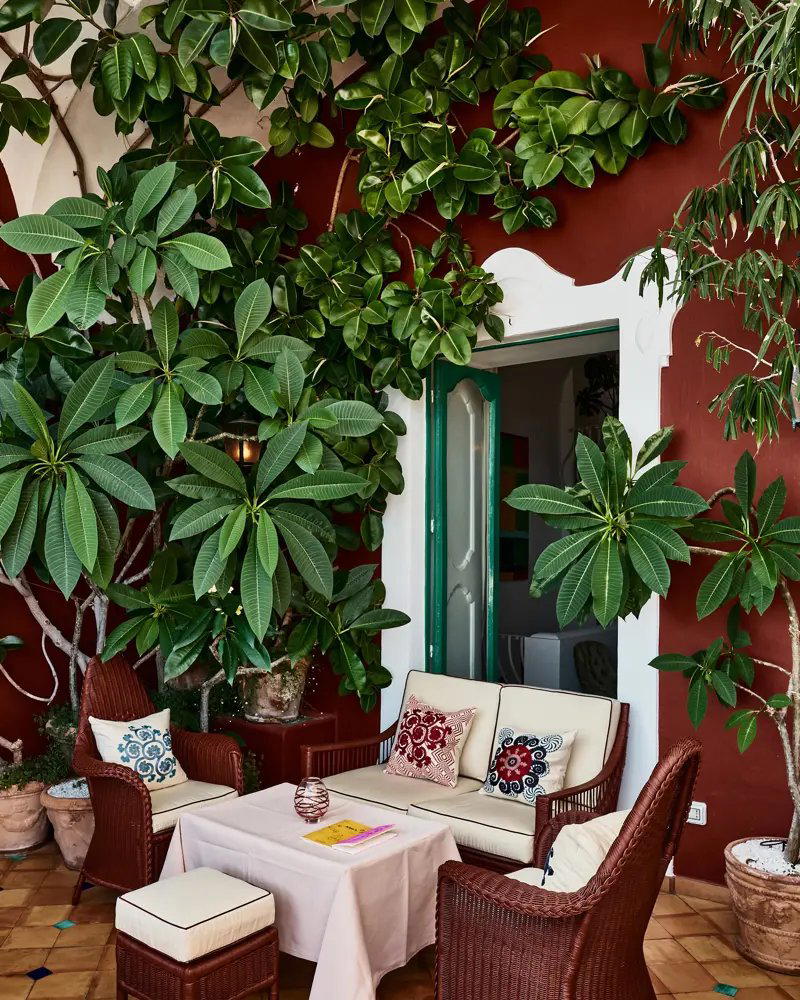
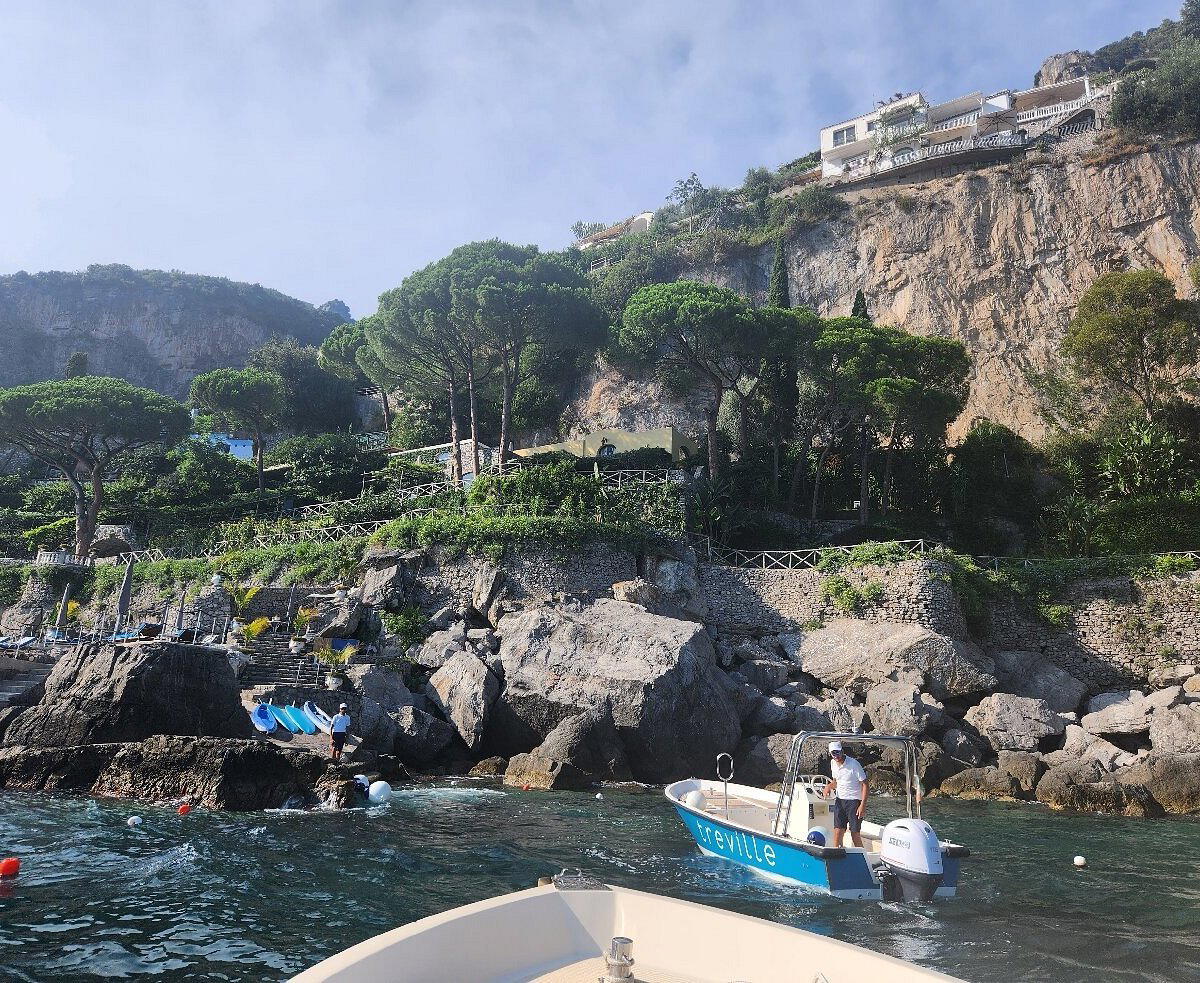
Hotels in Sorrento
Browse all →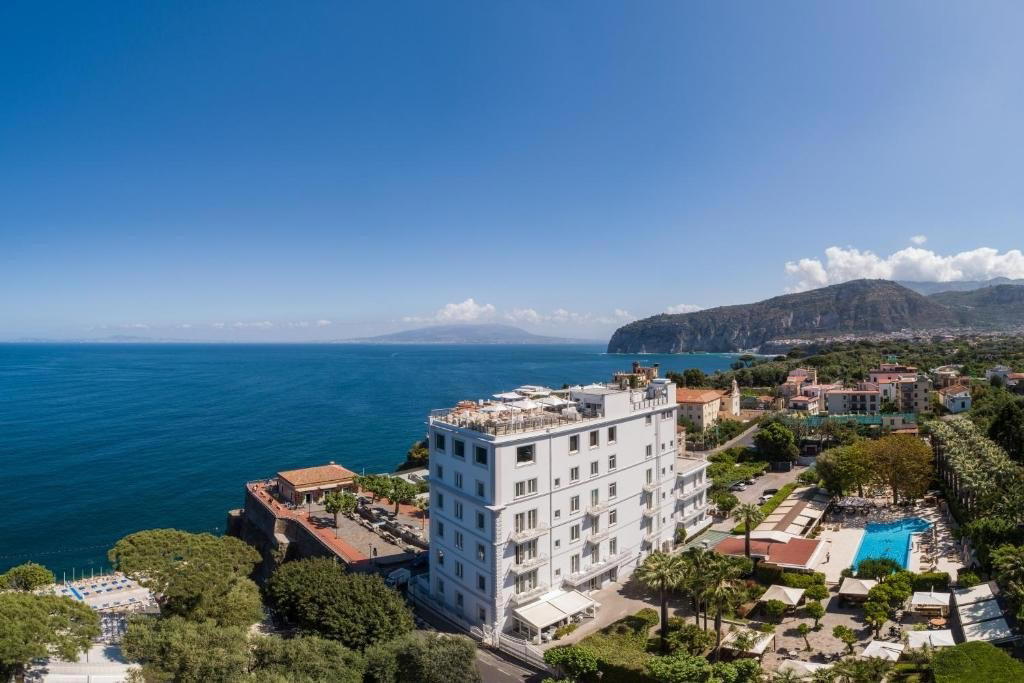
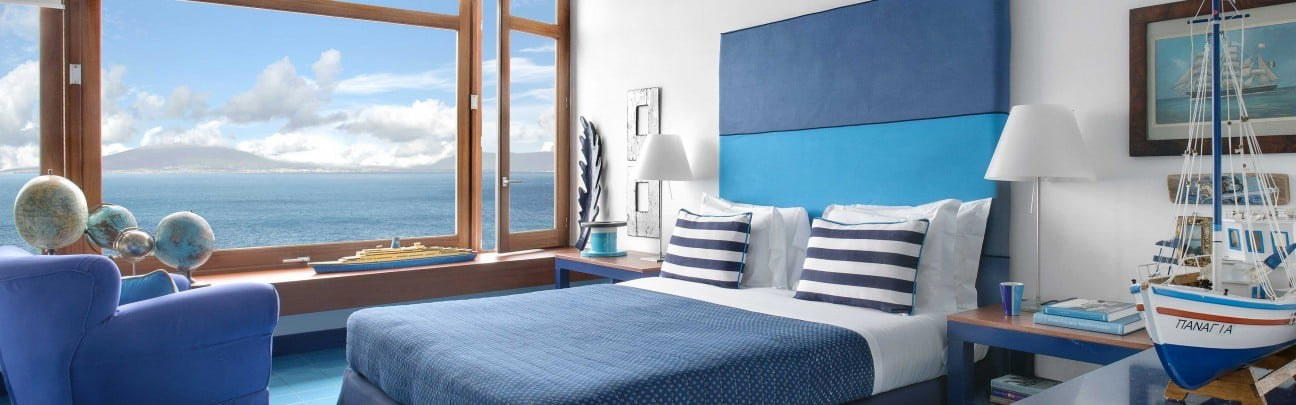
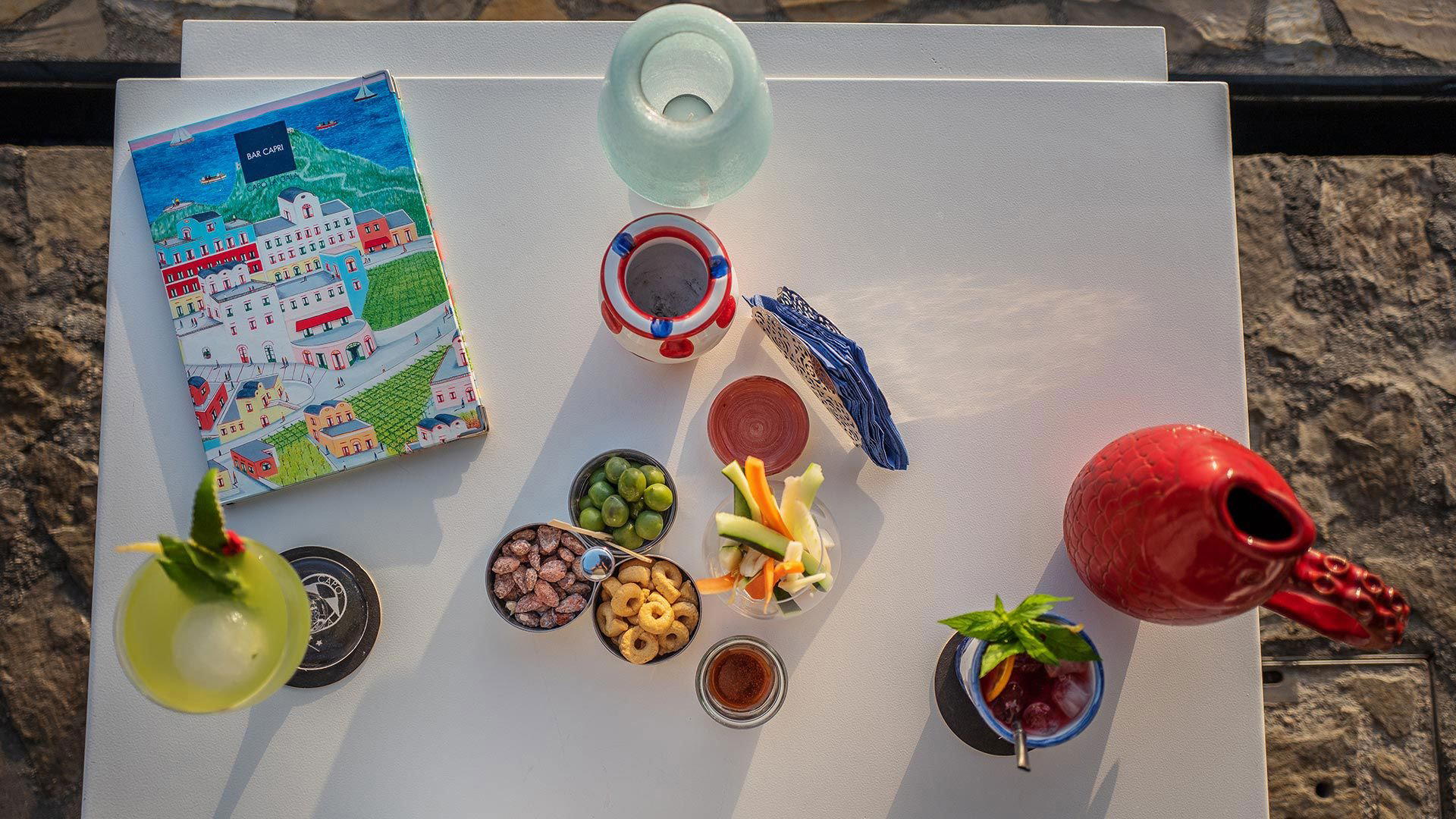
Bars in Sorrento
Browse all →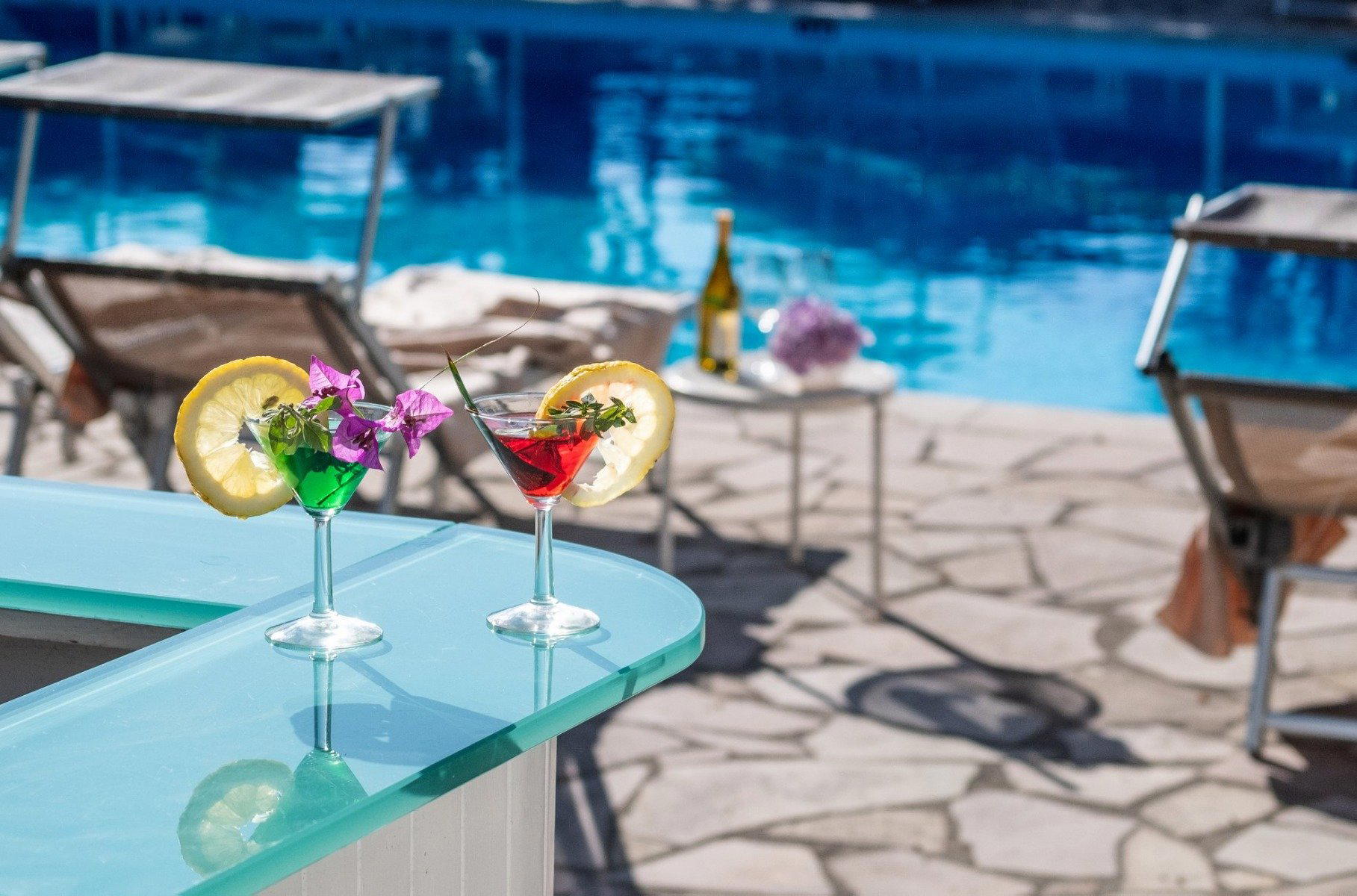
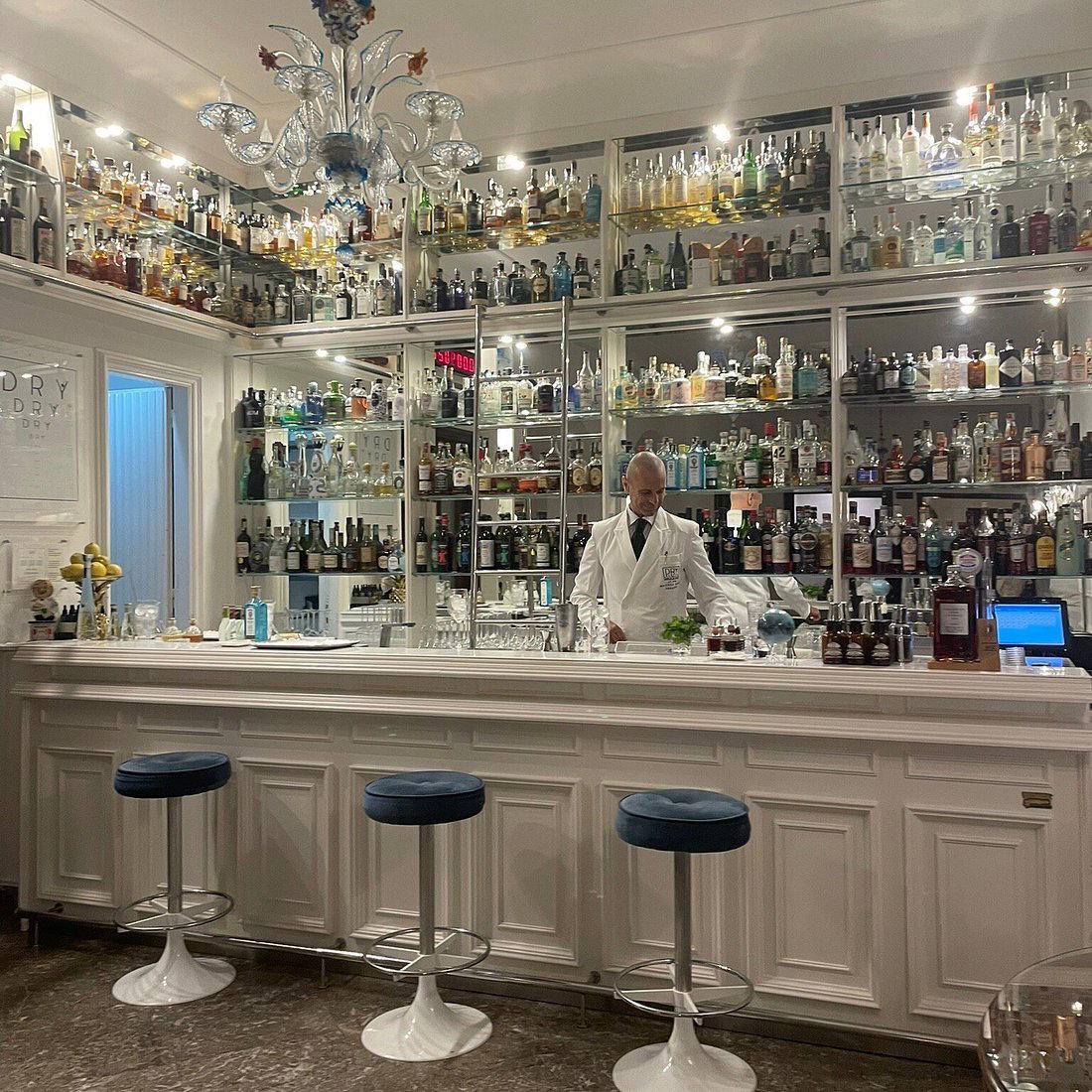
Restaurants in Sorrento
Browse all →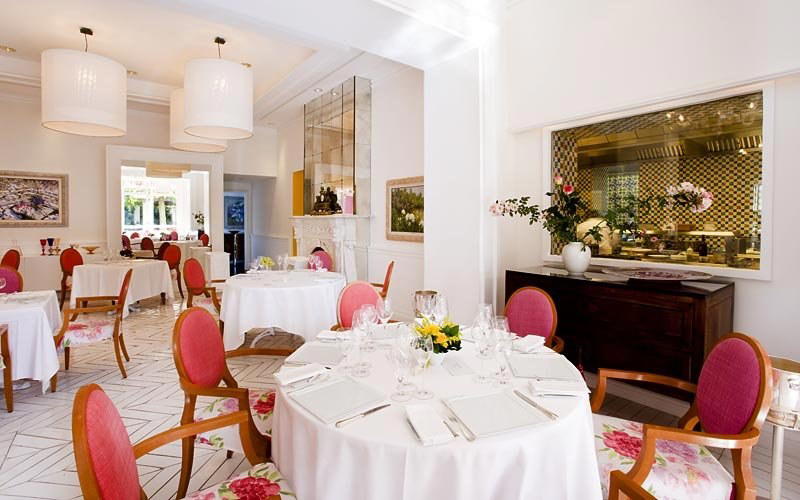

At a Glance
- Romantic
- Elegant
- Classic
- Scenic
- Sophisticated
- Honeymoon
- Romantic Getaway
- Anniversary
- Destination Wedding
- Beachfront
- Panoramic View
- Historic Building
- Terrace
- Pool
- Spa
- Fitness Center
- Room Service
- Concierge
- Tennis
- Private Beach
- Sauna
- Restaurant
- Waterfront
- Garden
- Pool
- Spa
- Fitness Center
- Room Service
- Concierge
- Tennis
- Private Beach
- Sauna
- Restaurant
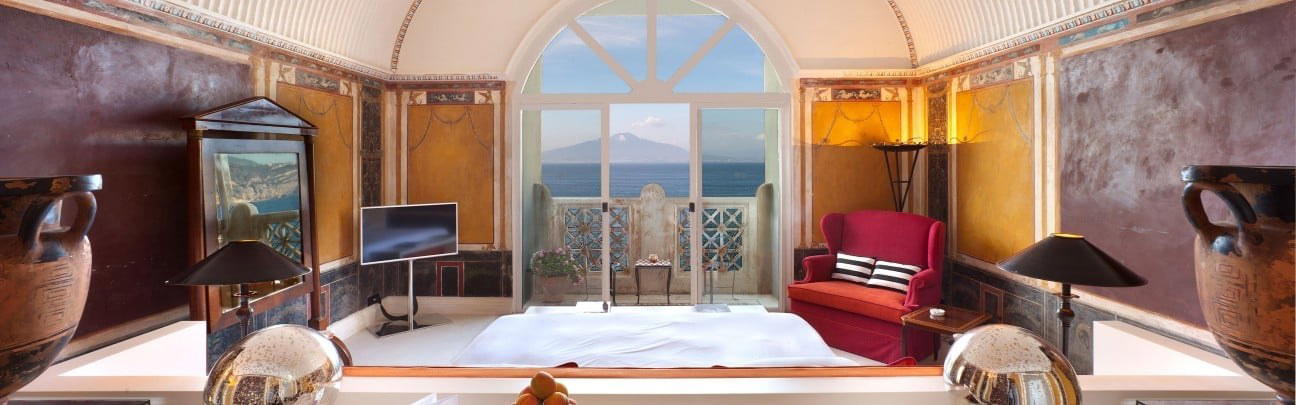
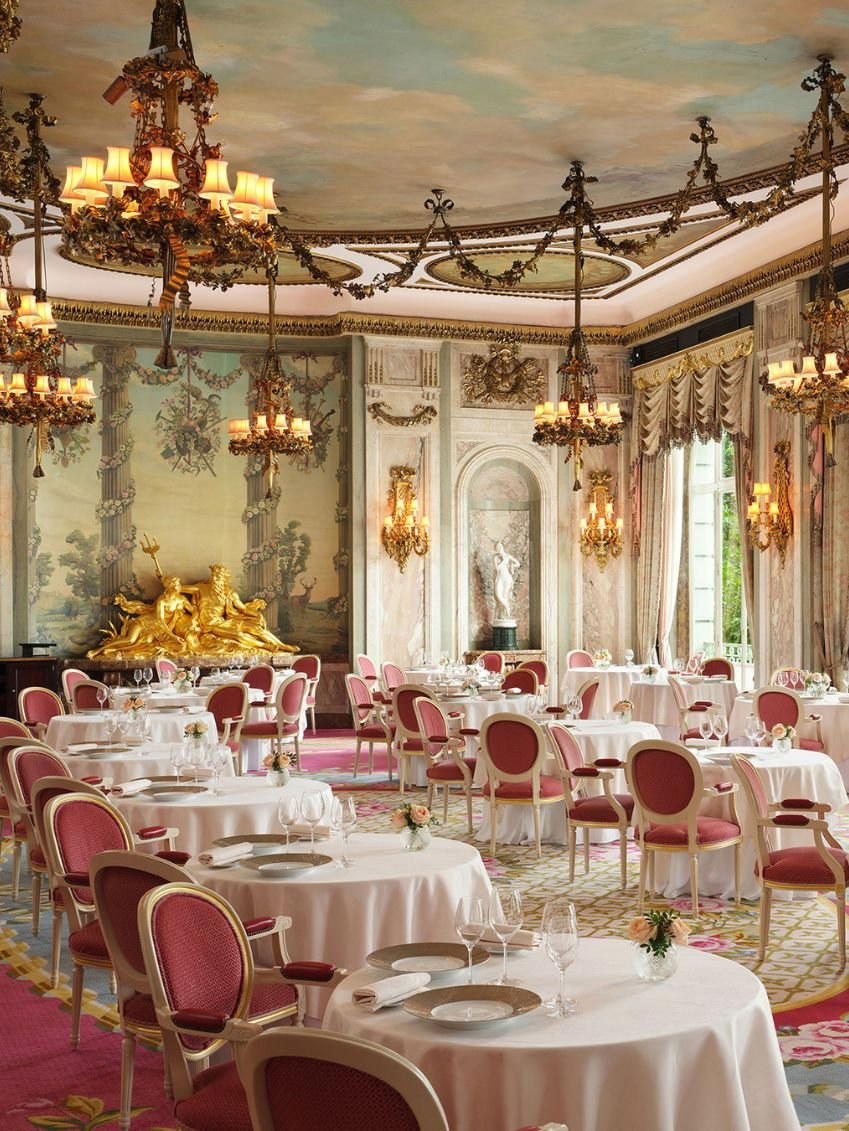
Refined and welcoming with manicured gardens, citrus groves, and dramatic sea views; warm lighting in historic rooms featuring antiques and frescoed ceilings.