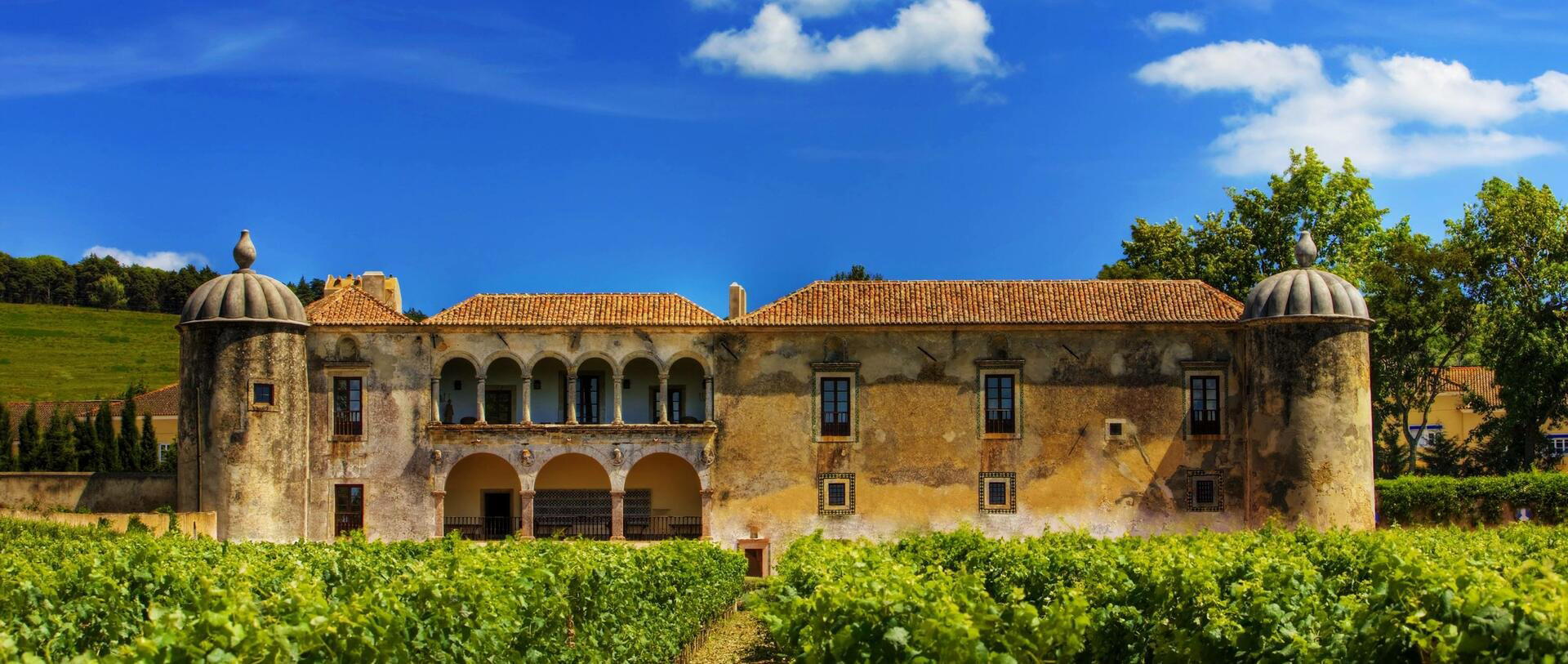
A ten-suite palace on Lisbon's Castelo hill, Palácio Belmonte occupies a 15th-century structure built into the Roman walls of the Alcáçova. It sits at the quieter, more architecturally serious end of Lisbon's boutique hotel tier, placing it in a different register from the city's larger heritage hotels. For travellers who want proximity to Alfama without its noise, this is a deliberate trade-off in favour of atmosphere and scale.

Pearl is the En Primeur Club membership app — saves, bookings, and concierge access live there. Same editors, same standards.
A Palace on the Roman Wall
Lisbon's Castelo hill operates on different logic from the rest of the city. The streets narrow to the width of a single person, the azulejo tilework is older and less curated than what you find in Chiado, and the silence after dark is the kind that larger hotels in the Baixa or Avenida da Liberdade can only approximate with soundproofing. Palácio Belmonte sits inside that zone, built against the Roman-era walls of the Alcáçova, with a history that runs from the 15th century through several centuries of aristocratic occupation. Arriving here, particularly on foot up through Alfama, functions less like a hotel check-in and more like passing through a boundary between the working city and something considerably older.
In the broader context of Lisbon's high-end boutique tier, Palácio Belmonte occupies a position defined by limitation and specificity. Where properties like Bairro Alto Hotel carry a contemporary art-hotel sensibility, or Altis Avenida Hotel delivers a more traditional grand-hotel format, Palácio Belmonte offers something closer to the private-residence model: very few rooms, deep architectural fabric, and a setting that cannot be replicated in a different neighbourhood or building type. The comparison set here is not other Lisbon hotels but rather properties like Aman Venice, where the building itself carries most of the argument.
What the Architecture Tells You About the Stay
The palace contains ten suites, each named after a historical figure connected to the property or to Portuguese history. That choice — naming over numbering — is itself a statement about how the hotel positions its offer. Each suite occupies a distinct footprint within the original structure, which means dimensions, ceiling heights, and the relationship to the garden or the city view differ substantially from one room to another. This is not a hotel where you book a category and receive a standardised product; the physical variation between suites is significant enough that room selection matters.
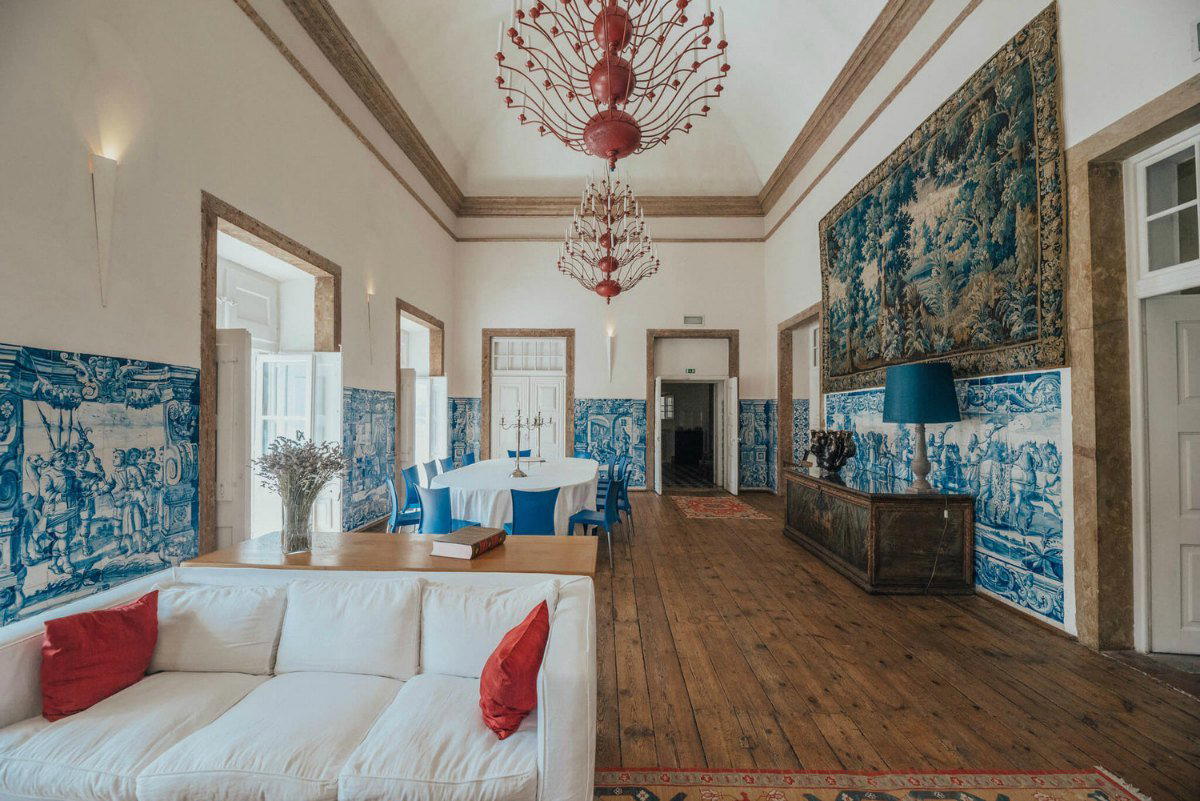
The palace's integration with the Roman wall gives certain spaces a raw material quality that sits in deliberate tension with the interior finish. Exposed stonework, centuries-old azulejo panels, and contemporary furnishings coexist without the property trying to resolve the contrast into a smooth narrative. This approach is consistent with how smaller design-led palace hotels operate across southern Europe: the building's age is the primary asset, and the design intervention is restrained enough not to compete with it.
For travellers comparing this against properties like AlmaLusa Baixa/Chiado or Art Legacy Hotel Baixa-Chiado, the key difference is location logic. Those hotels place you at the centre of a walkable, restaurant-dense neighbourhood. Palácio Belmonte places you at elevation, on a hill that empties of tourists after evening, with the castle as a near neighbour and the city laid out below rather than immediately around you.
The Guest Profile and the Trade-offs It Implies
A ten-suite property on a steep medieval hill is not a broadly accessible proposition. The walk from any taxi drop-off point involves cobblestones and gradient that can be challenging with heavy luggage. The neighbourhood, while one of Lisbon's most visited by day, offers limited late-night dining and bar options within walking distance. These are not complaints; they are the structural conditions of the location, and they define who the property is genuinely suited to.
Travellers for whom Palácio Belmonte makes sense tend to be those who have already done Lisbon on a conventional hotel itinerary and are returning to slow down, or those arriving specifically because a historic residential property is the point rather than a base. The hotel sits in the same decision tier as A Casa das Janelas Com Vista or As Janelas Verdes in terms of intimate scale, though with a more significant architectural pedigree. If the priority is mobility across the city's neighbourhoods, properties in Chiado or Baixa will serve better; if the priority is the experience of living, for a few nights, inside a building that has accrued five centuries of Portuguese history, the trade-offs become irrelevant.
Internationally, this model has close parallels in the Alentejo and Douro Valley, where converted agricultural estates and manor houses operate on similar premises of limited keys and deep provenance. Ventozelo Hotel & Quinta and Douro Valley - Casa Vale do Douro both apply the same formula to rural settings. Palácio Belmonte applies it to an urban one, which is rarer and, in Lisbon specifically, harder to replicate given the building stock and the planning constraints around the Castelo hill.
Planning and Practical Considerations
Given that only ten suites exist, availability at Palácio Belmonte is a genuine constraint rather than a marketing talking point. For travel during Lisbon's high season, which runs roughly from April through October and peaks sharply in June and July, securing a reservation several months in advance is standard practice for this tier of small palace hotel. The city's overall accommodation demand has grown substantially over the past decade, and the Castelo-area properties have become more sought-after as Alfama's international profile has risen.
Access to the property by car is limited by the medieval street layout. Most guests arrive by taxi or on foot, with drop-off points at the nearest accessible road. This is worth factoring into itinerary planning, particularly for guests moving between the airport and the hotel with luggage. Lisbon's tuk-tuk infrastructure, which has grown considerably as a tourist mobility option in the hilly neighbourhoods, can bridge some of this gap.
For travellers building a broader Portuguese itinerary, Palácio Belmonte works well as an opening or closing segment in Lisbon before moving to the Alentejo, the Algarve, or the Douro. Properties like Craveiral Farmhouse in the Alentejo coast or Bela Vista Hotel & Spa in the Algarve share a similar ethos of architectural specificity over branded uniformity, making for a coherent through-line across a multi-stop trip. See our full Lisbon hotels and restaurants guide for broader context on how Palácio Belmonte fits within the city's wider hospitality offer.
| Venue | Cuisine | Price | Awards |
|---|---|---|---|
| Palácio BelmonteThis venue — the venue you are viewing | This venue | $750–1,000 | Not listed |
| Four Seasons Hotel Ritz Lisbon | Not listed | $500–750 | 2 Michelin Keys · La Liste Top Hotels |
| InterContinental Cascais-Estoril | Not listed | $300–500 | Virtuoso Luxury Hotel Partner · Forbes 4-Star |
| InterContinental Lisbon | Not listed | $200–300 | Forbes Recommended |
| Sofitel Lisbon Liberdade | Not listed | $300–500 | Michelin Selected · Forbes Recommended |
| Altis Avenida Hotel | Not listed | $200–300 | Forbes Recommended · Preferred Hotels Member |
Continue exploring
More in Lisbon
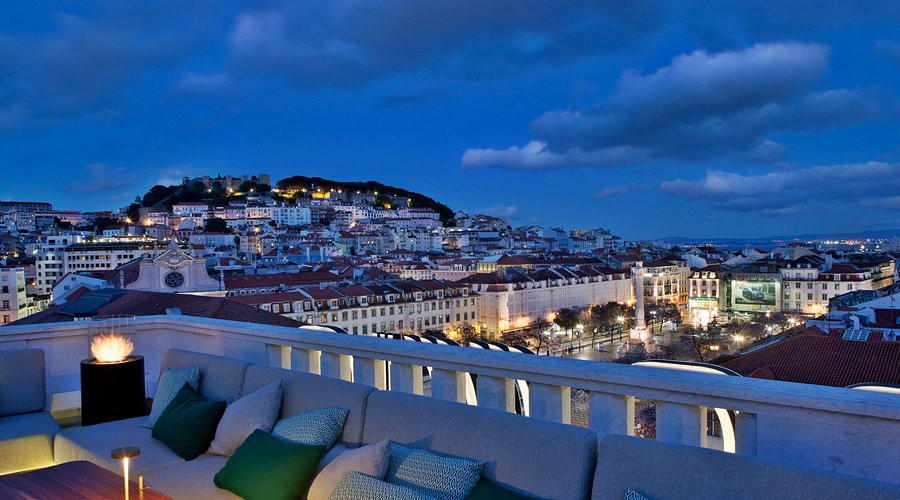
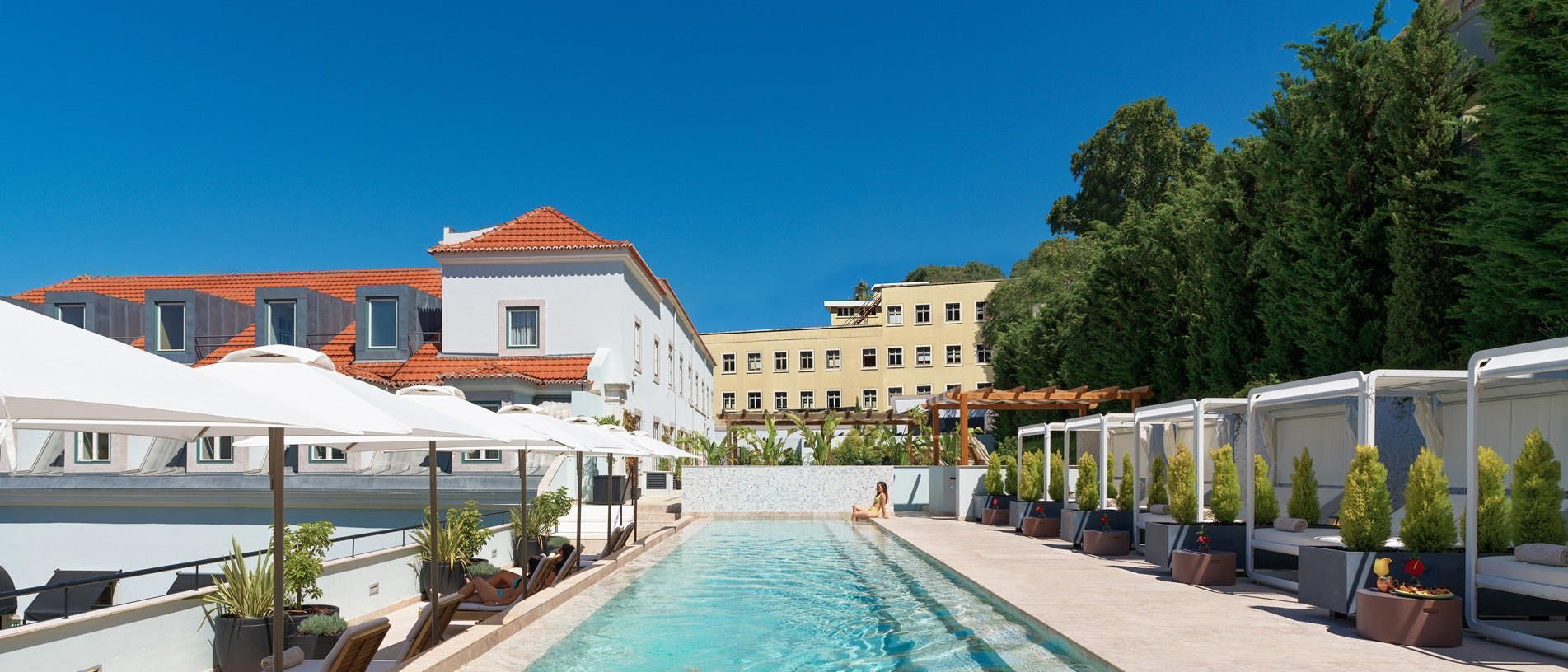
Hotels in Lisbon
All hotels in Lisbon →
Bars in Lisbon
All bars in Lisbon →

Restaurants in Lisbon
All restaurants in Lisbon →

Details
- Romantic
- Elegant
- Intimate
- Sophisticated
- Historic
- Ornate
- Romantic Getaway
- Honeymoon
- Anniversary
- Weekend Escape
- Butler Service
- Garden
- Terrace
- Historic Building
- Panoramic View
- Private Dining
- Waterfront
- Wi Fi
- Pool
- Spa
- Concierge
- Restaurant
- Bar
- Room Service
- Air Conditioning
- Waterfront
- Garden
- Skyline
- Wheelchair Accessible
- Accessible Restroom
Serene and historically immersive with soft natural light from terraces overlooking the Tagus River and Alfama district, complemented by live music and the gentle ambiance of palace gardens with orange trees.