Hotel Corpus Christi Lisboa – Leonardo Limited Edition sits inside Lisbon’s design-led hotel conversation, a category shaped by restored townhouses, apartment-style stays, and compact historic conversions rather than anonymous scale. With public venue data limited, the useful reading is comparative: judge it against Lisbon properties where architecture, location, and booking clarity matter as much as conventional luxury markers.
Pearl is the En Primeur Club membership app — saves, bookings, and concierge access live there. Same editors, same standards.
- Address
- R. dos Fanqueiros 115, 1100-415 Lisboa, Portugal
- Phone
- +34 930 88 29 00
- Website
- leonardo-hotels.com
- Directions
- Get directions
 Saves & bookings on Pearl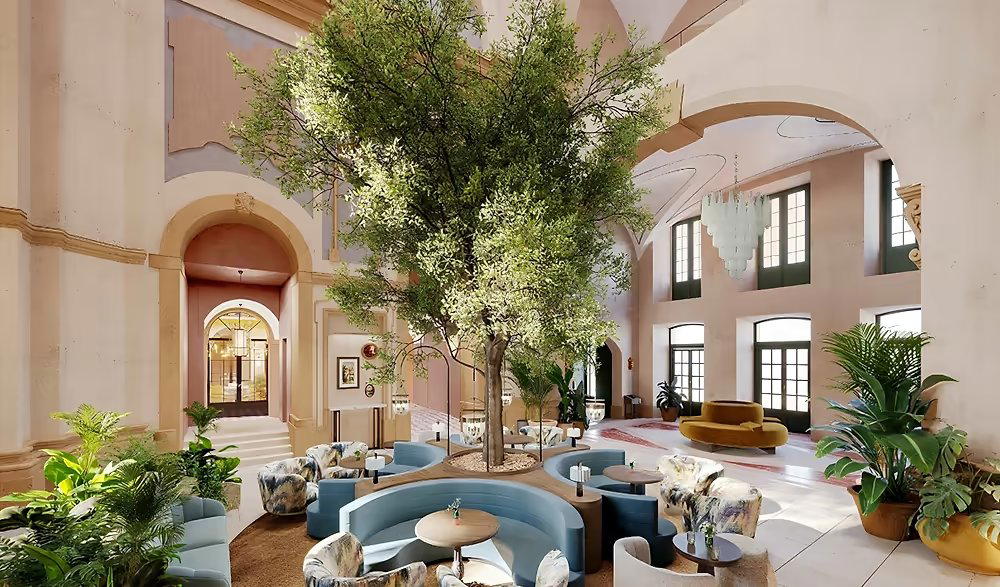
Lisbon's hotel scene is built in stone, tile, and tight urban fabric
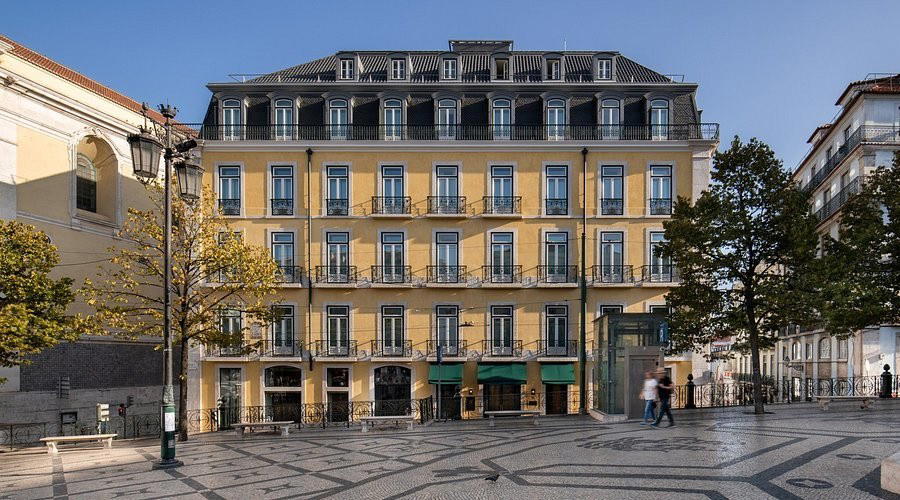
Approaching a Lisbon hotel is rarely a neutral act. The city asks guests to read gradient, pavement, façade, and threshold before they read a room category. Streets narrow without warning, calçada pavements turn practical luggage into a small negotiation, and historic buildings often carry more personality in their stairwells than newer properties manage in full lobbies. Hotel Corpus Christi Lisboa – Leonardo Limited Edition belongs in that context: a Lisbon hotel whose name signals a limited-edition positioning, in a city where the physical building often determines the stay as much as service language or brand hierarchy.
The useful way to assess the property is not through invented amenity lists or speculative room descriptions. That absence matters. In Lisbon, where converted palacetes, townhouse hotels, branded urban properties, and serviced apartments compete within a few steep neighbourhoods, verified practical detail separates serious planning from brochure language. Without published Category 1 data on rates, booking channels, or facilities here, the editorial value lies in placing the hotel inside Lisbon’s broader accommodation pattern and explaining what travellers should verify before committing.
Architecture is the city's hotel language
Lisbon has a particular hospitality grammar. In Baixa and Chiado, hotels often occupy Pombaline-era grids, commercial buildings, or adapted apartments where symmetry and street access matter. In Alfama, the appeal tends to be older fabric, tighter lanes, and a stronger sense of residential enclosure. Around Avenida da Liberdade and the avenues north of Rossio, larger hotels can operate with wider footprints and more conventional arrival sequences. A property using the Leonardo Limited Edition label enters a market where design identity must be read against these neighbourhood typologies, not against resort standards.
That distinction is important because Lisbon luxury has fragmented. One tier competes through scale, concierge depth, branded amenities, and international familiarity. Another works through adaptive reuse, limited inventory, and interiors that respond to tile, light, masonry, and local craft without turning them into stage props. For travellers comparing Hotel Corpus Christi Lisboa – Leonardo Limited Edition with 1908 Lisboa Hotel, A Casa das Janelas Com Vista, or AlmaLusa Alfama, the question is less whether the hotel is grand and more whether its building type supports the kind of Lisbon trip being planned.
The limited-edition signal needs practical verification
That creates a clear planning rule: treat the label as a positioning signal, not as evidence. In Lisbon, a smaller design-led hotel can deliver a sharper sense of place than a larger address, but it can also mean fewer facilities, less flexible arrival logistics, and room categories that vary by building geometry.
This is where comparison helps. Travellers who want apartment-style independence often look toward Chiado options such as Almaria da Corte Apartments | Chiado, Almaria Ex Libris Apartments | Chiado, and Almaria Officina Real Apartments | Chiado. Travellers who want a more conventional city-hotel base may compare with Altis Avenida Hotel or AlmaLusa Baixa/Chiado. Hotel Corpus Christi Lisboa – Leonardo Limited Edition should be judged against those functional alternatives: design character, arrival ease, noise exposure, room size variance, and the availability of confirmed guest services.
Location in Lisbon changes the experience more than star language
That limitation is not cosmetic. Lisbon is a city where a few streets can alter a stay. A hotel near the river reads differently from one above Rossio; an Alfama address changes taxi access and evening walking patterns; a Chiado location can trade convenience for weekend sound; an Avenida da Liberdade base offers smoother car access but less old-city texture at the door.
For this reason, the first planning question is geographic rather than decorative. Confirm the exact address, then map it to the trip’s daily rhythm. Museum-heavy days, late dinners, Fado evenings, beach connections to Cascais, and train travel from Santa Apolónia or Cais do Sodré each reward different hotel positions. Lisbon rewards travellers who plan by slope and transit as much as by distance. A hotel may be close on a map and awkward with luggage, especially where steps, cobbles, and limited vehicle access define the last 200 metres.
Design-led does not mean detail-free
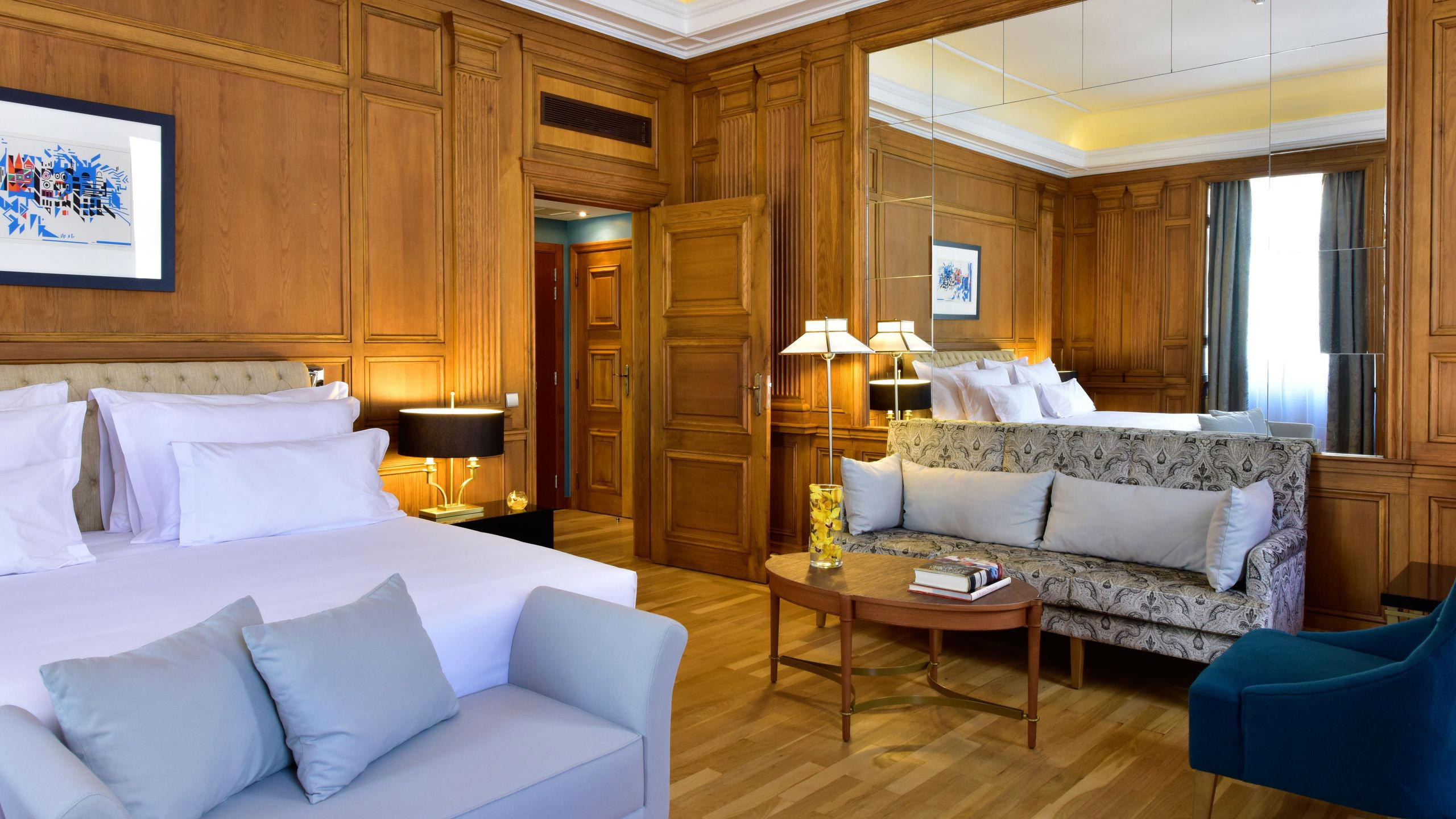
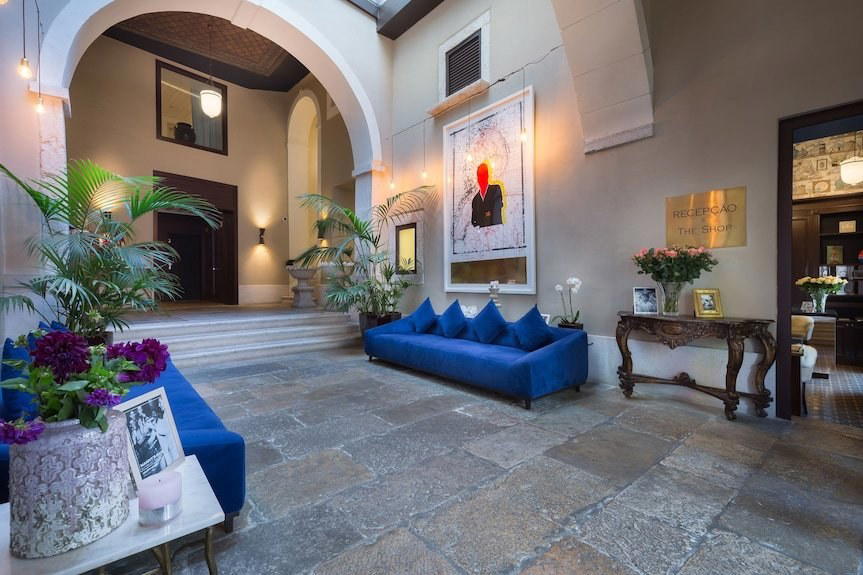
Architecture-led hotels in Lisbon often succeed when they keep the building legible. The city does not need interiors that shout Portuguese identity through decorative shorthand; it benefits from restraint, natural light management, and a serious response to old walls, ceiling heights, and urban noise. The responsible reading is to identify what a traveller should ask: does the room face an internal courtyard or street, is the bathroom integrated or enclosed, is there lift access to all floors, and how does the property handle sound insulation in an older urban shell?
Those questions are not fussy. They are Lisbon-specific. Historic fabric gives the city’s hotels much of their appeal, but it can also produce inconsistent floorplans and a gap between entry-level and higher room categories. A standard room in one converted building may feel intimate in the wrong way; a higher category may be materially better because it gains light, ceiling height, or a less compromised layout. Without verified room-category data the safest editorial stance is conservative: book only after confirming the precise category, bed configuration, access, and cancellation terms through an official channel or trusted advisor.
Where it fits among Lisbon hotel choices
Lisbon has become a dense hotel market because demand is not one-dimensional. Short city breaks, remote-work stays, food-led weekends, design tourism, and longer Portugal itineraries all pass through the capital. A hotel with limited-edition positioning sits in the part of the market aimed at travellers who care about physical setting and editorial identity, but not necessarily at the scale of a palace hotel or full-service resort. That places it near the conversation occupied by independent-feeling city hotels and carefully adapted historic properties.
For a broader read, Our full Lisbon hotels guide is the practical starting point. It lets travellers compare this address with properties across neighbourhood types rather than treating one hotel name in isolation. For dining context, Our full Lisbon restaurants guide matters because hotel choice in Lisbon often follows dinner geography. Late meals in Príncipe Real, Chiado, or Alfama can make a central base feel efficient; a hotel chosen without that context can turn every evening into a taxi decision.
The food, bar, and cultural radius
That does not leave the traveller without guidance. Lisbon is a city where external dining access often outranks hotel dining, particularly for short stays. The decision is whether the hotel position supports the desired radius: seafood lunches, contemporary Portuguese tasting menus, traditional taverns, wine bars, late-night cocktails, or day trips that return after dinner.
Travellers building an itinerary around eating and drinking should pair the hotel decision with Our full Lisbon bars guide and, for bottle-led planning beyond restaurant lists, Our full Lisbon wineries guide. Lisbon’s wine culture is not limited to city bars; the capital is a launch point for wider Portuguese regions and coastal day plans. For guided cultural programming, Our full Lisbon experiences guide helps separate high-volume tours from smaller-format formats where host knowledge and timing matter.
Who should consider it
Hotel Corpus Christi Lisboa – Leonardo Limited Edition makes the clearest sense for travellers who value a design-forward Lisbon base and are comfortable verifying practical details before booking. That is not a criticism of the hotel; it is a constraint on responsible editorial assessment.
The traveller profile is specific: someone who wants an urban stay rather than a resort rhythm, who understands that Lisbon’s charm and inconvenience often come from the same built environment, and who is willing to judge a room by layout, light, and access rather than a generic luxury vocabulary. Families, mobility-sensitive guests, and travellers arriving by car should be especially careful to confirm access, lifts, drop-off arrangements, and room configuration. Couples on a short cultural weekend may have more flexibility, provided the address supports the restaurants and neighbourhoods on the itinerary.
Portugal context: capital stay or wider itinerary
Lisbon is often either the first stop in Portugal or the hinge between regions. That changes what a hotel needs to do. A two-night arrival stay calls for easy transfers, walkable meals, and a room that recovers jet lag. A longer Lisbon stay benefits from neighbourhood texture and proximity to tram, metro, rail, or ride-hailing routes. A final-night hotel before departure demands reliability over romance. Until exact logistics are verified it should be assessed according to the role it plays in the itinerary.
Travellers extending beyond Lisbon have a broad Portuguese hotel set to compare. The resort language of Conrad Algarve in The Algarve is different from the country-house rhythm of Hotel Casa Palmela in Setubal. Heritage conversion reads differently again at MS Collection Aveiro - Palacete Valdemouro in Aveiro, Palacete Severo in Porto, and Vidago Palace in Norte. Coastal and northern options such as Sheraton Cascais Resort in Cascais, The Lince Braga in Braga, Ventozelo Hotel & Quinta in Ervedosa Do Douro, and Carmo's Boutique Hotel in Ponte de Lima show how quickly the Portuguese hotel brief changes once the capital is left behind.
International peer references
Design-led city hotels should also be compared internationally by function, not just mood. The Fifth Avenue Hotel in New York City belongs to a metropolitan conversation where historic fabric and contemporary polish meet high urban density. Hôtel de Paris Monte-Carlo in Monte Carlo operates in a grand-hotel register shaped by formal service and civic theatre. Badrutt's Palace Hotel in St. Moritz sits within alpine seasonality and resort ritual. Lisbon’s design hotels work on a different scale: smaller streets, adaptive reuse, sharper neighbourhood dependency, and a closer relationship between hotel door and daily city life.
That is the point for Hotel Corpus Christi Lisboa – Leonardo Limited Edition. It should not be measured as if it were a palace hotel, a beach resort, or a mountain grande dame. Its value, if confirmed by room and service details, would come from how well it uses Lisbon’s urban fabric: the threshold, the building, the room geometry, and the access to the city beyond the lobby.
Planning notes before booking
Confirm the exact address, room category, lift access, breakfast arrangement, check-in procedure, cancellation terms, and any city-tax handling. If arriving with heavy luggage, ask about vehicle access and the final approach to the entrance; Lisbon’s streets can make a short distance feel longer than expected.
Price range is not listed, so compare live rates against nearby design-led hotels and apartment-style stays rather than assuming a bracket from the name. Awards are not listed, which means recognition should not be used as a deciding factor unless independently verified. For a hotel in this category, the stronger decision framework is practical: location fit, building comfort, room specificity, and whether the property’s design identity supports the trip rather than becoming a constraint.
How It Compares
Comparable venues nearby, for context on price, style, and recognition.
| Venue | Cuisine | Price | Awards | Notes |
|---|---|---|---|---|
| Hotel Corpus Christi Lisboa – Leonardo Limited EditionThis venue — the venue you are viewing | Urban heritage hotel in a converted 18th‑century convent, positioned as a distinctive Limited Edition property within Leonardo’s portfolio. | $$$ | 4-Star | Not listed |
| Hotel Vincci Baixa | Contemporary boutique in historic building | $$$ | 4-Star | Rossio |
| Pátio do Tijolo | Contemporary minimalist boutique hotel embedded in historical Lisbon context with emphasis on shared communal spaces and slow living philosophy. | $$$ | 4-Star | Bairro Alto |
| LX Boutique Hotel | Renovated historic townhouse blending old Lisbon charm with contemporary elegance. | $$$ | 4-Star | Chiado |
| Estrela At Lisbon - Tram 28 | charming historic boutique | $$$ | 4-Star | Estrela |
| Lisbon Cheese & Wine Suites | Boutique guesthouse with handmade hospitality in trendy districts | $$$ | 4-Star | Santos |
Continue exploring
More in Lisbon
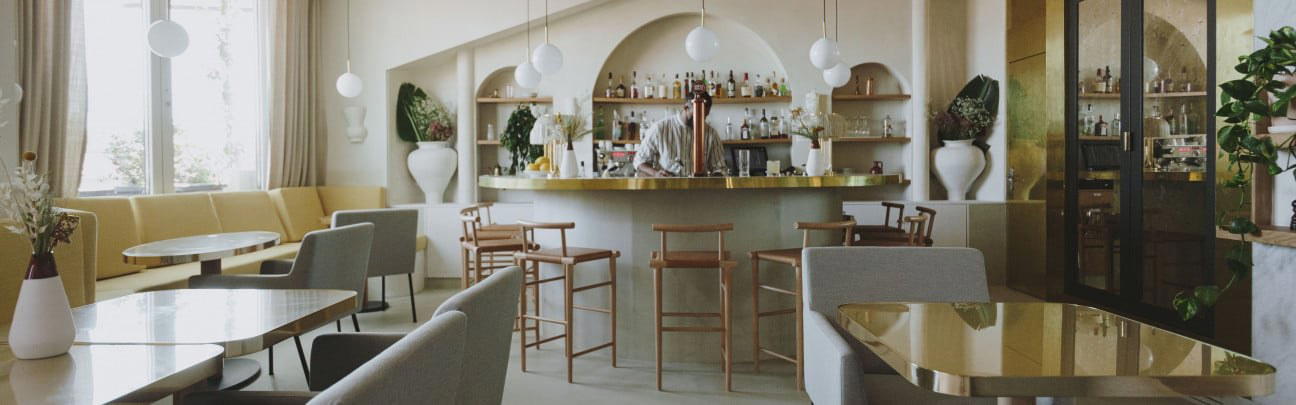
Hotels in Lisbon
Browse all →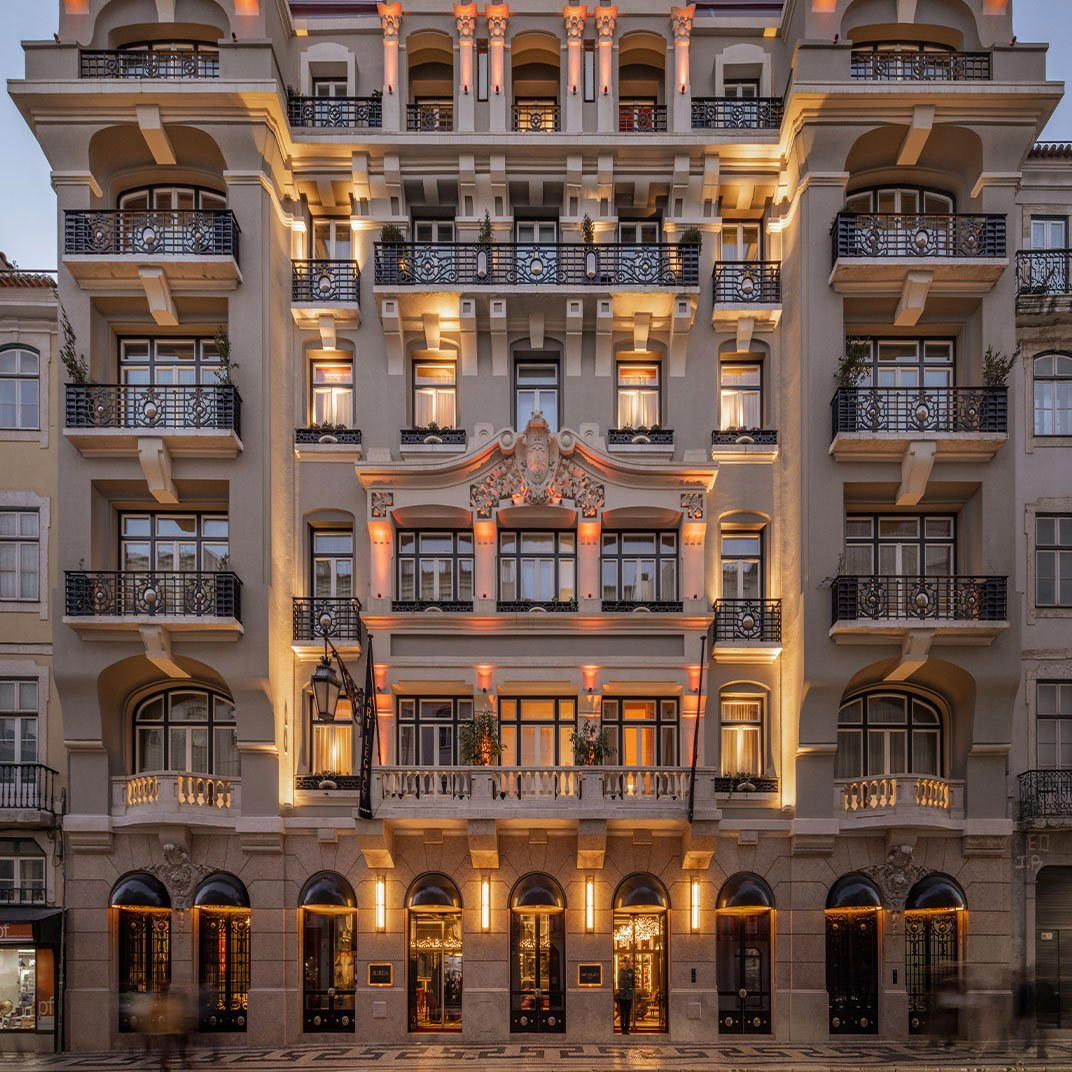
Bars in Lisbon
Browse all →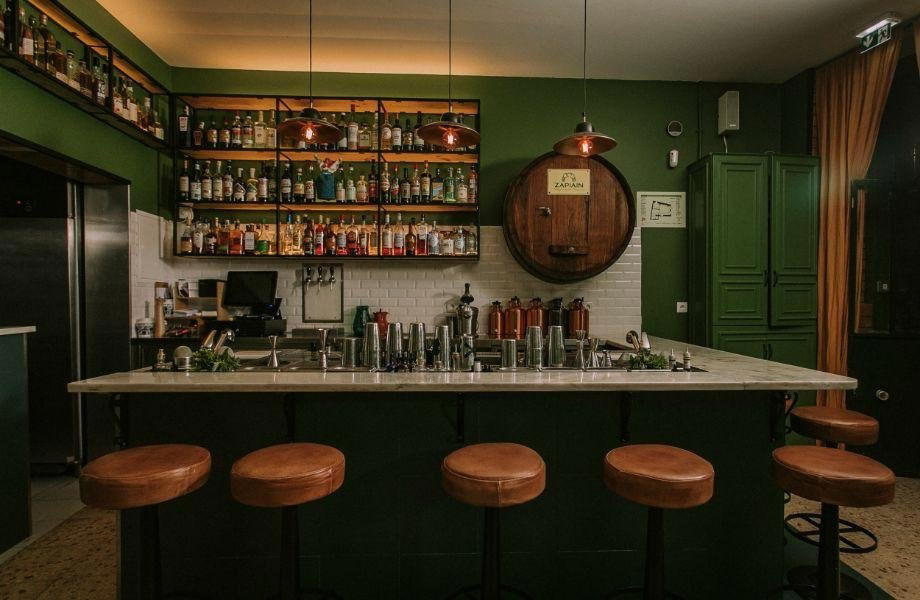

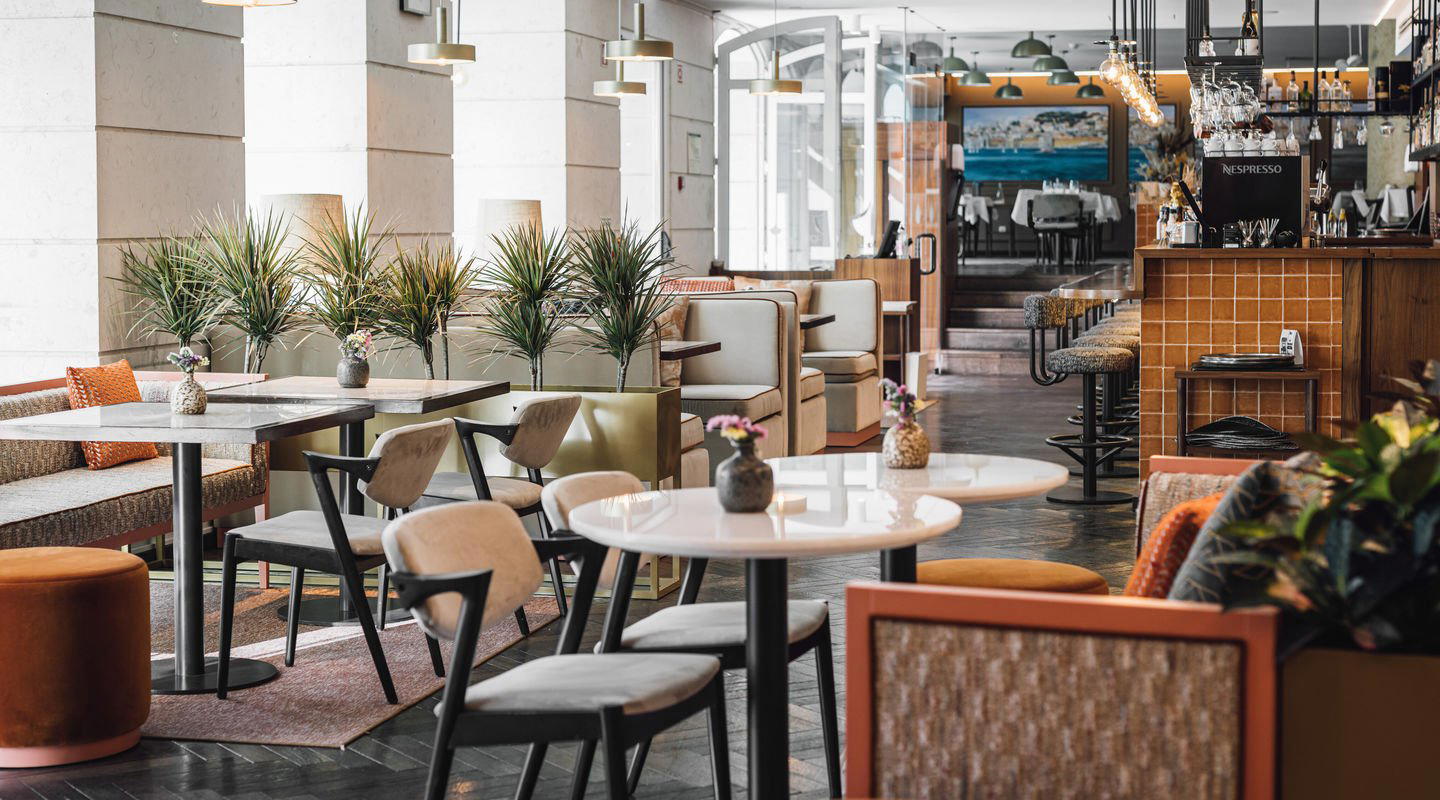
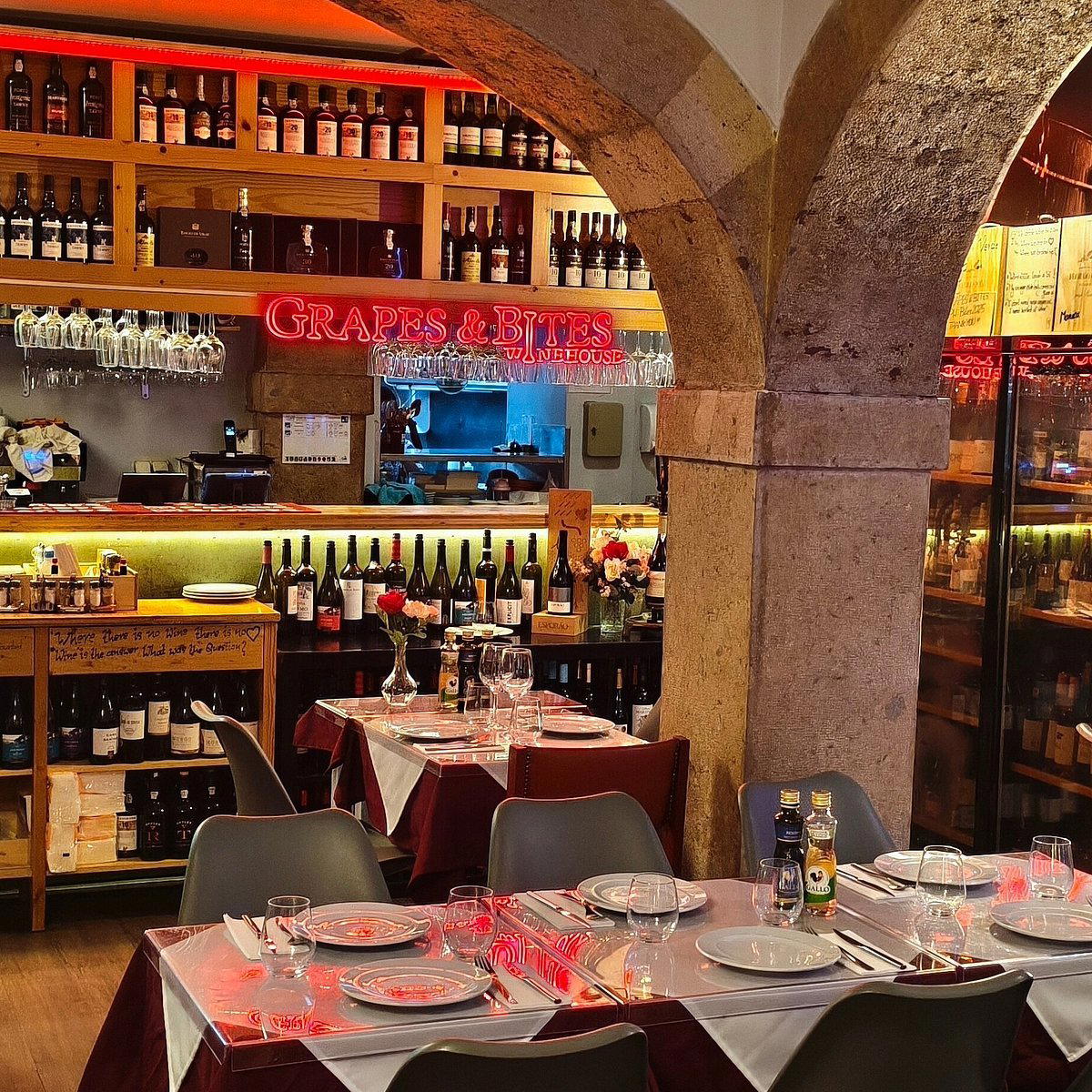
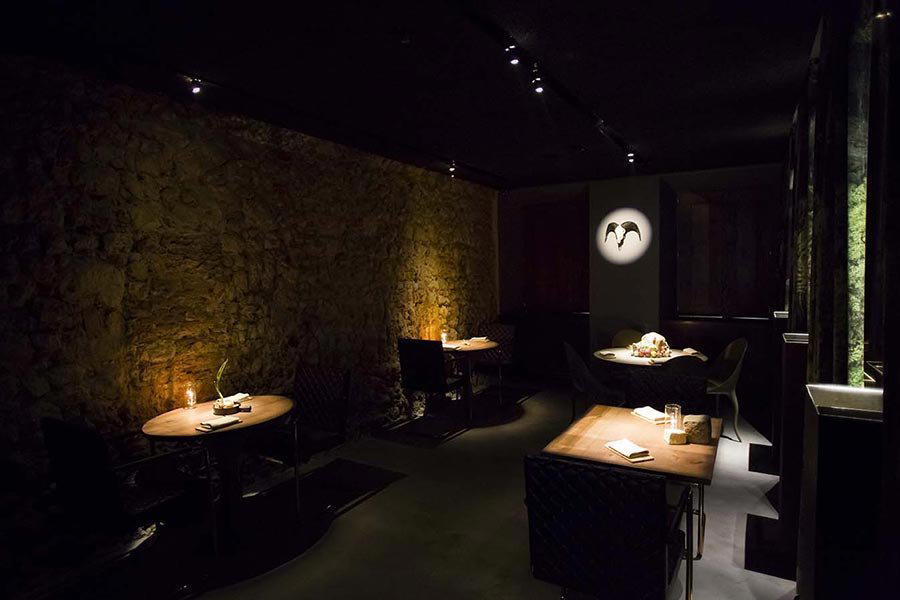
Restaurants in Lisbon
Browse all →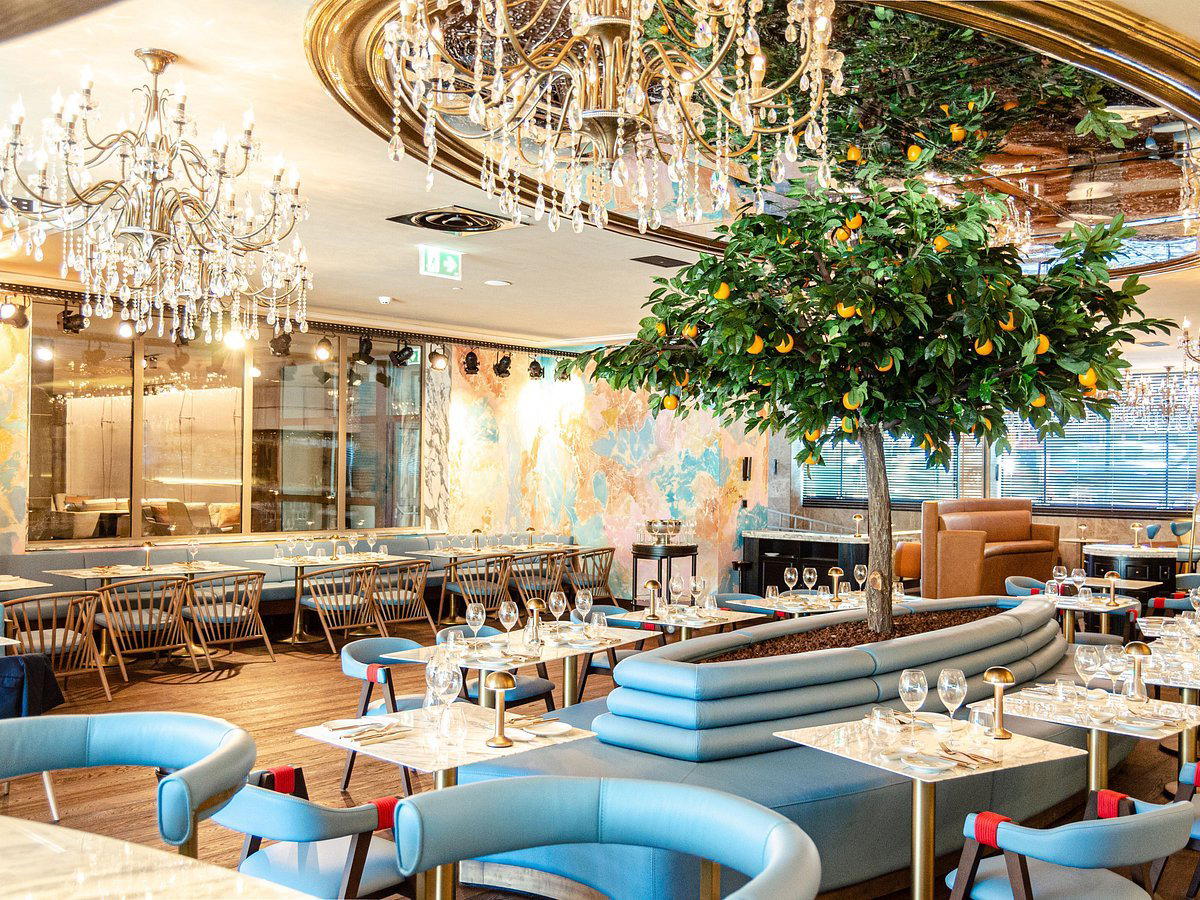
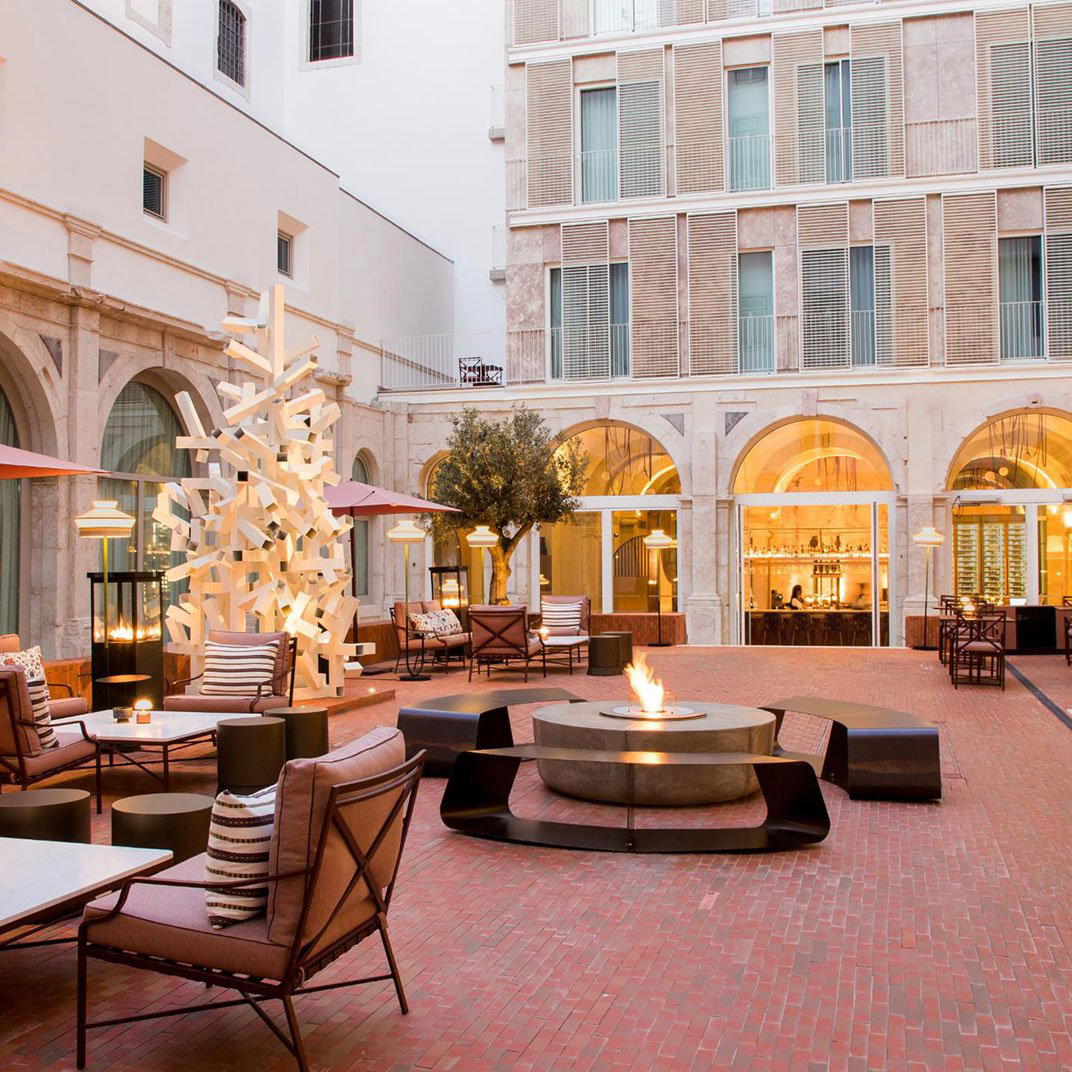

At a Glance
- Elegant
- Sophisticated
- Modern
- Intimate
- Romantic Getaway
- Weekend Escape
- Business Trip
- Family Vacation
- Anniversary
- Terrace
- Historic Building
- Design Destination
- Wi Fi
- Fitness Center
- Bar
- Street Scene
- Wi Fi
- Fitness Center
- Bar
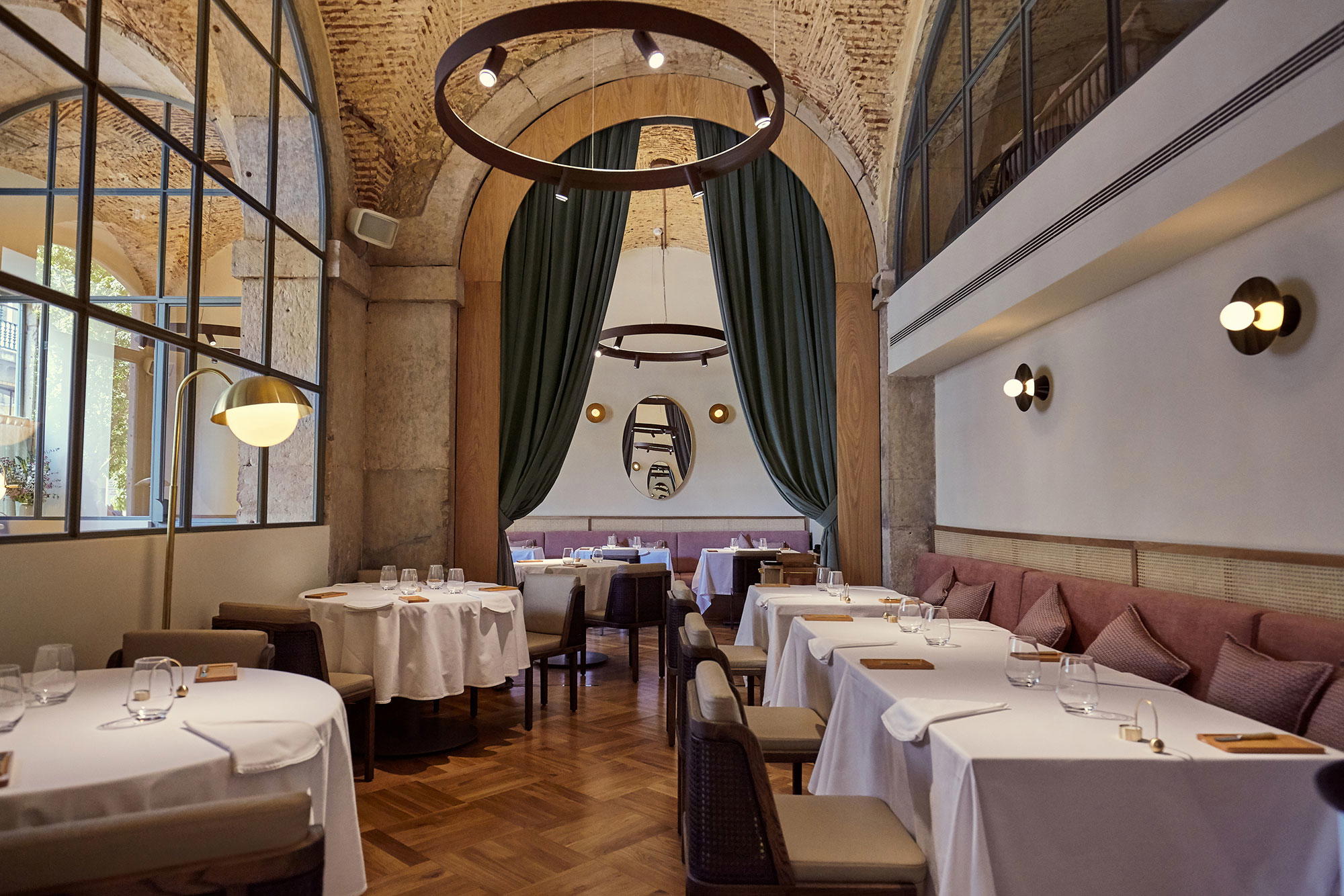
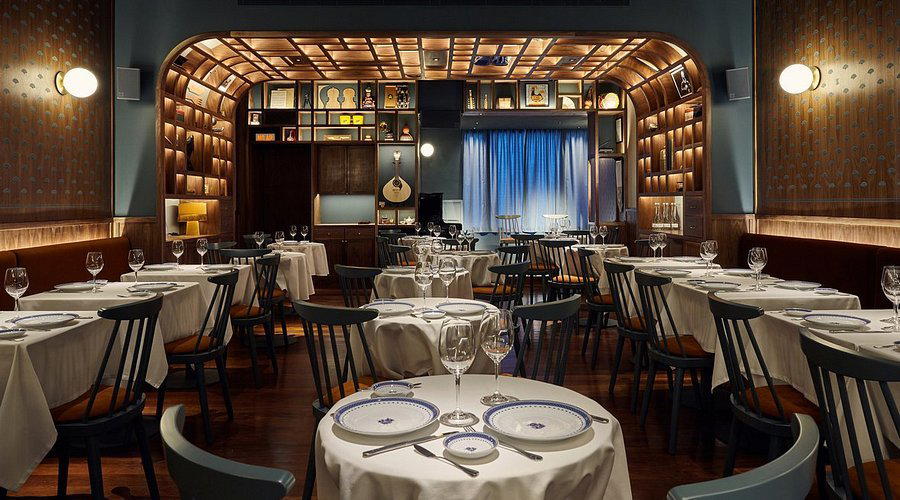
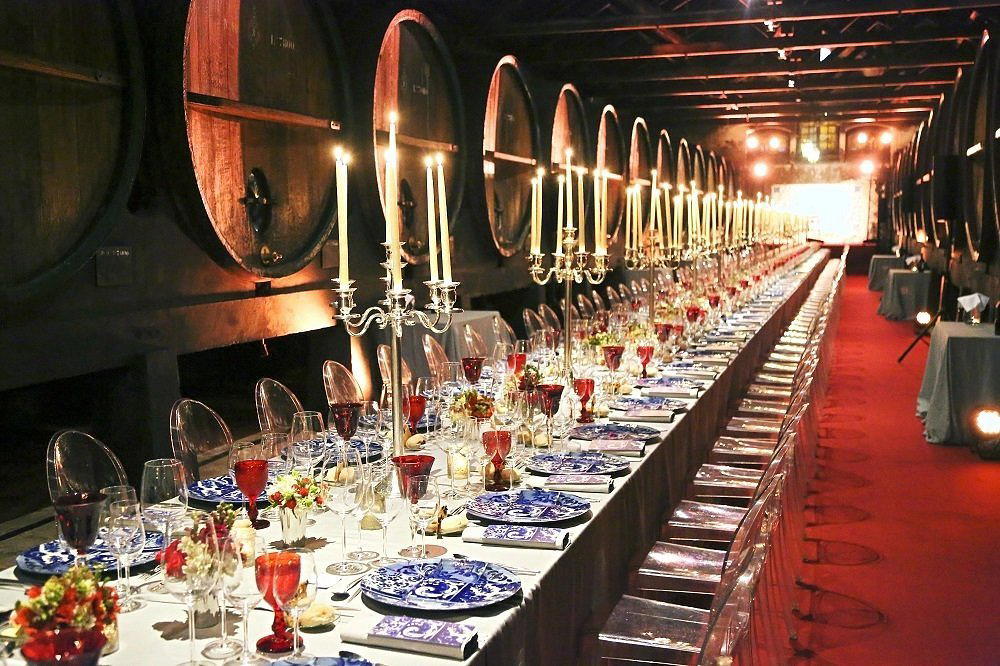
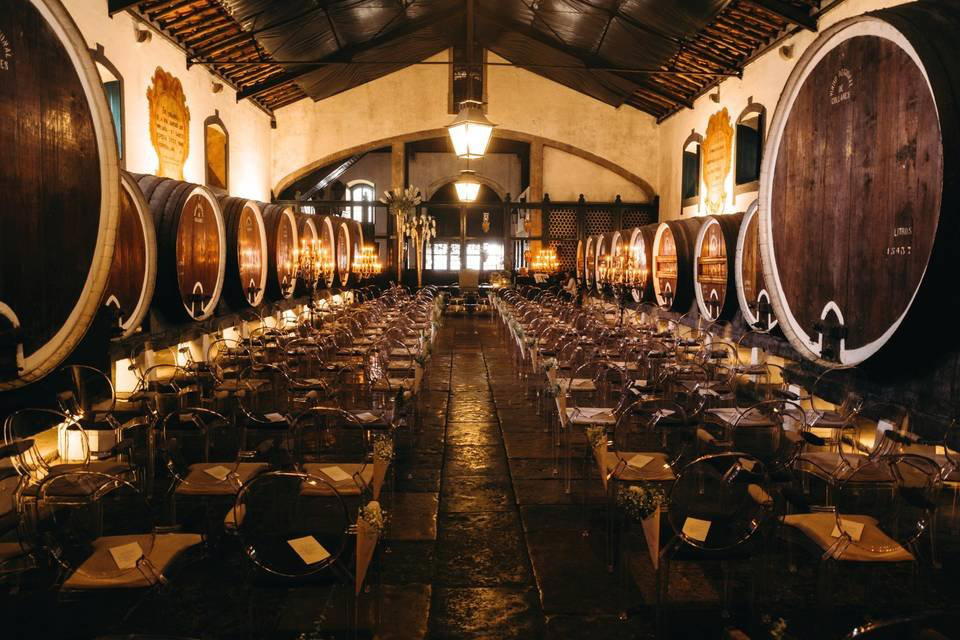
Refined and serene atmosphere in a restored 18th-century monastery, combining original architectural features with contemporary design, warm materials, and soft lighting for understated luxury in the city centre.
Know Before You Go
- Getting there
- R. dos Fanqueiros 115, 1100-415 Lisboa, Portugal