One Hundred Shoreditch

One Hundred Shoreditch occupies a sharp corner of Shoreditch High Street where East London's creative-industrial character meets a design-conscious hotel format. The property sits at the boundary between the City fringe and the neighbourhood's independent hospitality scene, making it a credible base for exploring both. Check the EP Club London guide for full neighbourhood context before booking.
Pearl is the En Primeur Club membership app — saves, bookings, and concierge access live there. Same editors, same standards.
- Address
- 100 Shoreditch High St, London E1 6JQ, United Kingdom
- Phone
- +44 20 7613 9800
- Website
- onehundredshoreditch.com
- Directions
- Get directions
 Saves & bookings on Pearl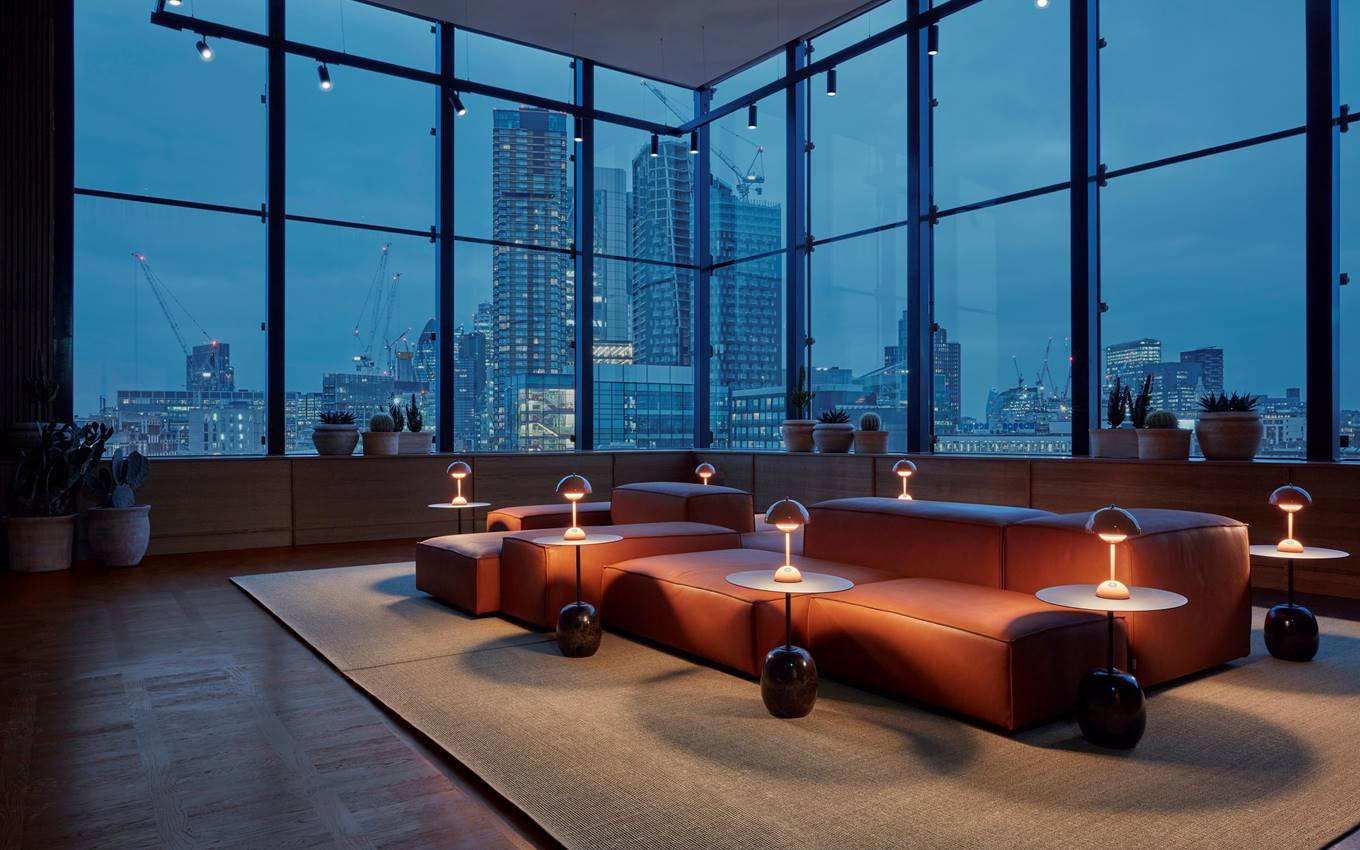
Where Shoreditch's Street Grid Meets Interior Discipline
The eastern edge of the City of London frays quickly into something more interesting. By the time you reach Shoreditch High Street, the financial district's glass towers have given way to Victorian brick, railway arches converted into restaurants, and the particular kind of low-rise density that draws creative businesses rather than corporate ones. One Hundred Shoreditch sits at 100 Shoreditch High Street in that transition zone. The approach is intentional: this is a neighbourhood hotel, positioned in a neighbourhood that has enough character to justify that framing.
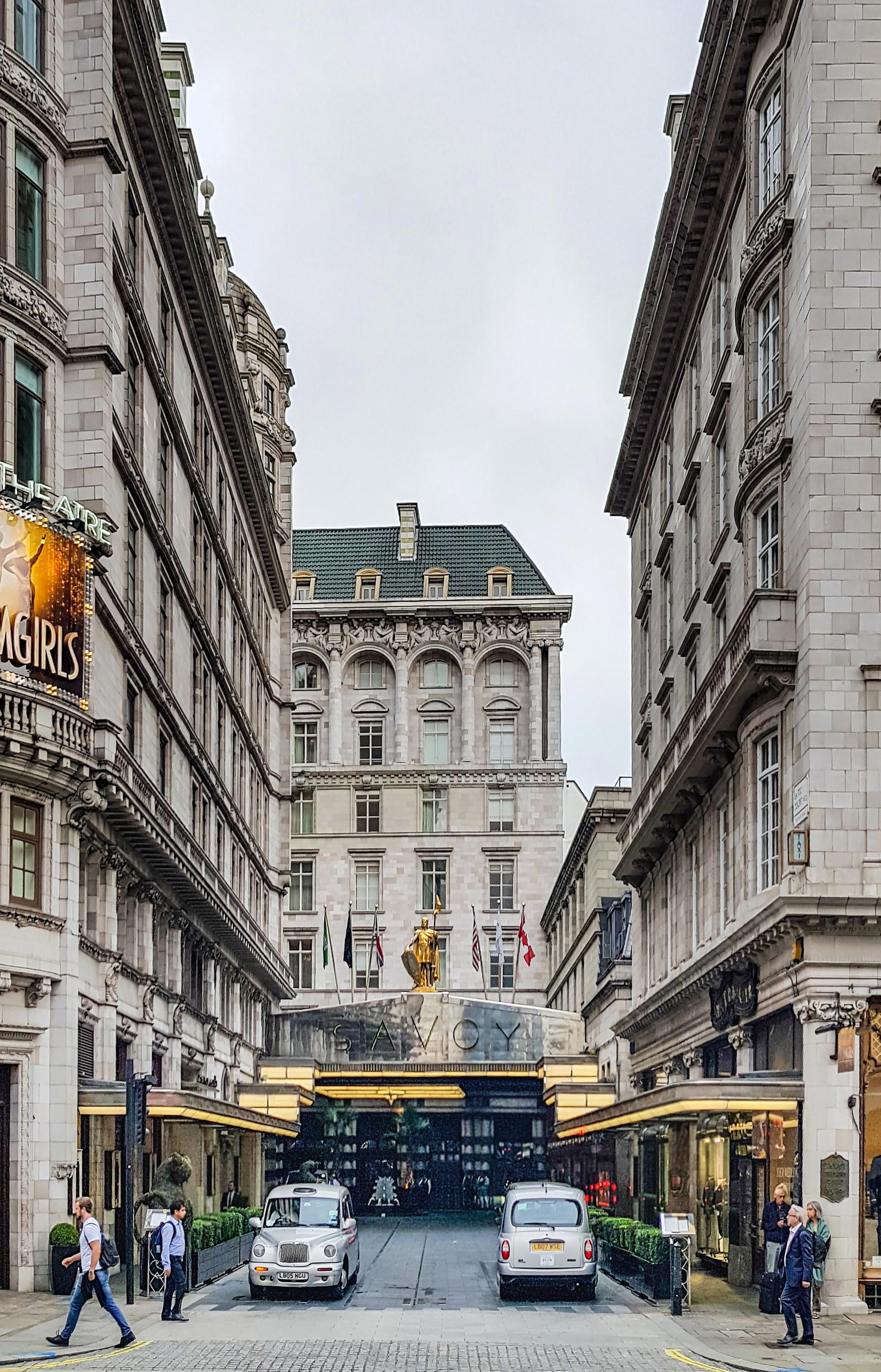
Shoreditch's hospitality scene has bifurcated over the past decade. On one side: the original independent bars, basement clubs, and studio-adjacent cafes that defined the area's early 2000s identity. On the other: a newer tier of design-led hotels and restaurant groups that arrived as rental values rose and the area's creative reputation became commercially attractive. One Hundred Shoreditch sits in this second wave, offering a format that appeals to visitors who want proximity to the neighbourhood's energy without the conditions of its rougher edges. Compare this to London's more traditional luxury hotel corridor, where properties like Claridge's, The Connaught, and The Savoy compete on heritage and formality, and the distance in both geography and tone becomes clear.
The Sensory Register of the Building
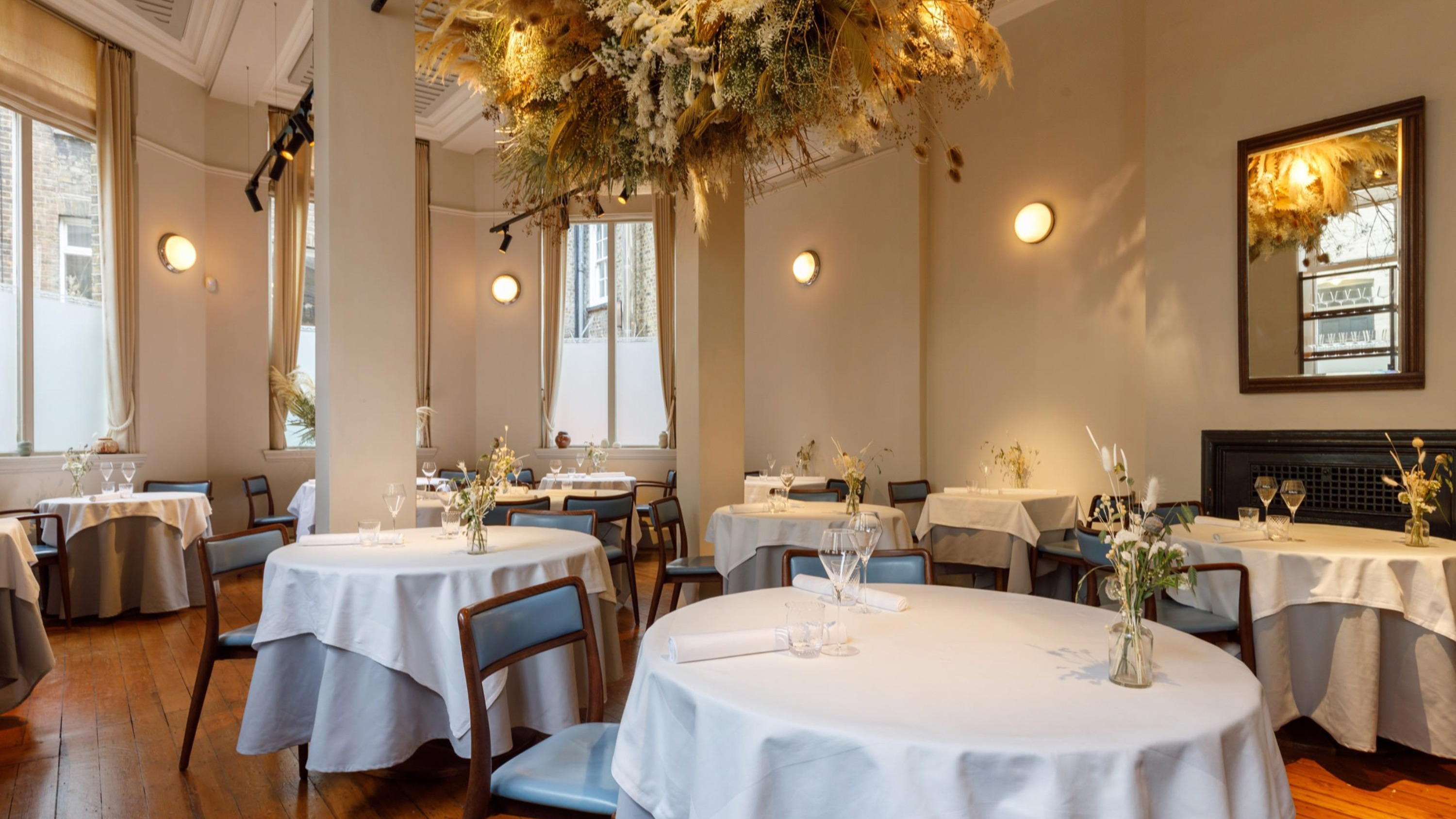
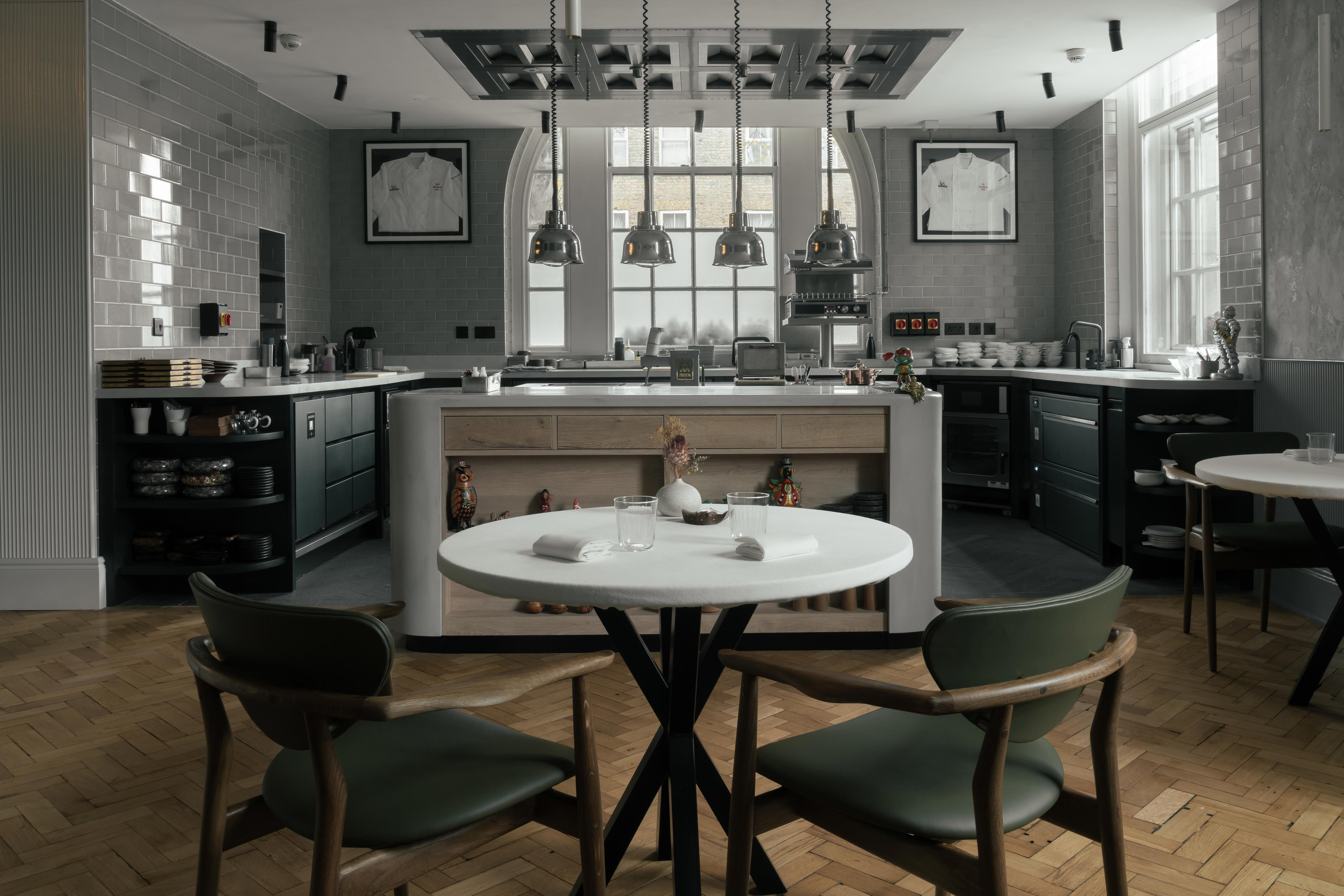
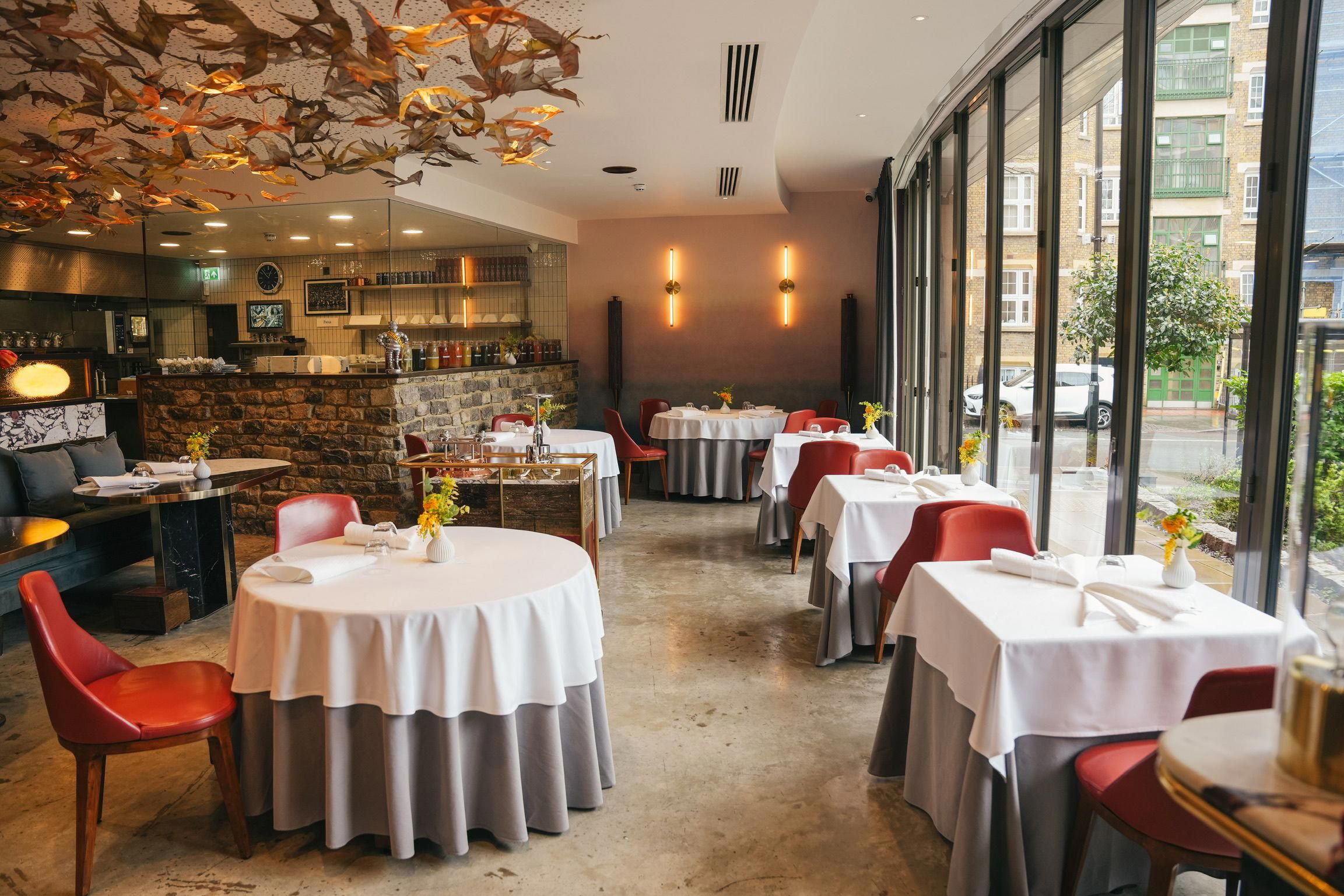
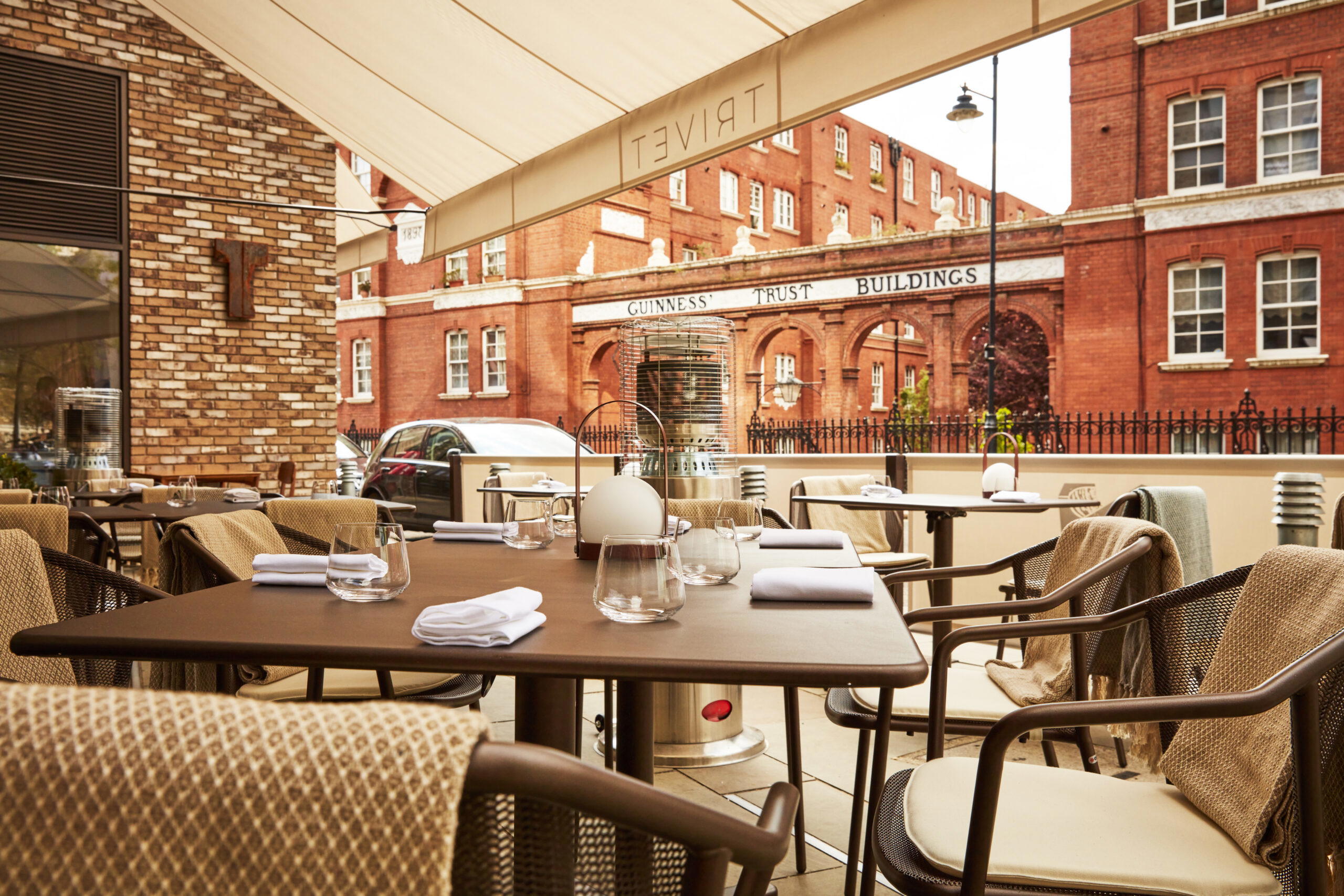
East London hotels at this price point tend to make a visual argument through materiality: exposed concrete, raw timber, curated vintage furniture, lighting that skews warm and low. The underlying logic is that the building should feel like it belongs to the postcode rather than having been dropped into it from a global hotel brand's template library. That distinction separates properties like this from the international-flag hotels that have colonised parts of the West End, where the lobby could plausibly be in Dubai or Singapore. Here, the visual language is more locally anchored, even if the service infrastructure is fully professional.
The bar and restaurant spaces carry most of the atmospheric weight in hotels of this type. In Shoreditch specifically, where the street-level food and drink offering is dense and competitive, a hotel's internal food and beverage program is either a genuine draw or an irrelevance. The area immediately surrounding One Hundred Shoreditch on Shoreditch High Street and the adjacent streets includes enough strong independent operators that the hotel's own spaces need to perform at a neighbourhood standard, not just a hotel standard, to hold attention. That competitive pressure is useful: it keeps the internal programming honest.
Positioning Within London's Design Hotel Tier
London's design-led hotel segment has grown substantially since the mid-2010s. Properties like NoMad London in Covent Garden and 1 Hotel Mayfair have established that there is appetite for hotels that carry an aesthetic point of view without necessarily competing on the traditional luxury markers of butler service, historic provenance, or three-Michelin-star dining. The hotel operates within this same segment but from a distinctly eastern position, which changes the competitive set entirely. Guests here are choosing between this and staying in a short-let apartment in Bethnal Green or a mid-market chain on the City fringe.
That positioning has practical consequences. Shoreditch High Street Overground station is adjacent, connecting directly to Highbury and Islington northbound and to Canada Water southbound, with easy interchange to the Jubilee line. Liverpool Street mainline and Underground is a short walk west, opening national rail connections and the Elizabeth line. For visitors whose programme is weighted toward East London, Hackney, or the Southbank, the location calculates differently than it does for those prioritising Mayfair or Knightsbridge.
The East London Context That Surrounds It
Shoreditch is no longer the art-world frontier it was in the 1990s, and honesty about that matters when choosing a base. The galleries and studios that established the neighbourhood's reputation have largely moved east to Hackney Wick or further out, priced away by the same commercial success that brought international hotel investment. What remains is a dense, functioning hospitality district: strong coffee, serious cocktail bars, a restaurant-per-block density that few London postcodes match, and a nightlife infrastructure that runs later than most of Zone 1. For visitors who want proximity to that specific version of London, Shoreditch remains a credible address.
For those who prefer the more formalised luxury of the West End, the comparison properties tell a different story. 11 Cadogan Gardens in Chelsea, for instance, operates on a house-hotel model with an entirely different sensory register: quieter streets, Georgian architecture, a neighbourhood whose pace runs slower. Neither is objectively superior; they answer different briefs. The same logic applies across the UK's broader hotel scene, where properties like Lime Wood in Lyndhurst, Estelle Manor in North Leigh, and The Newt in Somerset offer entirely different registers again, each making sense within its specific geography. For travellers extending into Scotland, Gleneagles in Auchterarder and Burts Hotel in Melrose represent further points on that spread. City travellers moving between UK destinations might also consider King Street Townhouse Hotel in Manchester or Hope Street Hotel in Liverpool as comparable design-forward alternatives in their respective cities.
Planning Your Stay
Booking the hotel directly through the hotel's own channels typically yields one flexibility on room type and cancellation terms, a standard practice across London's independent and semi-independent hotel tier. The area around Shoreditch High Street is leading explored on foot: the density of the surrounding streets rewards walking rather than driving, and parking in E1 is both expensive and logistically awkward. Arriving by Overground or Elizabeth line from Paddington or Heathrow is one efficient approach for international arrivals. For those travelling onward internationally and wanting a comparison point in other cities, The Fifth Avenue Hotel in New York City or Aman New York occupy broadly analogous positions in the design-led luxury segment, while Aman Venice demonstrates how the same tier performs in a heritage European context. The full London guide covers seasonal considerations and neighbourhood-by-neighbourhood breakdowns for visitors planning a longer stay.
Budget Reality Check
Comparable venues nearby, for context on price, style, and recognition.
| Venue | Price | Awards | Notes |
|---|---|---|---|
| One Hundred ShoreditchThis venue — the venue you are viewing | $$$ | 4-Star | Not listed |
| The Hoxton, Holborn | $$$ | 4-Star | Holborn, Boutique hotel in restored mid-century office building serving as a neighborhood living room. |
| The Portobello Hotel | $$$ | 4-Star | Notting Hill, Bohemian luxury boutique with eclectic, highly textured design celebrating the artistic heritage of Notting Hill and Portobello Road market. |
| Hotel Saint | $$$ | 4-Star | Aldgate, Contemporary city hotel with skyline views |
| Dean Street Townhouse | $$$$ | 4-Star | Soho, Georgian townhouse with country-house undertones in urban Soho |
| Town Hall Hotel | $$$ | 4-Star | Globe Town, Art Deco heritage building reimagined as a contemporary design hotel with bespoke furnishings and artistic installations. |
Recognition history
Dated appearances from independent guides and award organizations, with the underlying list record or original source where available.
Michelin Guide New Hotels New Hotel
Michelin Guide New Hotels
Michelin Selected
Michelin
Continue exploring
More in London
Hotels in London
Browse all →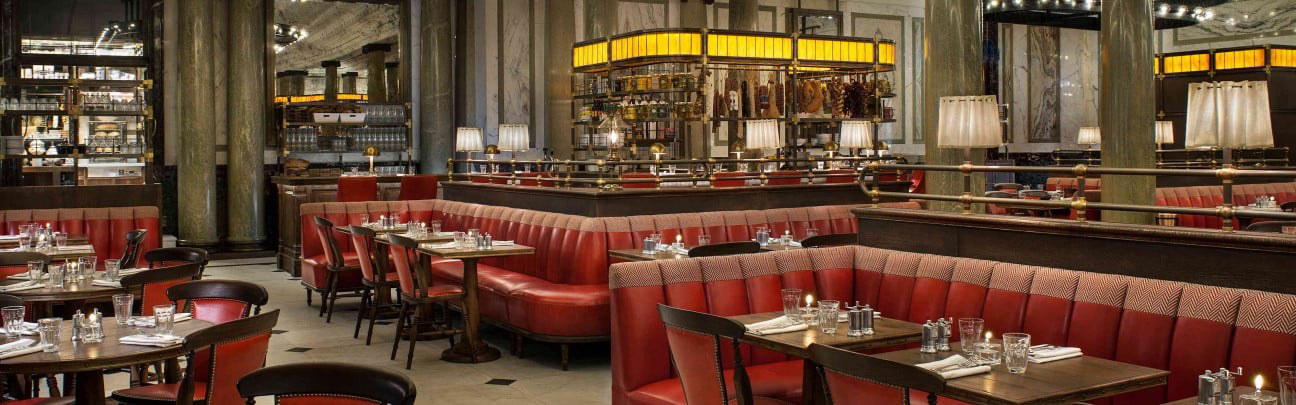
Bars in London
Browse all →
Restaurants in London
Browse all →



At a Glance
- Trendy
- Modern
- Energetic
- Sophisticated
- Weekend Escape
- Celebration
- Group Retreat
- Design Destination
- Terrace
- Historic Building
- Wi Fi
- Restaurant
- Bar
- Room Service
- Concierge
- Wi Fi
- Restaurant
- Bar
- Room Service
- Concierge
Lively public spaces with high-energy bars and restaurants contrasted by sun-drenched, minimalist-chic guest rooms with neutral tones, natural light, and bespoke artwork creating tranquil sanctuaries.