Leonardo Hotel London Aldgate

Preferred Hotels Member
Hotel Saint occupies a converted historic building at 9 Aldgate High St, placing 267 rooms at the edge of the City of London where the financial district meets the older, denser grain of Whitechapel. The address sits in a part of east-central London that has shifted considerably in character over the past decade, making it a considered choice for travellers who want proximity to the City without the rates that Mayfair or Covent Garden command.

Pearl is the En Primeur Club membership app, where members save venues, book tables and use the concierge.
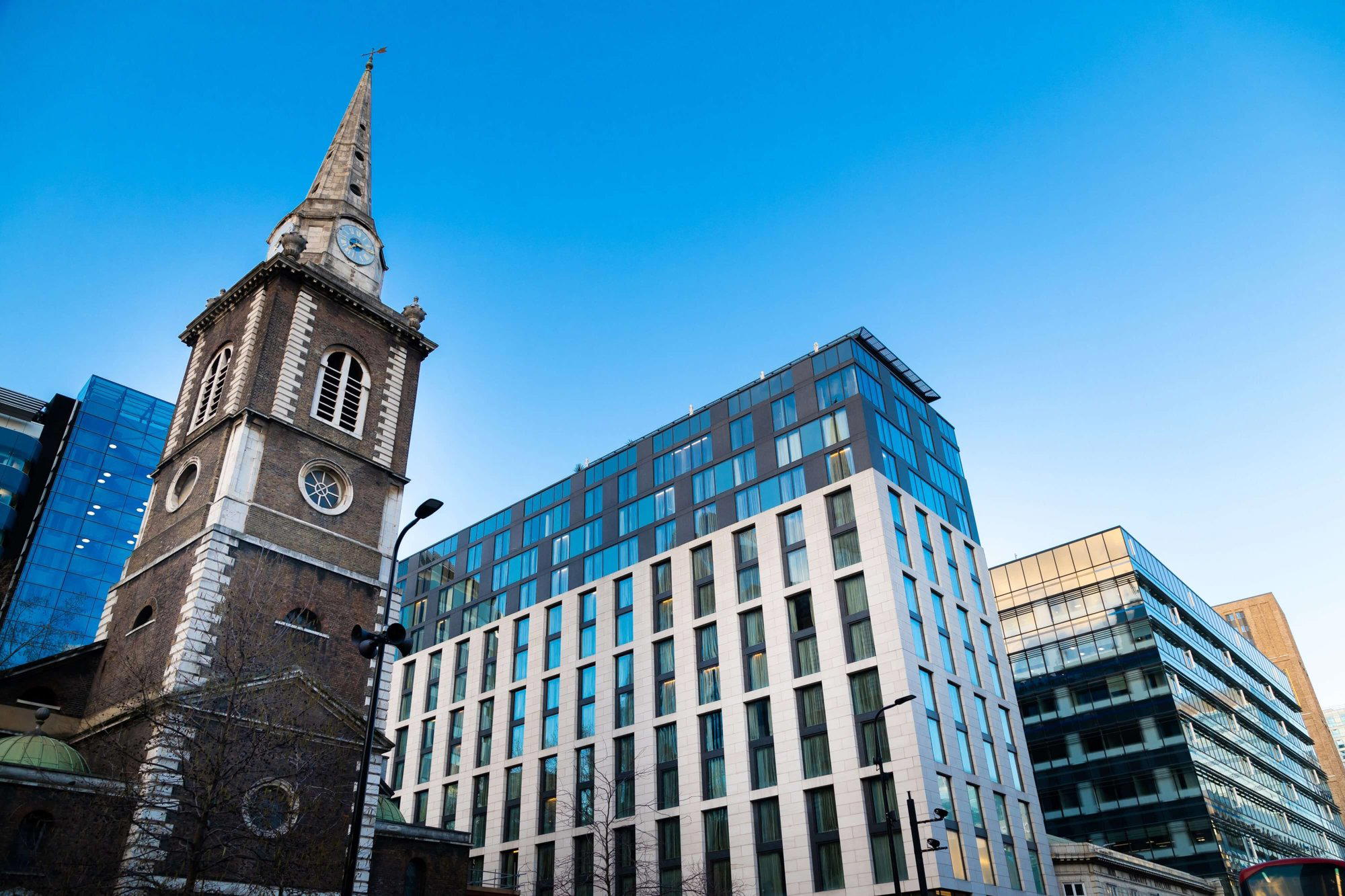
Where the City Frays at Its Eastern Edge
Aldgate sits at a threshold. Walk west from the hotel's address on Aldgate High Street and you are inside the Square Mile within minutes, among the glass towers and dealing floors of the City of London. Walk east and the city changes register: smaller buildings, older streets, the layered demographics that have defined this corridor since the nineteenth century. Hotel Saint, with 267 rooms, occupies that threshold deliberately. The location is not incidental to its positioning, it reflects a broader pattern in London hotel development, where conversion-led projects are moving into transitional neighbourhoods that established luxury brands have historically ignored.
London's hotel market has long been concentrated in a tight arc running from Belgravia through Mayfair and up to Marylebone. Properties like Claridge's, The Connaught, and The Savoy define one tier of that market, while newer arrivals like NoMad London and Raffles London at The OWO have extended the premium conversation into Covent Garden and Whitehall.
A Building With Its Own Argument
The category of hotel that converts a historic structure into contemporary rooms has become one of the more contested formats in British hospitality. Done well, it offers something that new-build properties cannot: material texture. Stone, timber, or ceramic detail that carries the evidence of age. Done poorly, it produces rooms that fight their own architecture, where modern fitout and old bones never resolve into a coherent experience. The better conversions in the British market, among them Estelle Manor in North Leigh and The Newt in Somerset, succeed by letting the existing structure lead the design conversation rather than overwriting it.
At 267 rooms, Hotel Saint is a substantial property. That count places it above the boutique threshold, where intimate scale becomes a selling point in itself, and into territory where operational consistency across a large key count matters as much as the initial design concept. For travellers, a larger room count generally signals greater availability and more predictable booking windows than a property of 40 or 60 keys, where specific room categories can be sold months in advance.
The Sustainability Question in Urban Hotel Development
The editorial angle that most honestly frames Hotel Saint in 2024 is environmental. London's hotel sector has arrived, somewhat belatedly, at a serious reckoning with what sustainability means at property level, not as a branding exercise but as a structural commitment built into procurement, waste management, energy systems, and the supply chains that feed restaurants and minibars alike.
The conversion model is itself a sustainability argument. Retaining an existing building's structure rather than demolishing and rebuilding carries a meaningful embodied carbon advantage over ground-up development. This is not a marginal point. The construction industry accounts for a substantial share of global carbon emissions, and the decision to convert rather than build new is one of the more significant environmental choices a hospitality developer can make. Hotels in converted structures, from Hope Street Hotel in Liverpool to King Street Townhouse Hotel in Manchester, have made that case in the British regional market. It now extends with increasing frequency into London.
What can be said is that the property's urban location confers certain structural advantages: proximity to public transport nodes at Aldgate and Aldgate East reduces the car dependency that complicates sustainability claims for rural and suburban properties. For comparison, a property like Gleneagles in Auchterarder or Langass Lodge in Na H-Eileanan an Iar faces entirely different logistical constraints when it comes to supply chain and guest transport. Urban properties carry built-in advantages in that calculus.
Question worth asking of any city hotel making sustainability claims is where those commitments appear in the operational model rather than the marketing language. Sourcing from regional producers, reducing single-use materials across 267 rooms, and maintaining genuine transparency on energy consumption are the markers that distinguish structural commitment from surface positioning. Travellers with genuine interest in this dimension of hospitality are better served looking at specific certifications, Green Key, EarthCheck, or B Corp status, than at brand statements.
Aldgate as a Base: The Practical Case
Neighbourhood around Aldgate High Street has improved materially as a hotel address over the past decade. Liverpool Street, a ten-minute walk, serves as one of London's major rail and Elizabeth line hubs, connecting the property to Heathrow in under forty minutes and to the West End in fifteen. That connectivity is a genuine practical asset for both business and leisure travellers.
City of London's own hospitality offer has grown, and the streets immediately around Aldgate, Spitalfields, Brick Lane, and the older commercial stretches toward Bishopsgate, now carry a food and drink scene of real depth. This positions Hotel Saint differently from a property in, say, Mayfair, where the hotel's own restaurant and bar carry most of the entertainment weight. Here, guests have a reason to walk out the door.
For travellers comparing properties across London's range, the alternatives that compete most directly with this address are other City-adjacent or east London properties rather than the Mayfair tier occupied by The Emory or 11 Cadogan Gardens. The sustainability-led traveller looking specifically at London might also consider 1 Hotel Mayfair, which has built environmental practice into its brand identity at a more documented level. Our full London restaurants and hotels guide maps the broader options across price tiers and neighbourhoods.
Beyond London, travellers drawn to the conversion-and-heritage model will find strong regional alternatives in the British market: Lime Wood in Lyndhurst, Burts Hotel in Melrose, Dun Aluinn in Aberfeldy, and Glasgow Grosvenor Hotel each represent different readings of how British properties have approached historic fabric and contemporary hospitality. Further afield, Muir, A Luxury Collection Hotel in Halifax and Lifeboat Inn in St Ives demonstrate how the model translates across different scales and settings. For international comparison points, Aman New York, The Fifth Avenue Hotel, and Aman Venice show how the conversion format operates at the upper end of the global market and at what price point the embedded heritage argument becomes a primary driver of rate.
Planning Your Stay
Hotel Saint is located at 9 Aldgate High Street, EC3N 1AH. Aldgate and Aldgate East Underground stations are within a short walk, and Liverpool Street station, serving the Elizabeth line, Central line, and national rail, is accessible on foot in under ten minutes. For travellers arriving from Heathrow, the Elizabeth line provides a direct connection without requiring a change. The 267-room count means availability is generally less constrained than at smaller boutique properties in comparable parts of the city, though peak periods around the financial calendar and major City events will tighten inventory in line with London-wide demand.
Where the Accolades Land
Comparable venues nearby, for context on price, style, and recognition.
| Venue | Cuisine | Price | Awards | Notes |
|---|---|---|---|---|
| Leonardo Hotel London Aldgate | Contemporary city hotel with skyline views | $500–750 | Preferred Hotels Member | Aldgate |
| The Academy | Georgian townhouses with modern boutique charm | $300–500 | Small Luxury Hotels of the World Member | Fitzrovia |
| onefinestay | Luxury serviced private residences in prime London locations | Not listed | Virtuoso Luxury Hotel Partner | Covent Garden |
| Inhabit Southwick Street | Georgian building reimagined as a wellness retreat with calming art and peaceful communal spaces. | Not listed | Michelin Selected · Design Hotels Member | Paddington |
| The Londoner Hotel | Contemporary luxury super-boutique with theatrical West End inspiration and modern British sensibility | $500–750 | Michelin Selected · Virtuoso Luxury Hotel Partner | Leicester Square, West End |
| Vintry and Mercer | Modern luxury boutique hotel with heritage inspiration, celebrating London's trading past through contemporary design and bespoke furnishings. | Not listed | Michelin Selected · Mr & Mrs Smith Seal of Approval | Cannon |
Recognition history
Dated appearances from independent guides and award organizations, with the underlying list record or original source where available.
Preferred Hotels Member
Preferred Hotels
Continue exploring
More in London
Hotels in London
All hotels in London →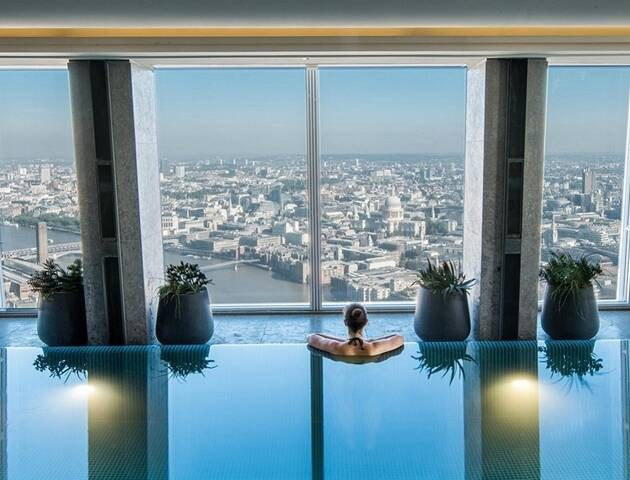
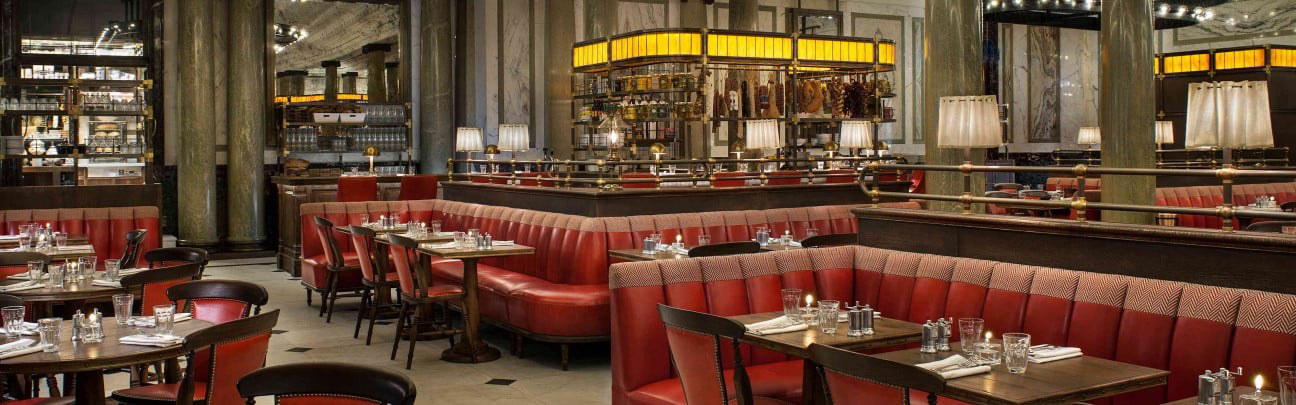
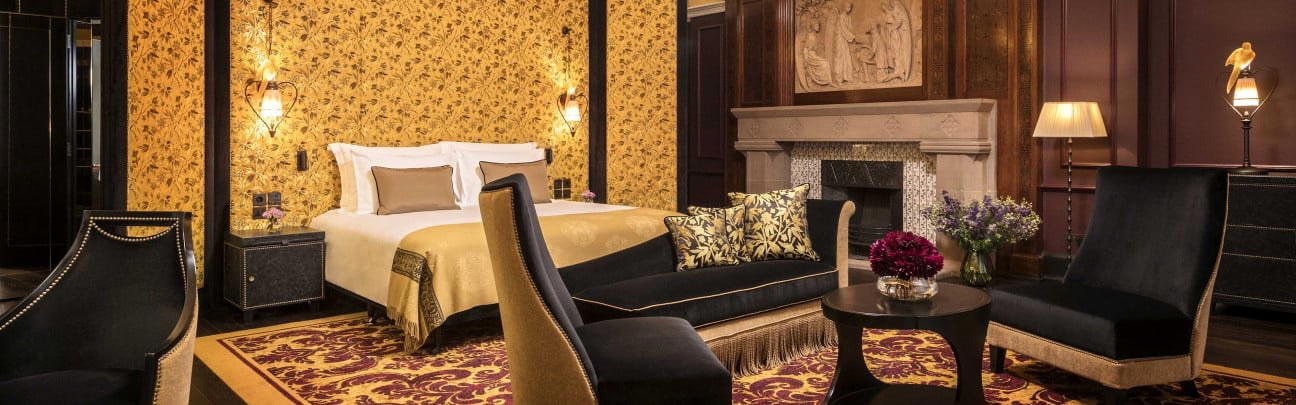
Bars in London
All bars in London →
Restaurants in London
All restaurants in London →



Details
- Modern
- Elegant
- Sophisticated
- Business Trip
- Weekend Escape
- Rooftop Pool
- Historic Building
- Panoramic View
- Wi Fi
- Fitness Center
- Room Service
- Concierge
- Restaurant
- Skyline
- Wheelchair Accessible
- Elevator
- Step Free Entrance
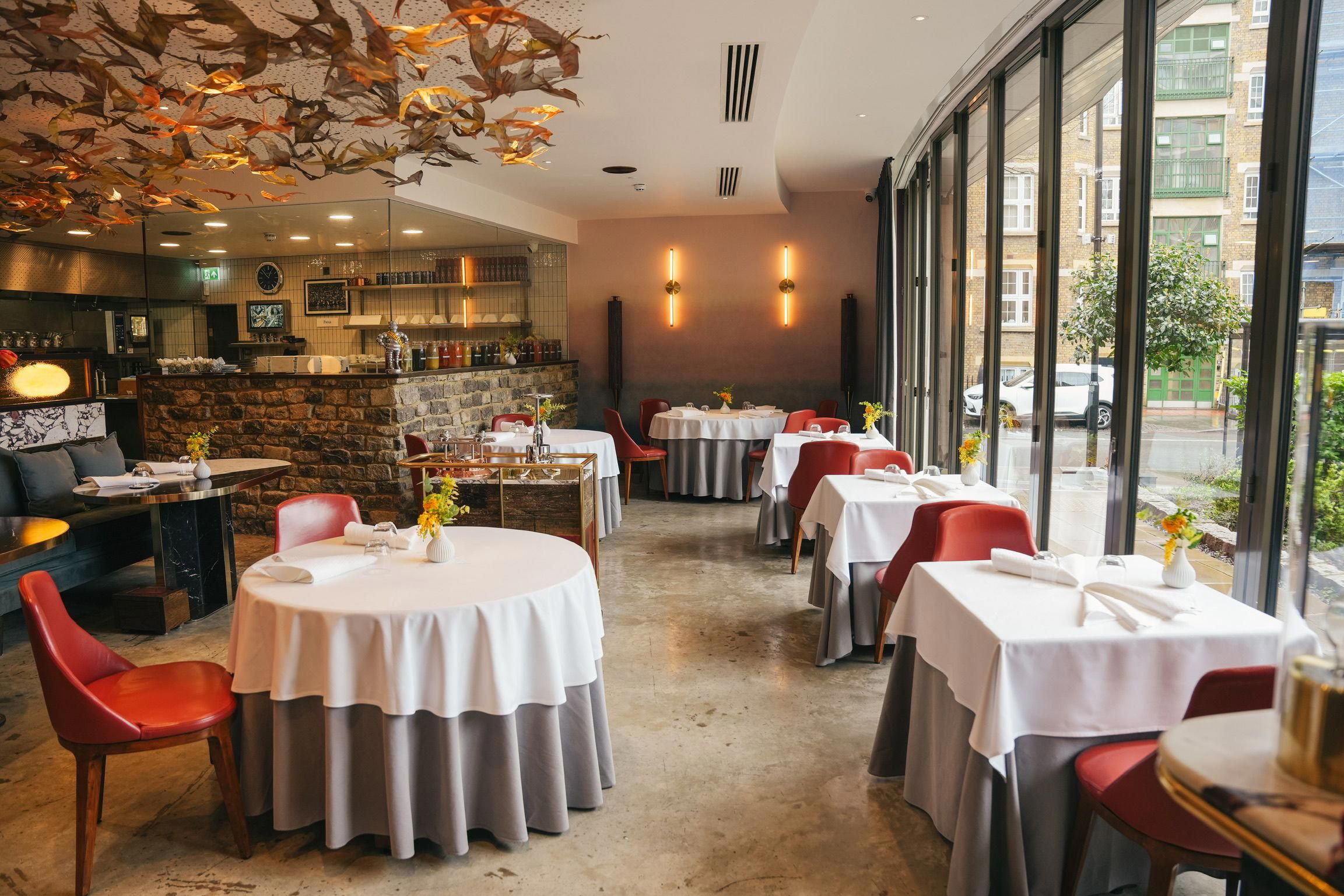
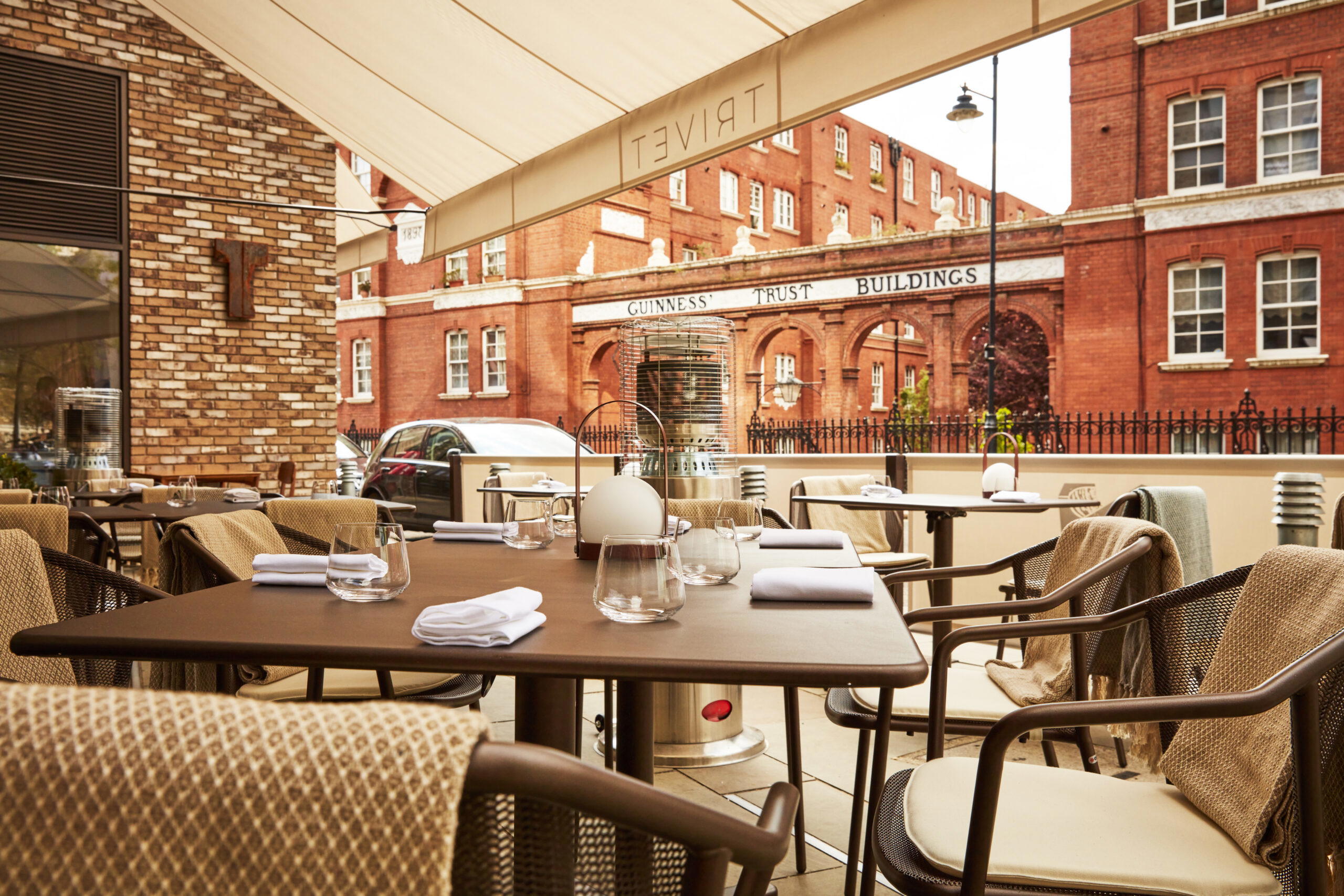
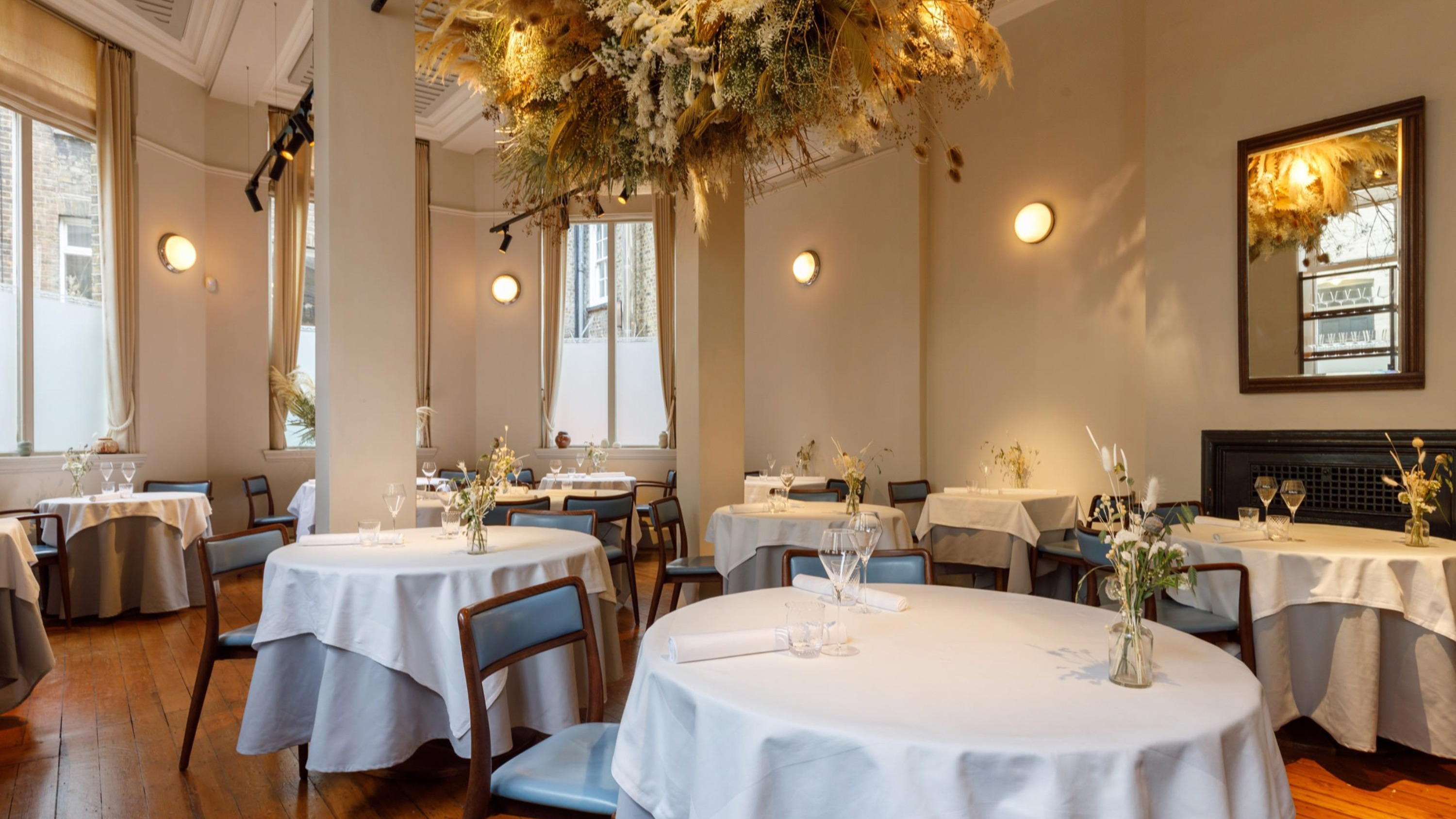
Modern and stylish with natural light, comfortable bedding, and a lively rooftop bar atmosphere.