Oitavos Dunes Golf Course
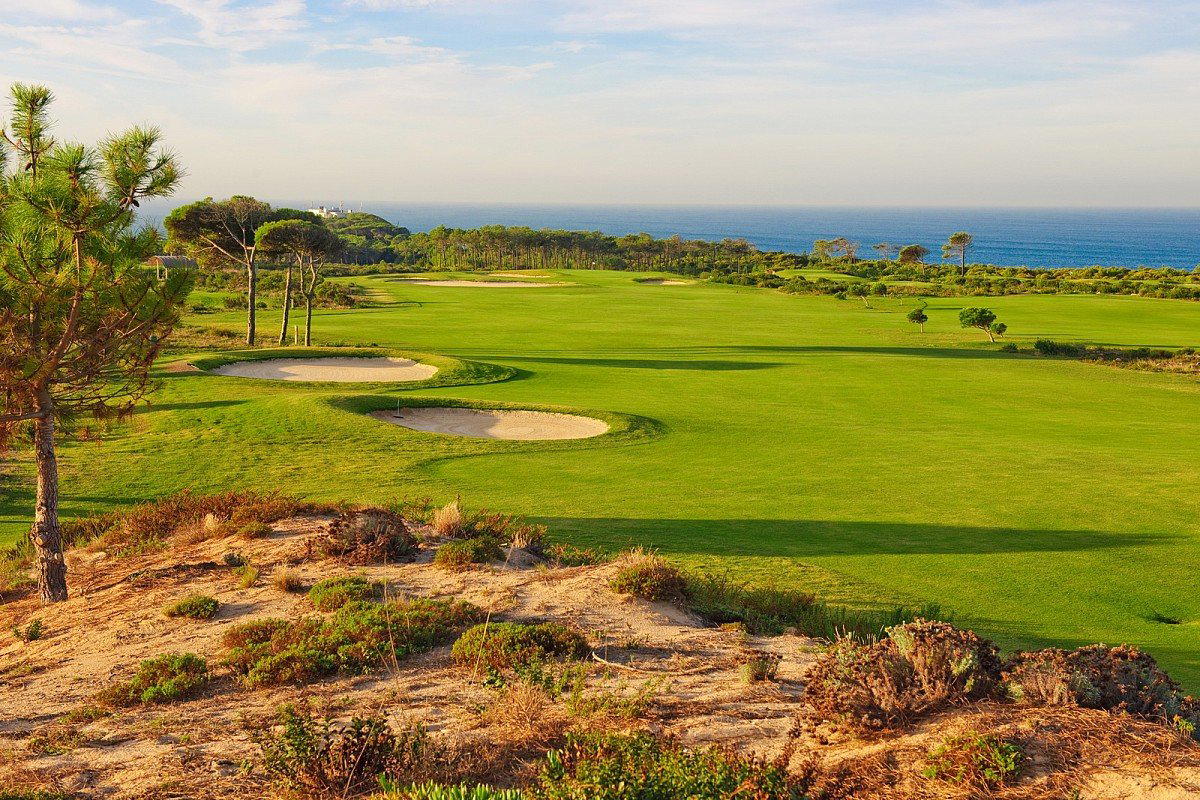
Set along the Atlantic-facing edge of the Sintra-Cascais Natural Park, Oitavos Dunes is one of the Iberian Peninsula's most architecturally considered links courses, where the fairways are threaded through protected coastal dunes rather than imposed upon them. The design works with the land's natural contours, producing a layout that reads differently in morning Atlantic mist than in afternoon sun. Visitors should plan around tee time availability, particularly from spring through early autumn.

Pearl is the En Primeur Club membership app — saves, bookings, and concierge access live there. Same editors, same standards.
Where the Atlantic Shapes the Architecture
On the edge of the Sintra-Cascais Natural Park, the relationship between golf course design and natural terrain becomes a defining question. At Oitavos Dunes Golf Course, the answer is clear from the first fairway: the layout does not reorganise the landscape, it reads it. The dune system that runs along this stretch of the Portuguese Riviera between Cascais and the Serra de Sintra is protected coastal terrain, which means any course built within it must work around the geography rather than flatten it. The result is a links-influenced layout where elevation shifts, Atlantic wind exposure, and the irregular texture of stabilised dune grass do the architectural work that artificial bunkering might do elsewhere.
This approach places Oitavos in a specific tradition of European links design that values restraint over spectacle. The leading comparisons are courses where the land itself provides the hazard — where a drive into the wind on a par four carries different risk in March than in September, and where reading the ground matters as much as club selection.
The Physical Grammar of the Course
Golf course architecture in Portugal has taken two broad directions over the past three decades. Resort-adjacent courses, particularly in the Algarve, tend toward sculptured fairways and imported aesthetic flourishes — water features, manicured rough edges, and a general tidiness that photographs well. Courses in the Lisboa coast corridor, by contrast, have more frequently leaned into the natural Atlantic-facing terrain, where the materials are sand, wild grasses, and prevailing westerly winds.
Oitavos belongs firmly to the second category. The dune topography here is not decorative; it is structural. Fairways are routed through natural corridors between dune ridges, which means the line of play is often determined by geography rather than by a designer's preference. This creates a course that has genuine directional logic, you play the land, not a drawing of the land. The greens sit in positions that make use of natural amphitheatres and wind breaks, and the transition zones between manicured turf and the protected park land around the course are deliberately understated.
Architecturally, this kind of restraint is harder to execute than it looks. The temptation in course design, particularly at premium-tier facilities, is to impose legibility, to make each hole's challenge immediately readable by shaping banks, mounding rough, and using colour contrast. At Oitavos, the challenge is often subtler: the slope you cannot see from the tee, the wind that shifts between the dune corridors, the lie that looks flat until you address the ball. That subtlety is what gives the course its standing among serious golfers rather than casual resort visitors. For practical planning, the course sits on lote 64 in the 2750-040 postal district, and players staying in Cascais itself are a short drive from the entrance, making early morning tee times viable without the logistical overhead of a longer transfer.
Cascais and the Estoril Coast as Golf Context
The Cascais-Estoril coast has a longer relationship with premium leisure than most Portuguese coastal areas. Its proximity to Lisbon, roughly 30 kilometres along the A5 motorway, made it a destination for the European aristocracy in the early twentieth century, and later a quiet base for exiled royalty during and after the Second World War. That heritage produced a built environment with more architectural character than typical resort corridors: the casino at Estoril, the walled villas above the bay, the railway line that has connected the two towns since the 1880s. Golf arrived relatively late in that story but inherited the same premium positioning that defines the coast's overall character.
For visitors using Oitavos as an anchor, the surrounding area offers genuine variety. Our full Cascais E Estoril restaurants guide covers the dining options across the coast in more detail, from the fish restaurants around the old harbour to the more considered dining rooms in the hills above town. The broader Portugal network of design-conscious and character-led properties, including Hotel Britania Art Deco in Lisbon, the architecturally considered Bussaco Palace Hotel in Luso, and the rural setting of Ventozelo Hotel and Quinta in Ervedosa do Douro, gives a sense of how the country's premium hospitality tier approaches design, and Oitavos fits the same instinct for working with existing character rather than overwriting it.
Further afield, properties like Anantara Vilamoura Algarve Resort in Quarteira and Bela Vista Hotel and Spa in Praia da Rocha represent the southern Algarve's approach to golf-adjacent luxury, which tends toward larger resort formats. By comparison, the Cascais corridor, including Oitavos, operates in a more contained, less resort-packaged register. For visitors who want to extend a Portugal trip across regions, M Maison Particuliere Porto, Casa da Calçada in Amarante, and Carmo's Boutique Hotel in Ponte de Lima offer a northern Portugal contrast worth considering alongside the Lisbon coast. Those planning coastal extensions southward might look at Villa Epicurea in Sesimbra, Hospedaria da Pensao Agricola in Conceicao e Cabanas de Tavira, or Colégio Charm House in Tavira for a slow-travel Portugal itinerary that takes in both coasts. Douro Valley stays at Casa Vale do Douro in Cambres or Q.ta da Corte in Valenca do Douro round out a country-wide itinerary anchored by distinctive, design-conscious accommodation choices.
Planning a Visit
The Atlantic climate along the Cascais coast makes spring and autumn the most reliable windows for golf. Summer brings drier conditions but also stronger afternoon Atlantic thermals, which shift wind behaviour considerably compared to morning rounds. Winter play is possible and often produces the most interesting light conditions on the dune landscape, though course setup and maintenance schedules vary accordingly. The address, lote 64, 2750-040, sits within the Quinta da Marinha development west of Cascais, and visitors arriving by car from Lisbon should allow approximately 35 to 40 minutes from the city centre outside peak traffic periods.
Quick Comparison
| Venue | Price | Awards |
|---|---|---|
| Oitavos Dunes Golf CourseThis venue (the venue you are viewing) | Not listed | Not listed |
| Conrad Algarve | Not listed | Michelin Selected · Forbes 4-Star |
| Four Seasons Hotel Ritz Lisbon | $500–750 | 2 Michelin Keys · La Liste Top Hotels |
| InterContinental Cascais-Estoril | $300–500 | Virtuoso Luxury Hotel Partner · Forbes 4-Star |
| InterContinental Lisbon | $200–300 | Forbes Recommended |
| InterContinental Porto Palacio das Cardosas | Not listed | Michelin Selected · Forbes Recommended |
Continue exploring
More in Cascais E Estoril
Hotels in Cascais E Estoril
All hotels in Cascais E Estoril →
Bars in Cascais E Estoril
All bars in Cascais E Estoril →


Restaurants in Cascais E Estoril
Browse all →

Details
- Scenic
- Elegant
- Sophisticated
- Weekend Escape
- Golf Course
- Waterfront
- Panoramic View
- Golf Course
- Pool
- Spa
- Restaurant
- Concierge
- Waterfront
Current opening hours
- Monday
- 7:30 AM–7 PM
- Tuesday
- 7:30 AM–7 PM
- Wednesday
- 7:30 AM–7 PM
- Thursday
- 7:30 AM–7 PM
- Friday
- 7:30 AM–7 PM
- Saturday
- 7:30 AM–7 PM
- Sunday
- 7:30 AM–7 PM
Hours can change for holidays and private events. Last verified .
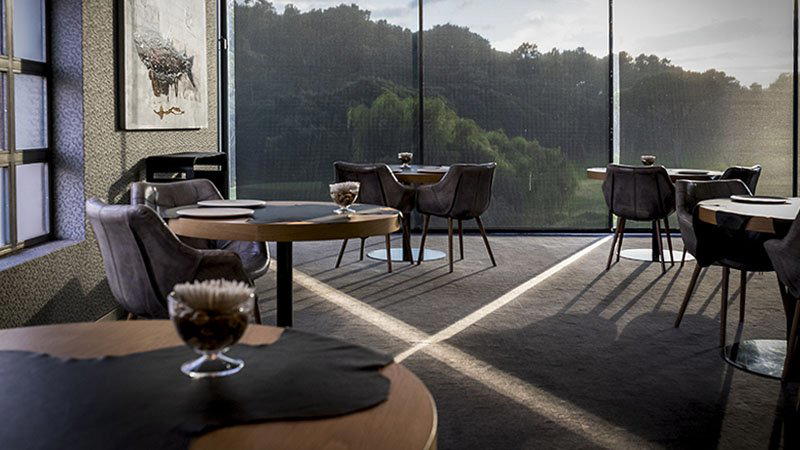
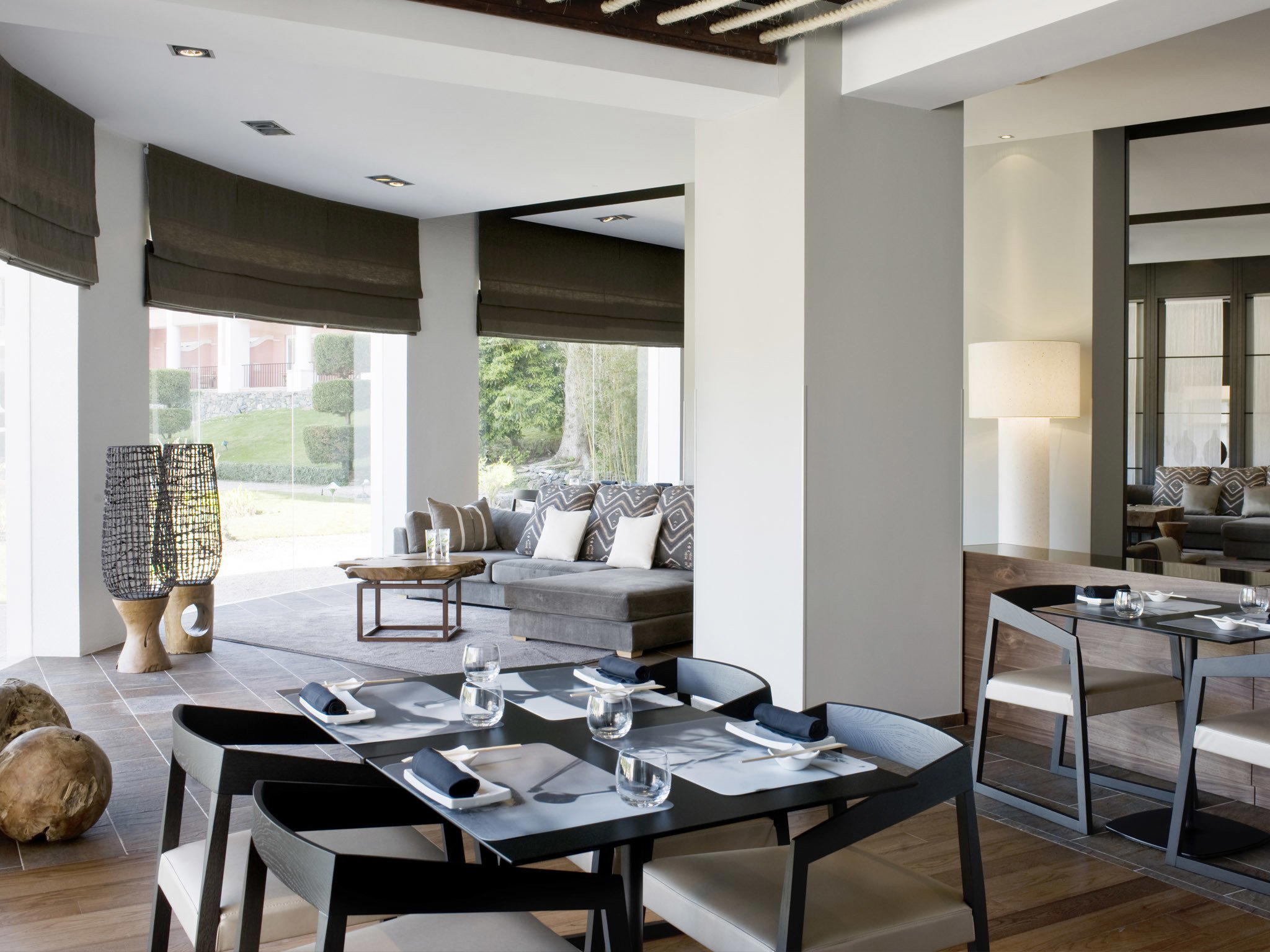
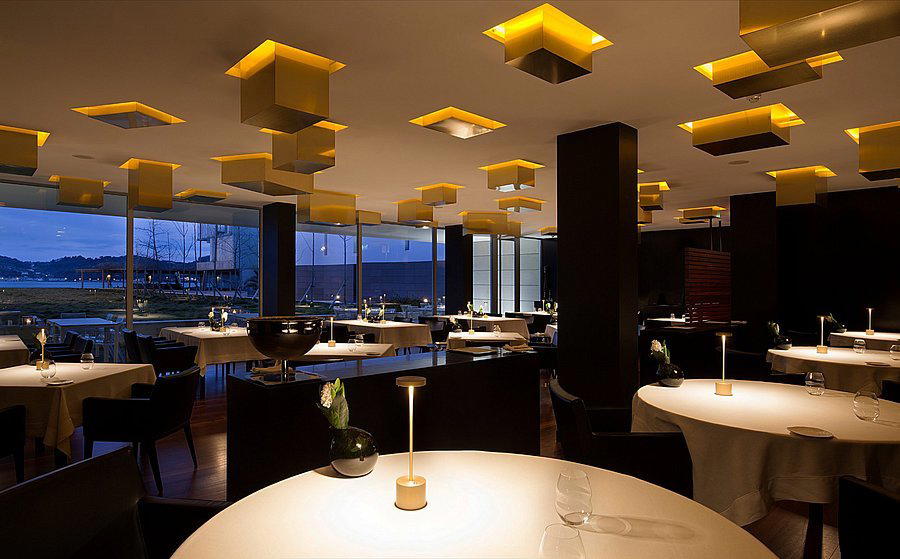
Modern, elegant, and minimalist with panoramic ocean and dune views from the clubhouse terrace.