
A converted 18th-century aristocratic palace turned Catholic boys' school, Colégio Charm House now operates as a 19-room boutique hotel in Tavira, on Portugal's eastern Algarve coast. The property pairs original architecture with a contemporary, bohemian interior approach, private pool options, and a five-nights-a-week set dinner built around market-sourced ingredients. Rates start at around $148 per night.
Pearl is the En Primeur Club membership app — saves, bookings, and concierge access live there. Same editors, same standards.
- Address
- R. Chefe António Afonso 1, 8800-636 Tavira
- Phone
- +351 912 061 961
- Website
- colegio-charmhouse.com
- Directions
- Get directions
 Saves & bookings on Pearl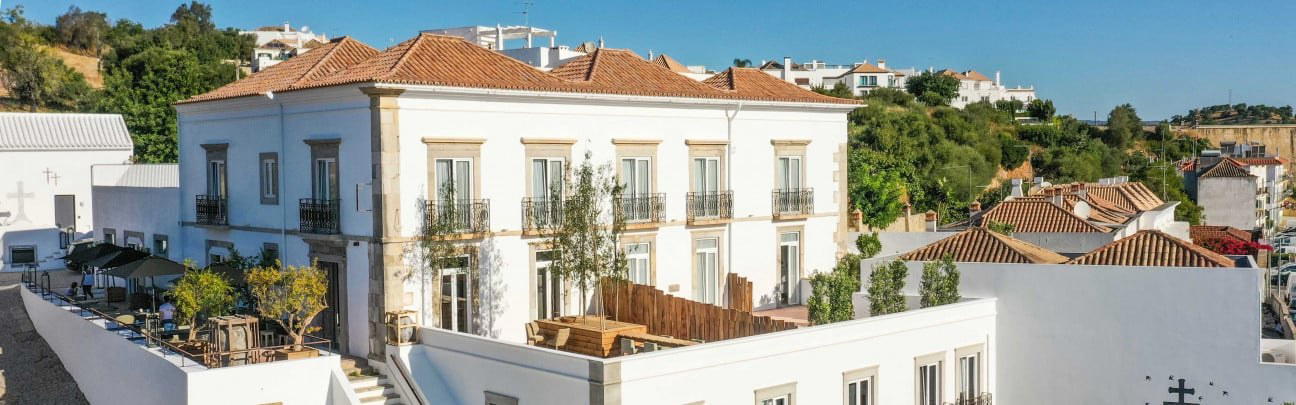
A School for Experienced Guests: Architecture as Identity in Tavira
Tavira occupies a quieter register than the western Algarve towns that draw the largest crowds. The city sits on the eastern stretch of the coast, where the Ria Formosa Natural Park shapes the shoreline into a system of barrier islands and lagoons rather than the open cliff-backed beaches that define the region in most travel photography. It is, by most accounts, the architecturally intact town on the Algarve, and the hotels that have taken root here tend to reflect that character: converted historic buildings, modest scale, and a hospitality model built around place rather than amenity volume.
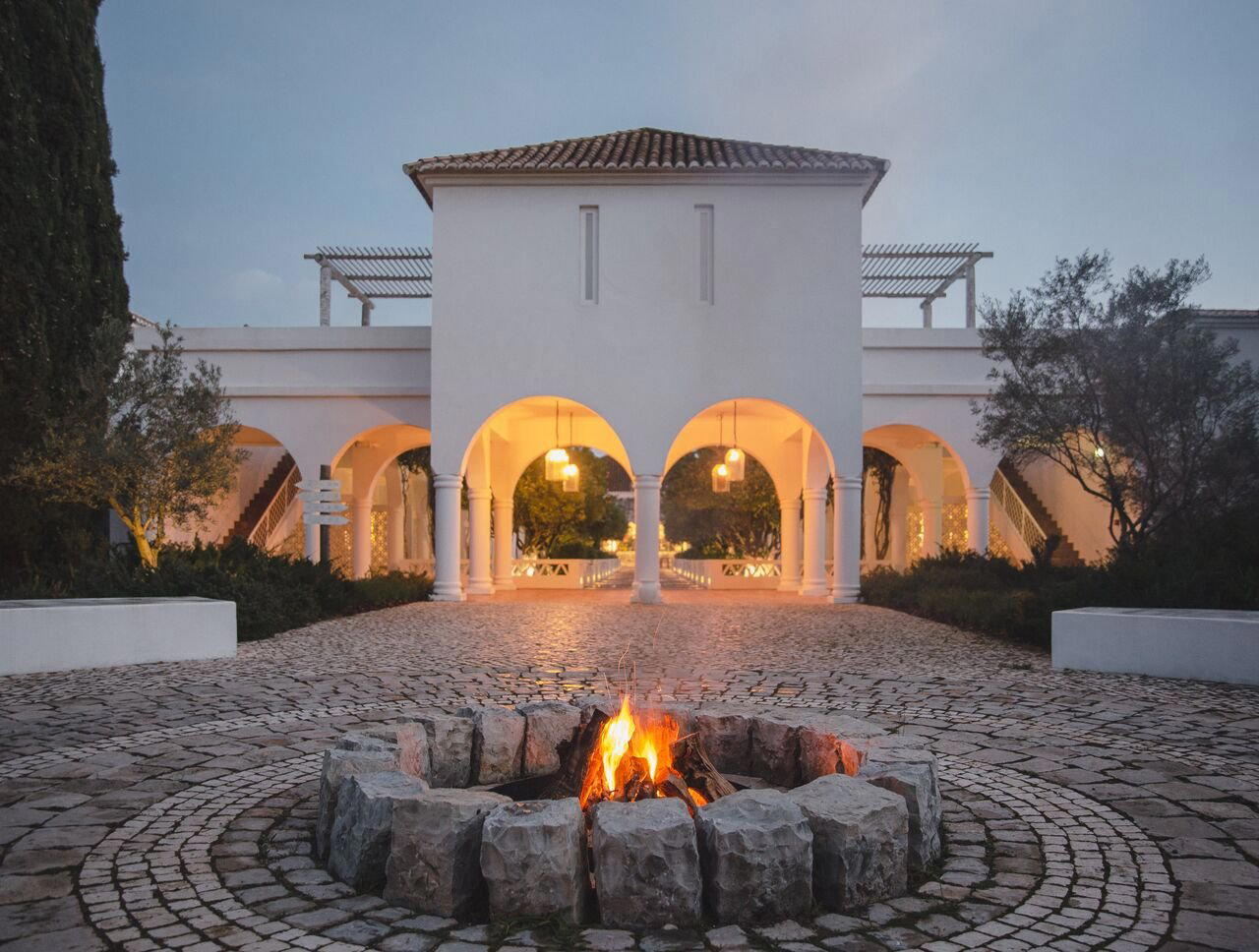
Colégio Charm House fits squarely into that pattern. The building on Rua Chefe António Afonso has moved through several lives: an aristocratic palace in the 18th century, a Catholic boys' school through much of the 20th, and now, in the hands of a family ownership group, a 19-room boutique hotel. Each of those lives has left marks on the structure, and the current incarnation makes no attempt to erase them. The institutional corridors, the proportions of a building designed for collective habitation, the occasional surprise of a room that opens unexpectedly wide or narrows around a courtyard corner, these are architectural inheritances, not design choices, and they give the property a spatial logic that no purpose-built hotel could replicate.
What the Old Walls Do to Interior Design
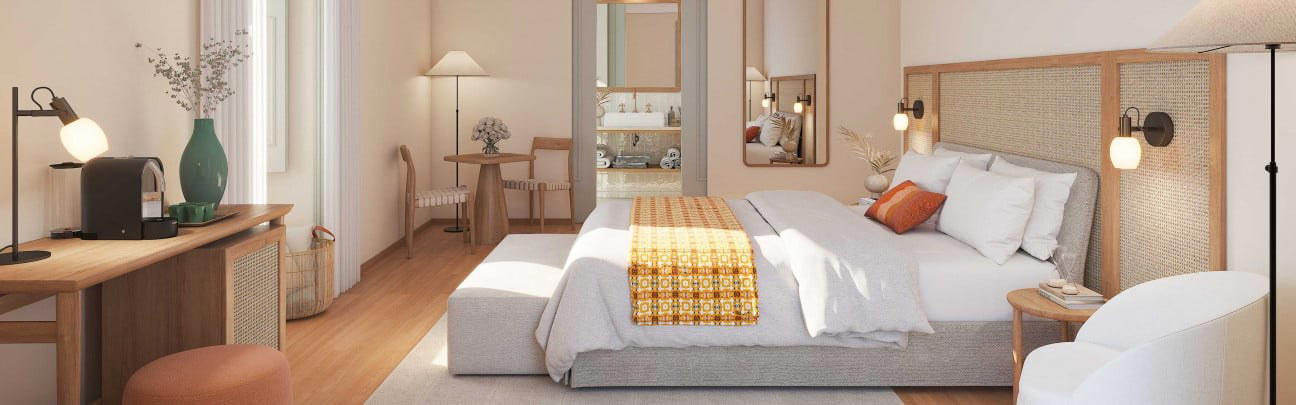
Portugal has produced a particular strain of historic-building conversion in recent decades, properties that treat the tension between heritage fabric and contemporary comfort as a design problem worth solving openly rather than papering over. The approach at Colégio sits in that tradition. Rooms and suites are furnished with rustic crafts and occasional antiques as references to the building's history, but the overriding register is contemporary and eclectic, with a deliberate bohemian looseness that prevents the whole from reading as a museum piece. Light is allowed to do considerable work: the Algarve's particular quality of southern Portuguese sun, which sits differently than the Atlantic light of Lisbon or Porto, fills interiors that a stricter period restoration might have kept dim.
Because the old school's architecture dictates the room configurations rather than the other way around, no two units share the same layout. That structural variability translates into an interior offer that rewards direct inquiry at the booking stage, some rooms carry unusual proportions that may appeal to specific travellers, and the suite range, shaped by the original palace's principal spaces, reaches into genuinely generous territory. The connecting thread across all 19 rooms is that space is not rationed. Whatever the configuration, the school's institutional scale works in the guest's favour.
This model, conversion hotels where the building's prior use generates spatial and atmospheric dividend, has become one of the more compelling formats in European boutique hospitality. Properties like Hotel Britania Art Deco in Lisbon and Bussaco Palace Hotel in Luso operate in the same broad category, as does Palácio de Tavira, the other significant historic-building conversion within walking distance in the same city. Colégio sits at a more accessible price point than some peers, rates from around $148 per night, which positions it as a considered entry into the Algarve's smaller-scale heritage hotel market rather than a trophy property.
Pools, Gardens, and the Case for Staying Put
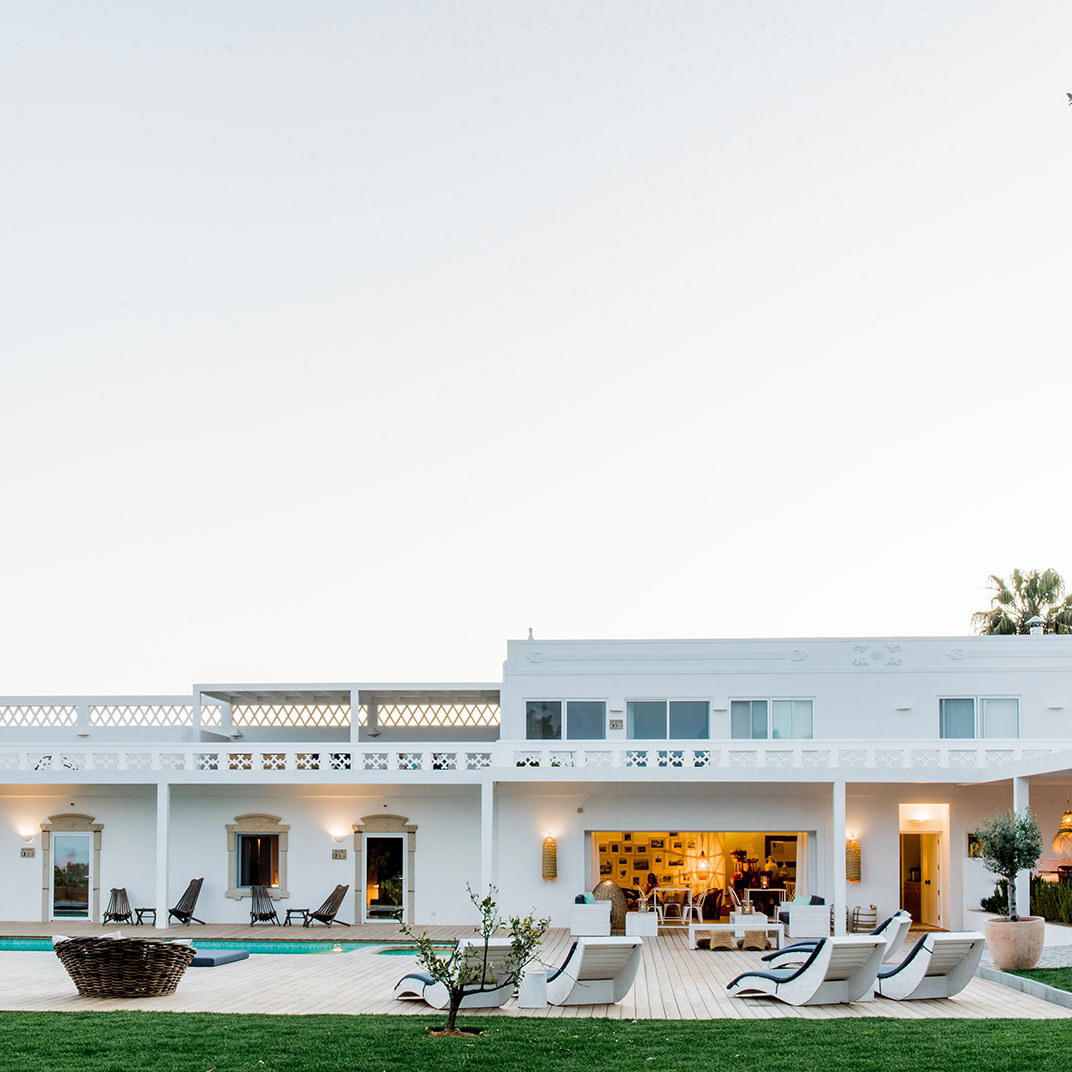
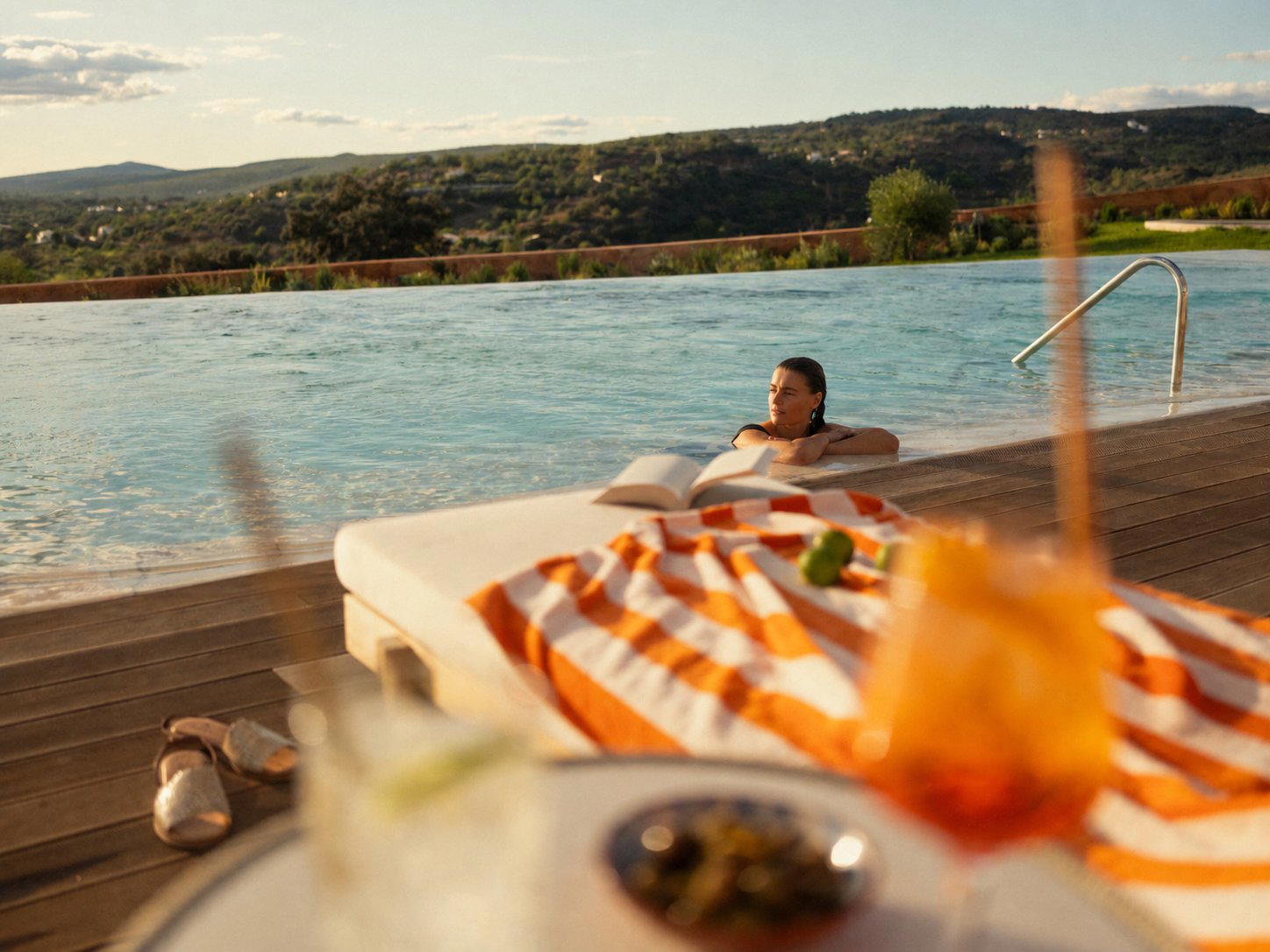
Tavira's beaches are accessible within roughly a mile of the hotel, but they require a short ferry crossing to reach the barrier islands of the Rio Formosa, a genuinely pleasant logistical detail that makes the coastline feel earned rather than simply adjacent. The hotel's pool infrastructure makes a reasonable counter-argument for spending afternoons on-site: a central shared pool occupies the main outdoor space, while a number of smaller private pools are attached to select rooms or suites. The split between communal and private water is a meaningful distinction for guests choosing between room types, particularly in high summer when the Algarve's thermal draw is strongest.
The Algarve more broadly operates as a layered destination. Golf courses cluster around the western resort towns, the Rio Formosa Park anchors the eastern stretch, and the region's food culture draws on both the Atlantic and the Moorish agricultural heritage that Tavira's street layout and building stock still reference. The city itself repays walking, the castle ruins, the cluster of churches (Tavira once supported a disproportionate number relative to its size), and the covered market are within easy reach of the hotel's address.
The Surprise Dinner and the Logic of a Set Menu
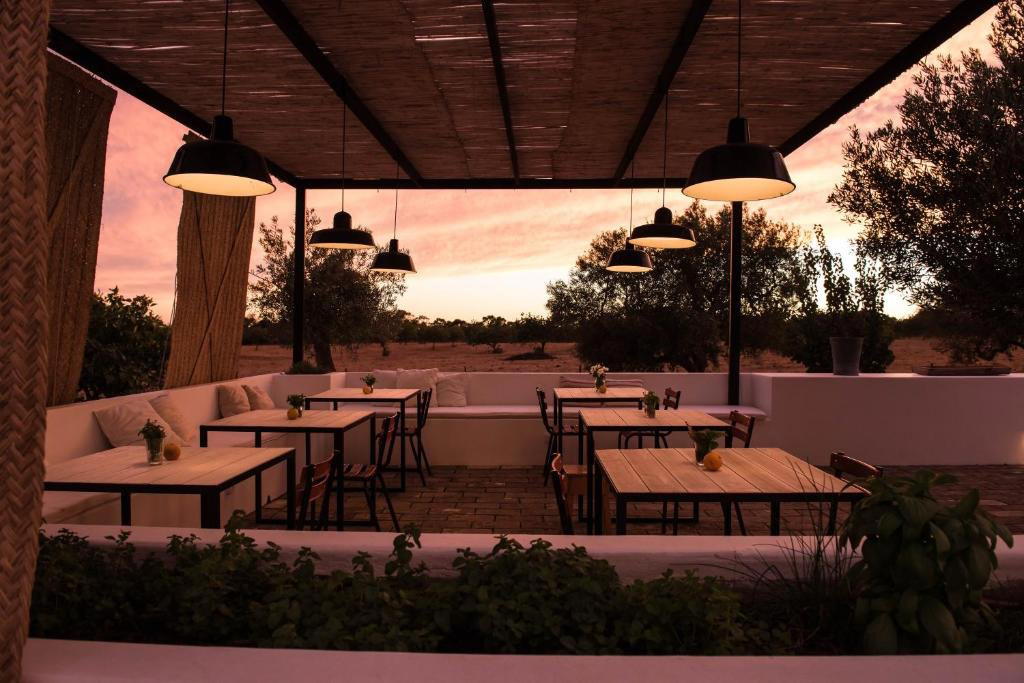
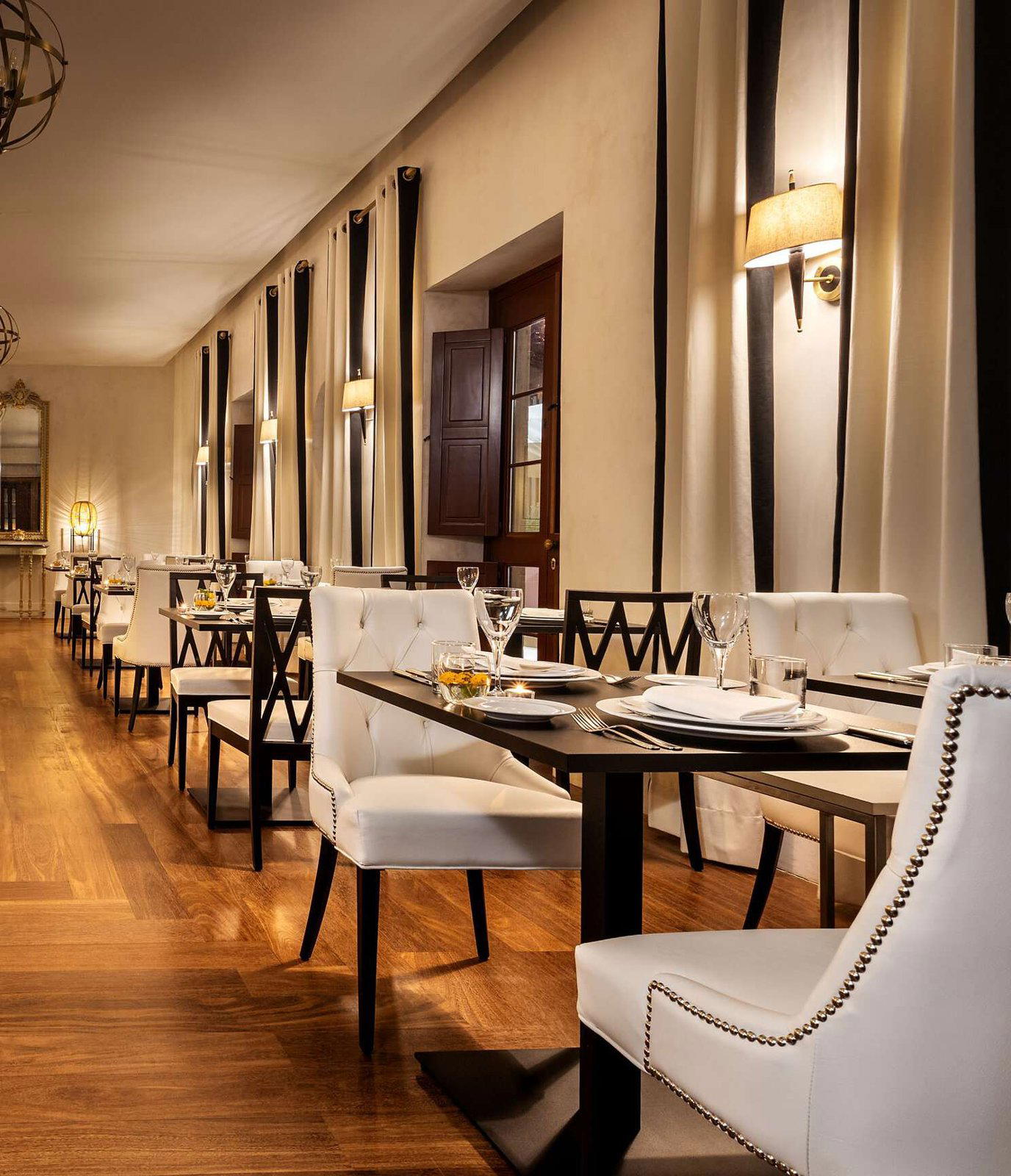
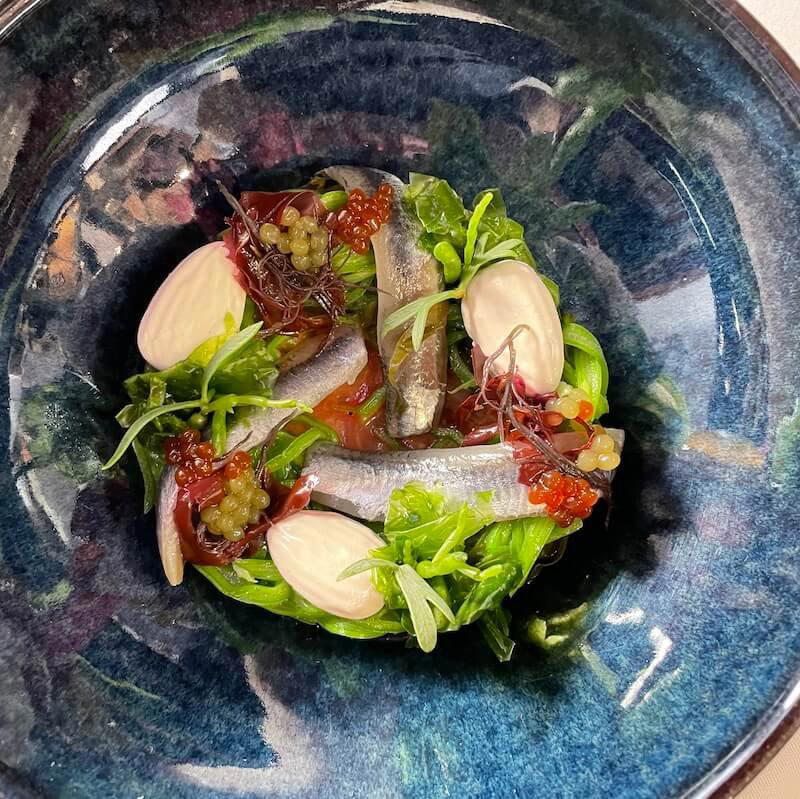
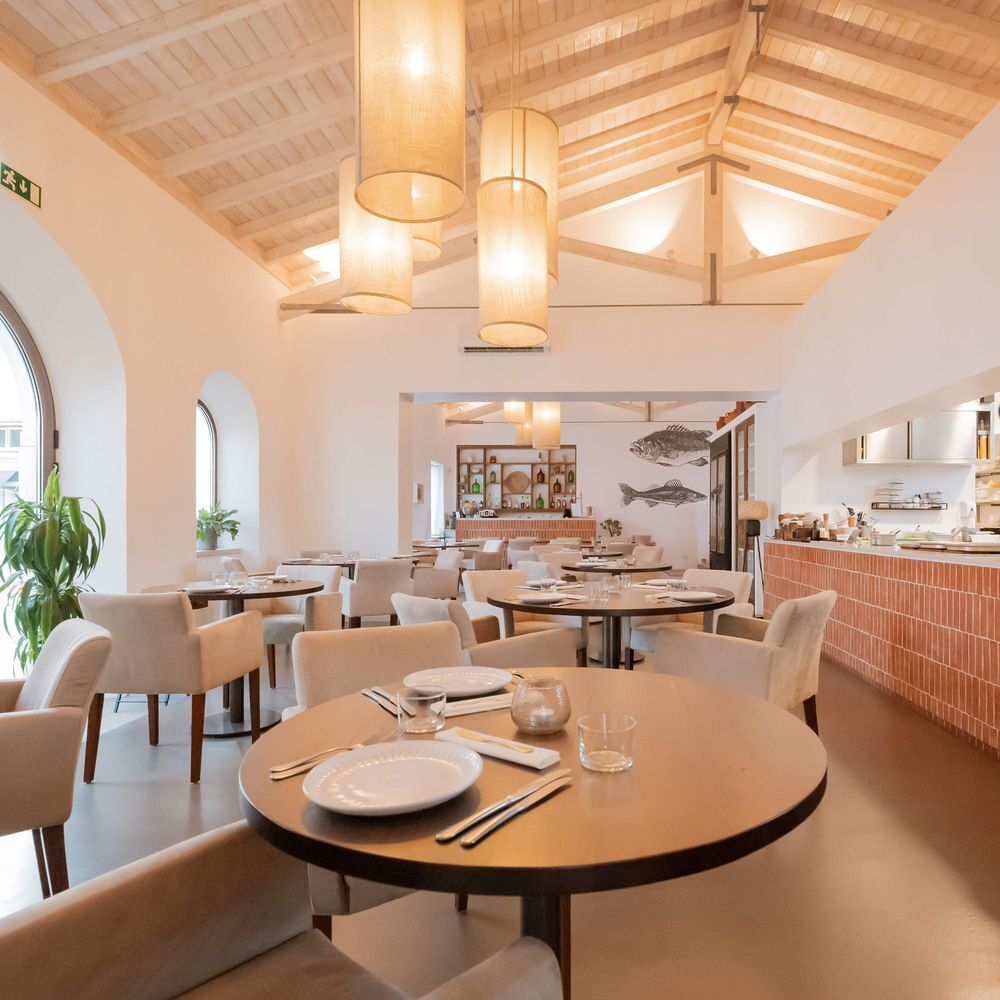
Small boutique hotels that operate their own dining programmes occupy a specific position in the hospitality market. The economics rarely support a full restaurant operation, but guests who spend several nights on-site without a reliable dinner option tend to drift away from the property in ways that dilute the overall experience. The solution Colégio has landed on is the Surprise Dinner: a three-course set menu, served five nights a week, built around market-sourced ingredients. The format removes choice in exchange for trust, guests surrender the menu and receive what the day's market produced, prepared by the hotel's kitchen team.
That format has precedents in the Portuguese quinta tradition, where estate guests historically ate what the land and the season provided. It also aligns with a broader shift in boutique hospitality toward structured but informal food offers that distinguish a property from both the full-service hotel restaurant and the option of eating out every night. The breakfast described as abundant and the inclusion of a daily light lunch round out a food programme that effectively keeps guests fed on-site through most of the day without requiring the overhead of a conventional restaurant.
For context on the wider Algarve boutique hotel market, properties like Masana Algarve in Albufeira, Bela Vista Hotel & Spa in Praia da Rocha, and Anantara Vilamoura Algarve Resort in Quarteira represent different points on the scale and format spectrum. Further afield in Portugal, family-run conversion properties such as Ventozelo Hotel & Quinta in Ervedosa do Douro, Casa da Calçada in Amarante, and Carmo's Boutique Hotel in Ponte de Lima follow comparable approaches to historic fabric and food programming. For travellers building a broader Portugal itinerary, M Maison Particulière Porto, Hospedaria da Pensão Agrícola near Tavira, Casa Mãe Hotel in Lagos, and Craveiral Farmhouse in São Teotônio each offer distinct regional registers worth comparing.
In Context: Similar Options
Comparable venues nearby, for context on price, style, and recognition.
| Venue | Cuisine | Price | Awards | Notes |
|---|---|---|---|---|
| Colégio Charm HouseThis venue — the venue you are viewing | Historic 18th-century palace with quirky layout and modern comforts. | $$$ | Michelin 1 Key | Not listed |
| Palácio de Tavira | 18th-century palace conversion with contemporary annex, balancing historic architecture with modern luxury design. | $$$ | 4-Star | Tavira city centre |
| Senhora da Rosa | Restored 18th-century farm blending tradition, nature, and elegance | $$$ | 4-Star | Sao Roque |
| Dom Pedro Vilamoura | Contemporary resort with Mediterranean influences, designed for leisure and golf tourism. | $$$ | 4-Star | Vilamoura |
| Pestana Rua Augusta | Urban boutique in restored heritage building | $$$ | 4-Star | Baixa |
| Tipografia do Conto | Contemporary boutique hotel blending modernist design with artistic heritage, positioned as a design destination for culturally-minded travelers. | $$$ | 4-Star | Cedofeita |
Recognition history
Dated appearances from independent guides and award organizations, with the underlying list record or original source where available.
Mr & Mrs Smith Smith Seal of Approval
Mr & Mrs Smith
Michelin 1 Key
Michelin
At a Glance
- Romantic
- Charming
- Cozy
- Elegant
- Whimsical
- Romantic Getaway
- Family Vacation
- Weekend Escape
- Terrace
- Historic Building
- Pool
- Wi Fi
- Restaurant
- Room Service
- Air Conditioning
- Garden
- Pool
- Wi Fi
- Restaurant
- Room Service
- Air Conditioning
Charming and stylish with eclectic decor, thoughtful details, fresh white walls, and a calm, welcoming atmosphere praised for its whimsical and tasteful design.