


Michelin Selected · Small Luxury Hotels of the World Member · World Luxury Hotel Awards WLHA Continent Winner
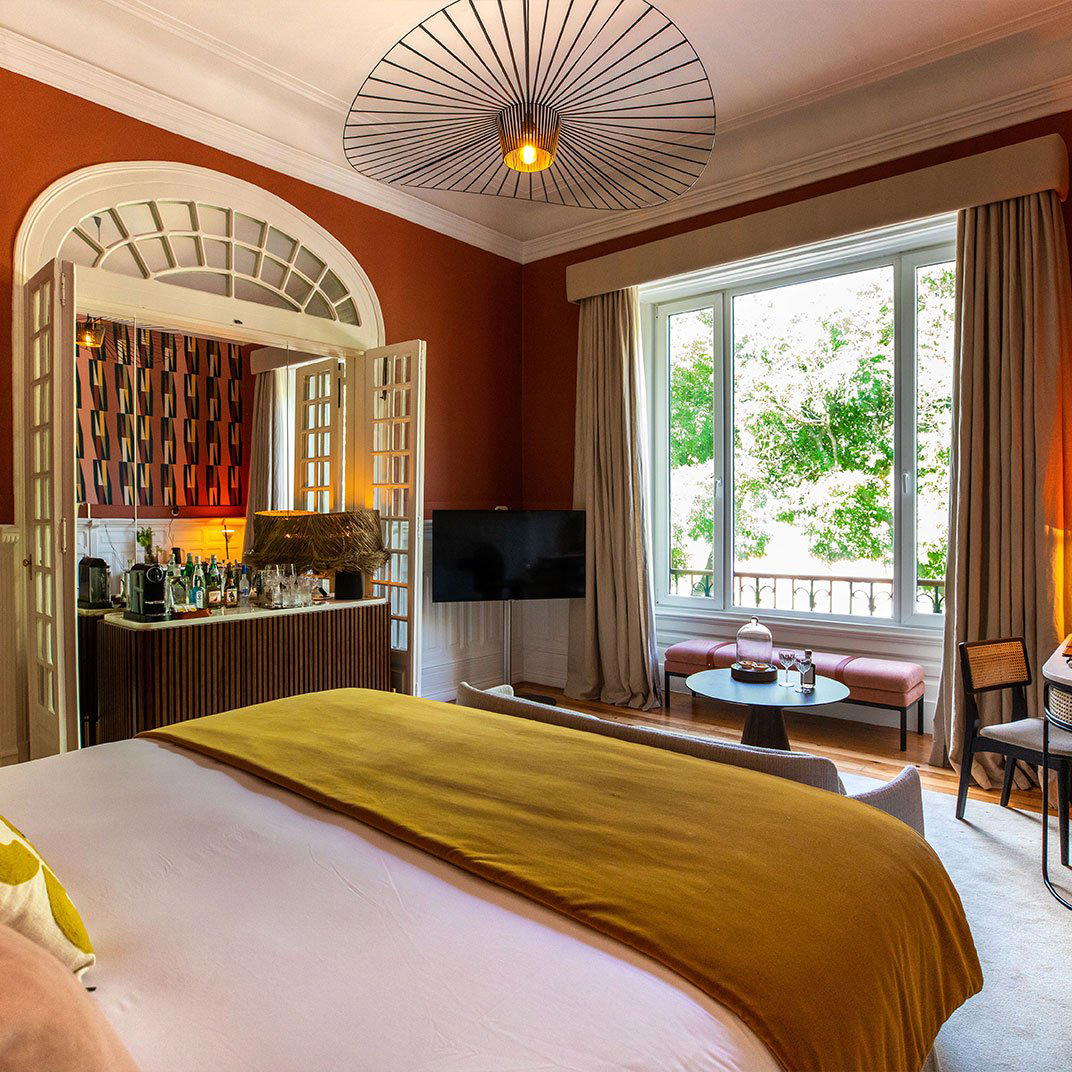
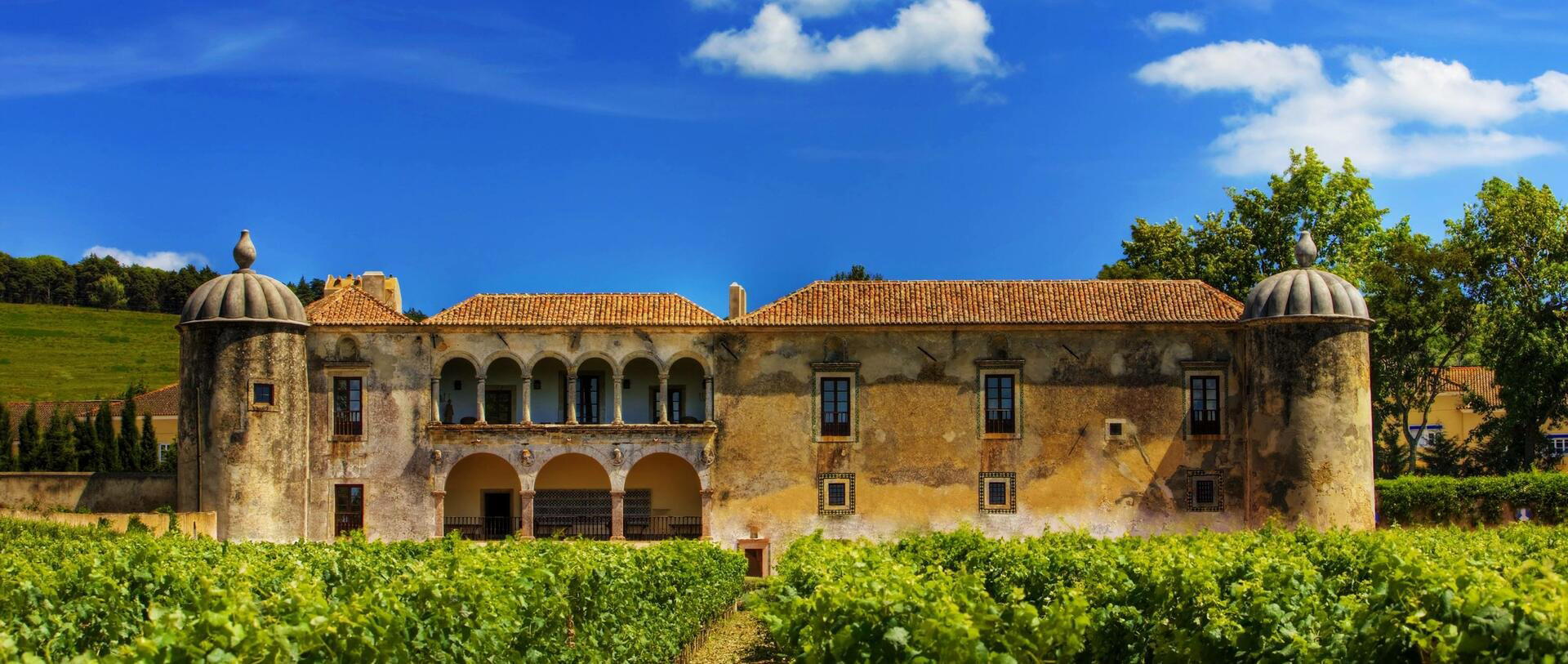
A 17th-century governor's residence beside the Tower of Belém, Palácio do Governador has been converted into a boutique heritage hotel that holds the Continent Winner award for Luxury Heritage Hotel. Where Lisbon's larger five-star addresses trade in grand-scale anonymity, this property operates at a smaller register — period architecture, contemporary interior thinking, and one of the city's most historically charged addresses.

Pearl is the En Primeur Club membership app — saves, bookings, and concierge access live there. Same editors, same standards.
- Address
- R. Bartolomeu Dias 117, 1400-030 Lisboa
- Phone
- +351 21 246 7808
- Website
- palaciogovernador.com
- Directions
- Get directions
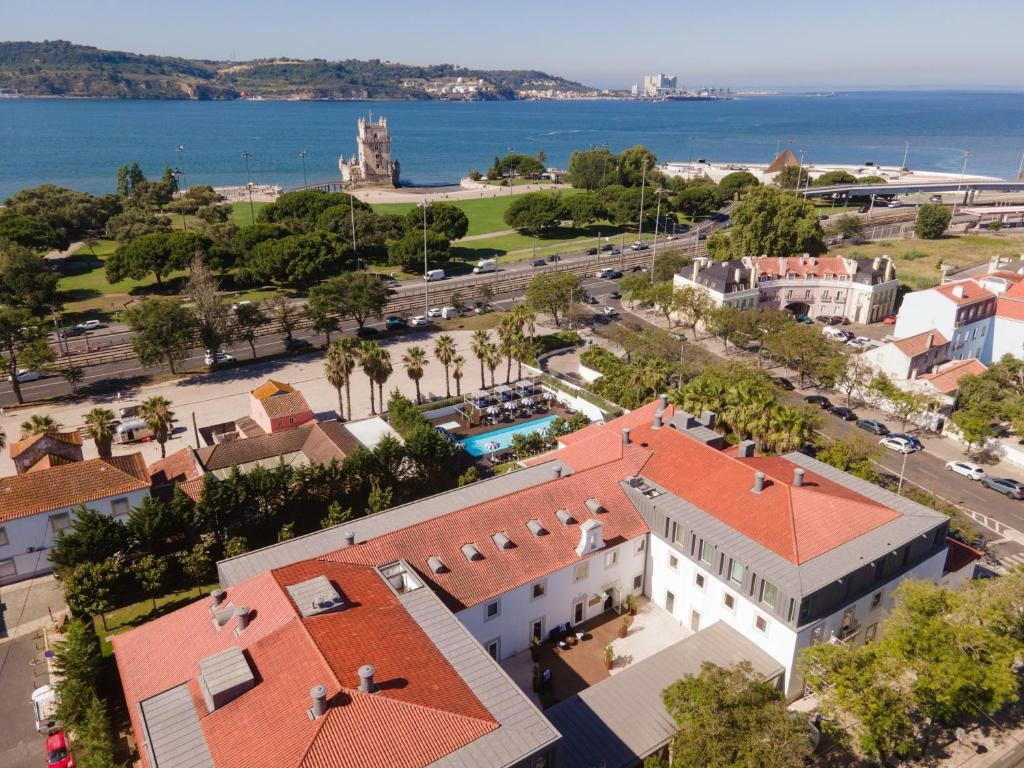
Belém Before the City Wakes
Approach Rua Bartolomeu Dias on a quiet morning and the weight of Lisbon's Age of Discovery bears down differently than it does in the tourist-dense corridors of Alfama or the Chiado. The Tower of Belém stands within sight. The Tagus moves beyond it. And tucked into this riverside quarter, a building that once housed the Tower's governor now operates as a boutique hotel carrying the architectural memory of 17th-century Lisbon into a fully contemporary hospitality register. That transition, from administrative residence to award-recognised retreat, is not merely cosmetic. The renovation was described in the award citation as meticulous, and the result earned Palácio do Governador the Continent Winner designation for Luxury Heritage Hotel — a category that judges the integrity of that transformation, not just surface finish.
Heritage conversion hotels occupy a contested middle ground in European hospitality. Done poorly, the history becomes wallpaper — referenced in lobby text panels while the rooms deliver generic comfort. Done with discipline, the spatial logic of the original building becomes the guest experience: ceilings that read as ceilings from that century, proportions that no new-build could replicate, and a silence within thick stone walls that modern construction cannot manufacture. Belém's urban density is lower than central Lisbon, which means this building sits without the ambient noise compression that affects properties in Baixa or Bairro Alto. The sensory baseline here is quieter, cooler, and more distinctly Portuguese.
What Heritage Hotels in This Tier Actually Deliver
Across Lisbon's premium accommodation market, the split runs roughly between large international flags, the Four Seasons Ritz, the InterContinental, the Sofitel Liberdade, and a smaller cohort of boutique and heritage-focused properties. The former offer scale: multiple restaurants, large spa facilities, conference infrastructure. The latter offer something harder to engineer: physical authenticity. Altis Belém Hotel & Spa, also in this riverside district, pursues a contemporary design line. Bairro Alto Hotel situates itself inside the social gravity of the Chiado. Palácio do Governador draws from a different logic entirely: the building's own history as the primary editorial statement, with renovation as the vehicle for making that history habitable rather than merely visitable.
This positioning places it closer in spirit to properties like As Janelas Verdes, another Lisbon Heritage Collection address, or the Bussaco Palace Hotel in Luso, where the architectural fact of the building precedes any service narrative. In Portugal more broadly, this approach to patrimony-led hospitality has grown more sophisticated over the past decade. The Douro Valley has produced properties like Ventozelo Hotel & Quinta and Casa Vale do Douro, each anchoring guest experience in the physical and historical specificity of their site. Palácio do Governador applies the same logic to an urban context, where the site happens to be one of Lisbon's most historically loaded addresses.
The Sensory Register of the Building
Stone buildings from the 17th century carry temperature differently. Thick masonry absorbs heat slowly and releases it slowly, which means interior spaces in a property like this hold a coolness through summer mornings and a retained warmth into autumn evenings that modern insulation simply does not replicate. The acoustic character follows: stone dampens the high-frequency noise of street life while allowing lower frequencies to pass, producing a particular interior quiet that guests in heritage properties often describe without being able to name its cause. At Palácio do Governador, with Belém's relatively open riverside orientation, the dominant external sounds are water-adjacent, the Tagus, the movement of air off the river, the irregular passage of trams on the Av. da Índia below.
Light in a building of this era and construction enters at angles determined by window placements designed before artificial lighting was a variable. Morning light in westward-facing rooms arrives indirectly; afternoon light in eastward-facing rooms is direct and warm. Neither is accidental. The renovation's task in a building like this is to honour those light conditions rather than override them with standardised hotel-room brightness. The Continent Winner award for Luxury Heritage Hotel implicitly recognises that discipline, the category rewards properties that use their physical inheritance as a design asset rather than a constraint to be worked around.
Belém as a District
Guests staying in central Lisbon often treat Belém as a half-day excursion. Staying within the district inverts that relationship entirely. The Jerónimos Monastery, the Berardo Collection Museum, and the Monument to the Discoveries are all within walking distance of Rua Bartolomeu Dias, accessible before the midday coach traffic arrives and again in the late afternoon once it clears. The LX Factory, Lisbon's most sustained creative-industrial market complex, sits roughly fifteen minutes on foot. The number 15E tram connects Belém to Praça do Comércio, placing central Lisbon's restaurant density within reach without requiring a car. For guests whose itinerary centres on the museums and monuments of western Lisbon, the location eliminates the daily commute that central-city properties impose.
This is a district that rewards early risers. The pastéis de nata at the nearby Pastéis de Belém queue begins forming before 8am; the monastery courtyard is a different space at 9am than at noon. A property in this location, properly used, structures the day around the district's own rhythm rather than the city centre's.
Planning Your Stay
Palácio do Governador sits at Rua Bartolomeu Dias 117, in the Belém district of western Lisbon. The address is accessible from Lisbon Humberto Delgado Airport via taxi or rideshare in approximately thirty to forty minutes depending on traffic, or by combination of metro and tram for travellers comfortable with public transit. Given the boutique scale of the property and its award profile, advance booking is advisable, particularly across the April-to-October high season when Belém's monument traffic is at its peak. For the broader Lisbon accommodation picture, including properties across the city's distinct neighbourhoods, see our full Lisbon guide.
Travellers considering Lisbon's heritage hotel tier alongside Palácio do Governador should also look at 1908 Lisboa Hotel, A Casa das Janelas Com Vista, and AlmaLusa Baixa/Chiado, each operating with a distinct neighbourhood logic and architectural premise. For properties at the design-boutique end of the Lisbon market, Art Legacy Hotel Baixa-Chiado and Altis Avenida Hotel offer useful points of comparison. Those extending travel into Portugal beyond Lisbon will find relevant context in M Maison Particulière Porto, the Algarve-focused Anantara Vilamoura Algarve Resort, and the coastal Bela Vista Hotel & Spa in Praia da Rocha. For rural stays, Craveiral Farmhouse and Hospedaria da Pensão Agrícola represent the country's farmhouse hospitality tier. Internationally, comparable scale and heritage logic appears at Aman Venice and, in a different register, at The Fifth Avenue Hotel in New York. Additional Azores context is available through Boutique Hotel Teatro in Angra do Heroísmo.
The Quick Read
Comparable venues nearby, for context on price, style, and recognition.
| Venue | Price | Awards | Notes |
|---|---|---|---|
| Palácio do GovernadorThis venue — the venue you are viewing | $300–500 | Michelin Selected · Small Luxury Hotels of the World Member | Not listed |
| Corinthia Lisbon | $300–500 | Forbes Recommended | Campolide, Contemporary luxury urban hotel with Portuguese cultural influences and modern design elements reflecting Lisbon's dynamic character. |
| The Lumiares Hotel & Spa | $200–300 | Michelin Selected · Mr & Mrs Smith Seal of Approval | Bairro Alto, Contemporary luxury apartment-hotel in a restored 18th-century palace, blending Portuguese heritage with modern minimalist design. |
| Palacete Chafariz D'El Rei | $200–300 | Michelin Selected | Alfama, Restored 19th-century neo-Moorish palace blending historic charm with boutique luxury. |
| The Ivens Hotel, Autograph Collection | $300–500 | Michelin Selected · Virtuoso Luxury Hotel Partner | Chiado, 19th-century well-known warehouse revived as a luxurious explorers' boutique hotel with distinctive historical charm. |
| The Standard | Not listed | Not listed | Alfama, Contemporary luxury boutique hotel respecting heritage architecture with modern unconventional hospitality. |
Recognition history
Dated appearances from independent guides and award organizations, with the underlying list record or original source where available.
Michelin Selected
Michelin
Small Luxury Hotels of the World Member
Small Luxury Hotels of the World
World Luxury Hotel Awards WLHA Continent Winner
World Luxury Hotel Awards
Continue exploring
More in Lisbon
Hotels in Lisbon
Browse all →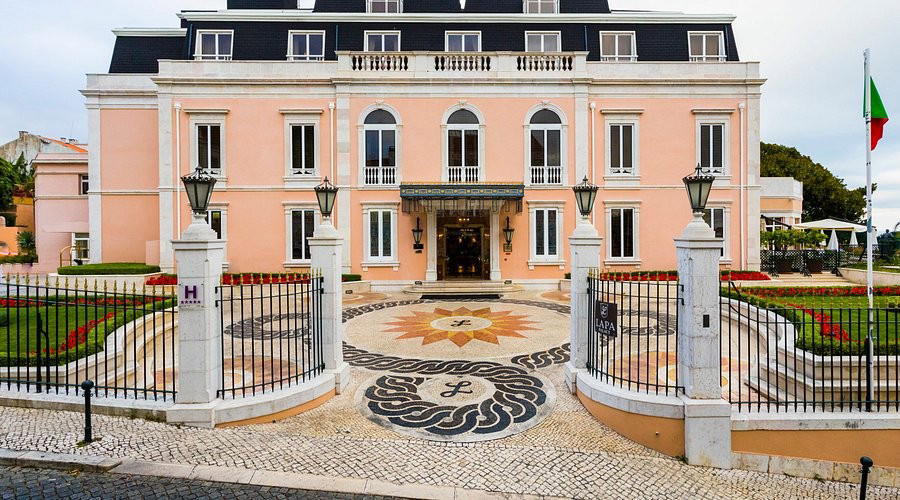
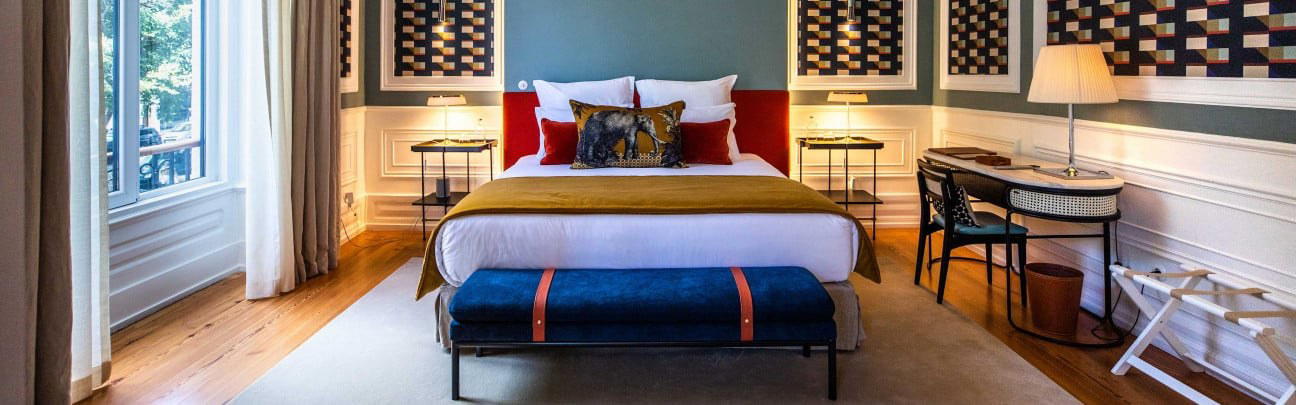
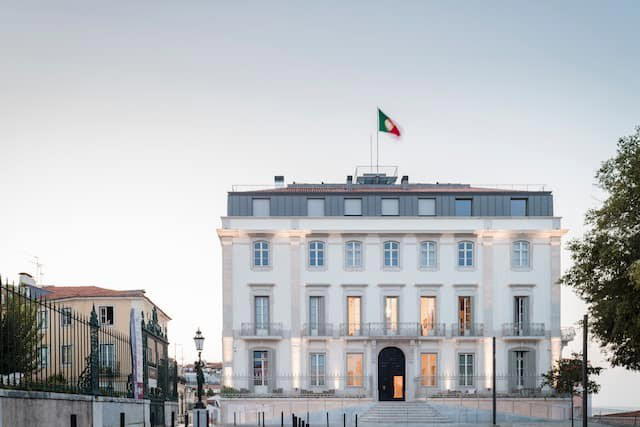
Bars in Lisbon
Browse all →
Restaurants in Lisbon
Browse all →


Details
- Elegant
- Sophisticated
- Classic
- Romantic
- Quiet
- Romantic Getaway
- Honeymoon
- Anniversary
- Weekend Escape
- Historic Building
- Terrace
- Garden
- Pool
- Spa
- Indoor Pool
- Outdoor Pool
- Fitness Center
- Sauna
- Room Service
- Concierge
- Wi Fi
- Restaurant
- Street Scene
- Elevator
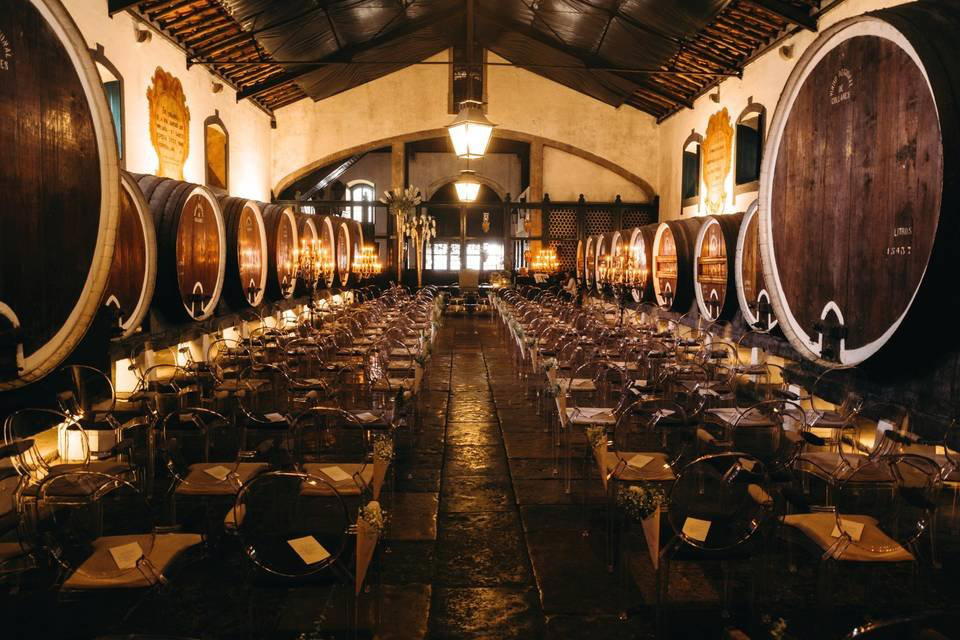
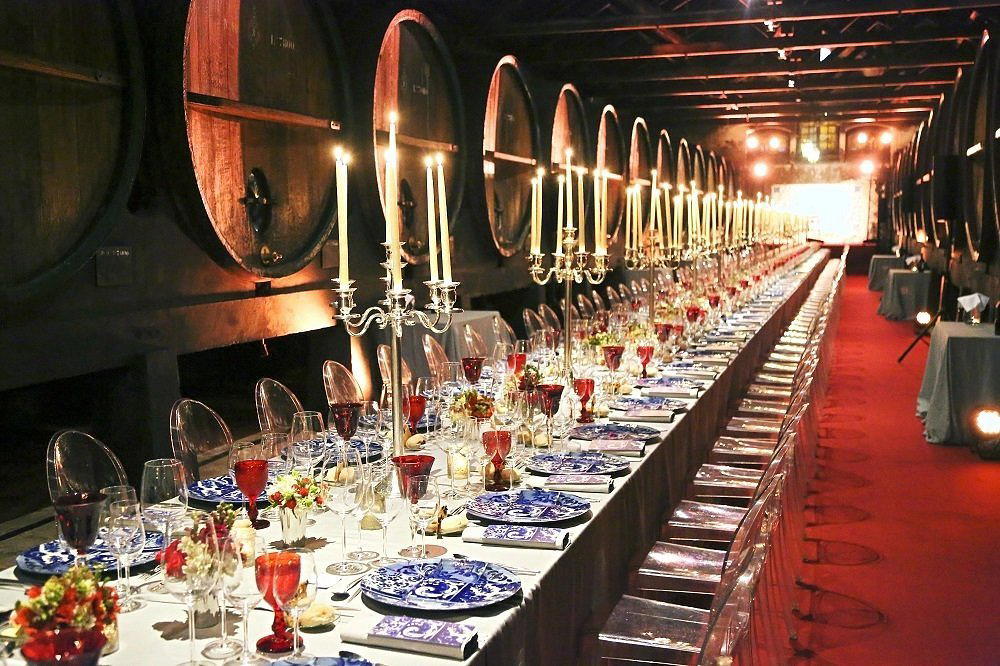
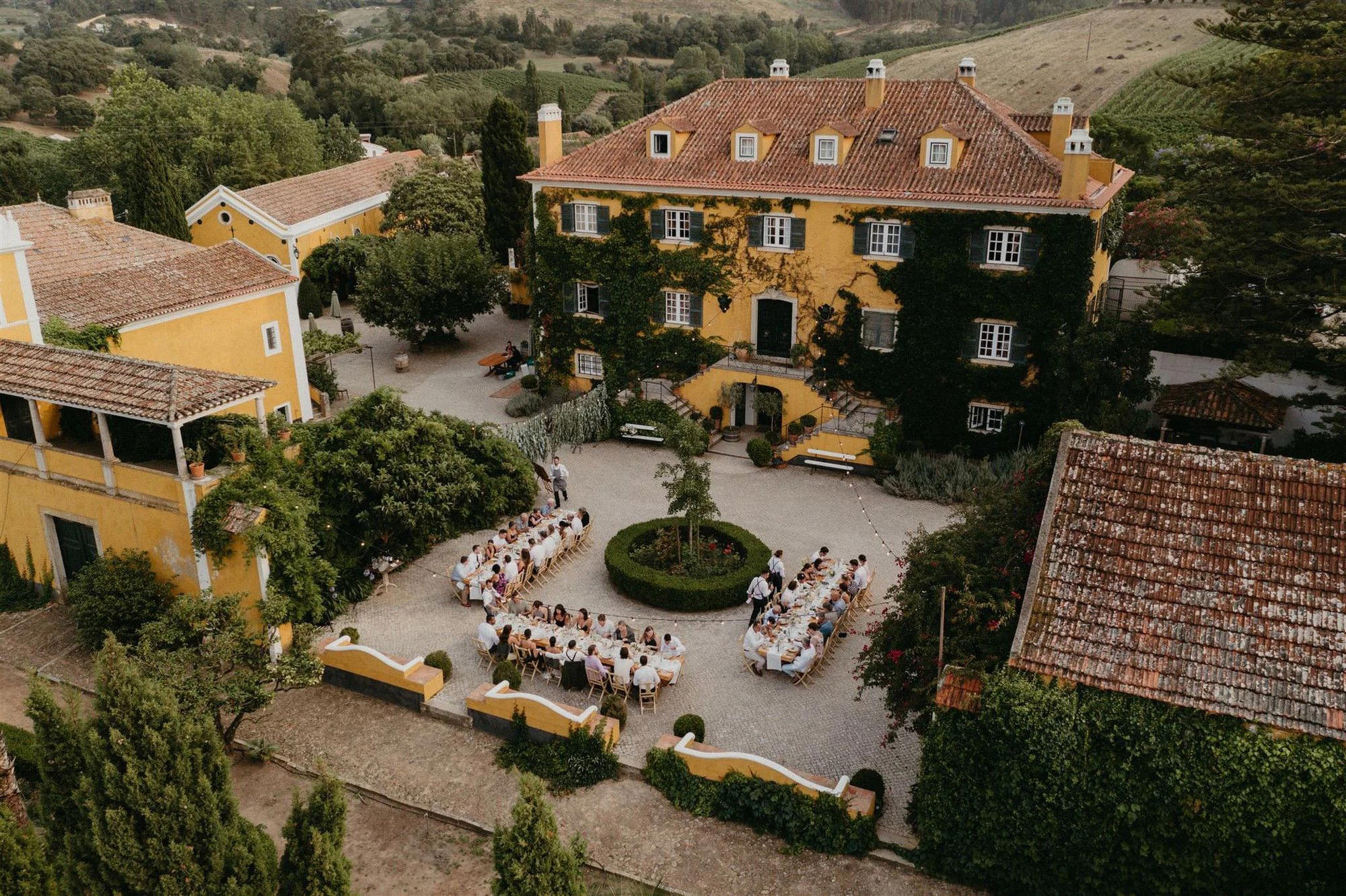
Chic and sophisticated with blue-and-white Portuguese heritage decor, soft lighting in brick-vaulted spaces, and a serene, relaxing atmosphere praised in guest reviews.