Kumu Beach

Kumu Beach sits on Galle Road in Balapitiya, a stretch of Sri Lanka's southwest coast where the slow rhythm of river life meets the Indian Ocean. The property occupies a position in a town that remains outside the main tourist circuits of Galle and Hikkaduwa, making it a considered alternative for travellers who want direct beach access without the density of Sri Lanka's more saturated coastal nodes. See our full Balapitiya guide for context on the wider area.
Pearl is the En Primeur Club membership app — saves, bookings, and concierge access live there. Same editors, same standards.
- Address
- 670/5, Galle Road, Welagedara, Balapitiya 80550, Sri Lanka
- Phone
- +94 77 363 8381
- Website
- teardrop-hotels.com
- Directions
- Get directions
 Saves & bookings on Pearl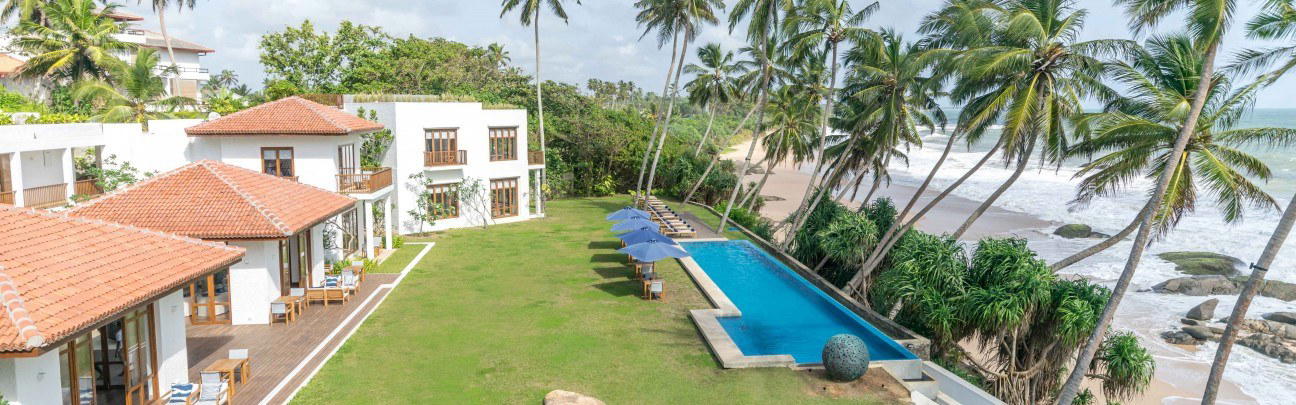
Where the Madu River Coast Begins to Quiet Down
The southwest coast of Sri Lanka runs a long, familiar arc from Colombo south through Hikkaduwa and on toward Galle, with most of the international hotel investment pooling at either end. Balapitiya sits in the middle of that arc, roughly equidistant from the fort city's colonial geometry and the surf-town energy further north, and it has largely avoided the over-development that has compressed both of those destinations. Kumu Beach, addressed at 670/5 Galle Road in the Welagedara area of Balapitiya, occupies this quieter register of the coast. The Galle Road position is the dominant spatial fact: most of the southwest coast's accommodation stock is arranged along this artery, with properties either backing onto the railway line or opening toward the sea, and the address places Kumu Beach within that coastal corridor framework.
This stretch of the southwest coast has attracted a specific type of traveller in recent years: people who want the Indian Ocean at the end of a short walk but are not interested in competing for sunbeds in a resort compound. Balapitiya's particular draw is the Madu River lagoon system to its north, a brackish mangrove network that draws slow-boat excursions and cinnamon island visits. Properties positioned here benefit from that secondary draw, giving guests a reason to stay beyond the beach itself. For a fuller picture of what the town offers across accommodation and dining, see our full Balapitiya restaurants guide.
The Physical Setting and Design Register
Sri Lanka's coastal accommodation has split into distinct design registers over the past decade. At one end sit the large-footprint international brands; at the other, a growing cohort of smaller, materials-conscious properties that use local craft traditions, tropical timber, and open-air construction to distinguish themselves. The properties that have attracted sustained editorial attention along the southwest coast tend to belong to the latter category. Heritance Ahungalla in Ahungalla, a few kilometres north, represents the larger-scale interpretation of this approach, with Geoffrey Bawa's architectural signature giving it a formal design identity. Smaller properties along this corridor work with the same tropical-modernist vocabulary but apply it at lower key counts and closer proximity to the waterline.
The Galle Road coastal strip rewards properties that resolve the tension between the road's noise and the ocean's relative calm. Architecture on this coast tends to address this through layered planting, compound walls, and internal courtyard sequencing that transitions guests from the highway to the beach across a series of filtered spaces rather than in a single step. The address, embedded in the Welagedara residential stretch, suggests a property operating at a more intimate scale than resort compounds further down the coast.
Balapitiya in the Southwest Coast Hierarchy
Positioning within Sri Lanka's southwest coast matters more than it might appear. The coast does not operate as a single market; it fragments into micro-destinations with distinct clientele, price points, and travel motivations. Galle draws visitors with the fort, the food scene around the ramparts, and properties like Amangalla in Galle, which commands some of the highest room rates on the island. Tangalle, further south and east, has built a reputation for secluded design properties, anchored at the premium end by Amanwella in Tangalle. Weligama, with Cape Weligama in Weligama and Malabar Hill in Weligama Bay, has positioned itself as a surf-and-design corridor.
Balapitiya's competitive position is different. It does not have an anchor cultural draw comparable to Galle fort, and it lacks the surf identity of Hikkaduwa. What it has is access to the Madu River ecosystem, a lower density of foreign-facing hospitality, and, for properties positioned well on the waterfront, a direct relationship with the sea that the built-up stretches closer to Colombo can no longer offer as cleanly. Travellers routing between Colombo and the south frequently pass through Balapitiya without stopping; those who stop tend to be deliberately choosing the town rather than settling for it. For context on the broader Sri Lanka coastal property spectrum, properties like Karpaha Sands in Kalkudah Beach and Kurulu Bay in Ahangama show how smaller design-led operations are distributed across different coastal geographies on the island.
Planning a Stay: What the Address Tells You
The Galle Road address is both an asset and a variable. Sri Lanka's coastal railway runs parallel to this road, and train travel between Colombo and Galle remains one of the more cinematic rail journeys in Asia, with the tracks running close enough to the waterline that ocean spray occasionally reaches the windows. Balapitiya has a rail halt, which means Kumu Beach is reachable from Colombo Fort station without a road transfer, a practical detail that matters on a route where road traffic between Colombo and the south can extend journey times considerably. The rail option connects Balapitiya to Colombo in approximately 90 minutes on express services, though local trains take longer.
Guests approaching from Colombo by road should account for the Galle Road's variable traffic, particularly on weekends when domestic tourism thickens the corridor. Those coming from Galle or the deep south will find Balapitiya a logical first or last stop, positioned to absorb a night before a Colombo departure or as a gentle opening to a southward itinerary. For travellers building a longer Sri Lanka circuit, the country's geographic spread means Balapitiya can connect logically to the hill country via Colombo, with properties like Ceylon Tea Trails in Interior or Nine Skies in Demodara representing the hill-country alternative register. Wildlife-focused extensions might route through Wild Coast Tented Lodge in Yala or Gal Oya Lodge in Gal Oya National Park.
The southwest coast's optimal travel window runs from November through April, when the southwest monsoon has cleared and the Indian Ocean side of the island operates under reliable conditions. May through September brings heavier rain and rougher surf to this coast, though some travellers prefer the quieter rates and reduced crowds that accompany the wet season.
Comparison Snapshot
Comparable venues nearby, for context on price, style, and recognition.
| Venue | Cuisine | Price | Awards | Notes |
|---|---|---|---|---|
| Kumu BeachThis venue — the venue you are viewing | Contemporary beachfront boutique villa | $$$$ | 5-Star | Not listed |
| Aavya Cove Villas | Intimate luxury boutique resort with private villa accommodations emphasizing personalized service and natural beauty. | $$$$ | 5-Star | Balapitiya |
| Cape Weligama | Sri Lankan village-inspired luxury resort | $$$$ | 5-Star | Weligama |
| KK Beach | Contemporary minimalist beachfront retreat blending modernist architecture with New England design sensibilities and traditional Sri Lankan elements. | $$$$ | 5-Star | Habaraduwa |
| Aarunya Nature Resort | Luxury boutique nature retreat blending Kandyan hospitality with immersive wellness. | $$$$ | 5-Star | Kandy |
| Wattura Resort and Spa | Upscale boutique beach resort blending Sri Lankan heritage with modern luxury. | $$$$ | 5-Star | Waikkal |
Recognition history
Dated appearances from independent guides and award organizations, with the underlying list record or original source where available.
Michelin Guide New Hotels New Hotel
Michelin Guide New Hotels
Mr & Mrs Smith Smith Seal of Approval
Mr & Mrs Smith
Michelin Selected
Michelin

At a Glance
- Quiet
- Scenic
- Modern
- Elegant
- Intimate
- Romantic Getaway
- Honeymoon
- Weekend Escape
- Beachfront
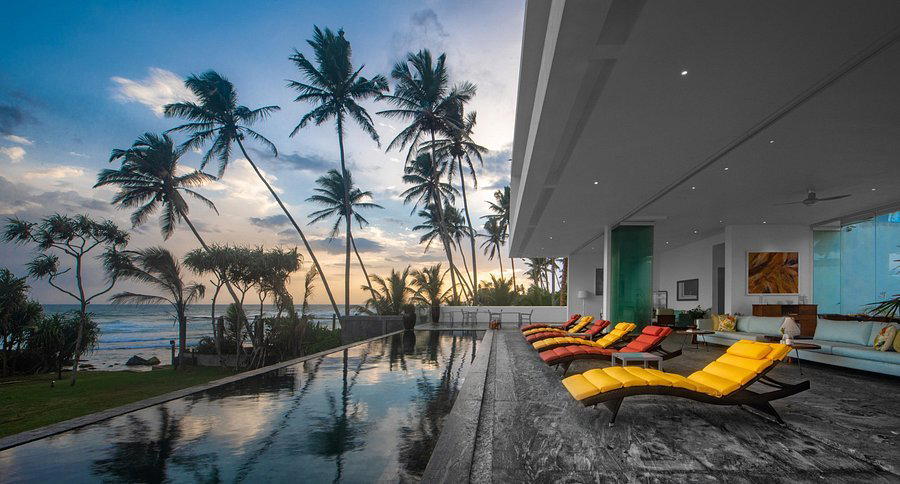
- Infinity Pool
- Pool
- Spa
- Wi Fi
- Beach Access
- Garden
- Waterfront
- Pool
- Spa
- Wi Fi
- Beach Access
- Garden
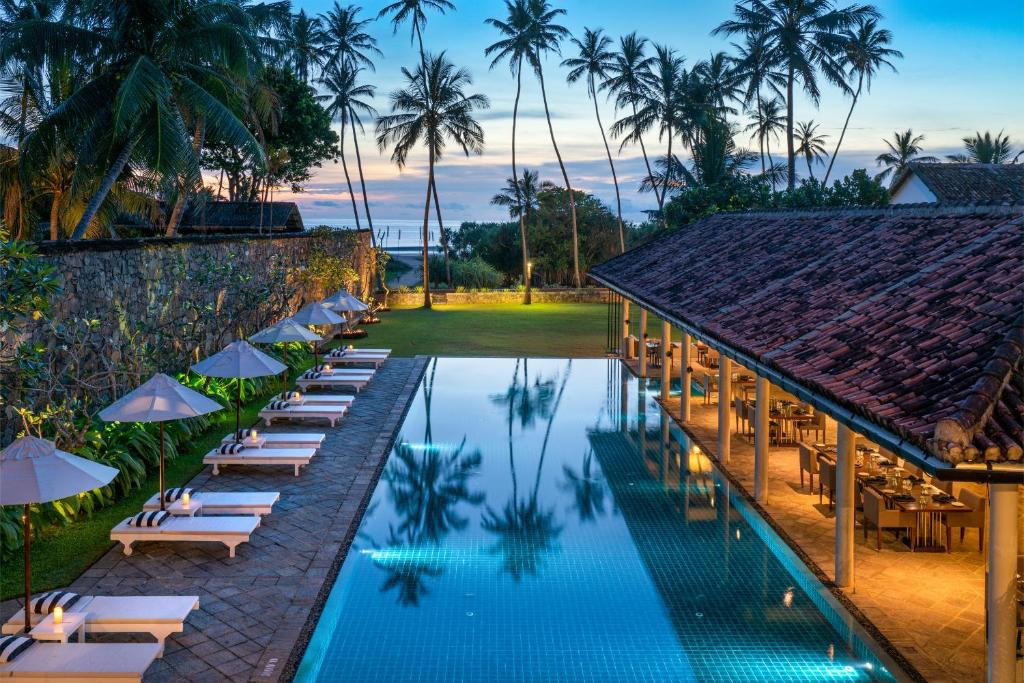
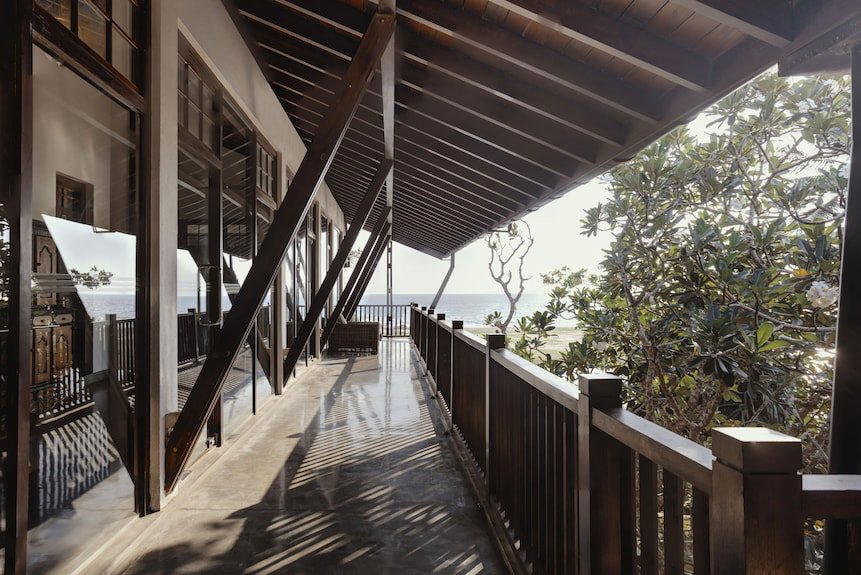
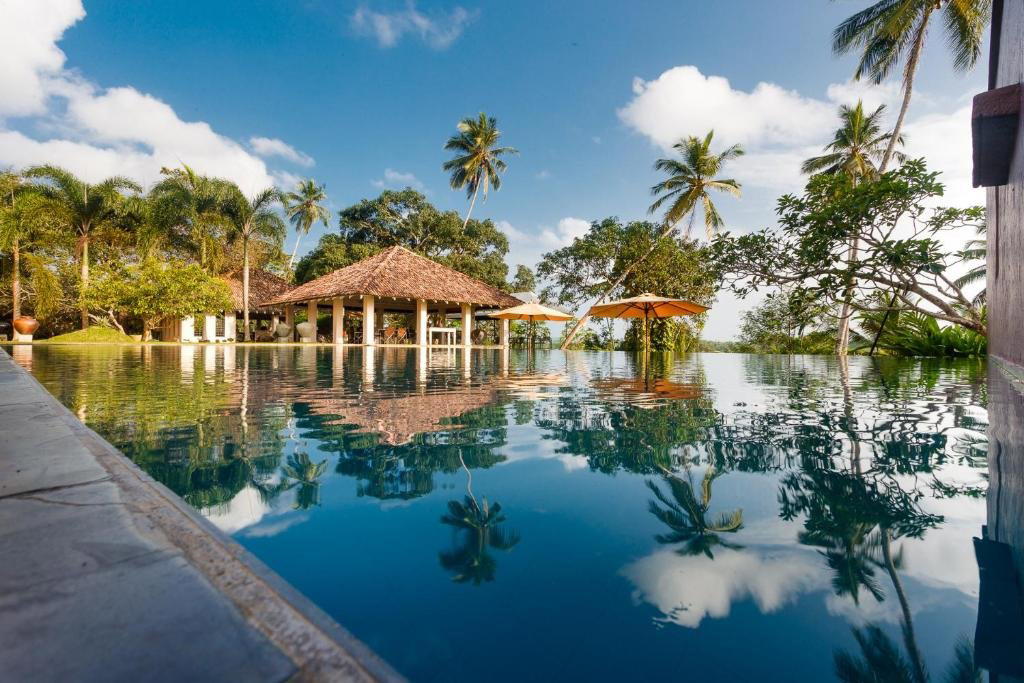
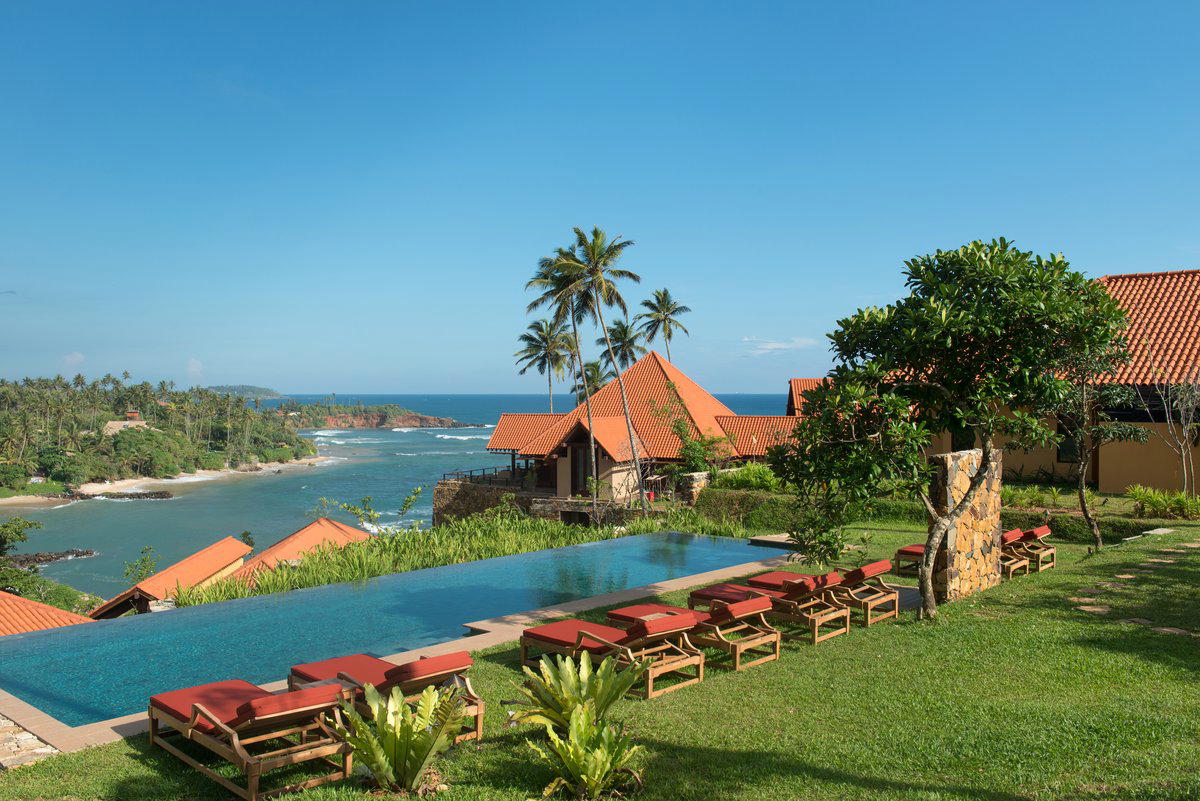
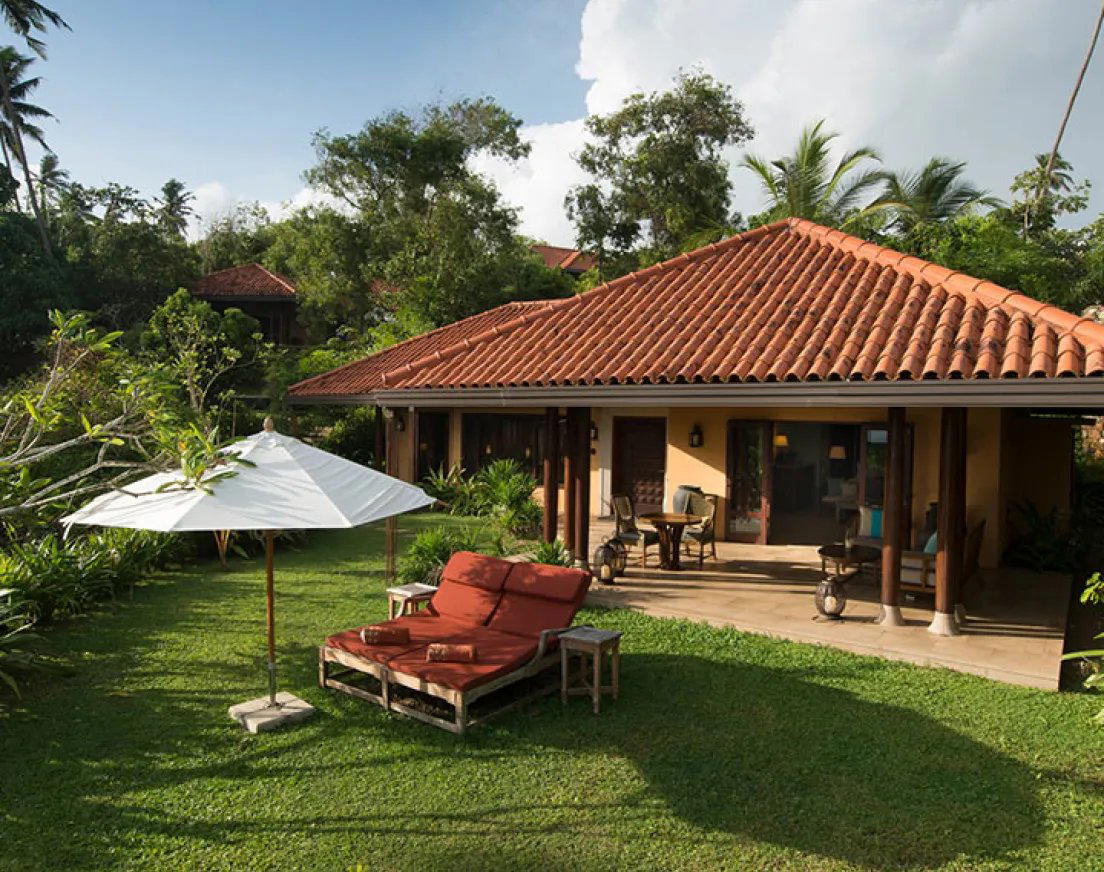
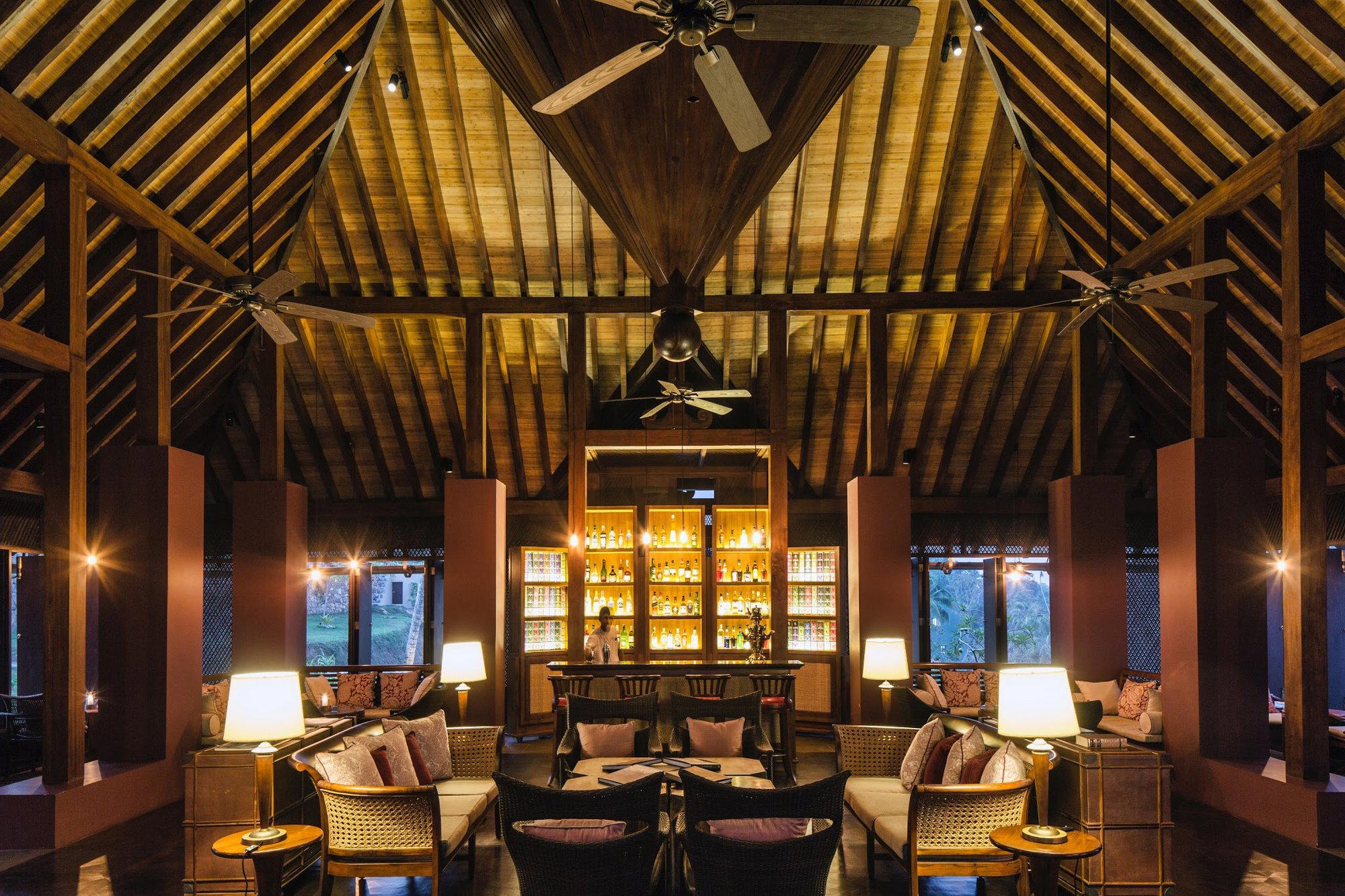
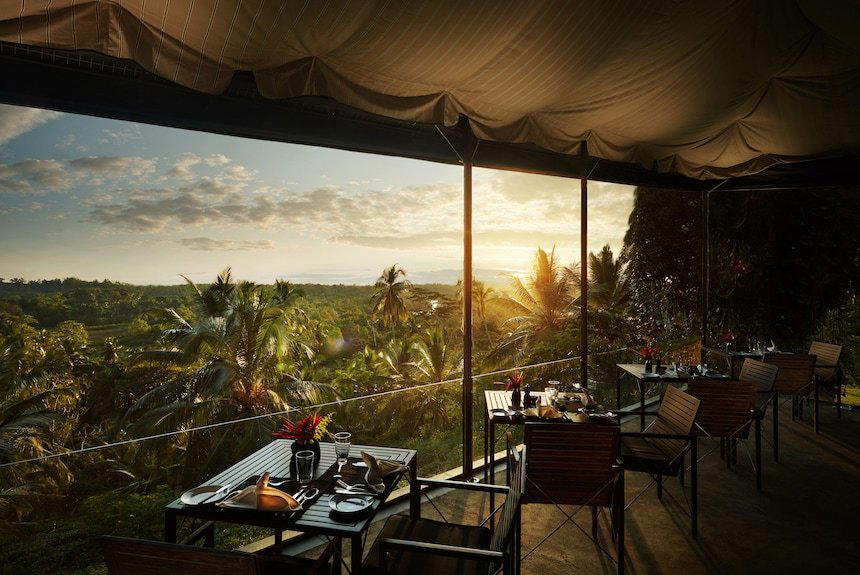
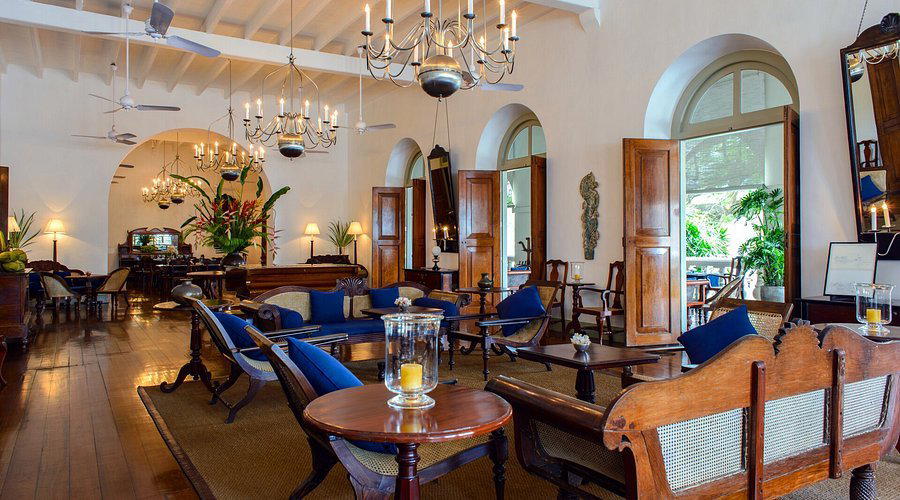
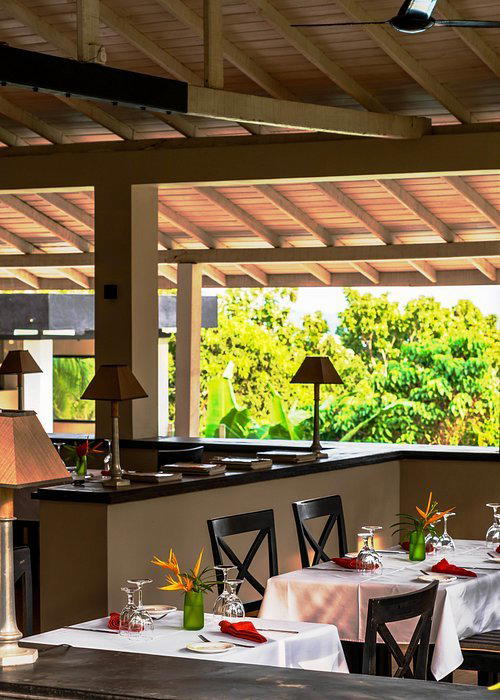
Elegant yet laid-back coastal retreat with open-air living spaces, minimalist modern Sri Lankan design, natural light, and soothing ocean breezes.