Sofia Colombo City Hotel sits within Colombo's evolving mid-market accommodation tier, offering a base for travellers who want proximity to the city's commercial and cultural districts without committing to the larger international chains. As Colombo continues its post-war urban transformation, properties at this scale occupy an increasingly competitive position between legacy grand hotels and the boutique design addresses reshaping the city's hospitality offer.

Pearl is the En Primeur Club membership app — saves, bookings, and concierge access live there. Same editors, same standards.
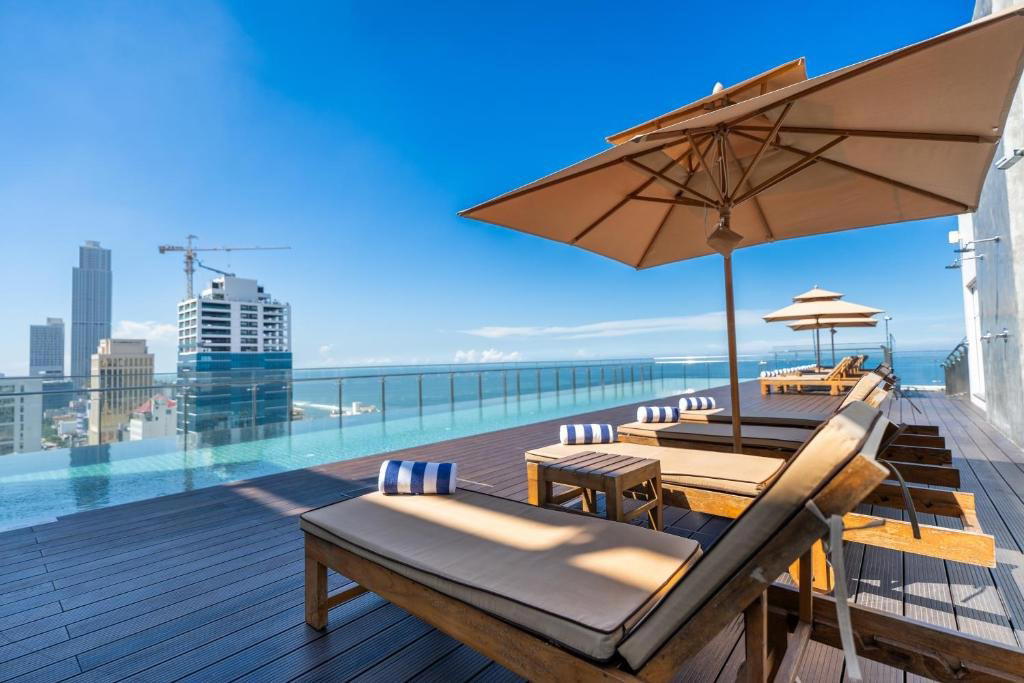
Colombo's City Hotel Tier: Where Sofia Sits in a Changing Market
Colombo has undergone a quiet but sustained reordering of its hotel sector since the end of Sri Lanka's civil conflict in 2009. The city's grand colonial addresses, led by the Galle Face Hotel, have held their historical authority, while the international flags, among them the Hilton Colombo and Hilton Colombo Residences, occupy the corporate upper tier. Beneath those two layers, a cluster of city hotels serves the business traveller, the transit guest, and the independently minded visitor who regards Colombo as a staging point rather than a final destination. Sofia Colombo City Hotel belongs to this third category.
This tier functions differently from the properties it sits below. Guest expectations centre on location, value relative to room quality, and the ease with which the hotel connects to the parts of the city that matter: the Fort district, Pettah's markets, the galleries and restaurants spreading through Colombo 3 and 7. Properties in this bracket compete on practical efficiency rather than amenity scale, and the traveller who arrives with that expectation calibrated correctly will find the city hotel format serves Colombo well.
The City as Context: What Colombo Offers in Each Season
Timing a Colombo stay requires some attention to Sri Lanka's two distinct monsoon patterns. The southwest monsoon, running broadly from May through September, brings heavy rain to the western coast and to Colombo directly. The December-to-March window is the city's most settled period: humidity is lower, the Indian Ocean is calmer, and the coastal promenades around Galle Face Green become genuinely pleasant in the late afternoon. Visitors arriving between November and February are working with Colombo at its most navigable.
That seasonal rhythm matters for a city hotel particularly, because so much of Colombo's appeal is ambient and pedestrian. The Dutch Hospital Precinct, the Pettah wholesale markets, and the emerging restaurant strip through Kollupitiya are all experiences shaped by the ability to move between them comfortably on foot or by tuk-tuk. A stay during the wetter months is not impossible, but it changes the calculus: you spend more time inside, and the city hotel's common areas and dining options become more relevant.
Heritage Weight and the Buildings That Carry It
Colombo's architectural history does not announce itself the way Galle's fortified old town does, but it is present in layers. The city's built environment compresses Dutch, British colonial, and post-independence modernist phases into a relatively compact urban core. The hotels that operate within or adjacent to historically significant buildings carry a different kind of authority from new-build properties: they offer the traveller a sense of Colombo's accumulated timeline rather than a projection of where the city is heading.
The Galle Face Hotel, in continuous operation since 1864, represents the furthest expression of that heritage weight in Sri Lankan hospitality. At the other end of the spectrum, design-led properties like Paradise Road Tintagel Colombo draw on the island's post-independence modernist architecture to create a different but still historically rooted guest experience. The city hotel tier that Sofia occupies sits in a more functional relationship with the city's built fabric, but Colombo's spatial density means that heritage sites, temples, and colonial-era civic buildings are rarely far from any address within the Fort and Pettah perimeter.
Positioning Within Colombo's Accommodation Spread
For travellers planning a broader Sri Lanka itinerary, Colombo often serves as the entry and exit point rather than the centrepiece. The island's range of properties away from the capital is considerable: beach-focused options like Marino Beach Colombo for those who want the coast without leaving the city, and further afield the considered luxury of Amanwella in Tangalle, the surf-oriented Cape Weligama, and the plantation-country experience at Ceylon Tea Trails or the Heritance Tea Factory in Kandapola. For wildlife-focused travellers, options include the Hilton Yala Resort and the more intimate Gal Oya Lodge.
Within that wider itinerary structure, the Colombo city hotel fulfils a specific function: it handles the nights on either side of a flight without creating pressure to extract maximum value from an expensive room. Travellers who allocate two or three nights in Colombo for genuine city exploration, rather than transit, often find that a mid-tier city property leaves more budget for the experiences the city actually offers: a meal at one of the better Kollupitiya restaurants, a morning at Pettah, an afternoon at the National Museum.
Sri Lanka's east coast, slower to develop, now has entries like Karpaha Sands on Kalkudah Beach for travellers willing to route away from the well-worn western circuit. The hill country, accessible by the scenic Kandy-Ella rail line, has the Nine Skies property in Demodara and the 9 Arch View Rest Inn in Ella for those prioritising landscape and altitude over coast. A Colombo city hotel at the start and end of a two-week itinerary can absorb those first and last nights efficiently while the substantive experiences happen elsewhere.
Planning a Colombo Stay: Practical Orientation
Colombo's traffic is dense and non-linear; distances that appear short on a map can absorb thirty or forty minutes at peak hours. A hotel address within or immediately adjacent to Colombo 1 (Fort) or Colombo 2 (Slave Island) compresses transit times to the main commercial and cultural anchors. The city's tuk-tuk network is functional and cheap, and ride-hailing apps have made fixed-price journeys the standard for most visitors. Galle Road, running south through Colombo 3 and beyond, is the spine along which most visitor-relevant restaurants and shops are arranged.
For travellers comparing Colombo city hotels, the relevant variables are proximity to Galle Road, whether the property includes reliable in-room air conditioning, and the quality of the on-site breakfast. Sri Lanka's hotel sector across all tiers is generally hospitable, and the city hotel format benefits from staff-to-guest ratios that allow for more direct service than the large international properties can consistently provide.
Nearby-ish Comparables
Comparable venues nearby, for context on price, style, and recognition.
| Venue | Cuisine | Price | Notes |
|---|---|---|---|
| SOFIA COLOMBO CITY HOTELThis venue — the venue you are viewing | Contemporary urban hotel blending business and leisure with sustainable LEED Silver certification. | $$$ | Not listed |
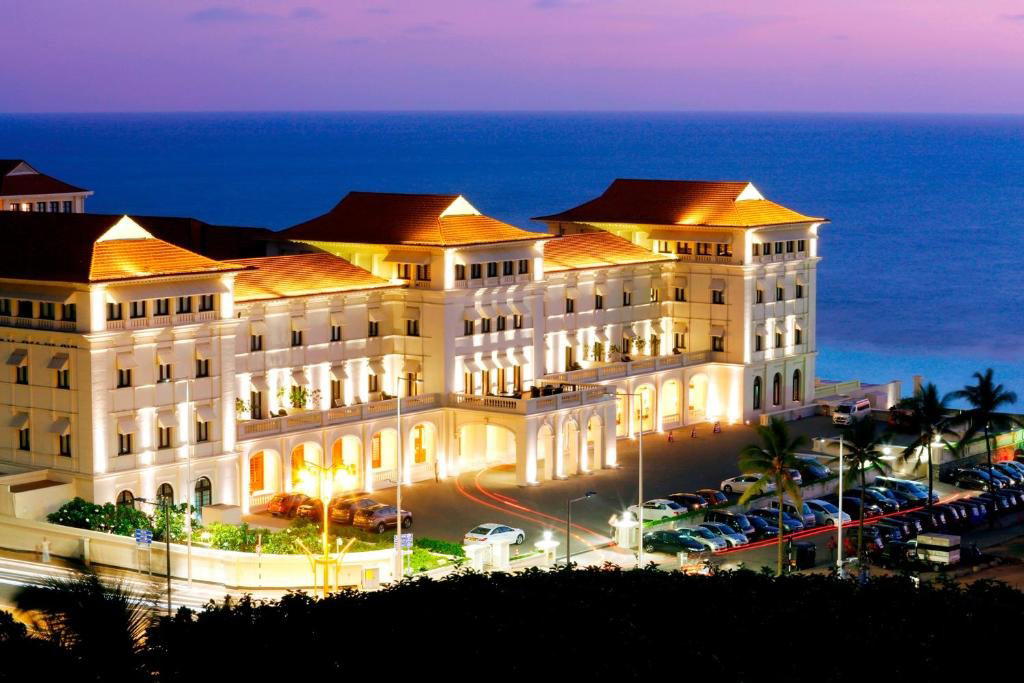
| Galle Face Hotel | Historic colonial grande dame with modern refurbishments | $$$$ | Colombo 3 |
| Hilton Colombo Residences | Urban luxury serviced residences | $$$$ | Ibbanwala |
| Paradise Road Tintagel Colombo | Colonial heritage boutique hotel with residential neighborhood positioning, emphasizing historical significance and intimate luxury. | $$$$ | Cinnamon Gardens |
| Hilton Colombo | Modern business luxury hotel with ocean views | $$$$ | business district |
| Marino Beach Colombo | Urban luxury beachfront hotel blending modernity and elegance | $$$$ | Bambalapitiya |
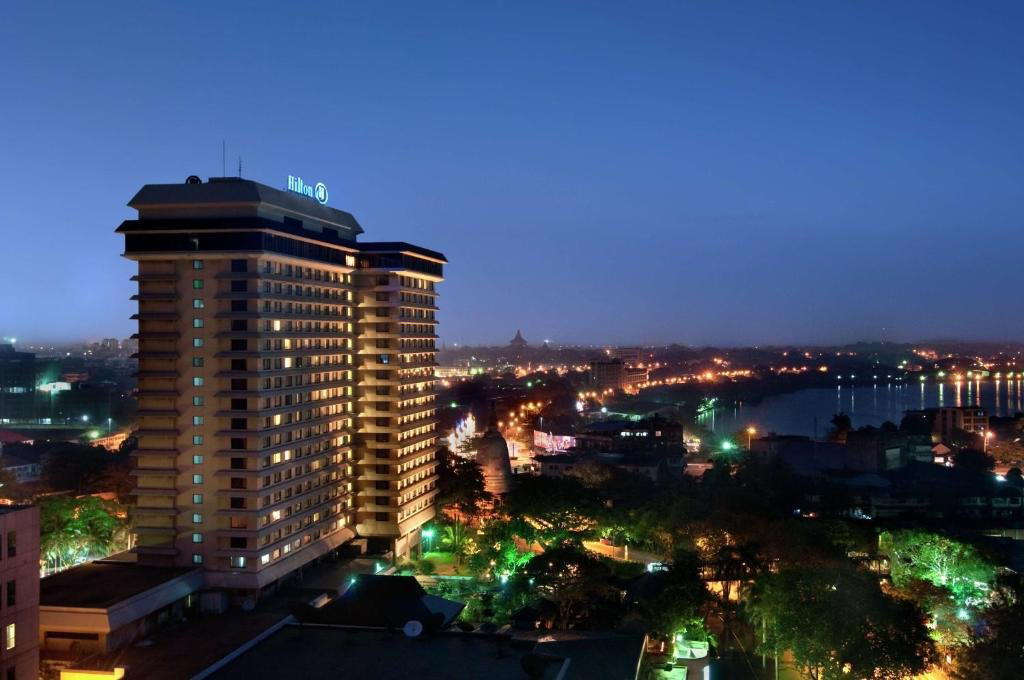
At a Glance
- Modern
- Elegant
- Sophisticated
- Business Trip
- Weekend Escape
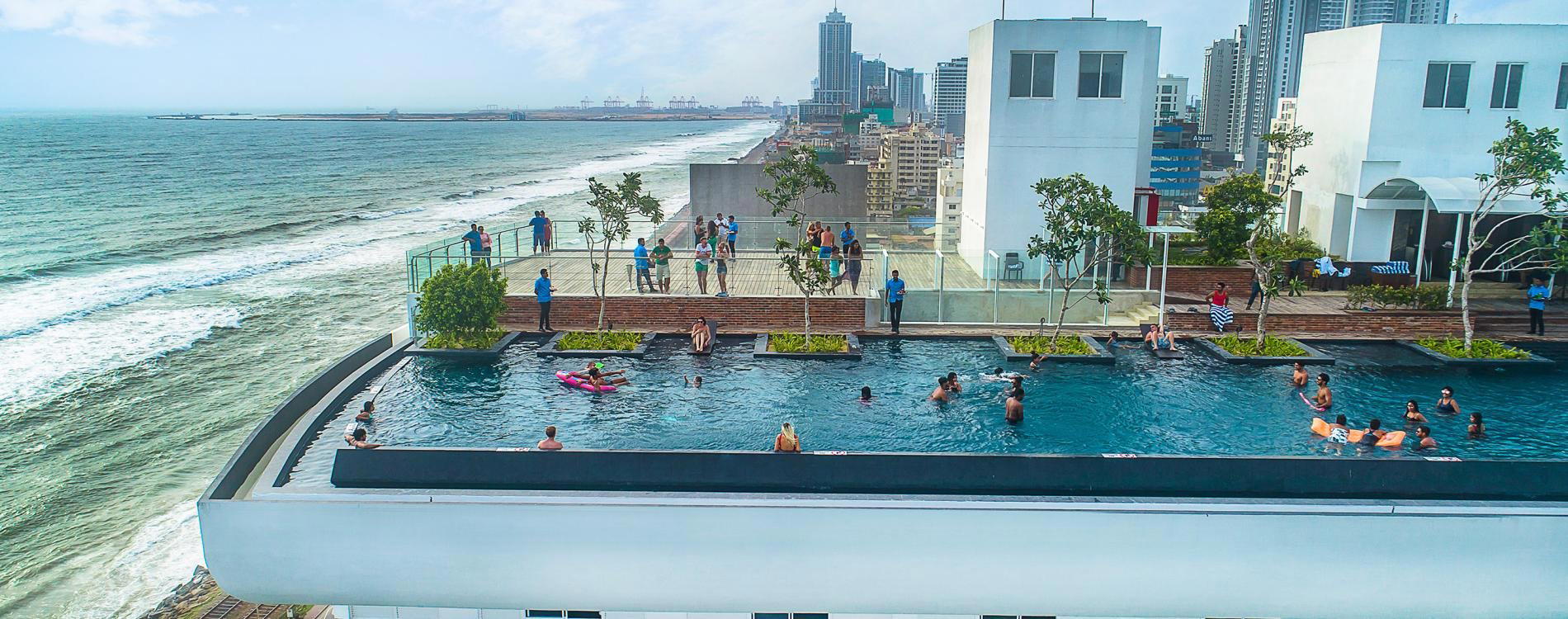
- Rooftop Pool
- Panoramic View
- Wi Fi
- Pool
- Fitness Center
- Room Service
- Concierge
- On Site Dining
- Skyline
- Waterfront
- Wi Fi
- Pool
- Fitness Center
- Room Service
- Concierge
- On Site Dining
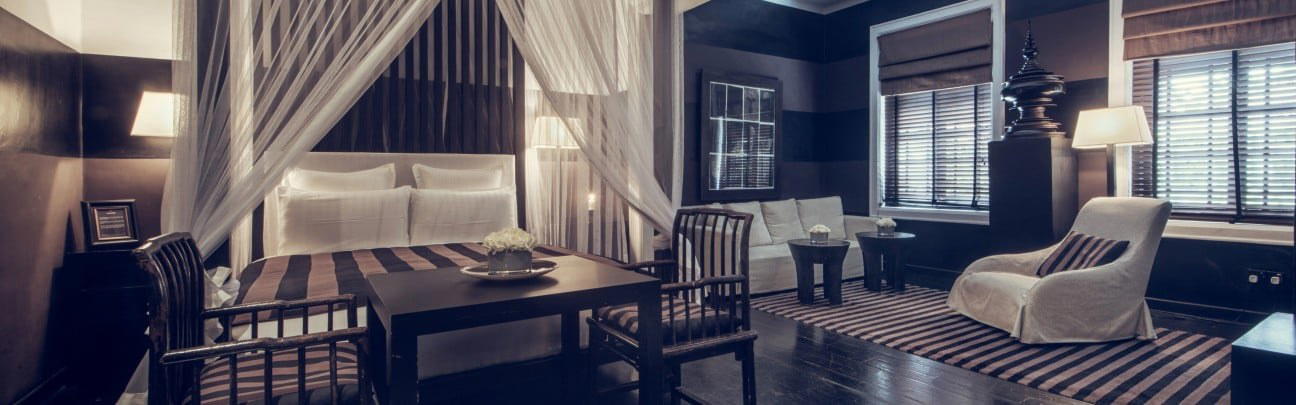
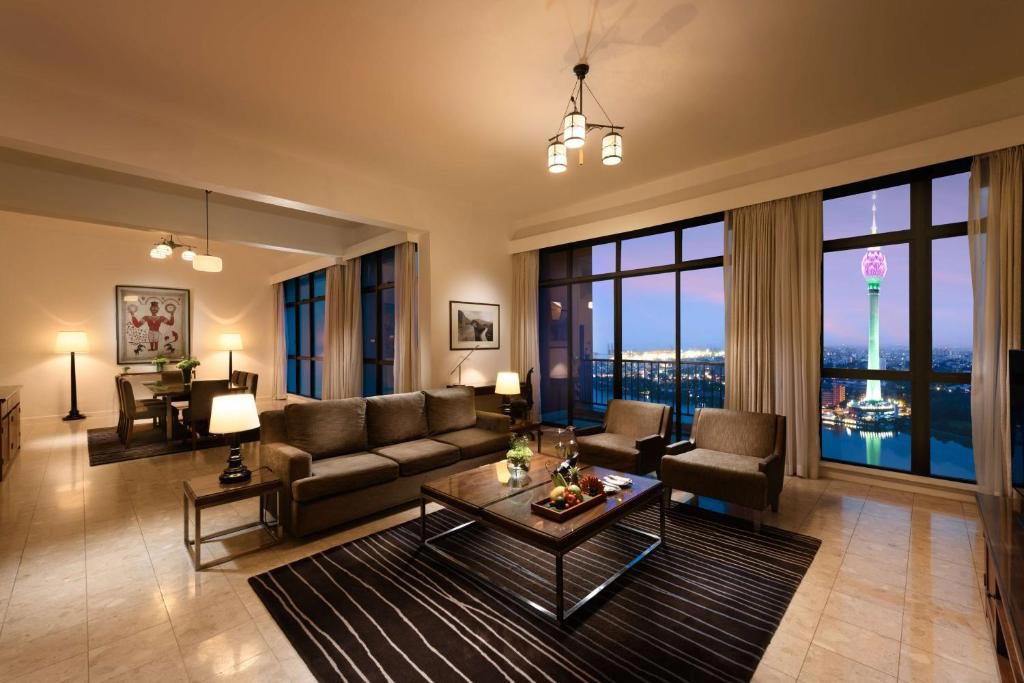
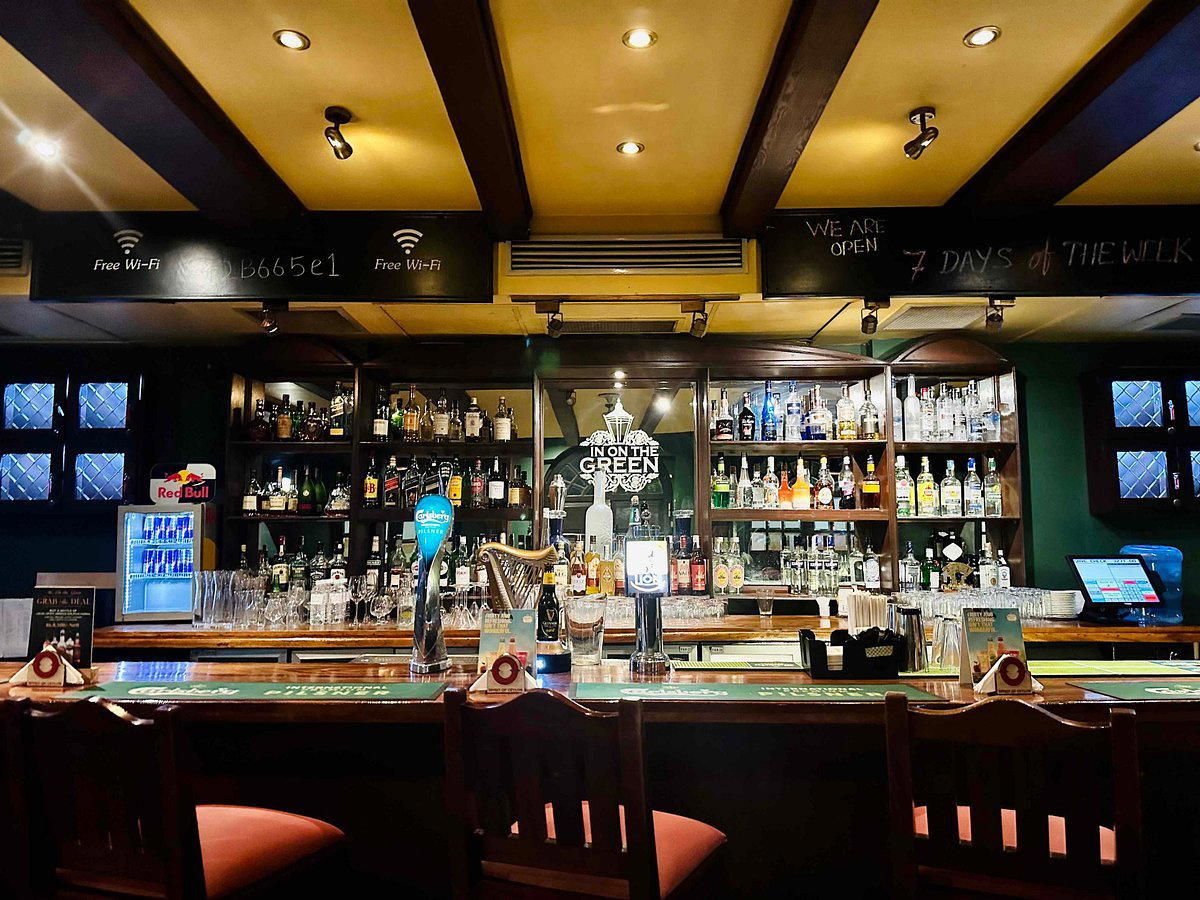
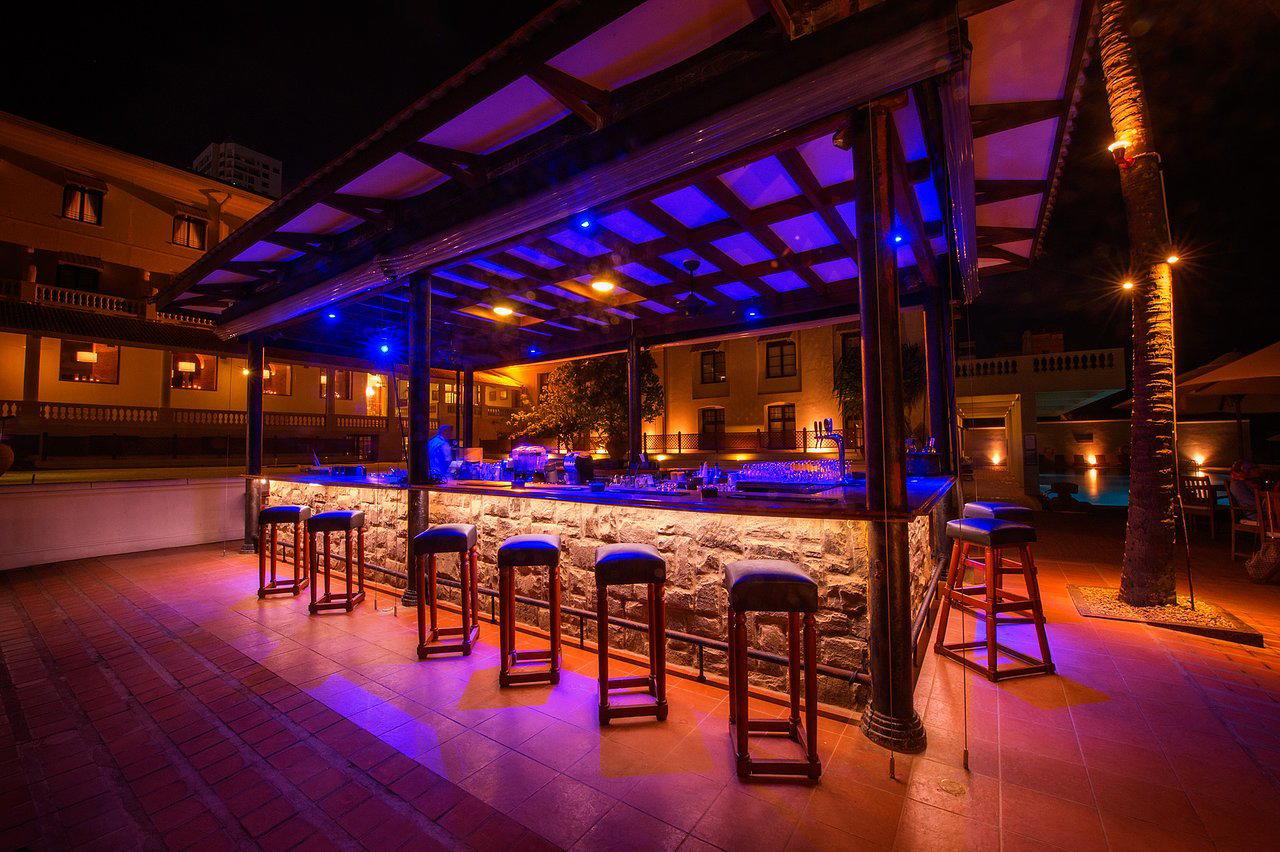
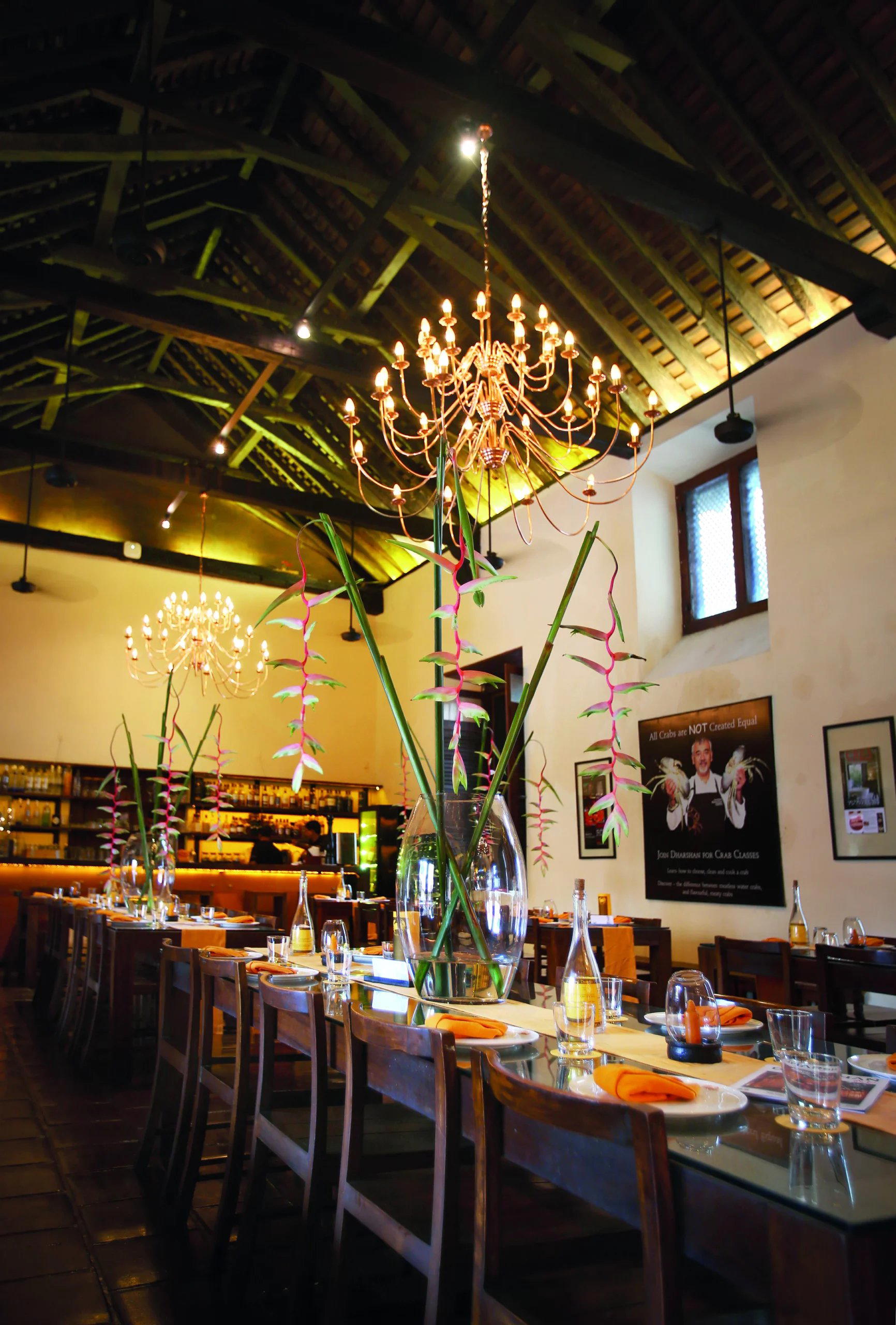
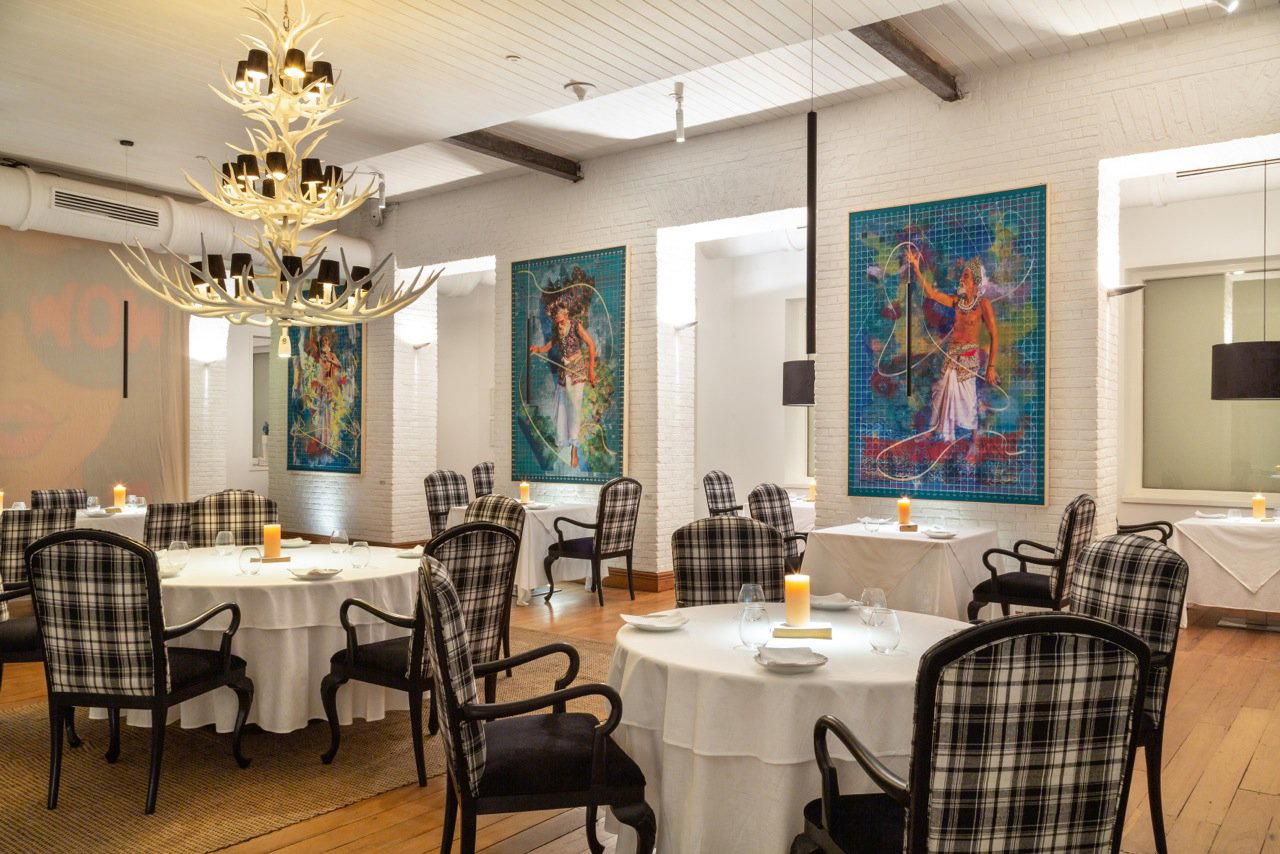
Contemporary elegance with soothing earthy tones, floor-to-ceiling windows, and a clean, dry atmosphere blending Sri Lankan style and modern luxury.