




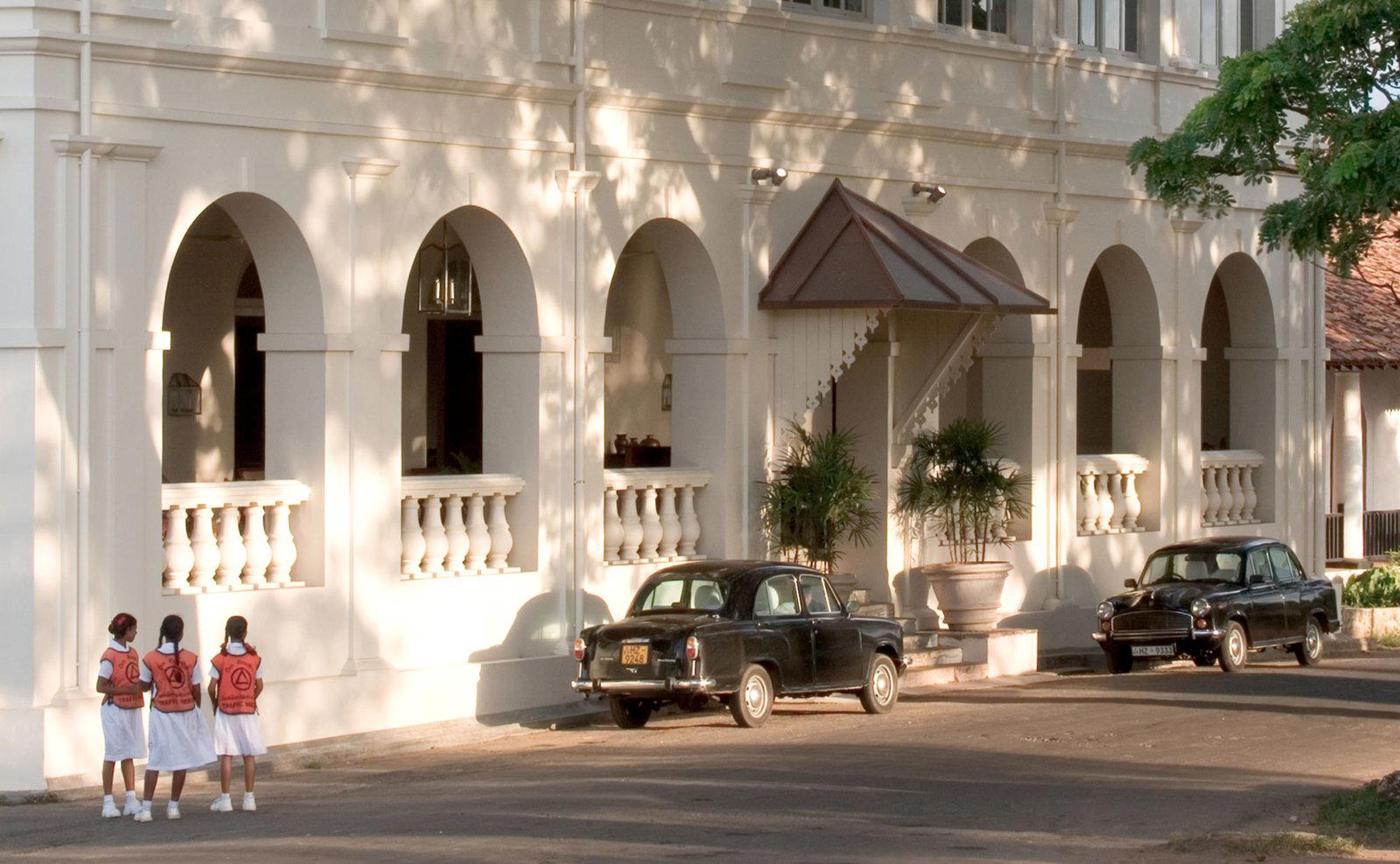
Within the walled enclosure of Galle Fort, a UNESCO World Heritage Site, Amangalla occupies a 300-year-old colonial landmark that has been transformed by Aman Resorts into one of Sri Lanka's most awarded properties. Ranked #97 on the World's 50 Best Hotels list in 2025 and rated 91.5 points by La Liste in 2026, the 31-room hotel places heritage architecture and anticipatory service at the centre of its offer, approximately two hours from Colombo's international airport.
Pearl is the En Primeur Club membership app — saves, bookings, and concierge access live there. Same editors, same standards.
- Address
- 10 Church St, Galle 80000
- Phone
- +94 912 233 388
- Website
- aman.com
- Directions
- Get directions
 Saves & bookings on Pearl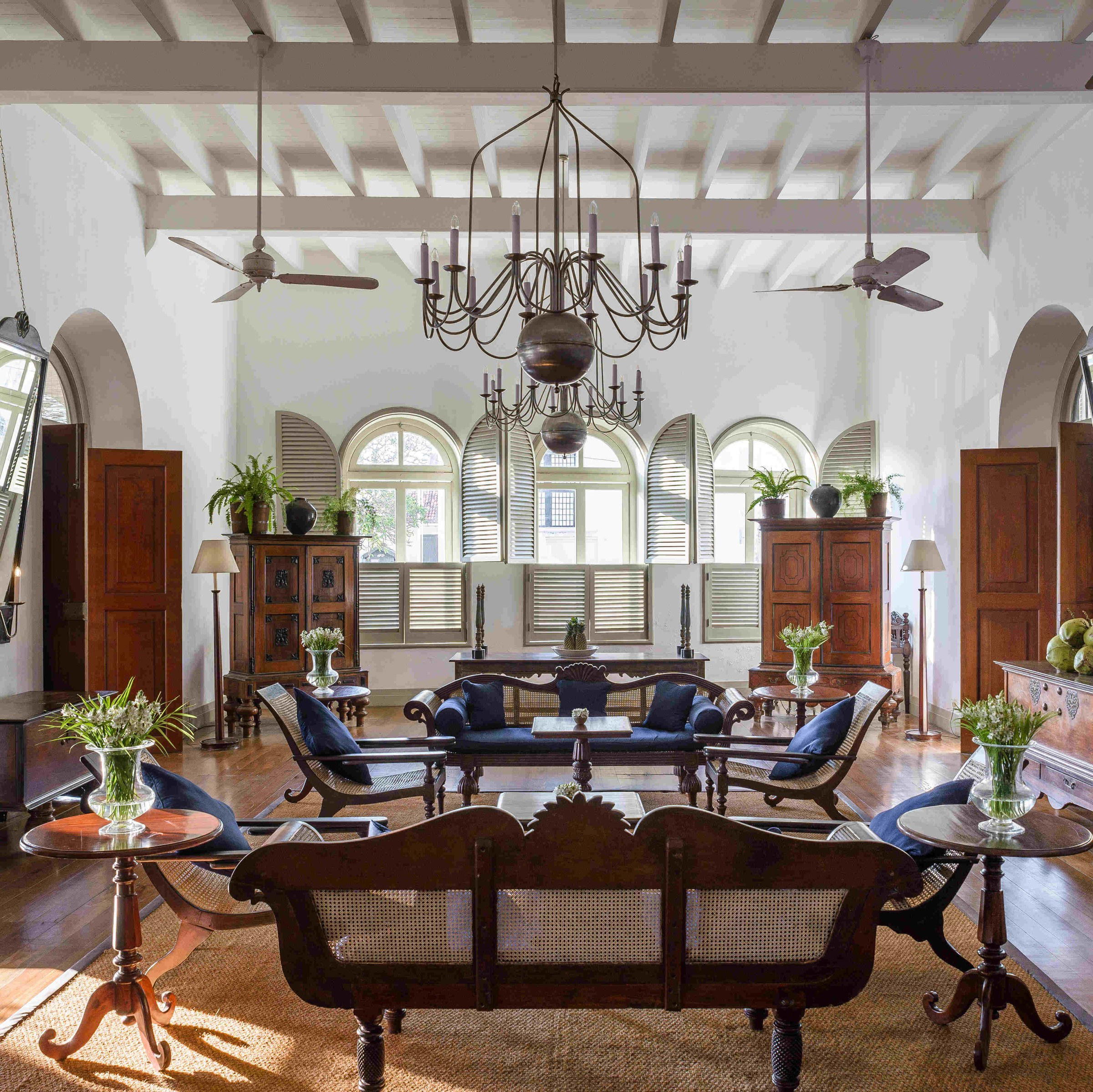
Fort Life, Colonial Scale
Galle Fort sits on a promontory on Sri Lanka's south coast, its rampart walls still intact after three centuries of Portuguese, Dutch, and British occupation. Within those walls, time operates differently. The streets are narrow, the buildings are low, and the pace slows to something that feels earned rather than engineered. Hotels inside the Fort occupy a different competitive tier from the beach resorts clustered along the surrounding coastline. They trade sea-view infinity pools for something harder to replicate: genuine historical weight. Amangalla, at the junction of Church and Middle Streets, is the Fort's most prominent property in this category, and the one against which every other Galle Fort accommodation is quietly measured.
The building's origins date back some 300 years, operating for much of the twentieth century as the New Oriental Hotel before the Aman group undertook its transformation in the early 2000s, engaging Australian architect Kerry Hill to oversee the conversion. The result placed Amangalla inside a small group of Aman properties that derive their identity from inherited architecture. In that company, alongside Aman Venice, the approach follows a consistent logic: retain the bones, adjust the infrastructure, and resist the temptation to modernise the atmosphere out of existence.
Arriving Into the Zaal
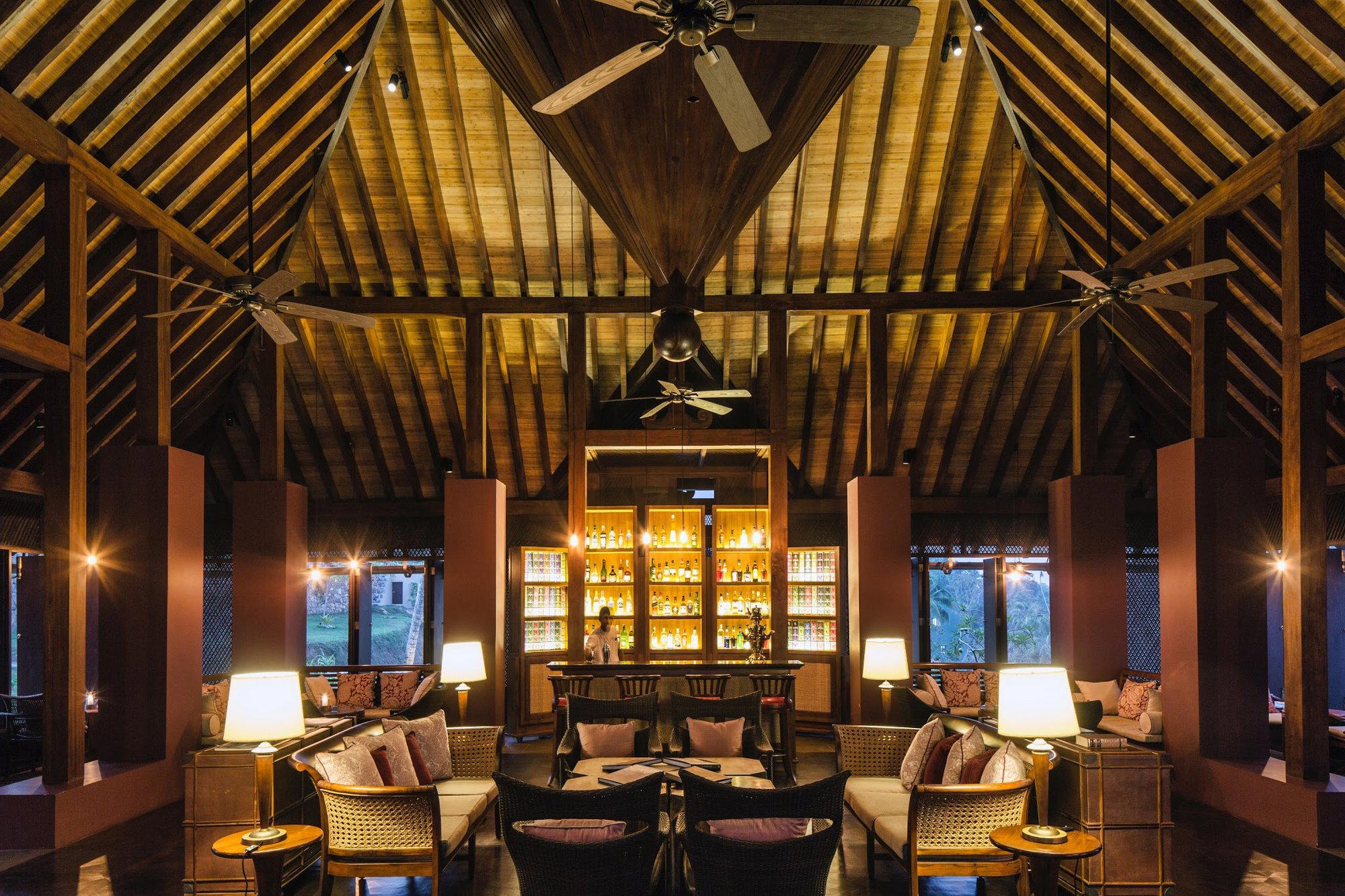
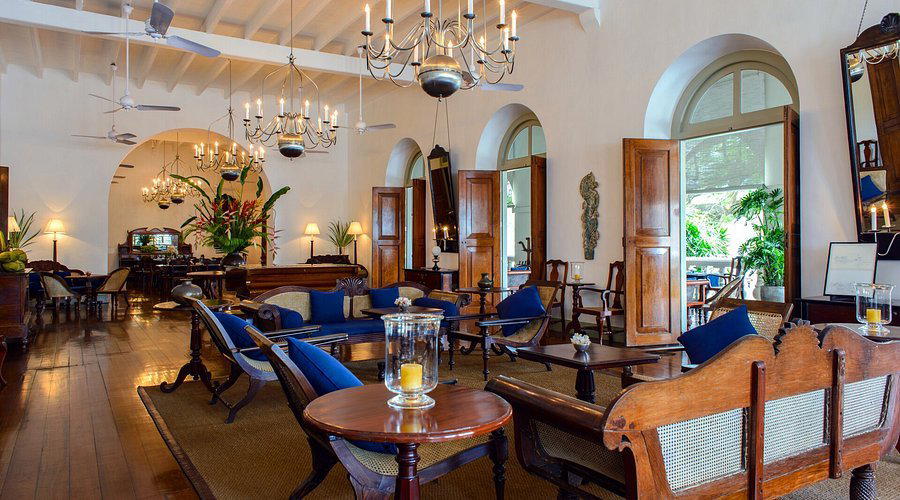
The entry sequence at Amangalla is deliberate and physical. The Great Hall, known locally as the Zaal, is a double-height room with soaring fin de siècle ceilings and chandeliers that suggest a colonial-era government building rather than a conventional hotel lobby. It functions as the hotel's social spine: the Dining Room anchors one end, a cocktail station the other, and a lounge area in between absorbs the space in between. The effect is that guests circulate through the same room at breakfast, at midday, and in the evening, which creates a social dynamic unusual in contemporary luxury hotels, where separation of function usually wins over shared space.
Service at properties of this caliber tends to split between two philosophies: the formal and the anticipatory. Amangalla sits closer to the latter. Butlers are present throughout, and the hotel's scale, at 31 rooms distributed across Bedrooms, Chambers, Suites, and a two-storey Garden House, keeps the ratio manageable. Amangalla was ranked 38th on the World's 50 Best Hotels list in 2024.
The Spaces That Shape a Stay
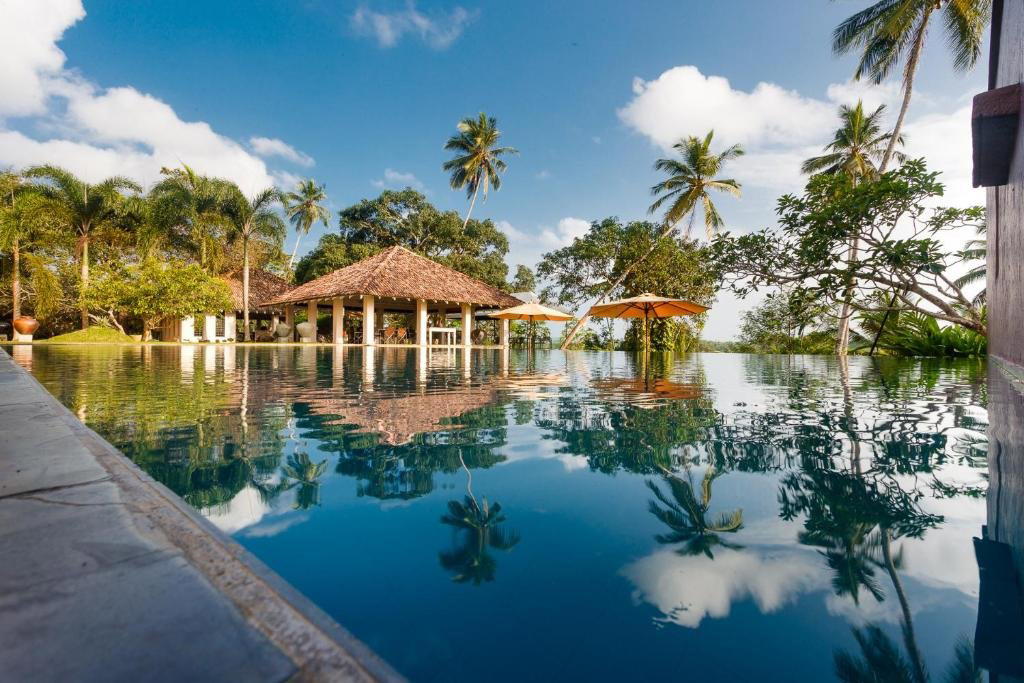
Colonial-era hotels built around a single commanding hall often struggle with the transition to outdoor space. Amangalla avoids this through a sequence of distinct settings, each with a different social register. The Veranda faces the tree-lined street and serves as the hotel's connection to the Fort's daily rhythm. The Garden Terrace, positioned alongside a 21-metre swimming pool, handles alfresco breakfasts. The Sunset Balcony, residents-only and upstairs, frames views across Galle and out to the Indian Ocean, and functions as the hotel's most private setting for an early evening drink.
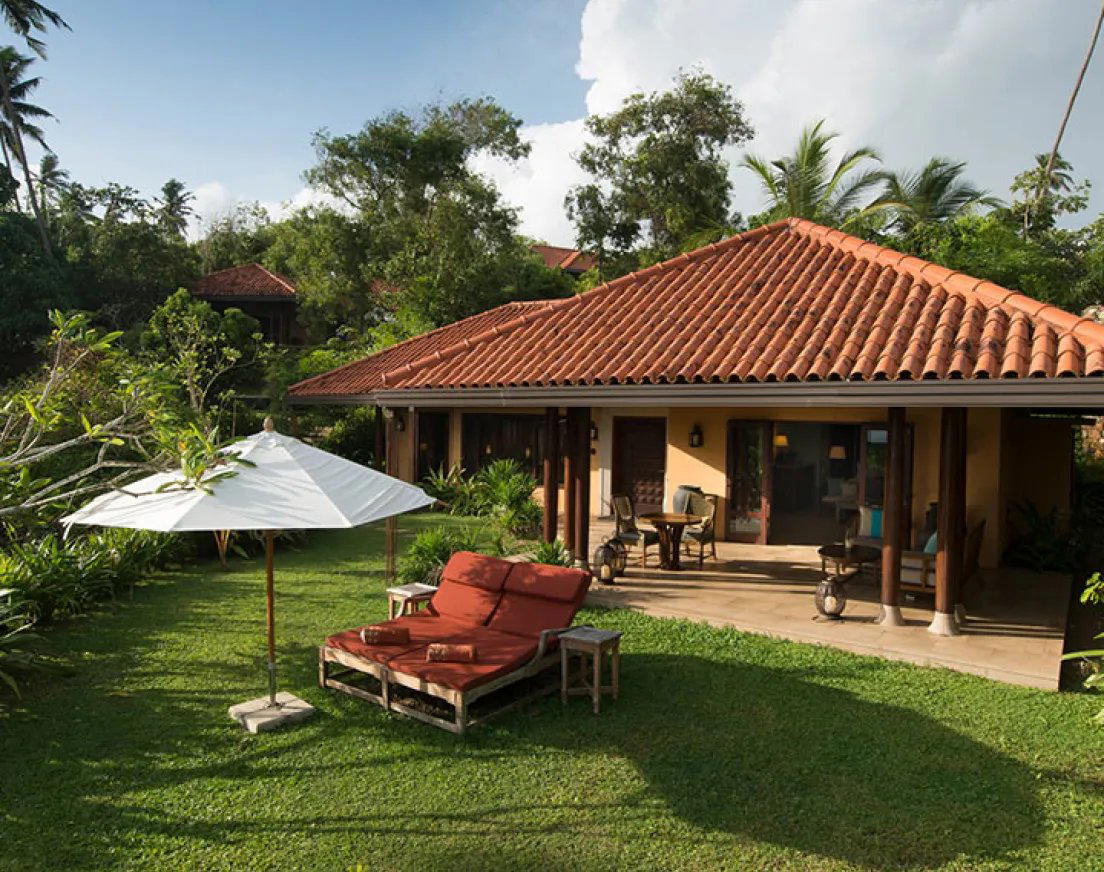
The 200-year-old gardens contain the Aman Spa, five treatment rooms, two Hydrotherapy Suites each with warm massage pools, saunas, steam rooms, and cold-water therapy pools, a Barbershop, a Nail Salon, and a yoga pavilion. The Library adds an eclectic memorabilia collection covering the history of the hotel, the Fort, and Galle itself. For a property of 31 rooms, the spatial variety is considerable. Guests who might otherwise feel cabin-bound within the Fort's walls find there is enough internal territory to move through without repetition.
Dining as Architecture
Fort-based hotels in Galle operate in a dining environment shaped more by their buildings than their menus. The colonial dining room is the format, and authenticity of setting matters as much as the food itself. Amangalla's Dining Room serves Sri Lankan and Western cuisines, which is standard for hotels in this category targeting international guests while acknowledging local cooking traditions. Ceylon tea in the Zaal lounge and live music in the evenings are programmed, not incidental. These are decisions that position the hotel as a cultural experience rather than merely a place to sleep, which is consistent with how Aman markets its heritage properties globally.
For guests considering Sri Lanka as a wider itinerary, Aman recommends pairing an Amangalla stay with a visit to Amanwella in Tangalle, roughly two hours east along a scenic coastal route. The two properties form a complementary programme: the Fort's historical density followed by beach seclusion. It is a logical pairing for travellers who want geographic range without changing groups.
Where Amangalla Sits in the Galle Context
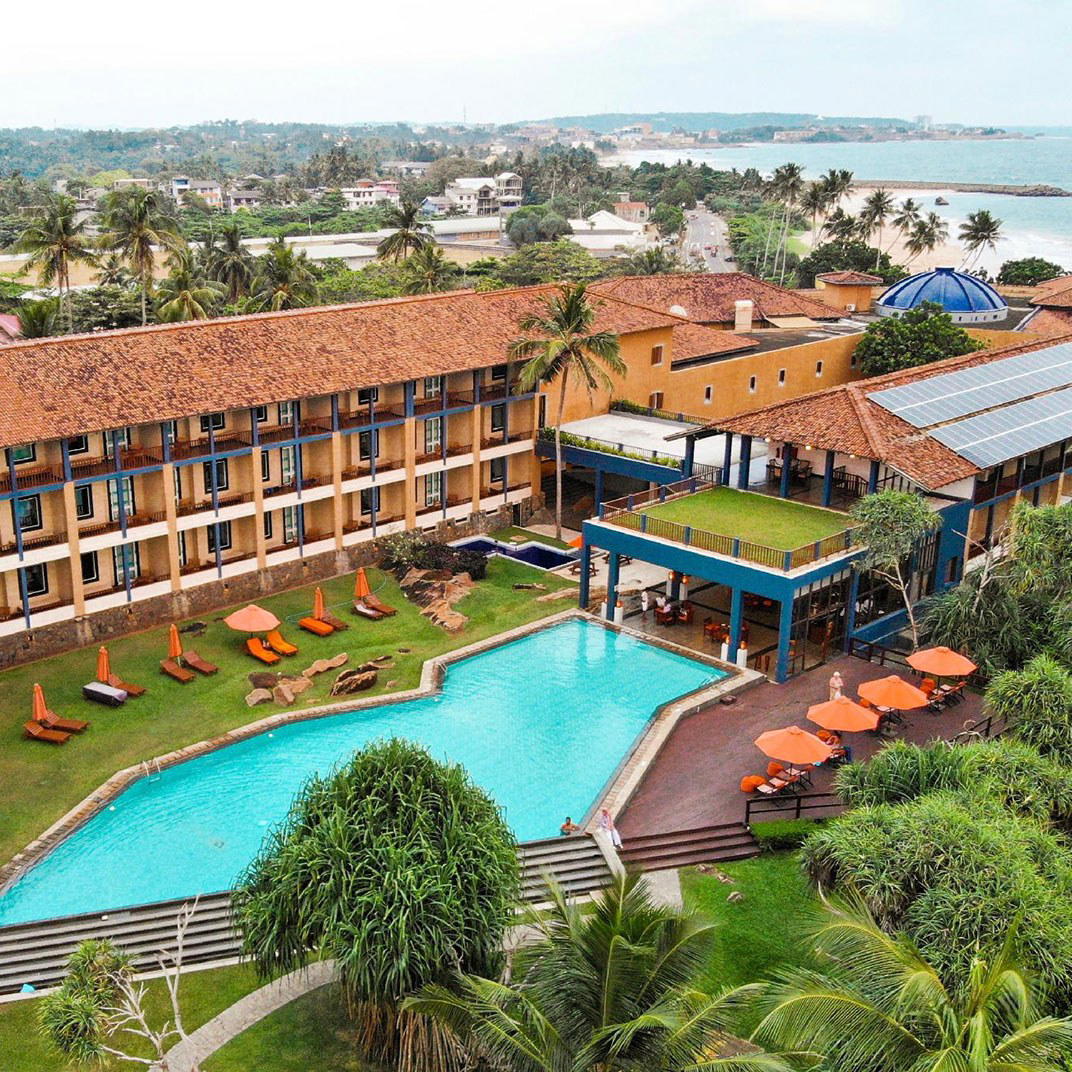
Galle's accommodation market splits roughly between Fort properties and coastal resorts. Inside the Fort, Amangalla occupies the premium tier. Properties such as The Postcard Galle and Villa Sielen Diva occupy the same general geography but operate at smaller scale and different price architecture. Outside the Fort, coastal alternatives including The Fortress Resort and Spa, Tabula Rasa Resort and Spa, and Angel Beach Resort trade the Fort's cultural density for proximity to the water. The choice between them is largely about what kind of Sri Lanka the traveller wants: historical immersion or beach access. Amangalla is the anchor reference in the former category.
Across Sri Lanka more broadly, the market has matured considerably. Properties such as Cape Weligama, Kumu Beach in Balapitiya, and Kurulu Bay in Ahangama represent the generation of design-led coastal properties that emerged as Sri Lanka's profile rose. Further inland, tea-country options including Ceylon Tea Trails and Heritance Tea Factory serve a different interest. Amangalla fits none of those categories precisely. It is not a beach resort, not a design showcase, and not a tea-country retreat. It is a colonial landmark that has been carefully sustained, and that specificity is its competitive position. For context on the wider Colombo end of the country, the Galle Face Hotel operates in a comparable heritage register. Our full Galle guide covers the broader dining and lodging picture.
Getting There and Planning Ahead
Amangalla sits at 10 Church Street inside Galle Fort, approximately a two-hour drive from Bandaranaike International Airport in Colombo. That journey, whether by hotel transfer or private hire, runs along a coastal route that gives a reasonable first orientation to the island's south. The Fort itself is walkable in its entirety, so a car is unnecessary once arrived. At $363 per night, availability is not consistently open. The hotel's 31-room count means booking windows compress during Sri Lanka's peak travel months, broadly November through April. Planning several months ahead is the appropriate approach for preferred room categories.
Category Peers
Comparable venues nearby, for context on price, style, and recognition.
| Venue | Cuisine | Price | Awards | Notes |
|---|---|---|---|---|
| AmangallaThis venue — the venue you are viewing | Colonial heritage luxury boutique hotel with contemporary amenities integrated into a meticulously preserved 17th-century Dutch fort structure. | $$$$ | Michelin 1 Key | Not listed |
| Villa Sielen Diva | Modern luxury villa with open spaces and private beach access | $$$$ | Michelin 1 Key | Talpe |
| Tabula Rasa Resort & Spa | Nature-inspired luxury boutique resort set in jungle hillside | $$$$ | 5-Star | Habaraduwa |
| The Postcard Galle, Sri Lanka | Tropical modern luxury boutique resort with colonial architectural influences and contemporary design elements, emphasizing personalized hospitality and intimate scale. | $$$$ | 5-Star | Gintota, Galle |
| Kahanda Kanda | Contemporary boutique on tea plantation | $$$$ | 5-Star | Angulugaha |
| Tekanda Lodge | Handcrafted eco-lodge blending traditional iluk-thatched architecture with modern luxury on a restored tea and coconut plantation | $$$$ | 5-Star | Kathaluwa |
Recognition history
Dated appearances from independent guides and award organizations, with the underlying list record or original source where available.
Forbes Recommended
Forbes
La Liste Top Hotels
La Liste
Virtuoso Luxury Hotel Partner
Virtuoso
Michelin 1 Key
Michelin
World's 50 Best Best Hotels 51-100 #97
World's 50 Best
World's 50 Best Best Hotels #39
World's 50 Best
World's 50 Best Best Hotels #38
World's 50 Best
At a Glance
- Romantic
- Elegant
- Classic
- Sophisticated
- Well Known
- Honeymoon
- Romantic Getaway
- Anniversary
- Destination Wedding
- Celebration
- Butler Service
- Destination Spa
- Garden
- Historic Building
- Terrace
- Private Dining
- Panoramic View
- Wi Fi
- Pool
- Spa
- Room Service
- Concierge
- Valet Parking
- Restaurant
- Bar
- Sauna
- Garden
- Waterfront
- Wi Fi
- Pool
- Spa
- Room Service
- Concierge
- Valet Parking
- Restaurant
- Bar
- Sauna
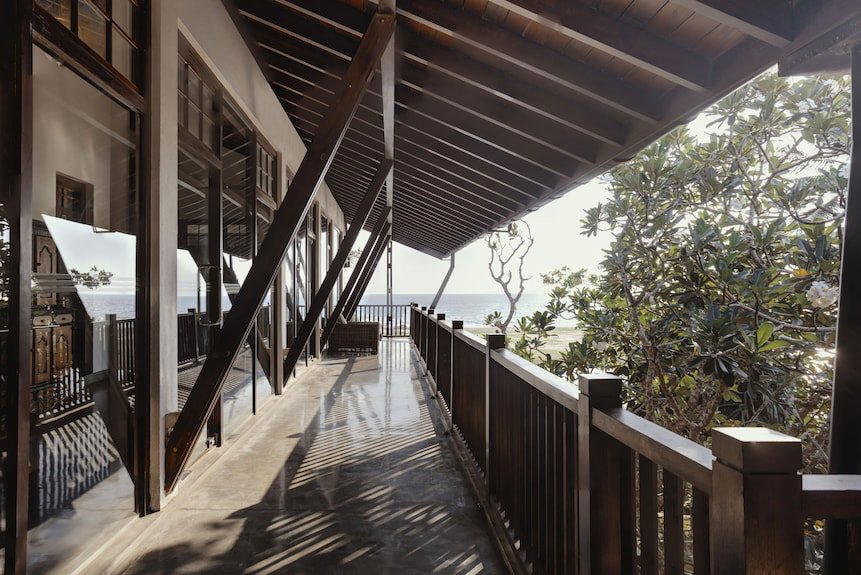
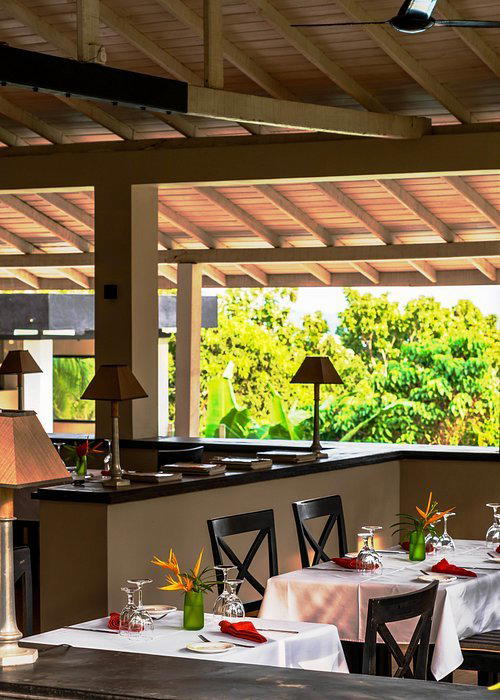
Hushed, patrician oasis with soaring arched windows, polished dark wooden floors, candlelit cloisters, ceiling fans, and elegant wicker furnishings creating a timeless, graceful atmosphere that transports guests to another era.