
La Liste Top Hotels
Sitting inside a colonial-era planter's bungalow on the Norwood Estate in Bogawantalawa, this Ceylon Tea Trails property earns its 2026 La Liste Top Hotels recognition through architectural restraint and hill-country immersion rather than resort-scale amenity. The surrounding tea terraces define the guest experience as much as the interiors do. Plan well ahead: availability at properties of this format and recognition tier moves quickly.

Pearl is the En Primeur Club membership app — saves, bookings, and concierge access live there. Same editors, same standards.
- Address
- Norwood Estate Bogawantalawa, Hatton
- Phone
- +94 77 058 2347
- Website
- resplendentceylon.com
- Directions
- Get directions
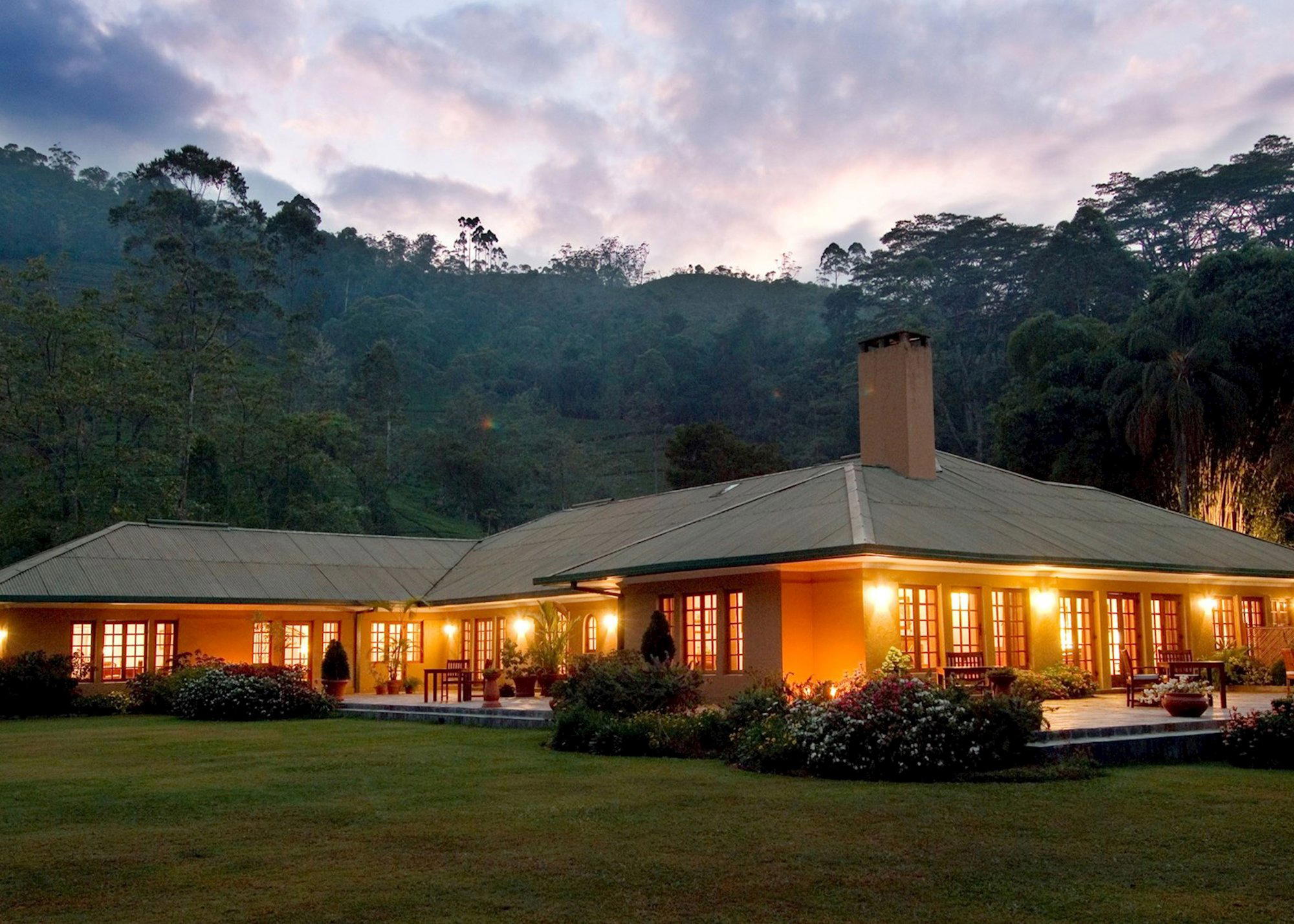
Where the Hill Country Architecture Does the Work
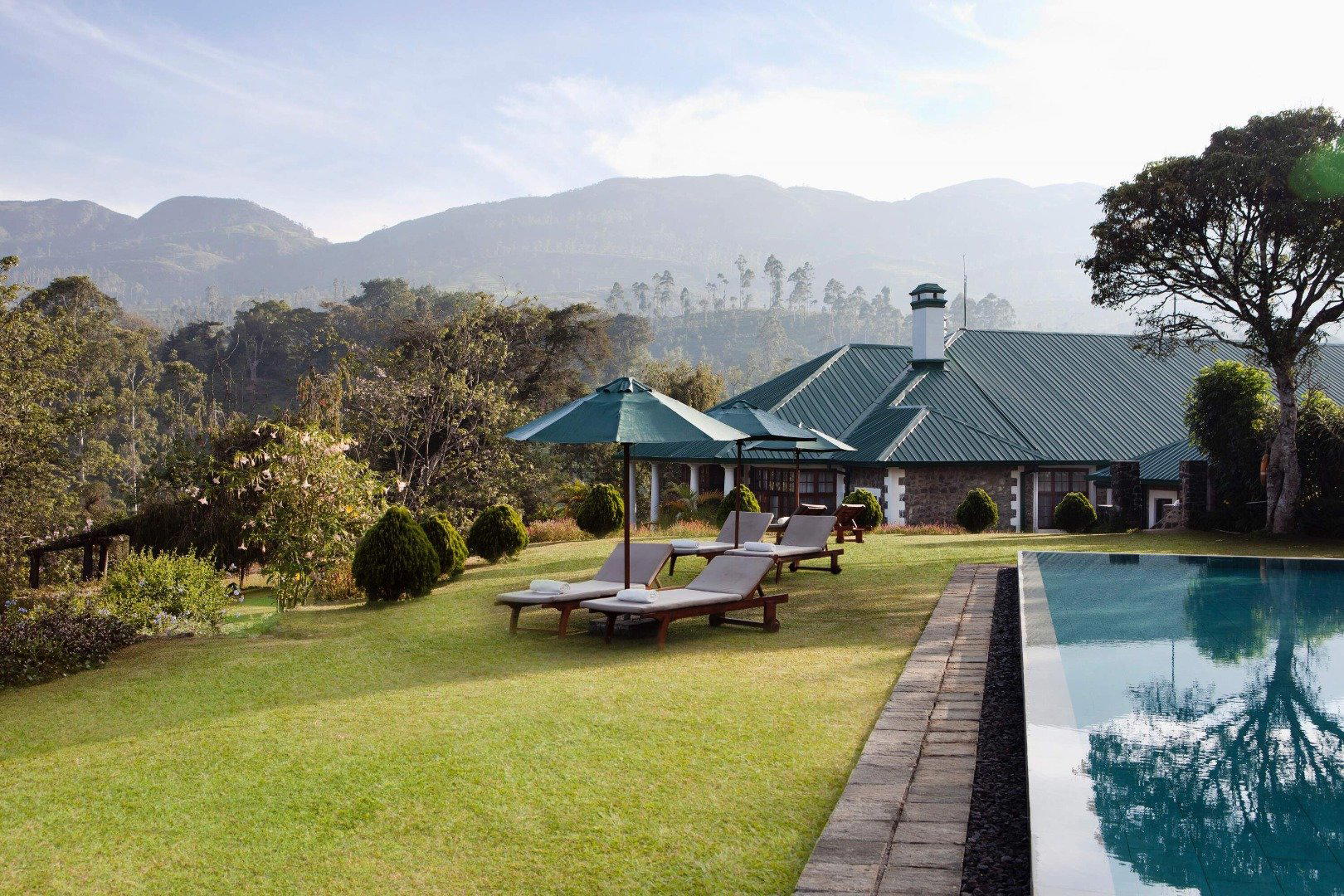
The Bogawantalawa Valley sits at an elevation where the air carries a particular quality of cool dampness and the light arrives diffused through low cloud for much of the morning. Arriving at Norwood Bungalow, part of the Ceylon Tea Trails collection on Norwood Estate, the structure itself registers before anything else: a colonial-era planter's bungalow set against the geometry of tea terraces that run in parallel lines up the surrounding slopes. This is not a building designed to announce itself. It belongs to a tradition of British hill-station architecture that prioritised function and a certain austere comfort over display, and that restraint has aged into something that contemporary resort design rarely achieves by intention.
The bungalow format matters here in a way it would not at a purpose-built hotel. Colonial-era planter's bungalows were working houses, built close to the fields they oversaw, with verandahs oriented to catch the valley wind and rooms proportioned for the climate rather than for visual effect. Ceylon Tea Trails recognised, and preserved, that logic. The result is that guests inhabit a spatial narrative about how the hill country was worked and lived in, rather than a reconstruction of it. For Sri Lanka's broader accommodation scene, which splits between large resort footprints and smaller heritage conversions, properties in this category occupy a distinct position: they tie architectural character directly to the agricultural landscape around them in ways that neither coastal properties like Cape Weligama nor urban anchors like the Galle Face Hotel in Colombo can replicate.
The Tea Landscape as Architectural Extension
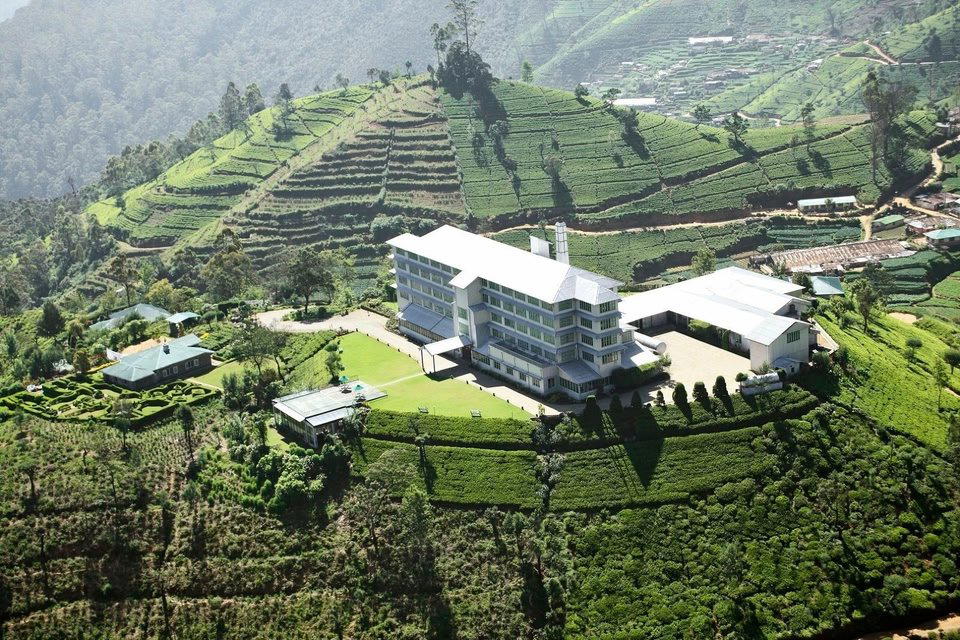
In most hotel categories, the grounds are a complement to the building. Here the relationship inverts. The Norwood Estate's working tea terraces are, effectively, the primary environment, and the bungalow reads as an insertion into that landscape rather than a focal point. This positions the property inside a subset of heritage hotels across Sri Lanka where the agricultural or ecological setting is the defining design element. Heritance Tea Factory in Kandapola occupies the same broad category, converting industrial tea-processing architecture into accommodation, though its scale and ownership model differ considerably from the intimate bungalow format that Tea Trails maintains. Nine Skies in Demodara works a similar hill-country register, though it arrives through a different architectural tradition.
What distinguishes the bungalow approach is the directness of the connection between where guests sleep and where tea is grown. The terraces are not ornamental; they are operational. That functional integrity gives the setting a credibility that purpose-built tea-themed resorts rarely achieve. La Liste's 2026 Leading Hotels recognition, where Norwood Bungalow scores 90 points, reflects an evaluation methodology that weights experiential coherence alongside physical plant, and properties of this character tend to score well precisely because the setting and the structure reinforce rather than contradict each other.
Inside a Planter's House: What the Format Delivers
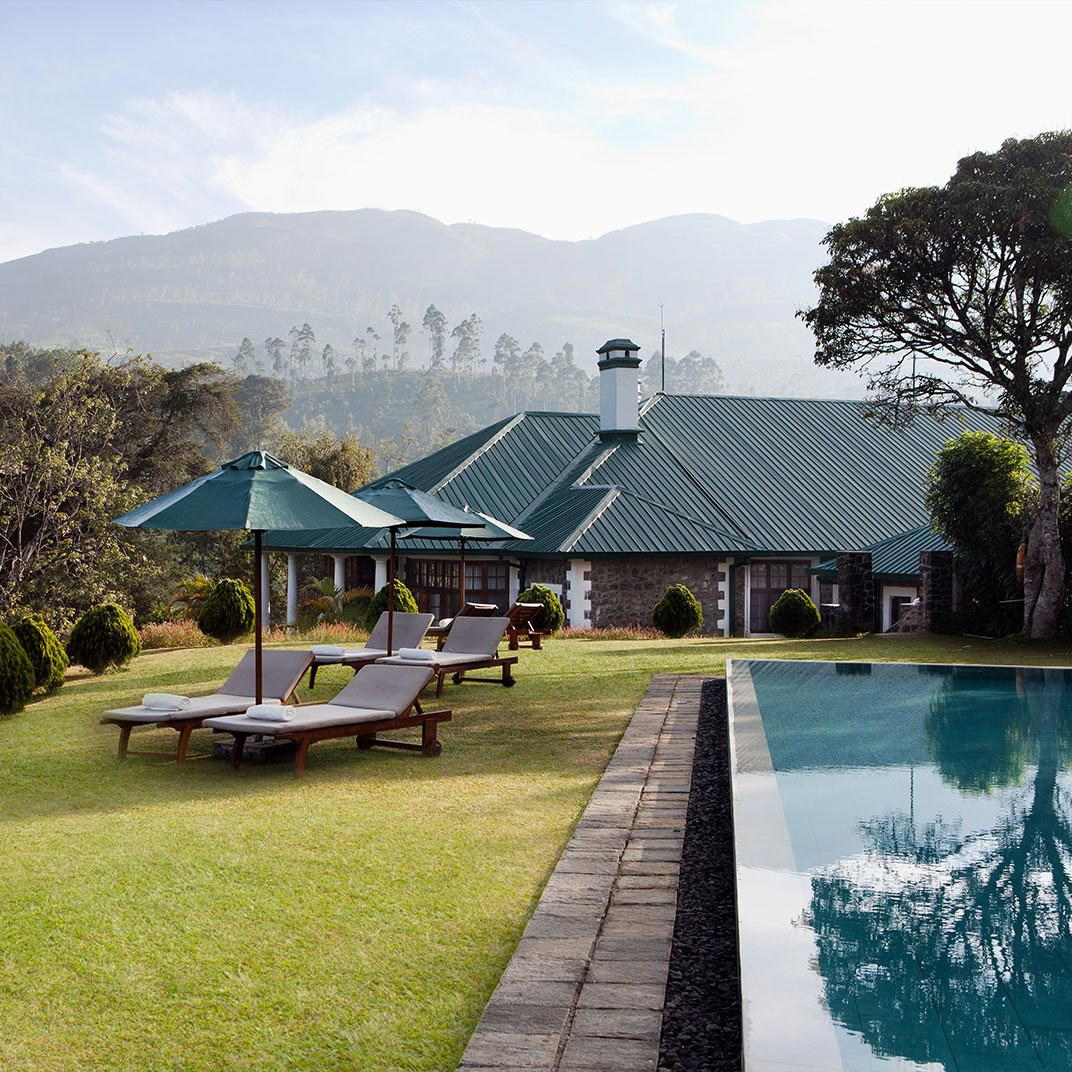
Planter's bungalows at this altitude were built to a recognisable template: deep verandahs to manage rainfall runoff and provide shaded outdoor living, pitched roofs to shed the weight of heavy monsoon precipitation, and interior rooms that tend toward the substantial rather than the elegant. The aesthetic is one of worn-in usefulness: timber floors, high ceilings, fireplaces that were necessary rather than decorative, and windows placed to frame the estate view. Ceylon Tea Trails has worked within that template rather than against it, which means guests at Norwood Bungalow are encountering a form of design conservation as much as hospitality.
This sits within a broader pattern visible across Sri Lanka's premium heritage sector. Properties like Amangalla in Galle, which converts a Dutch colonial guesthouse, and Water Garden Sigiriya, which builds around an archaeological and cultural context, both reflect a recognition that Sri Lanka's most architecturally serious properties tend to work with inherited structure rather than imposing contemporary form. The island's hospitality sector has, in this respect, developed a more sophisticated relationship with its built heritage than many comparable markets. Norwood Bungalow participates in that tradition with particular fidelity because the bungalow format is among the least altered of its type.
Hatton, Bogawantalawa, and the Central Highlands Context
Hatton functions as the gateway town for the Bogawantalawa valley and for much of the Dimbula tea-growing region. It is not a destination in the conventional sense: the town itself is a working hub serving the estate economy, and its character reflects that. Guests arriving at Norwood Bungalow typically pass through Hatton by road from Colombo, a journey that takes approximately five to six hours by car, or reach the area via train on the Kandy-to-Badulla line, which is among the most considered rail experiences in South Asia for its hill-country views. The train station at Hatton connects to the estate by road transfer.
The Bogawantalawa valley sits at an elevation that makes it cooler than Sri Lanka's coastal zones at any time of year. The dry season across the Central Highlands broadly runs from January through April, when cloud cover lightens and the estate views carry furthest. The inter-monsoon and monsoon periods bring atmospheric mist and heavier rainfall that alter the character of the setting without diminishing it. For guests oriented toward the architectural and landscape experience rather than guaranteed blue-sky conditions, the mist-season version of the bungalow carries its own logic. See our full Hatton guide for additional context on how to structure time in the region.
Properties at this elevation and format pair naturally with broader Sri Lanka itineraries that include the southern coast and the cultural triangle. Amanwella in Tangalle, Kumu Beach in Balapitiya, and Gal Oya Lodge represent different climate and landscape registers that complement rather than duplicate the hill-country experience. Further north, Taru Villas Maia in Habarana and Karpaha Sands on Kalkudah Beach add east-coast and dry-zone dimensions to any multi-week circuit.
Planning a Stay at Norwood Bungalow
Properties operating the bungalow format, with limited room counts by definition, run at high occupancy during the dry season and around Sri Lankan and international school holiday periods. At a property with La Liste Leading Hotels recognition at 90 points, availability in peak months moves significantly faster than at properties without equivalent award visibility. The practical implication is that January-to-April stays require advance planning measured in months rather than weeks, particularly for guests coordinating multi-property itineraries across Sri Lanka. Those building itineraries around the island's luxury tier, whether through coastal properties like Kahanda Kanda Galle or wildlife lodges like Wild Coast Tented Lodge in Yala, should anchor Norwood Bungalow early in the planning sequence given the format's capacity constraints.
Booking is leading handled through the Ceylon Tea Trails reservation system directly, or through a specialist Sri Lanka travel operator with existing allocation access. Neither pricing nor availability is published in real time through standard online travel aggregators at the time of writing, which is itself a signal about the property's market positioning: it operates closer to an allocation model than a yield-managed inventory model, which reflects the bungalow format's inherent capacity limits rather than deliberate scarcity management.
Quick Comparison
Comparable venues nearby, for context on price, style, and recognition.
| Venue | Cuisine | Price | Awards | Notes |
|---|---|---|---|---|
| Ceylon Tea Trails - Norwood BungalowThis venue — the venue you are viewing | colonial tea planter's bungalow | Not listed | La Liste Top Hotels | Not listed |
| Uga Halloowella | restored colonial heritage retreat | Not listed | Town & Country Hotel Awards · National Geographic Hotel Awards Runner-up | Hatton |
| The Postcard Galle, Sri Lanka | Tropical modern luxury boutique resort with colonial architectural influences and contemporary design elements, emphasizing personalized hospitality and intimate scale. | $300–500 | World Travel Awards | Gintota, Galle |
| Kahanda Kanda Galle | Contemporary boutique hotel set within a working tea plantation, blending modern luxury with Sri Lankan colonial heritage and natural landscape integration. | $300–500 | La Liste Top Hotels | Angulugaha, Galle District |
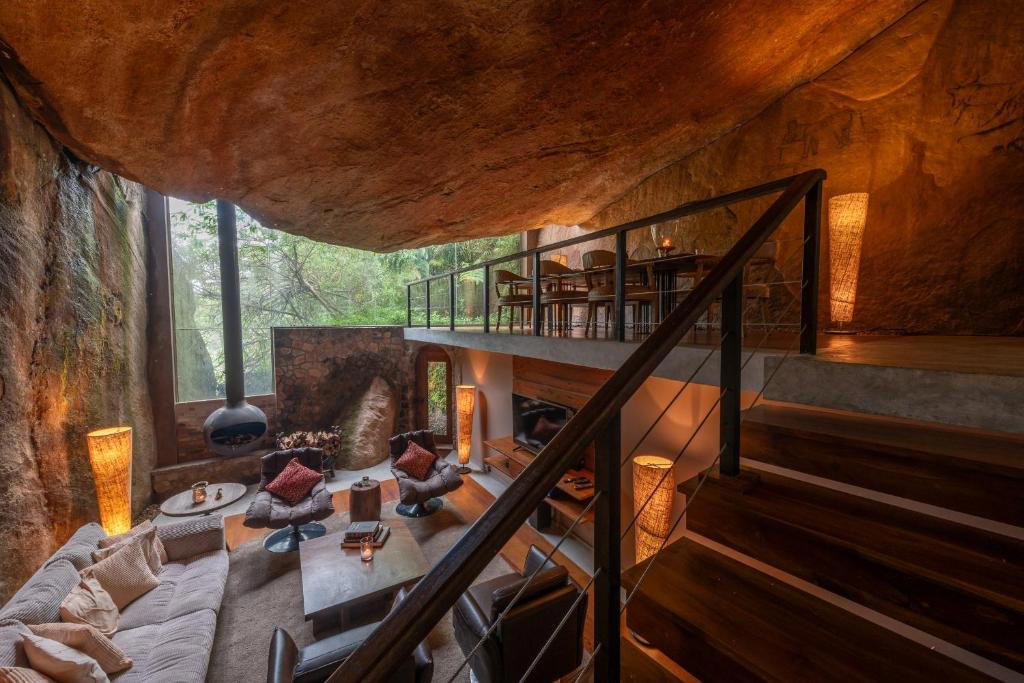
| The Cavern | luxury cave villa in tropical forest | Not listed | World Travel Awards | Agrapatana |
| Wattura Resort and Spa | Upscale boutique beach resort blending Sri Lankan heritage with modern luxury. | $300–500 | Michelin Selected | Waikkal |
Recognition history
Dated appearances from independent guides and award organizations, with the underlying list record or original source where available.
La Liste Top Hotels
La Liste
Details
- Romantic
- Quiet
- Elegant
- Scenic
- Intimate
- Sophisticated
- Classic
- Honeymoon
- Romantic Getaway
- Anniversary
- Wellness Retreat
- Weekend Escape
- Panoramic View
- Private Villa
- Historic Building
- Garden
- Terrace
- Infinity Pool
- Pool
- Spa
- Room Service
- Concierge
- Mountain
- Garden
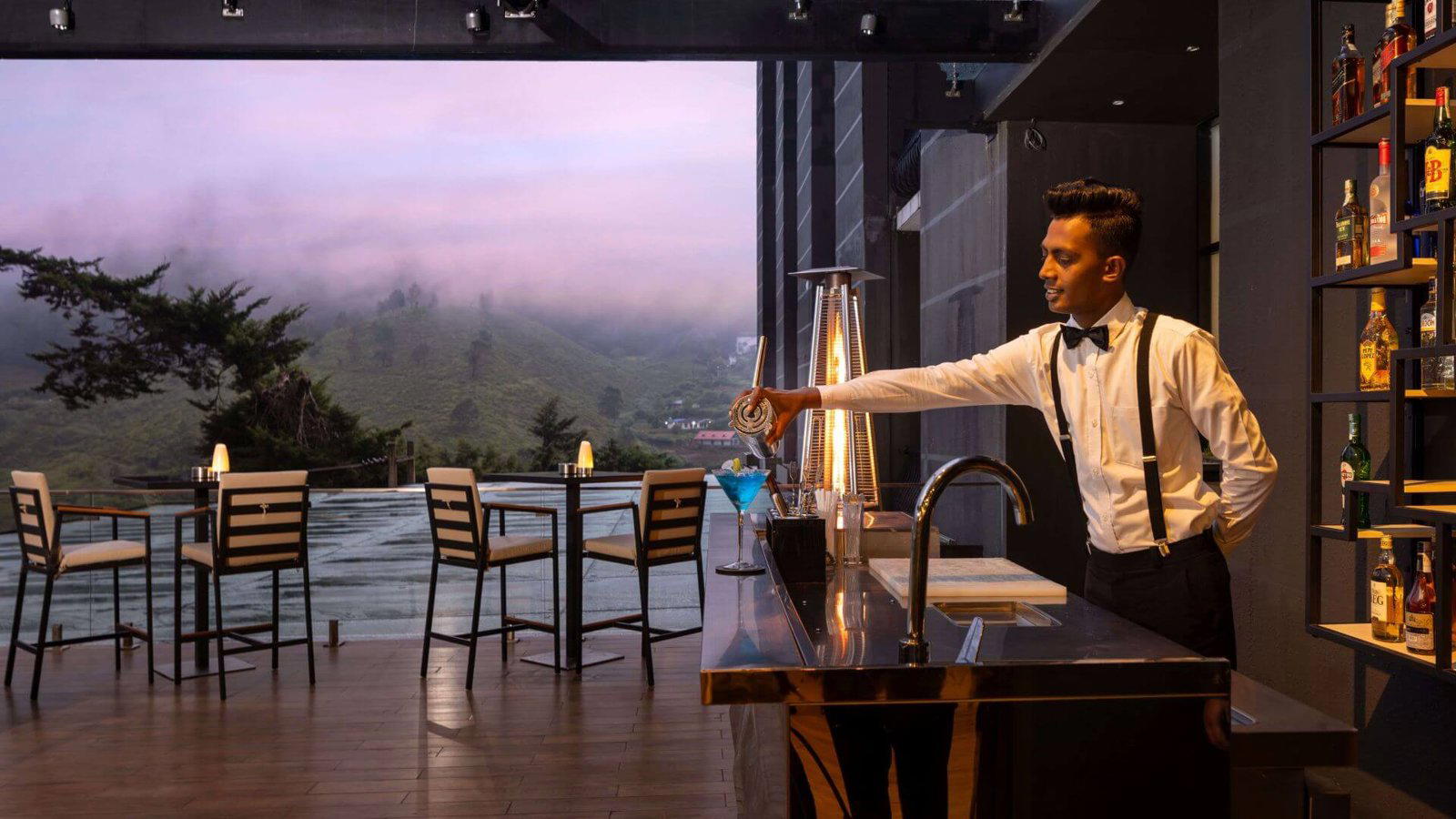
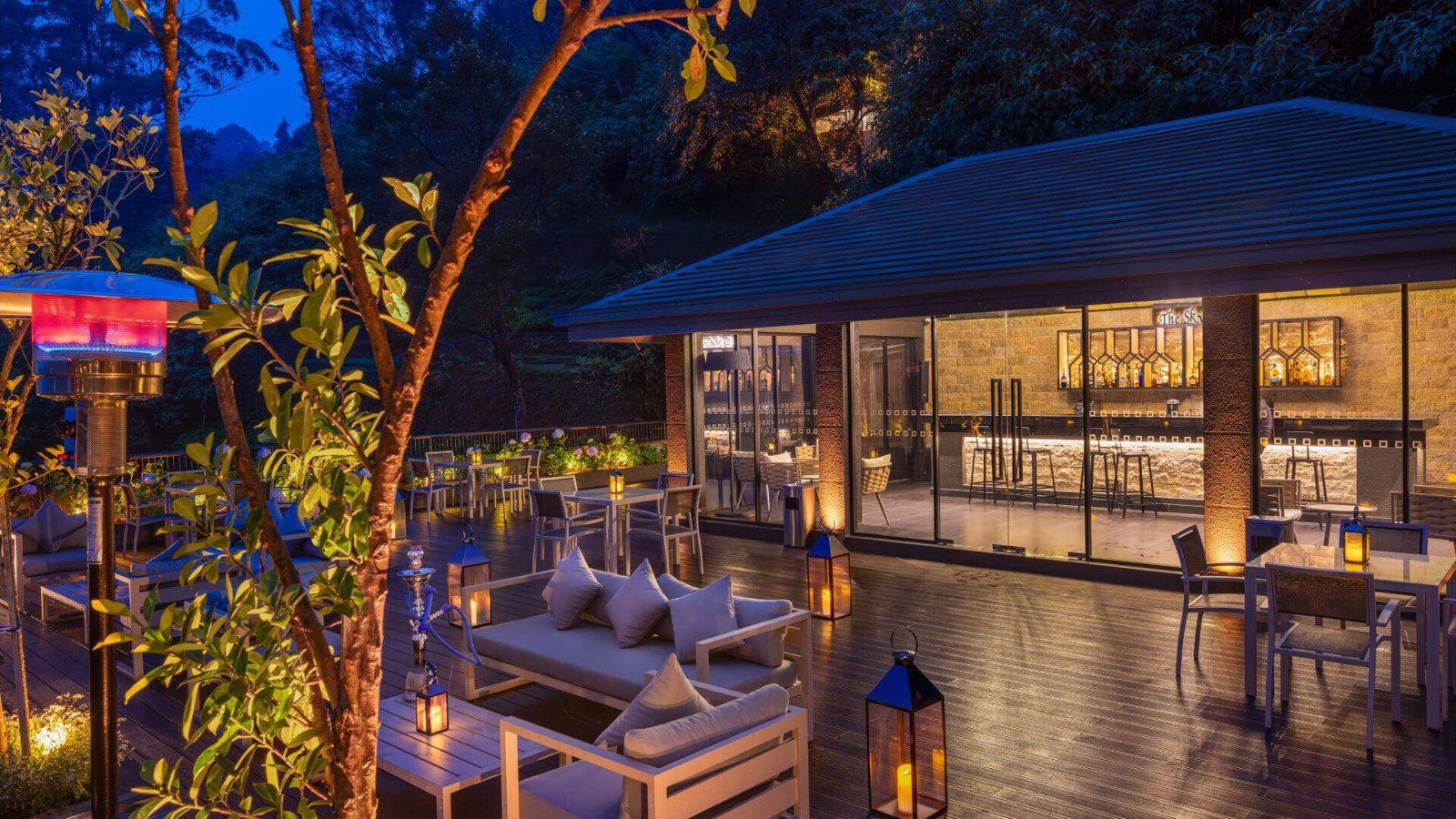
Relaxed and serene colonial luxury with beautiful gardens, expansive lawns, and panoramic valley views, enhanced by discreet attentive service and peaceful surroundings.