LENSCAPE Coterie sits in Porto’s design-led hotel conversation, where the city’s hospitality has shifted from grand heritage addresses toward smaller, spatially assertive stays.
Pearl is the En Primeur Club membership app — saves, bookings, and concierge access live there. Same editors, same standards.
- Address
- Porto, Portugal
- Directions
- Get directions
 Saves & bookings on Pearl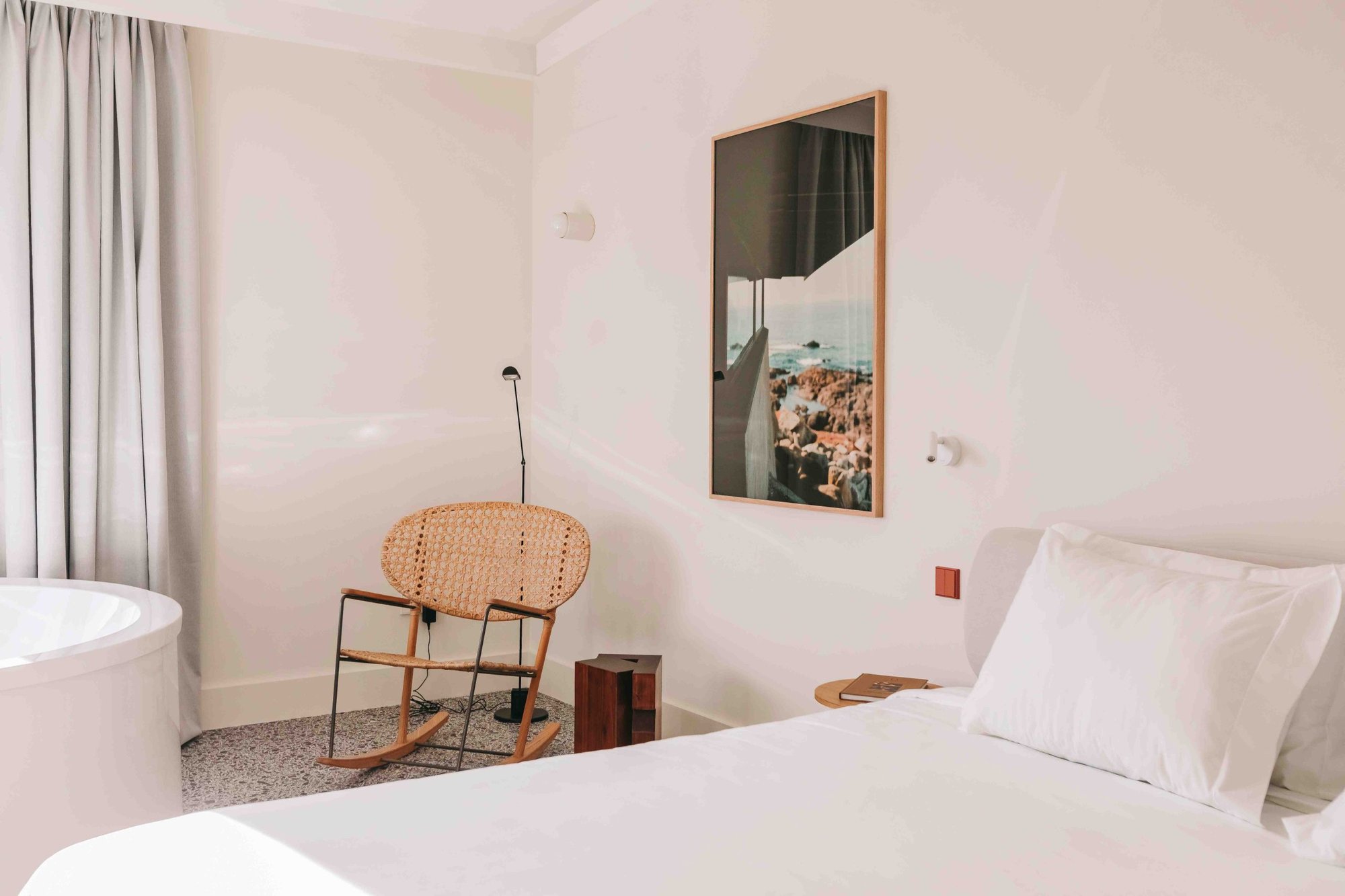
Porto hospitality is being redrawn through buildings, not slogans
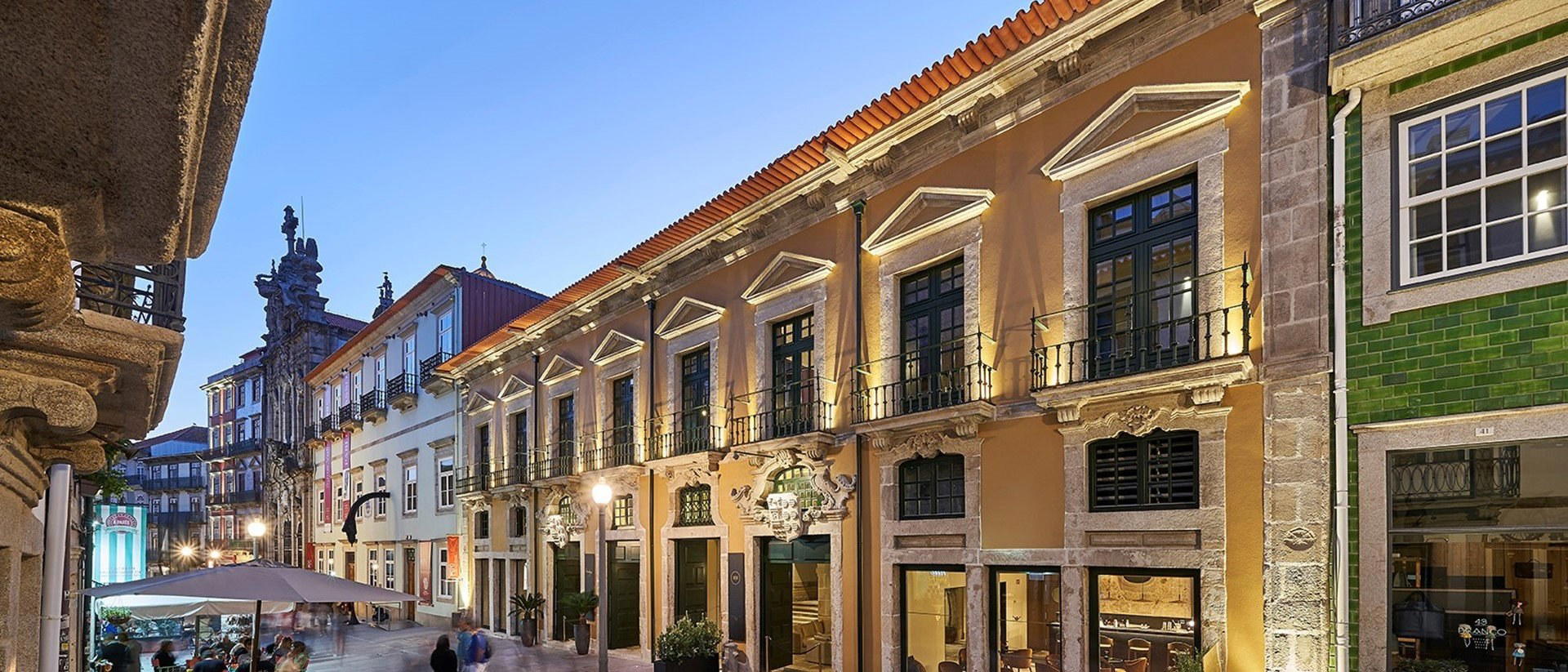
Approach a Porto hotel with design in mind and the city starts speaking before the lobby does. Granite facades, tiled elevations, narrow plots, steep streets, river light, and the pressure of old commercial buildings all shape the guest experience before service enters the frame. LENSCAPE Coterie belongs in that conversation because Porto’s hotel scene is no longer split only between classic grande-dame addresses and practical city stays. A sharper tier has emerged around architecture, adaptive reuse, residential scale, and a quieter sense of place.
That context matters more than any single amenity claim. Porto is a city where hospitality often inherits difficult buildings: townhouses with vertical circulation, former warehouses near the river, palacetes with heritage constraints, and compact urban footprints that resist the resort logic found elsewhere in Portugal. A hotel here has to decide whether it wants to dramatize the past, soften it, or strip it back. In that decision, design becomes the main editorial signal.
For travellers comparing Porto stays, the useful question is not whether a property has more features on paper. It is whether its spatial identity matches the trip. River-facing houses such as 1872 River House trade on proximity to the Douro and the intimacy of old-Porto room layouts. Design-forward city properties such as Casa do Conto make architecture part of the reason to stay. Central polished addresses including Casa da Companhia appeal to travellers who want historic texture with more conventional hotel rhythm.
The design question in Porto: restoration, restraint, or theatre
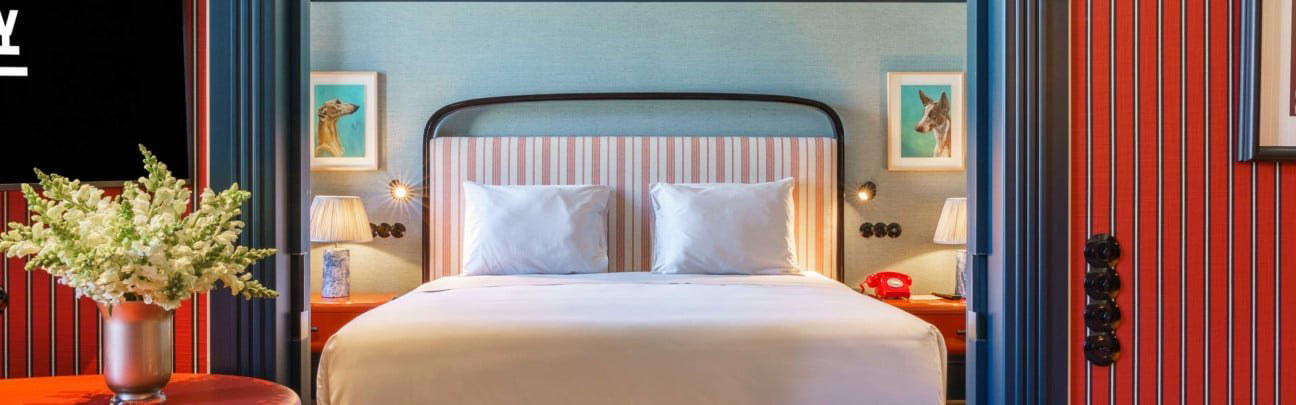
Porto’s strongest hotel openings tend to reveal a position on the city’s built fabric. Some preserve decorative history and lean into ornament. Others use concrete, timber, light wells, and pared-back rooms to make the architecture feel contemporary without erasing the building’s age. A third group turns the stay into visual theatre, using scale, colour, and object-heavy interiors to create a memorable sequence for guests who read hotels through photography as much as sleep quality.
That absence should not be filled with invented detail. It does, however, place emphasis on how a reader should evaluate it before booking: look for plans, room photography, floor layouts, daylight, bathroom configuration, and circulation. In Porto, those details are not minor. A room facing a narrow street can feel intimate or compressed depending on ceiling height and window proportion. A restored staircase can be atmospheric, but luggage movement matters. A central location can mean quick access to restaurants and bars, but also late-night street sound. Design hotels in older Portuguese cities demand this kind of scrutiny.
The comparison pool is broad. Exmo Hotel by Olivia sits in the city-centre boutique discussion, while Canto de Luz appeals to travellers interested in smaller-scale urban hospitality. Hospes Infante Sagres Porto represents a more established luxury-hotel language, where heritage, service structure, and public-room formality carry the experience. GA Palace Hotel & SPA pulls the decision toward amenity depth. Altis Porto Hotel gives another reference point for travellers weighing Porto against larger Portuguese hotel groups.
How LENSCAPE Coterie fits the city's hotel map
Porto rewards travellers who choose their base by daily rhythm rather than by a generic luxury hierarchy. Ribeira and the riverfront suit first-time stays focused on postcard views, Douro crossings, and short walks to wine lodges across the water in Vila Nova de Gaia. Baixa and Aliados suit restaurant-led itineraries, railway access, shopping streets, and a denser evening circuit. Cedofeita and arts-adjacent quarters shift the mood toward galleries, independent cafés, and less ceremonial nights. Foz, by contrast, pulls the stay toward the Atlantic and longer transfers into the old centre.
That makes pre-booking location checks essential. Porto looks compact on a map, but its gradients affect the day. A ten-minute walk can be a steep climb. Taxi and ride-hail trips are often simple, yet peak visitor periods, riverfront congestion, and wet winter evenings change the calculation. For a hotel whose appeal sit in the design-led category, the address should be judged with the same seriousness as the interiors: a beautiful room in the wrong daily circuit can produce a weaker trip than a plainer room in the right pocket.
Travellers building a fuller Porto itinerary should cross-check lodging against dining and drinking plans. The city has moved beyond the old shorthand of francesinha, port lodges, and tiled churches, though those remain part of the frame. Contemporary Portuguese cooking, wine bars with serious Douro lists, and cocktail rooms have broadened the evening map. EP Club’s Our full Porto restaurants guide, Our full Porto bars guide, Our full Porto wineries guide, and Our full Porto experiences guide are more useful when read before selecting a hotel, not after. The hotel should support the itinerary, rather than force every night into a transfer.
What the lack of published hotel data means for the traveller
Sparse verified data is itself an editorial signal. In hotel criticism, that does not mean the property lacks merit. It means the assessment must stay within what can be supported. A reader should not infer Michelin-level dining, spa facilities, suite categories, concierge depth, or formal service standards without confirmation from the property or a reliable booking channel.
This matters because Porto’s premium market contains several different kinds of luxury. Some properties charge for heritage architecture and staff-to-guest ratio. Others charge for location, view, or a spa component. Smaller design-led hotels may offer a more personal spatial experience while operating with fewer facilities than a larger address. A nightly rate only makes sense when compared with what is actually included: breakfast format, room size, access, cancellation terms, service hours, parking, lift access, and whether the public spaces are places to linger or merely pass through.
For LENSCAPE Coterie, the prudent approach is to treat the rate as a design-and-location proposition until stronger public detail is available. If the price aligns with Porto’s boutique tier, the decision turns on room photography, plan clarity, neighbourhood fit, and booking flexibility. If the price moves into the city’s higher luxury bracket, the burden of proof rises: travellers should expect clearer evidence of service depth, facilities, and guest-room quality. This is not caution for its own sake. Porto has enough strong alternatives that a hotel must earn its place through specifics.
Comparing Porto with the wider Portuguese hotel field
Portugal’s luxury hotels are not a single market. The Algarve sells sunlight, golf, family infrastructure, and resort ease, with addresses such as Conrad Algarve in The Algarve operating in a different service economy from Porto’s compact urban hotels. Lisbon’s design-led stays, including Santa Clara 1728 in Lisbon, often frame themselves through townhouse restoration, capital-city dining access, and a broader international audience. The Douro and northern countryside pull toward vineyard landscapes and slower itineraries, with Ventozelo Hotel & Quinta in Ervedosa Do Douro and Vidago Palace in Norte showing how dramatically the terms change outside the city.
That wider map helps clarify Porto’s appeal. The city is dense, walkable in parts, architecturally layered, and increasingly confident as a short-stay cultural base. Its hotels have to do more with less space. They cannot depend on sweeping grounds or beach infrastructure. Instead, the strong ones use proportion, material, neighbourhood access, and an intelligent public-private balance. Smaller northern and central Portuguese properties such as Hotel Casa Palmela in Setubal, MS Collection Aveiro - Palacete Valdemouro in Aveiro, The Lince Braga in Braga, and Carmo's Boutique Hotel in Ponte de Lima each occupy different versions of Portuguese hospitality: palace, regional city, countryside, and resort-adjacent comfort. Porto’s design hotels sit closer to the urban cultural model than to the retreat model.
International comparisons sharpen the point. The Fifth Avenue Hotel in New York City belongs to a high-drama metropolitan category where maximal interiors and service theatre can support high rates. Hôtel de Paris Monte-Carlo in Monte Carlo operates inside a grand European palace tradition tied to casino-era glamour and formal public rooms. Badrutt's Palace Hotel in St. Moritz is bound to alpine seasonality and legacy resort culture. Porto’s smaller design-led properties do not need to mimic those models. Their strength lies in scale, architectural friction, and access to a city that still feels lived in.
Planning a stay around LENSCAPE Coterie
Before committing to LENSCAPE Coterie, confirm the official booking channel, cancellation policy, arrival procedure, lift access, breakfast arrangement, and the exact neighbourhood. If travelling with heavy luggage, mobility needs, or a car, ask about access before assuming Porto’s historic fabric will cooperate. If the trip is built around restaurants, book those first and then test the hotel location against late-night returns.
Season matters. Spring and autumn suit Porto’s walking rhythm, with milder weather and strong demand around holidays and major events. Summer brings longer days and heavier visitor pressure in the old centre. Winter can be atmospheric, but rain and steep pavements change how far guests want to walk after dinner. A design-led hotel can be a pleasure in poor weather if the room and public spaces have enough comfort; it can feel confining if the room is small and the common areas are limited. That is why room category matters more in Porto than in many resort destinations.
For readers comparing options, start with Our full Porto hotels guide and sort by trip type. Choose river proximity for a first short stay, Baixa access for food and nightlife, a quieter arts-side location for repeat visits, and a larger amenity hotel when spa, parking, or formal service matters. LENSCAPE Coterie is worth consideration for travellers who place architecture and spatial identity near the centre of the decision.
Reader questions
How would you describe the overall feel of LENSCAPE Coterie?
Based on the available record, the safest description is design-led and Porto-specific rather than formally classified.
What is LENSCAPE Coterie in the Porto hotel scene?
It reads as part of Porto’s smaller, design-aware hotel conversation, where building character and neighbourhood fit matter as much as conventional luxury markers. There is no verified cuisine, chef, or awards data attached to the property in the current record.
What's the standout thing about LENSCAPE Coterie?
The editorial interest lies in its fit within Porto’s architecture-led hospitality tier. Without confirmed rates, awards, or facilities, the standout factor to evaluate is the physical proposition: room design, building character, daylight, and how the location supports the trip.
Do I need a reservation for LENSCAPE Coterie?
Hotel stays should be confirmed in advance, especially in Porto’s busier spring, summer, and autumn periods.
What room category do guests prefer at LENSCAPE Coterie?
Choose the room category only after checking floor area, outlook, bathroom layout, and lift access.
What's the one thing you'd tell a first-timer at LENSCAPE Coterie?
Confirm the exact address before judging the hotel.
Is LENSCAPE Coterie worth the nightly rate?
That depends on the confirmed rate and what is included.
In Context
Comparable venues nearby, for context on price, style, and recognition.
| Venue | Price | Awards | Notes |
|---|---|---|---|
| LENSCAPE CoterieThis venue — the venue you are viewing | $$$$ | 5-Star | Not listed |
| Palacete Severo | $$$$ | 5-Star | Cedofeita, Restored early 20th-century mansion blending noble architectural heritage with contemporary design. |
| Pestana Douro Riverside Porto Premium Hotel | $$$$ | 5-Star | Campanhã, Heritage conversion of a historic 1888 factory transformed into a contemporary luxury hotel with floral-themed floors and modern amenities. |
| Torel Saboaria | $$$$ | 5-Star | Santo Ildefonso, Restored historic soap factory blended with modern luxury |
| One Shot Palácio Cedofeita | $$$$ | 5-Star | Cedofeita, Historic palace with modern boutique enhancements |
| Pestana Vintage Porto | $$$$ | 5-Star | S Nicolau, Historic boutique hotel in UNESCO World Heritage buildings |
Continue exploring
More in Porto
Hotels in Porto
Browse all →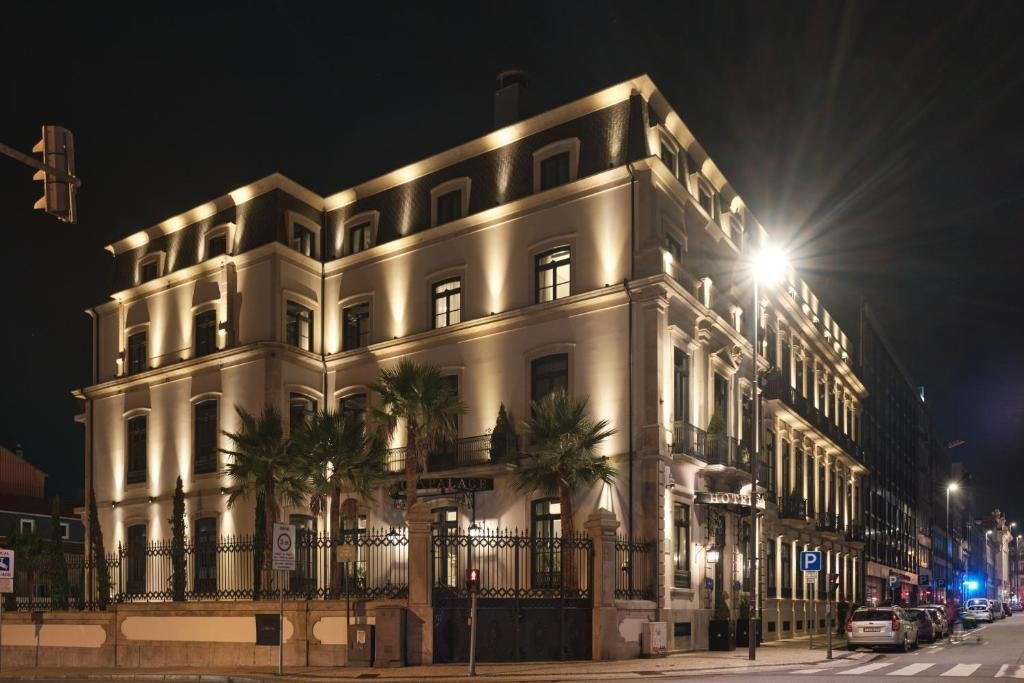
Bars in Porto
Browse all →
Restaurants in Porto
Browse all →
At a Glance
- Elegant
- Sophisticated
- Modern
- Intimate
- Scenic
- Romantic Getaway
- Weekend Escape
- Anniversary
- Business Trip
- Celebration
- Garden
- Design Destination
- Historic Building
- Terrace
- Wi Fi
- Pool
- Spa
- Fitness Center
- Room Service
- Concierge
- Business Center
- Garden
- Street Scene
- Wi Fi
- Pool
- Spa
- Fitness Center
- Room Service
- Concierge
- Business Center
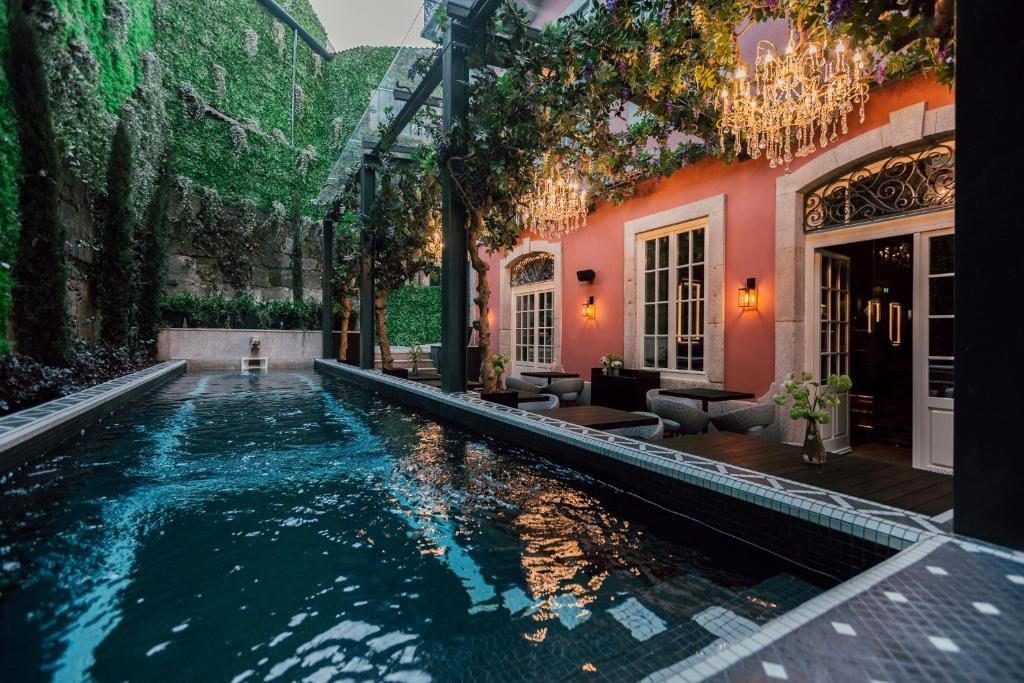
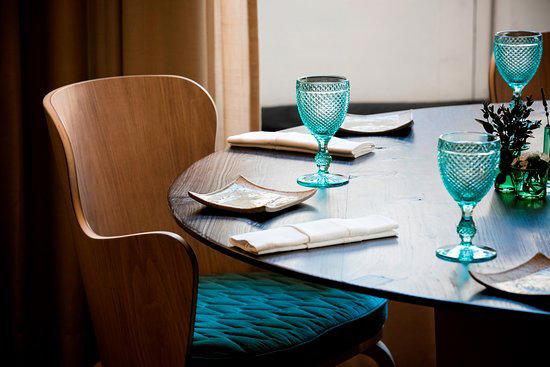
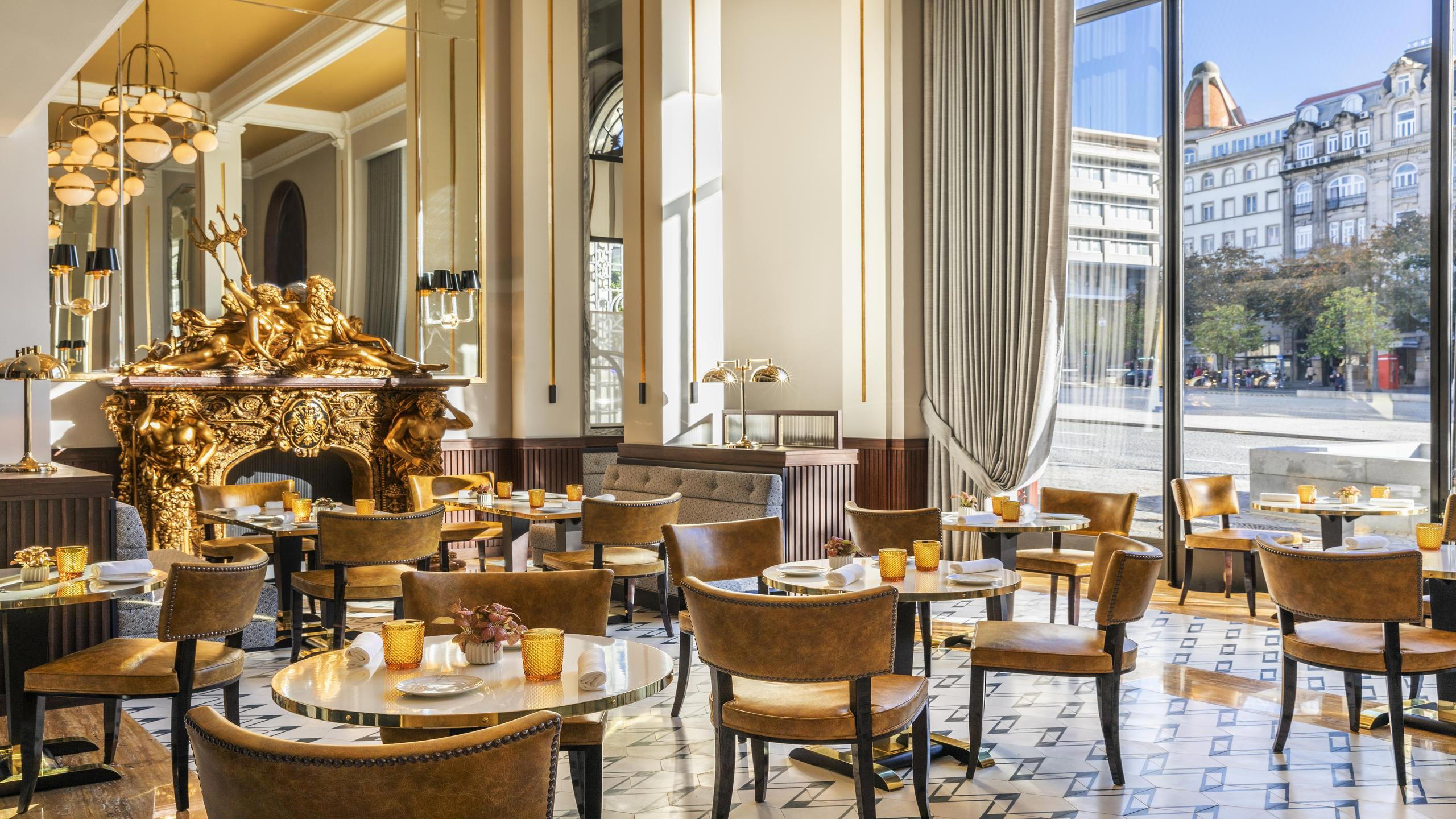
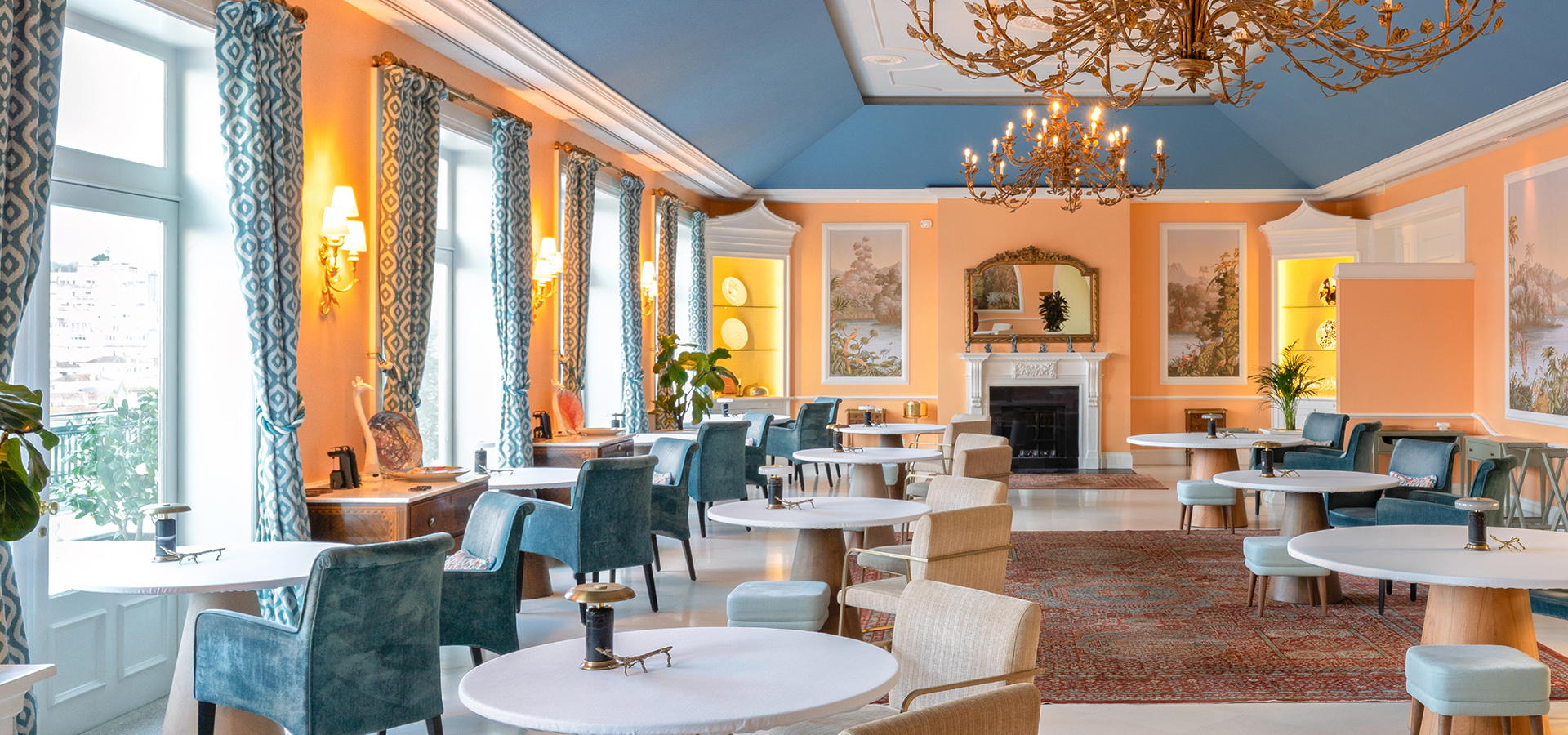
Calm and design-forward with a strong photographic narrative, combining soft natural light, curated artwork, and an intimate urban garden and pool to create a sophisticated yet relaxed retreat in the historic center.