
Occupying a riverside position along the Douro in Porto's eastern residential belt, the Pestana Douro Riverside Porto Premium Hotel delivers 165 rooms across a property calibrated for the mid-to-upper tier of the city's hotel market. Its scale places it in a different competitive bracket from Porto's boutique design hotels, offering volume alongside river orientation that smaller properties cannot match.
Pearl is the En Primeur Club membership app — saves, bookings, and concierge access live there. Same editors, same standards.
- Address
- Av. Escritor Costa Barreto 60, 4420-445 Porto
- Website
- pestana.com
- Directions
- Get directions
 Saves & bookings on Pearl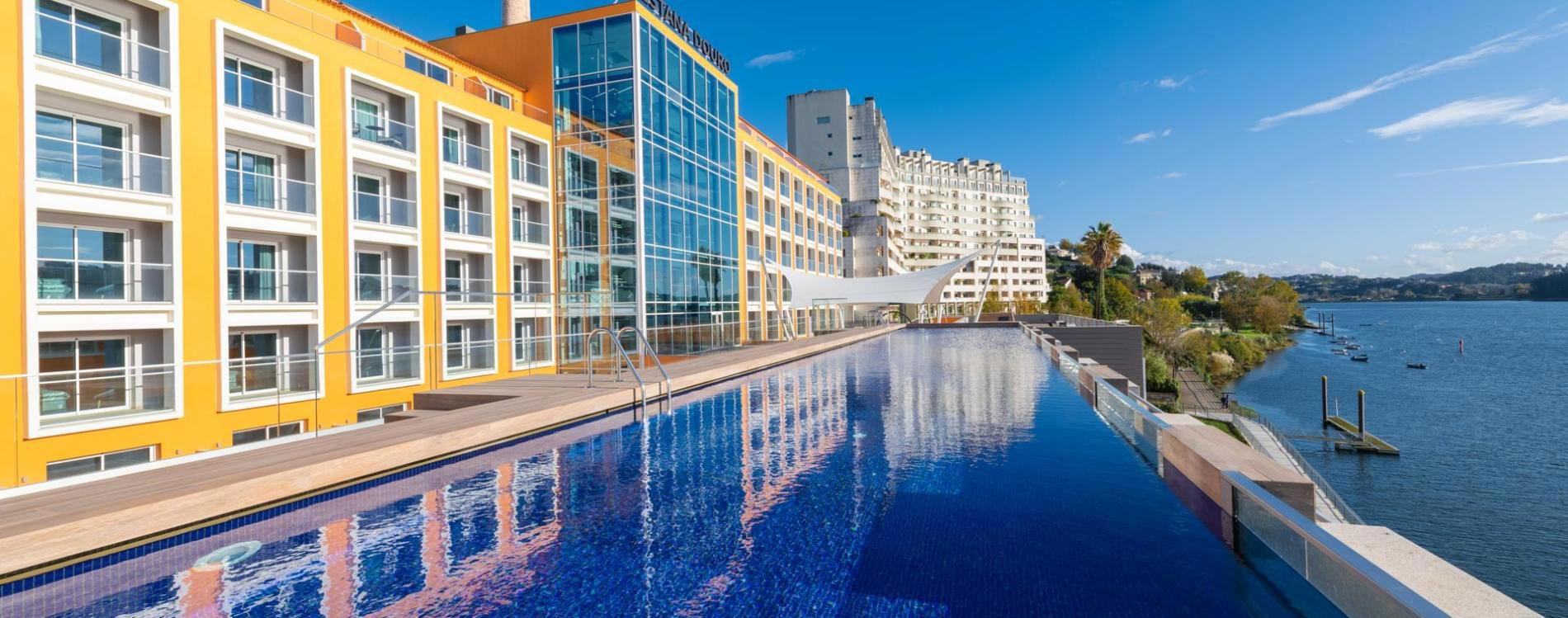
Where the Douro Does the Talking
Porto's relationship with the Douro is its defining geographical fact. The river organises the city's neighbourhoods, frames its most photographed vistas, and determines real estate value in ways that other Portuguese cities simply do not replicate. Properties that sit directly on its banks occupy a different category from those claiming proximity from three streets back. At Av. Escritor Costa Barreto 60, the Pestana Douro Riverside Porto Premium Hotel is a five-star hotel with 165 rooms in Porto, at a riverside address in the quieter eastern arc of the waterfront.
This part of the waterfront differs meaningfully from the Ribeira district further west, where the concentration of wine lodges, tuk-tuks, and pastel-façade restaurants creates a scene that is simultaneously compelling and relentless. The eastern margins trade spectacle for a slower cadence. It is the kind of location that makes more sense on day two than day one, when the instinct to photograph everything has settled into an appetite for actually sitting by the river and watching the water move.
Scale, Rooms, and the Mid-to-Upper Tier
With 165 rooms, the Pestana Douro Riverside operates at a scale that places it above Porto's boutique cohort and inside the city's mid-to-large hotel bracket. For context, properties like Casa do Conto or M Maison Particulière Porto operate with far fewer keys, creating a fundamentally different intimacy-to-logistics ratio. At 165 rooms, operational consistency becomes the metric that matters: whether the breakfast service absorbs a full house, whether the bar remains functional on a Saturday night, whether the front desk handles check-in volume without the queue stretching into the lobby.
Porto's hotel market has expanded considerably over the past decade, with international flags, reconverted palaces, and design-led independents all competing for the same pool of travellers. Within that field, a 165-room property branded under the Pestana group signals a particular proposition: known infrastructure, group-scale amenities, and the operational depth that independent boutiques cannot always guarantee. Those choosing between the Pestana Douro Riverside and something like the InterContinental Porto Palacio das Cardosas are effectively choosing between river orientation and historic-centre positioning, two legitimate but distinct priorities.
Travellers who want the full Porto historic core on foot will find the Hospes Infante Sagres Porto, the Altis Porto Hotel, or the Maison Albar - Le Monumental Palace better calibrated for walkability to Clérigos, the Livraria Lello, and the São Bento station. The eastern riverside position of the Pestana Douro Riverside suits a different travel posture: one where the river itself is the destination rather than the backdrop to a sightseeing agenda.
The Food Argument Along the Douro
Porto's food culture has a pronounced sense of geography. The leading seafood tends to track toward the coast and the fishing-village restaurants of Matosinhos, reachable by Metro in under twenty minutes. The wine culture threads inland along the Douro Valley, where quintas like Ventozelo Hotel & Quinta and Q.ta da Corte sit within the Douro DOC, growing the Touriga Nacional and Tinta Roriz that define both the valley's table wines and its Port. A riverside hotel in Porto sits at the intersection of those two food traditions, with the valley's produce arriving downstream and the Atlantic's contribution arriving by road from the coast.
The question of where ingredients originate matters more in northern Portugal than in cities where supply chains are fully internationalised. Minho and Trás-os-Montes remain significant agricultural zones, producing green vegetables, cured meats, and the vinho verde that northern restaurant lists depend on. Douro wines at their better end carry appellation identity that has genuine meaning: the schist soils of the valley's terraced vineyards produce wines with a mineral tension that flatlands viticulture cannot replicate. Any hotel dining operation in Porto that engages seriously with regional sourcing has access to one of Portugal's most coherent food territories, from octopus to bacalhau to the sheep cheeses of Beira Alta.
For readers whose interest in the Douro extends upstream to the wine country itself, the journey from Porto by train or road is one of the more compelling half-day or day-trip options in Portugal. The Douro Valley - Casa Vale do Douro in Cambres represents the kind of immersive quinta stay that complements rather than replaces a Porto city base.
Porto in Comparative Context
Porto's premium hotel tier has diversified enough that travellers now face genuinely different propositions rather than variations on the same theme. The GA Palace Hotel & SPA and the One Shot Palácio Cedofeita represent the converted-heritage axis. Newer design-led properties push toward a more contemporary visual identity. The Pestana Douro Riverside occupies the brand-backed, amenity-complete position within that range, offering the kind of operational predictability that heritage independents sometimes sacrifice for atmosphere.
Elsewhere in Portugal, the hotel offer reflects similarly distinct regional identities. The Bela Vista Hotel & Spa in Praia da Rocha and the Anantara Vilamoura Algarve Resort in Quarteira anchor the southern coastal market, while the Bussaco Palace Hotel in Luso represents the country's forested interior luxury tradition. The Craveiral Farmhouse in São Teotônio and the Hospedaria da Pensão Agrícola in the Algarve hinterland point toward an agricultural-stay category with a fundamentally different rhythm from any city hotel. For Lisbon comparison, the Hotel Britania Art Deco illustrates how the capital's boutique offer diverges from Porto's in both aesthetic and price positioning.
Planning a Stay
The address at Av. Escritor Costa Barreto 60 places the property in the eastern riverside corridor of greater Porto, in Porto. Access to central Porto is practical by taxi or rideshare; the bridge infrastructure across the Douro means that the old town and Ribeira are within a reasonable journey time. For travellers building a longer Portugal itinerary, the hotel functions as a Porto base from which the Douro Valley and the coast are all day-trip distance. The Masana Algarve in Albufeira and the Villa Epicurea in Sesimbra represent logical southern extensions of an itinerary that begins in Porto. For those whose interest extends to international comparison points in the premium hotel tier, the Aman New York and The Fifth Avenue Hotel illustrate how the upper bracket performs in a different market context, while the Aman Venice offers the direct European waterfront analogue to the riverside positioning that the Pestana Douro Riverside pursues in Porto.
Cuisine Context
Comparable venues nearby, for context on price, style, and recognition.
| Venue | Cuisine | Price | Awards | Notes |
|---|---|---|---|---|
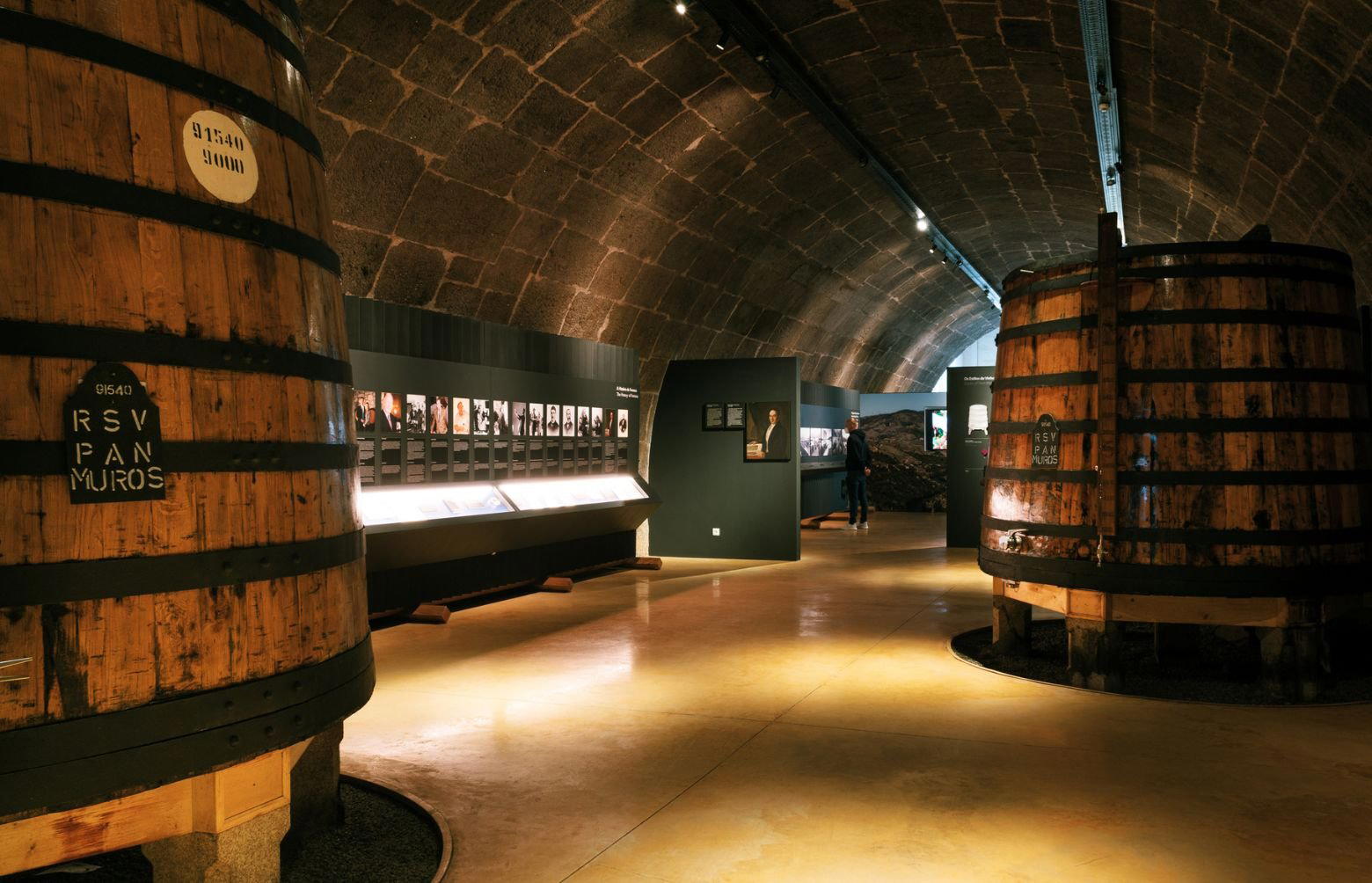
| Pestana Douro Riverside Porto Premium HotelThis venue — the venue you are viewing | Heritage conversion of a historic 1888 factory transformed into a contemporary luxury hotel with floral-themed floors and modern amenities. | $$$$ | 5-Star | Not listed |
| Pestana Vintage Porto | Historic boutique hotel in UNESCO World Heritage buildings | $$$$ | 5-Star | S Nicolau |
| The Rebello | Modern luxury in restored industrial heritage buildings | $$$$ | 5-Star | Vila Nova de Gaia |
| Pestana Porto A Brasileira | Historic city center heritage building with modern luxury | $$$$ | 5-Star | City Center |
| Torel Avantgarde | Avant-garde design hotel celebrating early 20th-century artistic movements with contemporary luxury | $$$$ | 5-Star | Ribeira |
| Pestana Douro Riverside | Urban resort in converted historic factory | $$$$ | 5-Star | Campanhã |
Recognition history
Dated appearances from independent guides and award organizations, with the underlying list record or original source where available.
Preferred Hotels Member
Preferred Hotels
Continue exploring
More in Porto
Hotels in Porto
Browse all →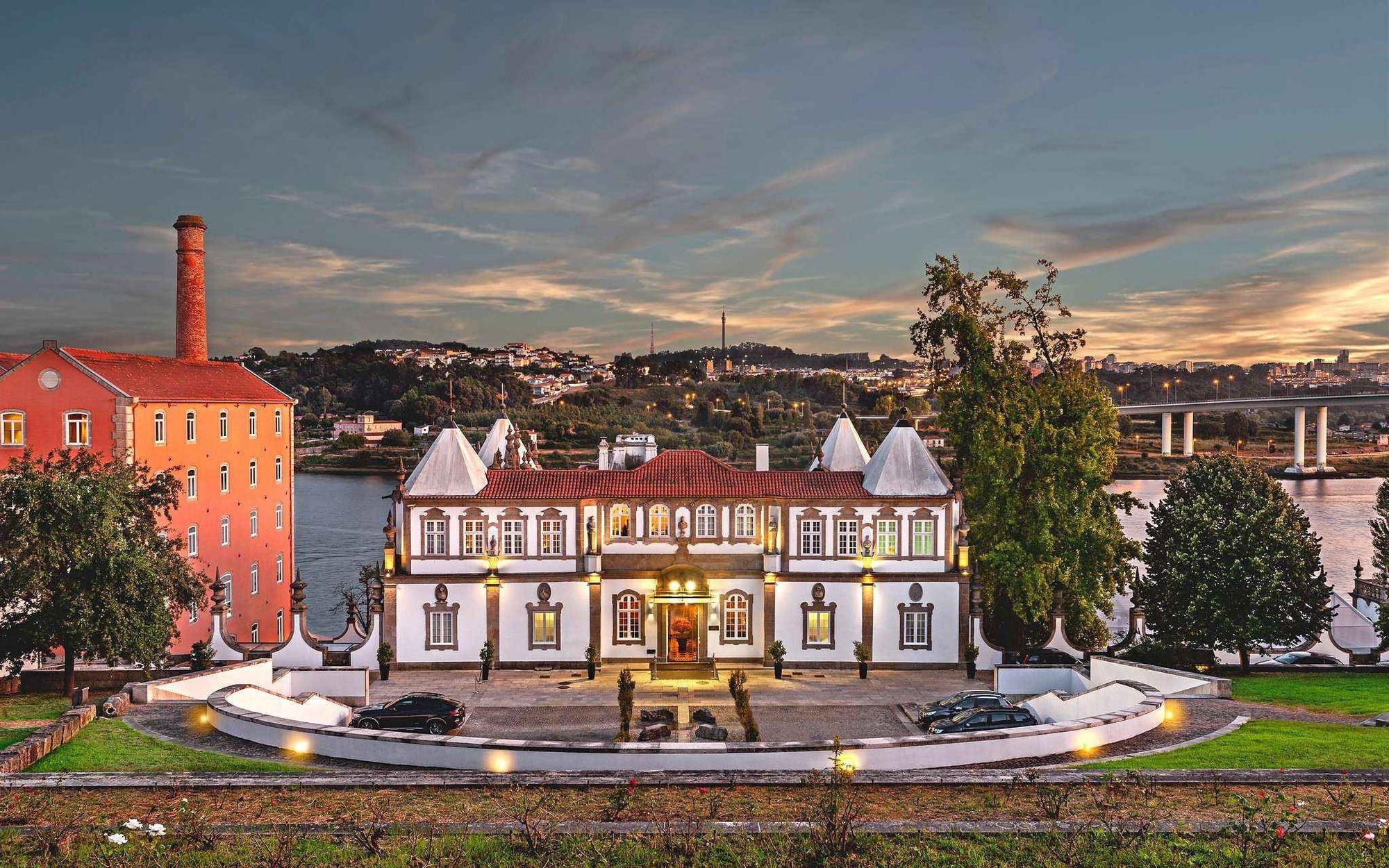
Bars in Porto
Browse all →
Restaurants in Porto
Browse all →
At a Glance
- Romantic
- Scenic
- Sophisticated
- Elegant
- Romantic Getaway
- Family Vacation
- Business Trip
- Anniversary
- Weekend Escape
- Infinity Pool
- Rooftop Pool
- Waterfront
- Historic Building
- Panoramic View
- Destination Spa
- Terrace
- Wi Fi
- Pool
- Spa
- Fitness Center
- Room Service
- Concierge
- Business Center
- Restaurant
- Bar
- Kids Club
- Indoor Pool
- Outdoor Pool
- Waterfront
- Wi Fi
- Pool
- Spa
- Fitness Center
- Room Service
- Concierge
- Business Center
- Restaurant
- Bar
- Kids Club
- Indoor Pool
- Outdoor Pool
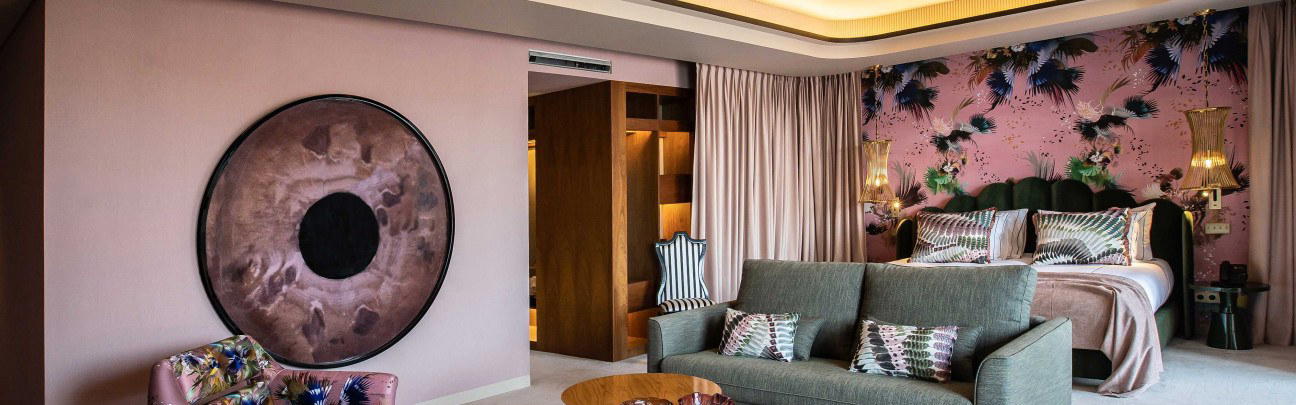
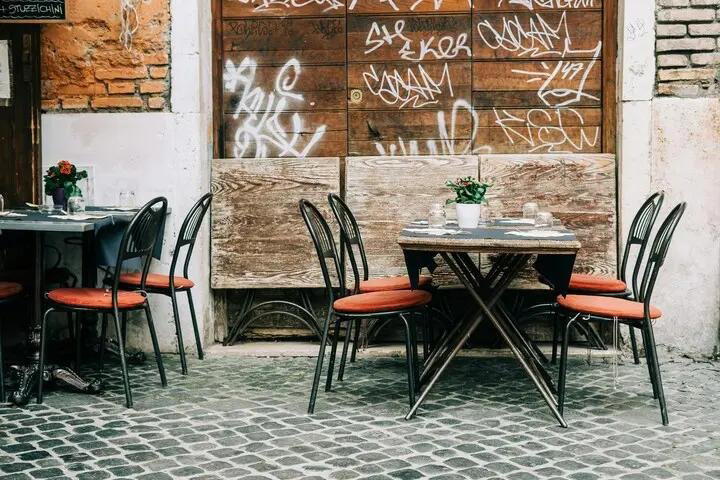
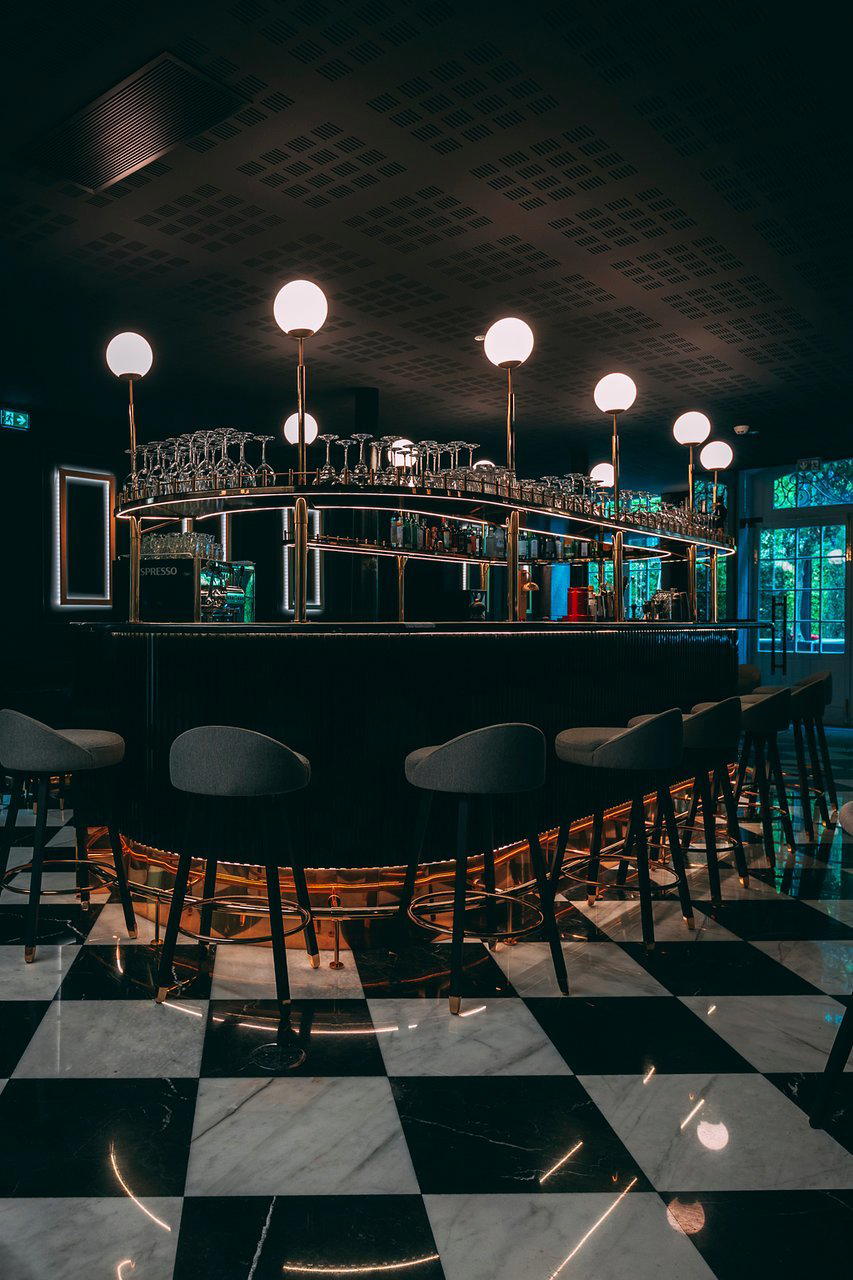
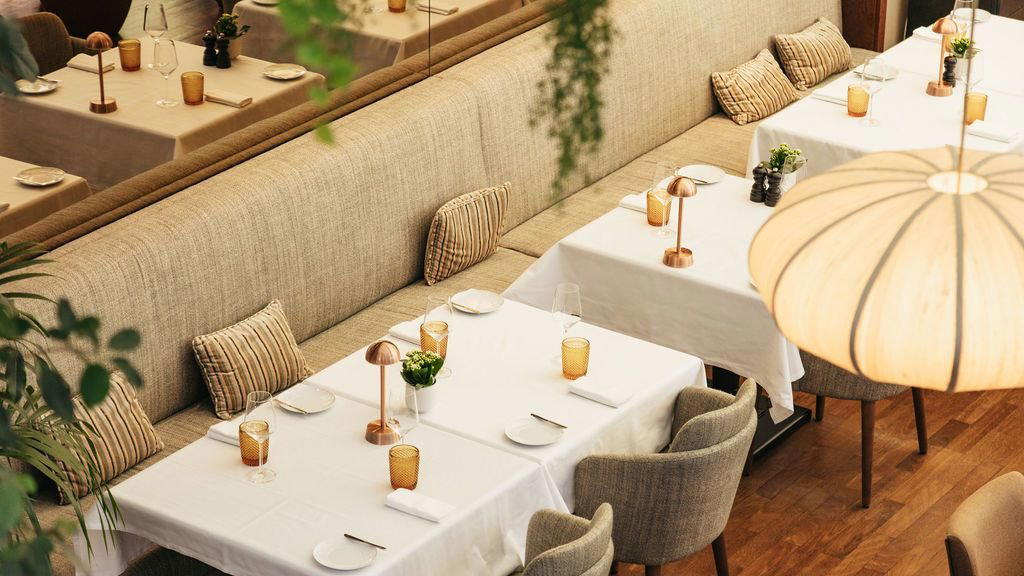
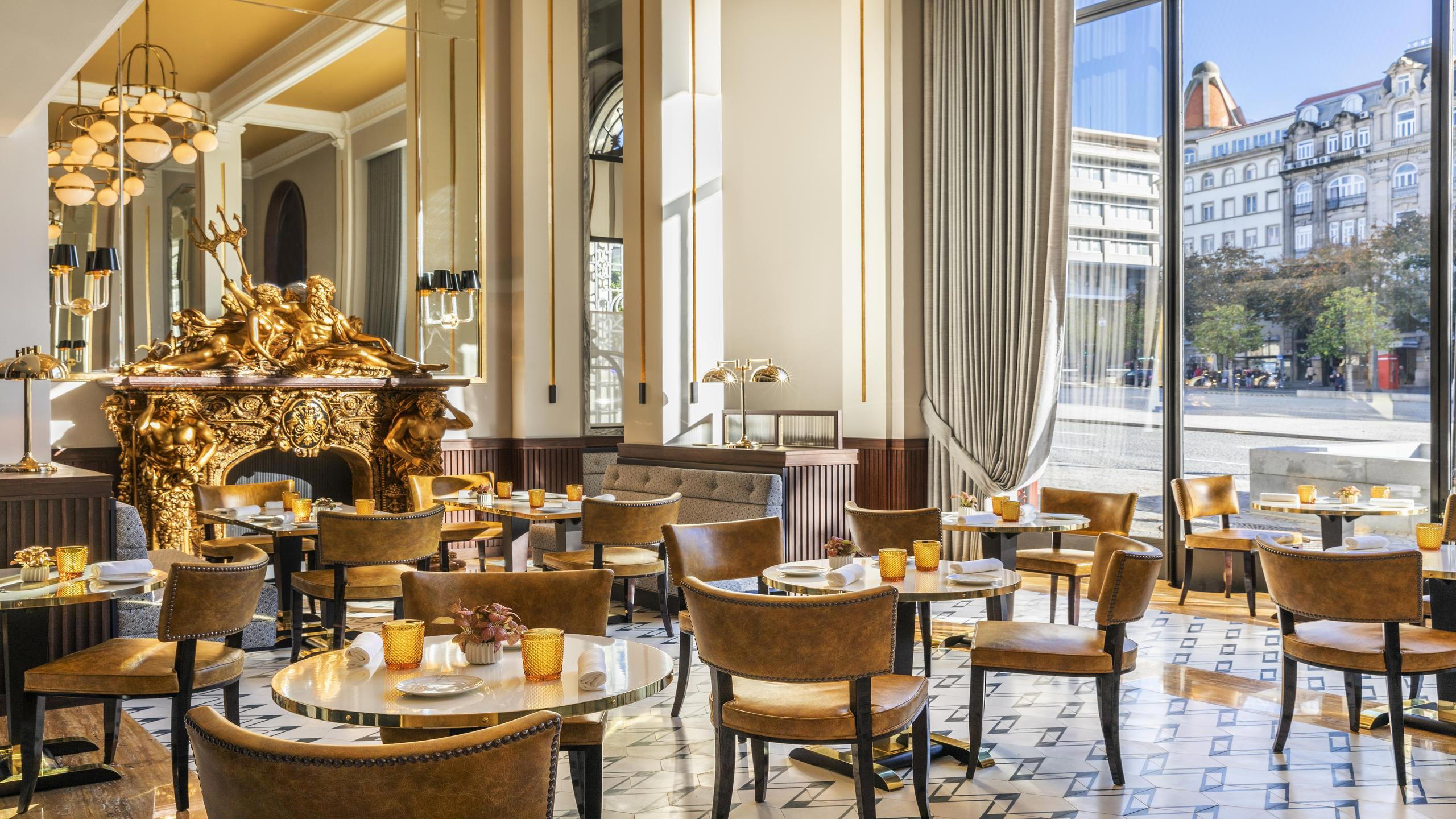
Sophisticated and inviting with modern luxury blended into heritage architecture; bright, well-lit spaces with river views; stylish rooftop bar with sunset ambiance; warm, attentive service throughout.