
A Michelin Selected hotel on Porto's historic Rua das Flores, Casa da Companhia occupies a restored merchant-era building in the heart of the old city. Its position on one of Porto's most celebrated pedestrian streets places it inside a small cohort of heritage properties that trade on architectural integrity over branded scale. For travellers prioritising central access to the Ribeira and São Bento, the address alone carries considerable weight.
Pearl is the En Primeur Club membership app — saves, bookings, and concierge access live there. Same editors, same standards.
- Address
- R. das Flores 69, 4050-416 Porto, Portugal
- Phone
- +351 22 976 1020
- Website
- ihg.com
- Directions
- Get directions
 Saves & bookings on Pearl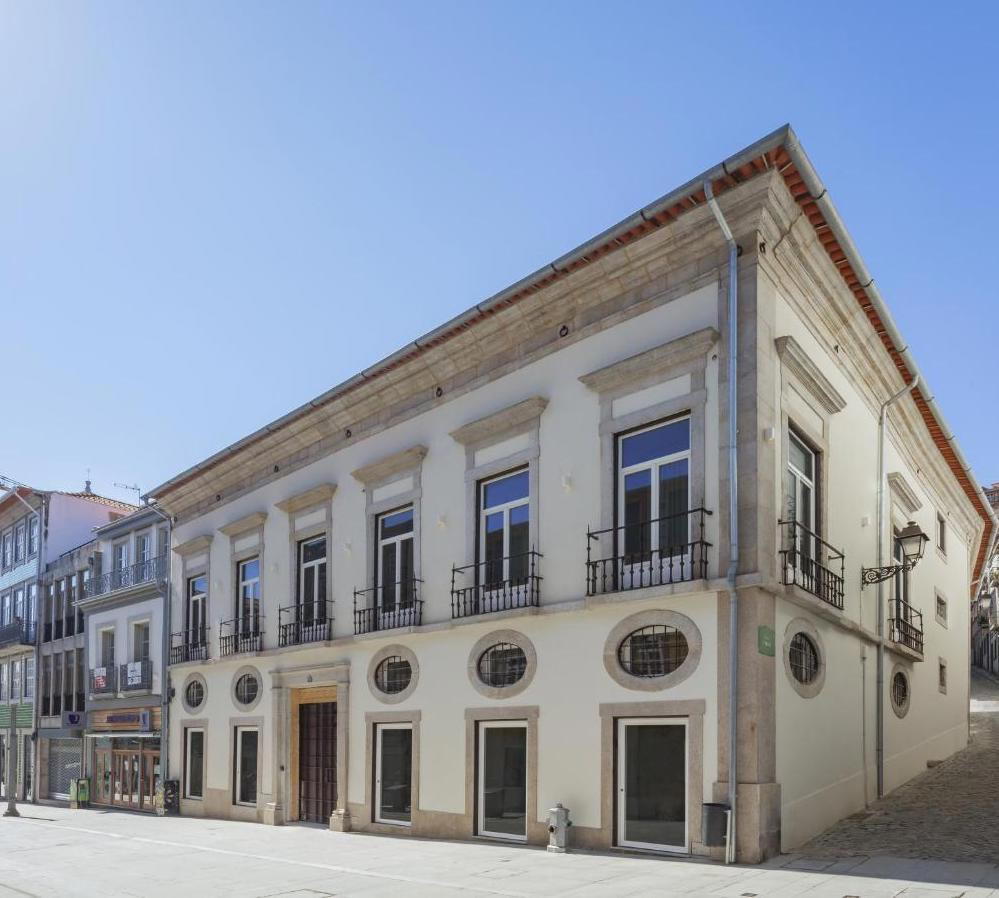
Rua das Flores and the Architecture of Arrival
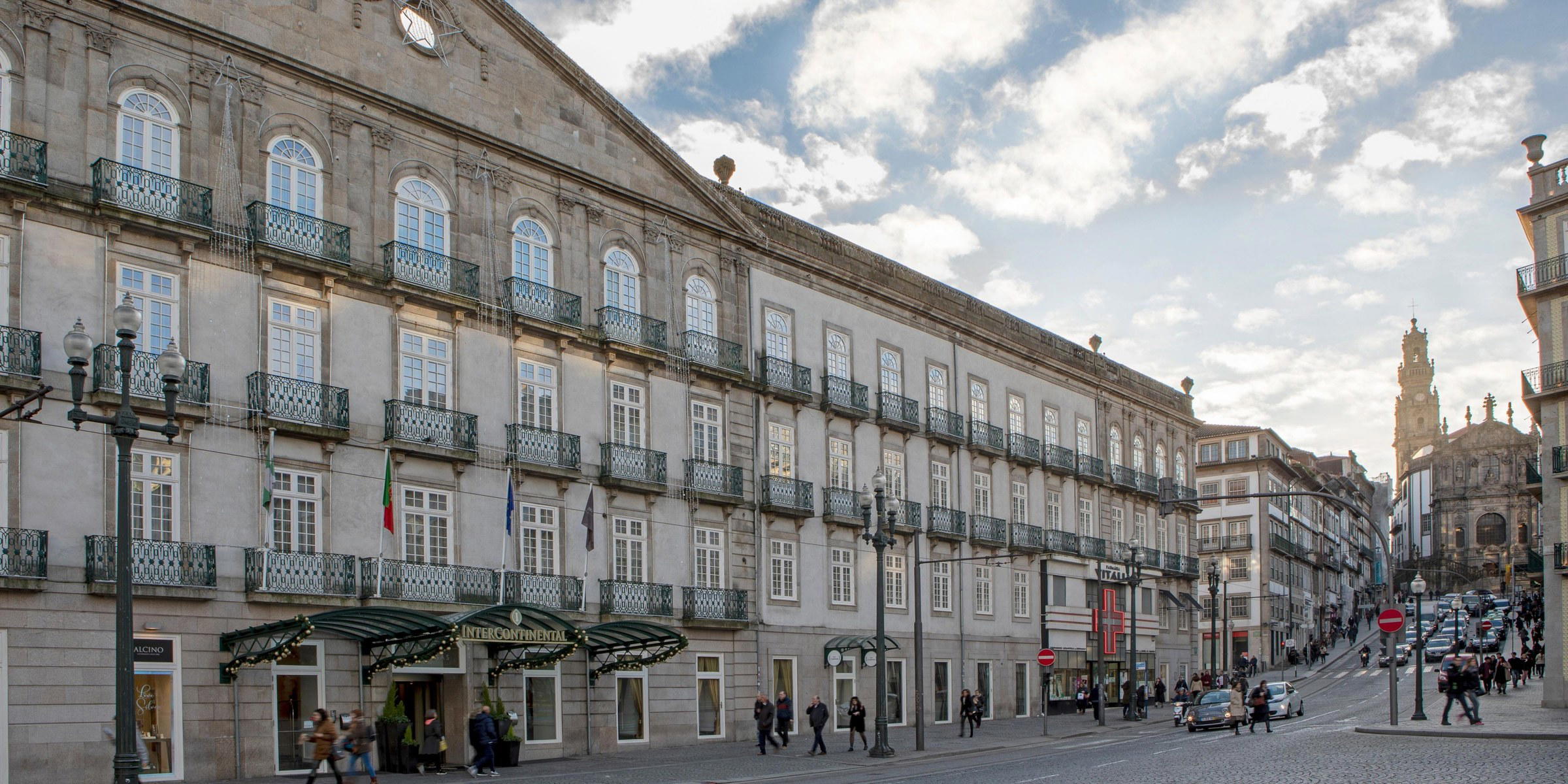
Porto's hospitality conversation has, over the past decade, split into two distinct camps. On one side sit the large-footprint international operators, anchored at addresses like the InterContinental Porto Palacio das Cardosas, with their branded loyalty infrastructure and broad conference capacity. On the other, a smaller and more selective tier of heritage conversions has emerged, properties that use the architectural fabric of Porto's mercantile past as their primary offering. Casa da Companhia belongs firmly to the second camp.
The address says much before you step inside. Rua das Flores — literally the Street of Flowers — was the commercial and financial artery of early modern Porto, lined with the offices and residences of merchants who traded across the Atlantic. Walking its length today, the palimpsest of that era is still legible in the azulejo-fronted facades, the wrought ironwork, and the proportions of doorways designed to project civic confidence. Number 69 sits within that sequence, a building whose bones predate the property's current use by centuries.
That kind of address creates an expectation: that the interior will either honour the fabric or betray it. In the small-scale heritage hotel category across Porto and Lisbon, the gap between properties that get this balance right and those that merely deploy reclaimed-wood panelling as a signal of authenticity is considerable. Casa da Companhia's inclusion in the Michelin Selected Hotels 2025 list positions it among properties that have passed that editorial threshold, placing it alongside a curated cohort rather than within the broader undifferentiated market of boutique conversions.
Where Casa da Companhia Sits in Porto's Hotel Tier
Porto's premium accommodation map has grown considerably more complex since the city's international profile sharpened around 2015. The GA Palace Hotel and SPA operates at the larger-scale end of the heritage conversion model, with spa infrastructure and a higher room count. Properties like Hospes Infante Sagres Porto occupy a similar tier of restored grandeur. Casa da Companhia's Rua das Flores position distinguishes it geographically from Vila Nova de Gaia-side options and from properties clustered around the Boavista axis.
For comparison, the Michelin Selected designation is applied selectively, covering hotels that meet editorial standards for quality, character, and consistency without necessarily carrying the broader infrastructure of a full Michelin-starred dining operation or resort complex. Travellers comparing it against M Maison Particulière Porto or Casa do Conto are working within a cohort where the meaningful differentiators are location, room scale, and the depth of architectural preservation rather than branded amenity stacking.
The Logic of the Rua das Flores Location
From a practical standpoint, the Rua das Flores address puts guests within a short walk of São Bento station, the Ribeira waterfront, and the cluster of wine cellars on the Gaia bank accessible via the Dom Luís I bridge. For a city that rewards pedestrian exploration above almost any other mode, this matters. Porto's historic centre is compact but hilly, and a centrally positioned base reduces the friction of moving between the Clérigos tower district, the Livraria Lello, and the waterfront considerably.
The street itself has also become one of the city's more photographed corridors, meaning the immediate environment has density of interest in its own right. The azulejo facades, the small chapels, and the independent retailers that have gradually displaced the earlier wave of souvenir shops all contribute to a walking context that extends the hotel's effective value beyond the room itself. Arriving on foot from São Bento, with the station's own azulejo panels still fresh in memory, sets a specific tone that properties off the historic grid cannot replicate.
For logistics, the Michelin Selected listing is accessible through the Michelin Hotels and Stays guide. Porto's peak travel window runs from May through September, with July and August carrying the highest demand across all central accommodation. Shoulder season in April or October gives better availability and cooler temperatures for walking the cidade baixa.
Placing Casa da Companhia in a Wider Portuguese Context
Porto does not exist in isolation as a heritage hotel destination. The model of converting aristocratic or merchant-class buildings into small-scale premium accommodation is practised across Portugal with considerable variation in execution. In the Douro Valley, Ventozelo Hotel and Quinta applies similar logic to a wine estate context, while Vidago Palace represents the grander palatial conversion tier in the Norte region. In Ponte de Lima, Carmo's Boutique Hotel sits within the Minho's own distinct version of heritage hospitality.
South of Porto, the model continues in different registers: Hotel Casa Palmela in Setúbal anchors itself to a quinta tradition, while Palácio de Tavira works within the Algarve's own baroque civic architecture. Internationally, properties like Badrutt's Palace Hotel in St. Moritz or Hôtel de Paris Monte-Carlo operate in an entirely different scale register, where heritage is amplified by century-long institutional identity. Casa da Companhia's pitch is quieter and more specific: a merchant-city building on a historically significant street, selected by Michelin for its quality and character, positioned for travellers who want central Porto on its own terms.
For those extending a Portuguese itinerary, MS Collection Aveiro Palacete Valdemouro offers a comparable palacete conversion an hour south, while The Lince Braga addresses the northern Minho corridor. The full range of Porto's accommodation options, from budget to luxury across all neighbourhood clusters, is covered in our full Porto guide.
Other Porto Properties Worth Considering
Within Porto itself, the choice between heritage conversions depends heavily on what trade-offs a traveller is willing to make. Altis Porto Hotel brings a Portuguese hospitality group's infrastructure to a central address. Canto de Luz and Exmo Hotel by Olivia represent the smaller, more design-led end of Porto's recent accommodation growth. Each occupies a distinct position in the city's hotel spectrum, and the decision between them is less about quality ranking than about which specific combination of neighbourhood, format, and scale fits a given itinerary.
How Casa da Companhia Porto compares with similar nearby venues.
| Venue | Awards |
|---|---|
| Casa da Companhia | MICHELIN Guide, Hotels Selected (2025) |
Recognition history
Dated appearances from independent guides and award organizations, with the underlying list record or original source where available.
Michelin Selected
Michelin
Continue exploring
More in Porto
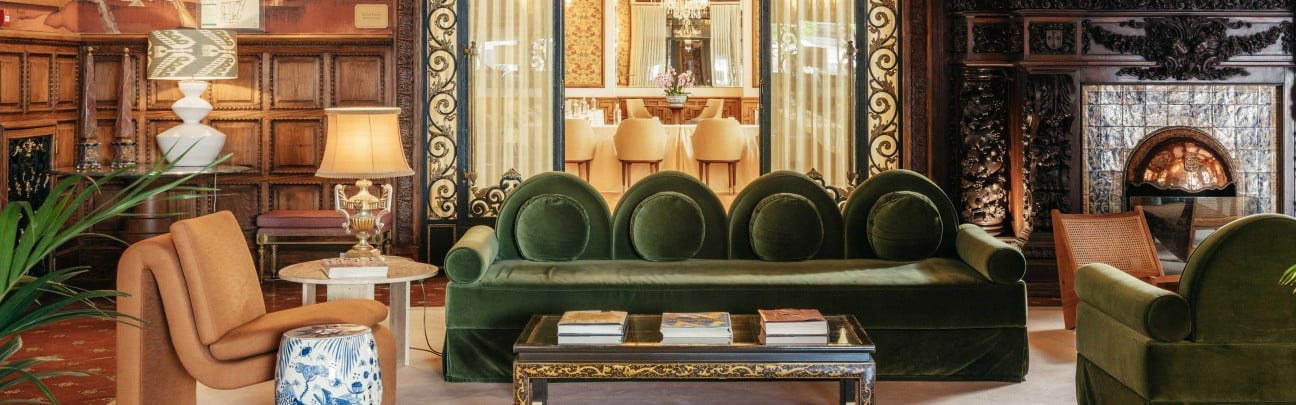
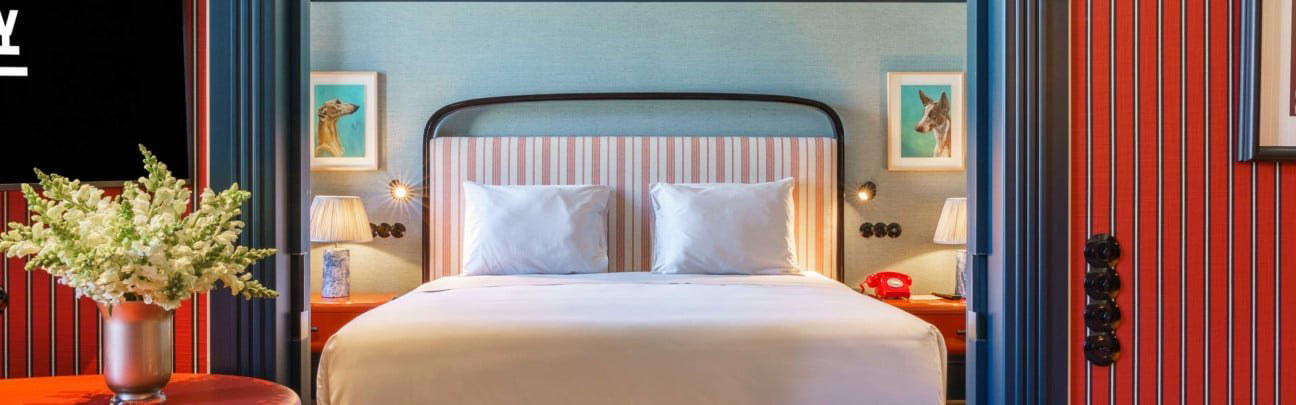
Hotels in Porto
Browse all →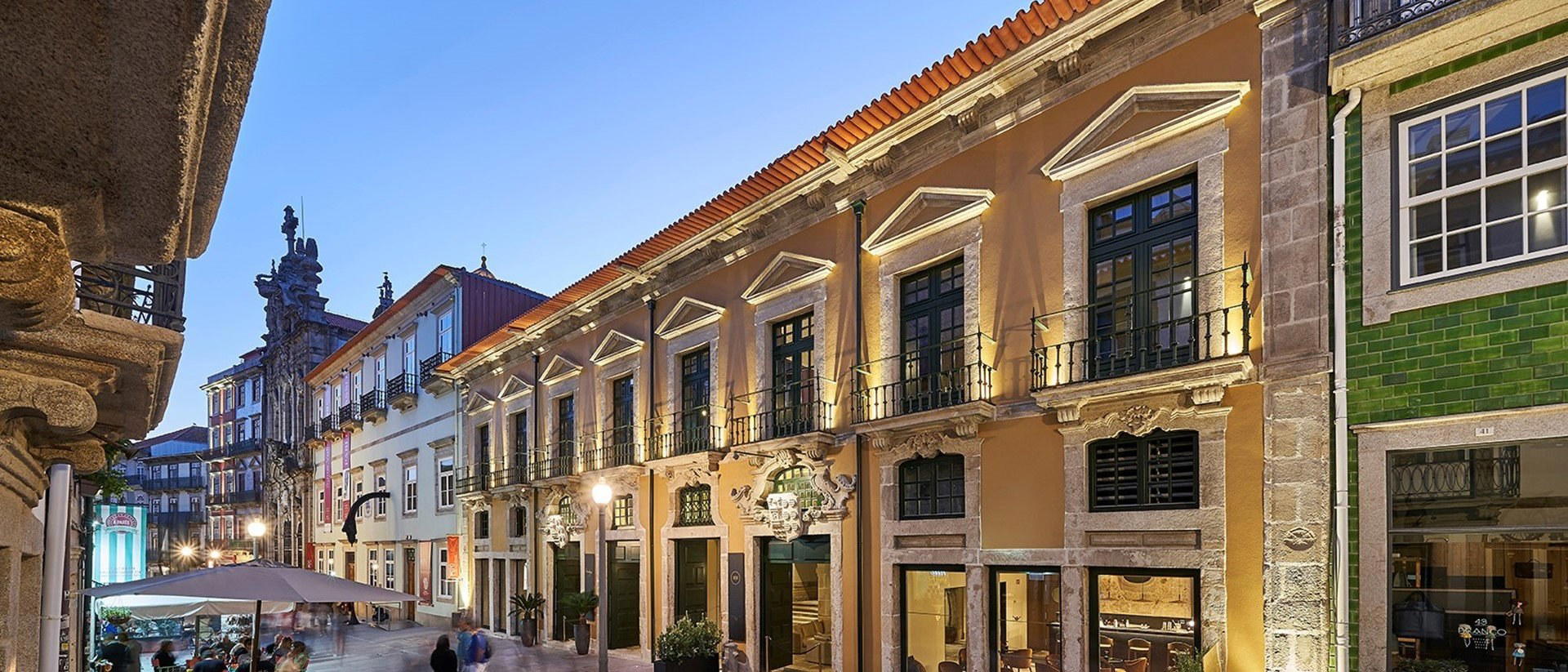
Bars in Porto
Browse all →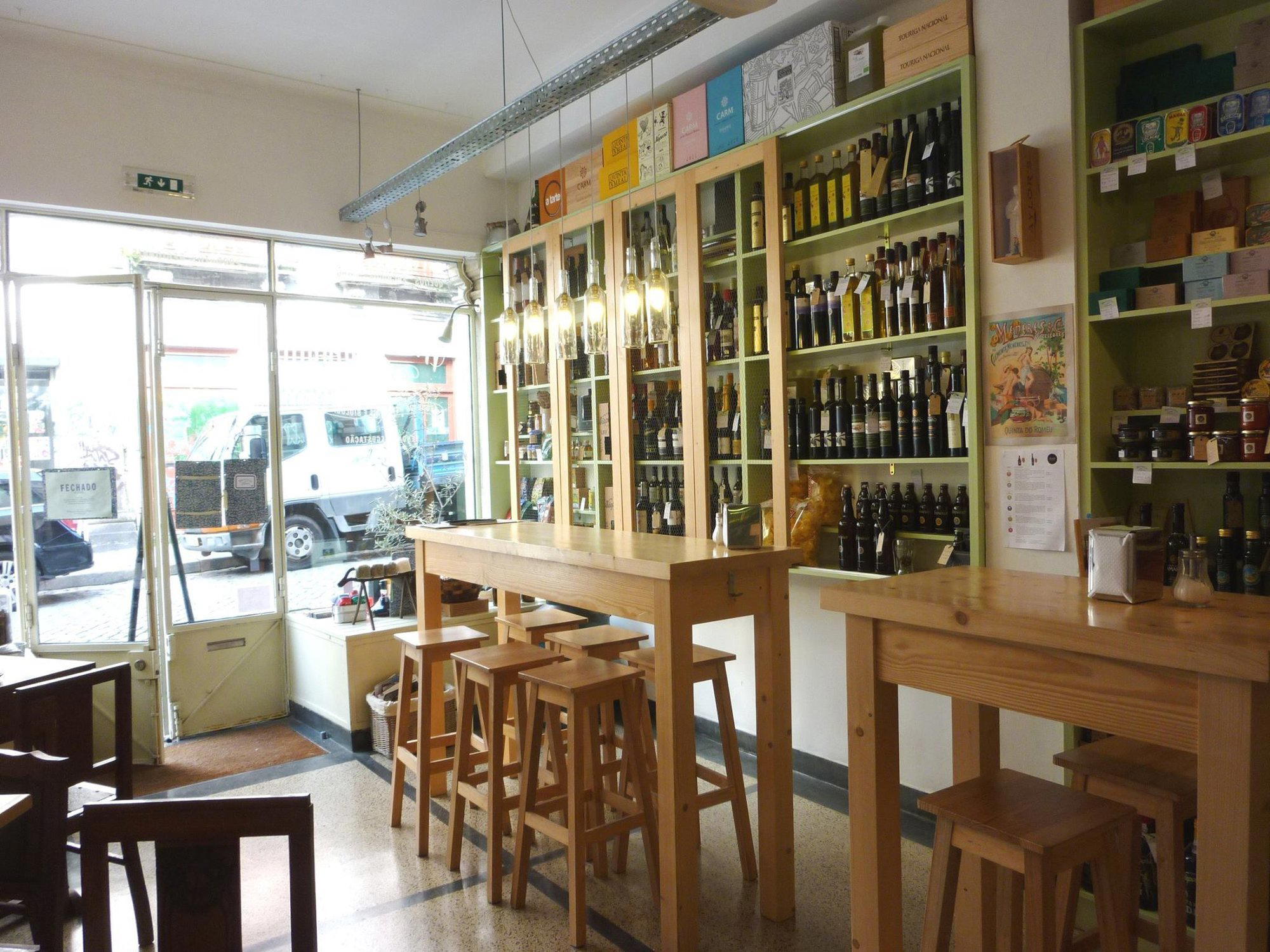
Restaurants in Porto
Browse all →
At a Glance
- Elegant
- Historic
- Sophisticated
- Cozy
- Romantic Getaway
- Anniversary
- Weekend Escape
- Rooftop Pool
- Historic Building
- Panoramic View
- Pool
- Spa
- Fitness Center
- Wi Fi
- Room Service
- Concierge
- Elevator
- Street Scene
- Pool
- Spa
- Fitness Center
- Wi Fi
- Room Service
- Concierge
- Elevator
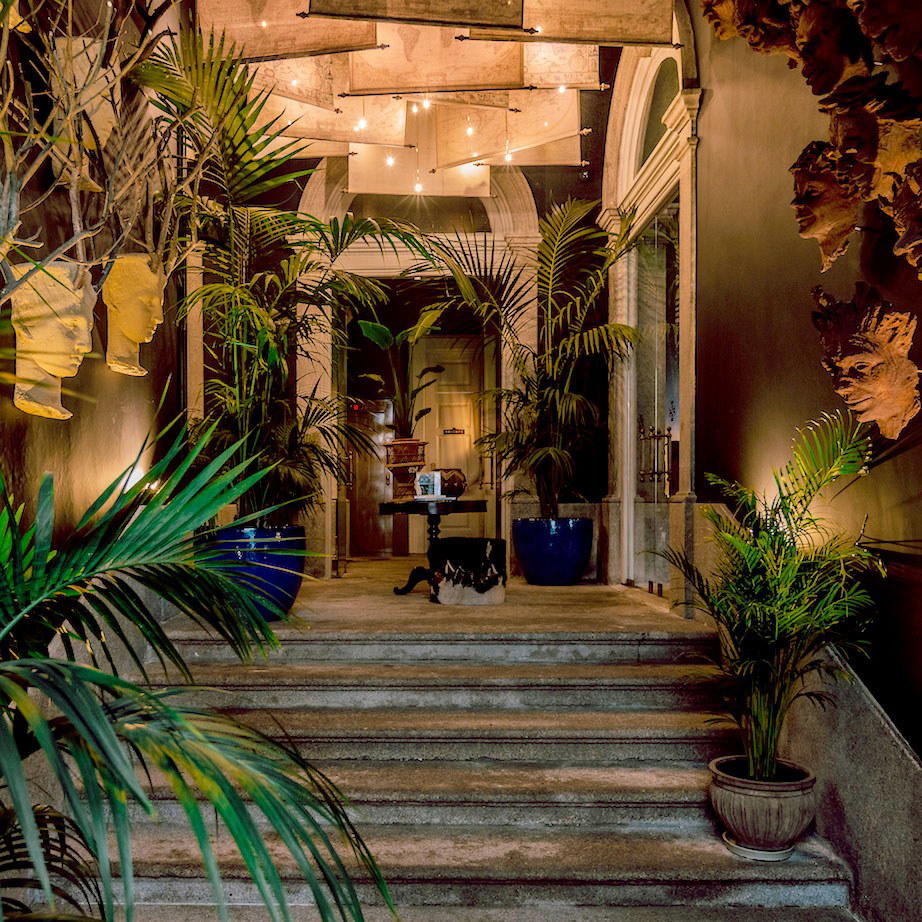
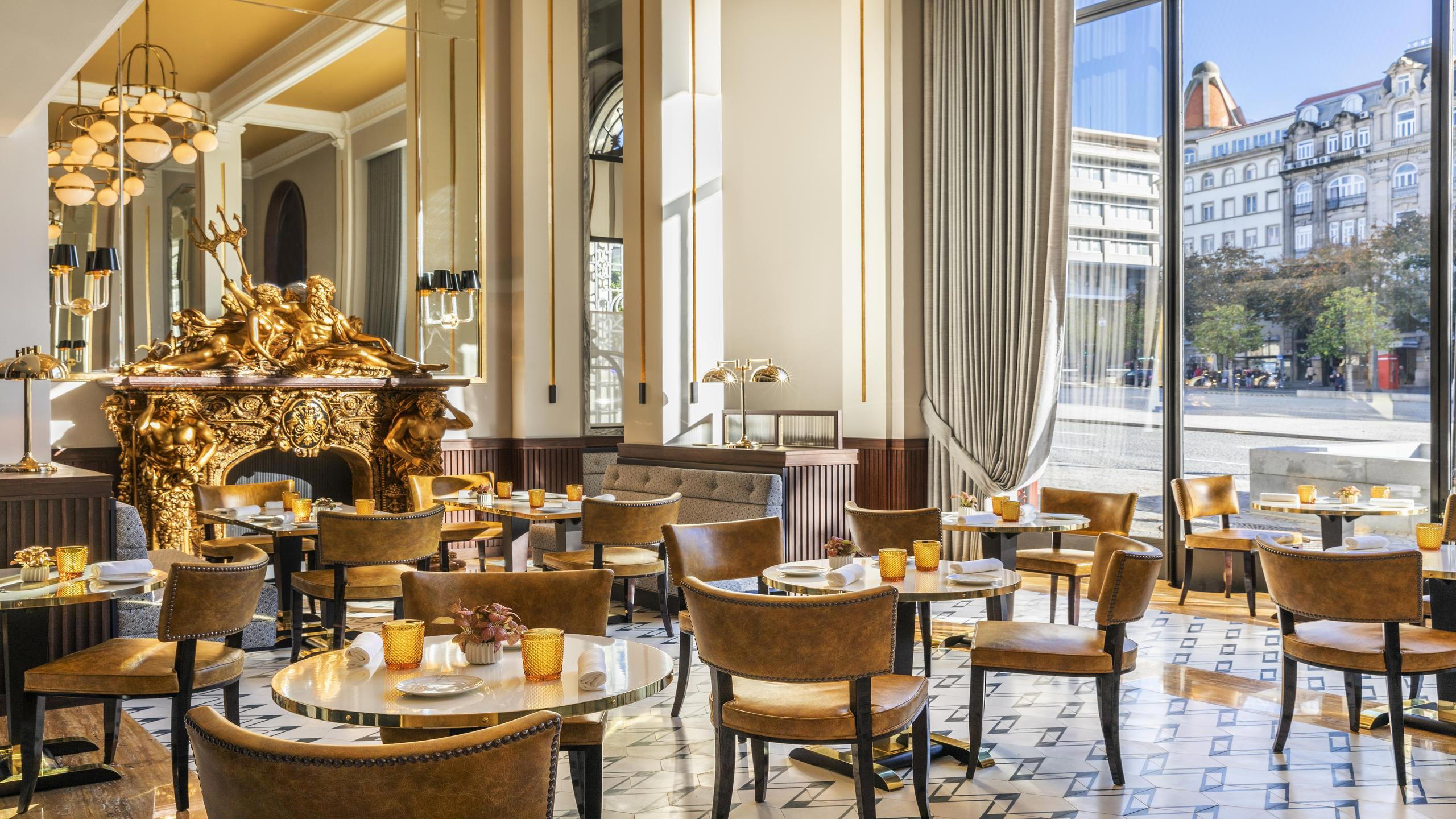
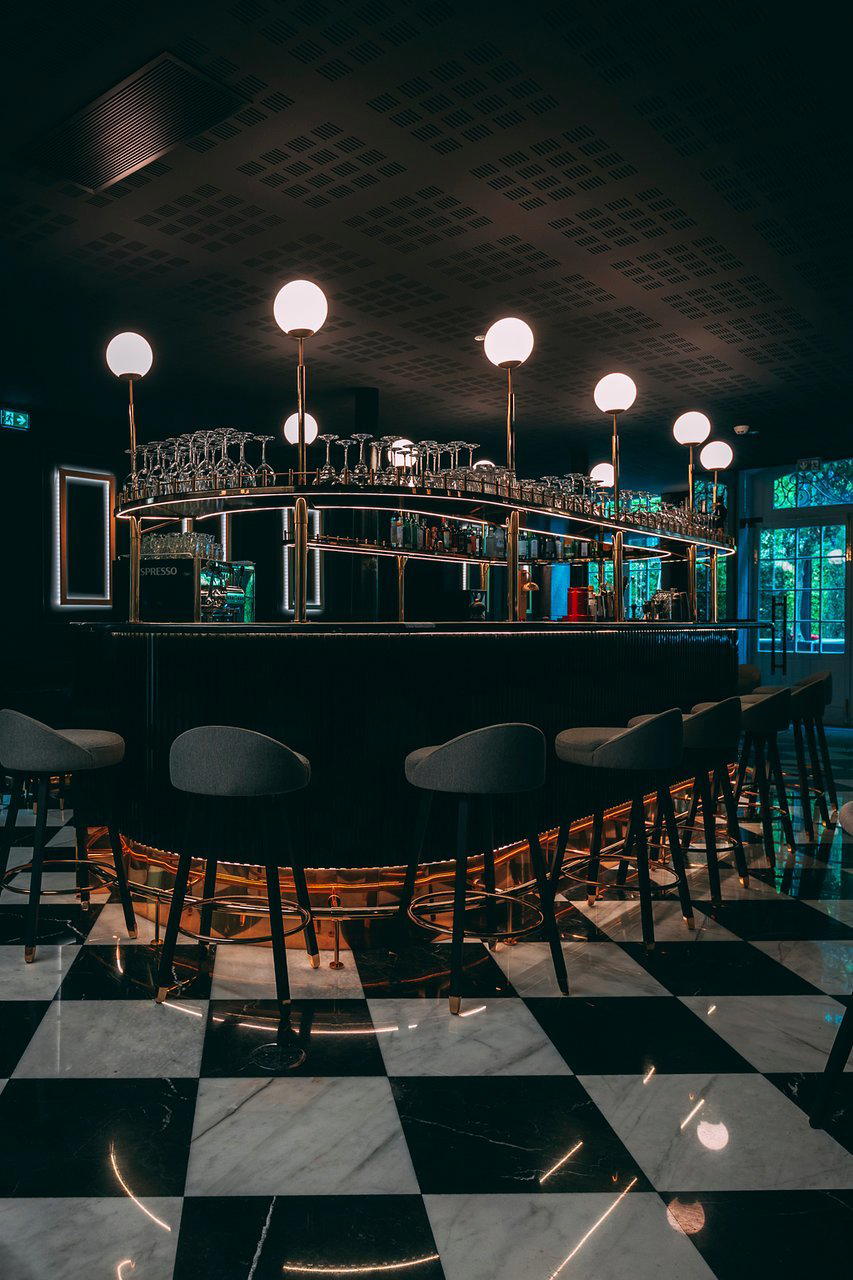
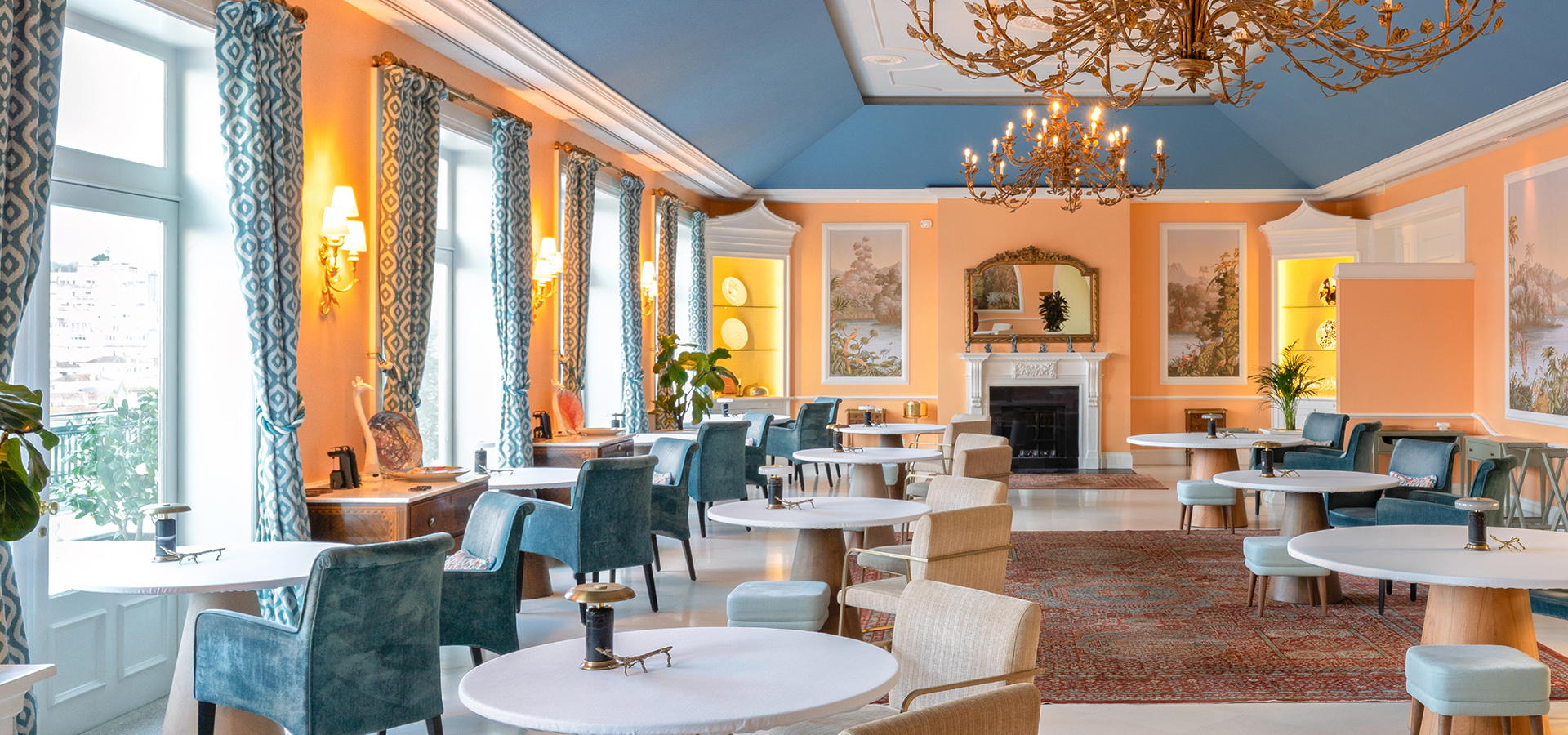
Refined and serene atmosphere with vaulted ceilings, original stone walls, natural materials in warm tones of browns, beiges, and ivory, creating understated elegance.
Know Before You Go
- Getting there
- R. das Flores 69, 4050-416 Porto, Portugal