

Altis Porto Hotel occupies a calm address on Rua de Jorge de Viterbo Ferreira, operating across 95 rooms in a city where the hotel market has stratified sharply between heritage palace conversions and contemporary properties. It sits in Porto's mid-to-upper tier, drawing guests who want reliable scale and proximity to the city's western residential quarters without the premium attached to riverfront or historic-core addresses.
Pearl is the En Primeur Club membership app — saves, bookings, and concierge access live there. Same editors, same standards.
- Address
- R. de Jorge de Viterbo Ferreira 30, 4050-313 Porto
- Phone
- +351 22 976 6200
- Website
- altishotels.com
- Directions
- Get directions
 Saves & bookings on Pearl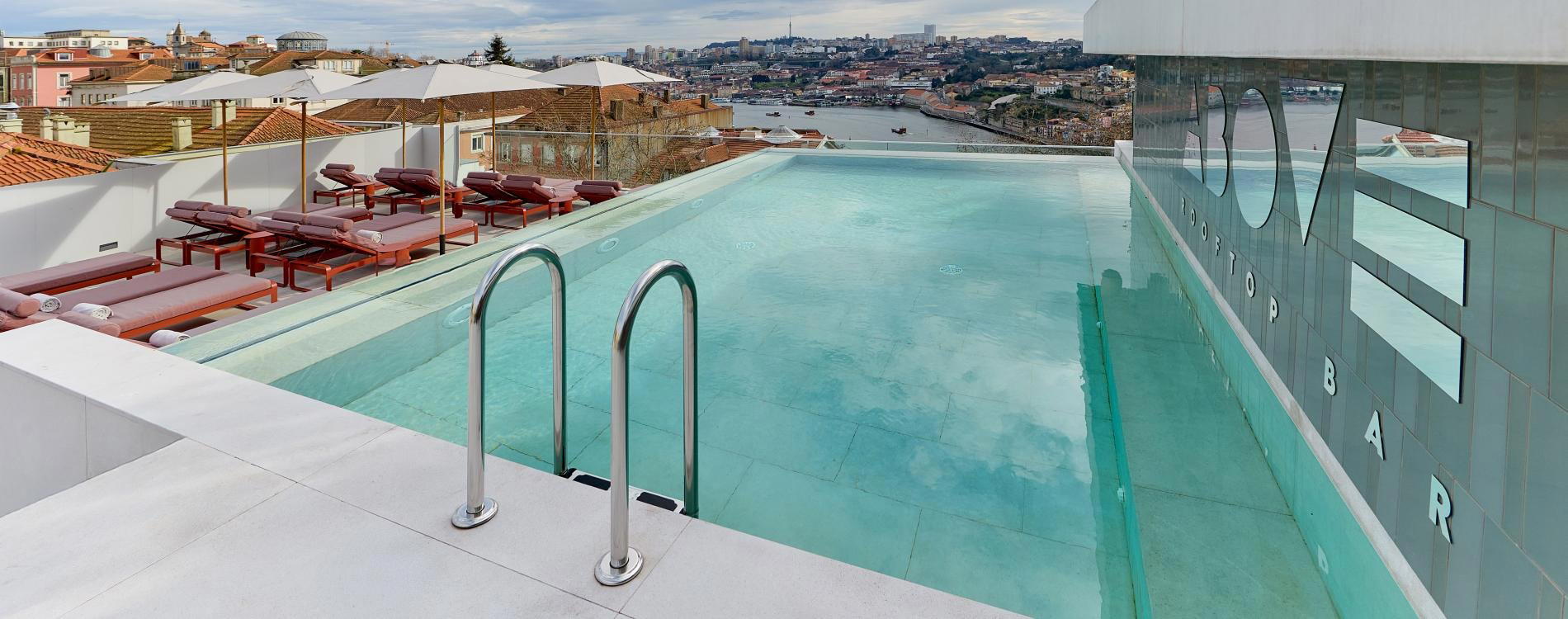
Porto's Hotel Market and Where Altis Fits
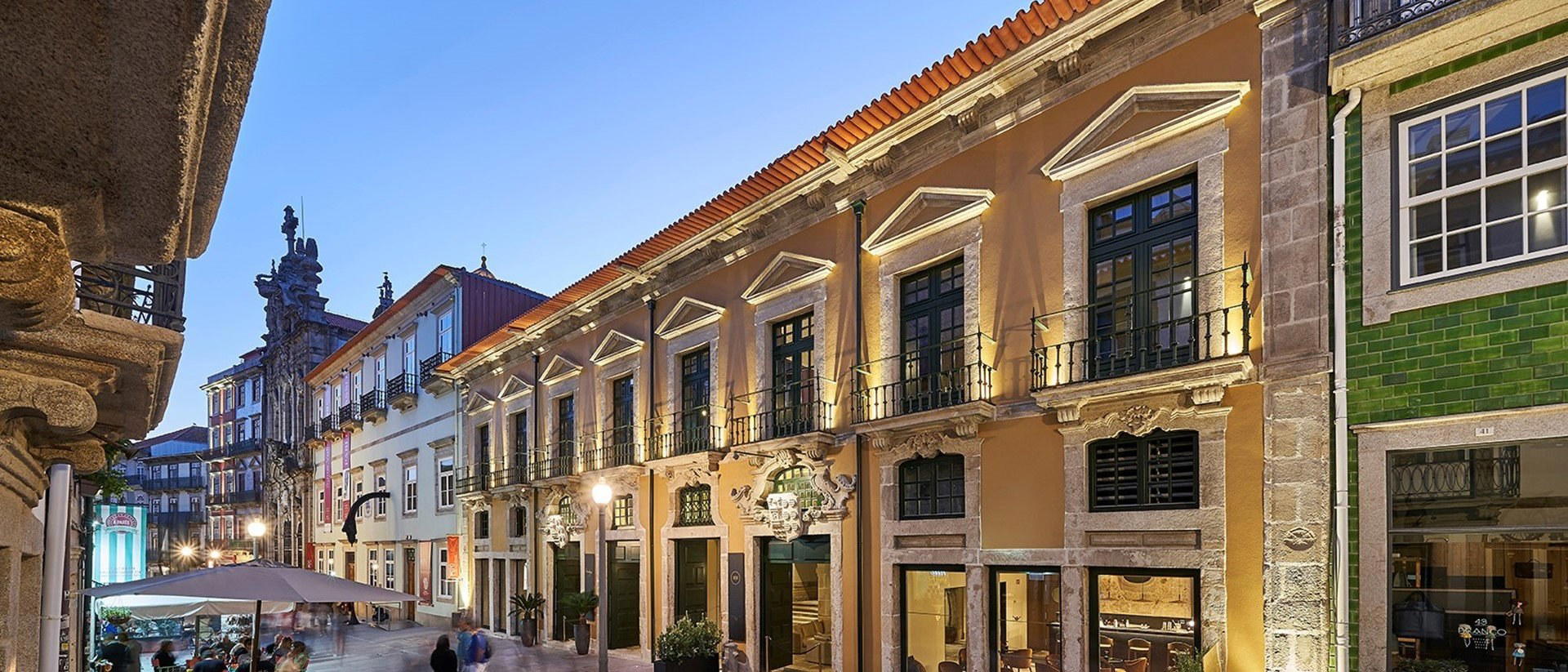
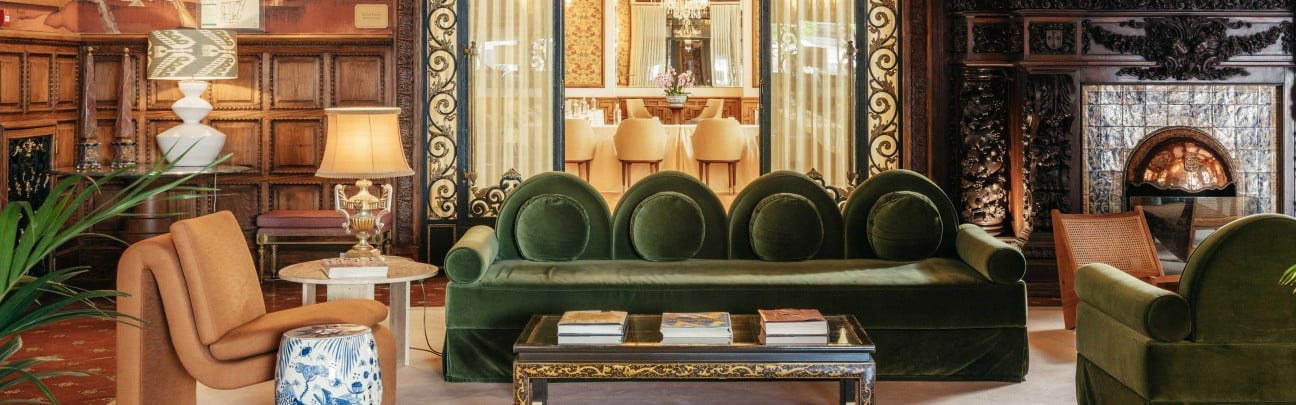
Porto's accommodation sector has reorganised itself considerably over the past decade. The historic core around Ribeira and Clérigos attracts the heritage conversion projects: palaces refitted with marble lobbies and courtyard pools, properties like the InterContinental Porto Palacio das Cardosas and the Maison Albar - Le Monumental Palace that compete on architectural pedigree as much as service. On the other end, the boutique segment has filled with design-led properties counting keys in the twenties and thirties, places like Casa do Conto and M Maison Particulière Porto, where the guest-to-staff ratio creates an intensity of attention that scale cannot replicate. Altis Porto Hotel operates in a different register: 95 rooms at Rua de Jorge de Viterbo Ferreira 30, positioned in Porto's western residential band rather than at the tourist epicentre.
That positioning is a considered trade-off. Guests lose the immediate drama of a Douro-facing terrace or a view across the Clérigos tower, but they gain something that the historic-core properties often sacrifice: legibility. A 95-room hotel is large enough to offer consistent staffing depth and operational reliability, yet small enough that the front desk still has a working sense of who is in-house. It is a format that suits the business traveller who returns to Porto two or three times a year, and the leisure guest who has already done the postcard itinerary and wants a less performative base this time around.
The Guest Experience as a Structural Choice
Porto's premium hotel segment has largely sorted into two service philosophies. The heritage palace conversions foreground ceremony: the high-ceilinged lobby, the formal check-in, the sense that the architecture is doing much of the hospitality work. The design-led boutiques foreground intimacy: a host who remembers your name, a breakfast table that appears without asking, a city itinerary built around your actual interests rather than the standard tourist circuit. At 95 rooms, Altis Porto Hotel operates in the space between those poles.
Properties at this scale, across the European hotel market, typically succeed or fail on whether they can deliver personalisation at volume. The challenge is structural: a boutique with 20 keys can individualise almost every guest interaction, while a large city hotel with 250 rooms processes guests efficiently but impersonally. A 95-room property has the staffing headroom to be attentive, but only if the operational culture is built around it. That is the operative question at Altis Porto: whether the scale advantage is used to create a denser, more responsive service model, or simply to offer more rooms at a given price point. For travellers choosing between this address and smaller properties like One Shot Palácio Cedofeita or Hospes Infante Sagres Porto, that question should drive the booking decision.
The Address and What It Implies
Rua de Jorge de Viterbo Ferreira places the hotel in the Lordelo do Ouro e Massarelos parish, west of the Bonfim and Cedofeita quarters that have absorbed most of Porto's recent restaurant and bar energy. The neighbourhood sits between the university zone and the river, with Jardim do Morro and the Museu de Arte Contemporânea de Serralves within reasonable reach. It is a quieter address than anything along the Ribeira waterfront or in Baixa, which has a direct bearing on the guest profile: those who book here tend to be travelling for reasons other than Porto's nightlife circuit.
For guests arriving by air, Francisco Sá Carneiro Airport connects to central Porto via the Metro's Violet line, with the Trindade interchange giving access to most of the city's western and riverside areas. The Altis address is best served by car or taxi for luggage-heavy arrivals, though the city's bus network covers the area adequately. Porto's walkable core is compact enough that guests based here can reach the cathedral district, the Livraria Lello, and Foz do Douro's seafront within a short journey in any direction.
Porto Relative to Portugal's Wider Hotel Market
Travellers building a broader Portugal itinerary often pair Porto with properties in the Douro Valley, the Algarve, or the Azores. The Douro wine country, accessible in under two hours from the city, has developed its own distinct accommodation tier: quinta-style properties like Ventozelo Hotel & Quinta and Douro Valley - Casa Vale do Douro, or the estate formality of Q.ta da Corte. To the south, the Algarve coast offers a different register entirely: resort-scale infrastructure at Anantara Vilamoura Algarve Resort, the long-established spa tradition at Bela Vista Hotel & Spa, or quieter rural alternatives like Craveiral Farmhouse and Masana Algarve. Those contrasting property types put a Porto city hotel like the Altis in useful relief: it is an urban base for a specific kind of trip, not a destination in itself.
Travellers who have come from or are heading to Lisbon will find a different competitive set there: the design restraint of Hotel Britania Art Deco sits in a comparable urban register to what Porto's mid-tier city hotels attempt, and comparing the two gives a useful read on what each city's hotel culture prioritises. For historic property experience outside Porto, the Bussaco Palace Hotel in Luso offers something categorically different: a neo-Manueline hunting lodge that operates as much as monument as hotel.
Planning and Practical Notes
The Altis Porto Hotel's 95 rooms can be easier to book than smaller boutique addresses outside peak summer and the Festas de São João in June, when Porto's accommodation market compresses significantly and the smaller boutiques fill first. The GA Palace, with its own distinct footprint, and the Pestana Douro Riverside, which draws on its waterfront position, tend to absorb riverside demand; guests whose priority is a quieter, residential-quarter address with predictable room availability across most of the calendar will find the Altis address a more reliable option. Refer to the GA Palace Hotel & SPA and Pestana Douro Riverside Porto Premium Hotel profiles for comparison.
What It’s Closest To
Comparable venues nearby, for context on price, style, and recognition.
| Venue | Cuisine | Price | Awards | Notes |
|---|---|---|---|---|
| Altis Porto HotelThis venue — the venue you are viewing | Contemporary wellness boutique | $$$$ | 5-Star | Not listed |
| The Editory Boulevard Aliados Porto | Artistic boutique hotel with burlesque-inspired elegance. | $$$$ | 5-Star | Santo Ildefonso |
| Pestana Palácio do Freixo | Historic palace converted into luxury pousada | $$$$ | 5-Star | Campanhã |
| Torel Avantgarde | Avant-garde design hotel celebrating early 20th-century artistic movements with contemporary luxury | $$$$ | 5-Star | Ribeira |
| Village by BOA | Upscale aparthotel in restored historic buildings with village-like inner garden. | $$$$ | 5-Star | Bairro do Silva |
| The Rebello | Modern luxury in restored industrial heritage buildings | $$$$ | 5-Star | Vila Nova de Gaia |
Recognition history
Dated appearances from independent guides and award organizations, with the underlying list record or original source where available.
Condé Nast Johansens Best New Hotel
Condé Nast Johansens
Preferred Hotels L.V.X. Collection
Preferred Hotels
Continue exploring
More in Porto
Hotels in Porto
Browse all →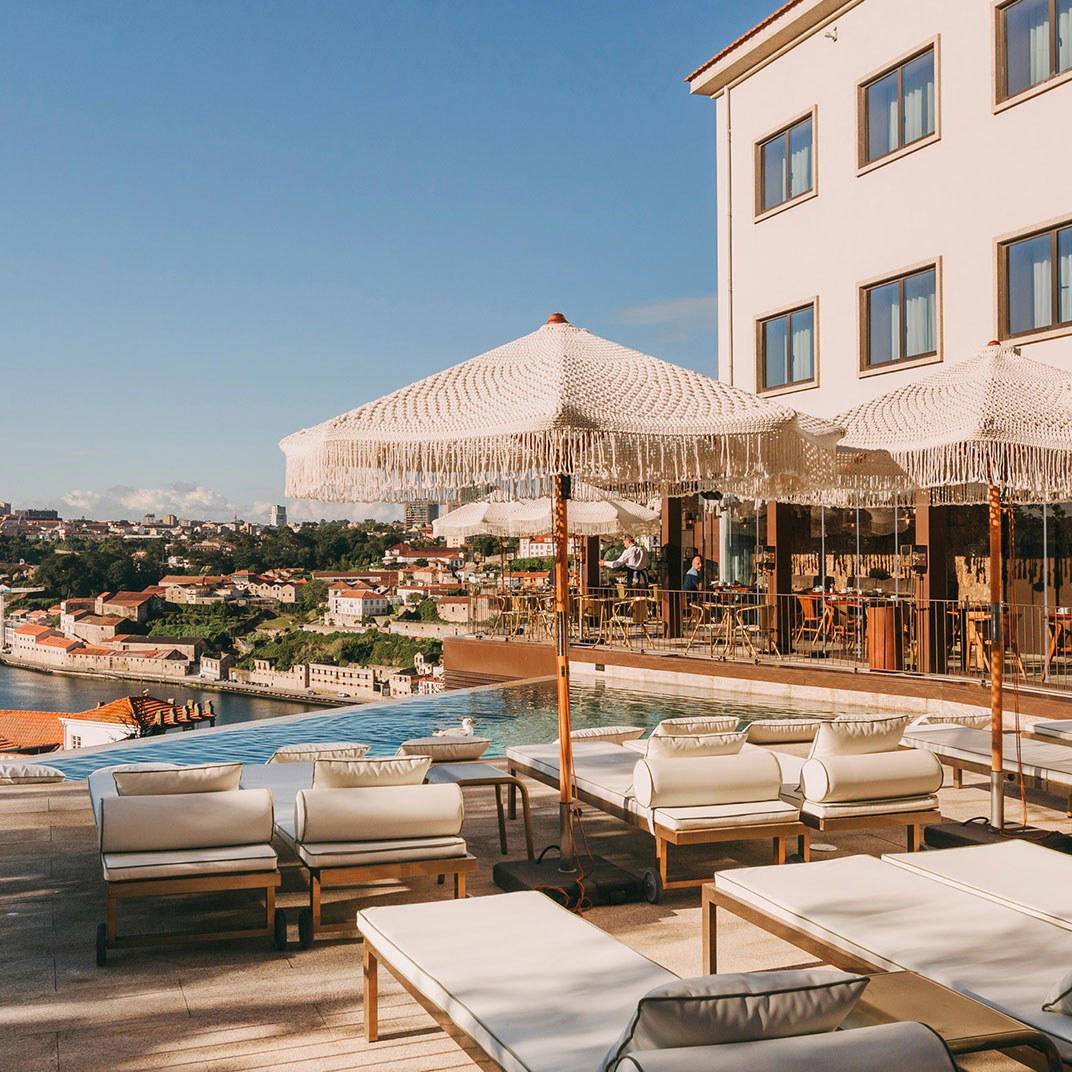
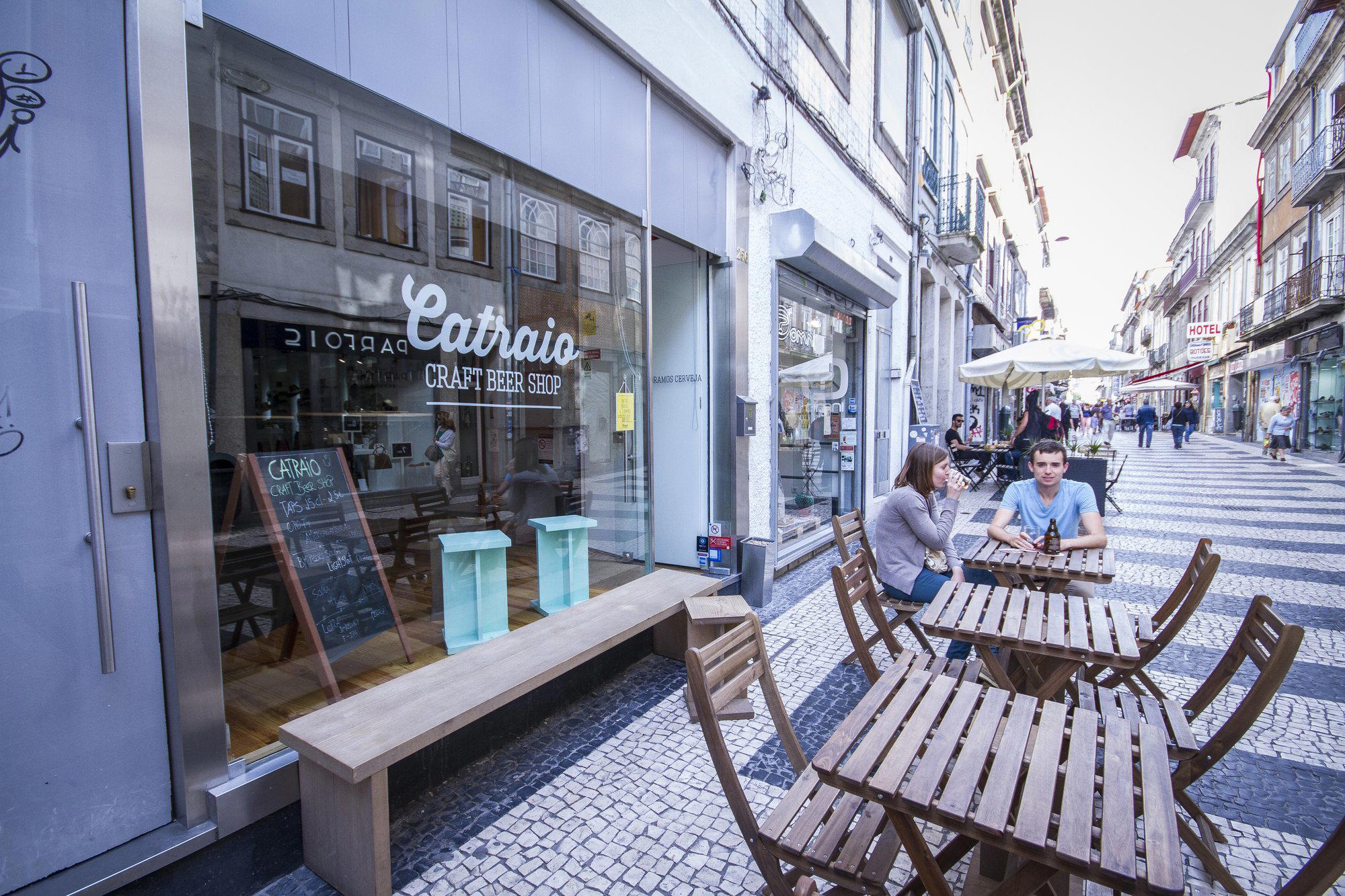
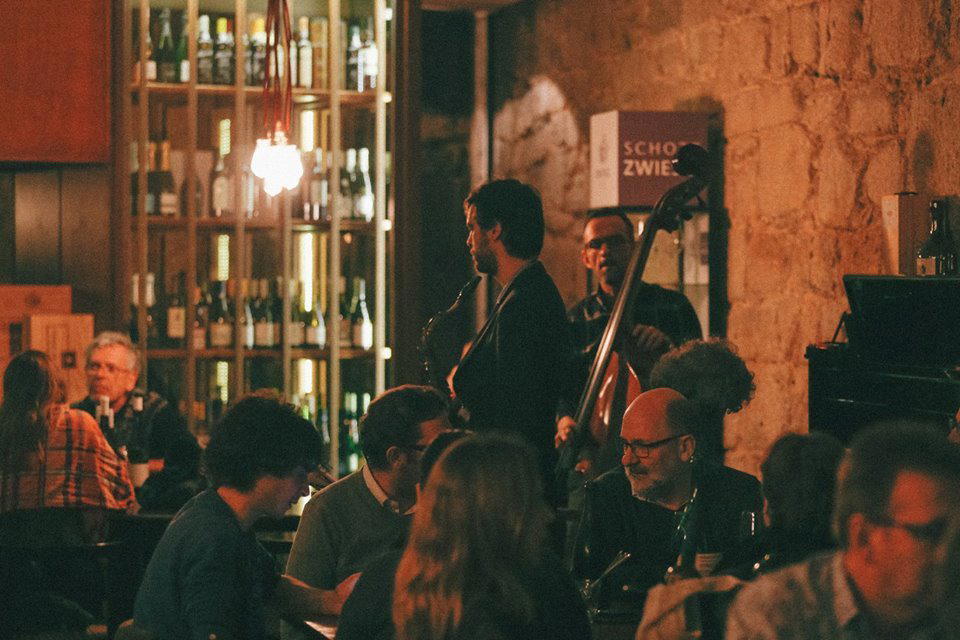
Bars in Porto
Browse all →
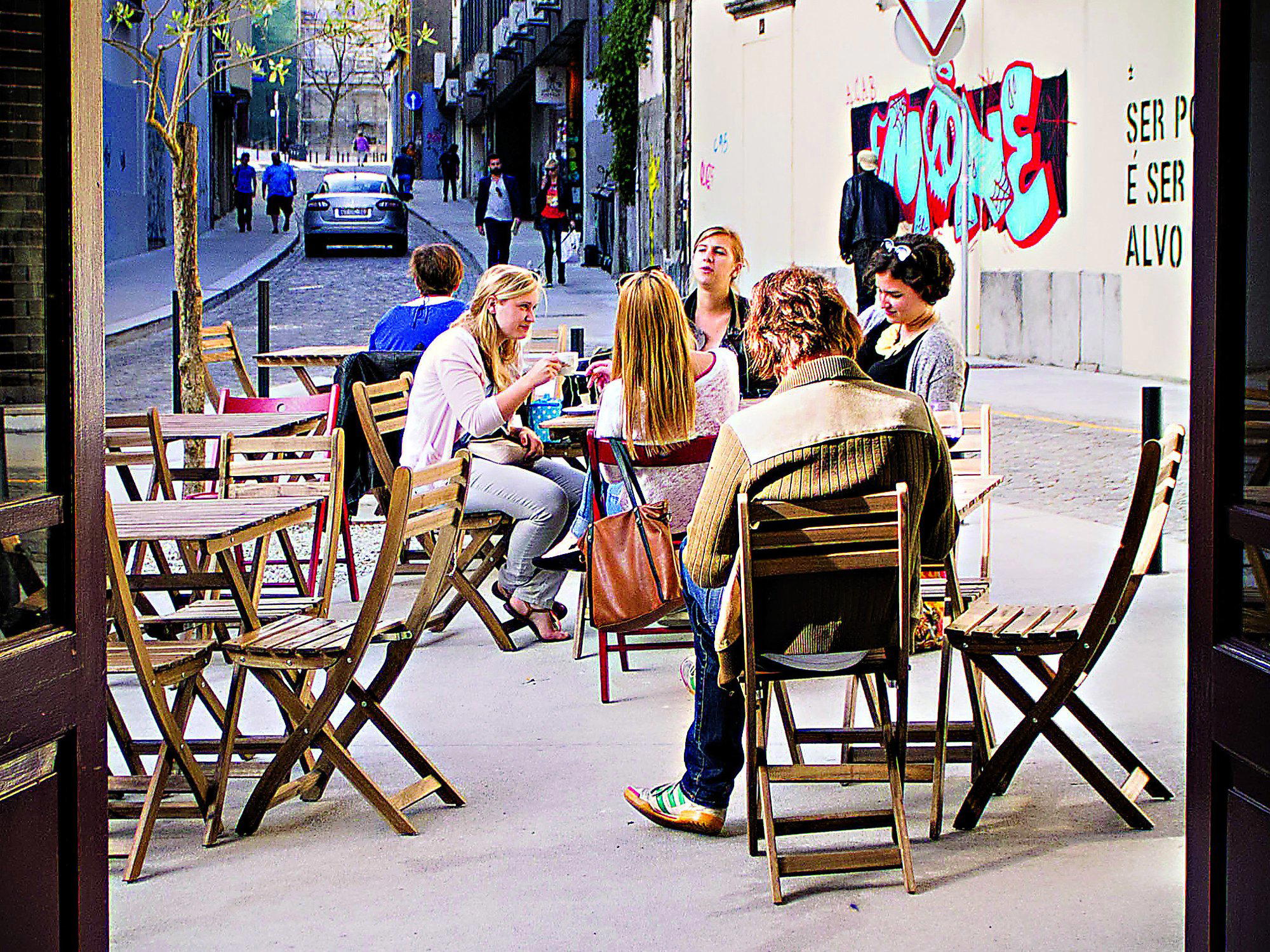
Restaurants in Porto
Browse all →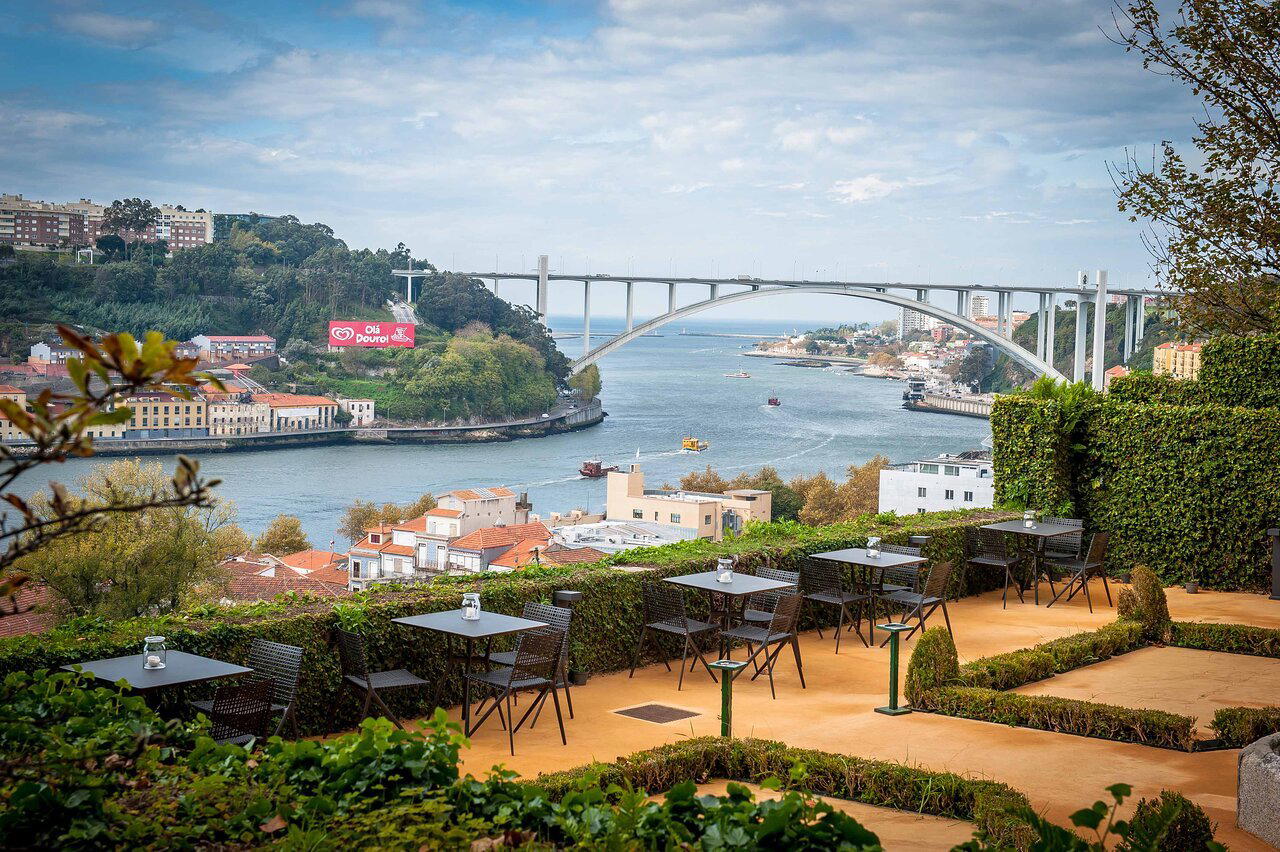
At a Glance
- Elegant
- Sophisticated
- Modern
- Scenic
- Romantic Getaway
- Wellness Retreat
- Business Trip
- Rooftop Pool
- Panoramic View
- Wi Fi
- Pool
- Spa
- Fitness Center
- Room Service
- Concierge
- Restaurant
- Garden
- Skyline
- Wi Fi
- Pool
- Spa
- Fitness Center
- Room Service
- Concierge
- Restaurant
Sophisticated and serene with soundproofed rooms, living plant wall, and relaxing spa atmosphere.