
A 16th-century palace on Rua das Flores places PortoBay Flores at the centre of Porto's historic core, steps from the Igreja da Misericórdia. Across 66 rooms split between the original palace and a contemporary wing, the hotel frames Portuguese heritage through a modern lens, with Bistrô Flores and Bar dos Maias offering a current take on traditional Portuguese cooking.
Pearl is the En Primeur Club membership app — saves, bookings, and concierge access live there. Same editors, same standards.
- Address
- R. das Flores 27, 4050-416 Porto
- Phone
- +351 22 004 7000
- Website
- portobay.com
- Directions
- Get directions
 Saves & bookings on Pearl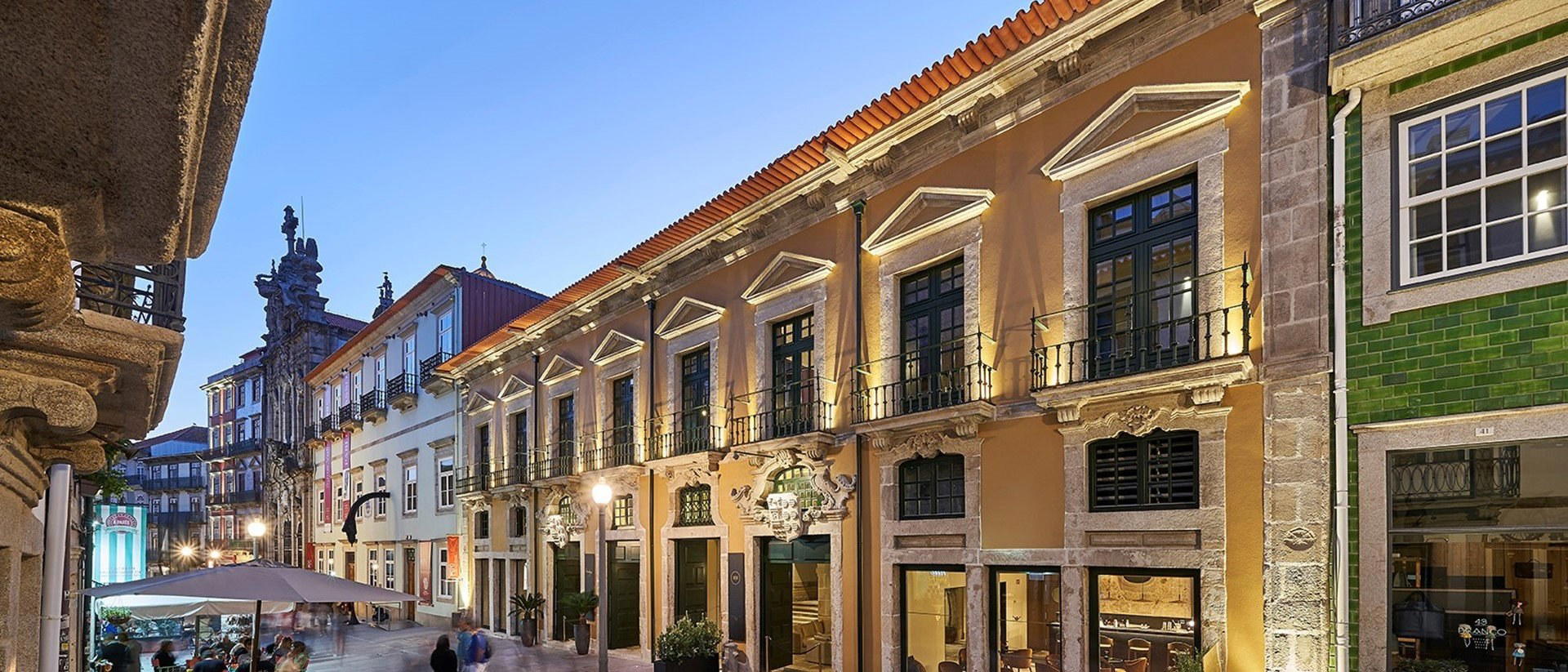
Where a Walking Street Meets a Palace Wall
PortoBay Flores is a 5-star hotel in Porto at R. das Flores 27, with 66 rooms, a Michelin Key, and rates from about $280 per night. What was once a silversmith's corridor connecting the riverfront to the Cordoaria has become a dense sequence of tile-fronted buildings, specialty coffee counters, and wine bars, all on a pedestrianised strip that rewards slow movement. Arriving at number 27, the guest encounters the palazzo façade of what was a 16th-century noble residence, its stonework abutting the wall of the Igreja e Museu da Misericórdia directly next door. The adjacency is not incidental: this corner of Porto exists in the overlap between the city's devotional past and its contemporary hospitality present.
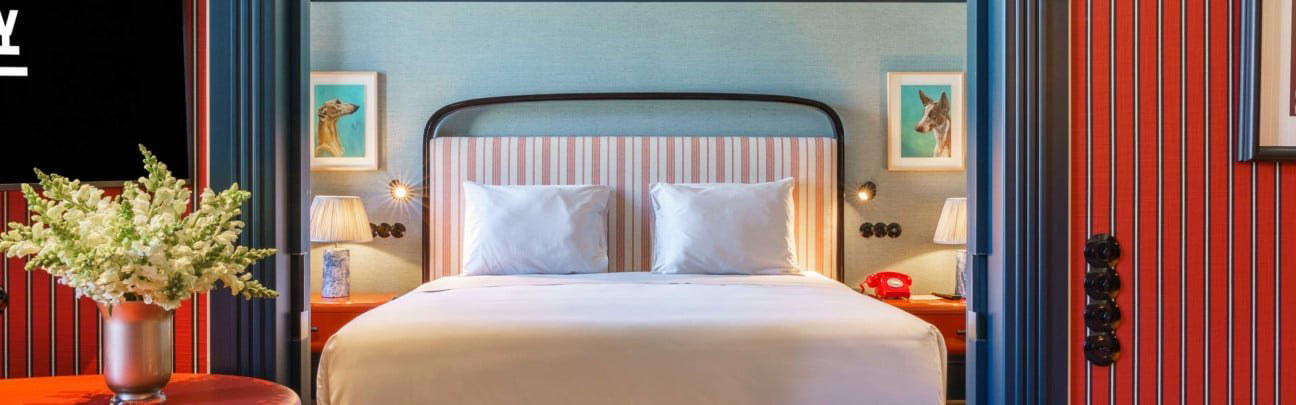
That layering defines the experience at PortoBay Flores. The hotel's 66 rooms split across two structurally distinct bodies: 11 rooms and suites in the original palace, where stone arches, timber details, and proportions shaped by Renaissance-era builders set the register; and 55 rooms in a purpose-built contemporary wing where the architectural language shifts to clean lines and considered material choices. Neither wing is decoratively subordinate to the other. Porto's broader hotel scene has increasingly adopted this dual-fabric model, where a listed structure anchors the identity while a modern addition carries most of the capacity, and PortoBay Flores sits comfortably within that tradition alongside properties such as Maison Albar - Le Monumental Palace and InterContinental Porto Palacio das Cardosas.
The Table as a Format
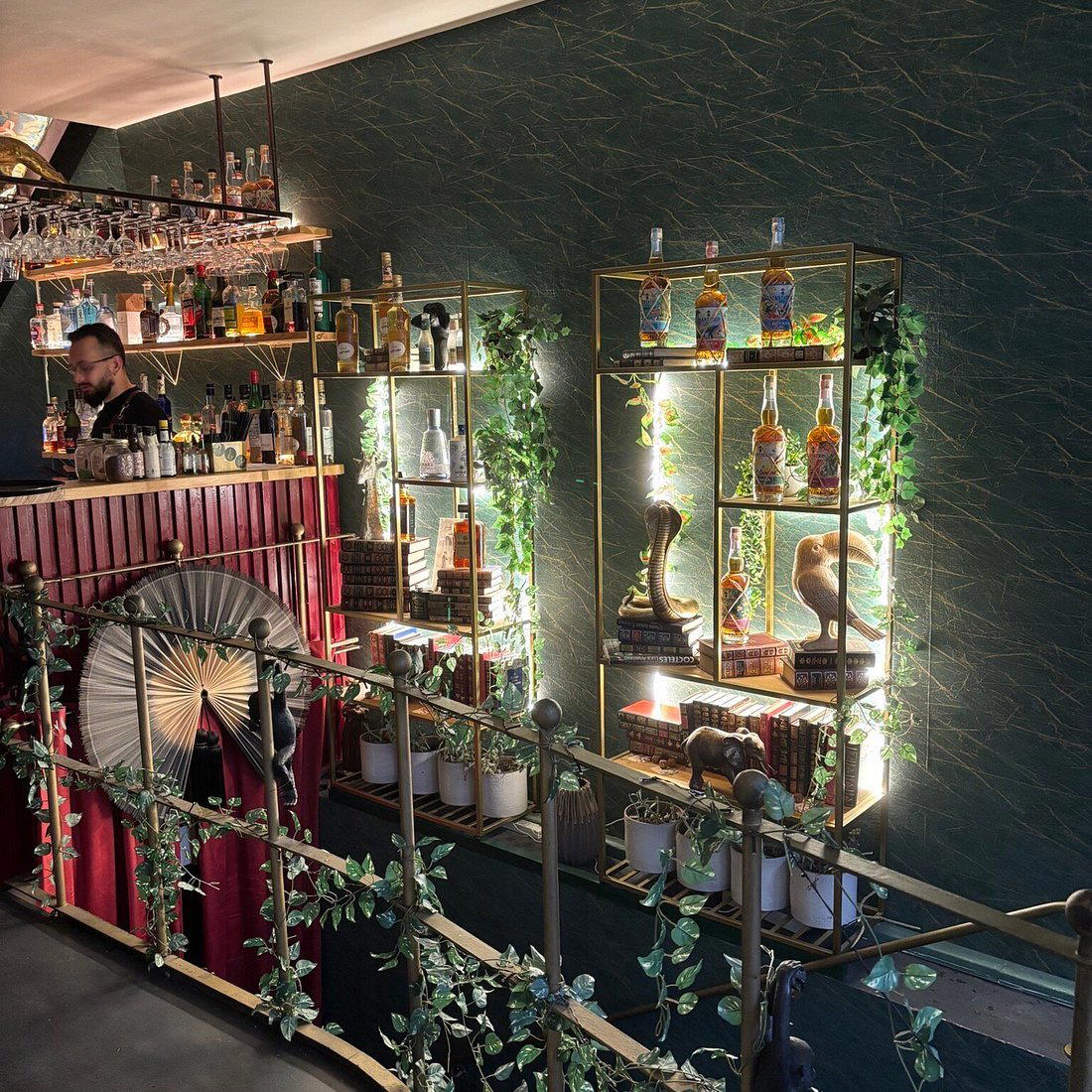
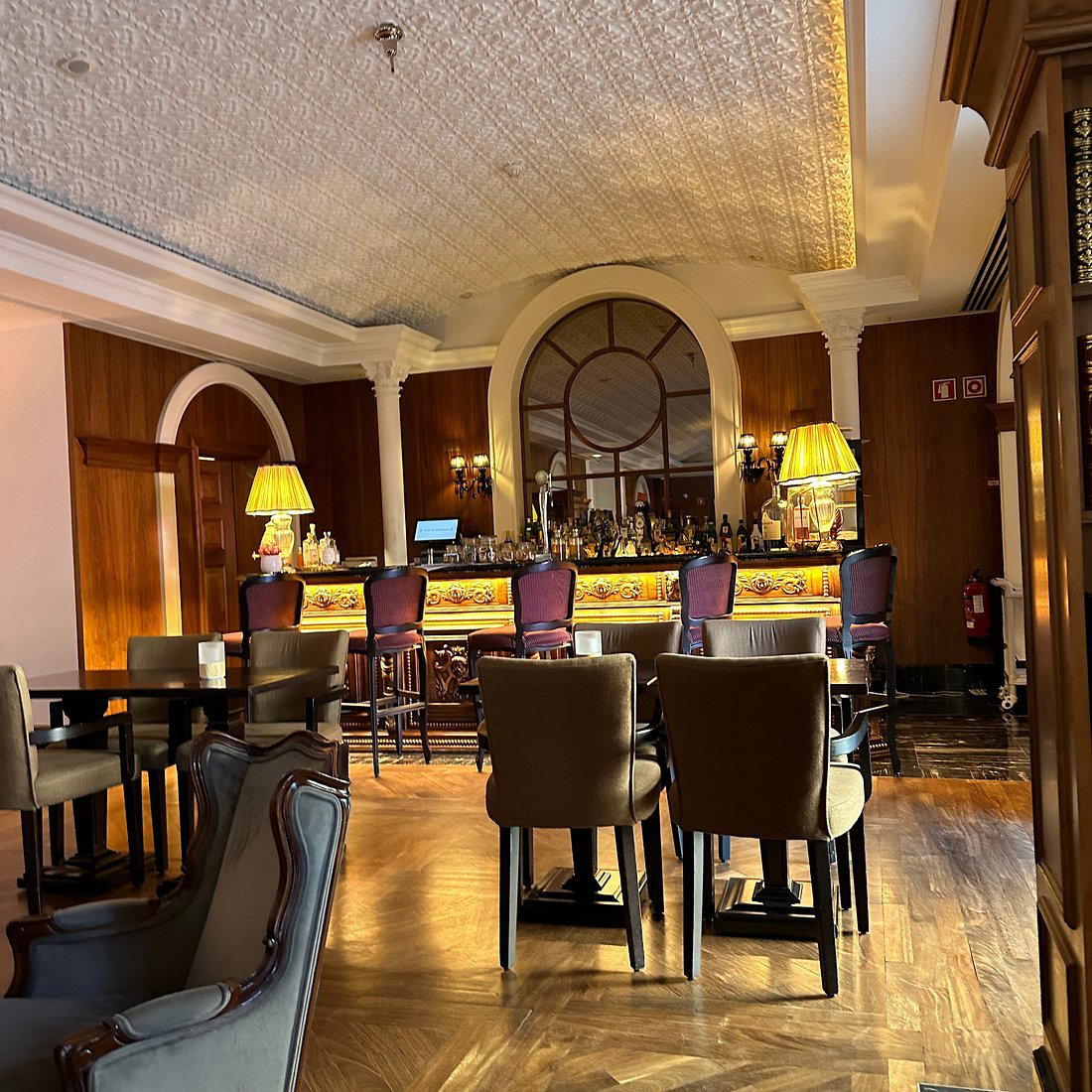
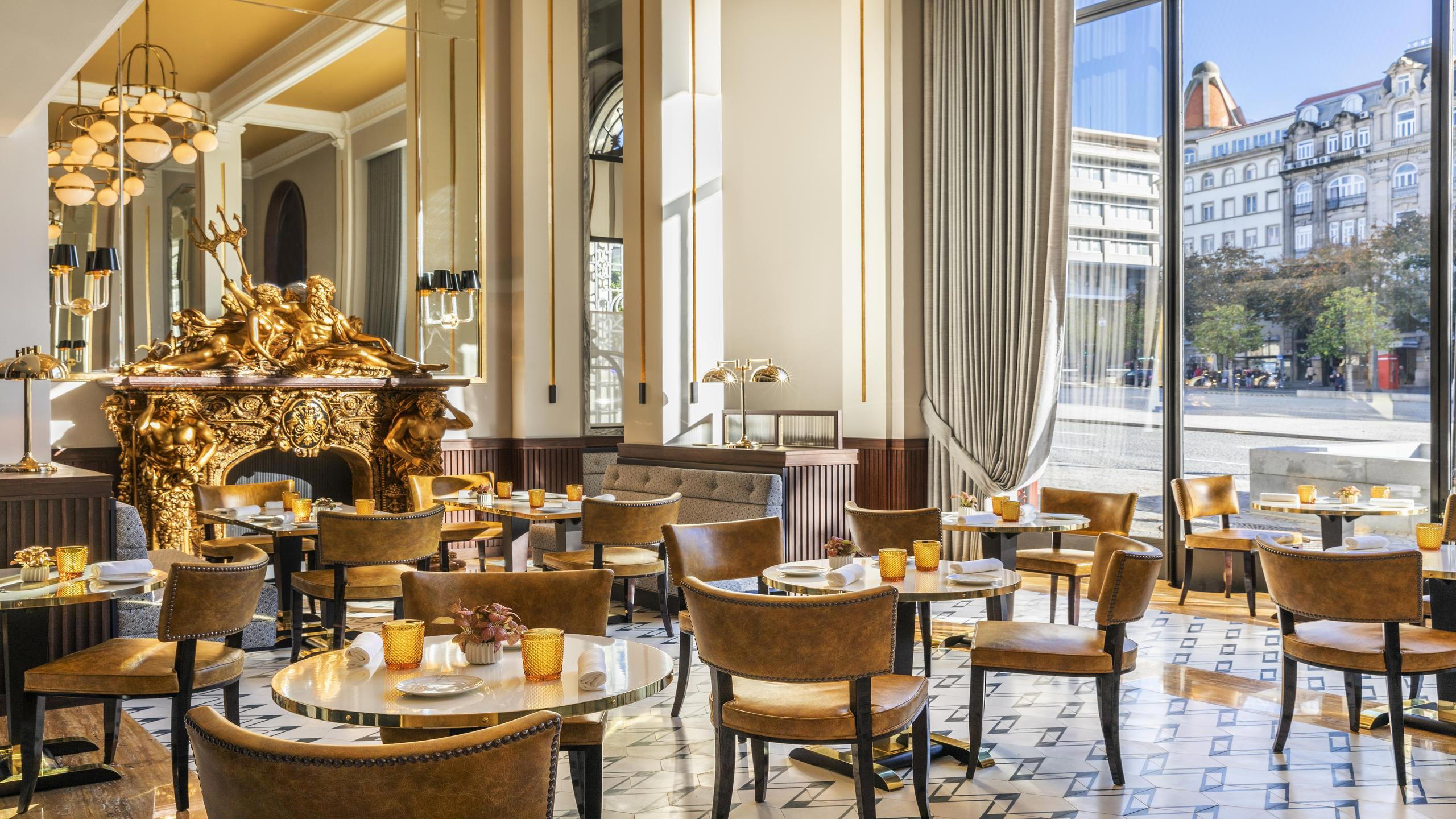
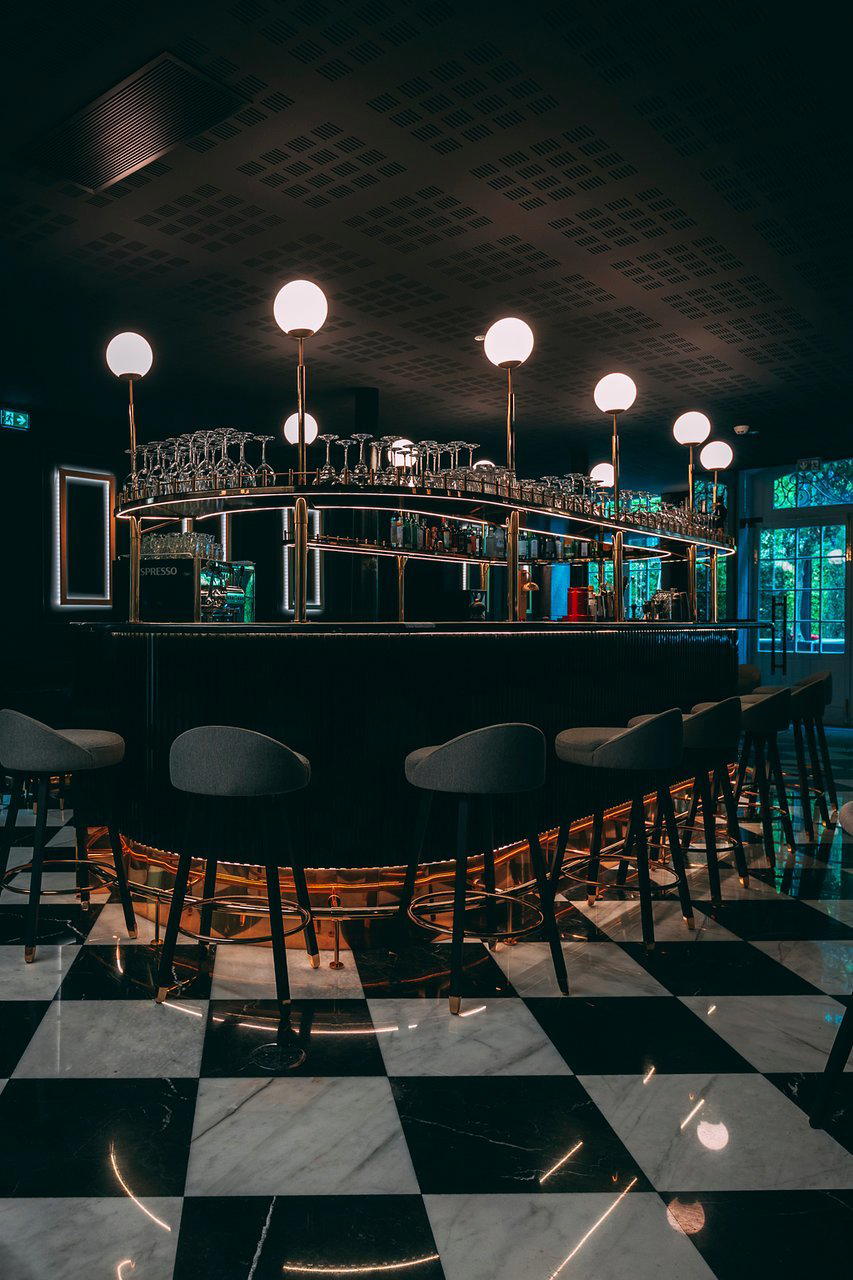
Porto's dining culture has a particular rhythm. It is not the sprint-course formality of a Michelin tasting counter, nor the casual communal plate-sharing of a taberna. The middle register, which Bistrô Flores occupies, is where Portuguese culinary tradition is currently being renegotiated most actively. A modern haute-cuisine interpretation of Portuguese cooking means the kitchen is drawing on the same ingredients and techniques that have defined the north's larder for centuries, salt cod, presunto, aged cheeses, Atlantic fish, and re-presenting them with the plating discipline and sourcing precision associated with contemporary fine dining. Bar dos Maias extends the offer toward aperitif and digestif territory, where the city's long relationship with Port, Vinho Verde, and Douro reds can be explored in a less structured setting.
The ritual of eating well in Porto begins before sitting down. Rua das Flores places the hotel within walking distance of the Mercado Ferreira Borges and the riverfront, and the city's broader dining geography rewards guests who spend the morning at a market before committing to a longer afternoon table. Bistrô Flores is positioned to serve both the deliberate dinner and the post-exploration meal, where the format's pacing, starter, main, dessert, with wine chosen from a Portuguese-leaning list, mirrors the way Porto residents approach an evening out. This is not a city where dinner is hurried.
The Spa as a Counter-Programme
The Mandalay Spa introduces a deliberate departure from the hotel's Iberian frame. Importing Indian and Thai therapy traditions into a building on one of Porto's most historically specific streets creates a productive tension, one that mirrors a pattern visible across European city hotels where spa programming has decoupled from local culture in favour of globally sourced techniques. Whether that represents dilution of place or a practical recognition that urban guests want therapeutic depth regardless of geography is a question the hospitality sector is still working out. At PortoBay Flores, the spa functions as a counter-programme to the city: a way to step outside Porto's density and noise without leaving the building. For guests who arrive having spent several days walking the Douro bank or the Clérigos hill, that function has clear practical value.
Porto's Boutique Hotel Tier
City's luxury boutique segment has expanded significantly since the mid-2010s tourism surge, and the current competitive set is substantial. Properties like Casa do Conto, Hospes Infante Sagres Porto, One Shot Palácio Cedofeita, and GA Palace Hotel & SPA each occupy different positions within the city's palace-conversion and design-led categories. The hotel differentiates through location specificity: Rua das Flores is pedestrianised, which removes the ambient noise that affects riverside or commercial-street properties, and the direct proximity to the Misericórdia church and museum gives guests a cultural reference point that requires no travel time to access. Compared to larger-footprint properties such as the Altis Porto Hotel or M Maison Particulière Porto, the 66-room count at the hotel keeps the guest-to-service ratio in boutique territory.
For travellers building a Portugal itinerary around Porto as a base, the hotel connects naturally to day excursions into the Douro Valley, where properties like Ventozelo Hotel & Quinta in Ervedosa Do Douro and Douro Valley - Casa Vale do Douro in Cambres offer overnight alternatives for those spending time among the vineyards. Elsewhere in Portugal, the spectrum extends from the Algarve coast, represented by Anantara Vilamoura Algarve Resort and Bela Vista Hotel & Spa in Praia da Rocha, to the Alentejo, where Craveiral Farmhouse and Hospedaria da Pensão Agrícola offer a more rural register. The Bussaco Palace Hotel in Luso and Boutique Hotel Teatro in Angra do Heroísmo represent the country's historic palace hotel tradition in different geographies. For those comparing Portuguese properties against international palace conversions, Aman Venice and Hotel Britania Art Deco in Lisbon offer useful reference points for how old fabric is handled in different European contexts.
Planning Your Stay
The hotel sits at Rua das Flores 27, within the historic centre and accessible on foot from São Bento station in under ten minutes. The pedestrianised street means no car access to the front door; arrivals with luggage should plan for a short walk from the nearest drop-off point. Porto's historic core is compact enough that most of the city's key sites, including the Clérigos Tower, the Sé Cathedral, and the Livraria Lello, fall within a fifteen-minute walk. Room availability has shown significant compression during Porto's summer and major festival periods, so advance planning is advisable for peak travel windows. The hotel's 66 rooms across two wings give it more flexibility than smaller boutique properties, but the palace suites in particular represent a limited inventory.
Reputation First
Comparable venues nearby, for context on price, style, and recognition.
| Venue | Cuisine | Price | Awards | Notes |
|---|---|---|---|---|
| PortoBay FloresThis venue — the venue you are viewing | Historic palace with contemporary wing, blending 16th-century architecture with modern luxury amenities and design. | $$$$ | Michelin 1 Key | Not listed |
| Torel Palace Porto | Literary-inspired historic palace converted into a luxury boutique hotel. | $$$$ | Michelin 1 Key | Sé |
| Maison Albar - Le Monumental Palace | Luxury palace hotel blending monumental Belle Époque architecture with contemporary design and internationally prominent hospitality. | $$$$ | Michelin 1 Key | Santo Ildefonso |
| Vila Foz Hotel & SPA | 19th-century manor house with modern extension | $$$$ | Michelin 1 Key | Nevogilde |
| GA Palace Hotel & SPA | Luxurious XIXth-century villa blending historic charm with modern luxury | $$$$ | Michelin 1 Key | Sé |
| Torel Avantgarde | Avant-garde design hotel celebrating early 20th-century artistic movements with contemporary luxury | $$$$ | 5-Star | Ribeira |
Recognition history
Dated appearances from independent guides and award organizations, with the underlying list record or original source where available.
Michelin 1 Key
Michelin
Continue exploring
More in Porto
Hotels in Porto
Browse all →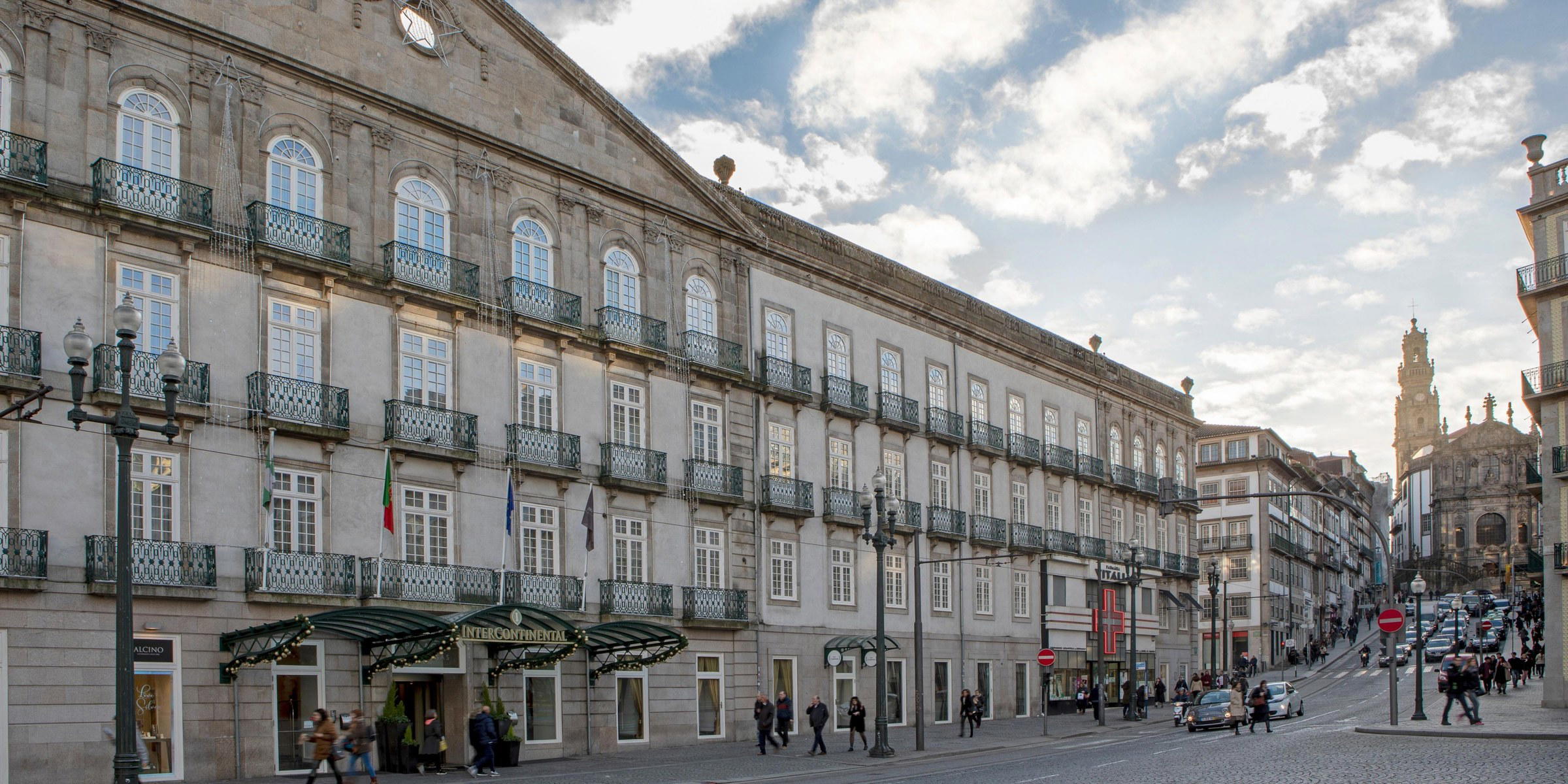
Bars in Porto
Browse all →
Restaurants in Porto
Browse all →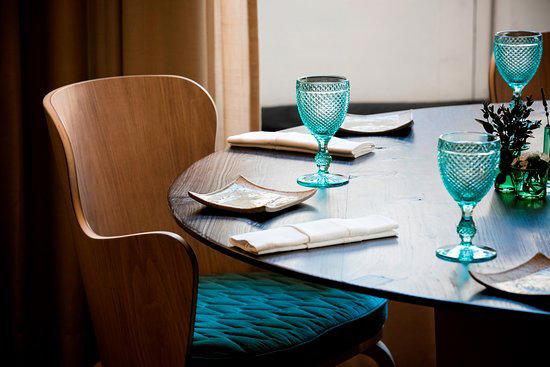

At a Glance
- Elegant
- Romantic
- Quiet
- Classic
- Sophisticated
- Romantic Getaway
- Anniversary
- Weekend Escape
- Business Trip
- Historic Building
- Garden
- Terrace
- Destination Spa
- Panoramic View
- Wi Fi
- Spa
- Pool
- Fitness Center
- Room Service
- Restaurant
- Bar
- Sauna
- Business Center
- Garden
- Street Scene
- Wi Fi
- Spa
- Pool
- Fitness Center
- Room Service
- Restaurant
- Bar
- Sauna
- Business Center
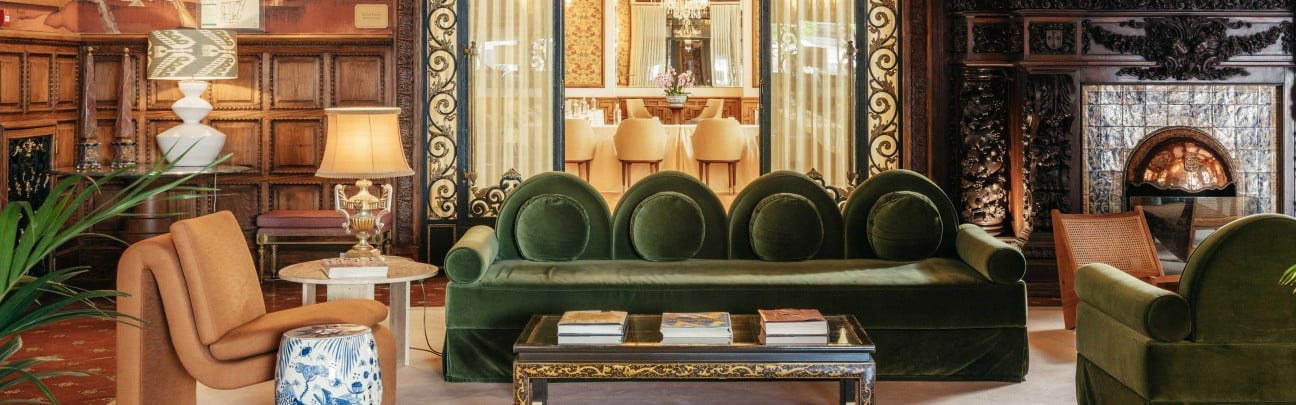
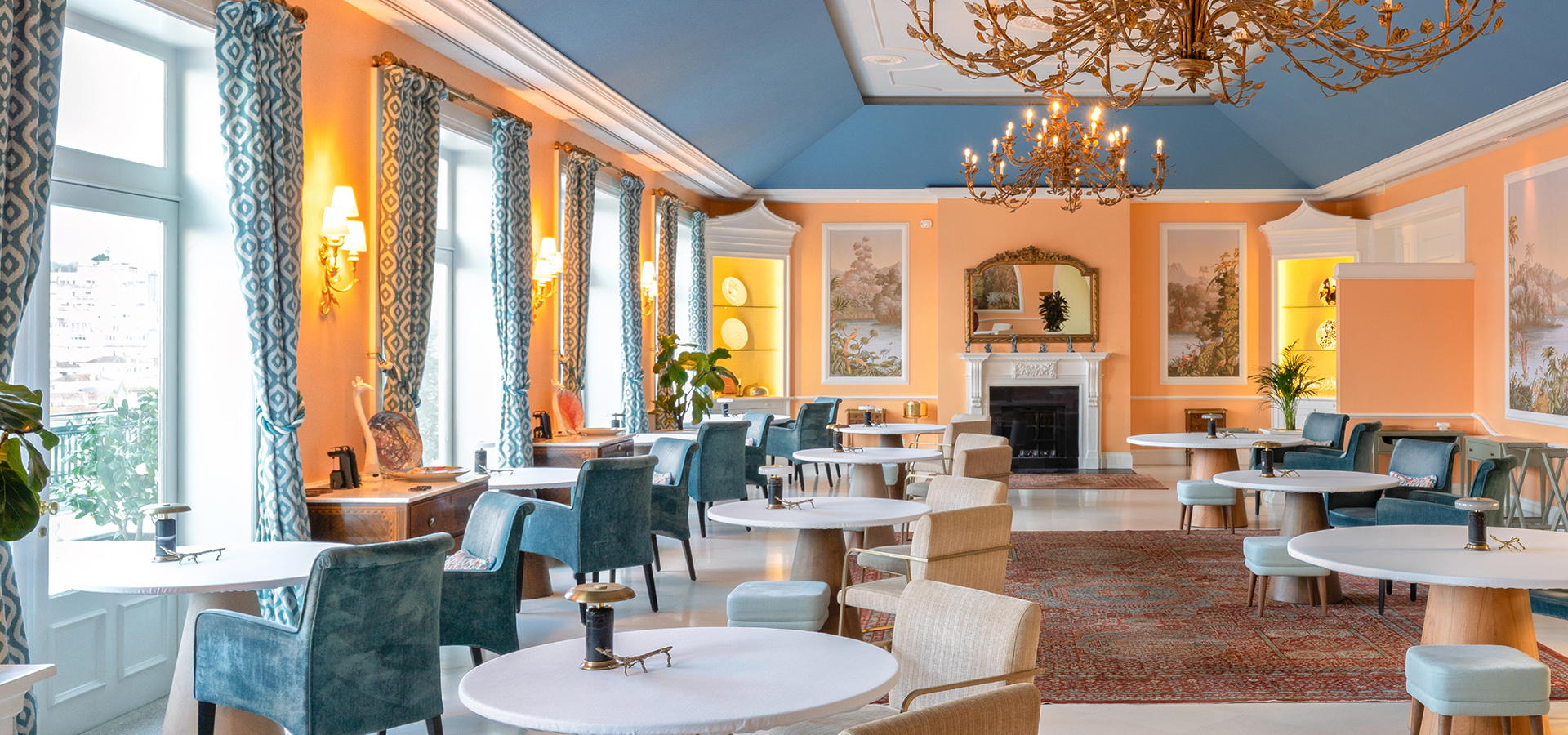
Serene and refined with warm lighting, intimate lounges featuring fireplaces and garden views, creating a peaceful retreat from the bustling pedestrian street outside.