



A 1923 neo-Gothic building on Porto's grandest boulevard, redesigned by Parisian hoteliers Maison Albar with full Art Deco interiors across 76 rooms and suites. The property holds Leading Hotels of the World membership and houses three distinct dining venues, including a Michelin-starred restaurant. For a city-centre stay that connects historic architecture to serious food credentials, few addresses on Avenida dos Aliados compete on the same terms.
Pearl is the En Primeur Club membership app — saves, bookings, and concierge access live there. Same editors, same standards.
- Address
- Av. dos Aliados 151, 4000-067 Porto
- Phone
- +351 22 766 2410
- Website
- hotelstheone.com
- Directions
- Get directions
 Saves & bookings on Pearl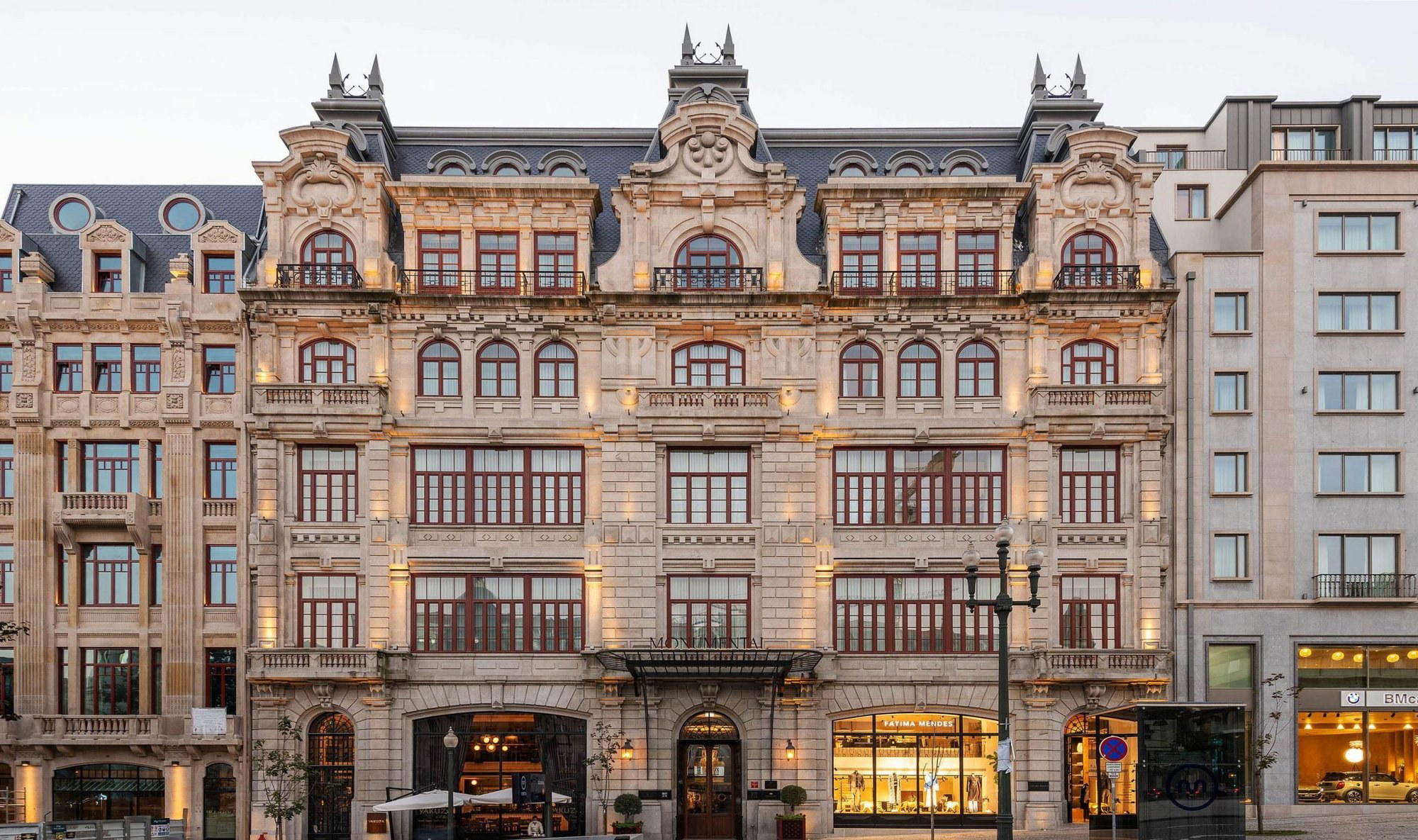
Porto's Grand Boulevard and What It Demands of Its Hotels
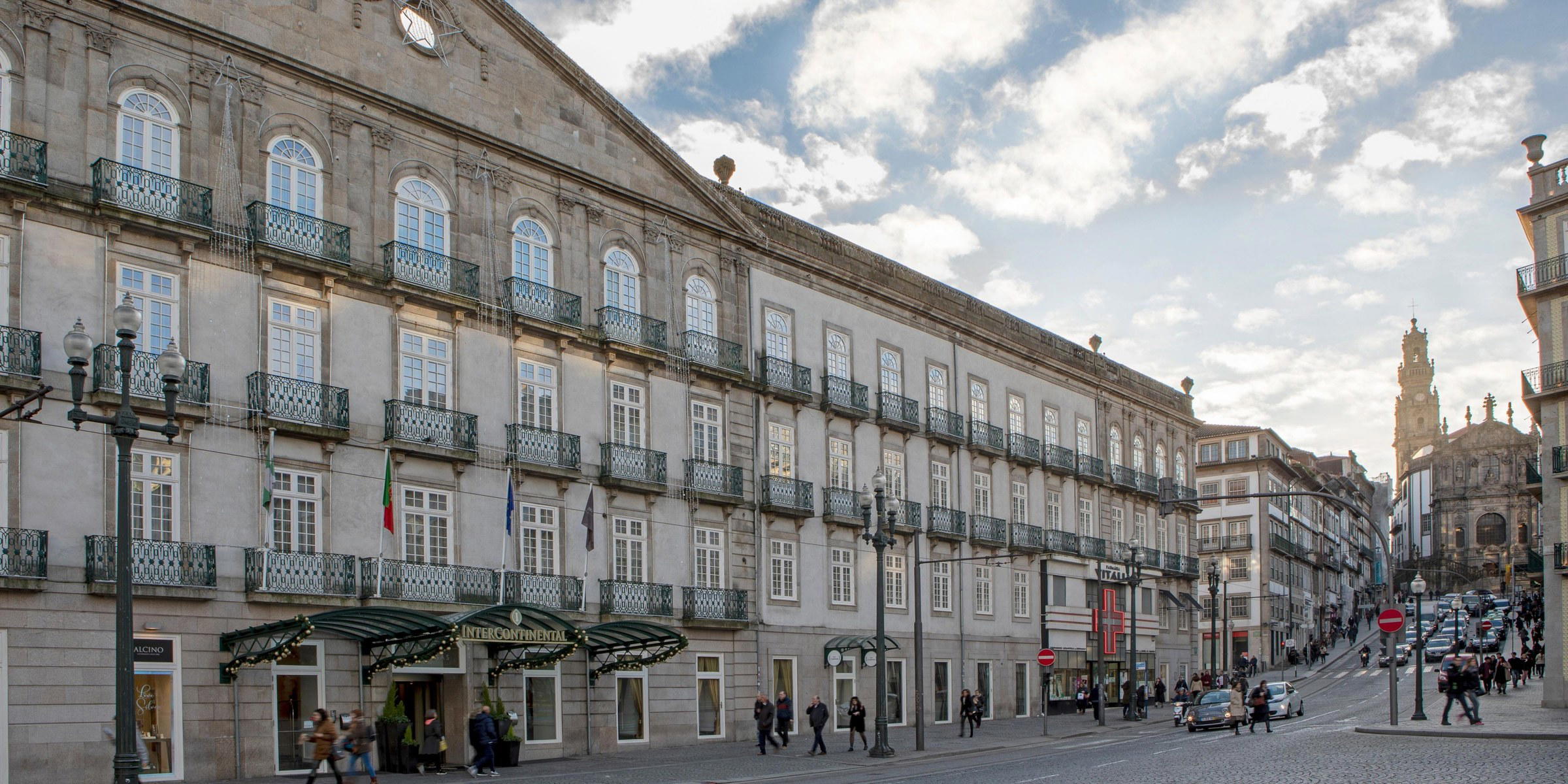
Avenida dos Aliados is not a street that forgives mediocrity. Porto's ceremonial spine, lined with Belle Époque facades and civic monuments, sets a visible standard that hotels must either meet or quietly disappoint against. Maison Albar - Le Monumental Palace, at number 151, meets it on architectural terms that most properties along the avenue cannot match: a 1923 neo-Gothic structure whose limestone facade and original proportions survive intact, now carrying Parisian hotelier Maison Albar's Art Deco interior programme. The combination places it in a specific competitive tier, alongside properties like the InterContinental Porto Palacio das Cardosas and Hospes Infante Sagres Porto, where historic provenance and five-star delivery are both expected, not optional.
The building's previous life as the Café Monumental, one of Porto's most frequented social institutions since 1930, gives the property a civic resonance that newer hotels cannot manufacture. That history is folded into the current identity rather than erased: the ground floor still operates as a café and dining space, maintaining continuity with the building's public role while the floors above serve a different function entirely.
What the Rooms Actually Offer
The property offers 76 rooms, a scale that supports a full-service city-centre stay. That scale matters: at 76 keys, Le Monumental Palace sits in the mid-capacity bracket for Porto's five-star tier, large enough to sustain multiple food and beverage operations, small enough that the room-to-staff ratio can remain attentive without feeling institutional.
Maison Albar's design language across its portfolio favours Art Deco references executed with contemporary materials, marble surfaces, geometric detailing, and warm-toned colour palettes that read as period-aware without tipping into pastiche. In a building whose bones date to 1923, that approach makes structural sense: the architectural character of the exterior sets an expectation that the interiors acknowledge rather than contradict. Guests arriving from properties that favour minimalist Scandinavian reductions or raw-concrete aesthetics will find Le Monumental Palace occupying a different register entirely, one closer to the grand hotel tradition of Paris or Vienna than to the design-led boutique category represented by properties such as Casa do Conto or One Shot Palácio Cedofeita.
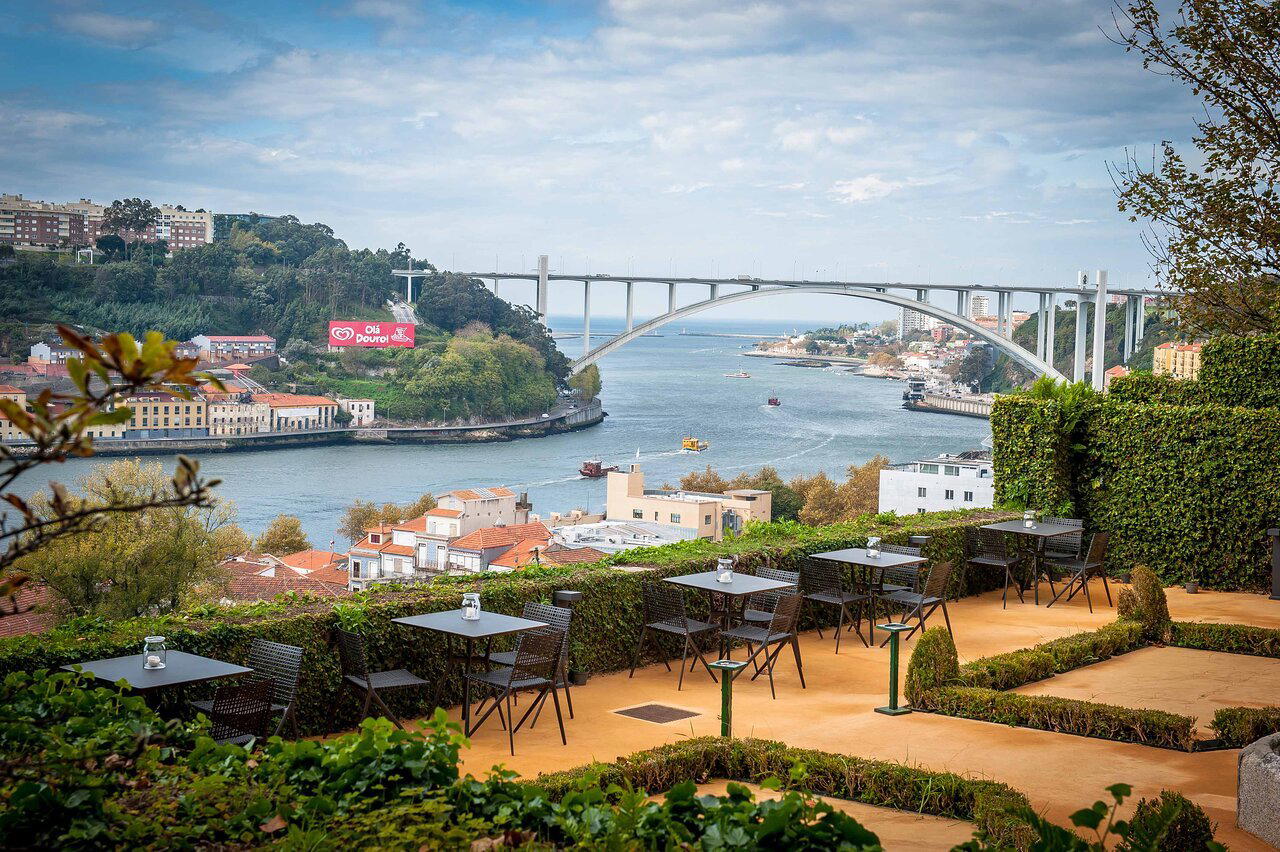
The suite tier is where the overnight experience shifts most significantly. Thirteen suites in a 76-key property represents a meaningful proportion, and the address on Avenida dos Aliados means upper-floor rooms carry boulevard views that few Porto hotels can replicate from within the city centre proper. For travellers calibrating room category against spend, the suite tier carries more space and privacy than the standard room category.
Three Dining Venues, One Kitchen Heritage
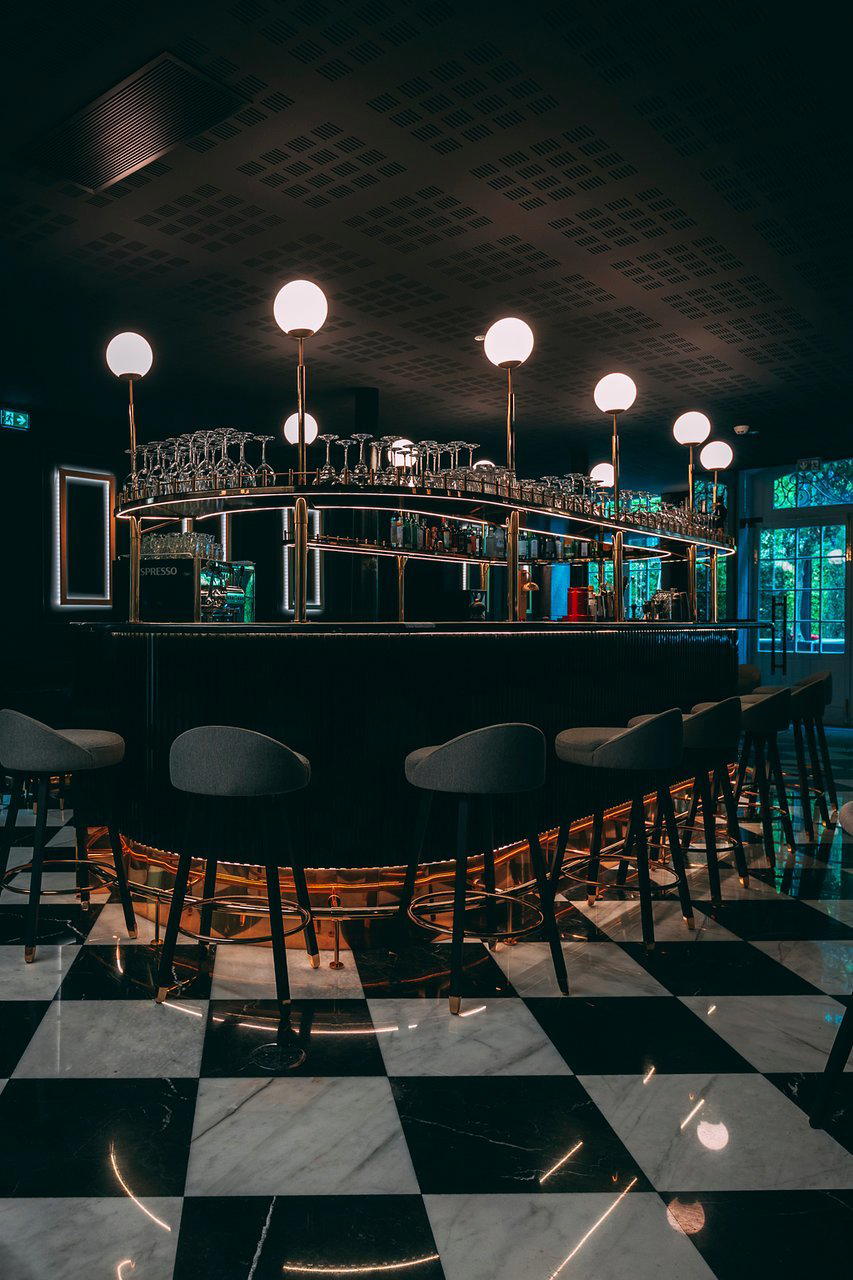
The ground-floor food and beverage programme at Le Monumental Palace is more architecturally complex than most city hotels attempt. The reincarnation of the original Café Monumental has been divided into three separate operations rather than consolidated into a single all-day venue. Le Monument, the Michelin-starred fine-dining concept led by Chef Julien Montbabut, occupies formally positioned space. Yakuza, a Japanese restaurant by Oliver Da Costa, sits alongside it. The Mezzanine, positioned just above the lobby, handles breakfast and lighter service.
Within Porto's dining context, a Michelin-starred hotel restaurant is a significant credential. The city's Michelin representation is concentrated but competitive, and Le Monument's recognition places Le Monumental Palace in a narrower bracket than its five-star peers who operate competent but undecorated dining rooms. For travellers who treat hotel dining as incidental, this distinction is academic. For those who plan stays around meal access, it changes the calculation: staying here provides in-house access to a recognised table without the separate reservation effort that standalone fine-dining requires.
The Yakuza programme reflects a broader trend in European luxury hotels toward multi-concept ground floors that serve both resident and non-resident guests. Japanese restaurants anchored within five-star hotels have proliferated across Paris, London, and now Lisbon and Porto, they draw local clientele, sustain evening covers independent of room occupancy, and signal a cosmopolitan positioning that straight-ahead local cuisine cannot deliver on its own. Whether the format works depends on execution rather than concept, and the dual-venue structure at least ensures that guests seeking something other than fine-dining have an alternative without leaving the building.
The Spa and Wellness Tier
The Grand Bleu Spa, developed in partnership with Nuxe, gives Le Monumental Palace a wellness programme with a named partner whose product and treatment standards are consistent across licensed properties. Nuxe-affiliated spa operations tend toward French skincare protocols and warm-water facilities rather than the Nordic or Ayurvedic traditions favoured by some competitor properties. The indoor pool is a meaningful differentiator in Porto's five-star set: not every property at this tier provides one, and for winter travel or guests who prioritise aquatic recovery after city walking, it shifts the value calculus.
Among Porto's comparable city-centre properties, Altis Porto Hotel and GA Palace Hotel & SPA both offer spa facilities, but the combination of a named partner, indoor pool, and Michelin-starred dining in a single historic building concentrates amenity density in a way that smaller properties cannot match. Those who prefer intimate stays with fewer facilities might find M Maison Particulière Porto or Pestana Douro Riverside Porto Premium Hotel more suited to their preferences.
Placing Le Monumental Palace in the Wider Portugal Picture
Porto's five-star hotel tier has grown considerably over the past decade, with conversions of historic civic and commercial buildings now forming the dominant model. In that context, Le Monumental Palace's 1923 provenance and Leading Hotels of the World membership position it toward the heritage end of the spectrum rather than the contemporary end. Travellers moving between Portuguese cities who also want to experience the country's broader hotel range might consider properties like Hotel Britania Art Deco in Lisbon for a smaller Art Deco counterpart, or step entirely outside the urban frame with Ventozelo Hotel & Quinta in Ervedosa do Douro for the wine-country alternative an hour east. For coastal departures, Bela Vista Hotel & Spa in Praia da Rocha and Anantara Vilamoura Algarve Resort represent the Algarve's premium accommodation tier. Further afield in Portugal, Bussaco Palace Hotel in Luso offers a comparable historic setting.
Le Monumental Palace's address on Avenida dos Aliados puts it within walking distance of the Bolhão market, the Livraria Lello bookshop, and the main tram and metro interchange at Trindade, making it as well-positioned for city exploration as any hotel in Porto's centre.
Planning Your Stay
Le Monumental Palace sits at Av. dos Aliados 151, in Porto's historic centre. The property operates 76 rooms across standard and suite categories; given the suite-to-room ratio and the property's Leading Hotels of the World positioning, early booking is advisable for dates in the spring-to-autumn high season, when Porto receives its heaviest visitor traffic.
At-a-Glance Comparison
Comparable venues nearby, for context on price, style, and recognition.
| Venue | Cuisine | Price | Awards | Notes |
|---|---|---|---|---|
| Maison Albar - Le Monumental PalaceThis venue — the venue you are viewing | Luxury palace hotel blending monumental Belle Époque architecture with contemporary design and internationally prominent hospitality. | $$$$ | Michelin 1 Key | Not listed |
| GA Palace Hotel & SPA | Luxurious XIXth-century villa blending historic charm with modern luxury | $$$$ | Michelin 1 Key | Sé |
| Torel Palace Porto | Literary-inspired historic palace converted into a luxury boutique hotel. | $$$$ | Michelin 1 Key | Sé |
| The Yeatman Hotel | Luxury boutique wine hotel with contemporary Portuguese design, structured like a vineyard on a hillside with cascading rooms offering panoramic river and city views. | $$$$ | Michelin 1 Key | Vila Nova de Gaia |
| Quinta de Silvalde | Historic quinta renovated into a modern boutique retreat | $$$ | Michelin 1 Key | Areias |
| PortoBay Flores | Historic palace with contemporary wing, blending 16th-century architecture with modern luxury amenities and design. | $$$$ | Michelin 1 Key | Vitória |
Recognition history
Dated appearances from independent guides and award organizations, with the underlying list record or original source where available.
Forbes Recommended
Forbes
Virtuoso Luxury Hotel Partner
Virtuoso
Leading Hotels of World Member
Leading Hotels of World
Michelin 1 Key
Michelin
Continue exploring
More in Porto
Hotels in Porto
Browse all →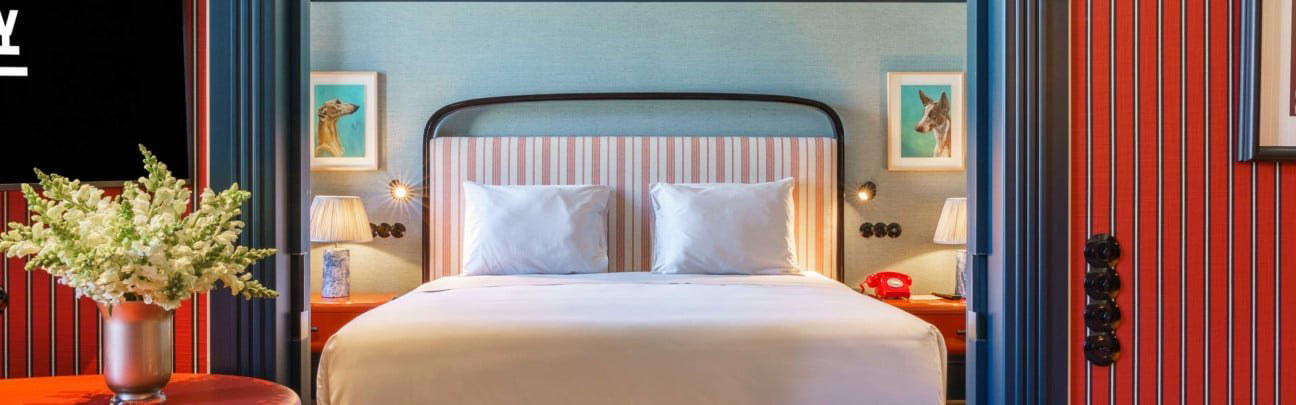
Bars in Porto
Browse all →
Restaurants in Porto
Browse all →
At a Glance
- Elegant
- Sophisticated
- Classic
- Romantic
- Romantic Getaway
- Anniversary
- Business Trip
- Wellness Retreat
- Celebration
- Historic Building
- Destination Spa
- Panoramic View
- Private Dining
- Design Destination
- Wi Fi
- Pool
- Spa
- Fitness Center
- Room Service
- Concierge
- Valet Parking
- EV Charging
- Sauna
- Bar
- Restaurant
- Street Scene
- Wi Fi
- Pool
- Spa
- Fitness Center
- Room Service
- Concierge
- Valet Parking
- EV Charging
- Sauna
- Bar
- Restaurant
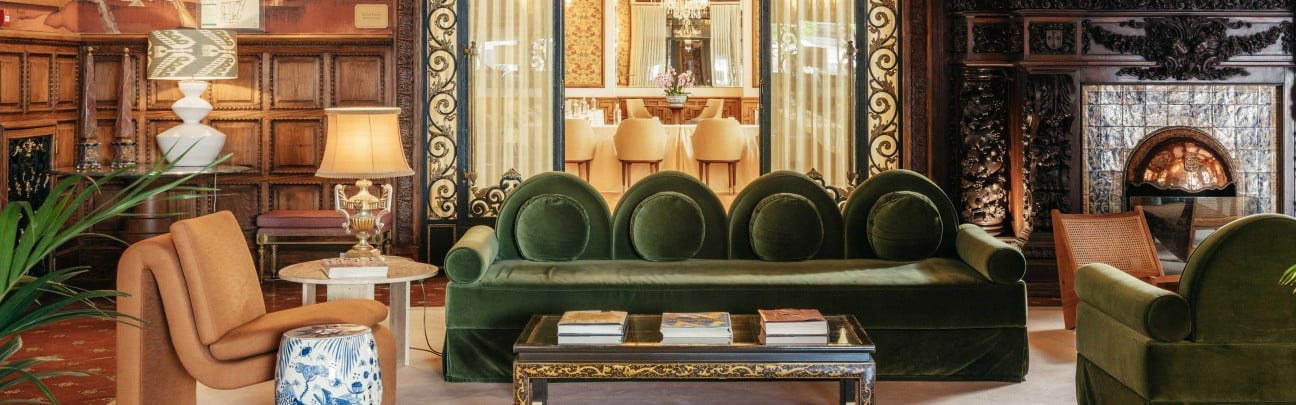
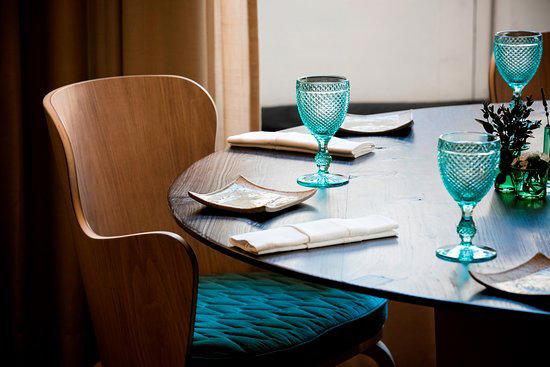
Grand, refined atmosphere with marble and velvet accents in the lobby, high ceilings, bespoke decorations, and sleek modern furnishings creating a casually luxurious environment.