Lake Chapala sits on the southern shore of Mexico's largest freshwater lake, in the quiet lakeside town of Poncitlan, Jalisco. The scale of the water and the quality of highland light have drawn artists, retirees, and travellers to this stretch of shore for well over a century. It occupies a different register from Mexico's coastal resort corridor, offering instead a slower, landscape-anchored experience at altitude.

Pearl is the En Primeur Club membership app — saves, bookings, and concierge access live there. Same editors, same standards.
- Address
- Jalisco, Mexico
- Directions
- Get directions
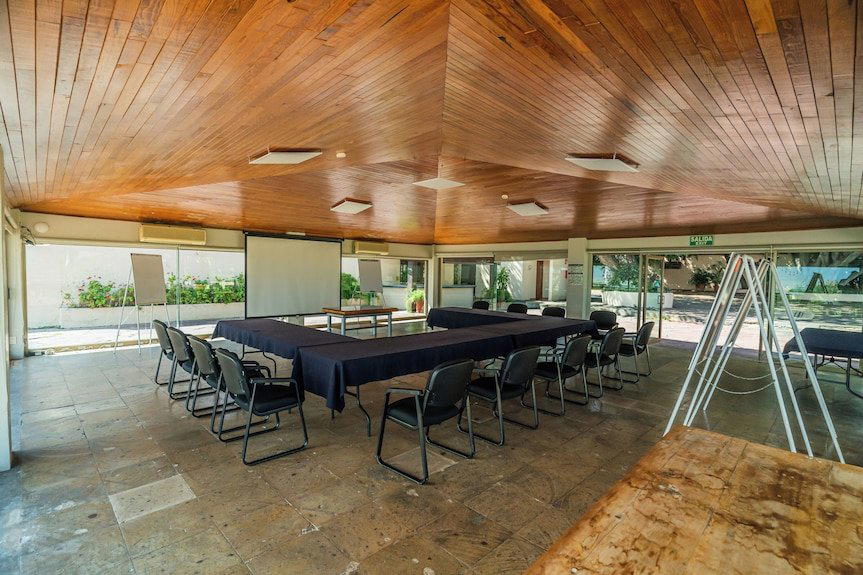
Where the Water Meets the Sierra Madre
Mexico's largest freshwater lake does not announce itself gradually. Approaching from Guadalajara, the road drops through a series of hillside curves before the full breadth of Lake Chapala opens across the windshield in one uninterrupted sheet. At this elevation, roughly 1,500 metres above sea level, the light behaves differently from the coast: sharper at midday, longer and more amber at dusk, with the kind of horizontal clarity that made the Sierra Madre foothills a preferred location for painters and writers through the late nineteenth and early twentieth centuries. The town of Poncitlan sits on the lake's southeastern shore, quieter and less developed than the more-visited Chapala or Ajijic to the west, which means the physical experience of the lake remains relatively unmediated by tourist infrastructure.
That quality of light and the sheer scale of the water are the architectural facts around which any stay on this shore is organised. The lake stretches roughly 77 kilometres in length and up to 22 kilometres wide, large enough to create its own microclimate and to give the highland air a humidity that softens the otherwise dry Jalisco interior. These are the conditions that have shaped the region's character as a destination: not dramatic coast, not high-altitude pine forest, but a temperate, lake-modulated environment that sits somewhat apart from the resort categories Mexico is better known for internationally.
The Jalisco Lakeside Context
The Lake Chapala basin has operated as a destination for well over a century, drawing a sustained expatriate community particularly from the United States and Canada alongside domestic Mexican visitors from Guadalajara, just 45 kilometres to the northwest. That dual audience has produced a layered hospitality culture along the shoreline that ranges from local fish restaurants serving charales and pescado blanco, endemic species harvested directly from the lake, to more polished accommodation and dining in the Ajijic corridor. Poncitlan occupies the quieter, less commercialised end of that spectrum. It draws visitors who want proximity to the lake without the crowds that concentrate in Chapala town on weekends and holidays.
The region fits into a recognisable pattern across Mexican lake and highland destinations: slower-paced, architecture-forward, with a hospitality offer built around the natural setting rather than amenity stacking. Properties along the western shore closer to Ajijic tend toward colonial-style architecture using local stone and terracotta, with interior courtyards designed to frame lake views. That design logic, where the building orients itself around a relationship with the water rather than standing apart from it, is the consistent language of serious accommodation in this area. For comparison, inland Mexico properties with strong design pedigrees, such as Casa de Sierra Nevada, A Belmond Hotel, San Miguel de Allende or Casa Antonieta in Oaxaca City, use courtyard architecture and local materials in a similar way, though the lakeside setting gives the Chapala basin its own spatial logic.
Design and Physical Character
Architectural DNA of the Chapala shore is colonial Jalisco vernacular: thick walls built for thermal mass rather than air conditioning, tile work in Talavera or regional ceramic traditions, wooden beam ceilings, and exterior spaces that function as primary living areas for most of the year. The climate supports this orientation. Temperatures around Lake Chapala average between 16 and 26 degrees Celsius across most months, with a rainy season concentrated from June through September that deepens the green of the surrounding hills and adds a different atmospheric quality to the lake. Outside that window, the region runs mild enough that outdoor dining, lakeside terraces, and open-plan architecture make functional sense rather than aspirational sense.
Properties and venues that work with this climate rather than insulating guests from it tend to read as more architecturally coherent in this setting. The pattern appears across serious Mexican lakeside and coastal destinations: at Las Alamandas on the Costalegre or Cuixmala in La Huerta, the architecture uses local palette and open-sided structures to maintain a connection to the surrounding landscape. The Chapala basin translates this same instinct into a highland-lake register rather than a tropical coast one.
Getting to Poncitlan
The practical case for the Chapala basin starts in Guadalajara, which is served by frequent direct flights from Mexico City, the United States, and Canada through Miguel Hidalgo y Costilla International Airport. From the airport to the Chapala lakeshore runs approximately 50 to 60 kilometres by road, typically 45 to 75 minutes depending on Guadalajara traffic. Poncitlan sits on the lake's southeastern shore, somewhat further east along the shoreline than the main Chapala-Ajijic corridor, so transfer times from Guadalajara will vary accordingly. Car hire or private transfer is the practical choice; public transport connections exist but involve multiple changes and are better suited to travellers with flexible schedules. Travellers using Guadalajara as a base can also access the region on day visits, which is a common pattern for domestic visitors. For a broader survey of what the city offers as a staging point, Hotel Demetria in Guadalajara represents the kind of design-forward city accommodation that works well as a complement to lake days.
Planning a Visit
The dry season months from October through May offer the most consistent conditions, with the sharpest light and coolest evenings. The rainy season from June through September brings heavier afternoon downpours but also a lushness to the hills that changes the visual character of the lake entirely. Weekends draw significant numbers of tapatíos, residents of Guadalajara, to the main Chapala and Ajijic sections of the shore, so visitors prioritising a quieter experience should plan midweek arrivals or position themselves in less-trafficked points along the lakeline. Poncitlan's position on the southeastern shore puts it outside the primary weekend flow.
For readers whose Mexico itinerary extends to the coast, the broader EP Club portfolio covers the range of options: the Pacific coast brings Four Seasons Resort Punta Mita and One&Only Mandarina in Riviera Nayarit into range, while the Riviera Maya side encompasses properties from Maroma in Riviera Maya to Hotel Esencia in Tulum and Etéreo, Auberge Resorts Collection in Punta Maroma. The Baja peninsula runs from Las Ventanas al Paraíso, A Rosewood Resort in San José del Cabo through Montage Los Cabos and Zadun, A Ritz-Carlton Reserve in Los Cabos. The Chapala basin is a different proposition from all of these: inland, at altitude, lake-framed, and considerably less resort-coded. Consult our full Poncitlan restaurants guide for current dining options in the area.
How It Stacks Up
| Venue | Price | Awards |
|---|---|---|
| Lake ChapalaThis venue — the venue you are viewing | Not listed | Not listed |
| One&Only Mandarina | Not listed | 3 Michelin Keys · World's 50 Best #23 |
| Las Ventanas al Paraíso, A Rosewood Resort | $750–1,000 | 2 Michelin Keys · World's 50 Best #25 |
| Montage Los Cabos | $1,000–1,500 | 2 Michelin Keys · World's 50 Best #67 |
| Rosewood Mayakoba | $1,000–1,500 | 2 Michelin Keys · World's 50 Best #95 |
| Zadun, A Ritz-Carlton Reserve | Not listed | 2 Michelin Keys · La Liste Top Hotels |
Continue exploring
More in Poncitlan
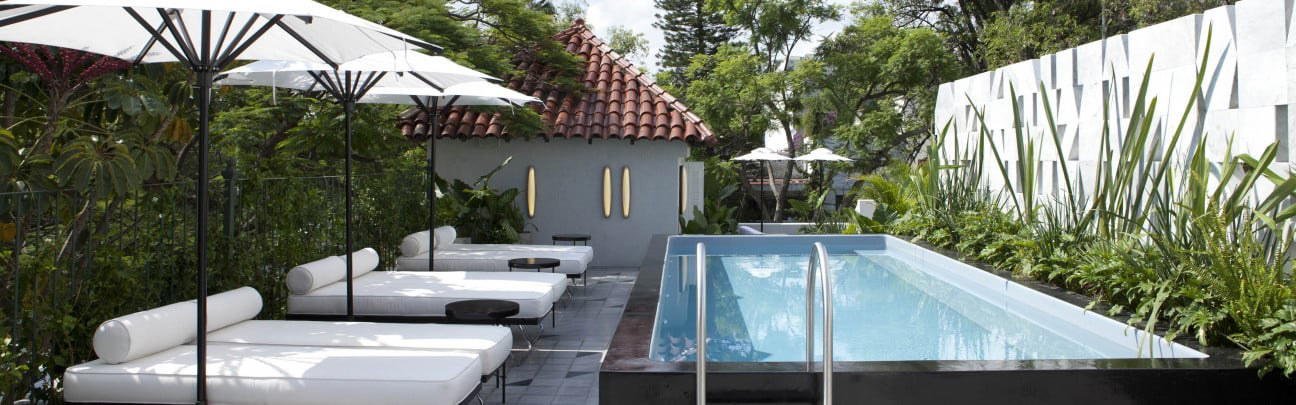
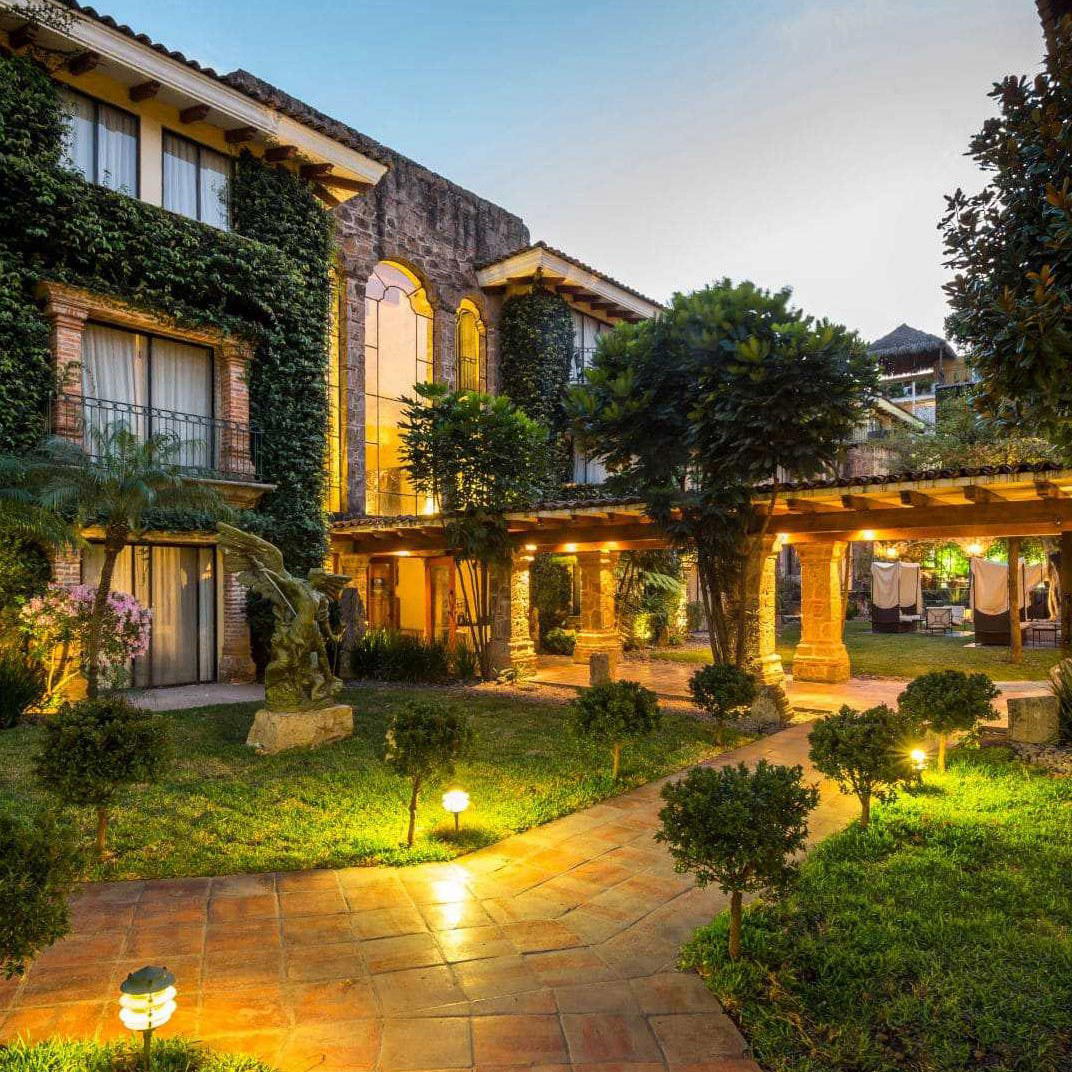
Hotels in Poncitlan
Browse all →
Bars in Poncitlan
Browse all →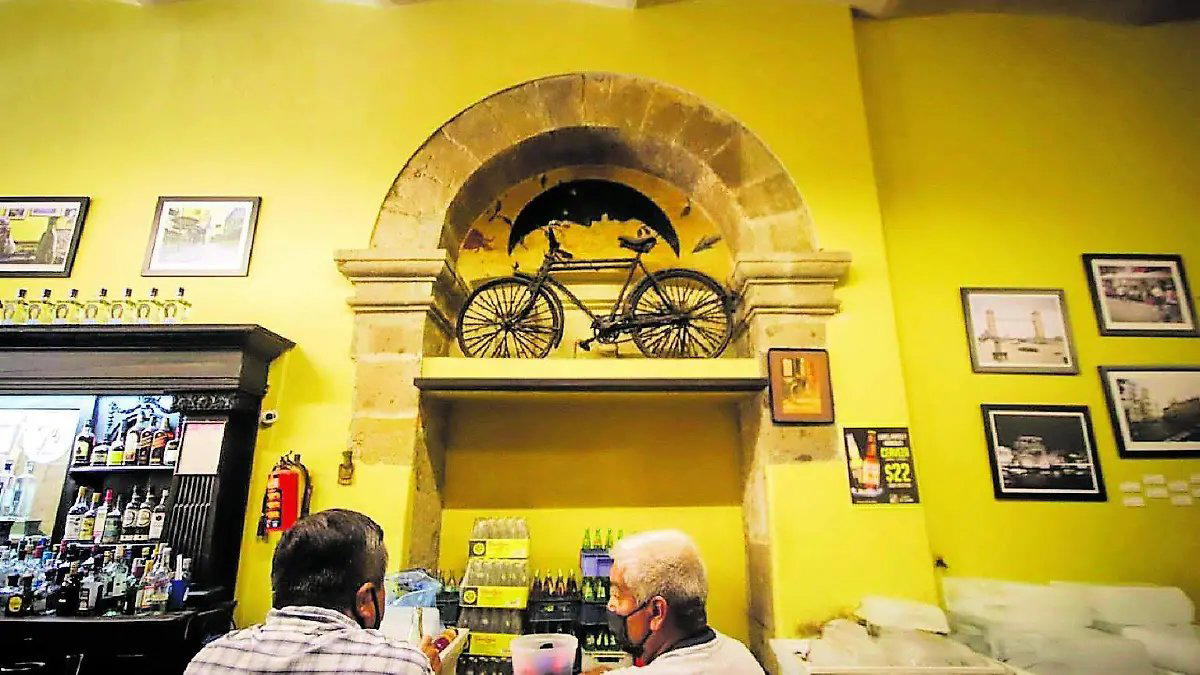
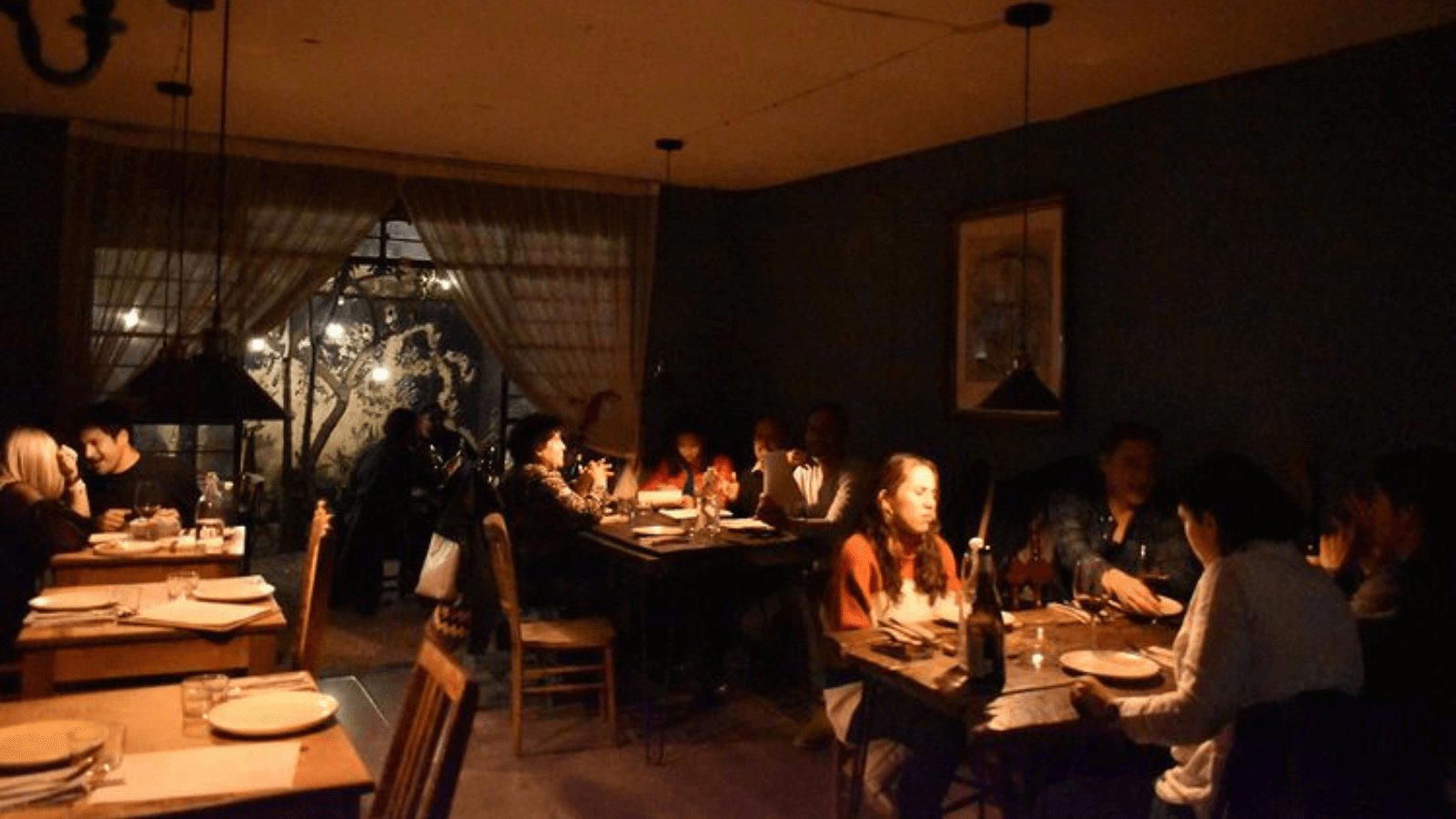
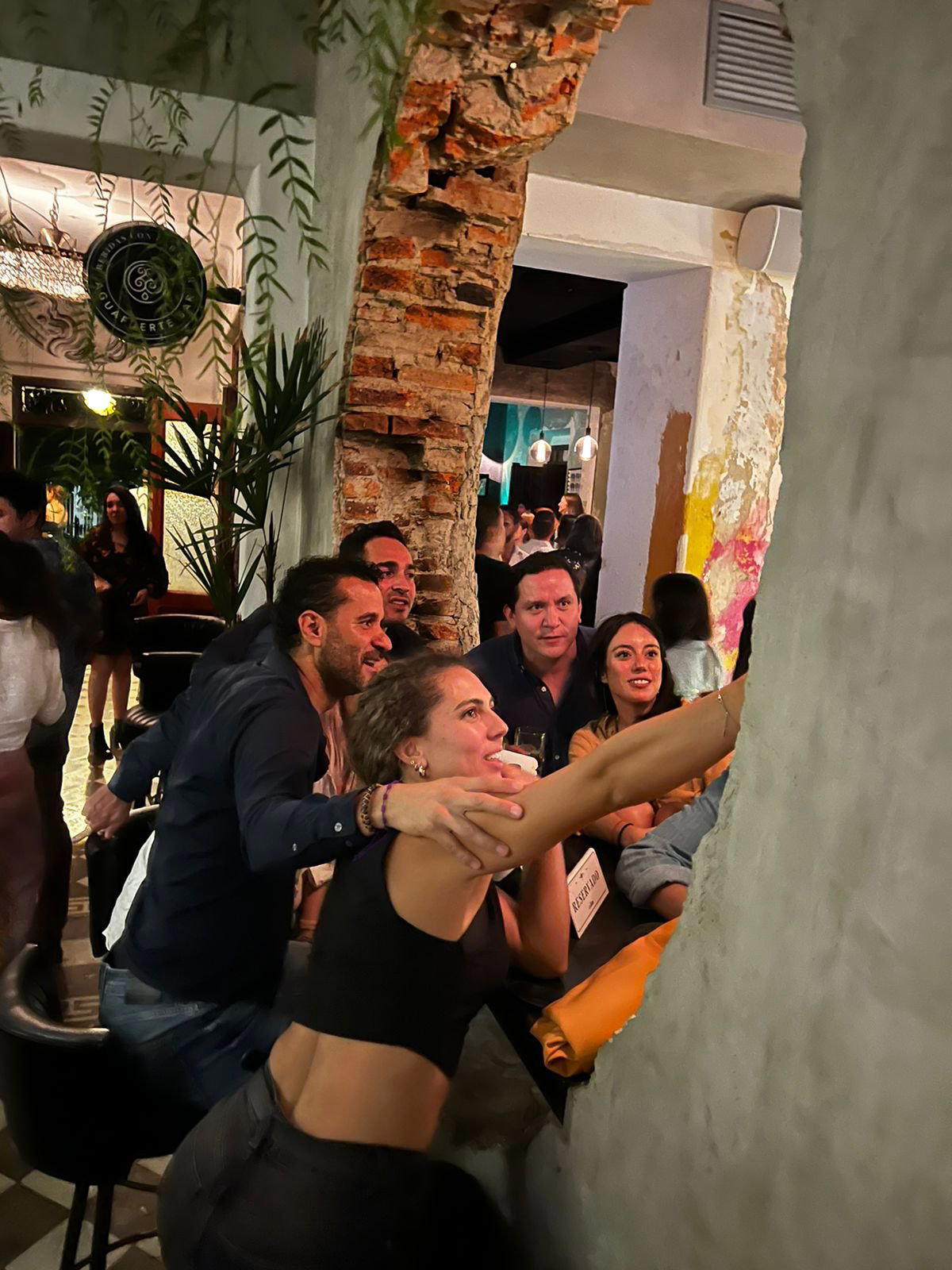

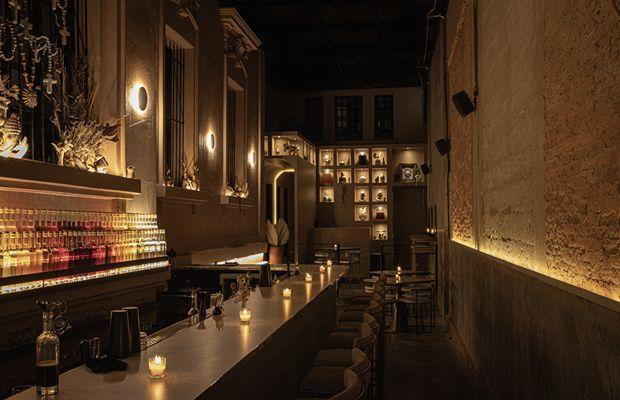
Restaurants in Poncitlan
Browse all →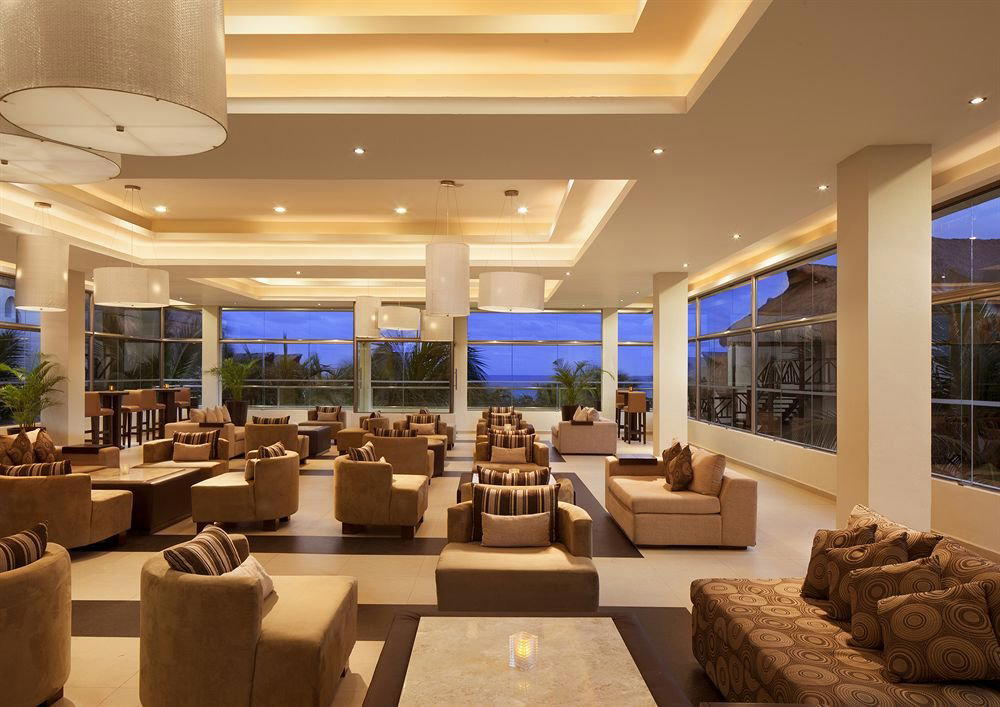
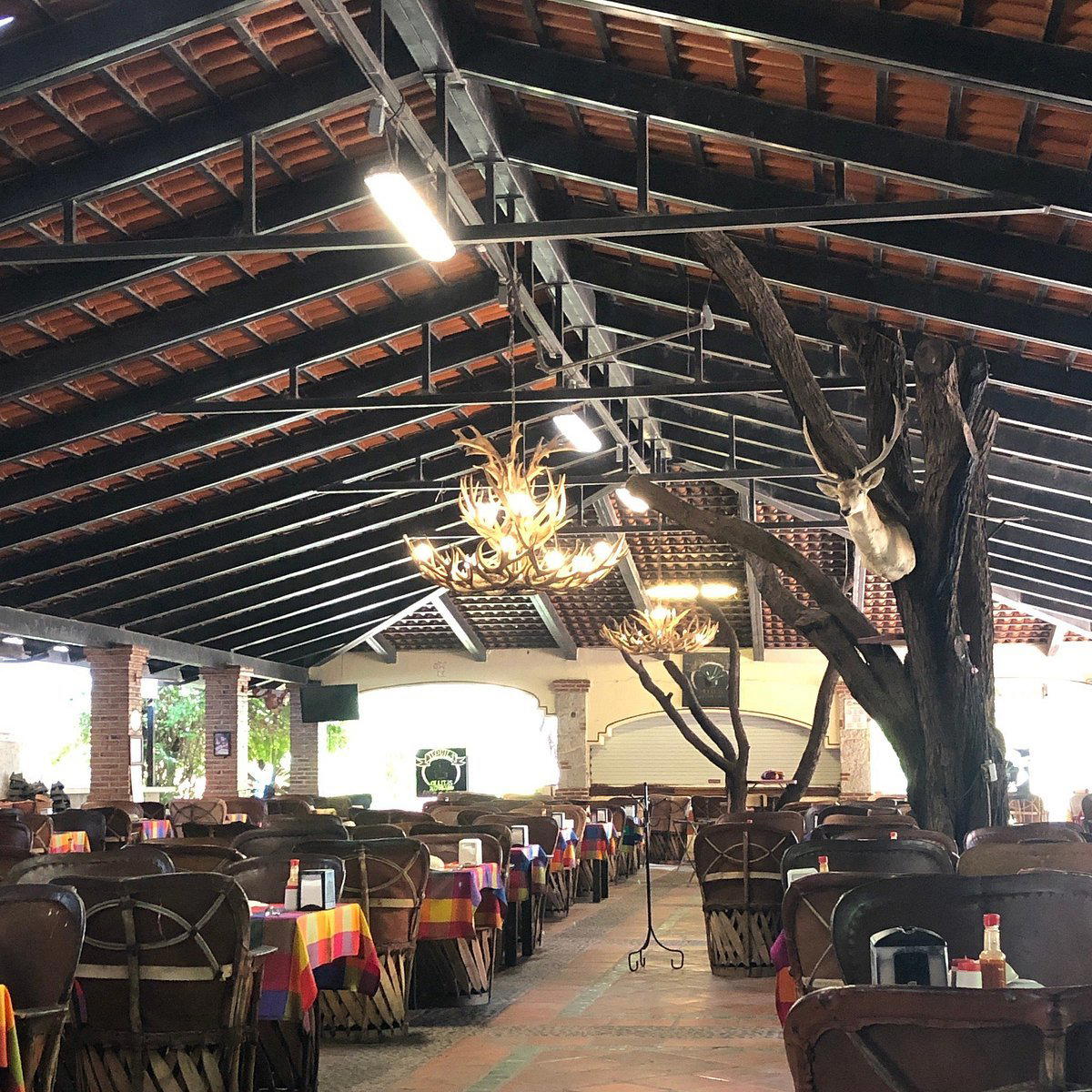
Wineries in Poncitlan
Browse all →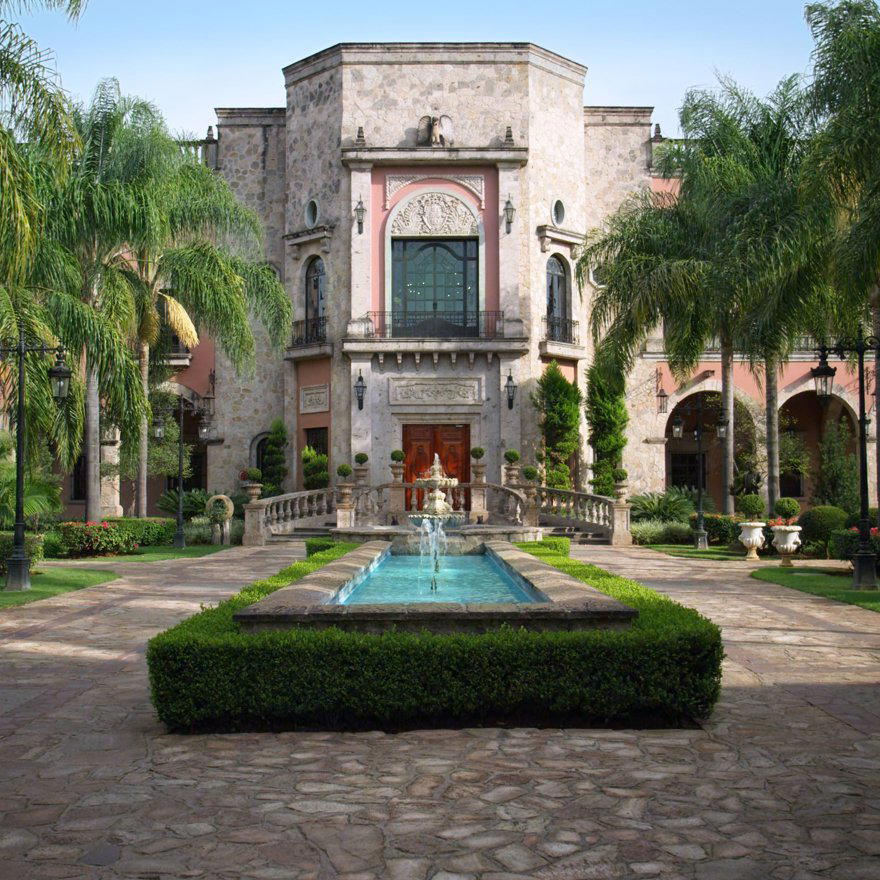
Details
- Scenic
- Family Vacation
- Waterfront
- Pool
- Tennis
Relaxed family atmosphere with green areas and poolside activities.