Hacienda Patrón
Hacienda Patrón sits at the heart of Jalisco's Los Altos tequila country in Atotonilco El Alto. The hacienda format connects visitors directly to the agave-to-bottle process at one of the category's most widely distributed premium tequila operations. Visit for guided distillery access and highland terroir context.

Pearl is the En Primeur Club membership app — saves, bookings, and concierge access live there. Same editors, same standards.
- Address
- GFC4+WV, 47779 INFONAVIT Milpillas, Jal.
- Phone
- +523531094815
- Website
- patrontequila.com
- Directions
- Get directions
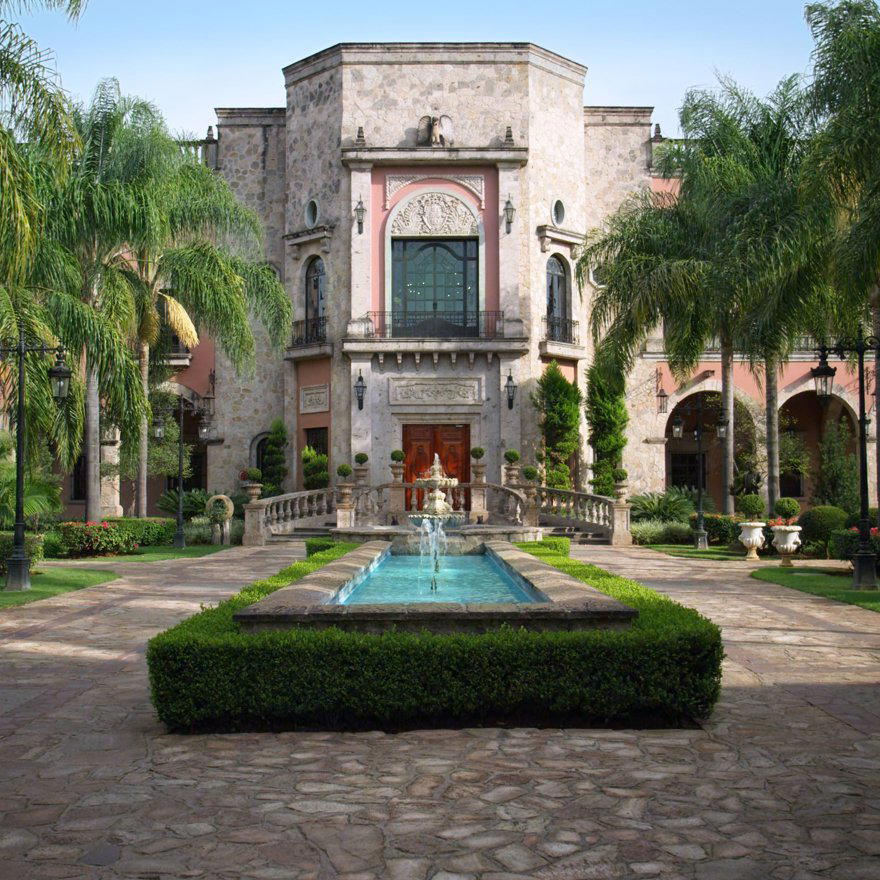
Agave Country, High Altitude: The Highlands Tequila Tradition
The Los Altos de Jalisco region sits at elevations above 2,000 metres, and the agave grown here behaves differently than on the valley floor near the town of Tequila. The thinner air, cooler nights, and iron-rich red clay soil produce blue agave that tends toward higher sugar content and, consequently, spirits with a fruitier, more floral character than the earthier, more herbaceous expressions typical of the lowland Valles region. Atotonilco El Alto sits squarely within this highland terroir, and the haciendas that have operated here across generations are as much an expression of the land as any wine estate in Burgundy or Barossa. Hacienda Patrón.
What the Land Produces: Highland Agave and the Distillery Setting
The hacienda model in highland Jalisco is not decorative. These are working estates where agave cultivation, cooking, fermentation, and distillation happen in close proximity to one another, and where the physical environment shapes every stage of production. At altitude, temperature swings between day and night are significant, affecting fermentation rates and, ultimately, the character of the final spirit. The red clay soil of Los Altos drains well and retains heat, allowing agave to develop over seven to ten years with a distinctive mineral and fruit signature that carries through the distillation process.
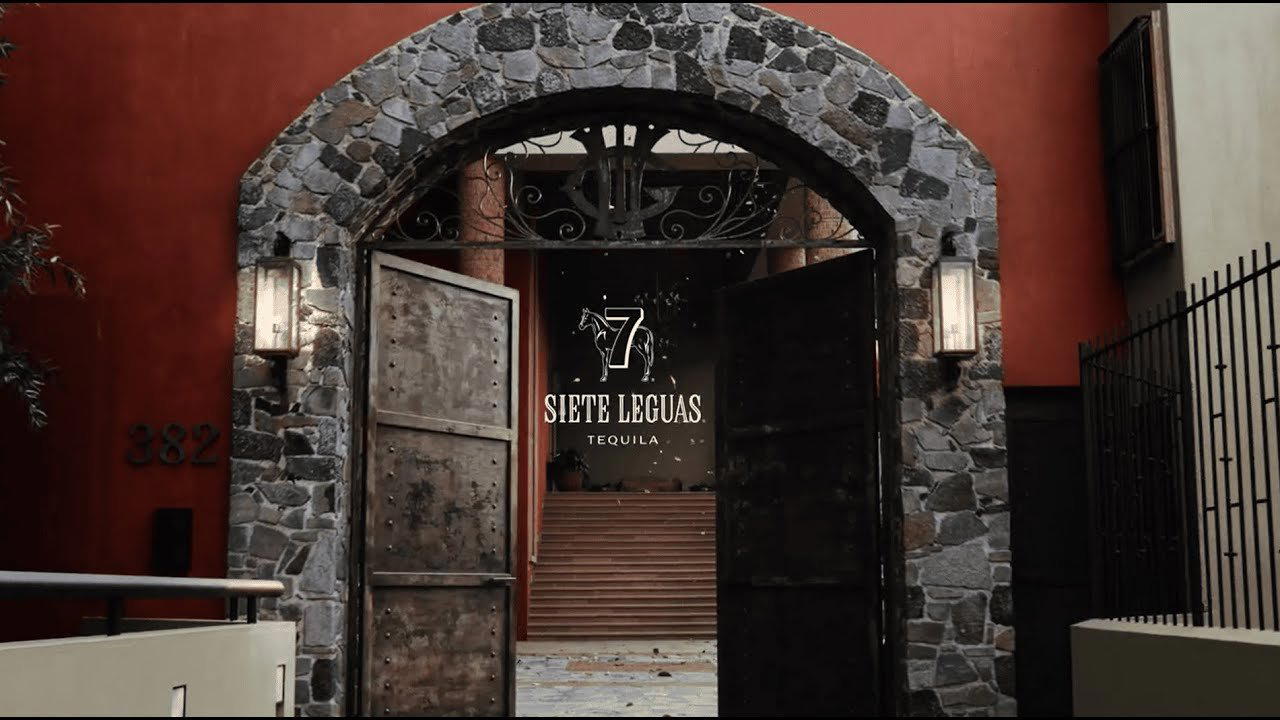
Patrón as a marque has long been associated with Atotonilco El Alto, and the hacienda facility here functions as both the production anchor and the experiential heart of the brand. Highland tequila estates in this district draw meaningful comparison with other significant Los Altos operations: La Primavera (Don Julio) and Casa Siete Leguas occupy the same terroir and the same municipality, meaning visitors to Atotonilco El Alto can assess how different producers interpret the same raw material and highland conditions. The differences between them are the story of Los Altos as a producing region.
The Hacienda Format in Context
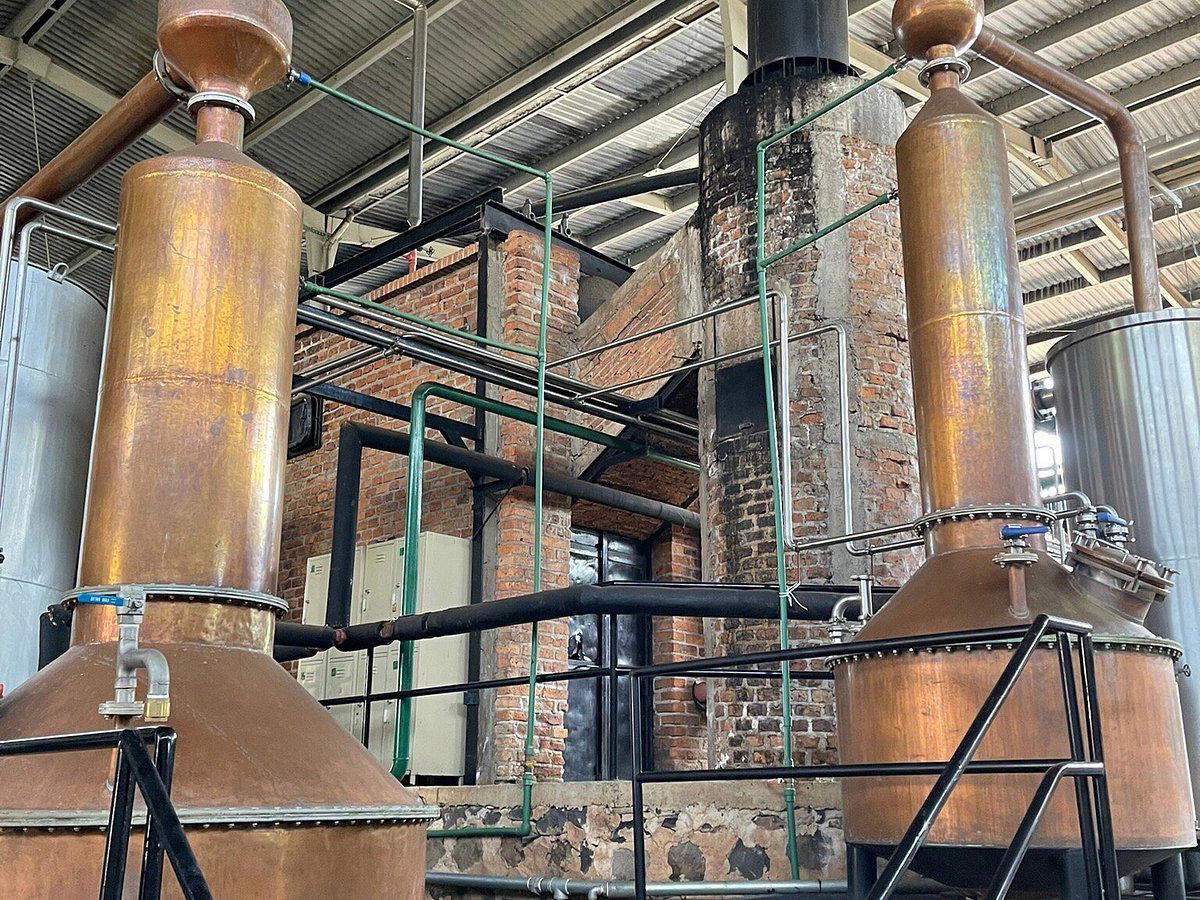
The hacienda distillery as a visitor format has become one of Mexico's more compelling agave tourism propositions, and it operates on premises that differ materially from the compact urban mezcal palenques of Oaxaca or the functional industrial plants that define lower-tier tequila production. At Hacienda Patrón, the physical scale of the estate communicates the investment level and the seriousness of the production program. Arriving at a facility of this character, visitors encounter the full production sequence — from the tahona stone and brick ovens used in cooking agave hearts, to open fermentation vessels and copper pot stills — presented within architecture that reflects the hacienda heritage of Jalisco rather than the aesthetic of a modern distillery.
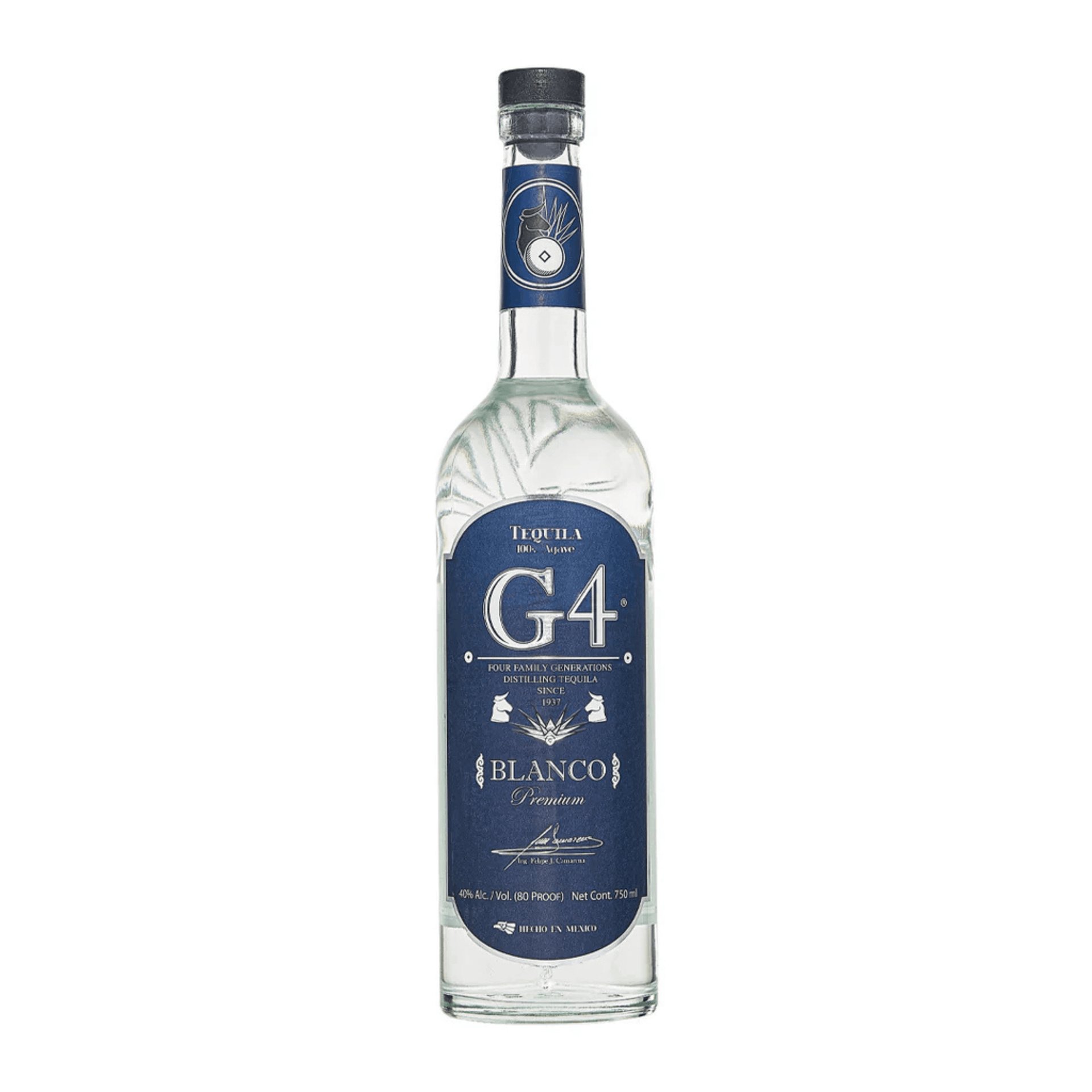
This model positions Hacienda Patrón in a distinct tier from the category's high-volume operations. For a broader read of how this compares to other significant tequila estates in Jalisco, Casa Herradura (Hacienda San José del Refugio) in Amatitán offers the lowland counterpart: a similarly historic hacienda facility in the Valles region, producing spirits with a markedly different terroir signature. The contrast between a Los Altos hacienda and a Valles hacienda is one of the most educational comparisons available in Mexican spirits tourism. For those extending the comparison further, El Pandillo (G4) in Jesús María and Cazadores Distillery in Arandas represent further Los Altos reference points, each with distinct production approaches within the same highland climate.
Terroir Expression: How Highland Conditions Shape the Spirit
The concept of terroir, often applied to wine, has genuine traction in premium tequila production, and the Los Altos highland provides one of the clearest examples of place expressing itself in a distilled spirit. Agave plants grown in the red volcanic soils of Atotonilco El Alto develop a higher concentration of natural sugars compared to valley-floor plants, a function of the cooler growing conditions slowing the plant's metabolism and concentrating its energy reserves. When those agave hearts (piñas) are cooked and fermented, the higher sugar load and the mineral character of the soil produce a spirit baseline that is notably different from Valles tequila: more fruit-forward, with floral high notes that persist through distillation when producers use methods that preserve those volatile compounds.
Hacienda Patrón's production approach within this context reflects the estate's position in the prestige tier of highland tequila. The use of traditional cooking methods alongside copper pot stills is a production choice that, in the Los Altos context, tends to retain more of the agave's inherent fruitiness compared to diffuser extraction and column distillation.
For visitors building a comparative agave itinerary, Oaxaca's mezcal tradition offers a structurally different reference point. Los Danzantes in Santiago Matatlán, Don Amado (Arellanes family) in Santa Catarina Minas, Casa Cortés in La Compañía (Ejutla), and Banhez (UPADEC cooperative) in San Miguel Ejutla each represent the palenque tradition, where different agave species, earthen pit roasting, and clay pot distillation produce an entirely different expression of terroir. Tequila and mezcal are distinct appellations with distinct production rules, but the comparison clarifies what each tradition's geography contributes to the glass.
The Atotonilco El Alto Cluster
Atotonilco El Alto is one of the most concentrated agave spirit production zones in Mexico, and it rewards visitors who treat it as a district rather than a single-stop destination. The municipality's producers sit within a short radius of one another, making it practical to visit two or three haciendas in a single day and form direct comparisons. Hacienda Patrón, La Primavera (Don Julio), and Casa Siete Leguas together form a triangulation of highland tequila at different scales and with different production philosophies, all working with the same Los Altos terroir. For the full picture of what the district offers in terms of food, drink, and accommodation, see our full Atotonilco El Alto restaurants guide.
Reaching Atotonilco El Alto typically involves flying into Guadalajara (GDL), with the drive east toward Los Altos taking roughly 90 minutes depending on the route. The town of Tequila, home to Jose Cuervo (La Rojeña) and the valley-floor style of production, sits on the opposite side of Guadalajara. Visitors with the time to do both regions gain a clear understanding of how altitude and soil alter a category that, at its lower end, can seem homogenous. For those extending their agave itinerary to Guanajuato, Hacienda Corralejo in Pénjamo provides another hacienda-scale reference point. And for those mapping premium spirits production internationally, the comparison with estate distilleries in Scotland or premium Napa producers is instructive: Aberlour and Accendo Cellars in St. Helena each represent the principle that place-specific production, when carried through with discipline, produces spirits and wines that cannot be replicated elsewhere. Hacienda Patrón operates from the same premise, in one of the most specific agave terroirs in Mexico.
Visits to Hacienda Patrón are leading approached through advance planning. Timing-wise, the dry season months from October through April offer the most direct travel conditions in Jalisco, with the harvest and jimado season (typically late in the year) providing the most active production atmosphere for visiting.
A Quick Peer Check
Comparable venues nearby, for context on price, style, and recognition.
| Venue | Cuisine | Notes |
|---|---|---|
| Hacienda PatrónThis venue — the venue you are viewing | Weber Blue Agave | Not listed |
| La Primavera (Don Julio) | Blue Weber Agave | Atotonilco El Alto |
| Casa Siete Leguas | Agave Azul Tequilana Weber | Atotonilco el Alto |
| El Buho | Winery | Santiago Matatlán |
| Cazadores Distillery | 100% blue weber agave | Arandas |
| Casa Cortés – La Soledad Palenque | Espadín | La Compañía (Ejutla) |
Continue exploring
More in Atotonilco El Alto
Wineries in Atotonilco El Alto
Browse all →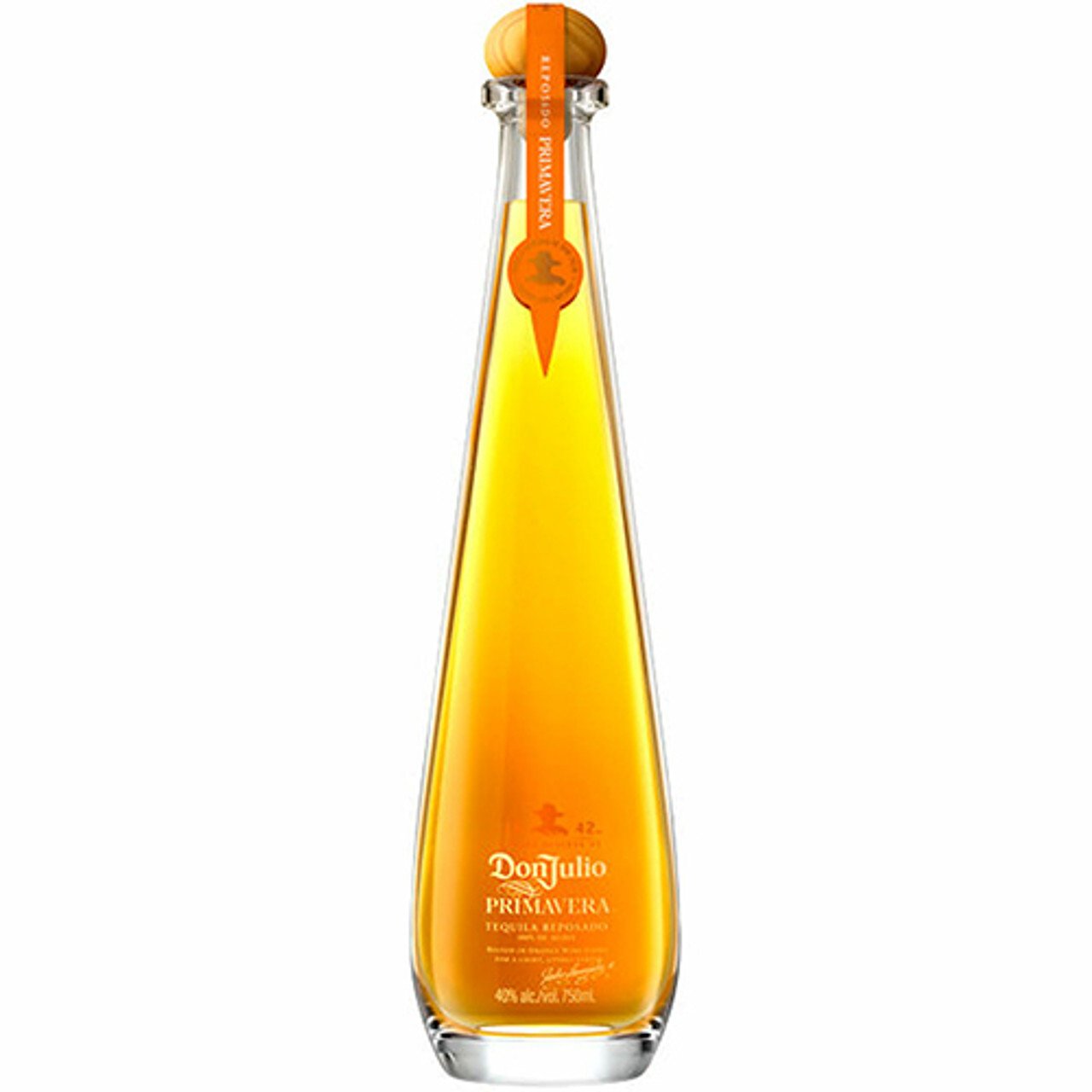
Hotels in Atotonilco El Alto
Browse all →
Details
- Rustic
- Scenic
- Elegant
- Wine Education
- Special Occasion
- Vineyard Tour
- Barrel Room
- Estate Grounds
- Vineyard
- Mountain
- Weber Blue Agave
- Tasting Room
Calm and traditional hacienda atmosphere with a low hum of artisanal production, blending historic architecture like a chapel and guest rooms with modern distillery operations.