C. 28 de Septiembre 109B
A colonial-era address in Guanajuato City's historic Zona Centro, C. 28 de Septiembre 109B sits within one of Mexico's most architecturally preserved city centers, a UNESCO World Heritage site where baroque facades and narrow callejones define the urban fabric. The address places visitors at the intersection of the city's living heritage and its contemporary cultural scene, with the city's main plazas and market corridors within walking distance.

Pearl is the En Primeur Club membership app — saves, bookings, and concierge access live there. Same editors, same standards.
- Address
- C. 28 de Septiembre 109B, Zona Centro, 36000 Guanajuato, Gto., Mexico
- Directions
- Get directions
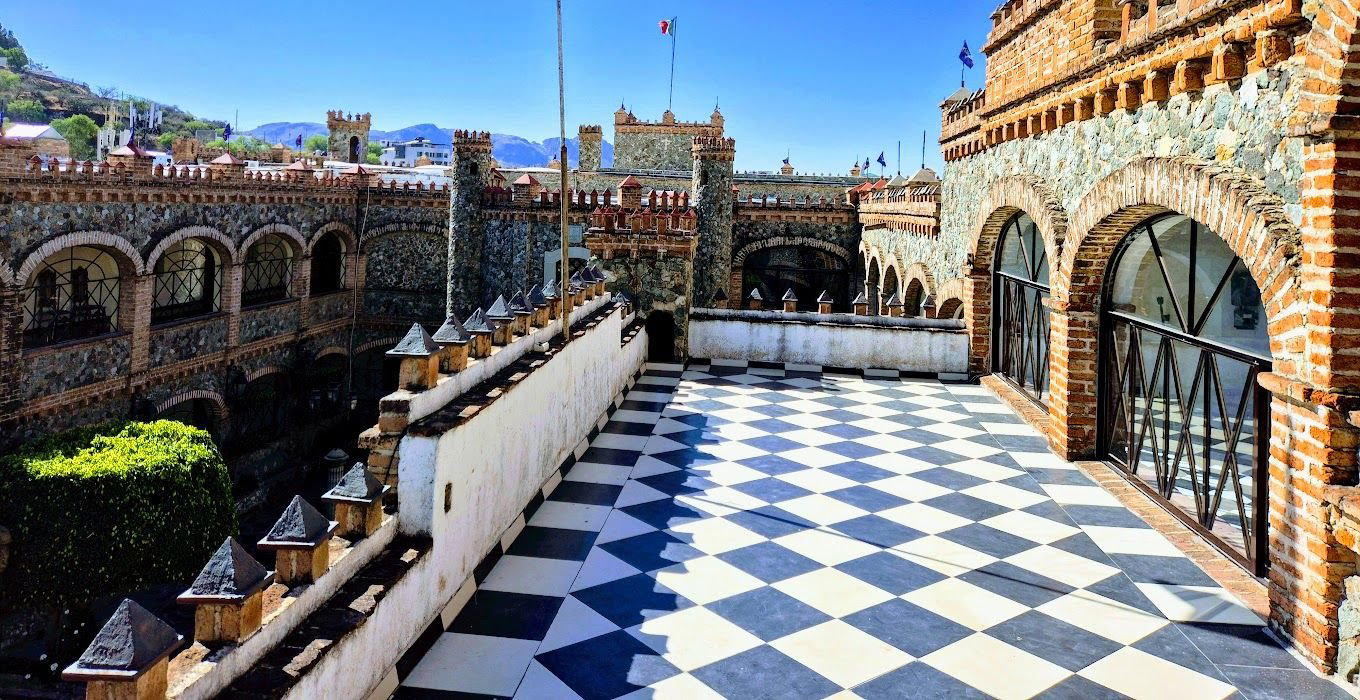
Stone, Color, and the Grammar of a Colonial City
Guanajuato City does not ease you in. The approach through its subterranean road network, a repurposed system of tunnels originally built to control floodwaters, deposits you abruptly into a city of steep alleys, painted facades in ochre and terracotta, and churches whose baroque stonework has been accumulating detail for three centuries. This is one of Mexico's most architecturally coherent city centers, designated a UNESCO World Heritage Site in 1988 alongside the surrounding mining monuments, and the built environment here functions less like a backdrop and more like the main argument. C. 28 de Septiembre 109B sits within this fabric, in the Zona Centro, where the density of colonial-era architecture is highest and the street grid most emphatically pre-modern. For context on how Guanajuato fits into Mexico's broader premium travel circuit, see our full Guanajuato City restaurants guide.
The Zona Centro Address and What It Signals
In cities with this degree of architectural preservation, the specific street address carries information that a neighborhood description cannot. The Zona Centro designation in Guanajuato places a property within the most protected and regulated zone of a city where construction and renovation are subject to significant heritage oversight. Buildings here were predominantly constructed during the silver-mining boom of the 17th and 18th centuries, and the facades along streets such as 28 de Septiembre reflect that moment: thick stone walls, interior courtyards, and windows scaled to manage heat and light rather than to frame views. The street itself runs through a part of the centro where pedestrian life predominates, with vehicular access limited by the city's topography and its tunnel-dependent circulation system.
This kind of address aligns C. 28 de Septiembre 109B with a category of Mexican urban property that has become increasingly significant to premium travel: the colonial-center address that carries historical and architectural density rather than the resort amenities or managed luxury of coastal properties. It occupies a different tier than, say, One&Only; Mandarina in Riviera Nayarit or Las Ventanas al Paraíso in San José del Cabo, where the proposition is landscape and curated resort scale. Here, the proposition is the city itself.
Mexico's colonial-center cities each make a different architectural case. Oaxaca argues in green cantera stone and Dominican severity; San Miguel de Allende presents a more curated, restoration-forward version of the colonial experience, with international investment reshaping its historic core in ways that Guanajuato has largely resisted. Guanajuato's preservation feels less managed, more lived-in: facades in states of partial repair, callejones (the city's narrow pedestrian alleys) that function as genuine thoroughfares rather than tourist installations, and a student population from the University of Guanajuato that keeps the city's energy oriented toward the local rather than the imported. Properties in cities like Oaxaca that occupy similarly embedded positions in their historic centers include Casa Antonieta in Oaxaca City, which offers a useful reference point for the kind of architectural intimacy that colonial-center addresses in this tier of Mexican city tend to provide. San Miguel de Allende's equivalent register is represented by Casa de Sierra Nevada, A Belmond Hotel, a property where the colonial fabric has been extensively restored to international luxury standards.
What the Physical Environment Delivers
The experiential logic of a Zona Centro address in Guanajuato is pedestrian and cumulative. The Teatro Juárez, one of Mexico's most celebrated 19th-century theater buildings, is within the centro perimeter. The Mercado Hidalgo, housed in a 1910 iron-frame market building, operates as both a food market and an architectural statement. The Callejón del Beso, the city's most photographed alleyway, exemplifies how Guanajuato's urban density has produced spaces with no contemporary equivalent in how they manage proximity and theater simultaneously. Streets like 28 de Septiembre connect these reference points without requiring transport, which is both a practical advantage and an architectural argument: the city works at walking pace, and its scale rewards proximity.
This contrasts meaningfully with Mexico's resort-oriented luxury segment, where properties such as Montage Los Cabos, Zadun, A Ritz-Carlton Reserve in Los Cabos, or the Pacific coast properties like Maroma in Riviera Maya and Etéreo, Auberge Resorts Collection orient their guest experience around contained, curated environments. Guanajuato asks for a different engagement: the city is the container, and the address is the point of entry into it. Travelers who respond well to Casa Polanco in Mexico City or Hotel Demetria in Guadalajara, both urban-core addresses where the surrounding city is a central part of the proposition, are likely in the right frame of reference for what a Zona Centro address in Guanajuato delivers.
Planning a Visit
Guanajuato City is served by the Del Bajío International Airport (BJX), located approximately 30 kilometers from the city center and shared with León; transfer time by road runs roughly 45 minutes depending on traffic. The city's topography makes private transfer the most practical arrival option. The Zona Centro itself is leading approached on foot once you are in it: the tunnel system handles vehicular access to the periphery, but the streets within the historic core are narrow and in many cases pedestrian-only. The Casa Silencio in San Pablo Villa de Mitla offers a useful reference for the kind of self-contained, architecturally grounded property that represents the alternative end of the spectrum for travelers interested in Mexican design properties. The Cervantino Festival, held annually in October, is the city's largest cultural event and significantly compresses accommodation availability across the centro; planning around or toward it is a decision worth making deliberately.
A Quick Peer Check
| Venue | Price | Awards |
|---|---|---|
| C. 28 de Septiembre 109BThis venue — the venue you are viewing | Not listed | Not listed |
| One&Only Mandarina | Not listed | 3 Michelin Keys · World's 50 Best #23 |
| Las Ventanas al Paraíso, A Rosewood Resort | $750–1,000 | 2 Michelin Keys · World's 50 Best #25 |
| Montage Los Cabos | $1,000–1,500 | 2 Michelin Keys · World's 50 Best #67 |
| Rosewood Mayakoba | $1,000–1,500 | 2 Michelin Keys · World's 50 Best #95 |
| Zadun, A Ritz-Carlton Reserve | Not listed | 2 Michelin Keys · La Liste Top Hotels |
Continue exploring
More in Guanajuato City
Hotels in Guanajuato City
Browse all →

Bars in Guanajuato City
Browse all →

Details
- Quiet
- Classic
- Historic Building
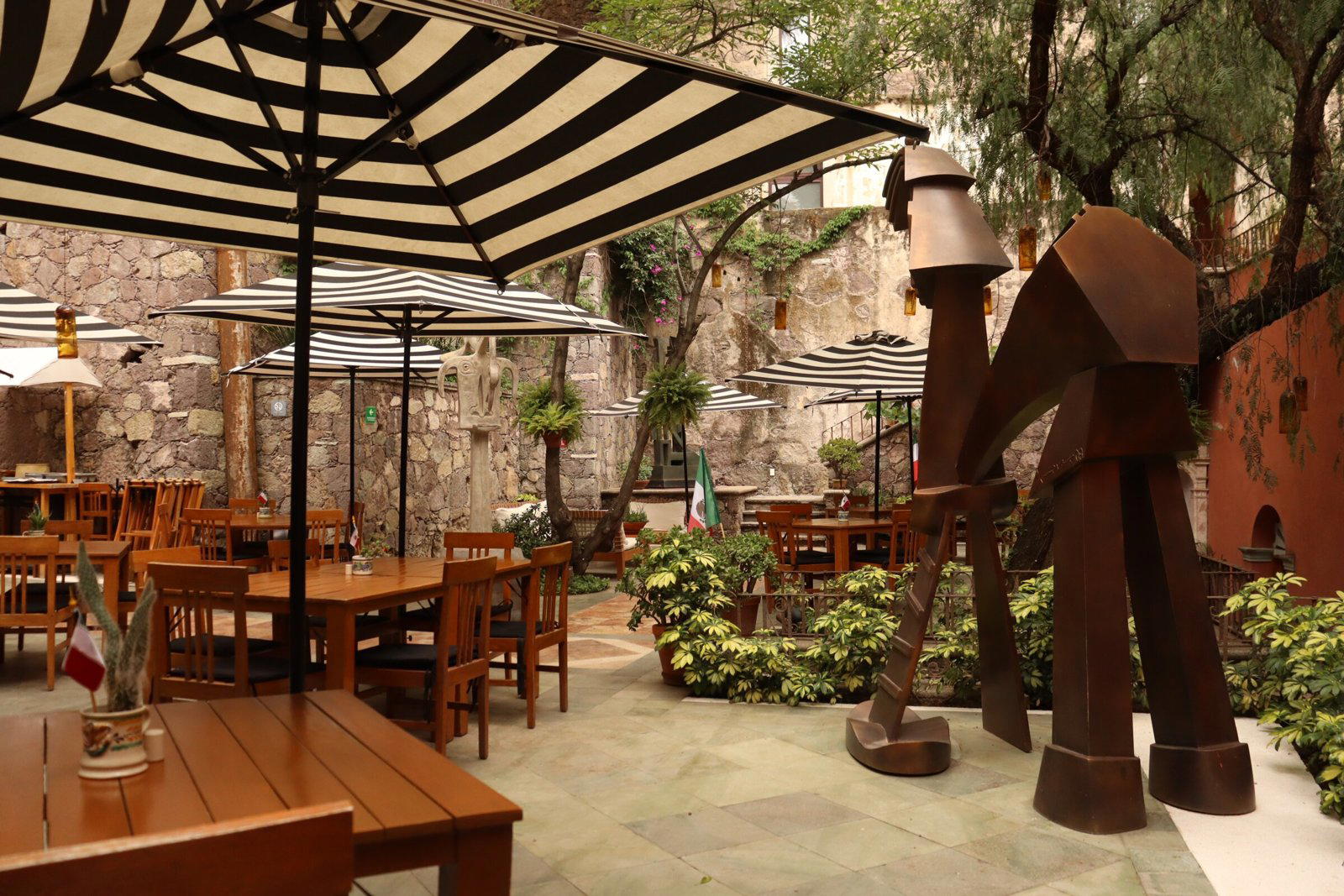
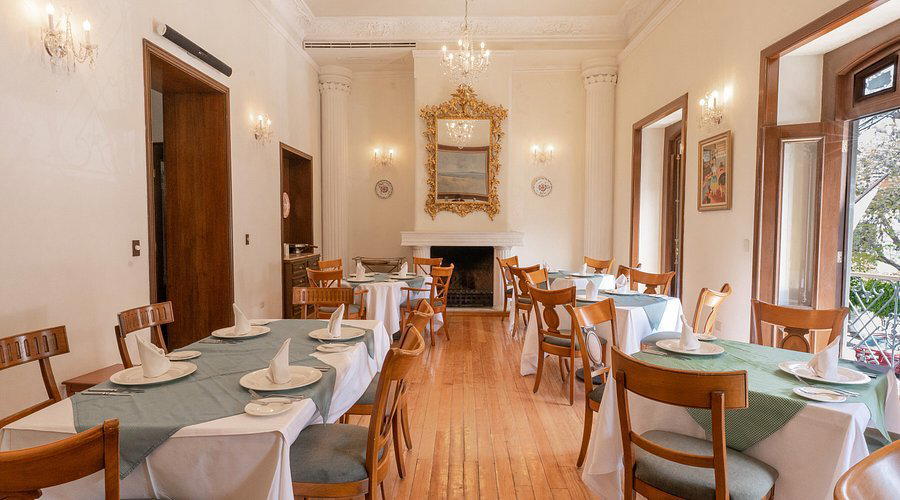
Quiet and serene with colonial charm, located on a peaceful hillside street in the historic center.