Cunex The Riviera Maya Edition at Kanai
Cunex The Riviera Maya Edition at Kanai sits inside Solidaridad’s design-led coastal corridor, where new luxury is measured less by scale than by how architecture handles sand, mangrove, light, and privacy. With no published public sources for price, awards, chef, cuisine, or room categories, the safer reading is contextual: treat it as a Kanai-area design address, then verify booking details directly before planning.

Pearl is the En Primeur Club membership app — saves, bookings, and concierge access live there. Same editors, same standards.
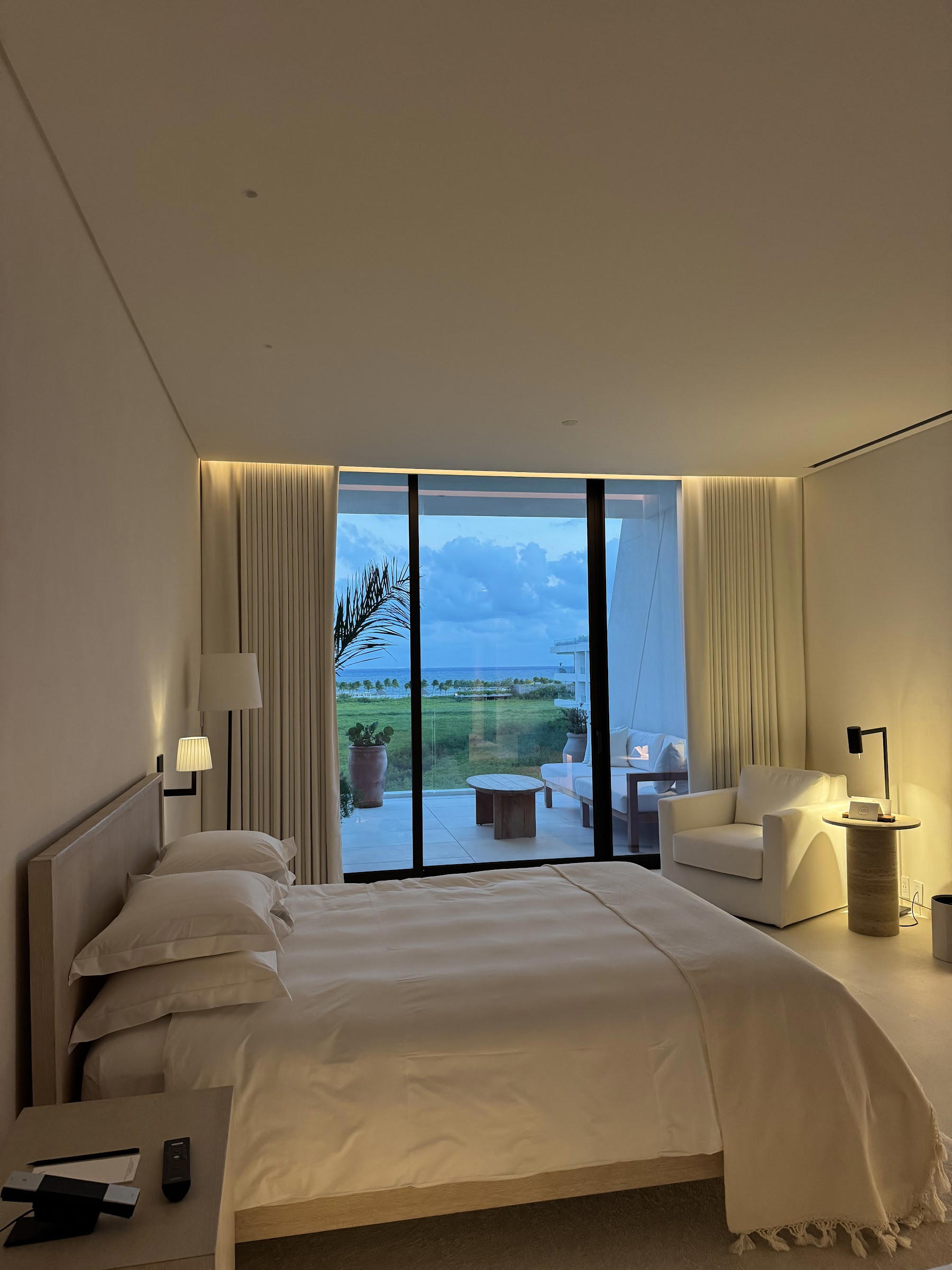
Architecture first on the Solidaridad coast
Approaching the Kanai stretch of the Riviera Maya, the first impression is not urban arrival but controlled separation: road, vegetation, resort threshold, then the long negotiation between built form and Caribbean light. This part of Solidaridad has become a testing ground for a quieter style of coastal luxury, where the question is not how much marble can be installed near the sea, but how a property manages heat, glare, sand, breeze, water, and privacy without turning the coast into a stage set. Cunex The Riviera Maya Edition at Kanai is a hotel in Solidaridad, Mexico, with a price tier of 4. It should be read through design before service claims or trophy language.
The Riviera Maya has moved through several hotel eras. Early beachfront resorts sold the obvious proposition: palm line, pool, sea. Later, all-inclusive scale made the coast efficient, predictable, and heavily programmed. The current premium tier is more architectural. It asks for sharper site planning, lower visual noise, better transitions between indoor and outdoor space, and a stronger sense of material restraint. In that comparable set, the Kanai address matters. It places a property inside the newer, planned coastal zone of Solidaridad rather than the denser hotel strips closer to Playa del Carmen or the more bohemian, traffic-pressed image of Tulum.
That distinction shapes the stay before any meal, spa appointment, or bar order enters the picture. A design-led resort on this coastline has to solve practical problems elegantly: shade must be abundant without making rooms feel sealed off; circulation needs to protect guests from midday heat; restaurants and lounges have to feel connected to the sea without allowing weather to dominate every hour. When the architecture works, the guest notices proportion rather than decoration. When it fails, the coast feels overproduced. This is the editorial lens to use here, especially because the available record does not list awards, star rating, room count, price range, cuisine, chef, website, phone, or booking method.
Why Kanai has changed the Riviera Maya hotel conversation
Solidaridad is not a single hospitality personality. Playa del Carmen carries the density, nightlife, ferry traffic, and commercial rhythm. Punta Maroma and the northern beach pockets have long held the quieter luxury argument. Kanai adds a more planned, resort-campus version of that argument, where the draw is controlled space and architectural coherence rather than a walkable town scene. For travellers comparing the area, Our full Solidaridad hotels guide is the practical starting point, while dining, drinking, wine, and activity planning sit separately in Our full Solidaridad restaurants guide, Our full Solidaridad bars guide, Our full Solidaridad wineries guide, and Our full Solidaridad experiences guide.
The comparison set is useful because Riviera Maya luxury is often discussed too broadly. Maroma, A Belmond Hotel, Riviera Maya represents the established beach-resort lineage, with a long-standing identity tied to Riviera Maya hospitality. Etéreo, Auberge Resorts Collection in Punta Maroma speaks to the same coastal demand for design, wellness, and privacy, but with its own resort grammar. Secrets Moxche belongs to a different decision path, where scale and adults-oriented programming play a larger role. These comparisons help clarify the Kanai proposition: the stronger case is spatial composition, not street life or maximal resort theatre.
For travellers already considering Mexico’s design-forward resort circuit, the relevant map extends beyond Solidaridad. Hotel Esencia in Tulum sits in the conversation around intimate coastal heritage. Chablé Yucatán in Mérida moves the discussion inland, where hacienda architecture and wellness programming change the tempo. Casa Silencio in San Pablo Villa de Mitla makes architecture part of a mezcal-country cultural frame, while Playa Viva in Juluchuca pushes the conversation toward ecological retreat. Kanai is more polished and more resort-oriented than those references, but the shared question is the same: how much design can a Mexican hotel carry before the place starts to feel imposed upon?
The design case, not the trophy case
The absence of listed awards in the record matters. That restraint is useful. In contemporary luxury travel, awards can help place a property, but they can also flatten judgment into badge collecting. Here, the stronger assessment is architectural: location within Kanai, relationship to the Solidaridad coast, and the wider movement away from generic beachfront luxury toward more composed resort environments.
This is where the Riviera Maya differs from older grand-hotel destinations. At Hôtel de Paris Monte-Carlo in Monte Carlo or Badrutt's Palace Hotel in St. Moritz, history, address, and social ritual carry much of the meaning before the guest sees a room. In newer coastal Mexico, design has to do more of the work. It must create a sense of arrival without centuries of inherited ceremony. It must define privacy without urban walls. It must give restaurants, pools, terraces, and rooms enough separation to feel intentional rather than scattered across beachfront real estate.
Mexico’s resort architecture now splits into several clear schools. Cabo properties such as Montage Los Cabos in Cabo San Lucas, Zadun, A Ritz-Carlton Reserve in Los Cabos, and Las Ventanas al Paraíso, A Rosewood Resort in San José del Cabo respond to desert, rock, and Pacific light. Pacific coast retreats such as One&Only Mandarina in Riviera Nayarit, Susurros del Corazón, Auberge Resorts Collection in Punta de Mita, Xinalani in Quimixto, and Las Alamandas in Costalegre work with jungle, cliffs, or low-density coastal sprawl. Riviera Maya design has a different test: flat land, bright water, humidity, mangrove systems, and a coastline where overbuilding is immediately visible.
That makes restraint more valuable than spectacle. A hotel in this corridor earns credibility through controlled scale, shade, sequence, and the ability to make public spaces feel calm even when the resort is busy. The sound editorial position is narrower but stronger: evaluate it as part of Kanai’s design-led resort tier, then confirm the specific room, view, and rate details directly through an official booking channel before committing.
Food, bars, and the limits of available data
The record does not list a cuisine type, chef name, signature dishes, bar program, hours, price range, or booking method. For a property page, this is not a weakness if handled correctly. It simply shifts attention back to the broader resort decision. In Kanai and the surrounding Riviera Maya, the dining question is often whether a guest wants to remain inside a controlled resort environment or build meals around Solidaridad’s wider restaurant scene.
That choice affects the rhythm of a stay. Resort dining suits travellers who value low-friction evenings, short transfers, and the ability to move from beach to table without turning dinner into a separate excursion. The wider Solidaridad area rewards guests who want more local variation, but it requires advance planning, transport time, and a realistic view of distances along the coast.
For hotel collectors, the comparison can also include urban and colonial references. Casa Polanco in Mexico City uses a residential city framework. Casa de Sierra Nevada, A Belmond Hotel, San Miguel de Allende in San Miguel de Allende belongs to a different Mexican tradition, where historic fabric and town life shape the stay. Maroma in Riviera Maya keeps the conversation closer to the Caribbean coast. The Kanai proposition is less about wandering into a neighbourhood and more about inhabiting a managed coastal environment with strong design expectations.
Planning the stay
With no published price range, booking method, phone number, website, or address in the record, planning should be handled with extra verification. The sensible sequence is to identify the exact room category, confirm whether the rate includes breakfast or resort credits, check cancellation rules, and ask how transfers are arranged from the airport or from other Riviera Maya locations. For coastal Mexico, room orientation matters as much as square footage; guests should clarify view category, terrace or balcony configuration, and proximity to social areas before accepting a rate.
Seasonality also matters in the Riviera Maya. Winter and early spring typically bring heavier demand from North American and European travellers, while late summer and autumn can involve more weather volatility across the Caribbean. That does not make one period universally preferable, but it changes the risk profile. Travellers who care about restaurants, spa slots, and specific room categories should avoid treating a resort stay as a last-minute commodity during peak weeks. Travellers focused on design and quiet should ask not only about price, but also about occupancy patterns, event programming, and construction or maintenance notices around the dates in question.
The practical verdict is positive for the right traveller. Those missing fields should not be filled with assumptions. They should become the checklist for due diligence.
How It Compares
Comparable venues nearby, for context on price, style, and recognition.
| Venue | Cuisine | Price | Awards | Notes |
|---|---|---|---|---|
| Cunex The Riviera Maya Edition at KanaiThis venue — the venue you are viewing | Luxury lifestyle resort focused on sustainable, experience-led hospitality within a protected coastal nature reserve. | $$$$ | Not listed | Not listed |
| Maroma, A Belmond Hotel, Riviera Maya | Luxury beachfront resort blending ancient Mexican traditions with modern revelations. | $$$$ | 5-Star | Riviera Maya |
| Grand Palladium Select White Sand | Large 5-star all-inclusive Caribbean beach resort set in a natural Riviera Maya ecosystem with extensive shared facilities across sister properties. | $$$$ | 5-Star | Riviera Maya / Solidaridad |
| Secrets Moxche | contemporary resort with earthy luxury | $$$$ | 5-Star | Solidaridad |
| Lo Sereno Casa de Playa | barefoot luxury modernist beachfront retreat | $$$$ | Not listed | Troncones |
| CASA TEO | Creative hub inspired by artist residencies in historic Pujol site. | $$$$ | Not listed | Chapultepec Morales |
Continue exploring
More in Solidaridad
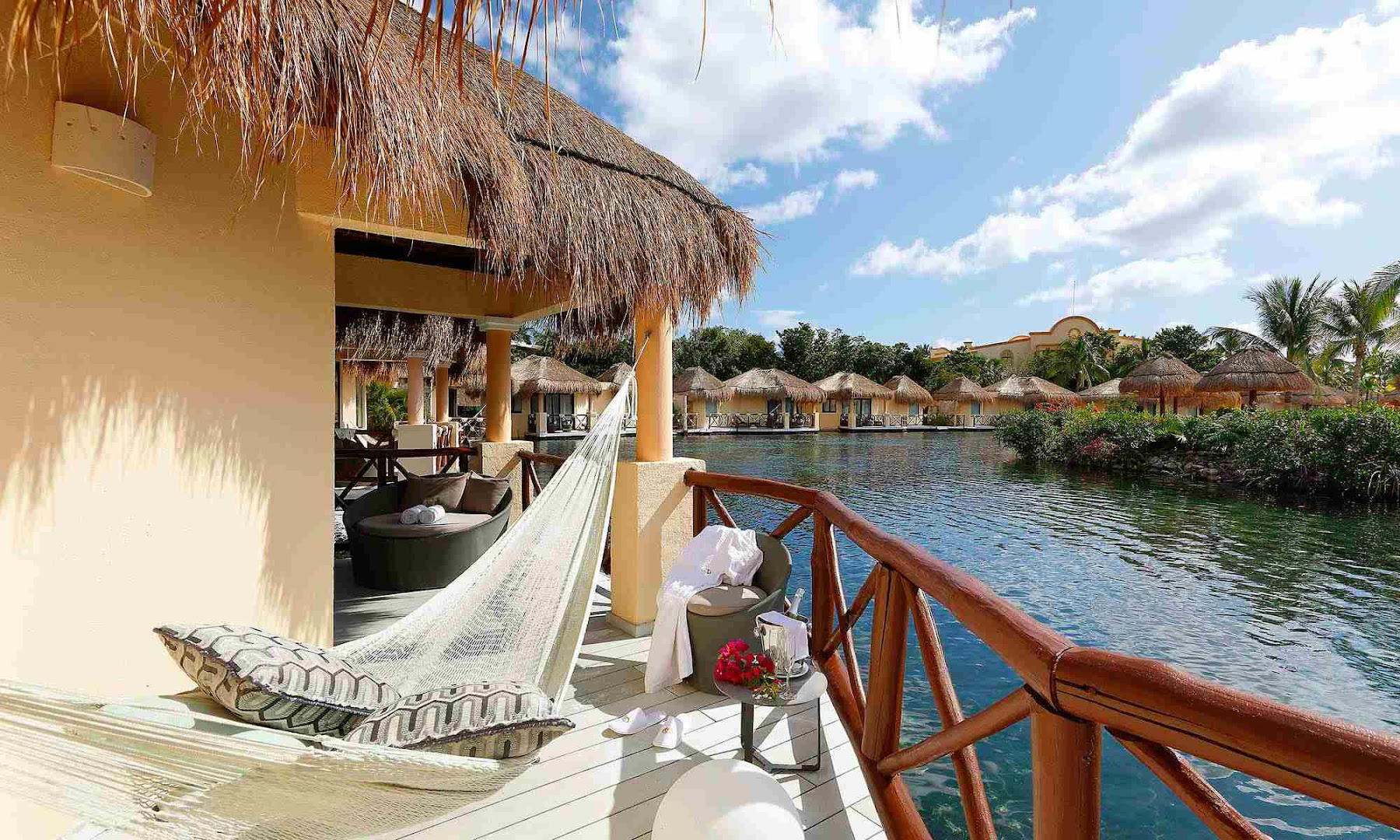
Hotels in Solidaridad
Browse all →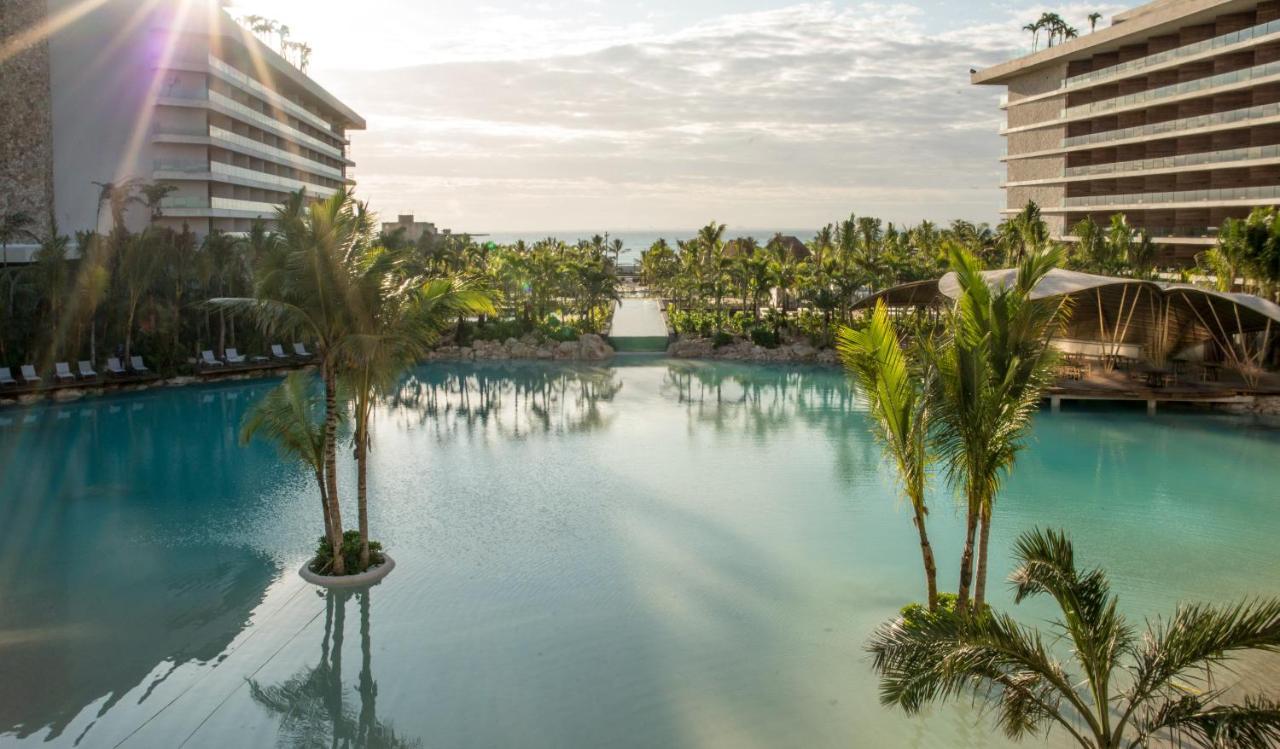
Bars in Solidaridad
Browse all →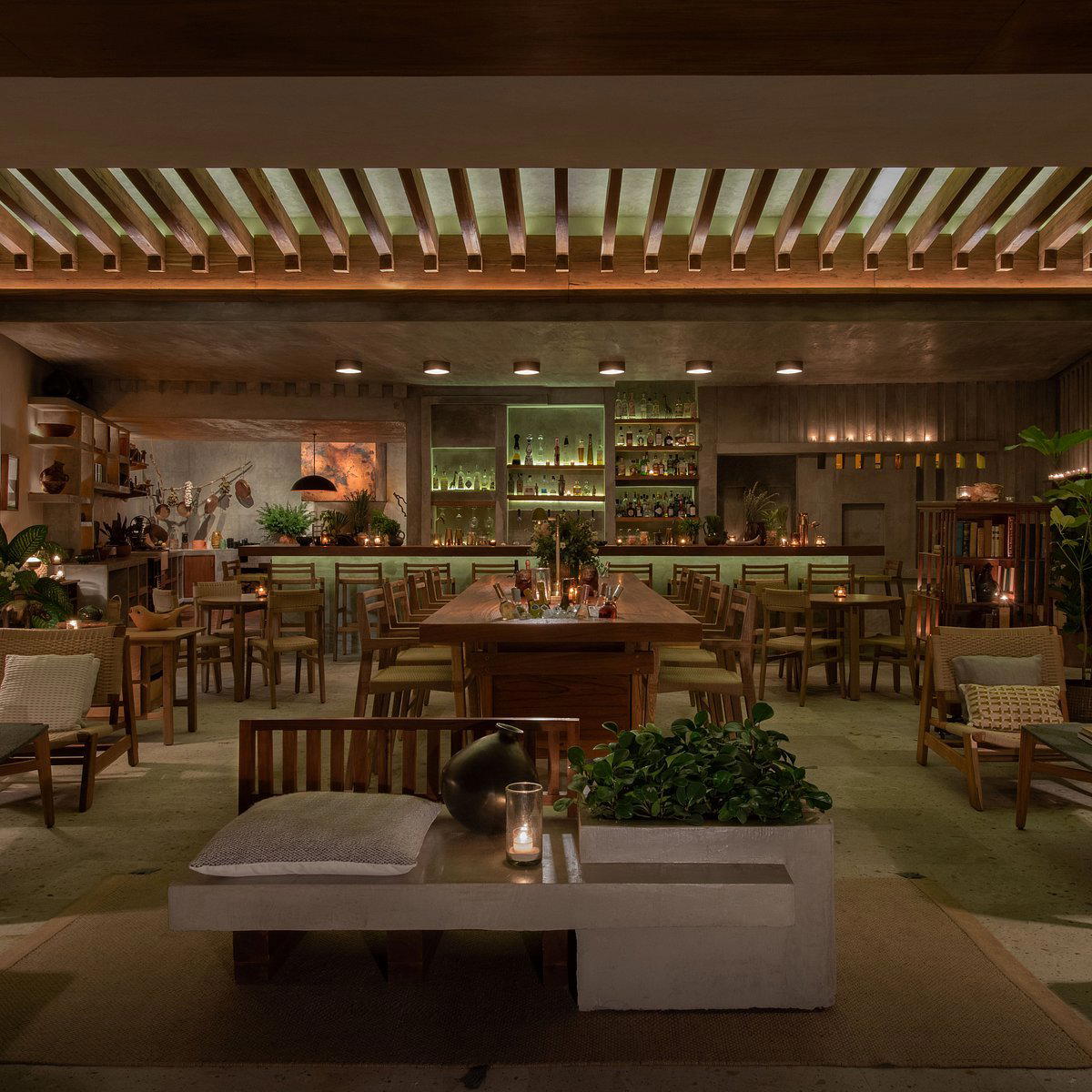
At a Glance
- Scenic
- Elegant
- Modern
- Sophisticated
- Romantic
- Minimalist
- Honeymoon
- Romantic Getaway
- Wellness Retreat
- Weekend Escape
- Group Retreat
- Destination Wedding
- Beachfront
- Waterfront
- Destination Spa
- Design Destination
- Panoramic View
- Terrace
- Pool
- Spa
- Fitness Center
- Business Center
- Wi Fi
- Concierge
- Beach Access
- Waterfront
- Garden
- Pool
- Spa
- Fitness Center
- Business Center
- Wi Fi
- Concierge
- Beach Access
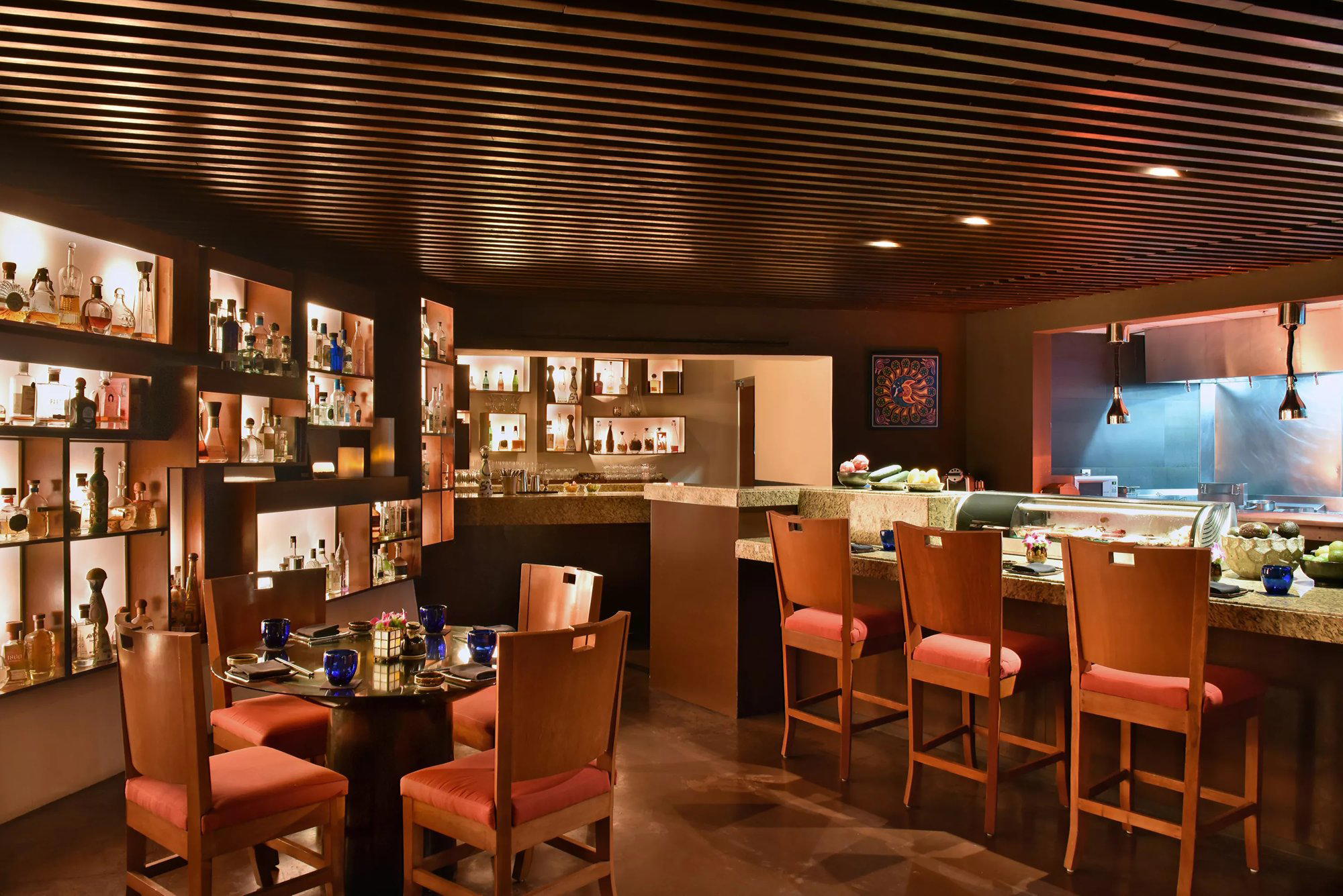
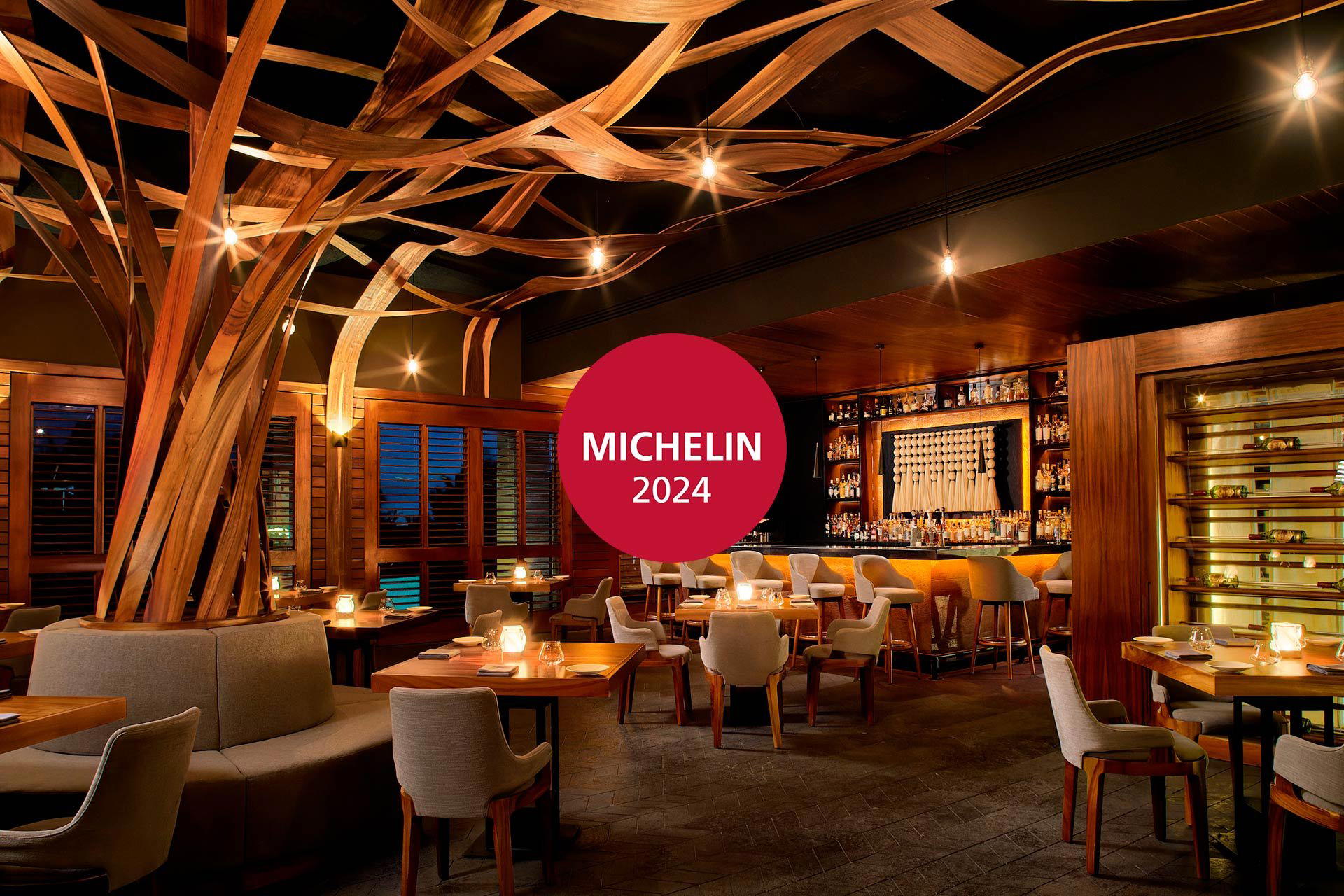
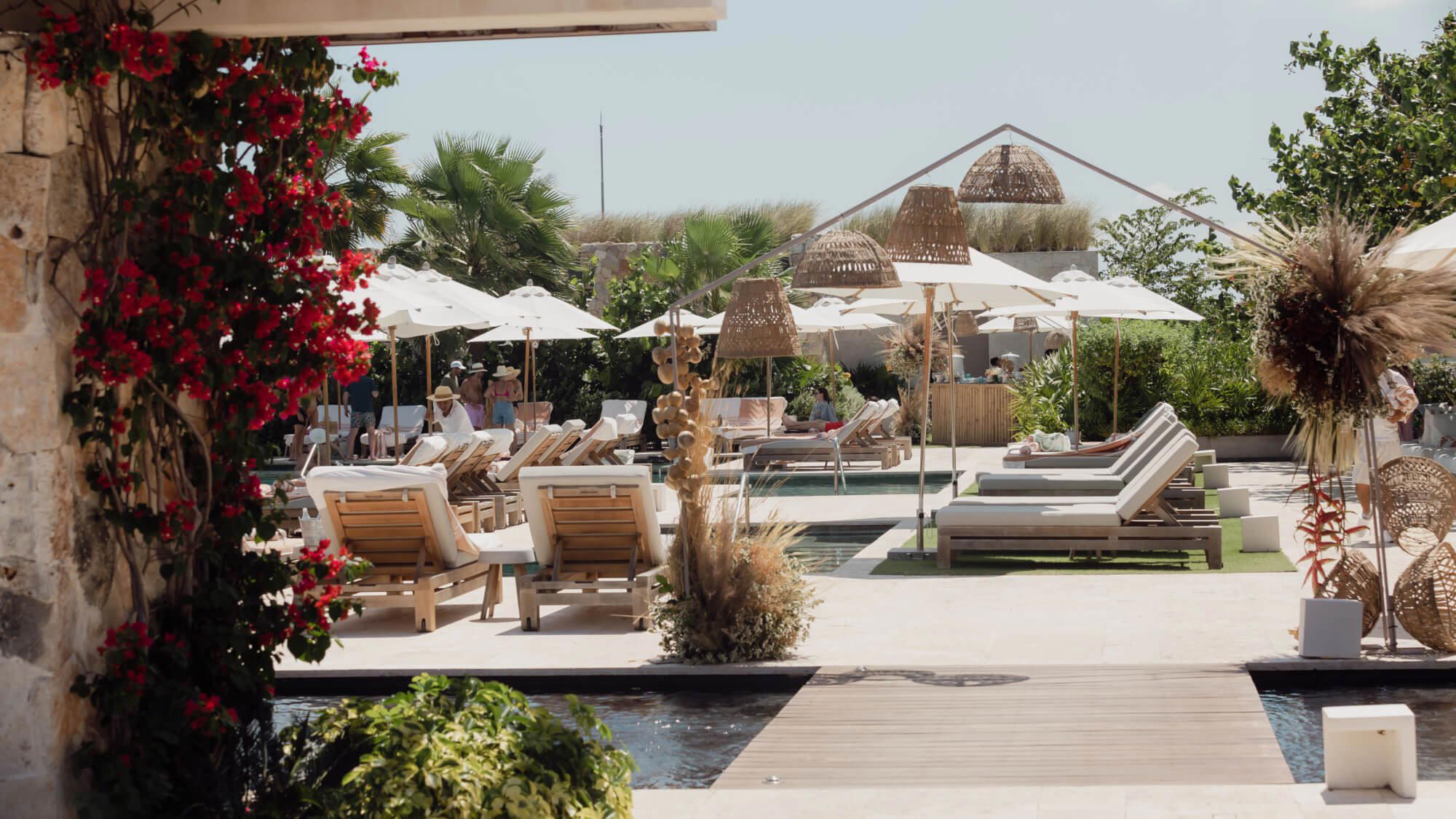
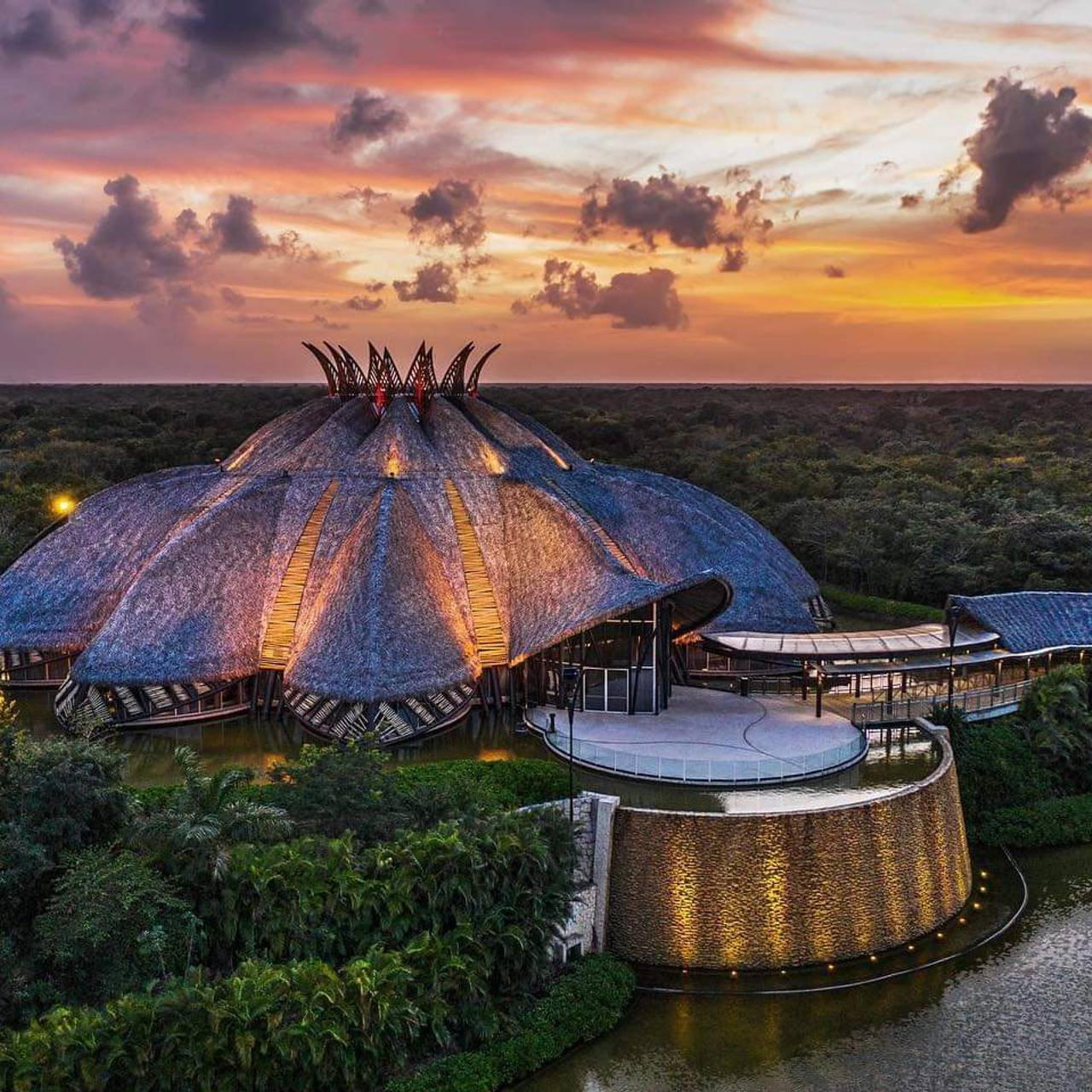
Laidback yet high-end resort atmosphere with minimalist, contemporary interiors by Ian Schrager, open views to the Caribbean and mangroves, and a calm, retreat-like feel that emphasizes nature, light, and understated luxury.