The Standard
The Standard's Mexico City address enters a market where international lifestyle brands compete against locally rooted boutique hotels for a traveler who wants design, food, and nightlife in one building. Positioned against properties like the Ritz-Carlton and St. Regis, The Standard trades formality for a more deliberate sense of scene, drawing a crowd that reads the room as much as it sleeps in it.

Pearl is the En Primeur Club membership app — saves, bookings, and concierge access live there. Same editors, same standards.
- Address
- Mexico City, Mexico
- Website
- standardhotels.com
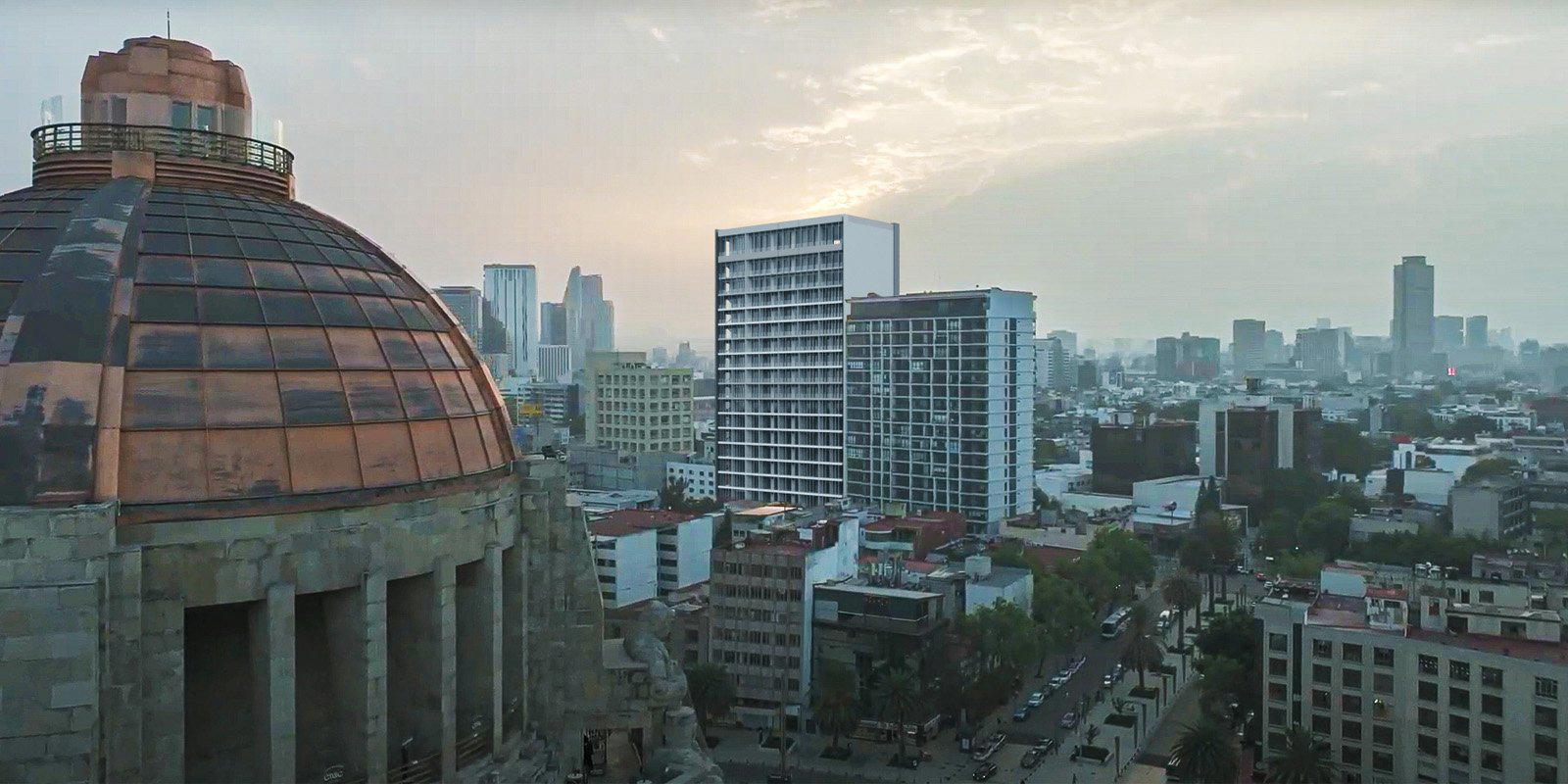
Where Mexico City's Lifestyle Hotel Conversation Is Happening
Mexico City's premium hotel market has fractured in useful ways over the past decade. The upper end remains anchored by the grand-brand properties along Paseo de la Reforma and in Polanco — addresses like the Four Seasons, the St. Regis, and the Ritz-Carlton, which compete on service ratios, suite sizes, and ballroom capacity. Below that, a different kind of property has emerged: design-forward, bar-and-restaurant-led hotels that treat their public spaces as the main event. The Standard's Mexico City outpost belongs firmly to this second cohort. The brand, which built its reputation across New York, Los Angeles, London, and Bangkok on the premise that the lobby, rooftop, and dining room matter as much as the rooms, has found in CDMX a city temperamentally suited to that premise.
Mexico City already had a culture of destination restaurants and late bars inside hotels before The Standard arrived. What the brand adds is a specific kind of programming logic: spaces designed to pull in non-guests, to keep the energy high across the day, and to make the wine and cocktail list as much a point of conversation as the room rate. For travelers staying at properties like Casa Polanco, Campos Polanco, or Casapani nearby, The Standard's public venues represent a natural orbit stop, particularly for an evening drink or a late dinner.
The Wine and Drinks Program as Editorial Statement
Across its global portfolio, The Standard has positioned its beverage programs as a signal of cultural seriousness. In cities where the brand has established itself, the wine list tends to operate as a curatorial argument rather than a generic by-the-glass safety net. Mexico City's drinking culture has become a meaningful context for this. The capital now has a small but serious natural wine scene, a growing interest in Mexican terroir spirits beyond the obvious mezcal-and-tequila categories, and a sommelier class that has trained in European cellars and returned with non-obvious palates.
Any credible wine program in this city has to contend with a question that didn't exist a decade ago: how much of the list reflects what Mexico actually produces versus what an international guest expects to find? The more interesting programs answer that by splitting the list — maintaining a French and Italian spine for familiarity, then carving out a section that forces the reader to engage with Valle de Guadalupe Cabernet Franc, Oaxacan Espadín aged in unusual wood, or fermented pulque derivatives that sit somewhere between wine and ancestral brewing. Whether The Standard's Mexico City program has reached that level of curation is a question leading answered by the list itself on arrival, but the brand's track record elsewhere suggests an intent to program beyond the obvious.
For travelers building a Mexico trip around eating and drinking seriously, the conversation extends well beyond the capital. Properties like Hotel Esencia in Tulum, Chablé Yucatán in Merida, and One&Only Mandarina in Riviera Nayarit each approach the food and drink question from a regional terroir angle, which makes the CDMX stop on a longer Mexico itinerary a useful point of comparison: the capital's globalism set against the coast's or Yucatán's rootedness.
The Scene, the Rooms, and the Reader Who Fits Both
The Standard's model works well when the guest is also a participant in the public life of the hotel. This is not a property for someone who wants to retreat. The brand's signature is controlled density: lobbies that read as living rooms for the neighborhood, rooftop bars that become their own address on the city's nightlife map, and dining rooms where the noise level is a feature rather than a problem to be managed. Mexico City amplifies this because the city itself operates that way. Dinner at 10pm is not unusual. A bar that fills after midnight is not exceptional. The Standard's programming rhythms align with CDMX's own social tempo more naturally than they would in, say, Bangkok or London.
Travelers who prefer the quieter geometry of a property like Casona Roma Norte, Casa Nuevo León Hotel, or CASA TEO will find a different kind of stay: fewer people, more considered silence, a more neighborhood-embedded experience. The Standard's proposition is deliberately the opposite. It wants to be the loudest room in the conversation, and in Mexico City, that is a competitive ambition given how many rooms are already loud.
For a direct comparison within the international lifestyle tier, Alexander and Brick Hotel offer alternative approaches to the design-forward hotel format in the city, worth considering when mapping out where The Standard sits in its immediate competitive set.
Planning Your Stay
Mexico City's premium hotel market rewards advance planning, particularly for travelers arriving during Art Week (typically February), the Formula 1 Grand Prix weekend in late October, and the Día de Muertos period in early November, all of which compress availability across the city's better properties. The Standard's model depends partly on its public spaces being accessible, so booking the dining and bar programs separately from the room, and early, is worth factoring in if specific evenings matter. For travelers extending into Mexico's resort corridor, the transition from CDMX to the coast connects logically to properties like Las Ventanas al Paraíso in San José del Cabo, Montage Los Cabos, or Zadun, A Ritz-Carlton Reserve in Los Cabos, properties where the tempo drops and the design language shifts toward resort formality. Alternatively, Maroma in Riviera Maya or Etéreo, Auberge Resorts Collection in Punta Maroma offer a softer decompression from CDMX's pace. See our full Mexico City restaurants guide for broader context on where The Standard fits in the capital's wider dining and hotel ecosystem.
For travelers who have previously calibrated against The Standard's other addresses, the New York comparison is instructive. The Standard's properties at The Fifth Avenue Hotel in New York City and the broader Manhattan market, or the rarefied quiet of Aman New York, represent opposite poles of the lifestyle-hotel spectrum. The Standard's Mexico City entry sits closer to the activated-scene end of that range, which is exactly what the brand intends.
The Essentials
| Venue | Price | Awards |
|---|---|---|
| The Standard (Mexico City)This venue — the venue you are viewing | Not listed | Not listed |
| Four Seasons Hotel Mexico City | $300–500 | La Liste Top Hotels · Forbes 4-Star |
| JW Marriott Hotel Mexico City Polanco | $300–500 | Forbes Recommended |
| Las Alcobas, A Luxury Collection Hotel, Mexico City | $500–750 | Michelin Selected · La Liste Top Hotels |
| The Ritz-Carlton, Mexico City | Not listed | La Liste Top Hotels · Vogue 2026 Vogue Best Hotels in Mexico City |
| The St. Regis Mexico City | Not listed | Michelin Selected · La Liste Top Hotels |
Continue exploring
More in Mexico City
Hotels in Mexico City
Browse all →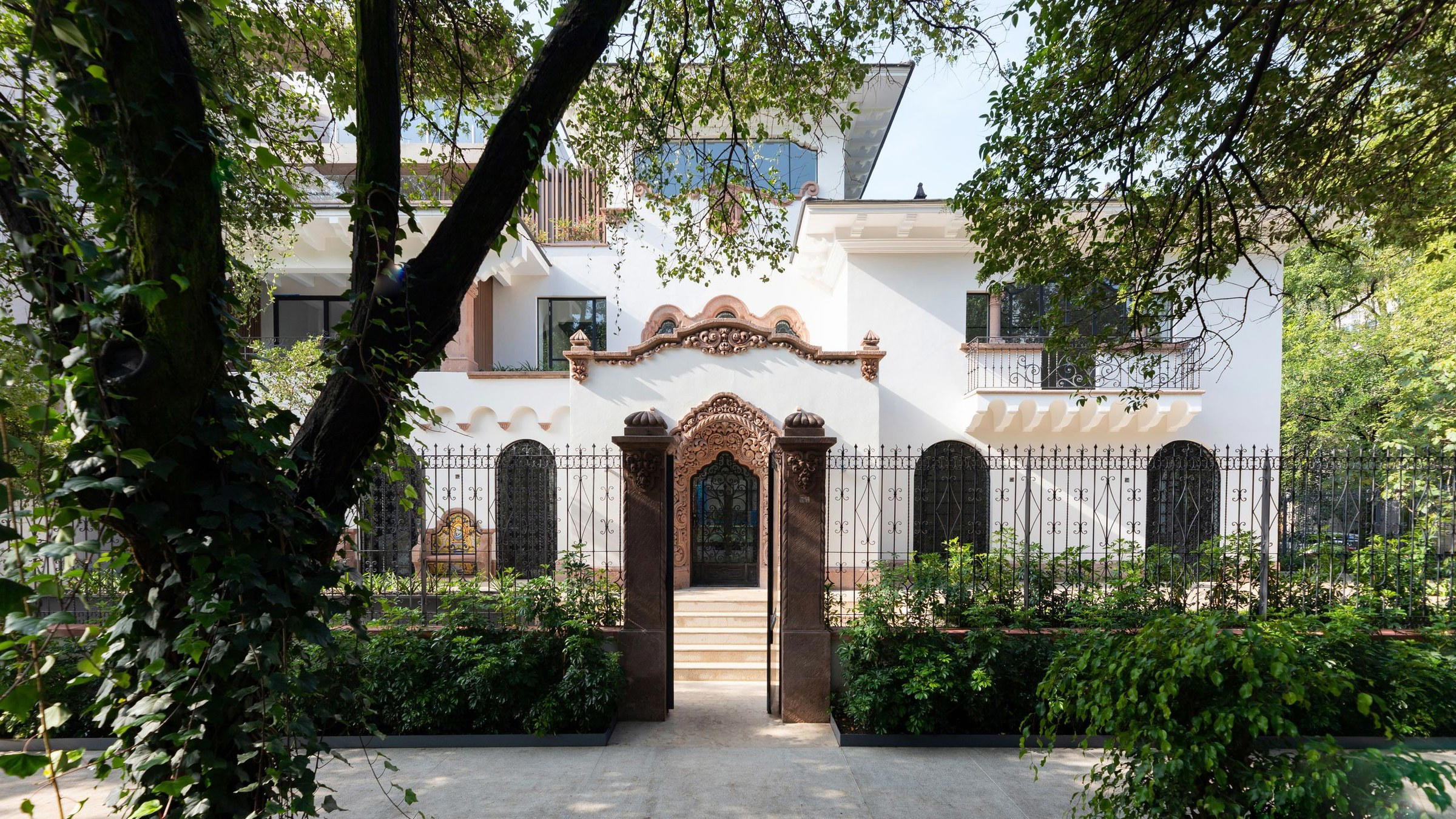
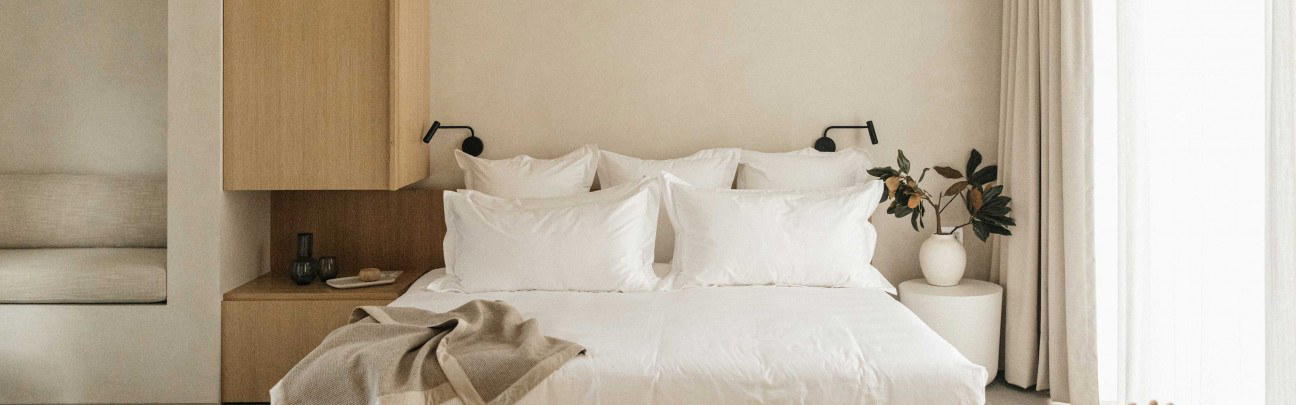
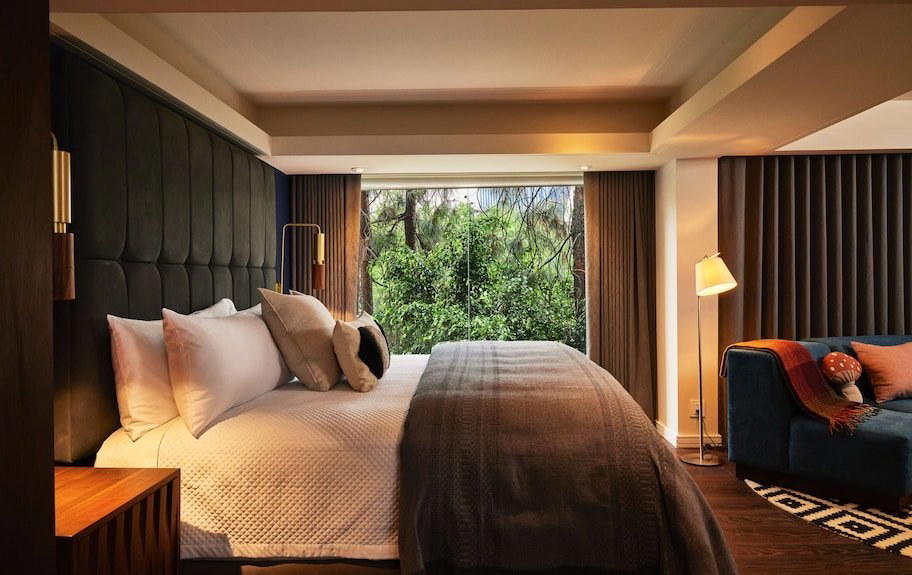
Bars in Mexico City
Browse all →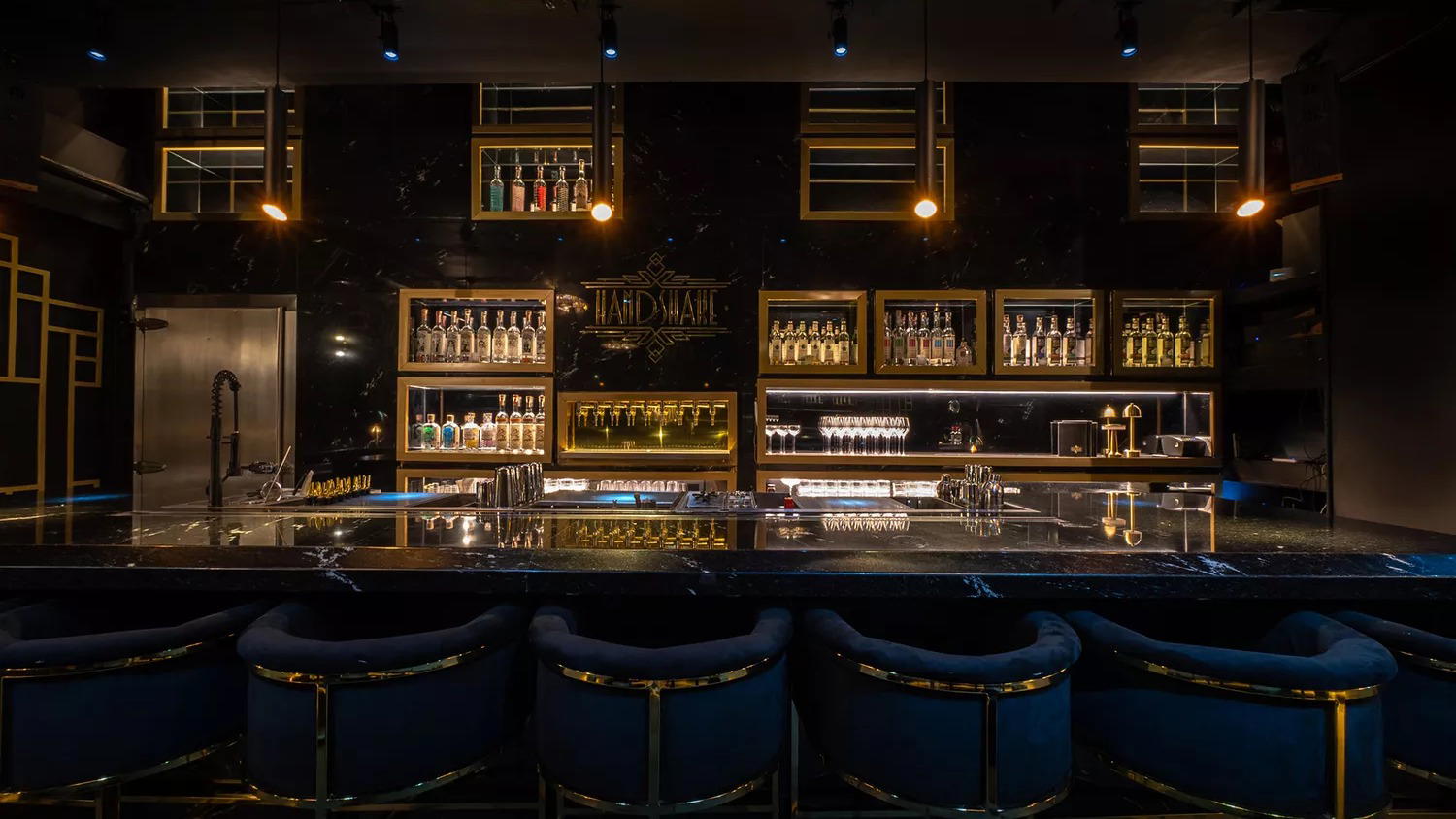
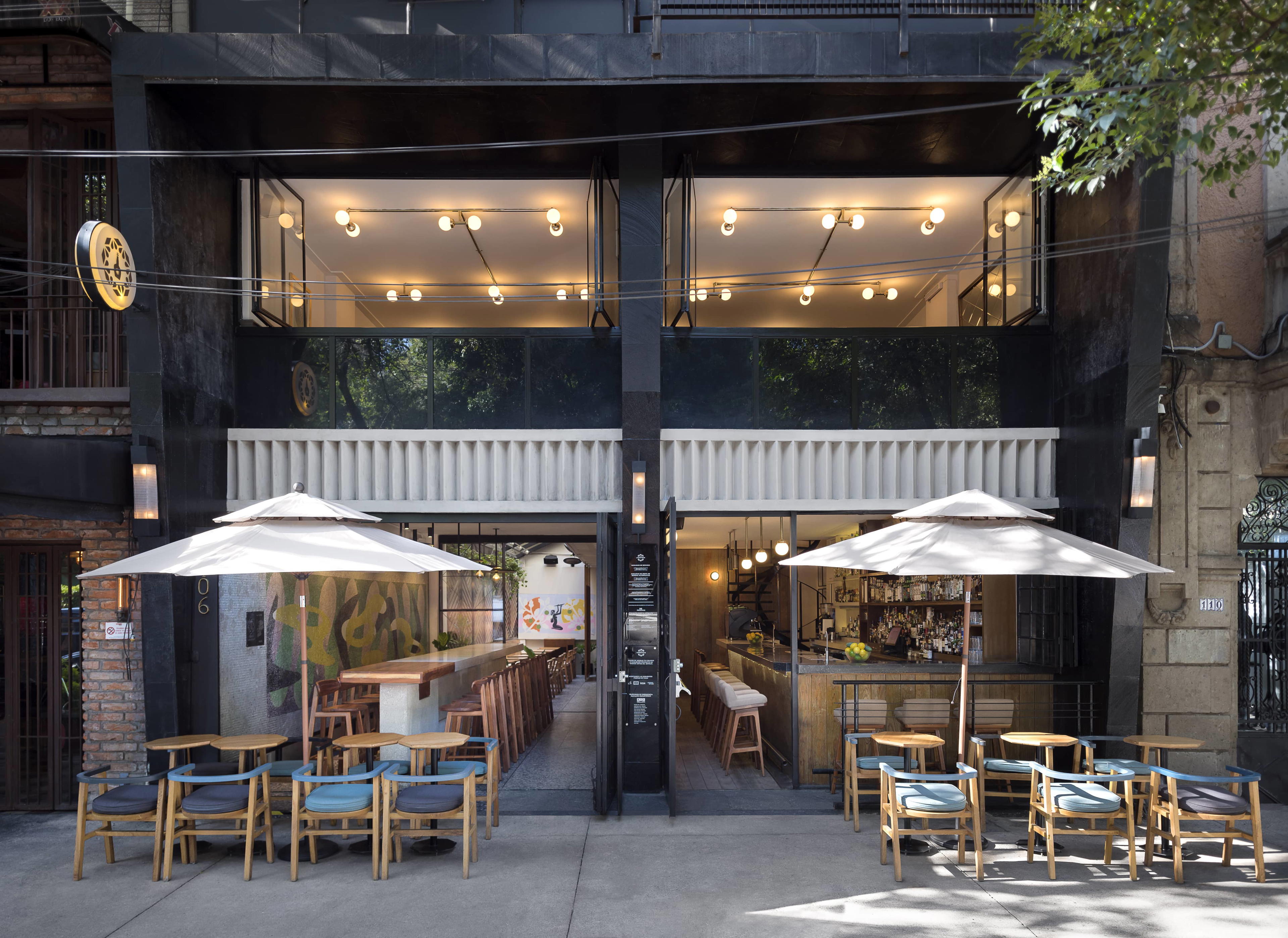
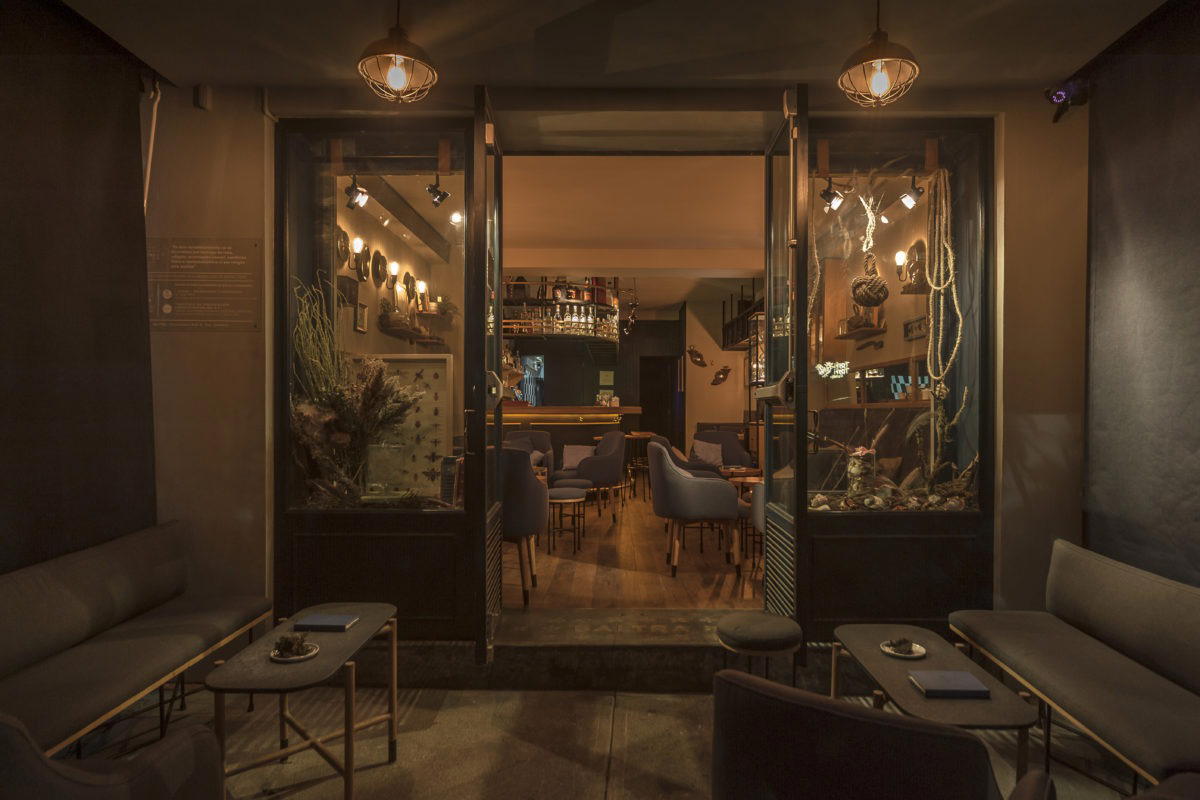
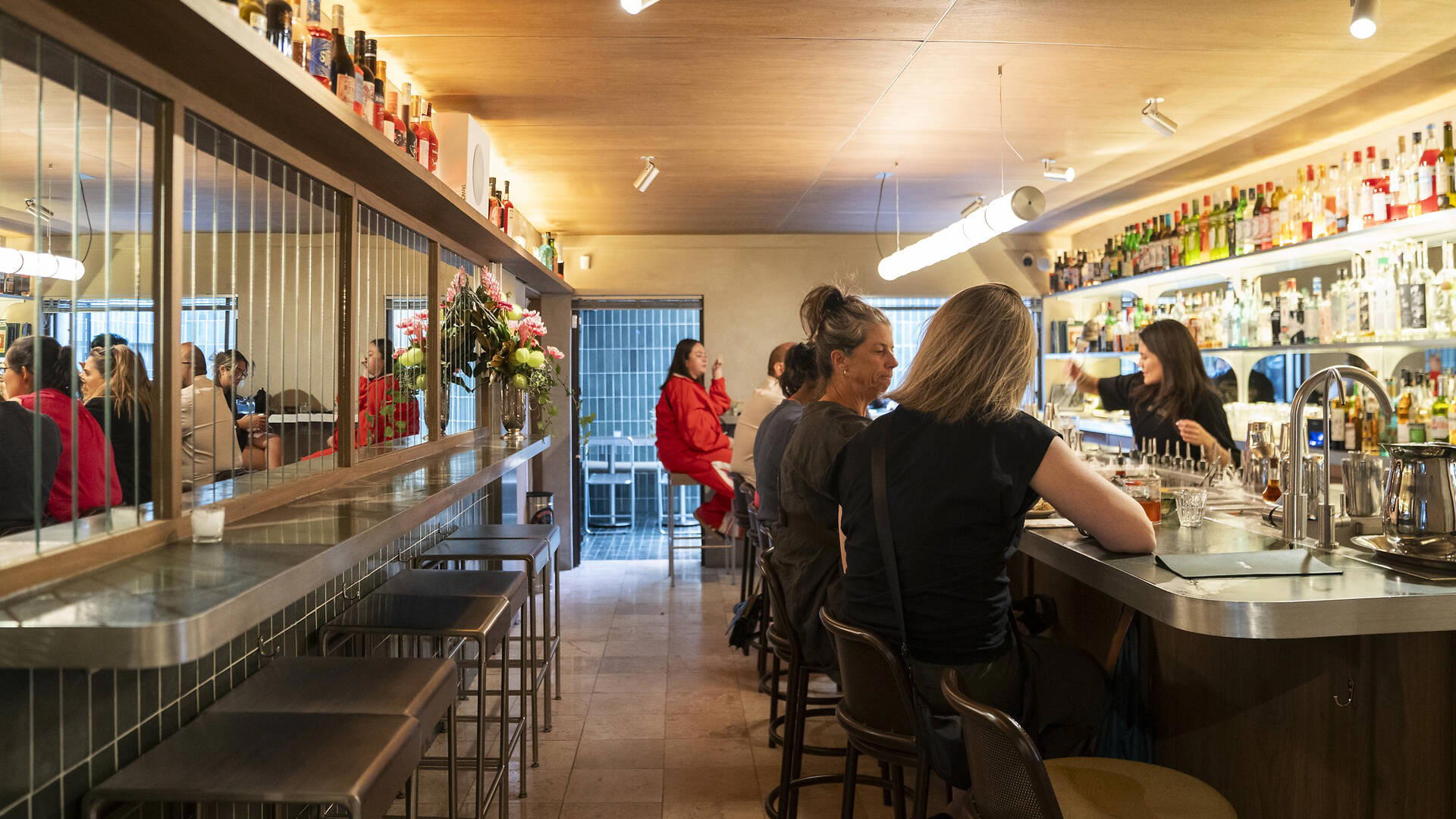
Restaurants in Mexico City
Browse all →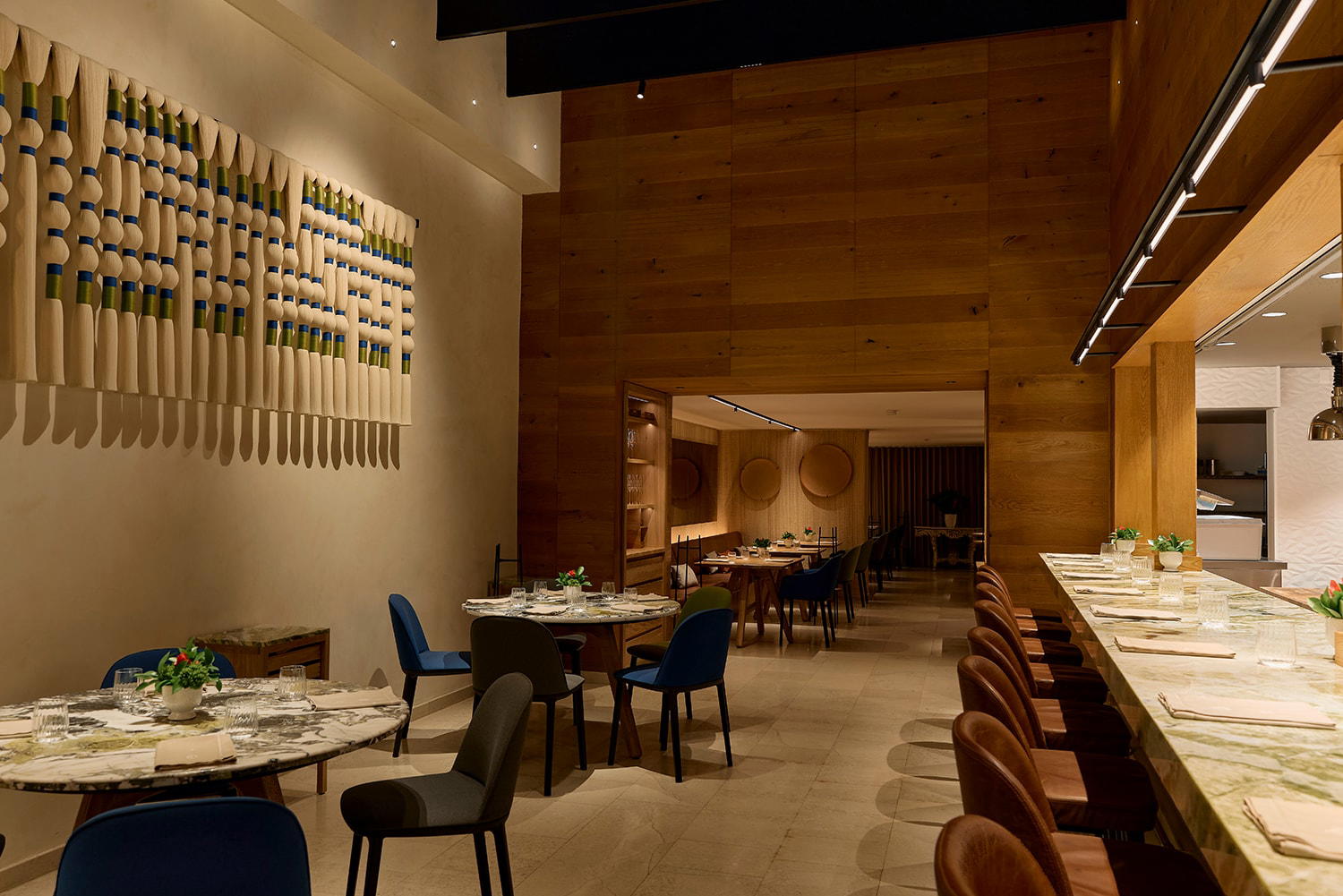
Details
- Trendy
- Modern
- Lively
- Sophisticated
- Weekend Escape
- Business Trip
- Rooftop Pool
- Garden
- Terrace
- Wi Fi
- Pool
- Room Service
- Concierge
- Valet Parking
- Street Scene
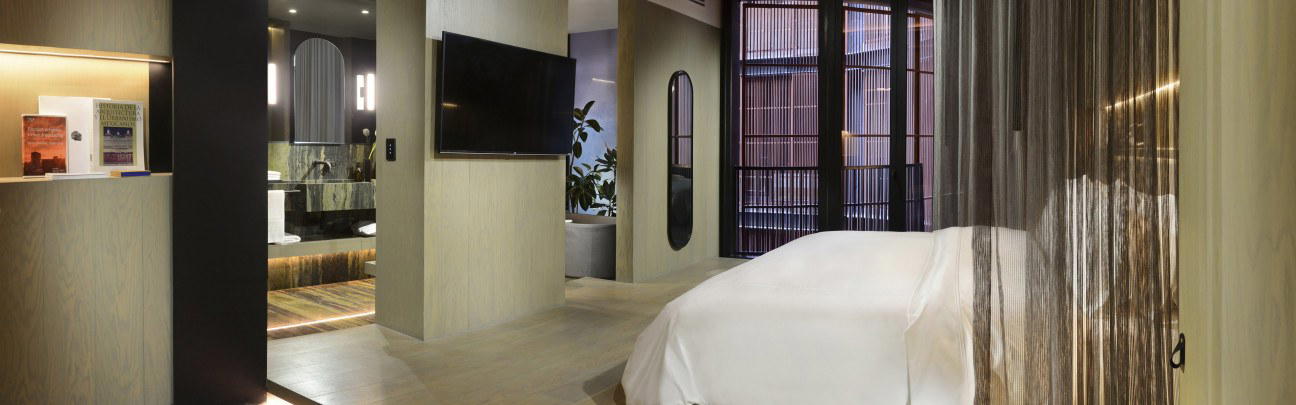
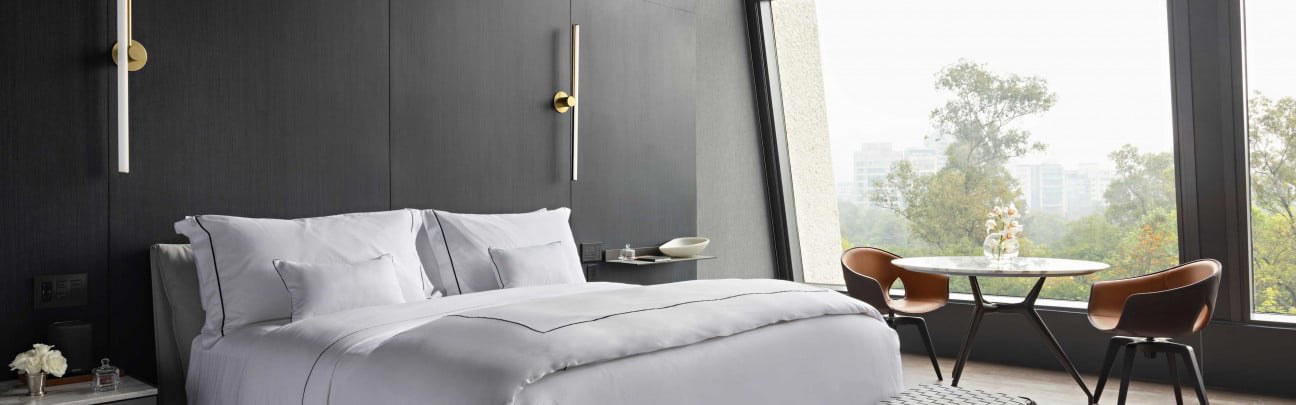
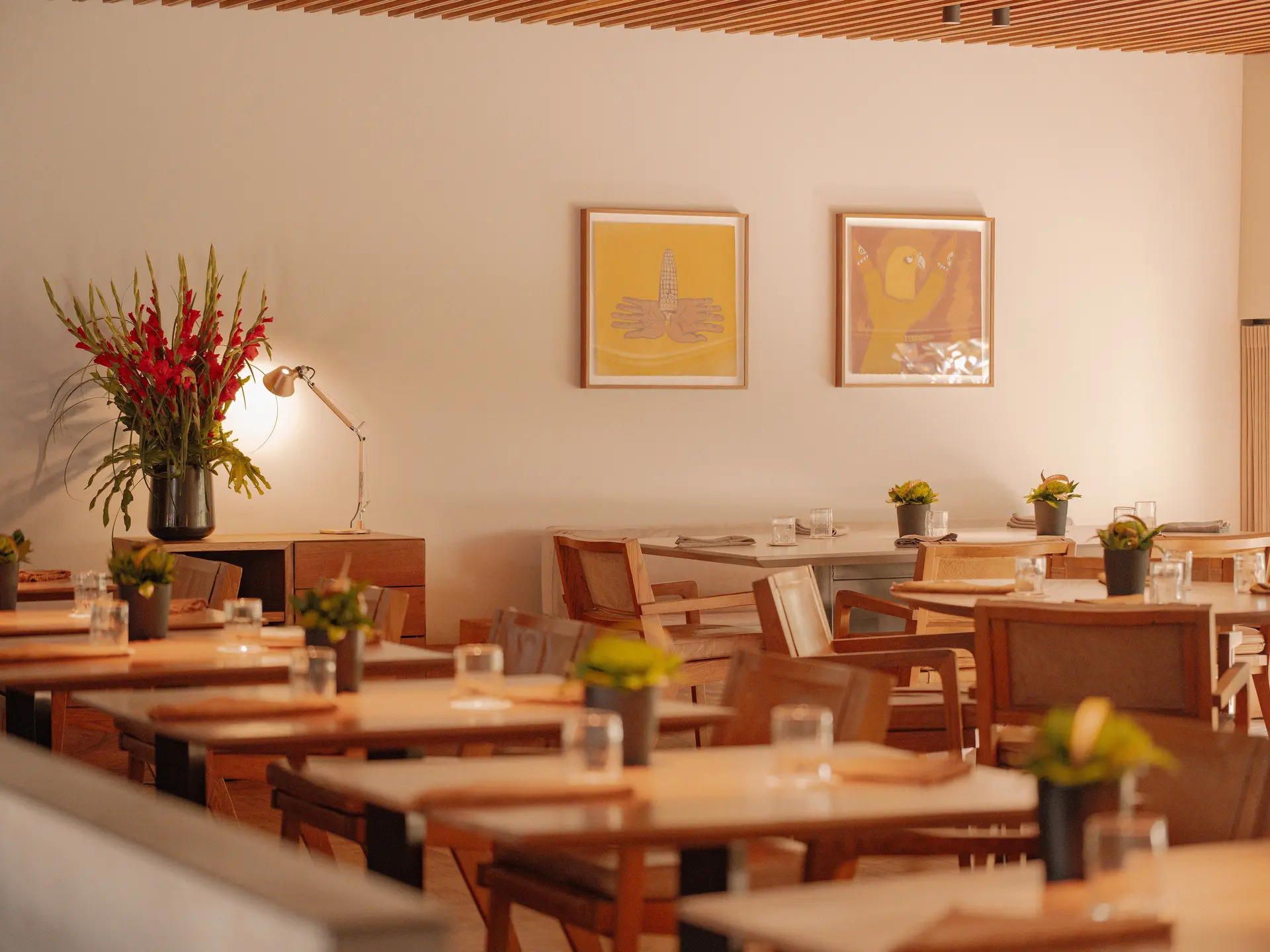
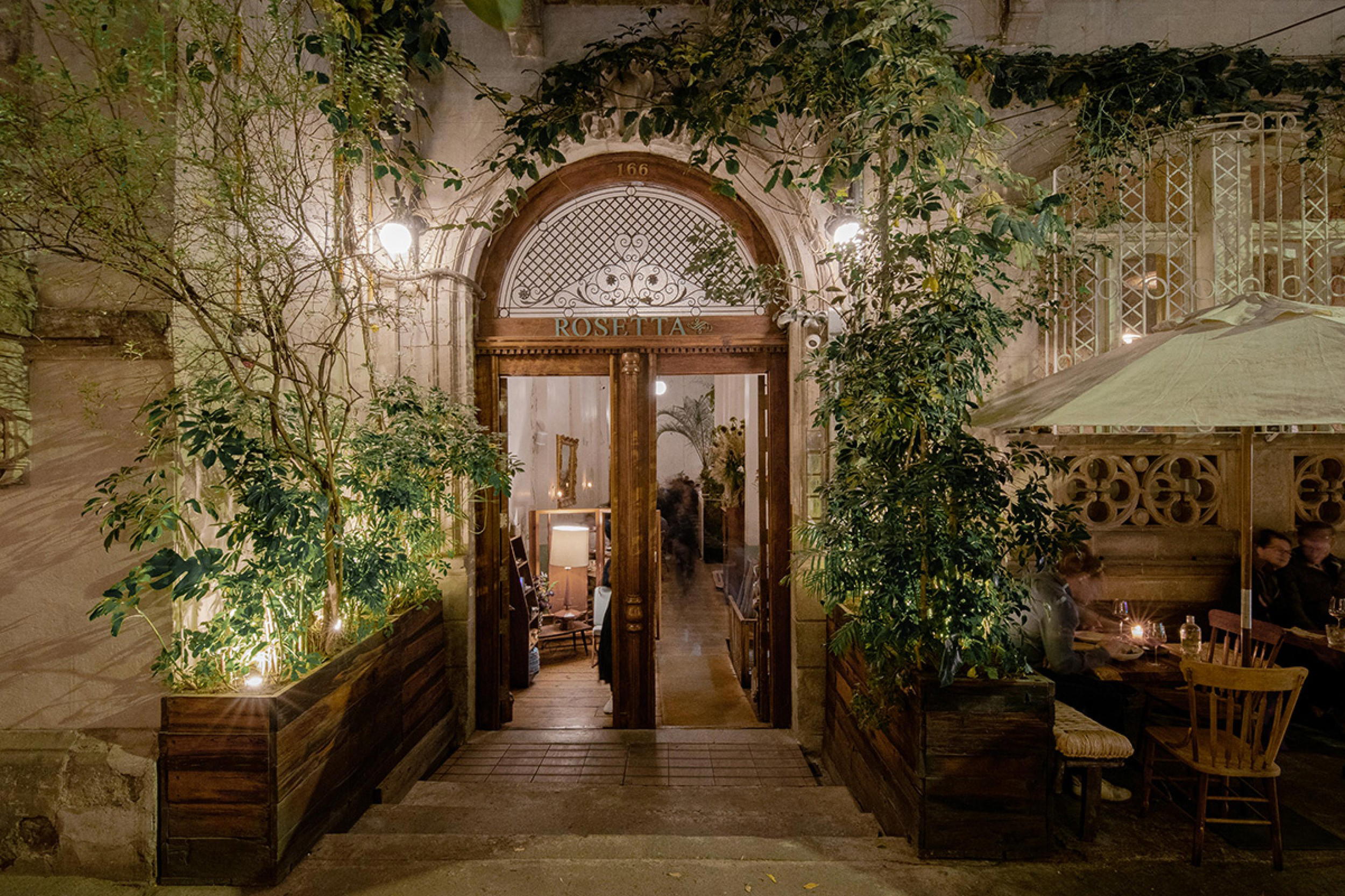
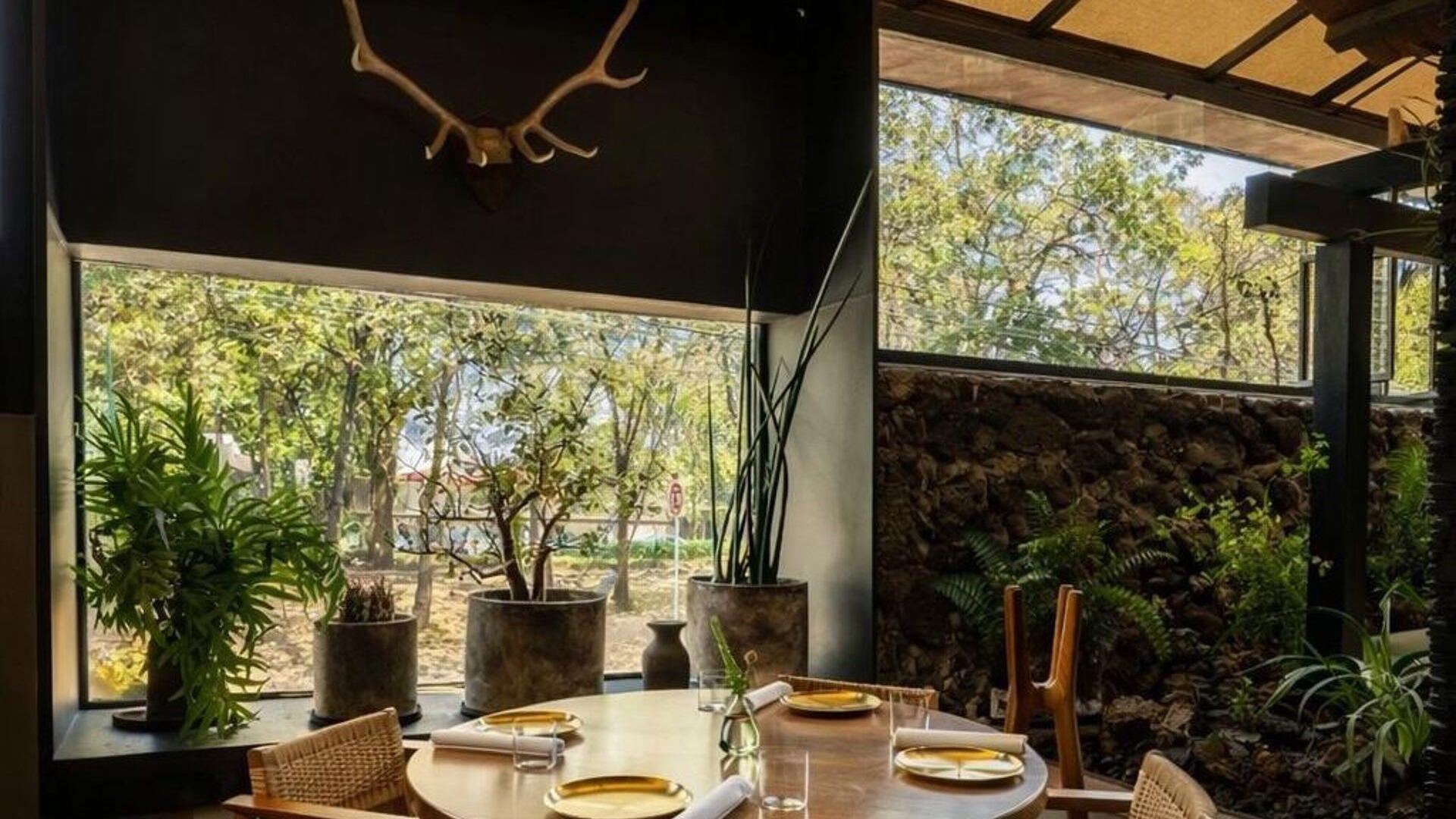
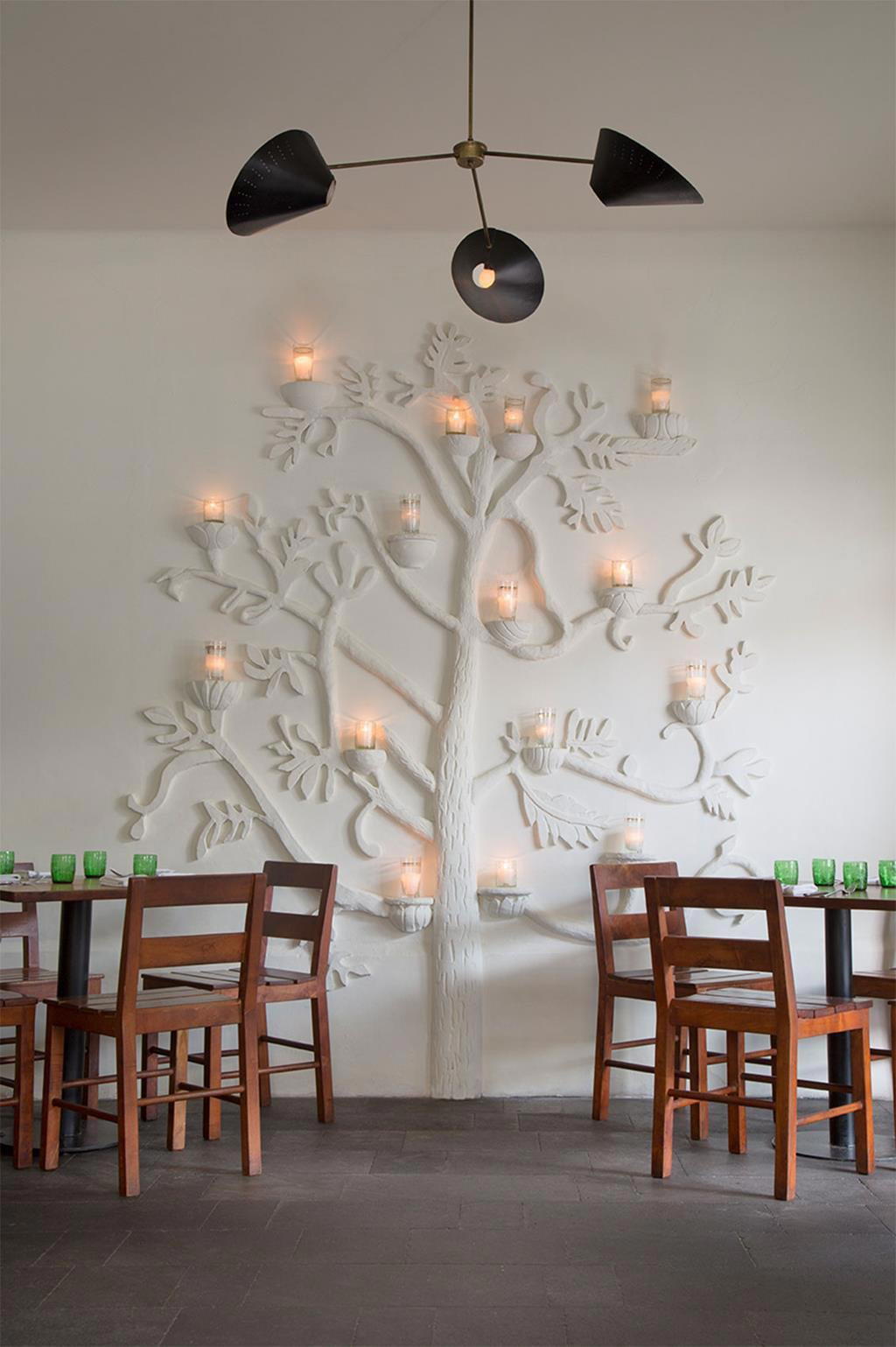
Lively atmosphere blending sensual organic materials with modern design, from dawn to night.