

Michelin Selected · Virtuoso Luxury Hotel Partner
A boutique hotel on a pedestrian lane in Barcelona's Gothic Quarter, Kimpton Vividora occupies a building whose bones date back centuries while its interiors reflect the contemporary energy the neighbourhood has always generated. The address places guests inside the oldest continuously inhabited part of the city, within walking distance of the cathedral, the Born, and the Ramblas, with city taxis as the practical transport link given the pedestrian-only surroundings.

Pearl is the En Primeur Club membership app, where members save venues, book tables and use the concierge.

Barcelona's Gothic Quarter and the Case for Staying Inside It
The Gothic Quarter is one of Europe's most densely layered urban environments: Roman walls beneath medieval streets beneath Baroque facades beneath a present-day neighbourhood where residents still hang laundry between windows and order coffee at counters that have been there for generations. Most Barcelona hotels position themselves adjacent to this district, on the Gran Via, near the waterfront, or up on the Eixample grid where taxis arrive easily and lobbies have room to breathe. Kimpton Vividora takes the opposite approach, sitting on Carrer del Duc 15, a pedestrian lane inside the Gothic Quarter proper, which means the neighbourhood is not something you observe from a comfortable distance but something you are immediately part of.
That positioning comes with a practical constraint worth knowing before you book: regular cars, ride-hailing services such as Uber and Cabify, and most private vehicles cannot enter the pedestrian zone. City taxis and pre-arranged private shuttles are the permitted options. For guests arriving from El Prat with luggage, this is the single most important logistical fact about the hotel, and planning around it, either by booking a taxi at the rank or arranging a shuttle in advance, makes the arrival direct rather than frustrating.
What the Neighbourhood Asks of You at the Table
The editorial angle that leading describes eating and drinking in the Gothic Quarter is ritual over speed. Barcelona operates on a dining clock that visitors consistently underestimate. Lunch is the city's primary meal, typically beginning no earlier than 2pm and running through 4pm, with dinner rarely starting before 9pm and not reaching full momentum until 10pm or later. Showing up to a restaurant at 7:30pm and finding it empty is not a sign of a bad choice, it is a sign of being two hours early. Hotels that sit inside working neighbourhoods like the Gothic Quarter rather than on tourist thoroughfares tend to reinforce this rhythm simply by proximity to how locals actually eat.
The streets immediately surrounding the hotel connect to some of Barcelona's most instructive dining territory. El Born, a short walk east, has developed a serious restaurant scene over the past decade that sits between traditional Catalan cooking and contemporary technique without forcing a choice between them. The Barceloneta market, further south, remains one of the city's leading places to understand the Mediterranean larder before you encounter it on a plate. Within the Gothic Quarter itself, the ratio of tourist-trap restaurants to genuinely good ones rewards some research, which is precisely where an inside position, physically and informationally, pays off.
The Hotel Inside the Historic Fabric
Kimpton Vividora is part of the IHG Hotels and Resorts group's boutique-positioned Kimpton brand, which operates properties that tend to emphasise design and local cultural integration rather than standardised luxury cues. In Barcelona, that approach is tested by a neighbourhood that has extraordinary existing character, the question for any hotel in the Gothic Quarter is whether its design language adds to that character or simply crowds it.
The building's architecture acknowledges its historic surroundings, with interiors designed to reflect the contemporary artistic energy that the Gothic Quarter has generated for decades rather than to replicate its medieval surfaces. The result is a property that fits the boutique-hotel category that has grown across Barcelona's upper-mid and luxury segments over the past decade, competing not primarily with the large international flags on the Passeig de Gràcia but with properties like Mercer Hotel Barcelona, another Gothic Quarter address that works with rather than against the neighbourhood's historic fabric, and Alma Barcelona in the Eixample, which takes a similar design-led approach from a different address.
Guests choosing between Kimpton Vividora and properties like the Mandarin Oriental Barcelona on the Passeig de Gràcia or ABaC Restaurant & Hotel in the residential upper city are making a fundamentally different choice about what they want their base to feel like. The Mandarin and ABaC position around a more conventional luxury experience, with the Mandarin in particular operating a landmark dining room that draws guests who are as interested in the food program as the rooms. Vividora's pitch is different: the hotel as entry point to a specific neighbourhood experience, with the Gothic Quarter doing the heavy lifting that a destination restaurant might do elsewhere.
Barcelona's high season runs from late spring through early autumn, with July and August bringing the largest crowds and the highest room rates across the city. The Gothic Quarter, as one of the most visited urban quarters in Europe, absorbs this pressure acutely, visiting outside peak months, particularly in April-May or September-October, gives a meaningfully different experience of the neighbourhood's actual texture. Almanac Barcelona and Antiga Casa Buenavista operate in adjacent segments and face similar seasonal demand patterns.
For guests extending a Spanish itinerary beyond Barcelona, the country's hotel offer is wide enough to sustain weeks of movement without repetition. The Basque coast, anchored by Akelarre in San Sebastián, operates in an entirely different register, smaller, more focused on the restaurant, with a coastal landscape that contrasts sharply with Barcelona's urban density. In Madrid, the Mandarin Oriental Ritz represents the grand-hotel tradition at its most formal. Wine-country alternatives include Abadía Retuerta LeDomaine in the Duero valley and Terra Dominicata in Escaladei, which positions itself inside Priorat wine country a few hours south of Barcelona. The Balearics add another layer: Hotel Can Cera in Palma and La Residencia in Mallorca cover the spectrum from urban boutique to rural Belmond estate. See our full Barcelona restaurants and hotels guide for more on the city's wider offer.
Comparable Spots, Quickly
Comparable venues nearby, for context on price, style, and recognition.
| Venue | Cuisine | Price | Awards | Notes |
|---|---|---|---|---|
| Kimpton Vividora BarcelonaThis venue (the venue you are viewing) | Luxury boutique hotel inspired by traditional Barcelona apartments in a 19th-century building. | $100–200 | Michelin Selected · Virtuoso Luxury Hotel Partner | Not listed |
| Soho House Barcelona | Historic boutique members' club with modern Catalan interiors | Not listed | 1 Michelin Key · La Liste Top Hotels | Barri Gotic |
| Mas Salagros Ecoresort | Eco-luxury resort in a restored Roman villa surrounded by nature. | Not listed | Michelin Selected · Preferred Hotels Member | Vallromanes |
| Ohla Barcelona | Boutique hotel in historic neoclassical building with contemporary renovation | Not listed | Michelin Selected · Mr & Mrs Smith Seal of Approval | Barri Gotic |
| Casa Sagnier | Historic Modernist building restored as luxury boutique hotel | $200–300 | Michelin Selected · Mr & Mrs Smith Seal of Approval | la Dreta de l'Eixample |
| Hotel Casa Fuster | Luxury heritage hotel in a restored 1908 modernist palace with contemporary amenities and refined service standards. | $300–500 | Michelin Selected · Leading Hotels of World Member | la Vila de Gracia |
Recognition history
Dated appearances from independent guides and award organizations, with the underlying list record or original source where available.
Michelin Selected
Michelin
Virtuoso Luxury Hotel Partner
Virtuoso
Continue exploring
More in Barcelona
Hotels in Barcelona
All hotels in Barcelona →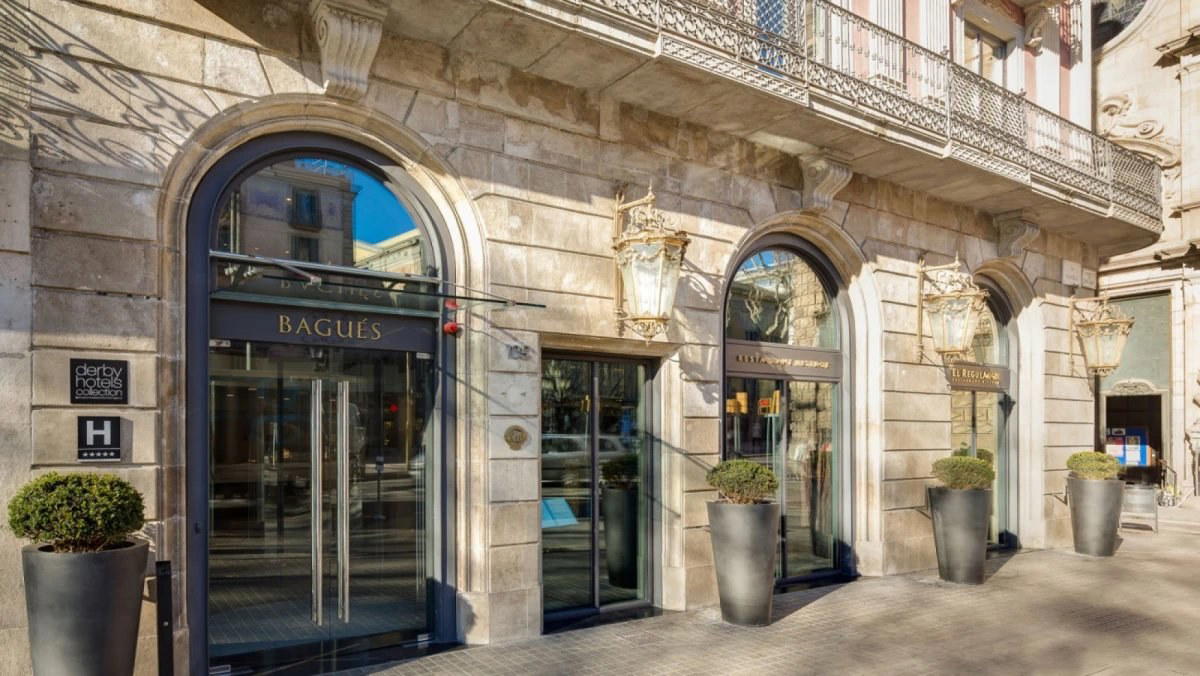
Bars in Barcelona
All bars in Barcelona →
Restaurants in Barcelona
All restaurants in Barcelona →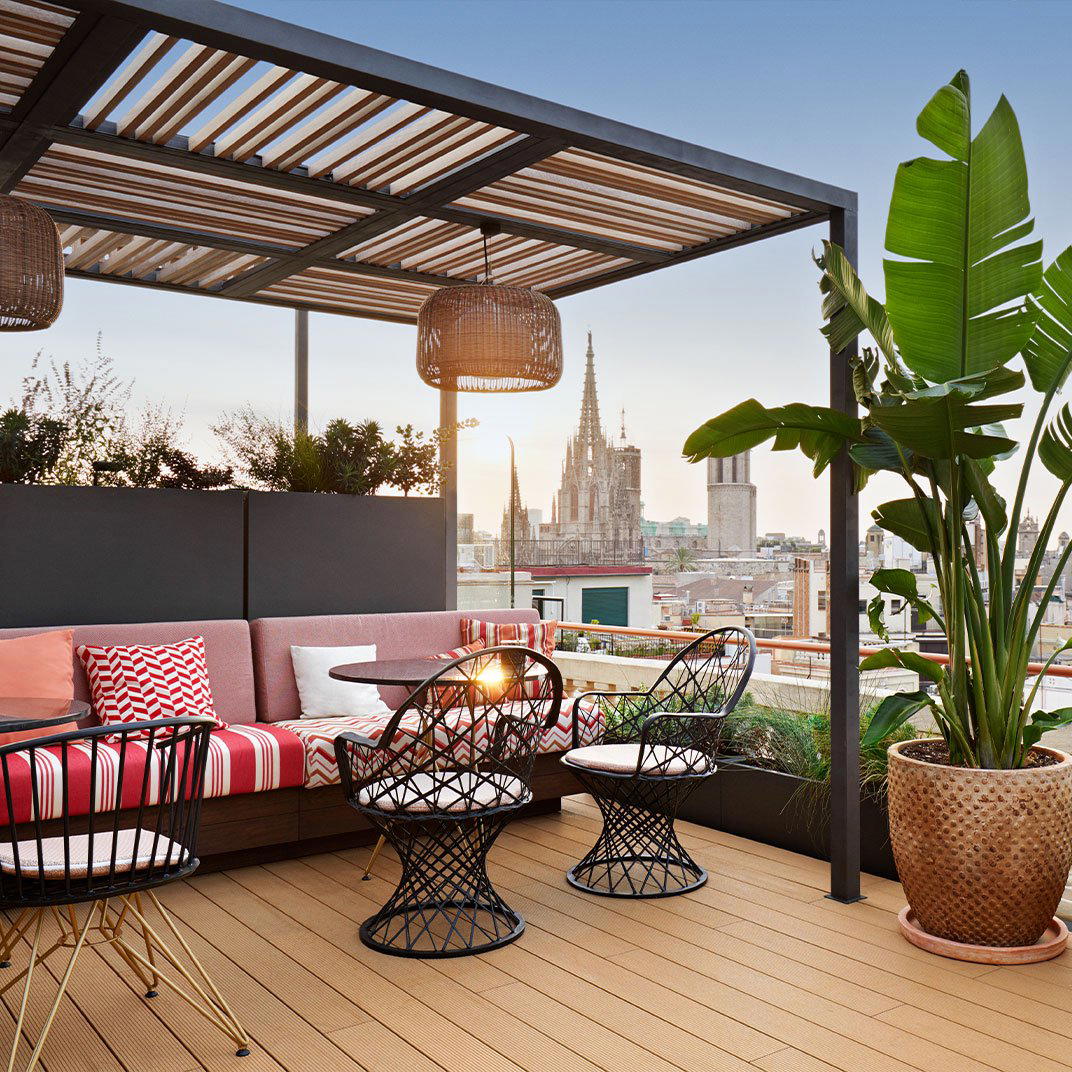
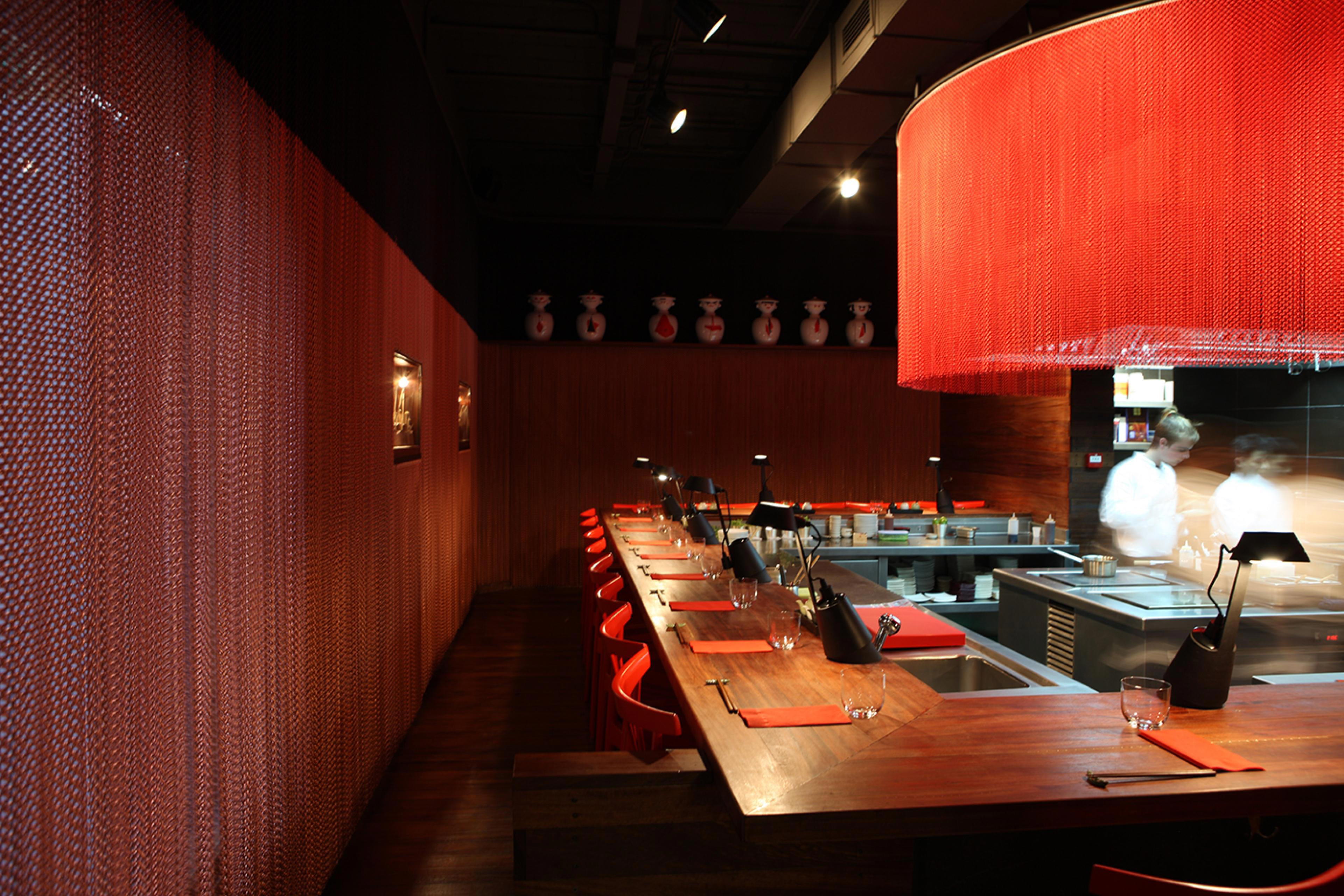
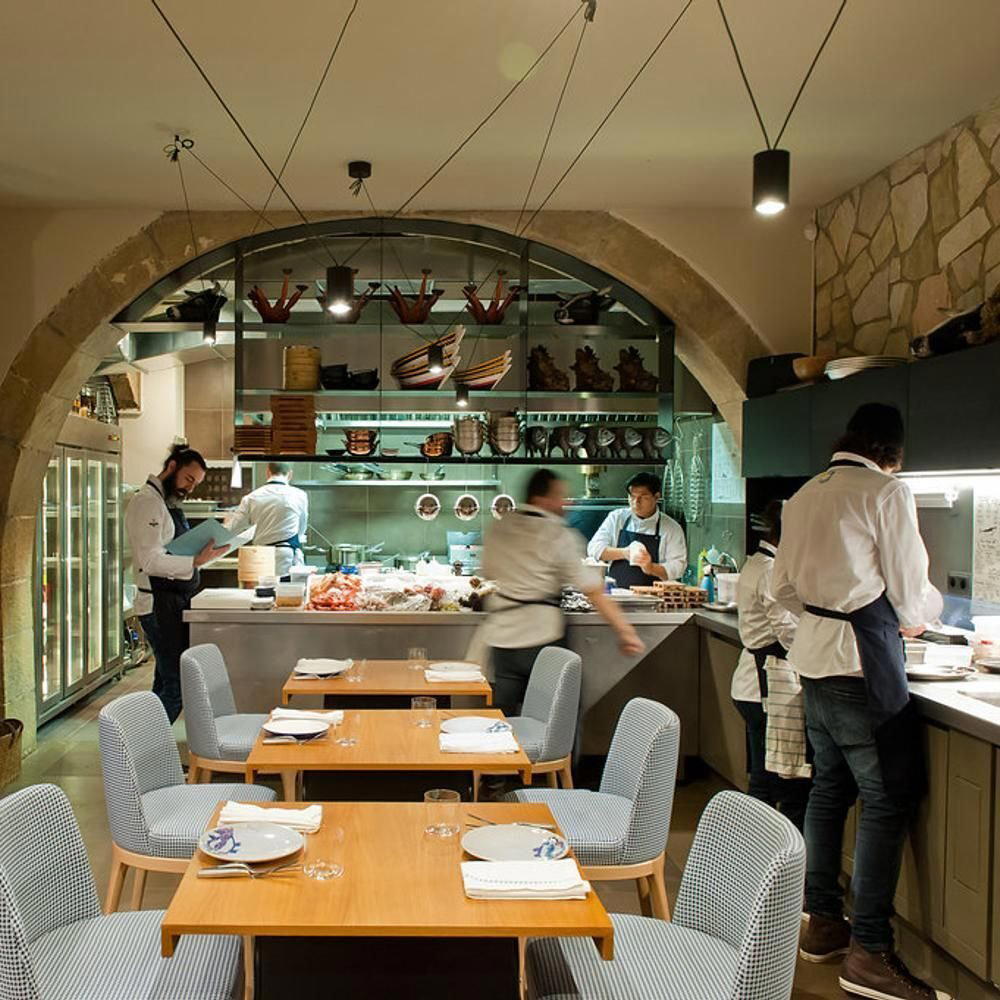
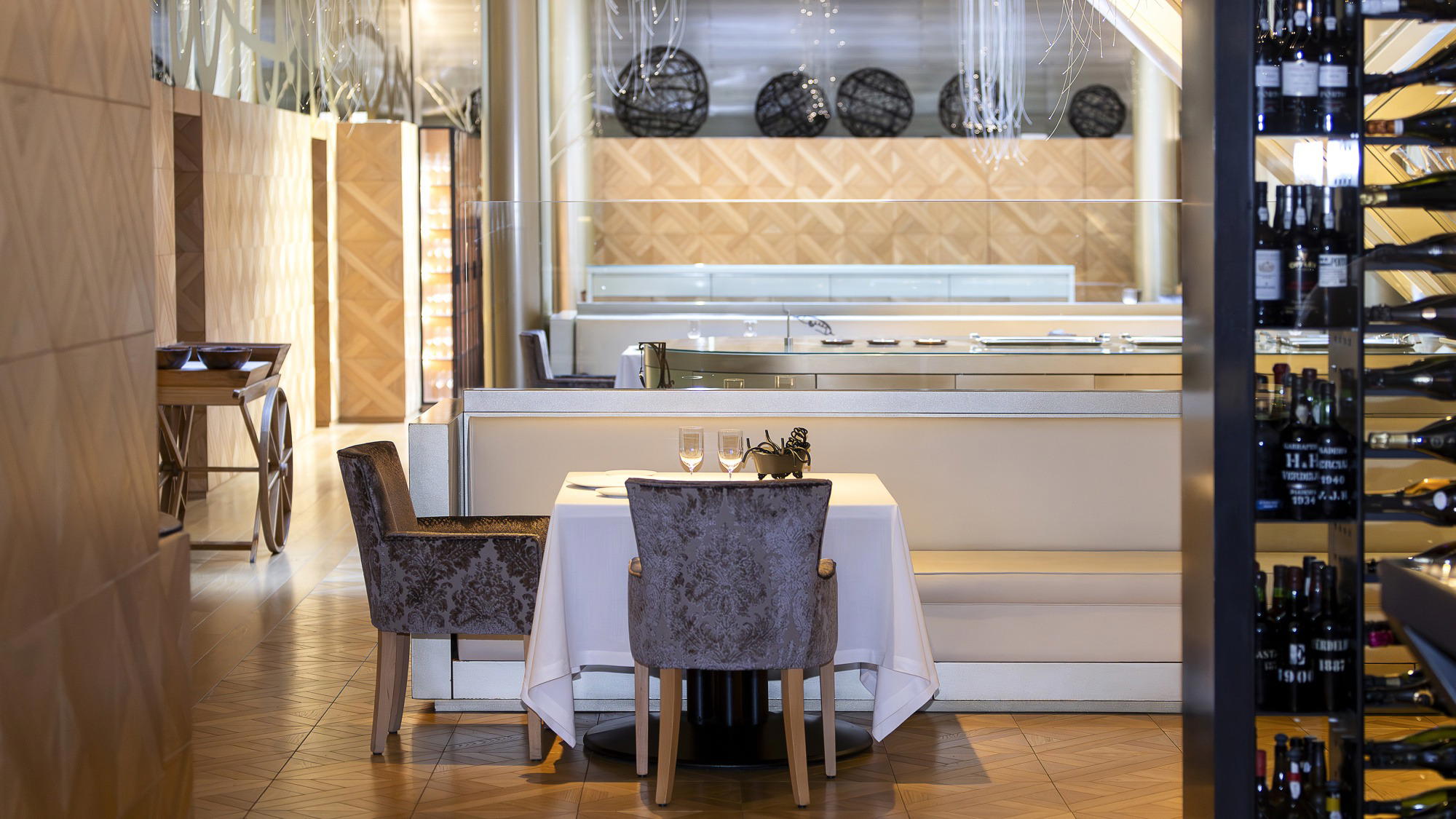
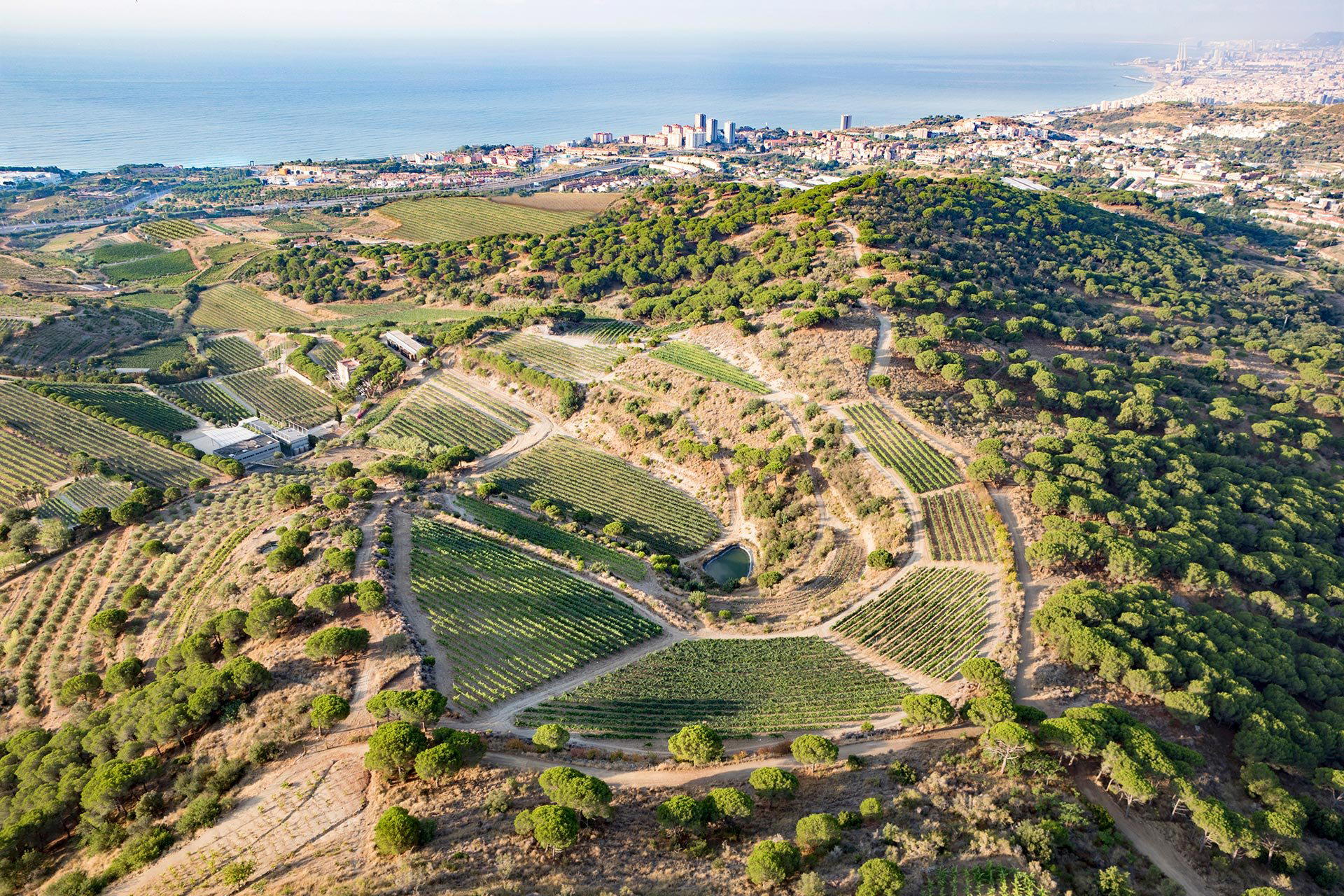

Details
- Modern
- Elegant
- Sophisticated
- Trendy
- Romantic Getaway
- Family Vacation
- Business Trip
- Weekend Escape
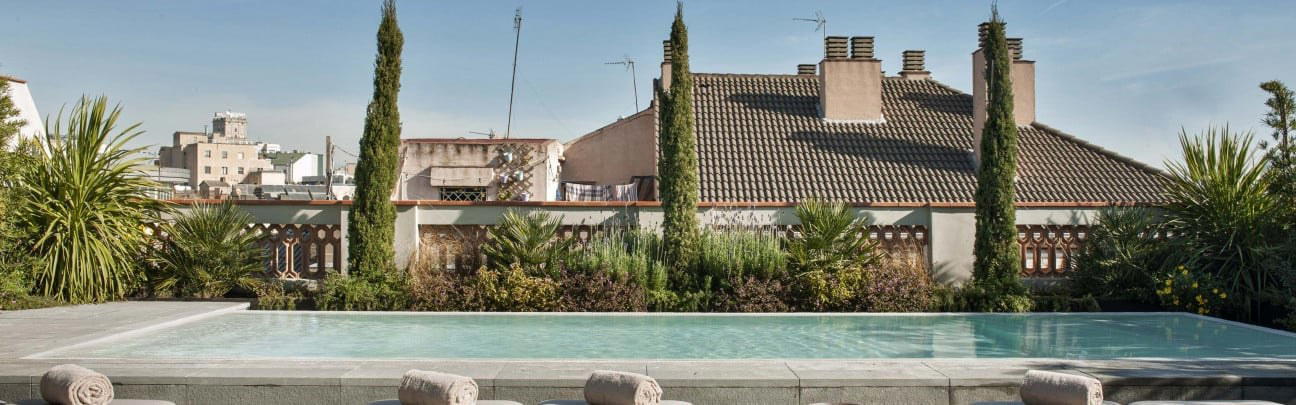
- Rooftop Pool
- Terrace
- Panoramic View
- Wi Fi
- Pool
- Spa
- Fitness Center
- Room Service
- Concierge
- Restaurant
- Skyline
- Street Scene
- Wheelchair Accessible
- Elevator
- Step Free Entrance
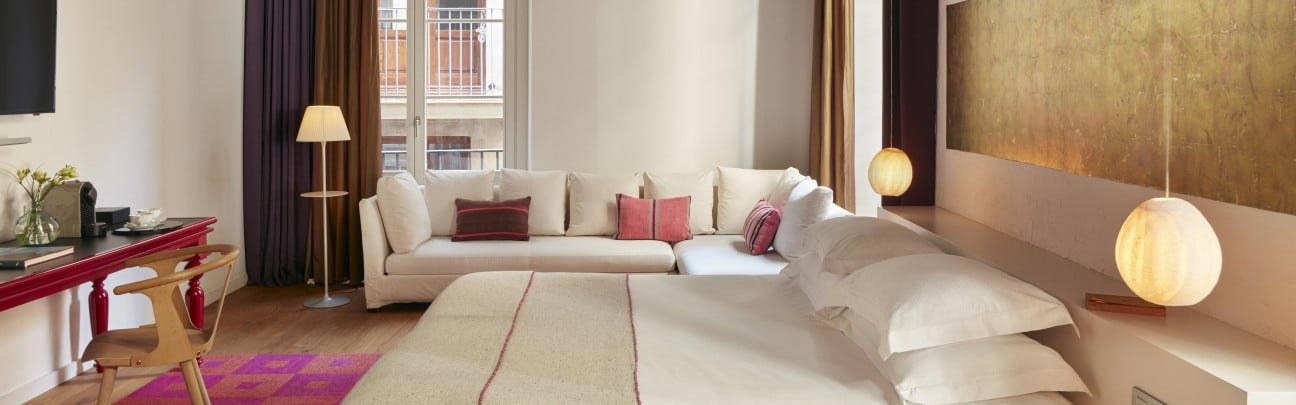
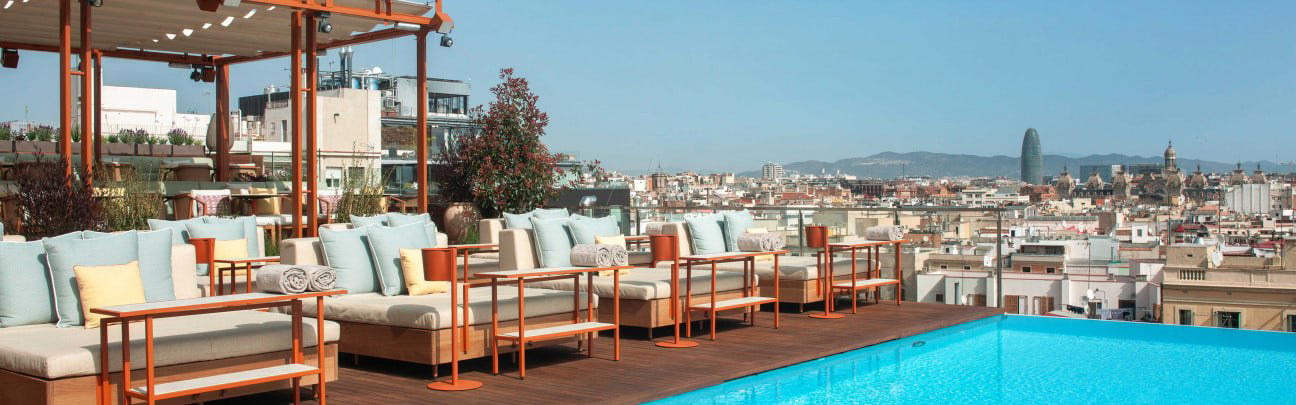
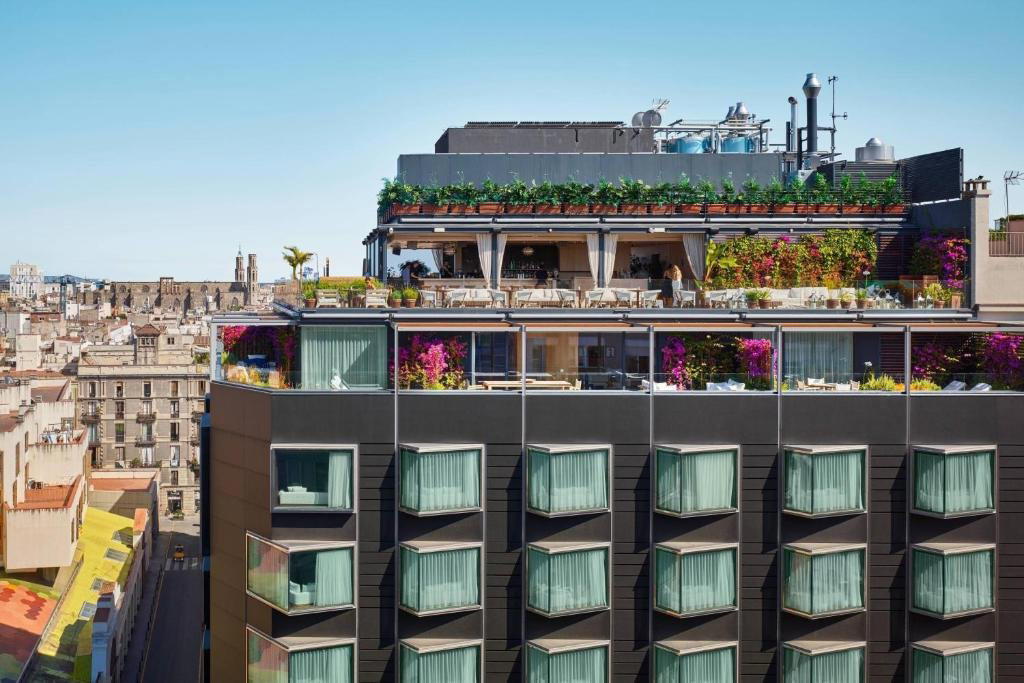
Sophisticated and relaxing with warm earthy tones, soundproofed rooms, and lively rooftop terrace atmosphere.