

Michelin Selected · Mr & Mrs Smith Seal of Approval
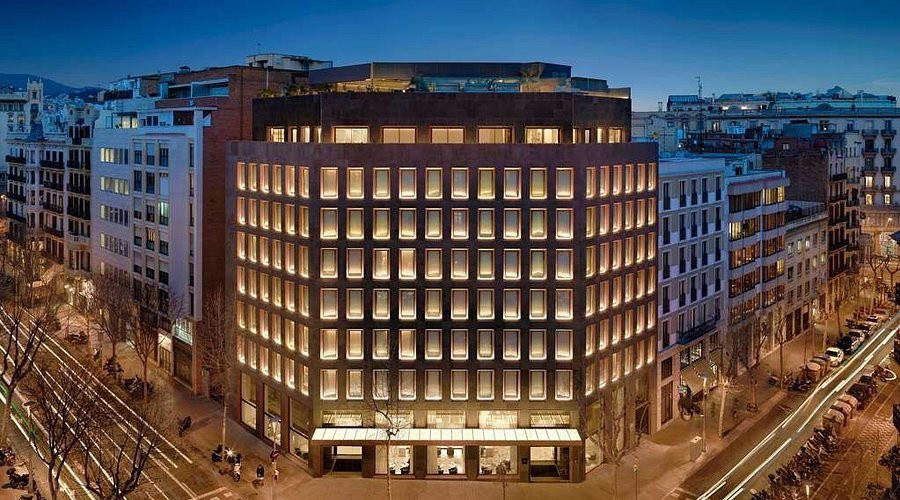
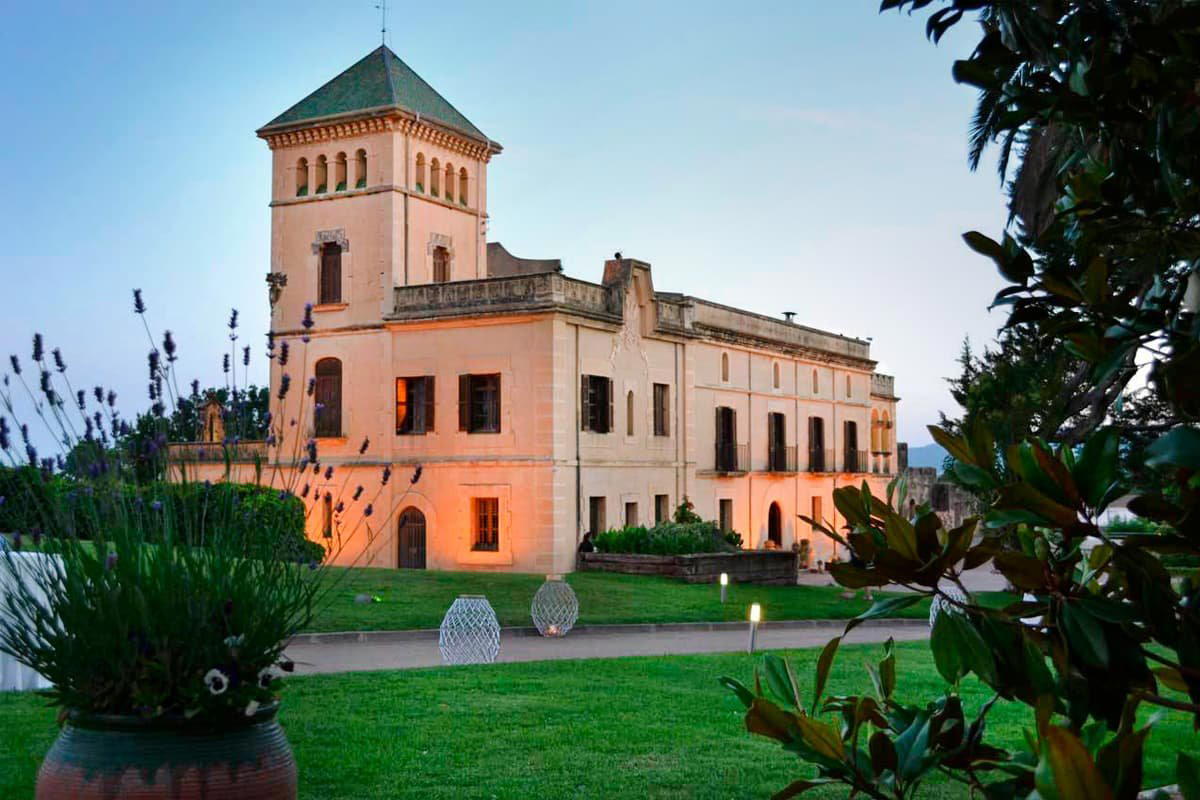
A Michelin Selected hotel occupying one of Rambla Catalunya's most architecturally considered buildings, Casa Sagnier sits at the intersection of Barcelona's modernista heritage and contemporary hospitality. The address alone places it among the Eixample's most carefully positioned properties, drawing guests who want the city's architectural character embedded in the stay itself rather than viewed from a distance.

Pearl is the En Primeur Club membership app, where members save venues, book tables and use the concierge.
Rambla Catalunya and the Architecture of the Eixample Stay
Barcelona's Eixample district developed according to Ildefons Cerdà's 1860 grid plan, and Rambla Catalunya emerged as its more residential, less commercial counterpart to the Ramblas. The boulevard's mix of late nineteenth and early twentieth century facades, many carrying the decorative hallmarks of Catalan modernisme, gives any address here an immediate architectural pedigree. Casa Sagnier sits at number 104, a position on this particular stretch that places it within walking distance of Passeig de Gràcia's major modernista monuments while remaining slightly removed from the highest-density tourist traffic concentrated around the Manzana de la Discordia.
The broader pattern in Barcelona's premium accommodation market has been a split between large international-branded hotels anchored near the waterfront or on Passeig de Gràcia itself, and smaller, architecturally specific properties that use the Eixample's residential fabric as a feature rather than a backdrop. Antiga Casa Buenavista and Hotel Boutique Mirlo operate in a similar register, where the building itself carries editorial weight and the guest count stays low enough that the experience doesn't default to hotel-chain anonymity. Casa Sagnier belongs firmly in this cohort.
The Building as the Brief
The name references Eduard Sagnier i Villavecchia, the prolific Catalan architect who worked across religious, civic, and residential commissions in Barcelona from the 1870s through the early twentieth century. His output was considerable and his buildings remain embedded throughout the city, though his profile among international visitors sits below that of Gaudí, Domènech i Montaner, or Puig i Cadafalch. That relative obscurity makes properties carrying his legacy interesting from an architectural tourism perspective: they attract guests who read the city at a finer grain rather than those checking off headline monuments.
In Barcelona's hospitality context, where the Mandarin Oriental Barcelona operates from a converted bank on Passeig de Gràcia and Mercer Hotel Barcelona occupies a Roman-wall site in the Gothic Quarter, the conversion of a Sagnier building into a hotel follows an established Barcelona tradition of making architectural heritage do hospitality work. The logic is consistent: when the physical fabric of the city is itself the draw, embedding accommodation within that fabric adds a layer of access that a generic new-build cannot replicate.
Michelin Selection and What It Signals
Casa Sagnier carries a MICHELIN Selected designation in the Michelin Hotels & Stays guide for 2025. Within Michelin's hotel framework, Selected status sits at the entry point of their recommendation tiers, indicating properties that meet the guide's quality threshold without carrying the higher distinction awarded to a smaller number of properties. In the Barcelona context, Michelin Selected placement puts Casa Sagnier in documented company with other city properties the guide considers worth recommending, which in a market as competitive as Barcelona's is a meaningful signal of baseline quality rather than a ceiling.
Casa Sagnier occupies a different position in that architecture: smaller, historically grounded, and without a restaurant operation of its own as the primary draw.
Placing the Stay in the City
Rambla Catalunya 104 gives guests on foot access to the Eixample's concentrated architectural circuit without requiring transport for the headline visits. The Gaudí buildings on Passeig de Gràcia, including Casa Batlló and Casa Milà, sit within a short walk, as does the Fundació Antoni Tàpies. The neighbourhood's density of design shops, wine bars, and mid-range to high-end restaurants along the Eixample grid means the immediate surroundings support extended stays without the need to move significant distances for most of what a culturally oriented visitor would want.
Guests whose travel extends beyond Barcelona into Spain's broader design and wine geography can use the city as a base before moving to properties like Terra Dominicata in Escaladei in Priorat wine country, or Abadía Retuerta LeDomaine in Castile. For Catalan coastal extensions, Cap Rocat in Cala Blava or Hotel Can Ferrereta in Santanyí in Mallorca offer a shift from urban density to fortress-coast or village-hotel quietude. The Hotel Arts Barcelona on the waterfront represents the large-scale alternative for those who want Barcelona luxury at a different scale.
Planning the Stay
Bookings for Casa Sagnier are handled directly through the property at Rambla Catalunya 104. The address is well-served by the L3 metro line at Diagonal or Passeig de Gràcia stations, and the boulevard itself is walkable from both points. Barcelona's peak accommodation pressure falls in summer months and during major trade events, including Mobile World Congress in late February and Sónar in June, when citywide availability tightens and prices across all tiers move upward. Guests travelling for the architecture rather than events typically find March through May and September through October offer the most manageable conditions.
For Spain-wide context before or after a Barcelona stay, the Mandarin Oriental Ritz, Madrid anchors the capital's luxury tier, while Akelarre in San Sebastián combines three-Michelin-star dining with hotel accommodation in the Basque Country. Elsewhere in Iberia, Pepe Vieira Restaurant & Hotel in Poio and Atrio Restaurante Hotel in Cáceres represent the restaurant-led hotel format at serious level. The full depth of Barcelona's accommodation and dining options is covered in our full Barcelona restaurants guide.
Comparable Venues
Comparable venues nearby, for context on price, style, and recognition.
| Venue | Cuisine | Price | Awards | Notes |
|---|---|---|---|---|
| Casa SagnierThis venue (the venue you are viewing) | Historic Modernist building restored as luxury boutique hotel | $200–300 | Michelin Selected · Mr & Mrs Smith Seal of Approval | Not listed |
| METT Barcelona | Urban resort with skyline serenity and nature's calm. | Not listed | 1 Michelin Key · Esquire Best New Hotels | Tibidabo |
| Soho House Barcelona | Historic boutique members' club with modern Catalan interiors | Not listed | 1 Michelin Key · La Liste Top Hotels | Barri Gotic |
| Gran Hotel La Florida | Historic landmark blending Catalan Noucentisme with contemporary luxury. | Not listed | Not listed | Vallvidrera, el Tibidabo i les Planes |
| Nobu Hotel Barcelona | Luxury lifestyle hotel blending Japanese philosophy with local artistry. | Not listed | Michelin Selected · La Liste Top Hotels | Hostafrancs |
| Hotel Bagués | Luxury boutique design hotel in a historic building on Las Ramblas | $100–200 | Michelin Selected · Small Luxury Hotels of the World Member | el Raval |
Recognition history
Dated appearances from independent guides and award organizations, with the underlying list record or original source where available.
Michelin Selected
Michelin
Mr & Mrs Smith Seal of Approval
Mr & Mrs Smith
Continue exploring
More in Barcelona
Hotels in Barcelona
All hotels in Barcelona →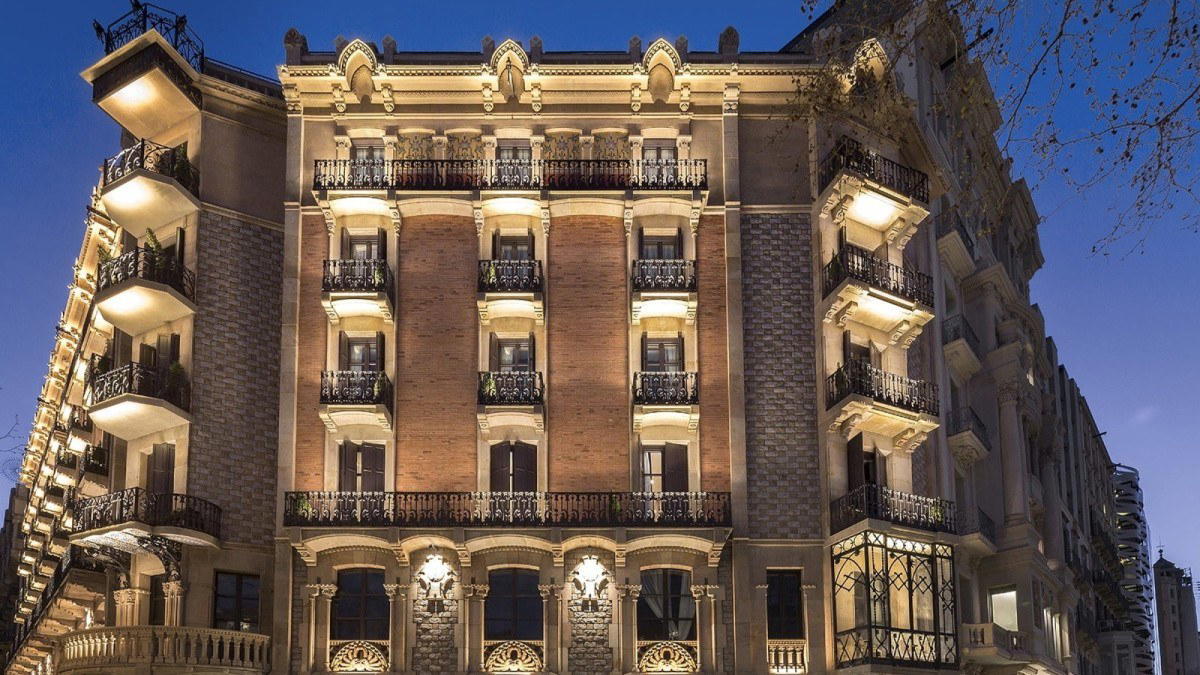
Bars in Barcelona
All bars in Barcelona →
Restaurants in Barcelona
All restaurants in Barcelona →

Details
- Elegant
- Modern
- Sophisticated
- Historic
- Romantic Getaway
- Business Trip
- Weekend Escape
- Historic Building
- Terrace
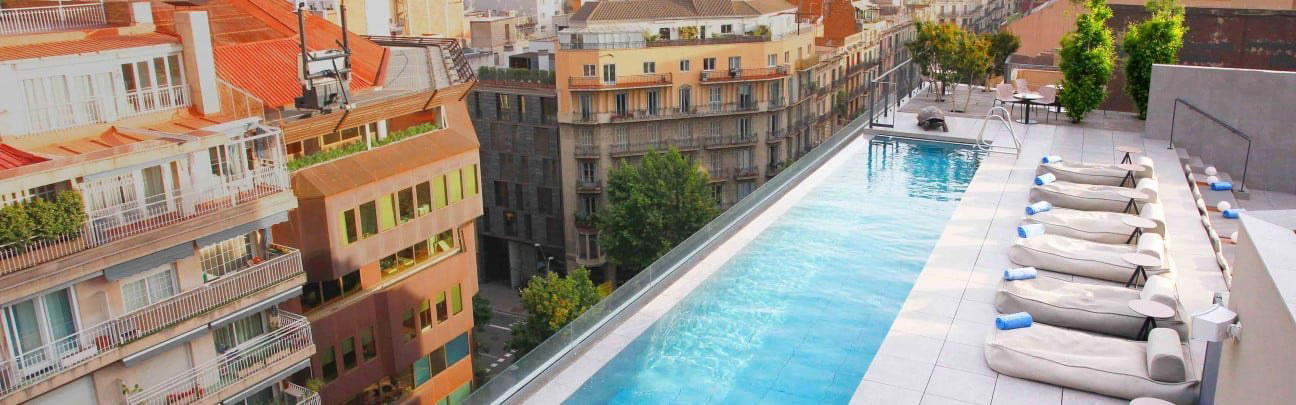
- Rooftop Pool
- Wi Fi
- Fitness Center
- Sauna
- Restaurant
- Room Service
- Concierge
- Street Scene
- Wheelchair Accessible
- Elevator
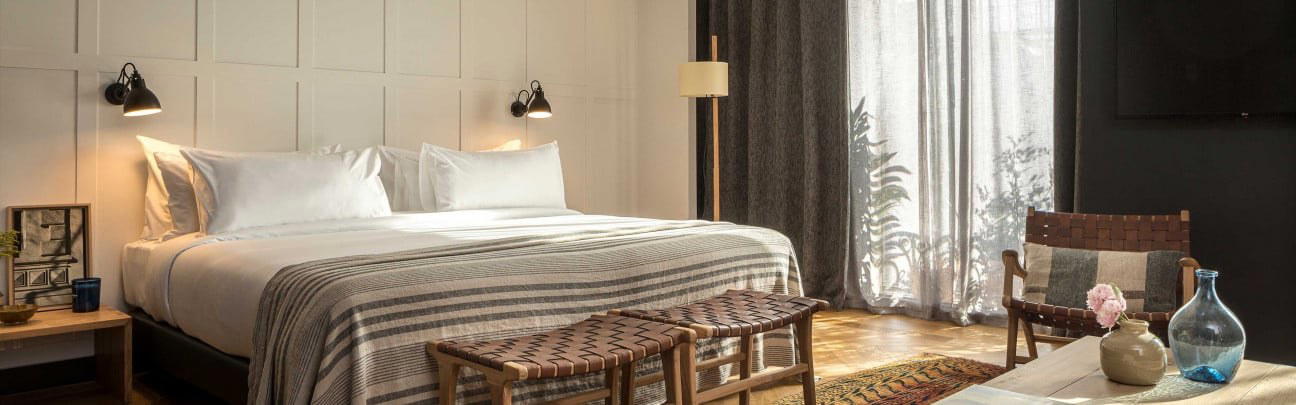
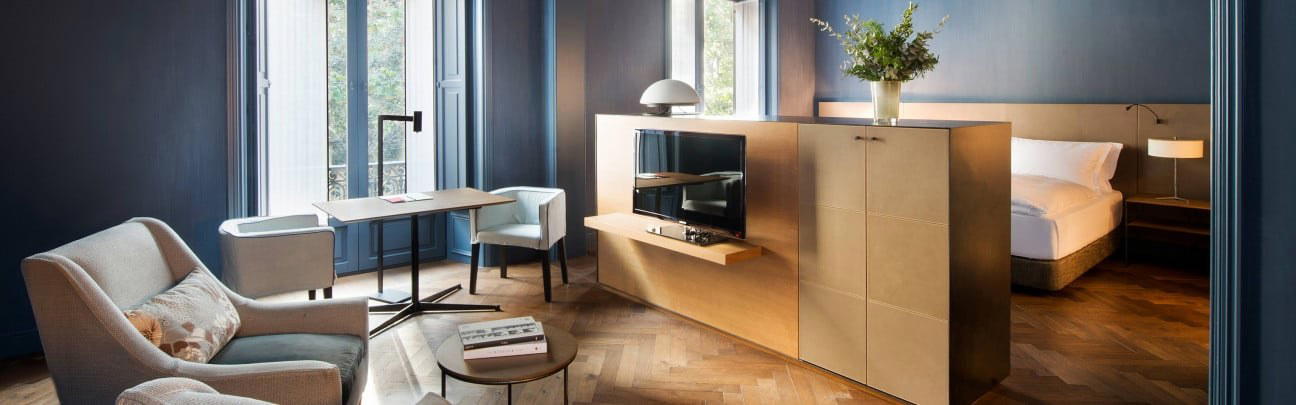
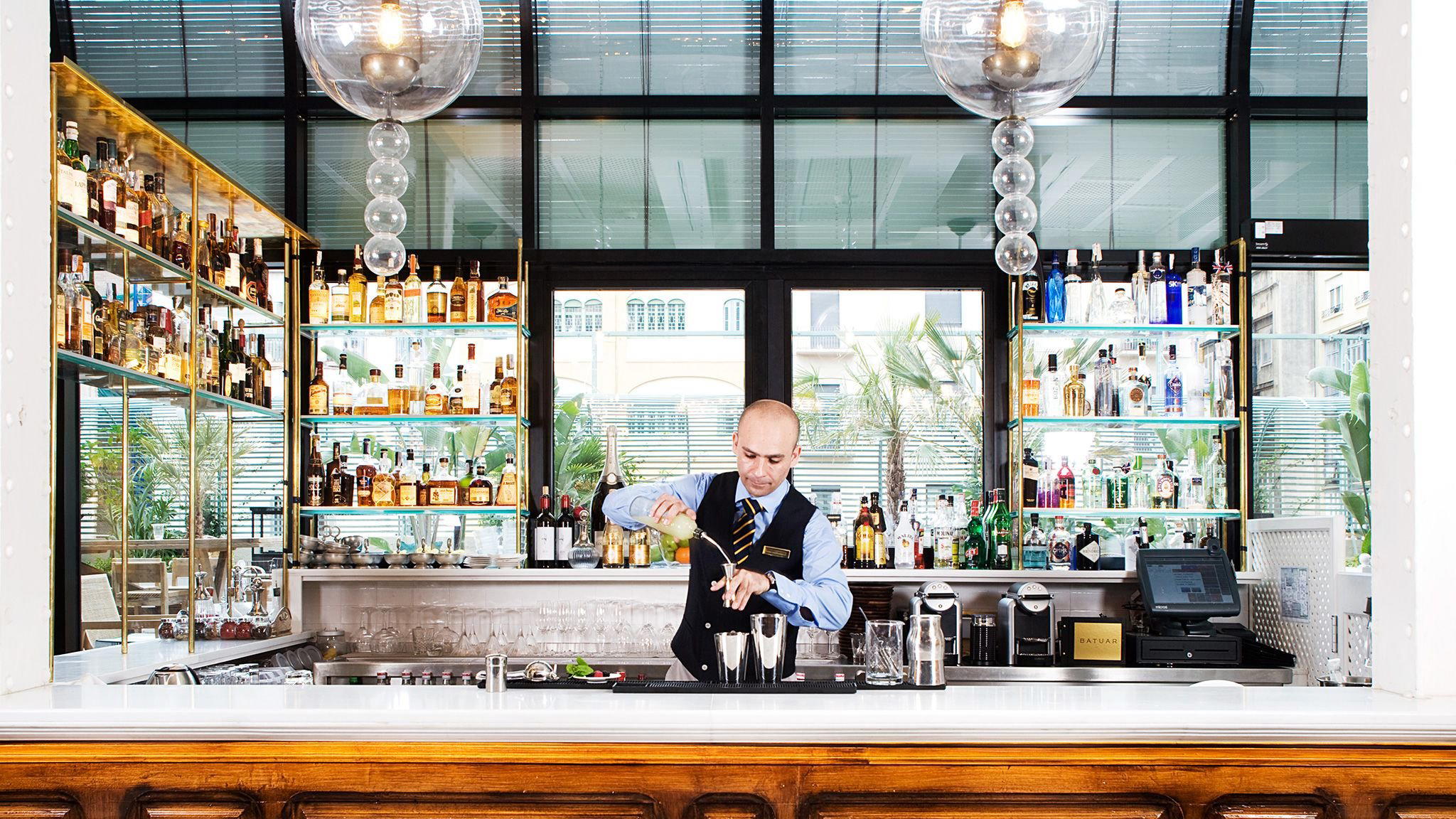
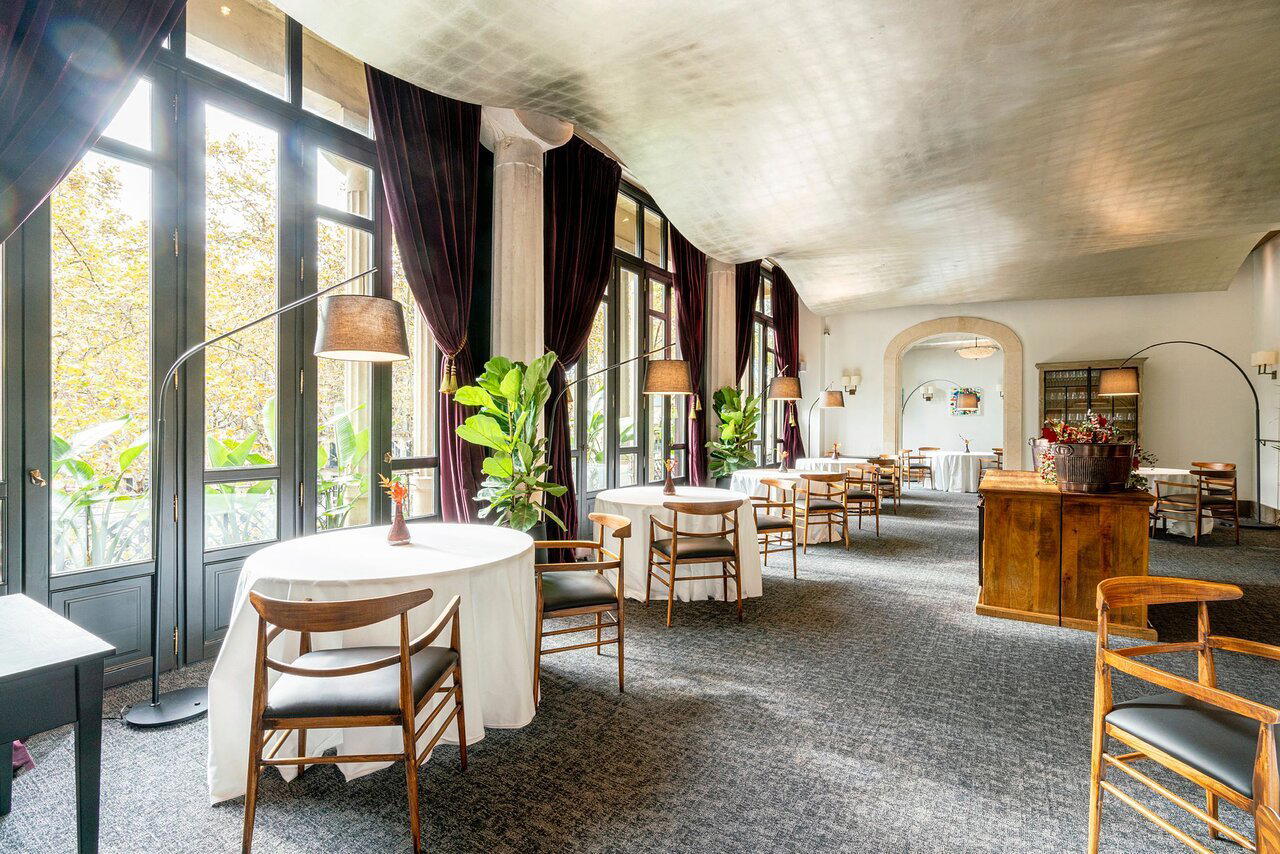
Cozy and modern with pale parquet floors, leather furnishings, lively ground-level bar, and warm fireplace room.