

Winner of the 2025 World Travel Awards Africa's Leading Tented Safari Camp, JW Marriott Masai Mara Lodge sits directly on the Talek River inside the Masai Mara National Reserve. Its 20 canvas suites stretch the definition of tented accommodation with en-suite indoor-outdoor showers and private deck jacuzzis. The open-air restaurant and lounge anchor the social life of the camp, with a spa completing the circuit after a day in the field.
Pearl is the En Primeur Club membership app — saves, bookings, and concierge access live there. Same editors, same standards.
- Address
- Maasai Mara National Reserve, River, Talek
- Phone
- +254 797 222999
- Website
- marriott.com
- Directions
- Get directions
 Saves & bookings on Pearl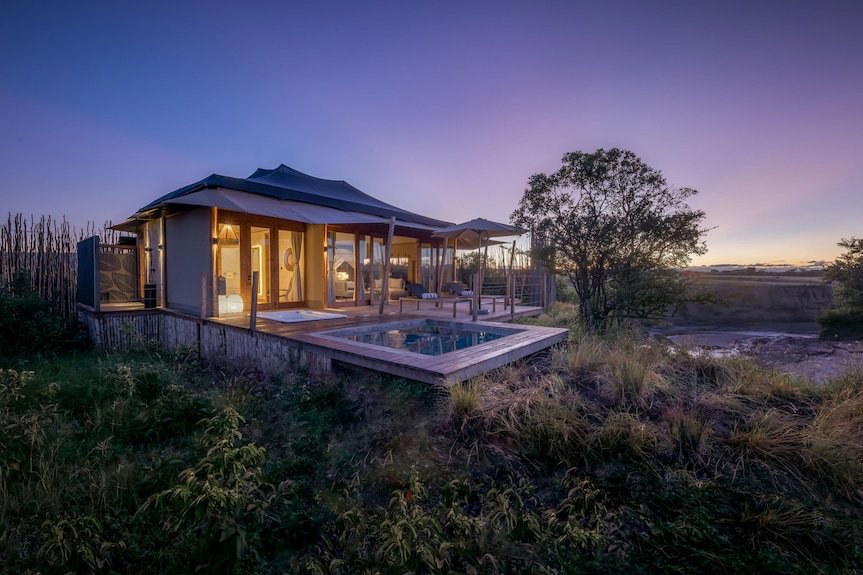
Canvas, River, and the Weight of the Mara
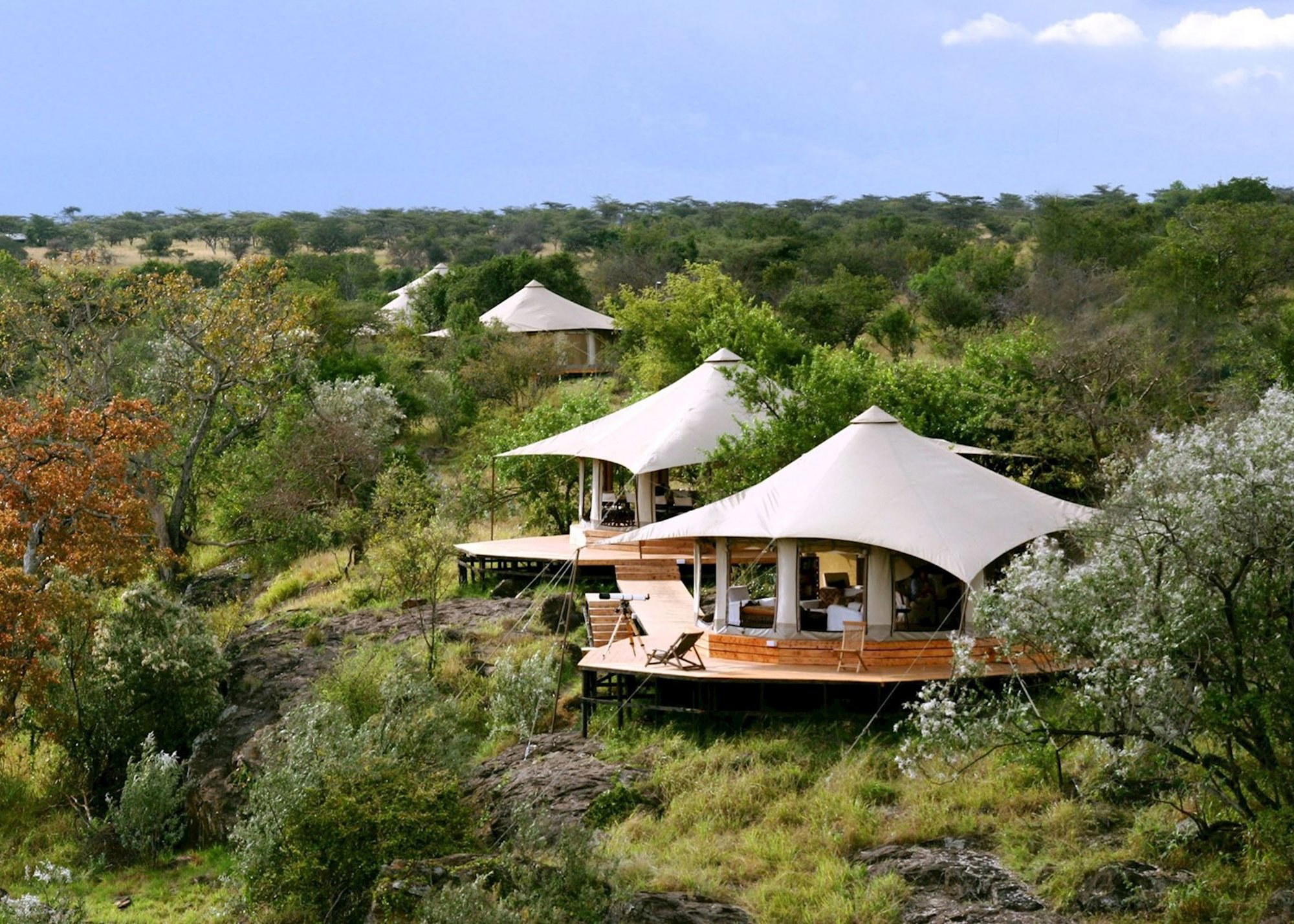
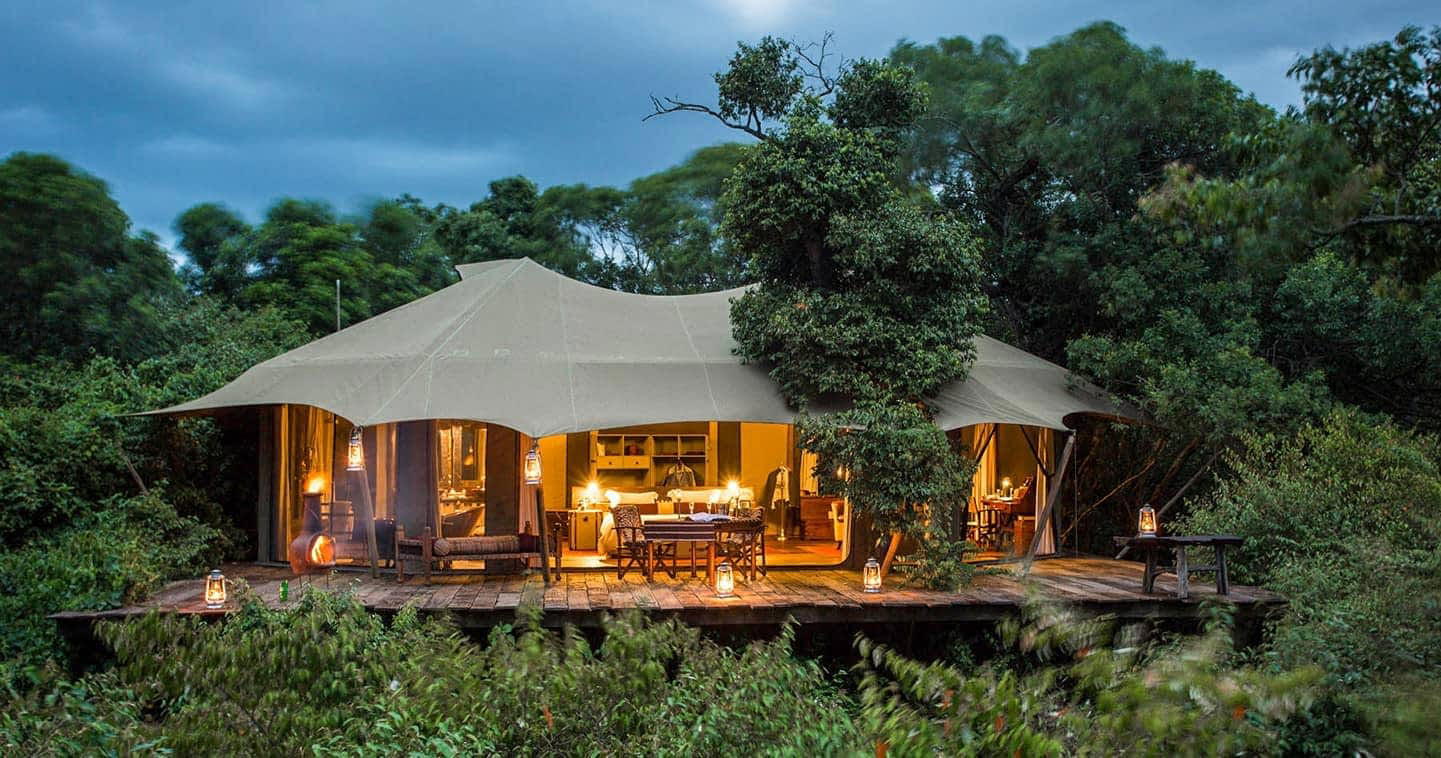
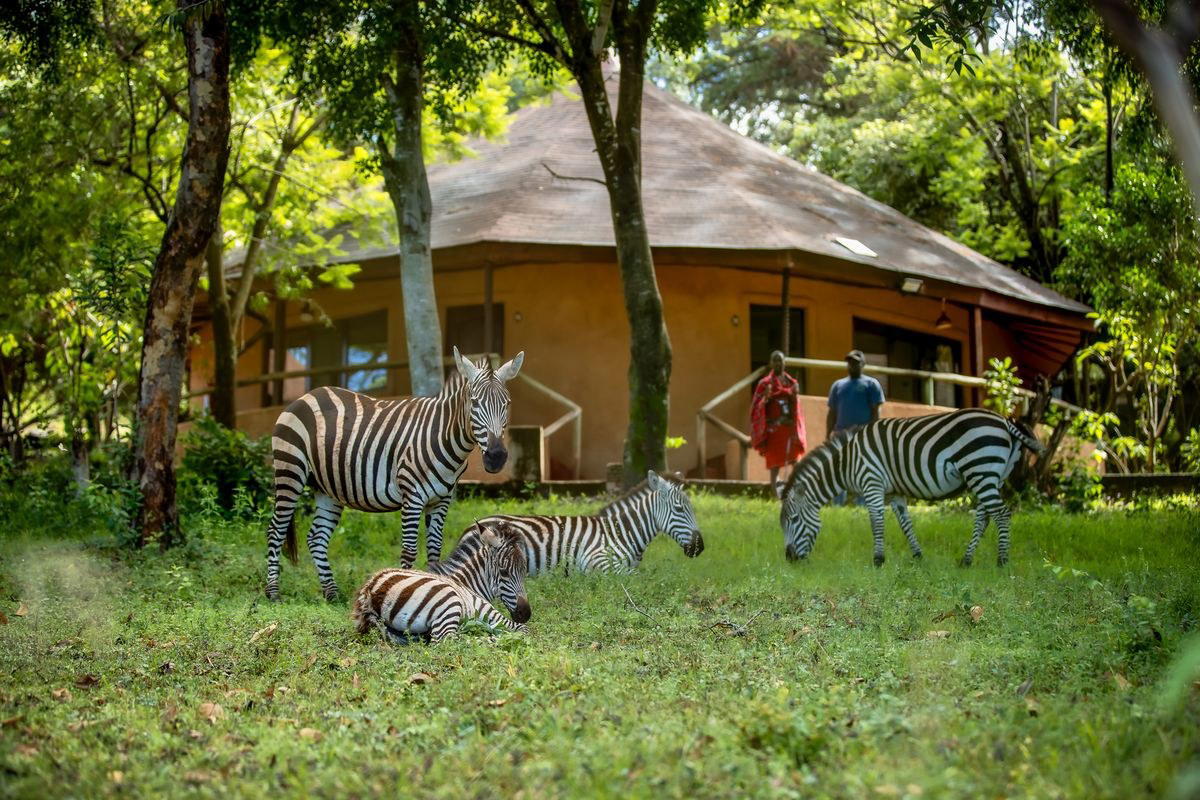
Approaching a tented camp on the Talek River, the architecture announces itself not through a facade but through an absence of one. Canvas panels filter the afternoon light; the sound of the river arrives before any building comes into view. This is the defining spatial logic of East African luxury safari camps, and the JW Marriott Masai Mara Lodge commits to it fully, positioning 24 tented suites along the riverbank inside the Maasai Mara National Reserve. The decision to operate at 24 rooms is itself an architectural statement: small enough to preserve the perimeter of stillness that defines the Mara setting.
It is a long structural distance from the brand's origins in urban convention hotels to a camp where hippos surface below your deck at dawn. That distance, however, has been covered thoughtfully. The camp belongs to a category that has grown significantly across East Africa over the past decade: internationally branded luxury lodges that bring reservation infrastructure and service consistency to settings where independent camps once had a near-monopoly. For a traveller who values that booking reliability without sacrificing the canvas-and-riverbank vernacular, this camp occupies a distinct and coherent position in the Mara's accommodation tier.
The Architecture of a Tented Suite
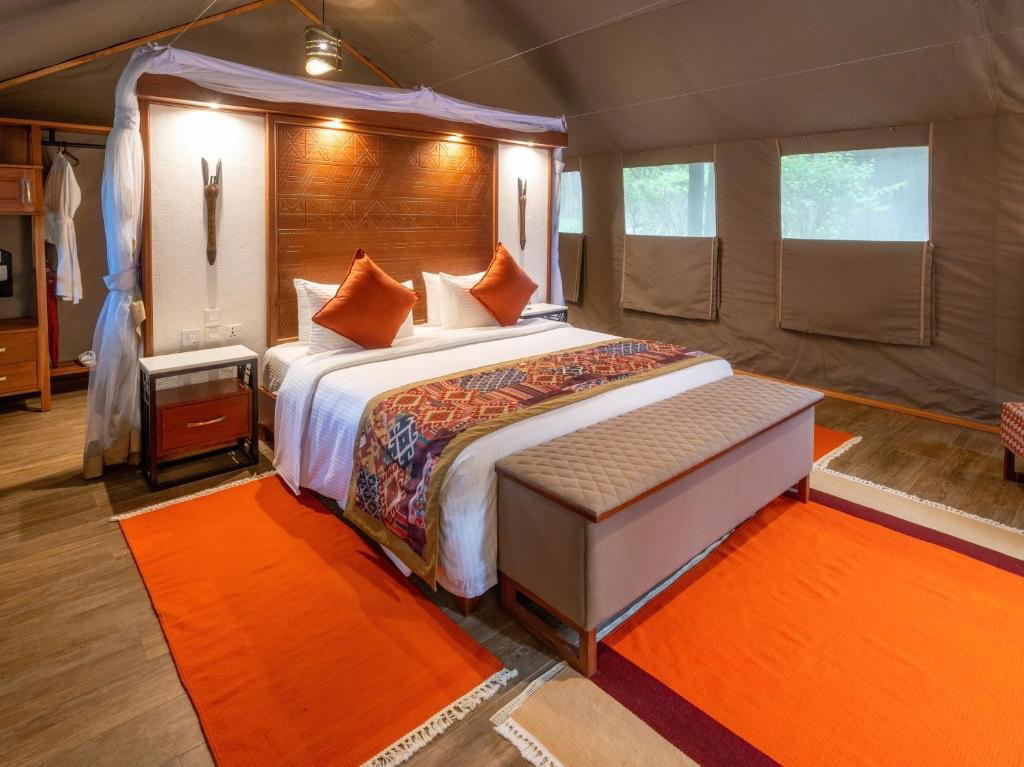
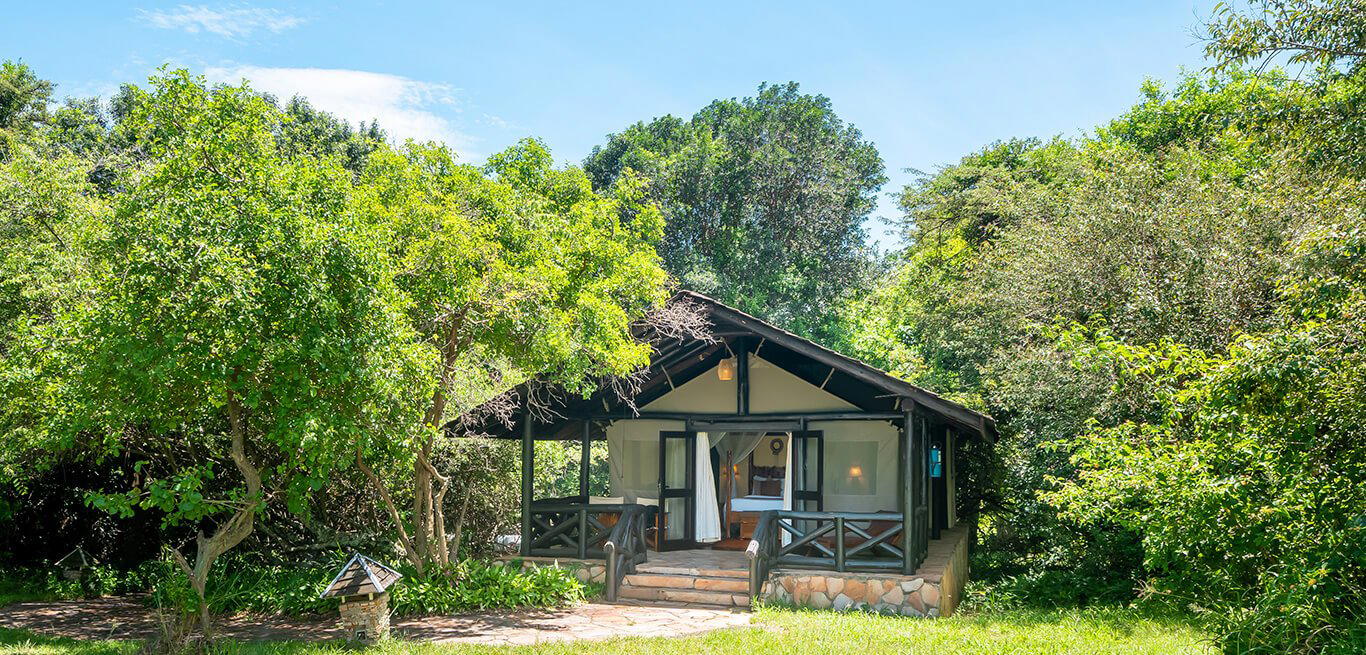
Luxury tented camps in East Africa have spent thirty years stretching what a tent can contain, and the suites at JW Marriott Masai Mara Lodge extend that tradition with polished restraint. The canvas envelope, which in earlier generations of camp design sheltered a cot and a basin, here covers en-suite bathrooms with both indoor and outdoor shower configurations, a format that has become a signal of the upper tier in this accommodation category. The private deck extends the suite into the landscape rather than separating guest from setting, and a jacuzzi on that deck positions this property alongside a small group of Mara camps where the exterior amenity is as considered as the interior one.
This design approach reflects a wider shift in high-end safari accommodation across Kenya. Properties like andBeyond Bateleur Camp in Maasai Mara National Reserve and Mahali Mzuri in Olare Motorogi Conservancy have similarly moved the private outdoor space from afterthought to centrepiece. What varies across that comparable set is the balance between signature identity and brand consistency. The JW Marriott flag brings that consistency in a segment where it remains relatively rare.
For comparison across Kenya's broader luxury lodge spectrum, Borana Lodge in Laikipia and ol Donyo Lodge in Chyulu Hills represent the independent, owner-operated end of the same price tier, each with a more singular design identity but without the brand's reservation and loyalty infrastructure. Cottar's Safaris in Narok occupies a heritage-inflected niche in the Mara corridor that attracts a different traveller profile again.
The Social Architecture: Open Air at the Centre
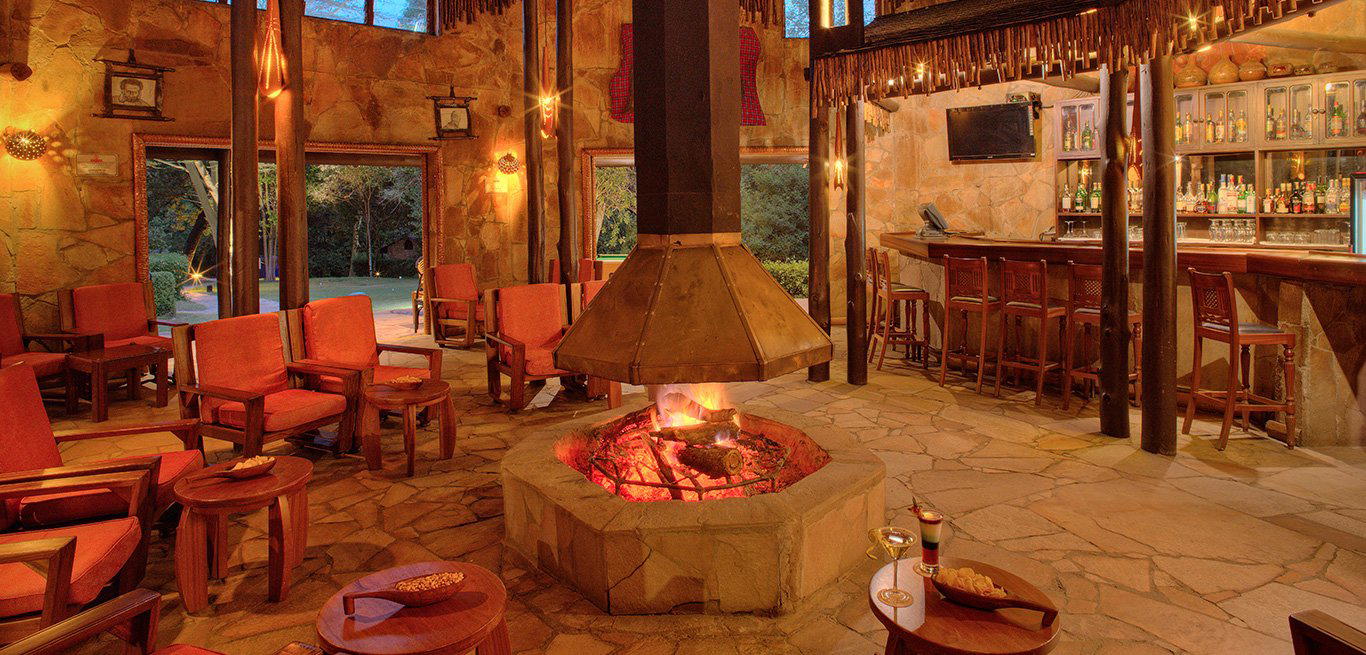
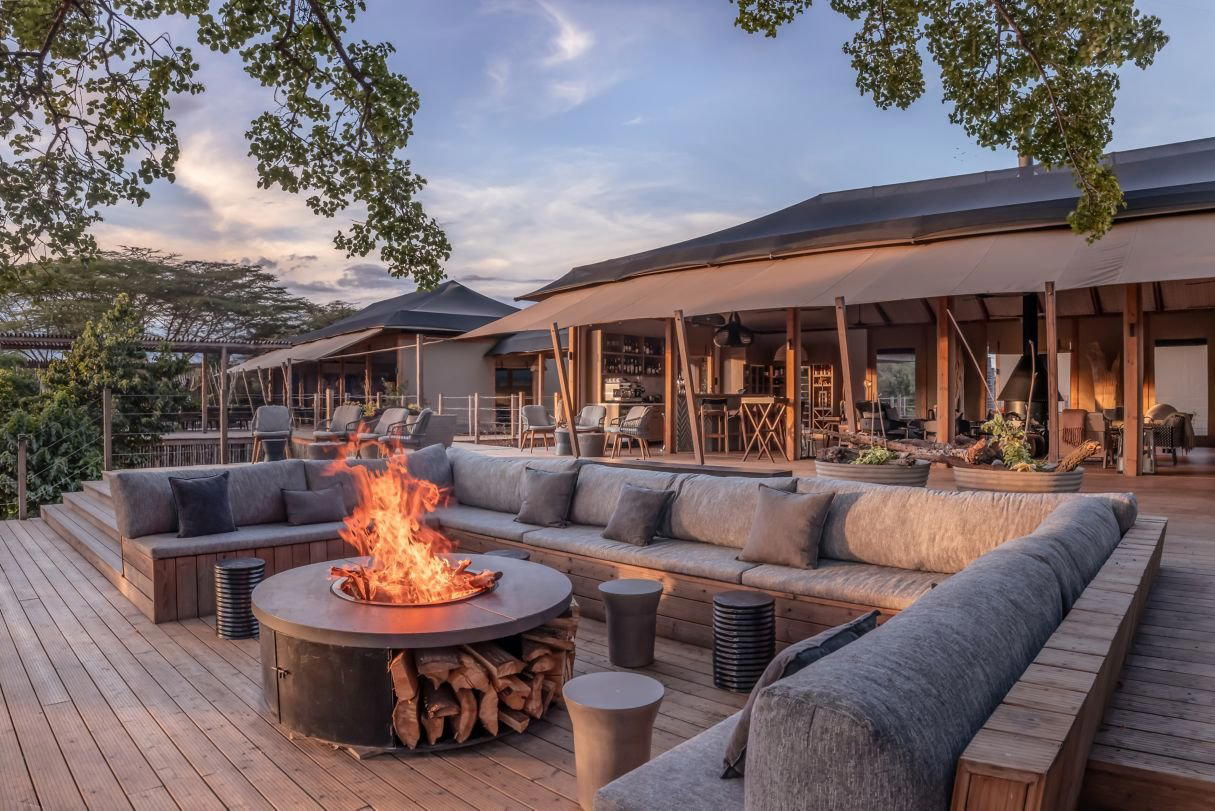
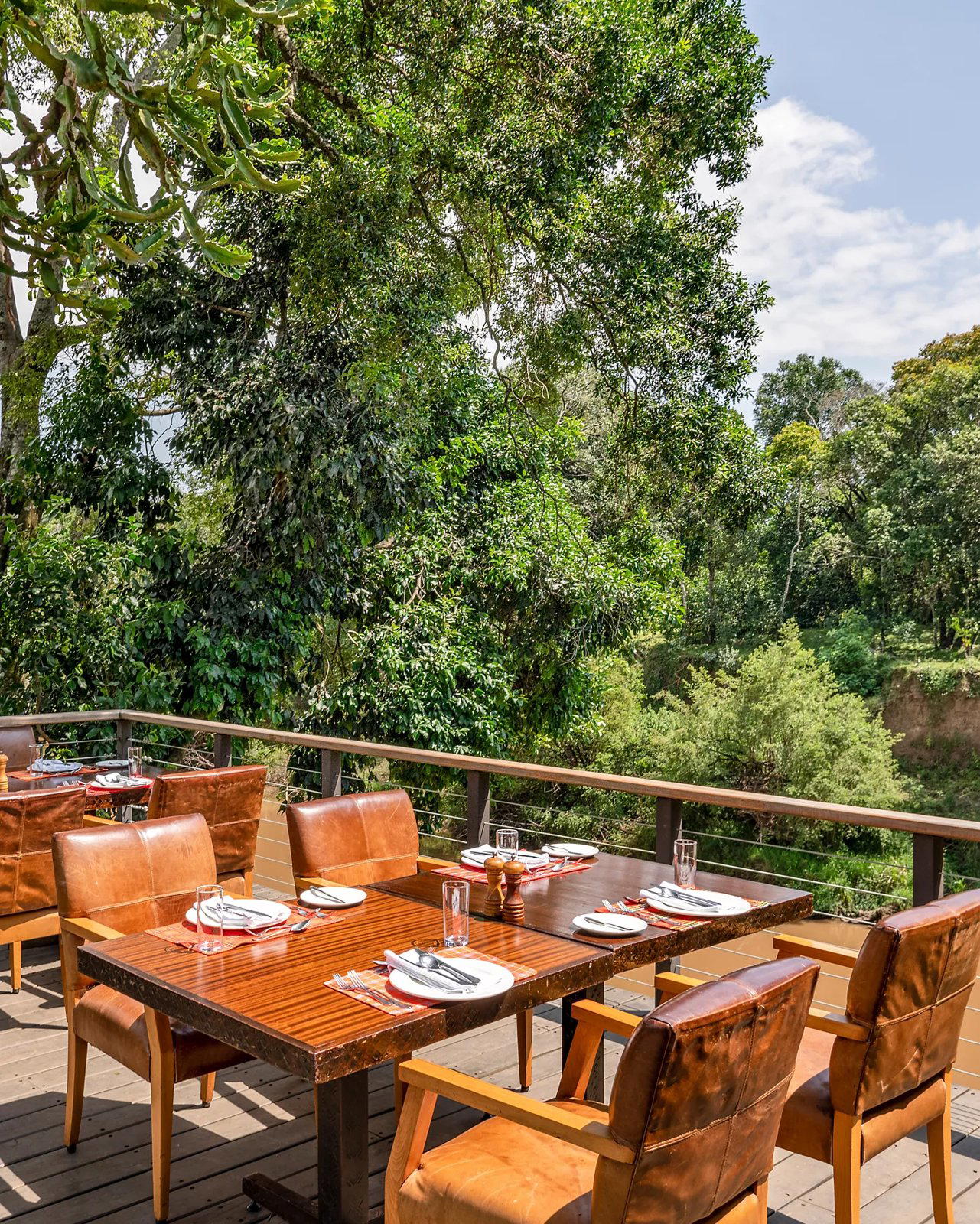
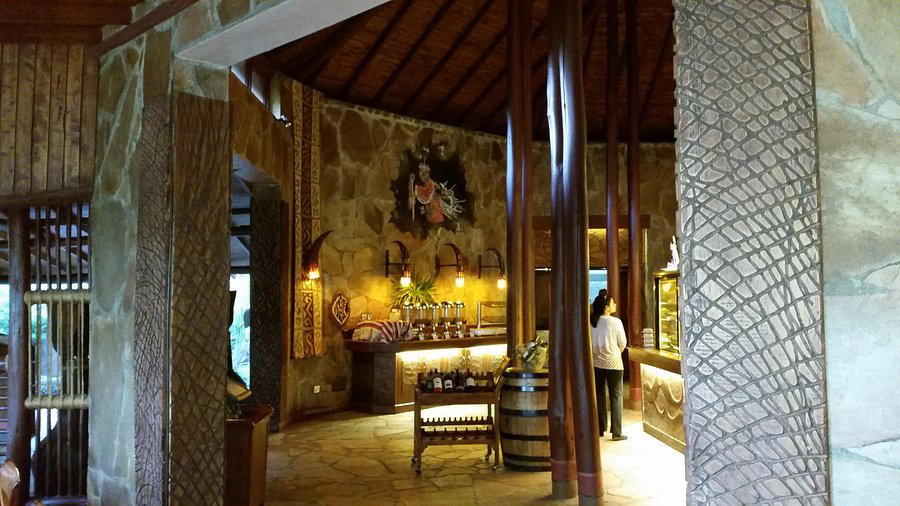
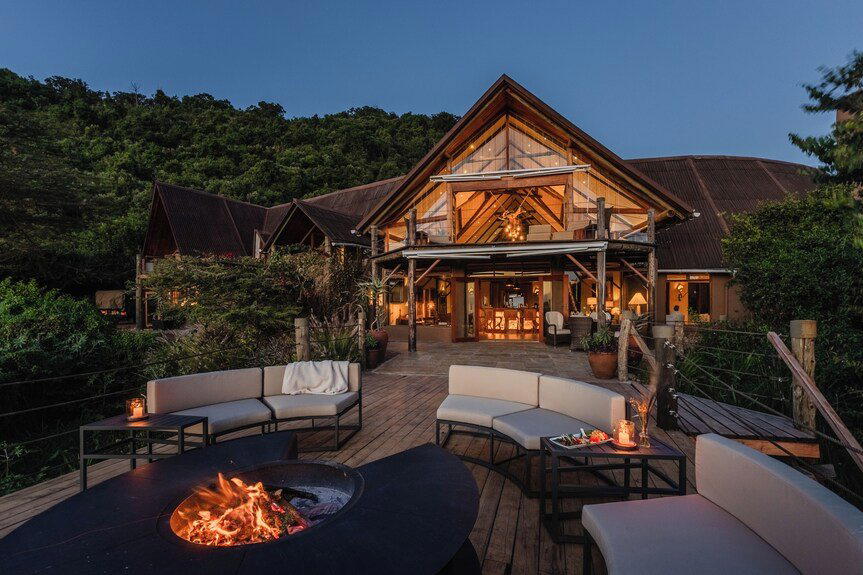
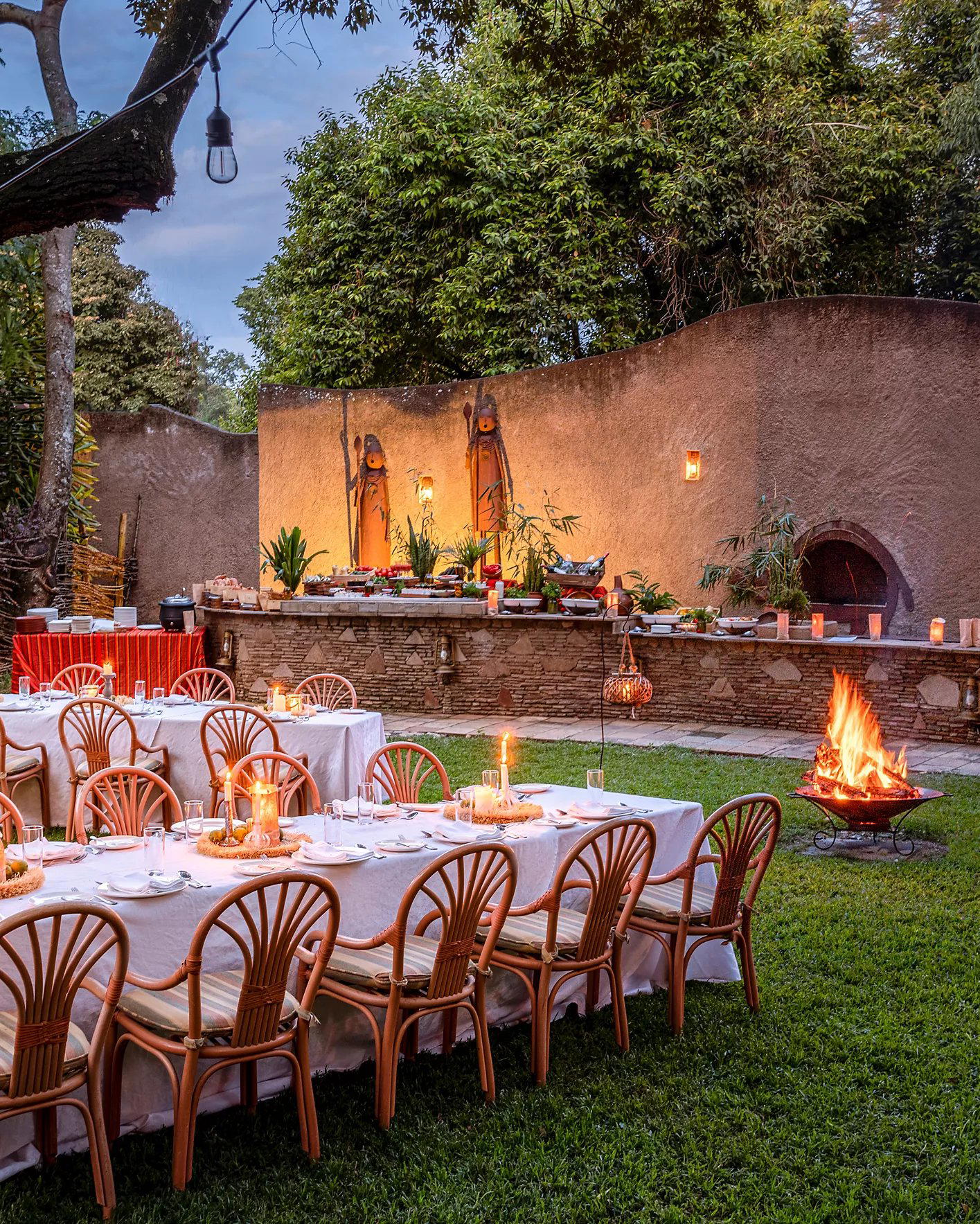
In tented camp design, the communal structures matter as much as the individual suites. The open-air restaurant and lounge at JW Marriott Masai Mara Lodge function as the social and spatial anchor of the property, a configuration that is standard across premium Mara camps but varies considerably in execution. An open-sided mess tent that frames the river view rather than blocking it, that catches the morning light from one direction and the evening from another, is doing genuine architectural work. The camp's spa completes the sequence of spaces, providing a programmatic endpoint for guests returning from game drives.
This three-part spatial structure, comprising private suite, communal dining and lounge, and spa, mirrors the pattern found at comparable properties including Elewana Loisaba Tented Camp in Loisaba Conservancy and Enaidura Camp in Masai Mara. The configuration is not accidental; it reflects decades of iteration on what a multi-day safari stay requires from its built environment. Social spaces need to feel simultaneously sheltered and open to the landscape. The JW Marriott operation applies the same spatial logic while adding a major international hotel group's service framework.
Situating the Camp: Talek River and the Mara's Accommodation Geography
Position within the Masai Mara National Reserve matters more than most guests initially appreciate. The Talek River corridor sits in the eastern section of the reserve, with a different game-viewing rhythm and different light conditions compared to the western Mara Triangle. For the Great Migration, timing and location intersect: river crossings concentrate along specific crossing points, and proximity to those points, combined with the right months (broadly July through October for the northern migration), determines the experience significantly more than accommodation tier alone.
The Mara's premium camp market has expanded considerably, with properties now ranging from community-linked conservancy camps to branded international lodges. Fairmont Mara Safari Club represents another international brand presence in the reserve, while independent operators like andBeyond Kichwa Tembo Tented Camp work from a different competitive position. Guests deciding between these options are effectively choosing between brand reliability and independent character, a trade-off that the JW Marriott's 2025 World Travel Awards recognition as Africa's Leading Tented Safari Camp makes the choice easier to resolve.
For Nairobi arrivals, the standard routing involves a domestic flight from Wilson Airport to one of the Mara's grass airstrips, followed by a short transfer. Road access from Nairobi is possible but involves a significant driving day, and most guests at this tier of accommodation opt for air. Pre-safari nights in Nairobi pair naturally with a property like Villa Rosa Kempinski in Nairobi. Kenya's broader circuit extends to other ecosystems: Saruni Samburu, Elewana Elsa's Kopje in Meru National Park, and Solio Lodge in Nyeri each cover different ecosystems and species profiles, and most extended Kenya itineraries combine two or three reserves.
Coastal extensions after the Mara are common. Sarova Whitesands Beach Resort and Spa in Mombasa, Sirai Beach in Kilifi, and Chale Island represent the Indian Ocean end of the Kenya circuit. For a different landscape register within the safari tier, Finch Hattons Luxury Safari Camp in Tsavo and SAROVA Lion Hill Game Lodge in Nakuru extend the geography meaningfully. Beyond Kenya, travellers benchmarking against globally comparable remote-luxury formats will find relevant reference points at Amangiri in Canyon Point and Aman Venice, both of which operate at a similar intersection of site specificity and international brand architecture. Kinondu Kwetu in Diani Beach and andBeyond Suyian Lodge in Nanyuki round out the Kenya options for travellers building a longer circuit.
Planning Notes
Availability at a twenty-room property tightens considerably during peak migration months. The camp's 2025 World Travel Awards recognition as Africa's Leading Tented Safari Camp will sustain demand through the following booking cycle. Guests pairing the Mara with an urban gateway should factor Nairobi into the itinerary; urban references at the international luxury tier include Aman New York and The Fifth Avenue Hotel in New York City for travellers calibrating service expectations before or after the bush.
Fast Comparison
Comparable venues nearby, for context on price, style, and recognition.
| Venue | Cuisine | Price | Awards | Notes |
|---|---|---|---|---|
| JW Marriott Masai Mara LodgeThis venue — the venue you are viewing | Luxury safari lodge combining contemporary hospitality standards with authentic African wilderness immersion; all-suite tented property emphasizing mindfulness and bespoke experiences. | $$$$ | Michelin 2 Key | Not listed |
| Hemingways Ol Seki Mara Camp | Luxury tented safari camp blending elegant simplicity with wild immersion | $$$$ | Michelin 2 Key | Naboisho Conservancy |
| Glee Nairobi, a Preferred LVX Hotel | Contemporary resort-style luxury hotel on lush 8-acre grounds | $$$$ | Michelin 1 Key | Westlands |
| Hemingways Nairobi SLH | plantation style luxury resort | $$$$ | Michelin 1 Key | Langata |
| Giraffe Manor | Historic 1930s English-style manor house on a private estate | $$$$ | Michelin 3 Key | Langata |
| SAROVA MARA GAME CAMP | luxury tented safari camp blending modern comforts with natural wilderness | $$$$ | 5-Star | Maasai Mara Game Reserve |
Recognition history
Dated appearances from independent guides and award organizations, with the underlying list record or original source where available.
Michelin 2 Keys
Michelin
World Travel Awards
World Travel Awards
At a Glance
- Romantic
- Scenic
- Elegant
- Intimate
- Sophisticated
- Honeymoon
- Romantic Getaway
- Anniversary
- Wellness Retreat
- Waterfront
- Destination Spa
- Private Villa
- Butler Service
- Panoramic View
- Private Dining
- Garden
- Wi Fi
- Pool
- Spa
- Fitness Center
- Room Service
- Concierge
- Restaurant
- Bar
- Waterfront
- Wi Fi
- Pool
- Spa
- Fitness Center
- Room Service
- Concierge
- Restaurant
- Bar
Warm, inviting luxury blending safari charm with refined elegance; spacious communal areas with fire pits and panoramic viewing decks create intimate yet sophisticated atmosphere enhanced by attentive, personalized service.