Great Plains Mara

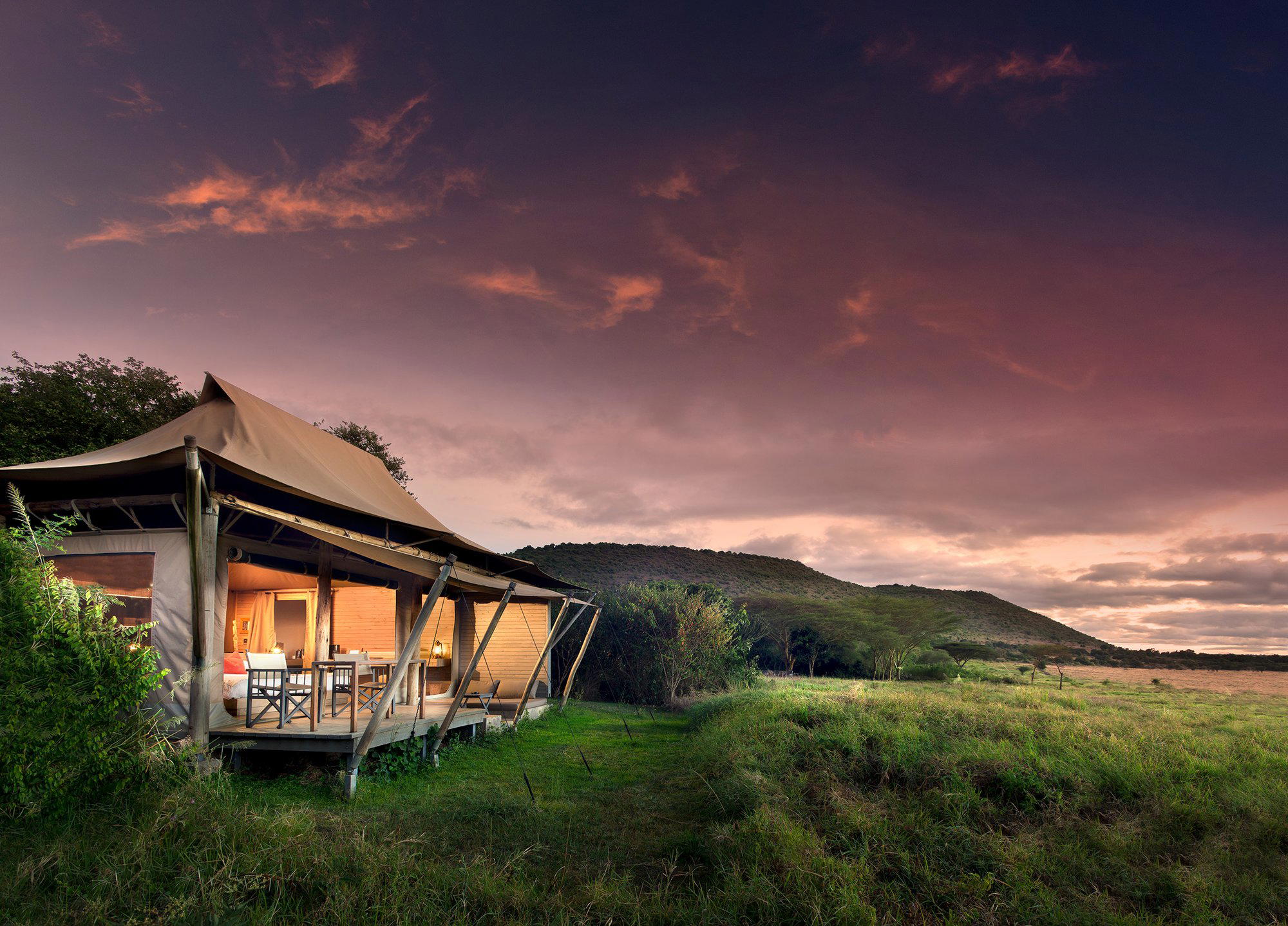
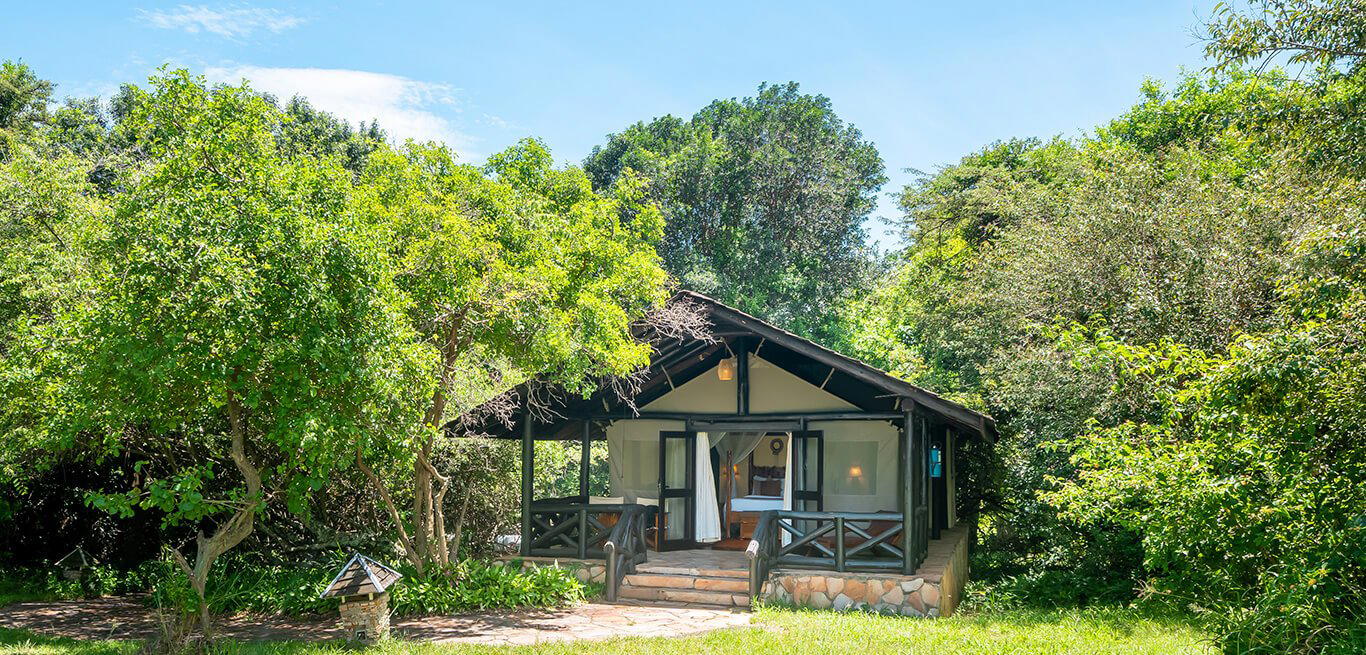
Great Plains Mara operates three ecolodges within a private wildlife reserve in the Maasai Mara, each featuring large canvas suites designed for extended immersion in one of East Africa's most active game ecosystems. The property sits inside a conservation program that shapes both the land use and the guest experience. Access is via scheduled or private air transfer to Olare Orok airstrip from Nairobi's Wilson Airport.
Pearl is the En Primeur Club membership app — saves, bookings, and concierge access live there. Same editors, same standards.
- Address
- Narok
- Phone
- +254 20 2161437
- Website
- greatplainsconservation.com
- Directions
- Get directions
 Saves & bookings on Pearl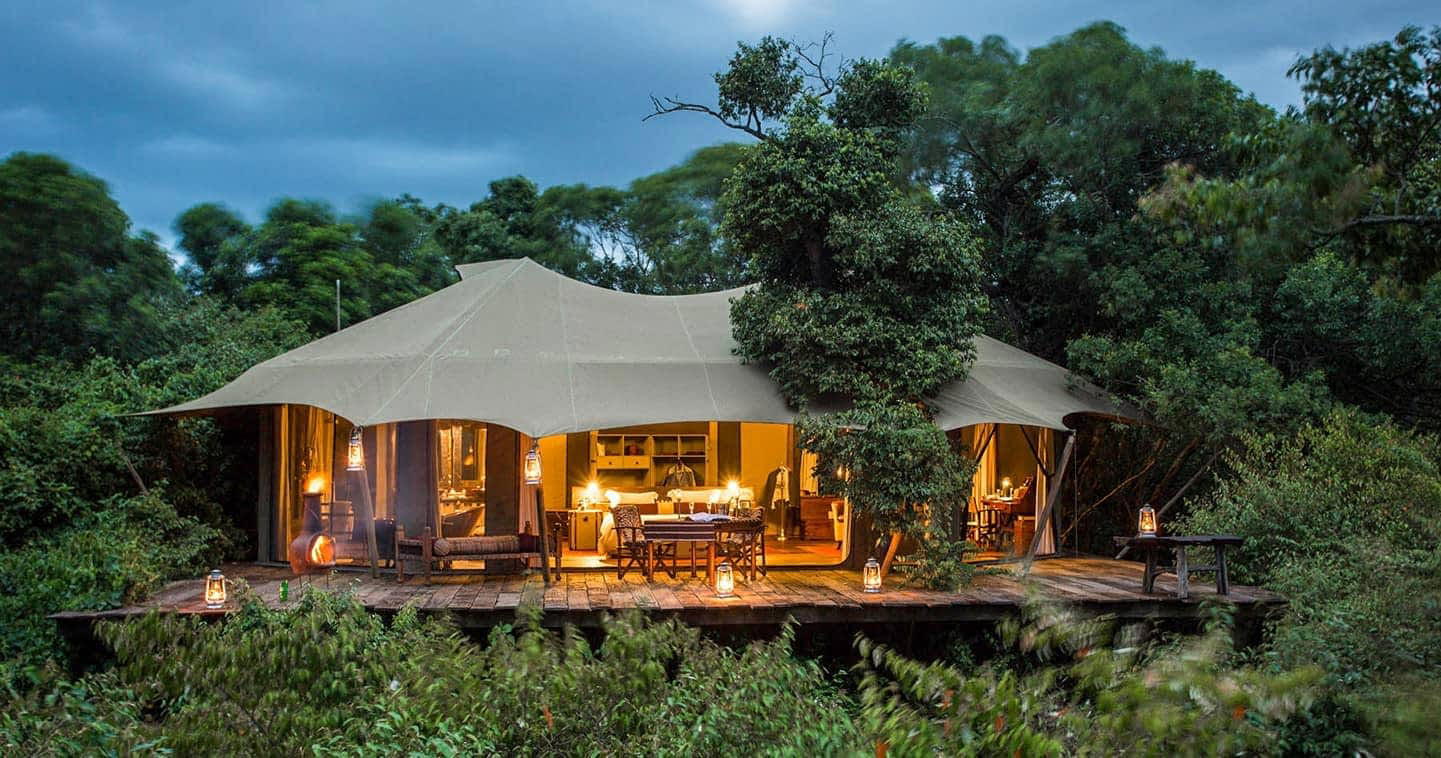
Where the Reserve Sets the Terms
In the Maasai Mara, the gap between a standard lodge and a conservation-integrated camp is not cosmetic. The ecosystem here, anchored by the Mara-Serengeti corridor, supports year-round game density that few African reserves can match, and the quality of access depends almost entirely on whether your accommodation sits inside a private conservancy or behind a shared fence with the wider national reserve. Great Plains Mara occupies the private side of that divide, operating three ecolodges within its own wildlife reserve in Narok, away from the higher-traffic zones that cluster near the main reserve boundary.
That structure matters more than any single amenity. Private reserve status means controlled vehicle numbers, off-road access where the reserve permits it, and game drives uncrowded by the convoys that can define peak-season sightings in the public reserve. Properties like andBeyond Bateleur Camp in Maasai Mara National Reserve and andBeyond Kichwa Tembo Tented Camp in Kawai operate under comparable logic, positioning exclusivity through land access rather than room count or interior design alone.
Three Camps, One Conservation Framework
Running three ecolodges under a single conservation umbrella is an unusual format for the Mara. Most premium operators concentrate their offer in one flagship camp, refining it to a single editorial identity. Great Plains spreads its footprint across three distinct sites within the reserve, which gives guests the option to move between camps during an extended stay or to choose a site based on terrain preference and game concentration at a given time of year. Each camp uses large canvas suites rather than permanent structures, a deliberate choice that keeps the physical footprint reversible and aligns the guest experience with a canvas tradition that goes back to the earliest professional safari camps in East Africa.
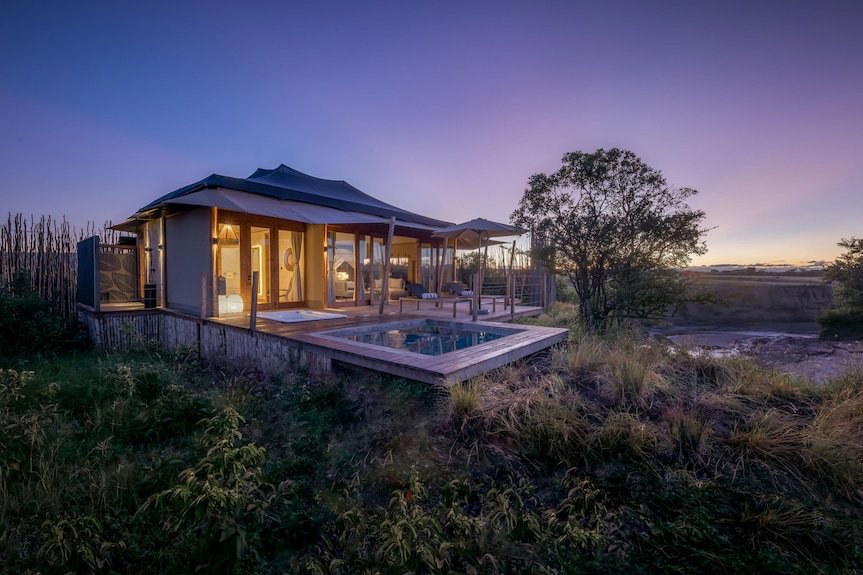
The canvas suite format has evolved considerably across the Mara's premium tier. What was once associated with minimal comfort now encompasses high-thread-count linen, hot water, and in many cases private viewing decks or plunge pools. Great Plains operates within that evolved category, where the tent itself is the architecture and the surrounding reserve is the designed environment. For a comparable approach elsewhere in Kenya, Elewana Loisaba Tented Camp in Loisaba Conservancy and Mahali Mzuri in Olare Motorogi Conservancy sit in the same general comparable set, prioritizing land access and canvas format over permanent lodge infrastructure.
The Dining Programme in a Remote Conservation Context
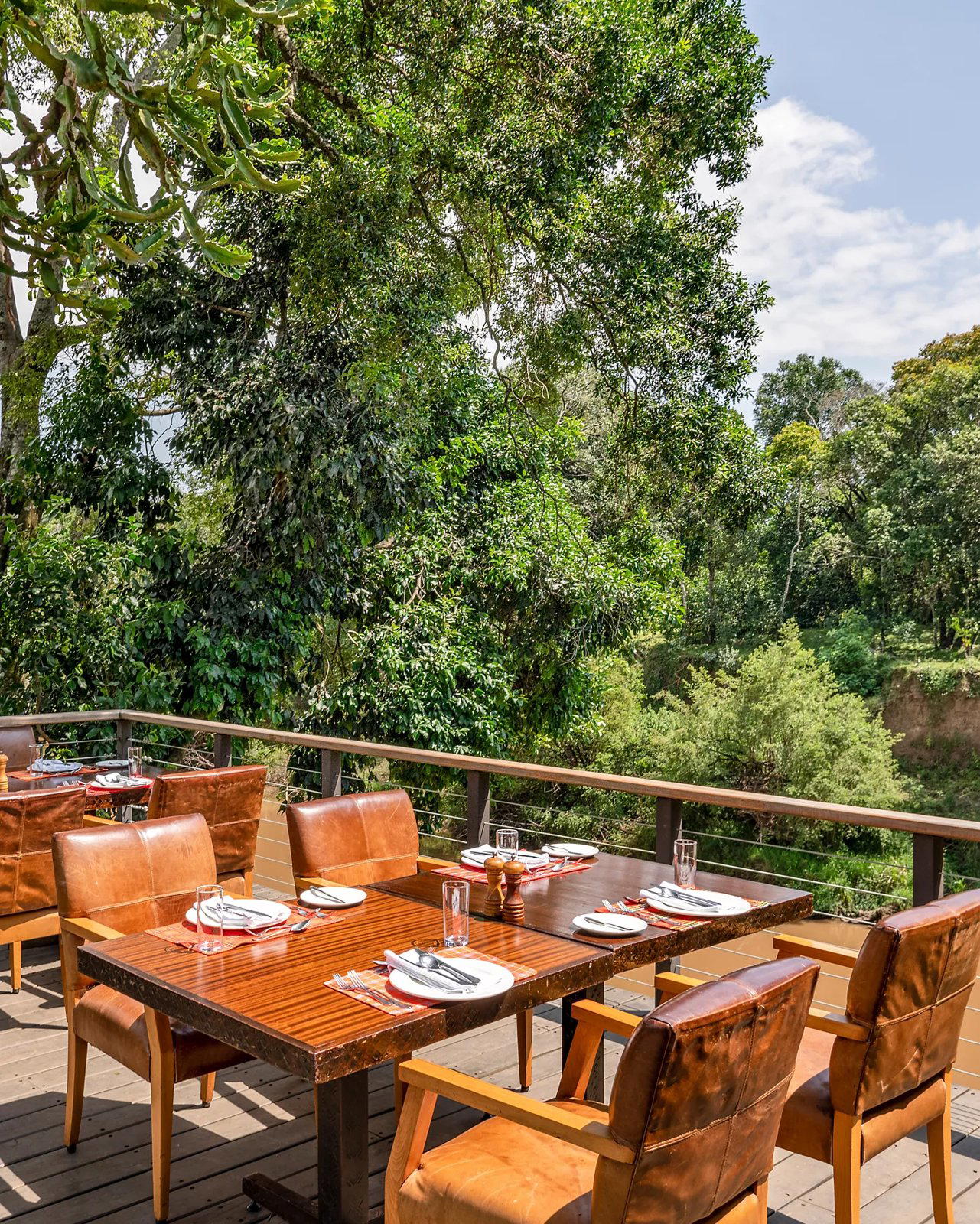
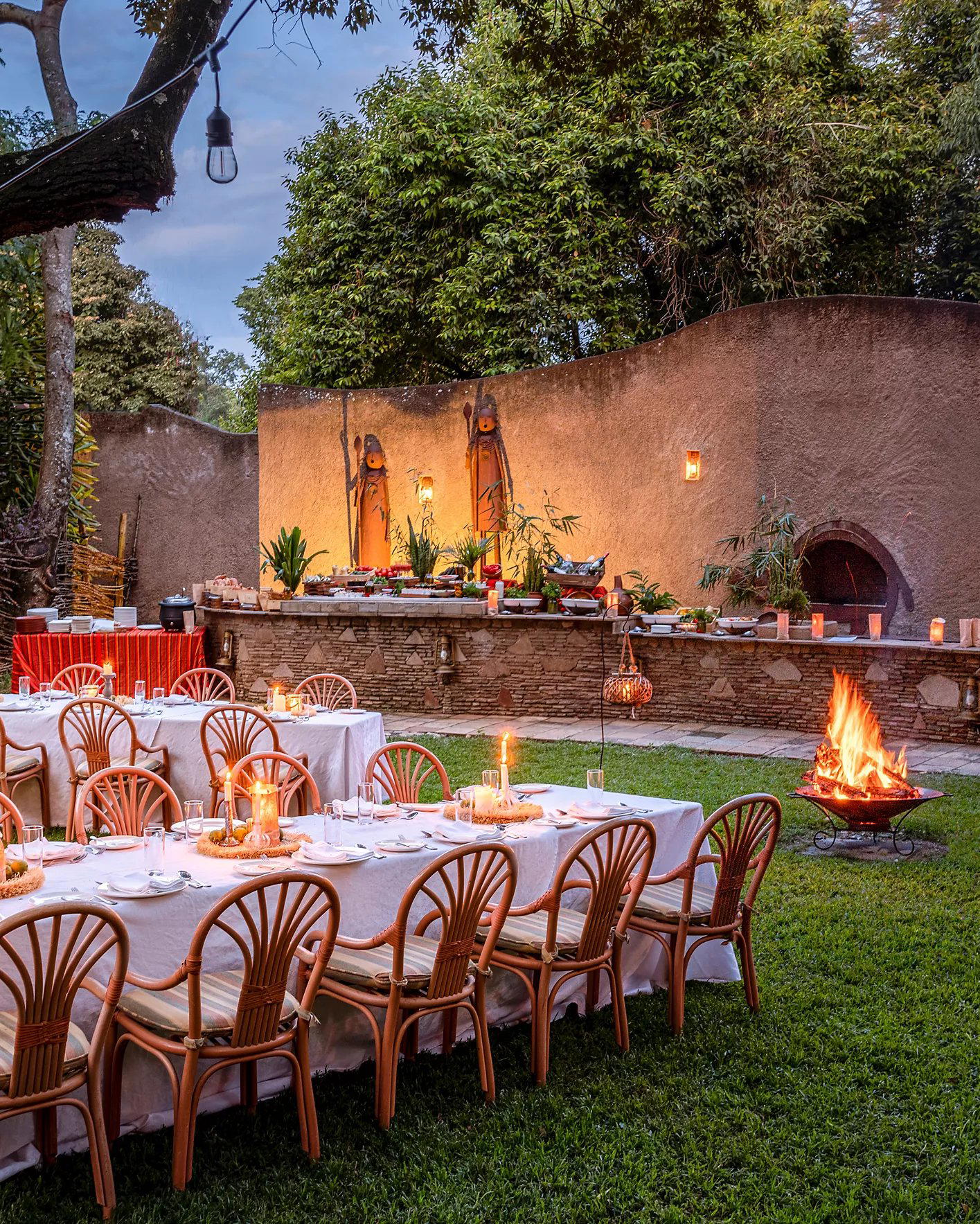
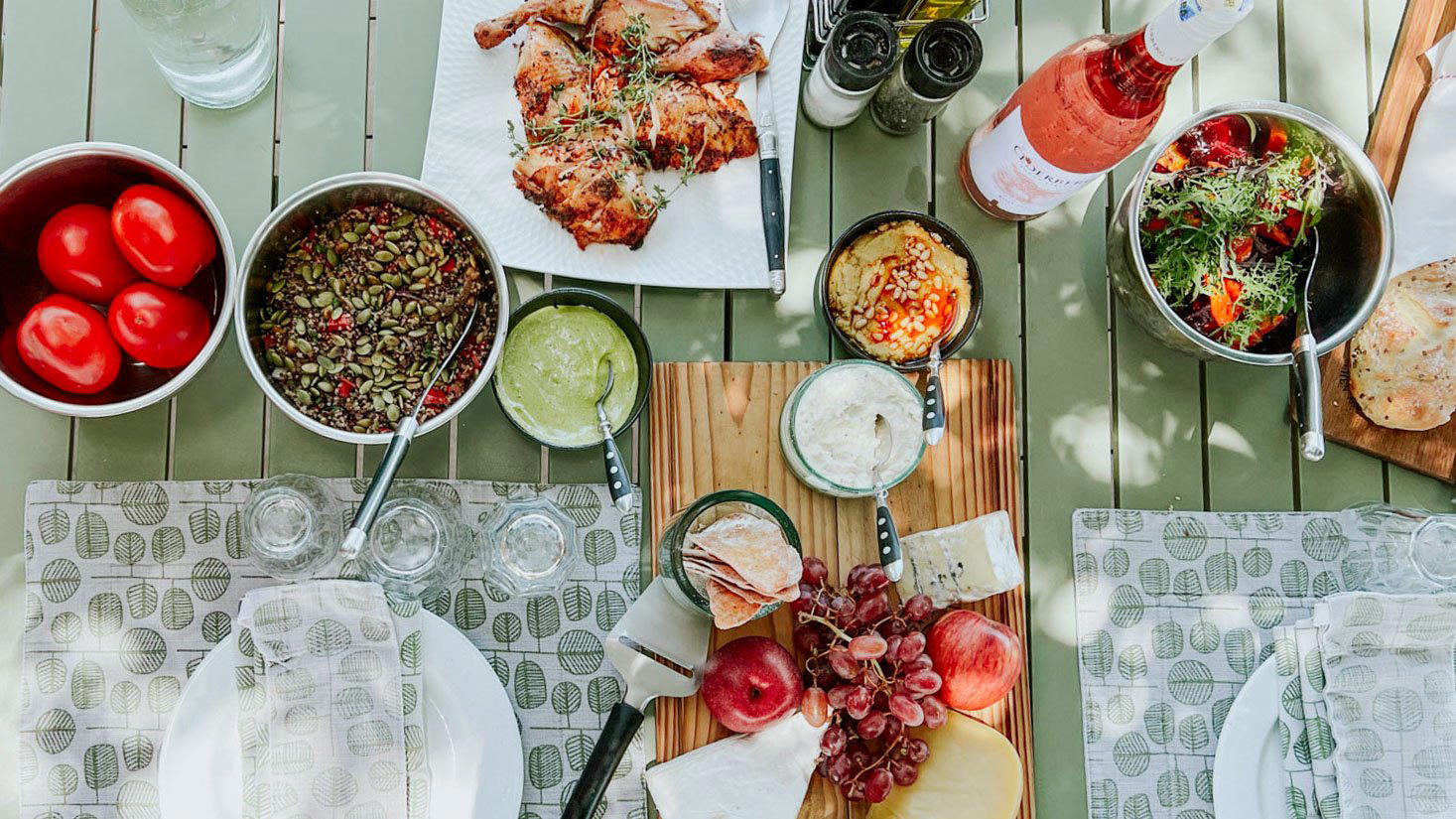
Safari dining in the Mara's private conservancies has moved away from the buffet-and-bonfire format that once defined mid-market camps. At the premium end, the expectation now is structured meals that reflect both a bush setting and a level of ingredient sourcing consistent with what guests might encounter at urban luxury hotels. Great Plains operates its dining programme across three sites, which requires a logistics discipline unusual in this category. Maintaining kitchen consistency across multiple remote camps, each separated by reserve terrain, is a meaningful operational challenge that shapes everything from the supply chain to the plating approach.
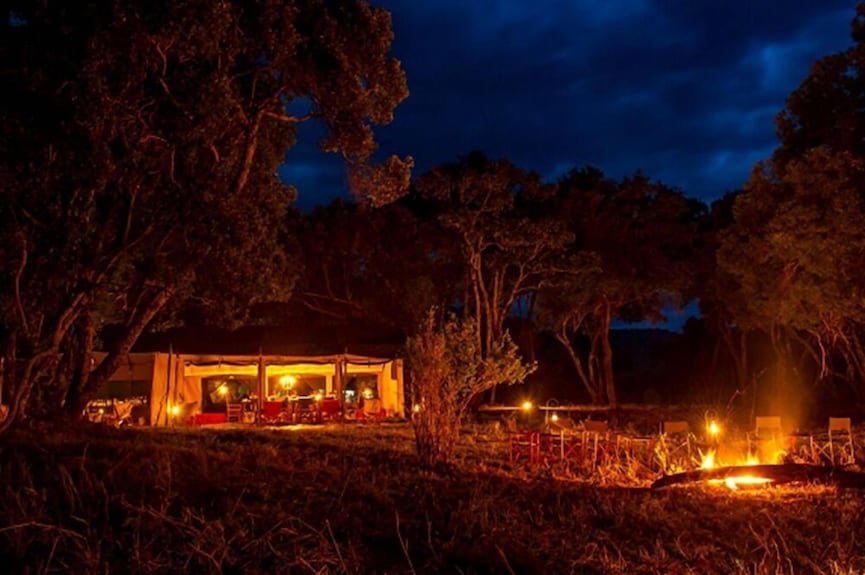
The broader pattern across conservation-led properties in East Africa is that dining tends to be all-inclusive and communal by format, with bush dinners, sundowner spreads in the field, and long-table meals under open sky replacing the course-by-course formality of a city restaurant. The experience is designed around the landscape: meals timed to game movement, served where the evening light and the terrain allow. That model suits Great Plains' structure well, where three camps across a private reserve create natural variation in where and how meals are staged. Conservation properties that have refined this model elsewhere in Kenya include Borana Lodge in Laikipia and ol Donyo Lodge in Chyulu Hills - Amboseli, both of which use the surrounding land as the dining room rather than treating it as backdrop.
Conservation as the Operating Model
Great Plains' wildlife conservation program is not a marketing addendum. In the Mara's private conservancy system, conservation investment is what secures land tenure and community agreements with Maasai landowners, which in turn determines where and how camps can operate. Without those agreements, the private reserve status dissolves and the access advantages that define the high-end offer disappear. The model connects directly to the guest experience: the reserve's health determines the game density, and the game density is the core reason guests pay a significant premium over comparable accommodation in the national reserve.
Kenya's private conservancy model has produced some of the continent's most closely watched wildlife recovery stories, particularly around predator populations and secondary species that have been squeezed out of the main reserve by visitor pressure. Camps operating within conservancies in the Mara ecosystem, including those run by operators like Cottar's Safaris in Narok and Enaidura Camp in Masai Mara, have used similar frameworks to differentiate on ecological grounds rather than on amenity alone.
Placing Great Plains in Its Competitive Set
The Mara's premium accommodation market has separated into several distinct tiers. At one end, international hotel brands have arrived, with the JW Marriott Masai Mara Lodge in Talek representing the flag-planting ambitions of global groups in a market that was previously dominated by specialist safari operators. At the other end, independent conservancy camps retain their advantage in access and exclusivity precisely because their land holdings predate the brand arrivals. Great Plains sits in the independent conservancy tier, alongside operators whose competitive claim rests on reserve access and conservation credentials rather than brand recognition or amenity scale.
For guests choosing between properties at this level, the practical differentiators are reserve size, camp capacity, and conservation program specificity. The Fairmont Mara Safari Club and SAROVA Mara Game Camp occupy a different position in the market, with larger footprints and brand-driven programming that appeals to a different guest profile. Great Plains' three-site structure is unusual enough within its own tier to function as a distinguishing characteristic: guests who want to experience multiple terrain types within a single conservancy, or who are booking for groups that want separated accommodation within the same reserve, will find fewer alternatives at this level.
Getting There and Planning the Stay
Access follows the standard Mara premium circuit. Guests fly into Nairobi Jomo Kenyatta International Airport, transfer to Wilson Airport on the city's south side, and connect via Safarilink or Air Kenya scheduled services to Olare Orok airstrip. Private air charter is also available for groups or for guests whose itinerary requires greater schedule flexibility. The GPS coordinates for the property place it at -1.3436, 35.1640 in Narok County. Guests building a broader Kenya itinerary often combine the Mara with a Nairobi base at a property like Villa Rosa Kempinski in Nairobi before flying south, or extend into the Laikipia plateau or the coast. The our full Maasai Mara restaurants guide covers the broader range of accommodation and dining options across the region for guests building a multi-property stay.
Timing within the Mara calendar matters considerably. The wildebeest migration crosses the Mara River between July and October, concentrating in the northern Mara and drawing peak visitor numbers. Private conservancy camps absorb peak pressure better than national reserve lodges because vehicle numbers on any given game drive are controlled by the camp rather than by a shared access system. Shoulder months, particularly May to June and November, offer lower occupancy rates and consistent game sightings without the logistical competition of peak season. Guests interested in other conservation-led properties across Kenya's range of ecosystems can also consider Saruni Samburu in Samburu, Elewana Elsa's Kopje in Meru National Park, or Solio Lodge in Nyeri as part of a wider Kenyan circuit.
A Pricing-First Comparison
Comparable venues nearby, for context on price, style, and recognition.
| Venue | Price | Awards | Notes |
|---|---|---|---|
| Great Plains MaraThis venue — the venue you are viewing | $$$$ | 5-Star | Not listed |
| Fairmont Mara Safari Club | $$$$ | 5-Star | Maasai Mara Game Reserve, luxury tented safari camp blending Maasai heritage with modern comforts |
| SAROVA MARA GAME CAMP | $$$$ | 5-Star | Maasai Mara Game Reserve, luxury tented safari camp blending modern comforts with natural wilderness |
| The Charming Lonno Lodge Watamu | $$$$ | 5-Star | Watamu, Swahili-inspired boutique lodge with Italian warmth and ancient-style architecture |
| Mara Plains Camp | $$$$ | 5-Star | Maasai Mara, safari-chic conservation lodge |
| Solio Lodge | $$$$ | 5-Star | Laikipia County, Contemporary luxury bush lodge seamlessly integrated with the natural landscape, featuring locally-sourced materials and modern design elements. |
Recognition history
Dated appearances from independent guides and award organizations, with the underlying list record or original source where available.
Relais Chateaux Award
Relais Chateaux
Relais Chateaux Award
Relais Chateaux
Continue exploring
More in Maasai Mara
Hotels in Maasai Mara
Browse all →
Bars in Maasai Mara
Browse all →
At a Glance
- Romantic
- Elegant
- Scenic
- Intimate
- Rustic
- Sophisticated
- Honeymoon
- Romantic Getaway
- Anniversary
- Panoramic View
- Private Villa
- Wi Fi
- Room Service
- Concierge
- Garden
- Wi Fi
- Room Service
- Concierge
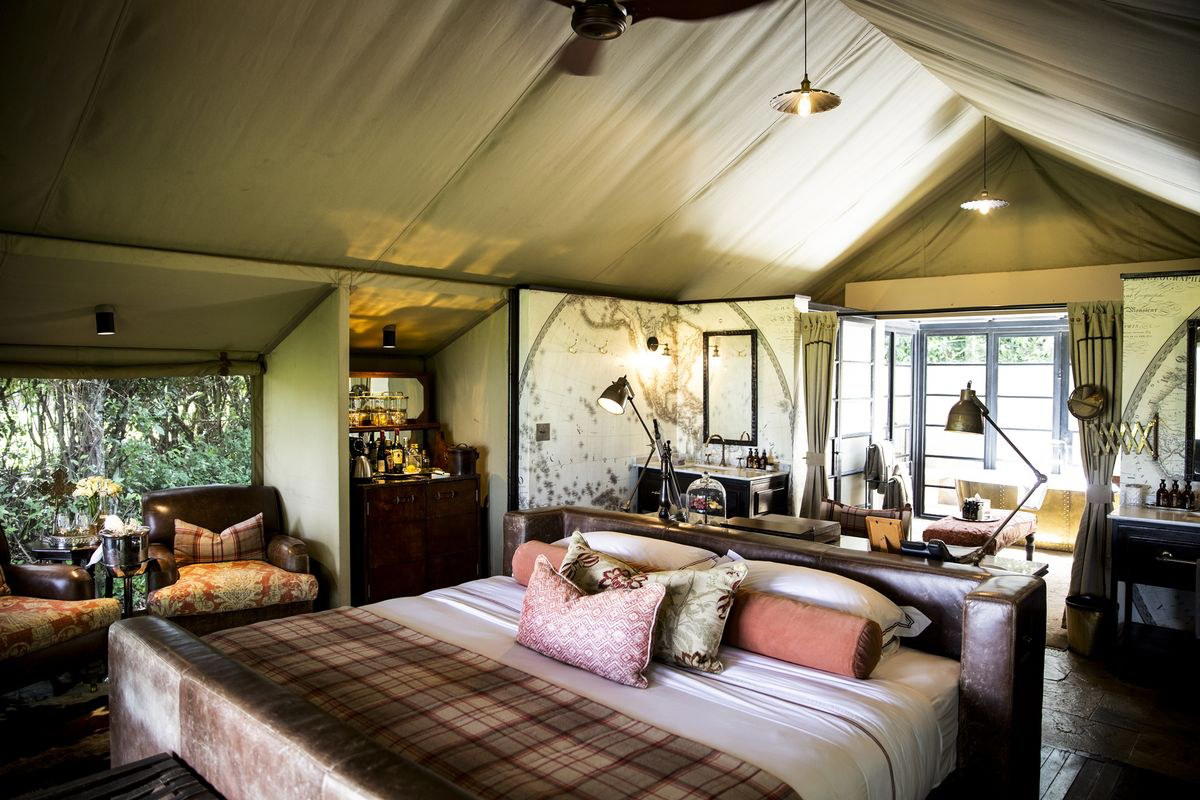
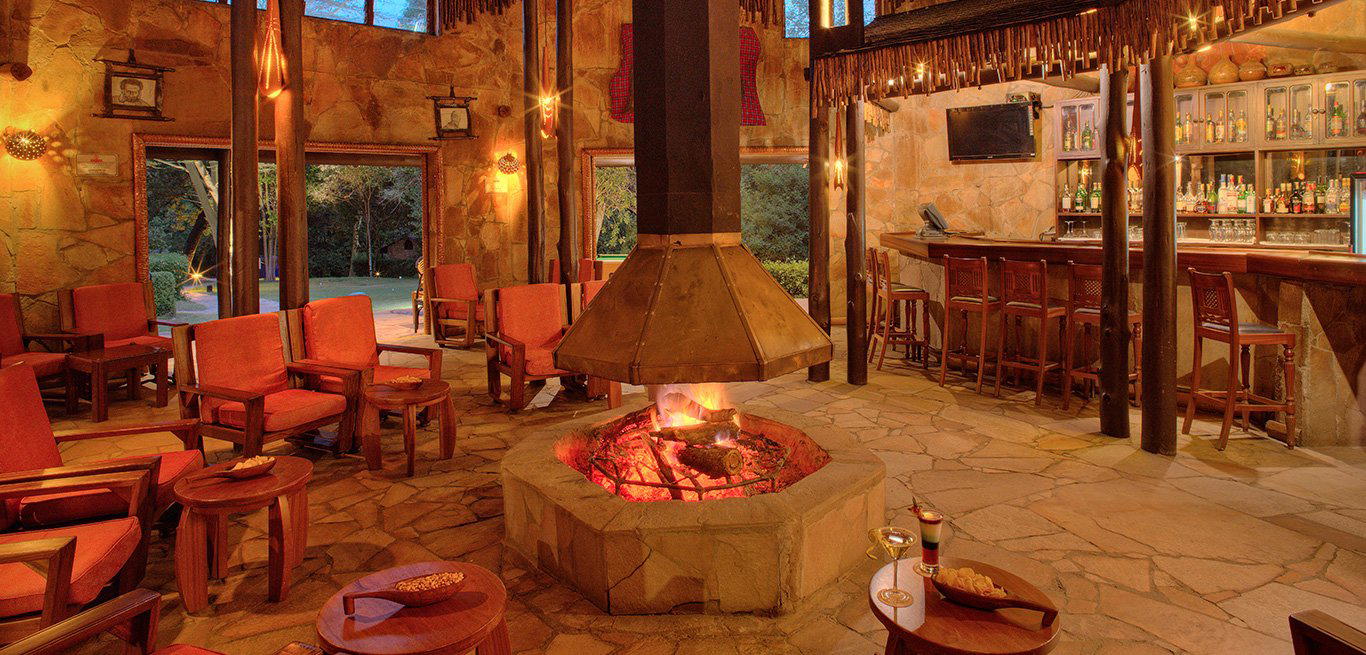
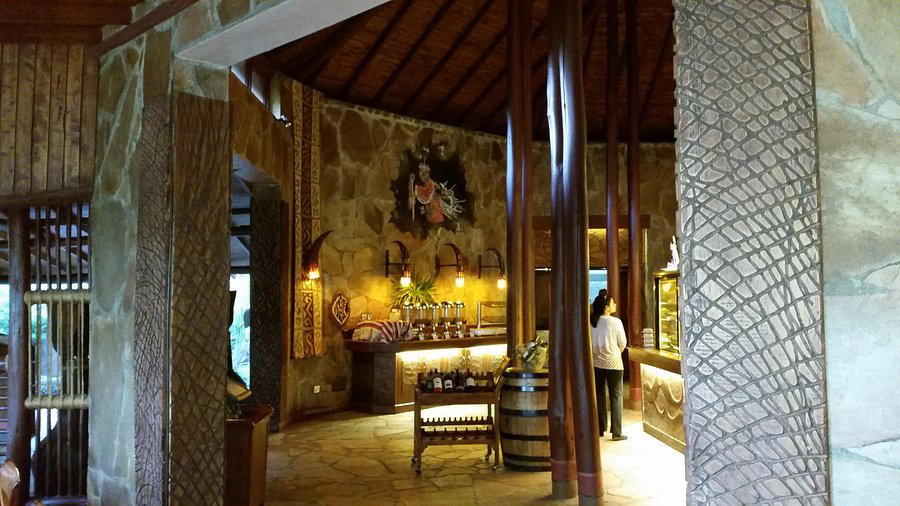
Rich colonial-style décor with dark woods, leather furniture, Persian rugs, and soft lighting creating a cozy, elegant safari atmosphere amid lush riverine forest.