Chale Island

World Travel Awards
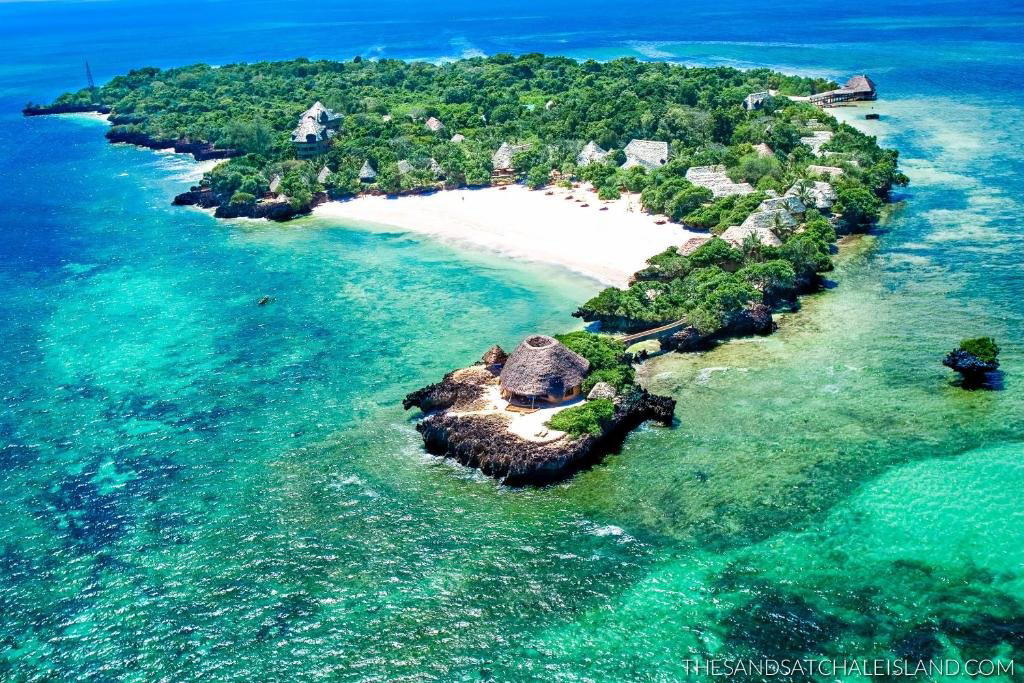
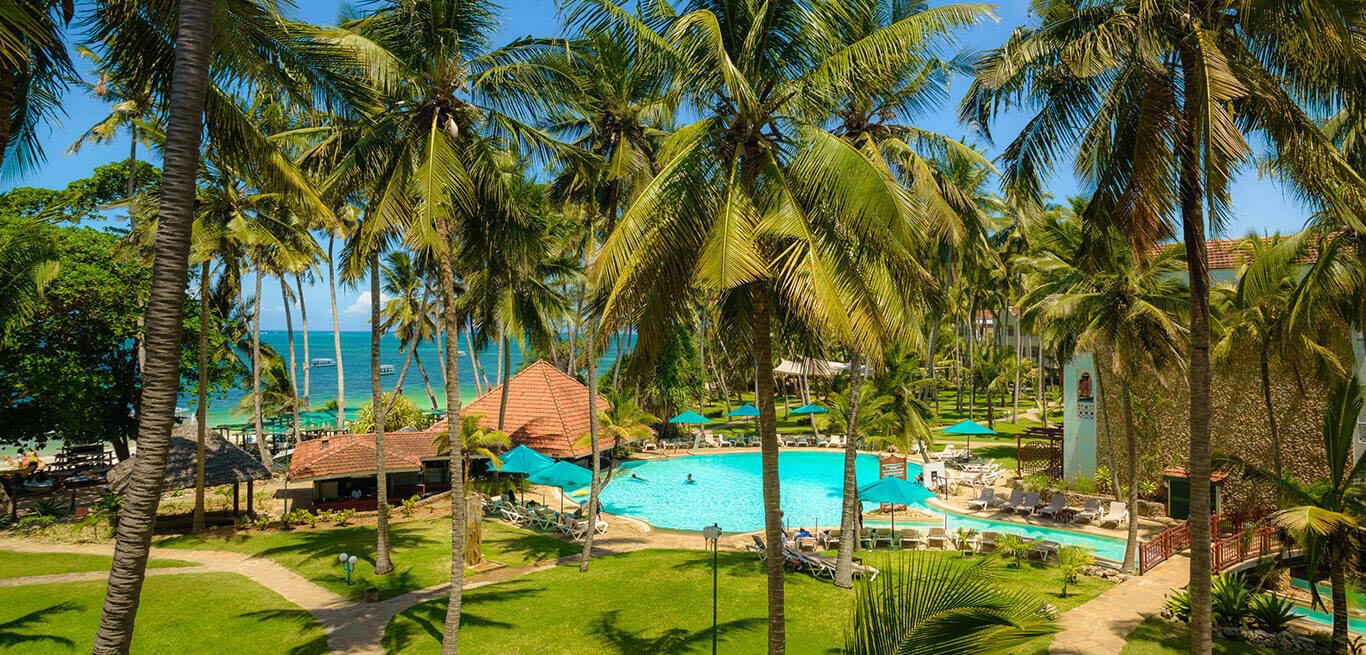
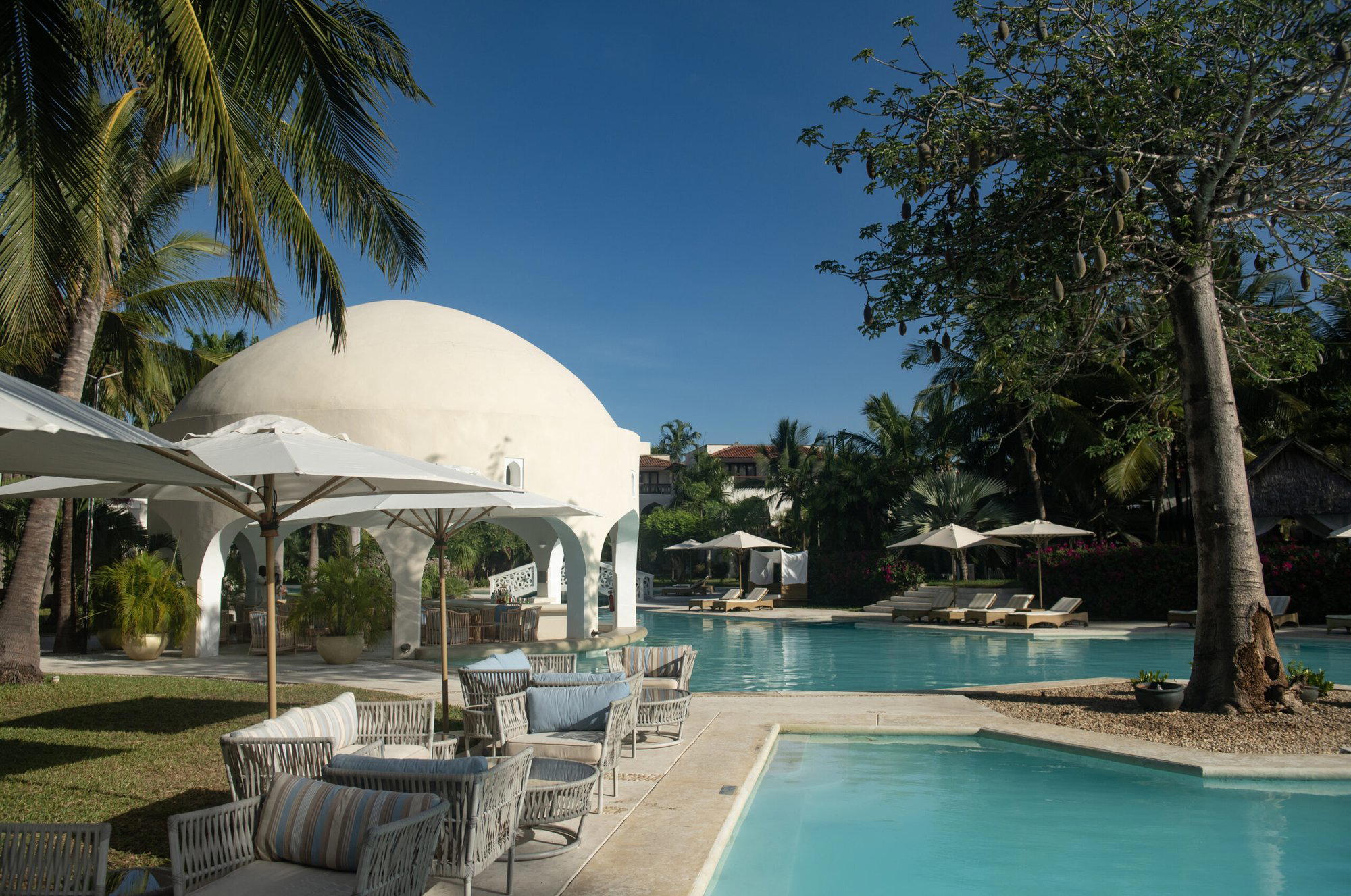
Named Africa's Leading Private Island Resort at the 2025 World Travel Awards, Chale Island sits off Kenya's Diani Beach coast, separated from the mainland by a tidal channel that enforces a pace of life difficult to manufacture elsewhere. The island's architecture works with the coastal forest and coral substrate rather than against it, positioning it in a small tier of East African properties where environment and design are genuinely inseparable.

Pearl is the En Primeur Club membership app, where members save venues, book tables and use the concierge.
An Island That the Indian Ocean Has Always Known About
The approach to Chale Island sets the register for everything that follows. A short boat transfer across the tidal channel between the Kenyan mainland and the island proper is not theatrical staging, it is a functional fact of geography that filters out casual visitors and resets the sensory baseline before guests arrive on solid ground. The coral coast along Kenya's south shore, stretching below Mombasa toward the Tanzanian border, has long been understood as a different proposition from the safari interior: slower, marine-dependent, governed by tide tables rather than migration calendars. Chale Island occupies a specific position within that coastal tradition, a privately held island within a coastline that otherwise offers beach resorts running along Diani Beach Road in a continuous band.
Architecture as Environmental Argument
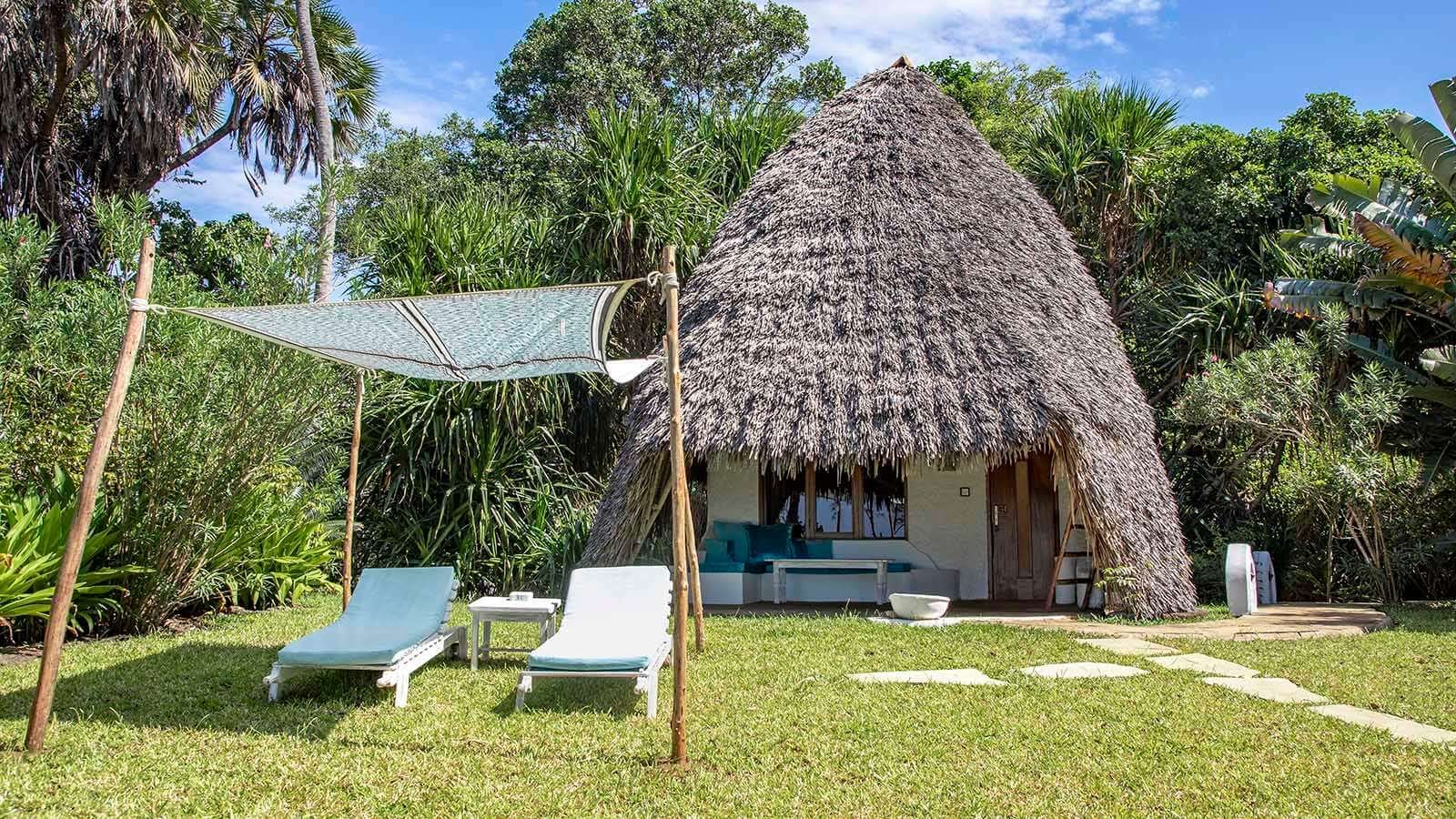
The design approach at properties built on coral island substrates along East Africa's coast has historically faced a binary choice: impose a built form onto a difficult terrain, or let the terrain dictate the architecture. The more considered properties in this category choose the second path, and the physical evidence tends to show in the material palette: makuti thatch, coral stone, salvaged timber, open-sided structures that move air without mechanical assistance. Chale Island's position within a coastal forest ecosystem means the structures are set among mature vegetation rather than cleared land, which changes the relationship between interior and exterior in ways that conventional resort planning cannot replicate. The island receives the kind of natural canopy cover that takes decades to establish, and the buildings read as insertions within that canopy rather than impositions on it.
Where a property like Sarova Whitesands Beach Resort & Spa in Mombasa operates at significant scale with corresponding infrastructure, island properties with limited land area and protected coastal forest face hard constraints on how many structures they can place and where. Those constraints, when accepted rather than resisted, tend to produce better architecture.
The Private Island Category in African Hospitality
Africa's private island tier is smaller than it appears from the outside. Genuine private islands, landmasses accessible only by water, with accommodation controlled by a single operator, are distinct from beachfront properties that market themselves with island-adjacent language. The World Travel Awards, which in 2025 named Chale Island as Africa's Leading Private Island Resort, tracks this category specifically, and the list of genuine contenders across the continent is shorter than the marketing volume around Indian Ocean travel would suggest. The award positions Chale Island at the head of that category across all of Africa, which is a narrower and more defensible claim than broader hospitality rankings that aggregate wildly different property types.
Kenya's luxury hospitality portfolio is more commonly associated with the safari interior, the Maasai Mara, Laikipia, Samburu, where properties like Borana Lodge in Laikipia, Cottar's Safaris in Narok, and andBeyond Bateleur Camp in Maasai Mara have established Kenya's credentials in the upper tier of African safari travel. The coast operates as a separate circuit, and Chale Island sits at the apex of that coastal circuit in a way that few properties along the Diani corridor do. For travellers combining a Mara safari with a coastal extension, a pattern well established among long-haul visitors to Kenya, the island represents the most credentialed option on the south coast.
Tidal Rhythms and the Shape of a Day
The Indian Ocean coastline along southern Kenya is defined by dramatic tidal movement. The fringing coral reef that runs along much of this shore means that low tide exposes a wide shallow shelf, altering the available activities and the visual character of the coast at different hours. A private island in this setting is not static, the surrounding water changes depth, colour, and access as the day moves. This is not a disadvantage; it is the reason the Swahili coast has sustained a maritime culture for over a millennium. Properties that understand the tidal calendar and build their activity offering around it tend to produce a more coherent guest experience than those that try to override it with infrastructure.
The coral ecosystem around Chale Island places it within one of East Africa's marine biodiversity corridors. The reef systems along the Kenyan south coast, particularly around Diani, are documented dive and snorkel sites that draw marine specialists as well as leisure travellers. An island property within this corridor has direct water access that mainland beach resorts approximate with boat excursions.
Placing Chale Island in a Broader Kenya Itinerary
Kenya's premium travel circuit now supports sophisticated multi-leg itineraries. Nairobi entry points, anchored by properties like Villa Rosa Kempinski in Nairobi, connect to interior safari camps across the Mara, Laikipia, Tsavo, and Meru ecosystems before the coast serves as a closing chapter. Options like Elewana Elsa's Kopje in Meru National Park, Finch Hattons Luxury Safari Camp in Tsavo, and Mahali Mzuri in Olare Motorogi Conservancy fill the interior legs with options across price points and conservation models. Chale Island, positioned on the south coast near Diani, is accessible from Mombasa's Moi International Airport, making the transition from the interior, whether by scheduled flight or light aircraft through Wilson Airport, logistically direct.
The island also sits in the same coastal zone as Kinondu Kwetu in Diani Beach, though the two properties occupy different positions in the market: one operates at resort scale on the open beach, the other as a contained island. Further north along the coast, Sirai Beach in Kilifi represents another design-led coastal option for travellers extending their itinerary. For those approaching from a global frame, the design discipline at Chale Island invites comparison with island properties in other ocean contexts, properties like Amangiri in Canyon Point or Aman Venice operate under a similar logic of working with constrained, distinctive terrain rather than against it, even if the climates and cultures differ completely.
Planning a Stay
Chale Island's island status means that logistics require slightly more advance coordination than a mainland resort. Access by boat requires timing with tidal conditions and travel arrangements to the Diani Beach area, which is typically reached via Mombasa. The World Travel Awards recognition for 2025 has increased the property's international profile, and demand at this level of the market tends to outpace supply at peak periods, Kenya's coast high season runs broadly from July through October and from December through March. Given the property's scale relative to mainland alternatives, early booking is the more reliable approach for any travel within those windows. Detailed room categories, current rates, and booking contacts are available through our full Chale Island restaurants and hotels guide.
Comparison Snapshot
| Venue | Price | Awards |
|---|---|---|
| Chale IslandThis venue (the venue you are viewing) | $200–300 | World Travel Awards |
| Fairmont Mount Kenya Safari Club | Not listed | Forbes Recommended · Virtuoso Luxury Hotel Partner |
| Fairmont The Norfolk | $200–300 | 1 Michelin Key · Forbes Recommended |
| Giraffe Manor | $1,500–2,500 | 3 Michelin Keys · La Liste Top Hotels |
| Great Plains Mara | Not listed | Relais Chateaux Award |
| ol Donyo Lodge | $1,000–1,500 | Relais Chateaux Award |
Recognition history
Dated appearances from independent guides and award organizations, with the underlying list record or original source where available.
World Travel Awards
World Travel Awards
Continue exploring
More in Chale Island
Hotels in Chale Island
All hotels in Chale Island →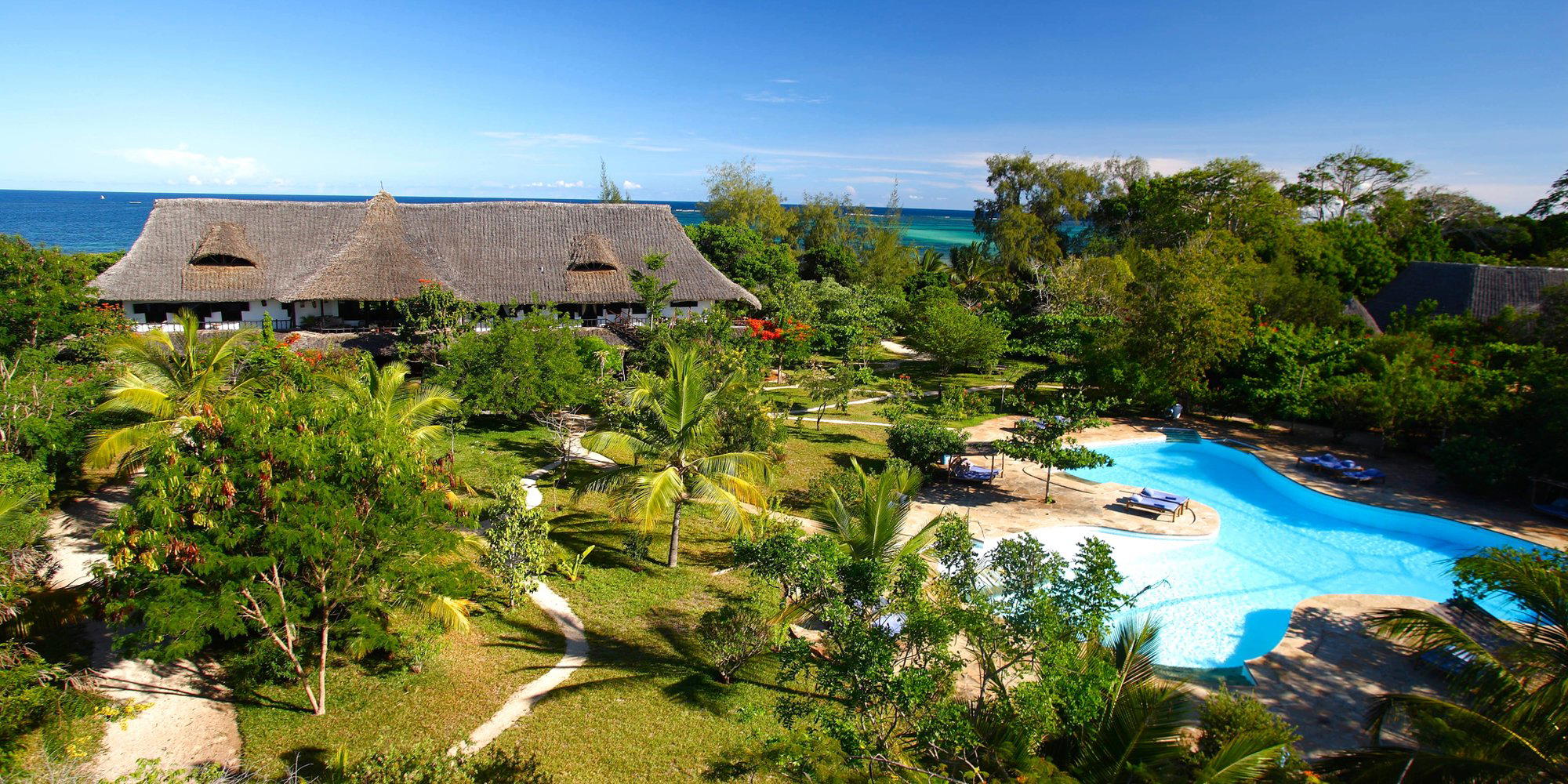
Bars in Chale Island
Browse all →
Details
- Romantic
- Quiet
- Scenic
- Elegant
- Intimate
- Honeymoon
- Romantic Getaway
- Wellness Retreat
- Weekend Escape
- Beachfront
- Infinity Pool
- Wi Fi
- Pool
- Spa
- Fitness Center
- Room Service
- Concierge
- Beach Access
- Waterfront
- Step Free Entrance
Relaxed and peaceful atmosphere with natural lighting, ocean sounds, and a sense of privacy highlighted in guest reviews.